Running a single marathon is a daunting challenge. Running 366 in a row? That sounds nearly impossible—yet one man did it.
Hugo Farias, a 45-year-old from Brazil, ran a full marathon every day for an entire calendar year (and one extra day for leap year).
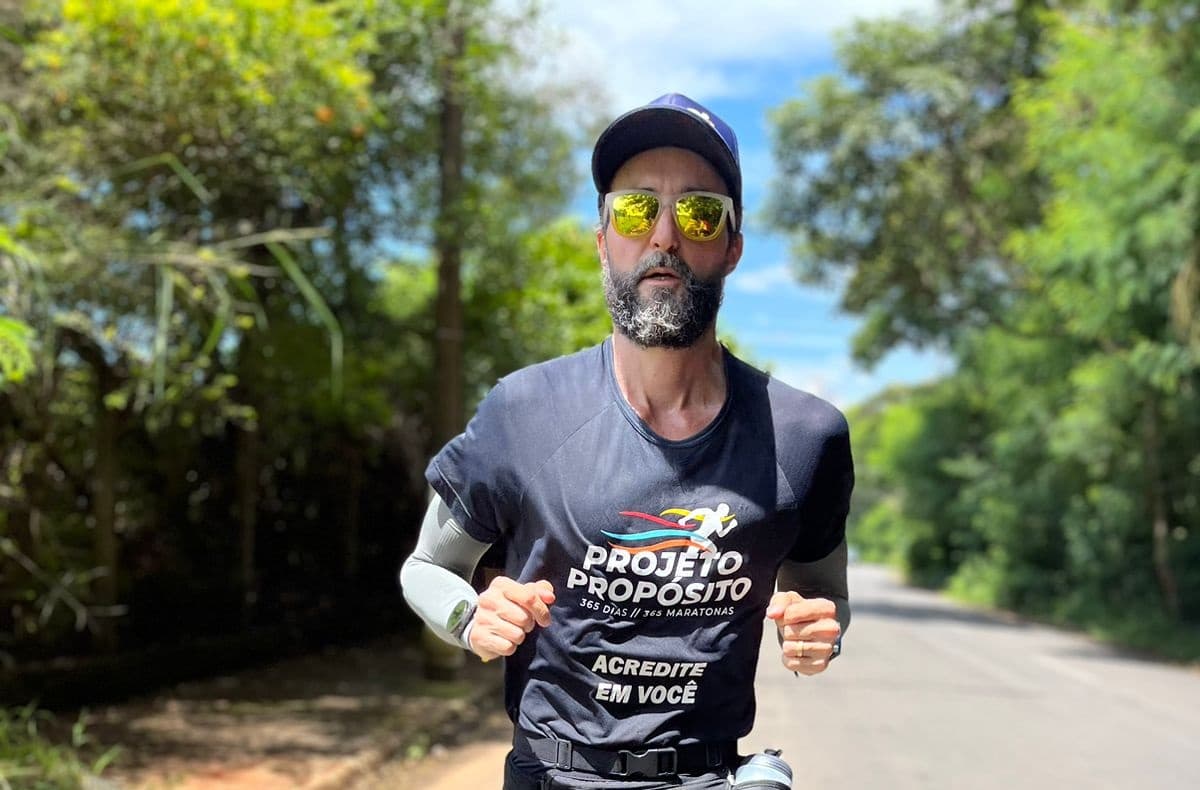
But what did that do to his heart? Surprisingly, science reveals his journey didn’t just defy limits—it redefined what our hearts and bodies are capable of under extreme, but controlled, conditions.
This article unpacks the physical, emotional, and scientific lessons from Hugo’s incredible feat.
You’ll discover how the human heart adapted, the role of medical supervision, and why moderation—even in extreme efforts—can be protective.
Jump to:
Meet Hugo Farias: From Corporate Life to Ultra Endurance
Before his record-shattering year, Hugo led a typical corporate life, managing tech contracts for over twenty years. But a deep sense of dissatisfaction led him to question his life’s trajectory. Inspired by adventurer Amir Klink’s cross-Atlantic voyage, Hugo envisioned a braver path—not on the seas, but on foot.
Despite only having run a single marathon before, Hugo decided to challenge himself by running 26.2 miles daily for 366 days. His mission wasn’t just about endurance; it was about personal transformation, mental strength, and showing others that life renewal is possible at any age.
He spent eight months crafting a detailed plan. This included:
- Rigorous training preparation
- A support team including doctors, physiotherapists, and a psychologist
- Ongoing monitoring by São Paulo’s Institute of the Heart (InCor)
The journey officially began on August 28, 2023, in Americana, São Paulo, and ended a year later, totaling 9,671 miles.
Heart Health Under the Microscope
The centerpiece of Hugo’s experiment was a comprehensive scientific study—perhaps the most in-depth cardiovascular observation ever during such an endurance effort. Each month, Hugo underwent controlled medical evaluations to track cardiac and pulmonary performance. These included:
- Stress tests for oxygen consumption and heart rate analysis
- Quarterly echocardiograms assessing heart structure and function
Dr. Maria Janieire Alves, one of the leading cardiologists overseeing the project, called the effort “something never done before.” The key findings astonished even skeptical experts: there was no sign of heart damage or myocardial injury. His heart not only held steady—it adapted.
Athletic Intensity in a Safe Zone
Crucially, Hugo kept his average heart rate around 140 beats per minute. For a man his age, this is approximately 70–80% of maximum heart rate, commonly classified as “moderate intensity.” That’s important, because the intensity of exercise—not just the volume—plays a pivotal role in whether stress is constructive or harmful.
Independent cardiologist Dr. Filippo Savioli, commenting on the study, underlined the significance of that balance. “Moderate, repeated stress allowed for cardiovascular adaptation without pathological remodeling,” he explained. “Intensity control is what separates endurance success from sudden cardiac risk.”
Lived Lessons in Discipline, Pain, and Psychology
Behind every step were aches, injuries, and body signals Hugo had to heed. He battled through painful foot conditions like plantar fasciitis and pubalgia. During the hardest days, he couldn’t run at all, resorting to slow walks with regular icing sessions and rehabilitation time.
Severe digestive distress also hit hard—he lost nearly 9 pounds during a five-day illness. Throughout, he relied on pain management strategies, proactive recovery, and constant communication with his medical team.
Hugo’s mental resolve held tight, in no small part thanks to working with a sports psychologist. Knowing each day could bring an unexpected obstacle, Hugo carefully planned for life’s unpredictability—from family emergencies to emotional fatigue. His repeat marathon route in his hometown helped him stay mentally anchored. Over 5,000 locals ran alongside him at different moments, creating a shared goal and emotional boost.
Planning Made the Impossible Achievable
What made Hugo’s feat possible wasn’t superhuman stamina—it was strategic self-management:
- Using consistent routes made hydration and pacing easier
- Mid-intensity effort kept cardiovascular strain within safe ranges
- Frequent check-ups helped prevent long-term complications
- Community involvement elevated morale and purpose
As Hugo said: “I knew I could get hurt or face family issues. So I planned for every scenario.”
The Takeaway: Your Heart Can Handle More Than You Think—But Only When Managed Smartly
Hugo’s story debunks the myth that extreme physical challenges always damage the heart. His year-long journey teaches a critical nuance: it’s not just the volume of activity, but intensity, recovery, and medical support that determine outcomes.
For average health seekers, this doesn’t mean aiming to run daily marathons. But it does suggest that with appropriate pacing and preventive care, our bodies are capable of far more than we often believe. Regular movement—even under strain—can be safe and adaptive under the right conditions.
What’s Next for Hugo?
After completing this astonishing year, Hugo wrote a book titled “It’s Never Too Late to Write a New Story.” And he’s not stopping there. He’s now training for his riskiest journey yet—a trek from Alaska to the southern tip of South America. That’s a staggering 16,000-mile route, with plans to run about 53 miles each day, for 300 days.
Again, the goal isn’t just physical achievement—it’s to inspire others to reimagine their potential, no matter their past.
Redefining Human Limits, One Step at a Time
At first glance, Hugo’s challenge seems superhuman. But as his story shows, exceptional feats are just scaled-up versions of daily discipline, planning, and perseverance. Whether you’re considering a fun run or your first 5K, Hugo’s story proves that transformation is not only possible—it might be just one brave decision away.
Could you imagine pushing your body for 366 straight days? Share your own fitness journey or thoughts in the comments below—let’s explore how far the human spirit (and heart) can go.