For much of the 20th century, the military press was the gold standard of strength. Ask any aspiring weightlifter in the early days, and the first question they heard wasn’t about their squat or bench—it was, “How much can you press?” .
But by 1972, this once-revered Olympic lift had vanished from competition.
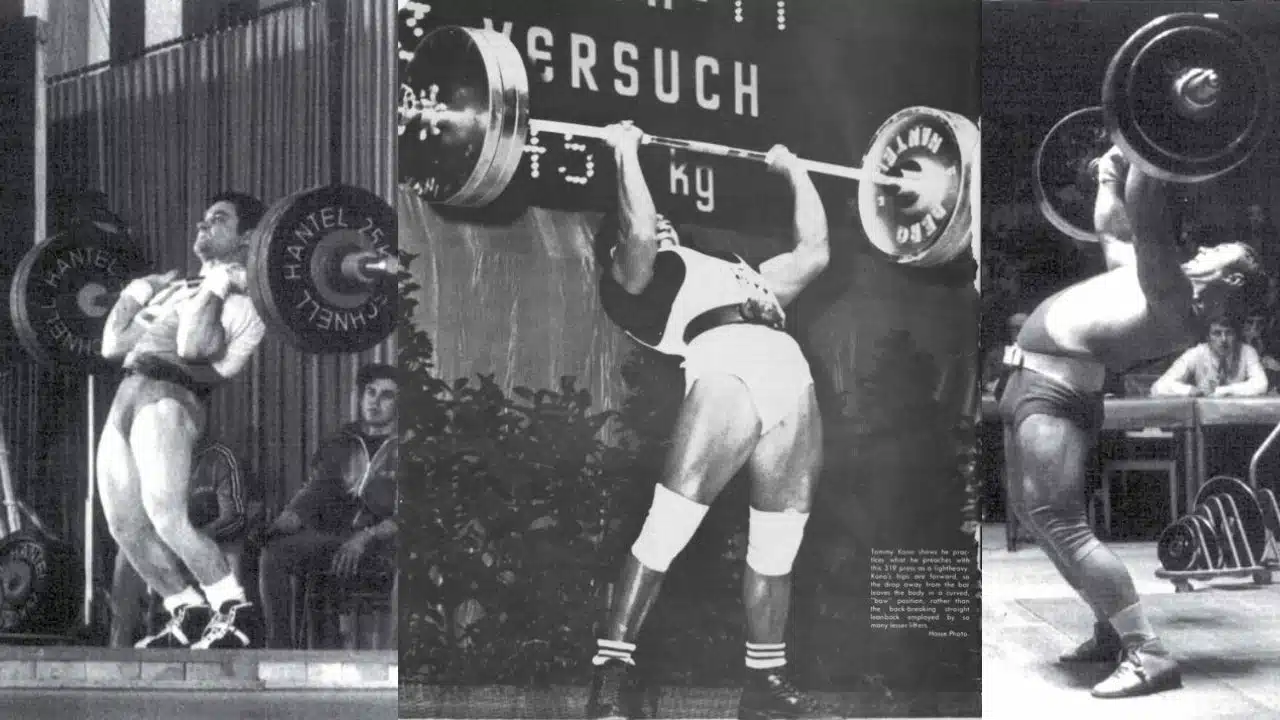
So what went wrong? How did one of the most iconic measures of human strength become so controversial that it was erased from the sport?
In this deep dive, we uncover the complex history of the military press—its noble beginnings, its descent into controversy, and what its demise reveals about the politics of sport.
Jump to:
From Strength Standard to Olympic Staple
In 1928, the military press became one of the three Olympic lifts, joining the snatch and clean and jerk. Unlike its counterparts, which demanded speed and technique, the press was all about brute strength.
The original rules were strict: lifters had to remain upright, with feet together and no leg involvement—hence the “military” moniker. As historian John D. Fair notes, the press was viewed as “the best test of pure strength” by early champions like Alan Calvert, founder of the Milo Barbell Company.
But from the very beginning, enforcing such purity proved problematic. Different nations interpreted the rules in different ways. The French pressed bolt upright. Germans allowed a generous backbend. Americans idolized strict form, even awarding “World’s Strongest Man” titles based on textbook military presses.
The Erosion of Standards: A Global Tug-of-War
As international competition intensified, so did the urge to bend the rules—literally. By the 1932 Olympics, French lifters were arching their backs like the Germans. Americans, once champions of strict form, began adapting too.
By the 1940s, legends like John Grimek were using a steel-reinforced belt and a deep backbend to hit massive lifts. National pride blurred the lines between legal lifting and showmanship. Coaches started teaching new press styles that bent the rules without technically breaking them.
Even then, the press was difficult to judge. Was a backbend legal if it started before the lift? Could you tilt your head? What counted as “movement” in the legs? Referees struggled. Appeals soared.
Enter the Cold War—and the “Russian Press”
After World War II, the sport became a Cold War battleground. In 1946, Soviet lifter Gregori Novak stunned the world with a 309-pound press. His technique, dubbed the “Russian press,” involved a wide grip and a powerful upper back arch that let him lift more while appearing technically compliant.
American officials accused the Soviets of bending the rules and leveraging political influence to get questionable lifts approved. But historian Fair’s analysis shows that Americans and Europeans had already corrupted pressing standards long before the Soviets entered the scene.
Still, the narrative stuck. The term “Russian press” became shorthand for fast, loose lifts that were hard to judge but difficult to disqualify. By the 1960s, nearly every elite lifter had adopted some version of it.
A Sport in Chaos: Judges, Juries, and Knee Kicks
Throughout the 1950s and ’60s, press performances skyrocketed—but so did the controversy.
At major events like the Olympics and World Championships, lifters routinely used knee kicks, torso whips, and exaggerated backbends to launch the bar overhead. Judges struggled to keep up. Juries often overruled decisions on political grounds. At one point, American officials joked about replacing referees with “blind men and Seeing Eye dogs.”
Rules were amended to allow a certain degree of backbend—but “not exaggerated.” But who decides what’s exaggerated? Opinions varied wildly, and enforcement was inconsistent. One weight class might see 60% of presses disqualified; another might pass every lift.
The Breaking Point: From Technique to Travesty
By the late ’60s, the press had devolved into a farce. Lifters were scoring world records with movements that looked more like jerks than presses. Some featherweights couldn’t even perform a legal press anymore—they were too used to knee kicks.
Even traditionalists gave up. American coach Bob Hoffman—once a defender of strict standards—began teaching the same controversial techniques to stay competitive. “If you want to beat the Russians, you must train like the Russians,” he conceded.
In 1972, after a particularly chaotic run of competitions, the International Weightlifting Federation voted 33–13 to eliminate the press from Olympic and world championship events. It was the end of an era.
What the Death of the Press Tells Us
The demise of the military press wasn’t just about judging. It was about identity.
The press symbolized raw strength—manliness, as one Olympic champion put it. But as sports leaned more toward speed, skill, and spectacle, the values shifted. Olympic lifting embraced agility and explosiveness. Powerlifting rose to take strength’s throne. And bodybuilding, with its celebration of physique, filled the void left behind.
Yet the press never truly died. Today, strict overhead pressing lives on in training programs, strongman events, and CrossFit gyms. It’s still the go-to test for upper body strength—even if it’s no longer on the Olympic stage.
Looking Back, Pressing Forward
The military press was once the crown jewel of strength sports. Its story is one of ambition, innovation, and political gamesmanship. It teaches us that sports are never just about performance—they’re about values, image, and the rules we choose to uphold.
As lifters today debate technique, training, and fairness, the ghost of the press still lingers. And maybe, just maybe, the question is still worth asking: