Professor Luke O’Neal doesn’t mince words when it comes to ultraprocessed foods and inflammation.
“High sugar, high fat, they’re the two nasties,” he says, explaining how these foods overstimulate our bodies and create toxic byproducts that trigger our immune system.
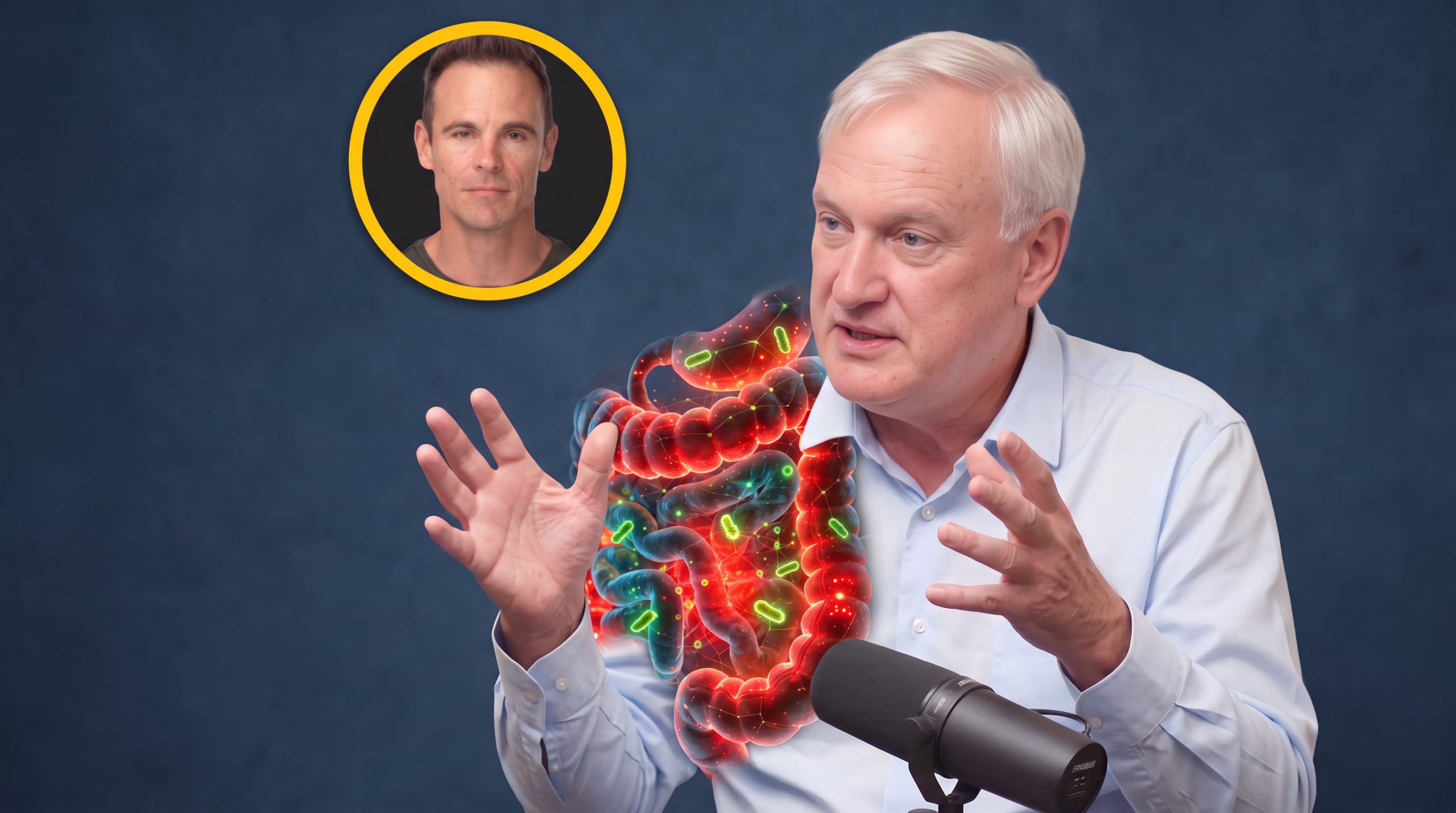
The result? A low-grade inflammation that can be “very dangerous and can shorten your life,” speeding up the aging process itself.
O’Neal, a professor in the school of biochemistry and immunology at Trinity College Dublin and ranked among the top 1% of immunologists in the world, has spent over four decades studying inflammation and its profound effects on human health.
Jump to:
Understanding Inflammation: Your Body’s Double-Edged Sword
The ancient Greeks identified inflammation 2,000 years ago by observing its cardinal signs: redness, swelling, pain, and loss of function. When you sprain your ankle or get a cut, these symptoms appear as part of your body’s natural healing response.
Inflammation serves two critical purposes: fighting germs and repairing damaged tissue.
Inflammation is the body’s healer. Without it, we wouldn’t be here because infections would have killed us or injuries would have wiped us out.
Every organism on Earth has evolved some form of inflammatory process. It’s ancient, essential, and in most cases, protective.
But here’s where things go wrong.
When Inflammation Turns Against You
The same weapons your immune system uses to fight infections can begin destroying your own tissues. Any disease ending in “itis” signals inflammation—arthritis in joints, dermatitis in skin, and even conditions like multiple sclerosis in the brain.
O’Neal uses a striking analogy to explain this phenomenon: “It’s an army to fight infection that becomes a civil war.”
One in three people will develop an inflammatory disease in their lifetime, a category that includes heart disease. When your heart becomes inflamed, it can trigger a heart attack.
Strangely, these conditions were far less common centuries ago. Archaeological evidence from ancient skeletons shows little sign of arthritis or similar inflammatory diseases.
The dramatic increase appears to be a consequence of modern living.
The Hidden Epidemic of Chronic Inflammation
Beyond obvious inflammatory diseases like rheumatoid arthritis, many people today live with chronic low-grade inflammation—a constant, smoldering burn that never quite resolves.
O’Neal compares it to a vacuum cleaner that’s slightly overheating. Not quite on fire, but running hot enough to eventually cause damage.
This persistent inflammation affects far more than joints. Research now links it to heart disease, Parkinson’s, Alzheimer’s, and even the aging process itself.
There’s a thing called inflammaging. The aging process itself is being driven by low-grade inflammation. Inflammation speeds up the aging process.
Studies show that if you create inflammation in model organisms, they age more quickly. Markers of inflammation gradually increase as we get older, suggesting that reducing inflammation could potentially slow aging and extend what scientists call your “health span”—the years you live in good health.
Recognizing the Symptoms
Chronic inflammation often manifests through subtle but persistent symptoms. Fatigue ranks among the most common signs.
When you get the flu, you experience what scientists call “sickness behavior”—you feel exhausted, lose interest in socializing, your appetite disappears, and you might feel mildly depressed. This evolved to get sick individuals away from the group, preventing disease spread.
With chronic inflammation, the same molecules trigger similar responses, even without an actual infection. You experience ongoing fatigue, low-grade depression, and reduced appetite.
Doctors can measure inflammation through blood tests. One marker, C-reactive protein (CRP), clearly indicates inflammation when elevated. However, detecting subtle, low-grade inflammation remains challenging as levels fluctuate and vary between individuals.
How Modern Diets Fuel Inflammation
O’Neal emphasizes that obesity stands as the single biggest dietary driver of inflammation, by a country mile.
When fat tissue accumulates, especially visceral fat around your midsection, your immune system responds. Scientists discovered about 30 years ago that fat tissue from obese individuals is packed with immune cells.
Why? The immune system perceives excess fat as noxious and tries to eliminate it, like a vacuum cleaner attempting to clean up after a massive party.
These fats are making byproducts. The immune system wants to get rid of this. So it goes in now and tries to get rid of these byproducts that become toxic to the body. And guess what? You’re having this low-grade inflammation.
Fat tissue generates reactive oxygen species—essentially bits of bleach—that damage surrounding tissue. The immune system rushes in to help, but overheats in the process, triggering widespread inflammation.
Interestingly, newer weight-loss medications like semaglutide (Ozempic, Wegovy) work partly by reducing fat and lowering inflammation, providing additional scientific evidence linking fat tissue to inflammatory processes.
The Sugar Problem
Carbohydrates, particularly sugar, represent another major concern. Excess sugar doesn’t just contribute to weight gain—it directly irritates your body’s systems.
O’Neal’s research revealed a particularly troubling mechanism in 2013. When you have inflamed tissue, like an arthritic joint, and consume sugar, that tissue becomes voracious for glucose, burning it rapidly like shoveling coal into an overheated engine.
This process generates “exhaust fumes”—byproducts like succinate that are highly inflammatory.
If you’re feeding an inflamed tissue loads of sugar, exhaust fumes are coming off the engine now damaging the tissue and that’s one reason why too much sugar is bad for you.
You’re essentially throwing petrol on a fire.
Inflammation also creates insulin resistance, making your cells less responsive to insulin’s signal to absorb glucose. Blood sugar levels climb higher, promoting more inflammation, which increases insulin resistance further—a vicious cycle that can lead to type 2 diabetes.
Not All Sugars Are Equal
Fructose, the sugar naturally found in fruit, proves especially problematic in excess. While eating whole fruit with its fiber is beneficial, concentrated fructose generates even more toxic byproducts than glucose.
Many ultraprocessed foods add fructose as a sweetener. When consumed in this concentrated form without accompanying fiber, fructose causes significant damage, particularly when consumed daily.
The key distinction? Fructose in whole fruit comes packaged with fiber and other compounds that make it less damaging. The fiber feeds beneficial gut bacteria that help metabolize the fructose.
Isolated, added fructose in processed foods lacks these protective factors.
Debunking Food Fears
While some foods genuinely promote inflammation, others have been unfairly demonized.
Red Meat: A Question of Moderation
Humans evolved as omnivores. Our teeth are designed to tear meat, making it a natural part of our diet.
The issue with red meat isn’t that it’s inherently inflammatory, but rather that too much protein can overwhelm your kidneys, and the iron in red meat can irritate your body in excess.
Meat also promotes the production of reactive oxygen species—those bleach-like molecules. However, vegetables contain antioxidants that suppress this bleach effect.
Eating meat with vegetables provides a natural balance.
A diet of only meat would harm your health not just from inflammation, but from missing the fiber and other nutrients your microbiome needs to thrive.
Gluten: Only a Problem for Some
Celiac disease represents a genuine autoimmune condition triggered by gliadin, a protein in gluten. The immune system overreacts to gliadin, eventually attacking the body’s own tissues.
For people with celiac, avoiding gluten is essential. Excitingly, research is exploring ways to desensitize celiac patients to gluten, potentially allowing them to eat normally in the future.
For everyone else without celiac disease, gluten is simply another nutrient source. Limited evidence suggests gluten causes problems in people without celiac, though some individuals may have preclinical celiac with milder symptoms.
If you suspect gluten sensitivity, get tested rather than self-diagnosing.
Dairy and Seed Oils
Like gluten, lactose intolerance is real for some people—their immune system treats milk sugar as an allergen. This has a genetic basis and can be tested.
For those without lactose intolerance, dairy products pose no inherent inflammatory risk.
As for seed oils, which have become controversial online, O’Neal is clear: oils from vegetables, including olive oil and sunflower oil, are uniformly beneficial for most people when they’re natural oils from plants.
Building an Anti-Inflammatory Diet
Rather than obsessing over individual foods to avoid, O’Neal recommends focusing on overall dietary patterns.
The Power of Plants
Plants formed the basis of the very first anti-inflammatory medicines. Ancient healers rubbed willow bark on inflammatory wounds long before scientists isolated its active ingredient—salicin, which became the foundation for aspirin.
Other traditional anti-inflammatory herbs include turmeric (containing curcumin), rosemary, and coriander. Mediterranean herbs, which grow in that region’s specific climate, contain beneficial oils.
Plants provide multiple anti-inflammatory benefits:
- Antioxidants: Polyphenols in plants mop up those bleach-like oxygen radicals before they damage tissue
- Fiber: Feeds beneficial gut bacteria that produce anti-inflammatory compounds
- Short-chain fatty acids: Bacteria digest fiber to create molecules like butyrate that protect your gut
A large study on the Mediterranean diet—rich in nuts, legumes, olive oil, and herbs—showed it lowered CRP, that key inflammation marker.
The Microbiome Connection
Your gut contains millions of bacterial species that dynamically change based on what you eat. A healthy microbiome produces anti-inflammatory molecules, while an imbalanced one generates pro-inflammatory compounds that can enter your circulation.
Certain foods promote good bacteria. Fermented foods, which ancient cultures discovered independently, support beneficial species.
There’s even a theory that Parkinson’s disease may begin in the gut, where certain bacteria produce toxic substances that travel through nerves to the brain.
While scientists understand the microbiome’s importance, therapeutic applications remain challenging. Your gut resembles a rainforest ecosystem—simply adding one bacterial species won’t transform the entire environment.
Food remains the most reliable way to influence your microbiome.
Beyond Diet: The Lifestyle Factors
O’Neal quotes 18th-century writer Jonathan Swift, who said you need three doctors: Dr. Diet, Dr. Sleep, and Dr. Mirth.
Dr. Mirth—having a laugh and enjoying yourself—might be the most important of all.
More and more evidence that your mood affects your immune system. If you’re stressed that could put the immune system off-kilter and you get inflammation.
Depression, anxiety, and stress trigger cortisol and other molecules that can swamp out any dietary benefits. Your mental health profoundly influences your immune function.
The brain-immune connection works both ways. When you’re stressed or in a bad mood, you might develop indigestion from normally well-tolerated foods—your brain talking to your digestive system.
This means occasional treats—that cream bun or cake you enjoy—might actually benefit your overall health if they bring you happiness, even if they’re not nutritionally optimal.
Other Critical Factors
Sleep deprivation significantly impacts inflammation and can confound dietary studies. Someone blaming gluten for their problems might actually be suffering from chronic poor sleep.
Even sunlight timing matters. Morning sunlight proves more beneficial than evening exposure due to inflammation’s circadian rhythm—it varies throughout the day.
Jet lag can worsen arthritis because it disrupts your body clock. Getting your circadian rhythm regularized through morning sunshine can help.
Exercise, of course, plays a role. Three hundred years ago, everyone exercised naturally—no cars, walking miles daily. Modern life requires conscious effort to move.
Should You Take Supplements?
O’Neal maintains skepticism about anti-inflammatory supplements flooding the market.
“You should get it from a balanced diet,” he explains. A healthy diet provides necessary vitamins and nutrients without supplementation.
Supplements make sense for specific deficiencies—anemia, vitamin D deficiency, certain diseases affecting nutrient absorption. But for reasonably healthy people, supplements are unnecessary.
One concern with herbal supplements from health food shops is uncertainty about dosing and regulation. While turmeric and other herbs have strong historical foundations, standardizing effective doses remains problematic.
Taking Action Against Inflammation
If you suspect chronic inflammation, start by seeking expert medical advice. Blood tests can measure inflammation markers and rule out specific conditions.
Key steps to reduce inflammation:
- Maintain a balanced diet with plenty of plants, fiber, and diversity
- Practice moderation—avoid excess sugar, fat, and calories
- Get quality sleep consistently
- Exercise regularly
- Get morning sunlight to regulate your circadian rhythm
- Manage stress and prioritize mental health
- Enjoy life—remember Dr. Mirth
The vacuum cleaner analogy captures the essence perfectly. Your immune system evolved to clean up damage and fight infections. But modern life—with its excess calories, sugar, processed foods, stress, and sedentary habits—has overloaded this ancient system.
The machine is overheating, creating collateral damage throughout your body.
Reducing inflammation isn’t about perfection or eliminating every “bad” food. It’s about returning to patterns our bodies evolved to handle: balanced nutrition, adequate sleep, regular movement, stress management, and yes, enjoyment.
As O’Neal summarizes: “If you eat like the Stone Age and behave like it’s the Stone Age, you’re less likely to get inflamed.”
Your body remains fundamentally the same as humans who lived 300,000 years ago. Supporting it with the conditions it evolved for gives you the best chance at a long, healthy life—what scientists now call an extended health span.
The promise is tantalizing: by managing inflammation through diet and lifestyle, we might not just prevent disease but actually slow the aging process itself.
Sources
No external sources were provided in the research brief for independent verification.