Fat loss feels impossible when you’re doing everything “right” but seeing zero results.
An ER doctor and former special operations soldier says most men are sabotaging their progress without even knowing it.
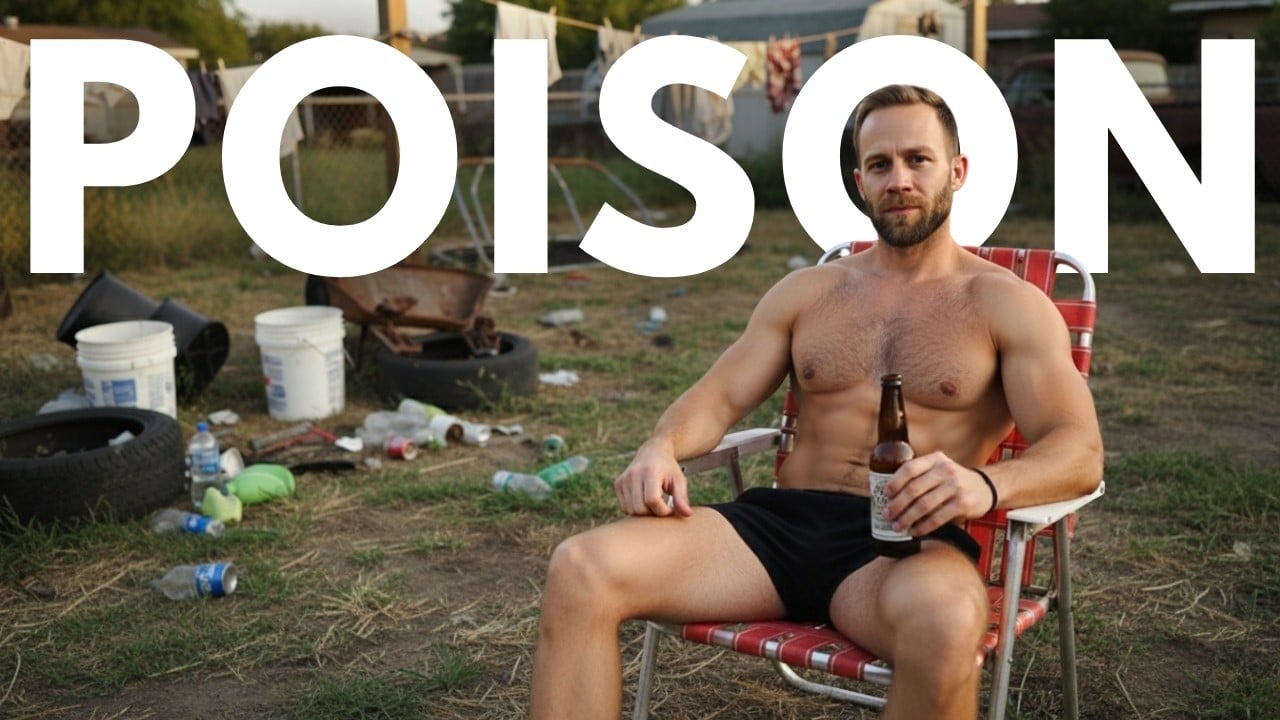
The problem isn’t lack of effort—it’s five everyday habits quietly wrecking fat loss behind the scenes.
In a recent video, Dr. Sam Dunn breaks down exactly which behaviors are keeping men soft, tired, and stuck—and how to fix them starting today.
Jump to:
Poor Sleep Tanks Testosterone and Fat Burning Overnight
Most guys crush workouts and eat clean but still can’t lose fat because they’re ignoring sleep quality.
Bad sleep acts like pouring water on a fat loss fire—it slows metabolism, spikes cravings, and destroys testosterone levels literally overnight.
Early in my medical career, I’d go days with very little sleep. At first, I thought I could just muscle through it the way I did when I was younger. But after a few months, I was getting softer and slower and starting to look older than my actual age.
Studies show even one night of poor sleep can drop testosterone by up to 15%. Less testosterone means slower recovery, reduced muscle growth, and almost no fat burning.
Hunger hormones go haywire too, pushing men toward carbs and sugar just to stay awake.
How to Fix Sleep Quality Fast
Dr. Dunn recommends treating your bedroom like a cave: dark, cool, and quiet.
- Set a bedtime alarm instead of just a morning one
- Kill screens when alarm goes off—no phone scrolling or TV
- Dim lights and head straight to bed
Sleep is not a luxury. It is the most essential foundational thing that you can do to improve your health. And it is literally the easiest 10x task you will ever do. I mean, I am literally telling you to just go to bed.
Even a few nights of proper sleep dramatically improves how you feel and makes every other habit easier to maintain.
Alcohol Stops Fat Burning Cold
Most men underestimate how much alcohol sabotages fat loss—and it’s not just about calories.
Every drink tells your body to stop burning fat because it must deal with the toxin first. While your liver clears alcohol, fat burning grinds to a halt, muscle building stops, and testosterone production tanks.
When I was in special operations, alcohol was part of the culture sadly. Post mission, post training, post anything you could find a drink in our hands. But as I got older, I noticed it started making me fat and my recovery sucked and my sleep was terrible.
Even two or three beers per week add up. Sleep quality suffers, testosterone drops, and hunger spikes the next day.
Don’t fall for “healthy” alcohol either—wine, cocktails, whiskey all hit your system the same way.
What Studies Really Show About Alcohol
Research claiming two glasses of wine per night was healthy has been debunked. The grapes were healthy, not the alcohol.
Dr. Dunn’s recommendation? Stop drinking completely if fat loss matters.
Try cutting out alcohol completely for 2 weeks and see what happens. Your sleep is almost surely going to improve, then energy, and then fat loss.
Important caveat: Heavy drinkers should taper slowly to avoid dangerous withdrawals including seizures.
Short-Term Thinking Kills Long-Term Results
Most men destroy their fat loss goals because they think in days instead of years.
They’ll eat clean for a few days, check the mirror, and get angry when abs aren’t showing yet. Or they’ll eat pizza thinking “it’s just one night” without realizing that meal won’t show up on their waistline tomorrow—it appears three weeks later.
Same goes for workouts. Today’s gym session won’t show in the mirror for another month.
People vastly overestimate what they can do in a week and completely underestimate what they can accomplish in a year.
Dr. Dunn built his entire career on delayed payoff: two years training before his first special operations deployment, two years before becoming operational as a special agent, and 13 years of school before calling shots as an ER doctor.
Real Results Take Real Time
One of Dr. Dunn’s clients, Damian, got frustrated after losing only 5 pounds in his first month.
I told him, “Good, that means it’s real.” 3 months later, he went down 20 lb. He was stronger, leaner, and off his blood pressure medications.
The only thing that changed was Damian’s mental timeline to success.
Stop chasing fast results—fast results are fake results. Stack small wins like good sleep, clean eating, and lifting consistency, then let them compound over time.
Not Tracking Means You’re Just Guessing
You cannot fix what you don’t measure.
Most guys wing their diet and training, saying things like “I eat pretty clean” or “I’m working out a lot.” But when they actually track, numbers tell a completely different story.
The guy I was working with wasn’t dropping weight like he should have been. And he swore to me that he was only eating 2100 calories a day and said it was all healthy food. When we tracked it for a week, he was actually at 3,200.
Healthy food still packs on pounds if you’re eating too many calories—doesn’t matter if it’s all rice or vegetables.
Tracking Creates Awareness, Not Obsession
Apps like MyFitnessPal make tracking ridiculously easy. Just snap a photo or scan a barcode and it logs automatically.
Body composition scales like Hume Body Pod provide additional data points for adjustments.
Once you have data, you can solve problems instead of guessing:
- Too tired? Eat more protein
- Not losing fat? Drop 200 calories
- Strength dropping? Increase recovery time
Going from 30% to 20% body fat doesn’t require much tracking—your body happily sheds excess weight. Below 15%? You’ll need consistent tracking as your body fights harder to keep every pound.
Overestimating Calorie Burn From Workouts
Most men think workouts burn way more calories than they actually do.
They’ll crush a 45-minute lift or sweaty run, then reward themselves with a burger and beer. Problem? That workout burned maybe 300 calories. The meal just added 1,200.
Apple Watches, treadmills, and calorie trackers often overestimate calorie burn by 30 to 50%. You’re not burning what you think you’re burning.
If you treat every workout like a hall pass for junk food, you’ll stay stuck exactly where you are.
Think About Health in Three Buckets
Dr. Dunn suggests breaking health into three categories:
- How much you eat – controls weight
- What you eat – controls health markers
- How much you move – controls body composition and cardiovascular health
The problem is people are trying to use bucket three movement to lose weight. If they would just focus on bucket one, how much they eat, the weight and fat would come off much faster.
Stop counting calories burned and adding that much more food to your diet. Calorie calculators already factor in movement—adding more food because you worked out means overshooting calories every single time.
When you stop chasing calories burned and start managing inputs, everything accelerates: fat loss, energy levels, and hormone balance.