Tight hips holding you back from deep squats and comfortable lunges?
You’ve probably tried trendy stretches like 9090 rotations or even invested in a stretching machine from TikTok.
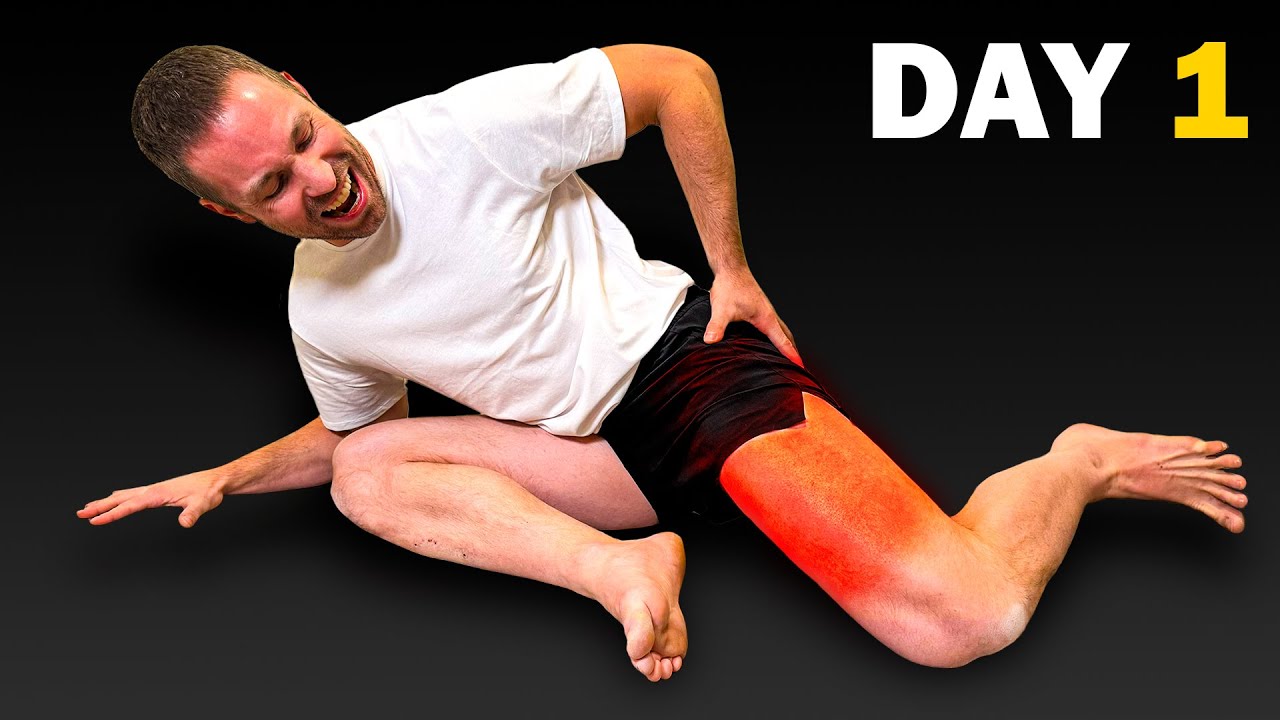
But here’s the truth: most traditional hip mobility drills feel awkward and don’t deliver real results for average fitness enthusiasts.
Physical therapy experts are now sharing three straightforward drills that actually unlock hip mobility—no extreme flexibility or fancy equipment required.
Jump to:
Why Hip Mobility Actually Matters
Hips rank among the body’s most mobile joints, yet they quickly stiffen when neglected.
Is it true that if you don’t use it, you lose it?
Unfortunately, yes. Lost hip mobility creates obvious problems—difficulty achieving deep squats, compromised lunge technique, and eventually pain radiating to knees and lower back.
These issues compound over time, making preventive mobility work essential rather than optional.
The Hip Airplane: Mobility Meets Stability
This drill trains hip mobility and stability simultaneously, mimicking real-world movement demands.
What makes hip airplanes particularly effective? They offer three progression levels, allowing customization based on current ability.
Level One: Supported Balance
Begin by holding a rack or wall lightly for balance support. Hinge at hips and raise one leg backward.
Slowly rotate pelvis open and closed while maintaining a slightly bent stance knee. Opening upward moves hips into external rotation, stretching inner groin muscles. Rotating downward creates internal rotation, stretching glutes.
Perform five repetitions each direction with a 5-second hold at end range.
Critical form cue: Keep knee and foot stable throughout the movement. Letting them shift redirects tension away from target areas, diminishing stretch effectiveness.
Level Two: Adding Load
Ready to progress? Introduce a kettlebell or dumbbell resting on your hip’s outer edge.
Added weight pulls you deeper into internal rotation stretches while forcing lateral glute muscles to work harder during external rotation. After several reps, lateral glutes should feel significantly fatigued.
Level Three: Band-Resisted Chaos
Remove balance assistance entirely and attach a light resistance band around knee height.
The band constantly attempts to cave your knee inward, forcing your body to fight hard maintaining position and balance. This mobility-stability combination represents the ultimate expression of hip function.
Glutes will burn intensely after just a few quality repetitions.
The Psoas Stretch: Unlocking Hip Flexor Tightness
Tight hip flexors prevent full hip extension, compromising running mechanics, lunge performance, and glute activation.
Research published in the International Journal of Sports Physical Therapy found athletes with tight hip flexors exhibit significantly less glute muscle activation compared to those with adequate flexibility.
Test Your Hip Flexor Mobility
Sit at a table or high bench edge, then lie back. Pull one knee completely to your chest while letting the other leg hang naturally off the edge.
If your thigh doesn’t reach the table surface, hip flexor tightness exists.
The Solution
Start kneeling with hips tucked slightly under. Squeeze your glute and shift forward until feeling a stretch across hip’s anterior surface.
Reach your arm overhead and tilt your body sideways, intensifying the deep hip flexor stretch.
Common mistake alert: Avoid arching your lower back during execution. Lock in core engagement to genuinely target the psoas muscle.
Kettlebell Weight Shift: Better Than Pigeon Pose
Deep pigeon pose stretches prove extremely difficult for most people, often creating more frustration than flexibility gains.
The kettlebell weight shift offers a superior alternative, opening hips through external rotation while building strength and control simultaneously.
Execution Breakdown
Begin kneeling with weight in hand and one foot positioned to the side at approximately 30 degrees.
Maintain tall chest posture and forward hip position. Shift hips laterally until feeling groin muscle stretching. Hold five seconds, then return to starting position.
Individualizing for Your Body
This drill’s brilliance lies in its adaptability:
- Too tight? Move your foot forward slightly, reducing leg openness
- Too easy? Open hips further to the side, increasing stretch intensity
- Key mistake: Don’t hinge hips backward—this removes tension from groin muscles entirely
Implementation Strategy
These three drills deliver simple, effective hip unlocking that actually works for real people.
Perform them daily, especially before lower body training sessions. Noticeable improvements in hip mobility, squat depth, and movement comfort typically emerge within days of consistent practice.
Unlike complicated mobility routines requiring significant time investment, these exercises take minutes but deliver lasting results. They address hip mobility’s three critical components: external rotation, internal rotation, and hip flexor length.
By training mobility alongside stability, these drills create functional movement improvements that transfer directly to athletic performance and daily activities.