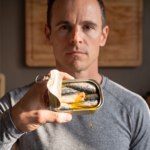
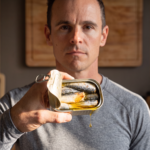
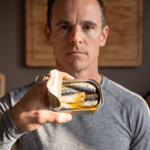
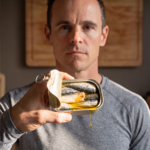
At 65, most men are winding down. Hiroyuki Sanada is performing his own fight sequences in Hollywood’s biggest productions.
The star of Shōgun and The Last Samurai has trained in martial arts every single day since age eight, and his approach to eating and movement offers a masterclass in sustainable longevity that any man over 50 can learn from.
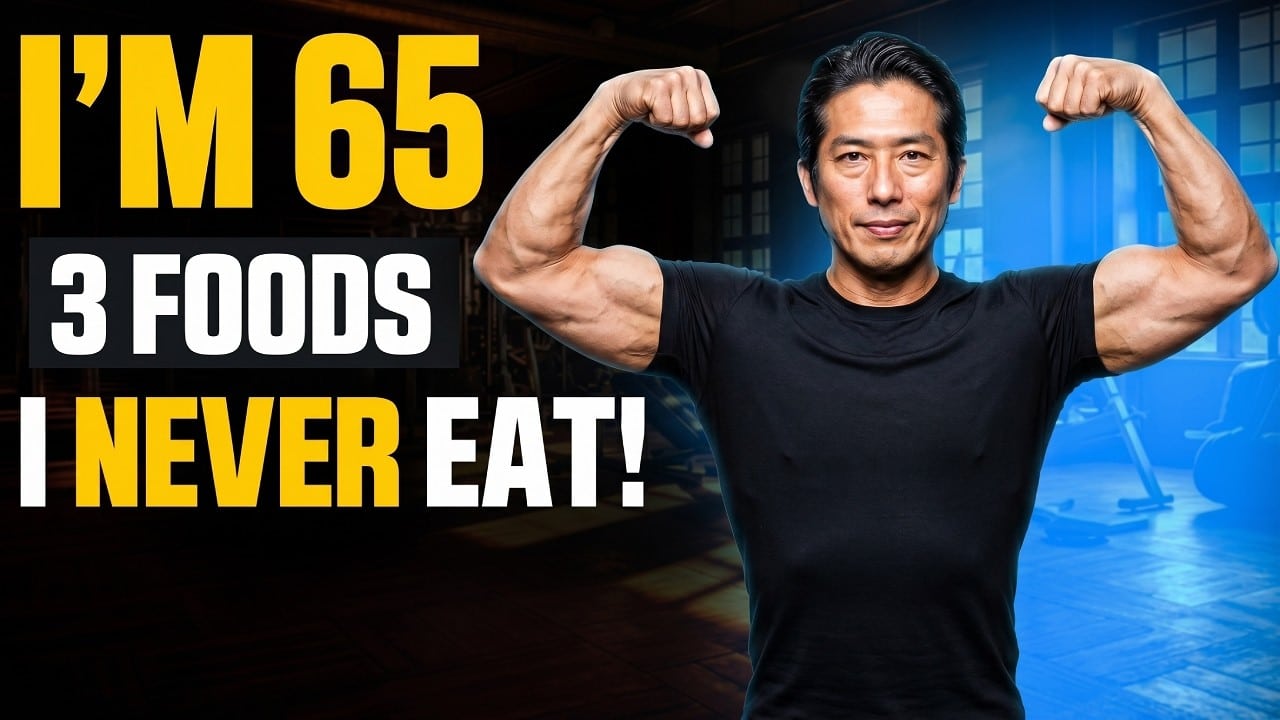
This isn’t about genetics or good luck. It’s about daily discipline built on principles that have kept Japanese men healthier, leaner, and more functional than their Western counterparts for generations.
Here’s exactly what he eats, what he avoids, and how he trains to stay sharp, strong, and ready for action at an age when most men have already quit.
Jump to:
The Traditional Japanese Breakfast That Fights Inflammation
Sanada starts every morning with green tea. No exceptions.
What follows is a light meal built around rice, miso soup, and pickled vegetables—the traditional Japanese breakfast that has remained consistent across generations and stands as one of the most anti-inflammatory morning meals available to men over 50.
Miso soup, in particular, supports gut health, cardiovascular function, and immune resilience in ways few Western breakfast options can match. Research published in Environmental Health and Preventive Medicine found that regular miso consumption is associated with reduced cardiovascular risk, lower cancer incidence, and significantly better digestive health outcomes.
The gut microbiome directly influences testosterone production, immune function, and mood regulation—all critical factors for men navigating hormonal decline after 50.
Lunch and Dinner: Portion Control Without Deprivation
Lunch for Sanada typically includes fish or lean protein with vegetables and rice or soba noodles. Portion-controlled and varied, never the same meal twice in a row.
This approach ensures the body receives a broad spectrum of nutrients rather than the same limited inputs repeated daily. Sanada has described his diet as adapting based on the physical demands of each project—always built around what the body needs, not what’s convenient.
Dinner follows the traditional Japanese principle of hara hachi bun me: eating until you’re 80% full rather than completely satisfied.
This single habit, practiced across Okinawa and regions of Japan with the highest concentrations of centenarians, directly prevents the chronic overeating that drives metabolic disease, obesity, and accelerated aging in Western men over 50.
Five Foods Hiroyuki Sanada Eats for Longevity
1. Fish
Fish is the foundation of Sanada’s nutritional base. Japan consumes more fish per capita than almost any other nation, and research consistently links this habit to exceptional cardiovascular health, low rates of inflammatory disease, and longevity outcomes that outperform the rest of the world.
Omega-3 fatty acids from oily fish directly suppress inflammatory pathways that degrade joints, stiffen arteries, and accelerate muscle loss in men over 50. Sanada eats fish the way most Western men eat chicken—as the default protein at almost every meal.
2. Miso Soup
A fermented soybean paste that has been a daily staple in Japan for centuries. Miso is a rich source of beneficial bacteria that support gut microbiome health.
Gut health directly influences testosterone production, immune function, and mood regulation in men over 50—making miso one of the most overlooked longevity foods in Western nutrition.
3. Green Tea
Sanada drinks green tea throughout the day, a habit shared by the vast majority of Japanese men with exceptional longevity outcomes.
Green tea contains EGCG, one of the most potent antioxidant compounds in the human diet. Studies show it reduces inflammation, supports fat metabolism, protects cardiovascular tissue, and slows cellular aging at a molecular level.
4. Fermented Vegetables and Pickles
These appear at every meal in the traditional Japanese diet. Small amounts of fermented food at each sitting deliver live cultures that support gut health and enzymes that improve digestion and nutrient absorption.
This approach—eating fermented foods consistently rather than occasionally taking a probiotic supplement—is one of the key differences between Japanese and Western dietary patterns and a significant factor in Japan’s longevity advantage.
5. Brown Rice and Whole Grains
The complex carbohydrate base of Sanada’s diet provides slow-release energy without blood sugar spikes, fiber that feeds gut bacteria, and B vitamins essential for energy metabolism and neurological function.
Unlike refined white rice or processed carbohydrates, brown rice maintains blood sugar stability across long days of filming and physical training, keeping energy consistent and preventing mid-afternoon crashes.
Three Foods Hiroyuki Sanada Never Eats
1. Processed and Fast Food
Completely absent from the traditional Japanese dietary pattern Sanada has followed his entire life. Japan has an obesity rate of approximately 4% compared to over 40% in the United States.
The primary difference? The absence of processed food from the traditional Japanese diet.
2. Heavy Portions and Overeating
Japanese culture has a specific practice for this: hara hachi bun me, which translates as “eat until you are 80% full.”
Practiced widely across Okinawa, the region with the world’s highest concentration of centenarians, this habit has been studied extensively as one of the most effective natural weight management tools available.
Overeating—even clean food—promotes chronic low-grade inflammation, taxes digestive systems, and leads to gradual body composition changes most people over 50 attribute to age but are actually the result of years of excess consumption.
3. Refined Sugar and Sweetened Drinks
Essentially absent from the traditional Japanese diet, which derives sweetness from fruit, natural fermentation, and whole food sources rather than added sugar.
Refined sugar drives insulin resistance that accelerates abdominal fat gain, promotes glycation processes that stiffen arteries and age skin at a cellular level, and suppresses immune function.
Japan’s traditional approach—small portions of natural sweetness at the end of meals rather than sugar integrated throughout the day—is one of the most direct explanations for the country’s extraordinary cardiovascular and metabolic health outcomes.
Hiroyuki Sanada’s Weekly Training Routine
Sanada walks at least 7,000 steps every day without exception. He builds movement into his schedule through deliberate choices: getting out of cars to walk remaining distances, choosing stairs, moving throughout the day rather than in a single dedicated session.
Monday, Wednesday, Friday: Martial Arts and Swordsmanship
- Kata practice: Traditional martial arts forms, 45 minutes, focusing on precision and breath control
- Kenjutsu (sword technique): 30 minutes maintaining skills required for samurai roles
- Kyokushin karate: Technique and conditioning, 30 minutes
Tuesday, Thursday: Strength and Functional Training
- Bodyweight squats: 3 sets × 15 reps
- Push-ups: 3 sets × 20 reps
- Pull-ups: 3 sets × 10 reps
- Core work: Plank 3 × 60 seconds, leg raises 3 sets × 15 reps
- Balance and stability exercises specific to sword and martial arts performance
Saturday: Yoga, Stretching, and Recovery
- Full-body yoga flow: 45 minutes
- Deep stretching targeting hips, shoulders, and spine
- Foam rolling and mobility work
Sunday: Active Rest
Light walking, meditation, and deliberate recovery.
What Makes This Approach Different
Sanada’s training routine isn’t built on high volume or intensity that degrades joints and exhausts recovery capacity. It’s built on consistency, skill development, and movement quality.
His nutrition isn’t restrictive or complicated. It’s traditional, varied, and rooted in principles that have supported exceptional health outcomes across entire populations for generations.
At 65, Sanada is still performing his own fight sequences because he never stopped moving and never abandoned the dietary patterns that built his foundation.
During boot camp for one of his film roles, Sanada trained daily in the August heat of Vancouver.
We had a boot camp. So we had a class including extras every day. It was so hot summer August in Vancouver under the sunshine. Every day they train a lot. Try keep my health and collaboration is always fun with the stunt guys or coordinator or director. So I’m just enjoying myself.
That mindset—treating training as enjoyment rather than obligation—is what separates men who maintain functionality and strength into their 60s, 70s, and beyond from those who decline the moment external pressure disappears.