Transforming your physique in 100 days sounds like another fitness fantasy.
But one coach did exactly that—dropping 15 kilograms and building his best body ever after years of spinning his wheels with the wrong approach.
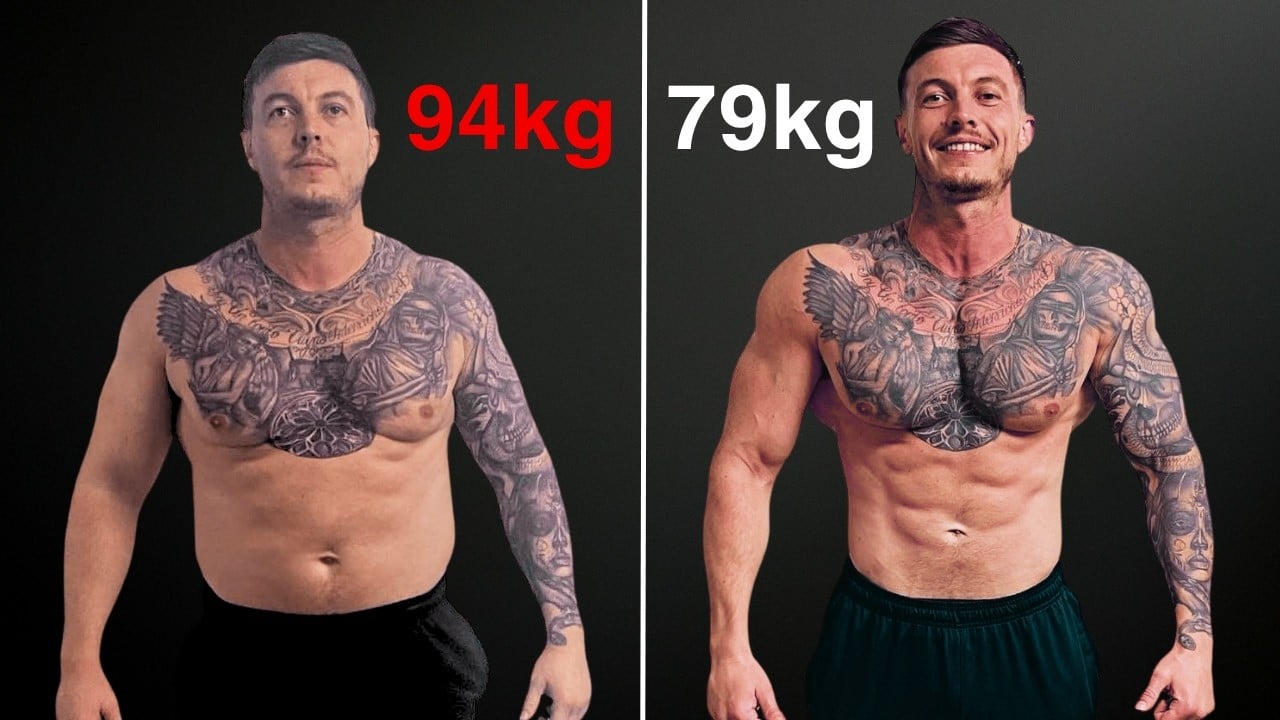
In a candid reflection on his transformation journey, fitness coach and content creator shared the exact training split, nutrition plan, and mindset shifts that finally unlocked real results after thousands of hours of ineffective training.
What he discovered might completely change how you think about building muscle and losing fat.
Jump to:
- Training Hard Doesn’t Mean Training Smart
- Following The Wrong Influencers Costs You Years
- Physique Development Is Strategic Bodybuilding
- Nutrition Destroyed Four Years Of Training Progress
- When Success Gets Hardest
- Mindset Separates Finishers From Quitters
- Transformation Without Maintenance Equals Temporary Results
Training Hard Doesn’t Mean Training Smart
After years of dedicated Olympic weightlifting training—sometimes logging 10 to 12 hours per week—he ordered a golf shirt expecting to look athletic.
Instead, reality hit hard.
It looked like a crop top. It was hugging me man boobs. Me belly was popping out. I looked like the kind of guy who’d sink 16 beers in a vest.
Despite countless hours in the gym, his physique didn’t reflect his effort. When he filmed himself lifting shirtless to analyze his technique, expecting to look impressive like the athletes he followed, the footage was devastating.
10 to 12 hours of training a week for this [ __ ] hell. Honestly, it’s funny to me now, but my heart sank when I watched this for the first time.
That moment became his catalyst for complete change.
Following The Wrong Influencers Costs You Years
Social media creates a dangerous trap for fitness enthusiasts. Athletes who excel at CrossFit, HYROX, Olympic lifting, or endurance running often look incredible—but their physiques aren’t because of their sport.
He fell into a four-year rabbit hole chasing Olympic weightlifting after watching CrossFit athletes with enviable bodies. But those training methods weren’t designed for aesthetic development.
These types of training aren’t directing at building muscle in the way which we’re thinking about, which is aesthetically changing your shape. Bigger shoulders, bigger arms, smaller waist, like things like that.
His coaching practice confirmed this pattern repeatedly. Clients training five days weekly, attending classes, running regularly—yet still looking average or slightly out of shape despite tremendous effort.
When seeking physique transformation, you need physique-specific training.
Physique Development Is Strategic Bodybuilding
Real transformation required adopting bodybuilding principles without the extreme obsession professional bodybuilders maintain.
His new approach blended muscle-building fundamentals with practical elements most programs ignore:
- Mobility work: 5-10 minutes daily improved exercise selection and movement quality
- Combat training: Weekly pad work for functional fitness and self-defense skills
- Dedicated cardio: Separate conditioning sessions beyond weight training
Despite reducing lifting sessions from six to four weekly, results accelerated dramatically.
The Actual Training Split That Worked
Simplicity beat complexity. Two upper body sessions and two lower body sessions formed the foundation.
Rep ranges stayed between 8-10 and 12-15 reps. Most exercises incorporated a three-second eccentric (lowering) phase—deliberately slower than his previous speed-focused Olympic lifting.
Supersets condensed training time without sacrificing effectiveness. Less volume, but optimized volume specifically targeting muscle growth rather than athletic performance.
Activities like HYROX workouts—100 wall balls burning shoulders and legs—build fitness and torch calories. But they don’t reshape your body like dedicated hypertrophy training does.
Nutrition Destroyed Four Years Of Training Progress
Training optimization meant nothing without dietary changes. He’d been eating over 3,000 calories daily, mimicking heavyweight lifters he admired.
Heavier bodyweight benefits strength performance, but doesn’t automatically create a lean, muscular physique. That delusion cost him years.
With his friend’s wedding 100 days away, he established a firm deadline and aggressive calorie targets.
The Calorie Strategy Behind 15 Kilograms Lost
Initial four weeks started at 2,300 calories—a manageable drop from maintenance that produced quick initial results of 5 kilograms.
As weight loss slowed naturally, most experts recommend modest 200-calorie reductions. Instead, he aggressively dropped to 1,900 calories for the remaining ten weeks.
But it felt good. I was seeing my body tighten up. My waist was getting smaller, but my chest and shoulders were getting bigger.
Visible changes within weeks provided powerful motivation. No foods were eliminated—just proper macronutrient ratios totaling appropriate calories for aggressive fat loss while preserving muscle.
Combined with 15,000 daily steps, the formula worked brutally well.
When Success Gets Hardest
Weeks 10-13 tested him mentally and physically. Proximity to his goal paradoxically made each day more difficult as accumulated fatigue mounted.
I’d do an hour walk of an evening where part of my route would be to meet my wife Vanessa after she finished work. By the time I met her when we were walking home, I was exhausted. My brain couldn’t even register what she was saying most of the time.
He acknowledges this intensity isn’t sustainable long-term or psychologically healthy as a lifestyle. But massive transformations in compressed timeframes demand temporary extremes.
Three days before the wedding, progress photos confirmed he’d achieved his goal. He attended feeling confident rather than self-conscious.
Mindset Separates Finishers From Quitters
Training plans and meal strategies provide the roadmap. Mental resilience determines whether you actually complete the journey.
Fatigue amplifies the internal voice suggesting you quit or compromise standards. Skipped step counts become untracked meals become weekend takeaways become complete backsliding—all while rationalizing every decision.
Strong personal reasons for transformation help. But external accountability proved most powerful.
The Accountability Advantage
Despite being a coach himself, he asked colleague Chris to check his progress weekly, specifically requesting MyFitnessPal tracking screenshots.
As soon as he said this, there was absolutely no chance I was going to get to the end of the week and say to him, “Oh, I didn’t manage to track this week because I had so much on.”
Human connection with someone who’s achieved similar results—and helped regular people with families and demanding schedules do likewise—creates commitment that willpower alone cannot match.
Personal trainers often live unrelatable lifestyles making fitness their entire existence. Coaches with real-world constraints understand exhaustion, competing priorities, and practical limitations.
Transformation Without Maintenance Equals Temporary Results
Reaching your goal physique represents only half the challenge. Sustaining those results separates genuine transformations from yo-yo dieters.
He emphasizes that maintaining his physique became remarkably easy after the initial 100-day push. Establishing proper training habits, understanding nutritional needs, and building mental discipline created sustainable systems.
The same principles that built his body—progressive resistance training, appropriate calorie intake, consistent daily movement, and accountability structures—continue maintaining it years later.
Getting ripped in 100 days sounds extreme because it is. But for those willing to commit fully to evidence-based training, aggressive (yet safe) calorie deficits, extensive daily activity, and iron accountability, dramatic transformation becomes entirely achievable.
Just make sure you’re following someone whose results you actually want—not just whose sport looks cool on Instagram.