Pull-ups look great. Defined arms turn heads. Six-pack abs command respect.
But skip leg day, and the whole aesthetic crumbles like a house built on sand.
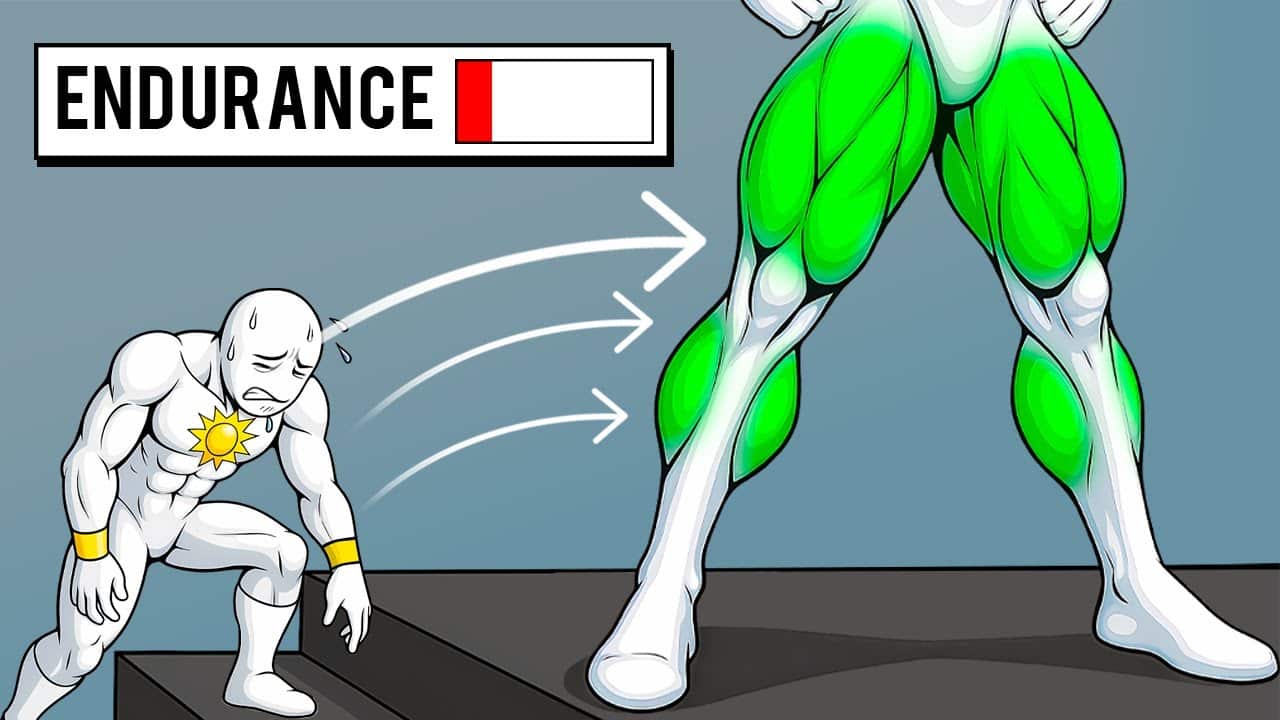
One fitness creator recently broke down exactly why neglecting lower body training doesn’t just create visual imbalance—it actively sabotages strength gains, metabolic health, and athletic performance across the board.
Here’s what happens when legs get the attention they deserve, and why cardio alone will never be enough.
Jump to:
Why Legs Are More Than Just Aesthetic
Many gym-goers dodge leg workouts because they’re hard, boring, or seem less visible than chest and arms. That mindset creates what one trainer calls the “Wi-Fi signal physique”—strong on top, weak at the bottom.
Legs aren’t just support structures. They’re the foundation for systemic strength, balance, endurance, and even how impressive upper body development appears.
Training legs activates the largest muscle group in the human body. When they work, everything else wakes up.
Hormonal Cascade
Every squat and deadlift sends powerful signals to the brain: produce more testosterone, release more growth hormone. These anabolic hormones drive strength gains, fat loss, and energy levels across all muscle groups.
Every squat, every deadlift sends a signal to your brain. We need more testosterone, more growth hormone. These are the things that make you stronger, leaner, and more energized.
Without leg training, even endless chest workouts won’t deliver maximum results. The hormonal environment simply isn’t optimized for growth.
Metabolic Afterburn
After intense leg work, metabolism stays elevated for roughly 24 hours. The body continues burning calories during rest—essentially bonus cardio that happens automatically.
This extended caloric expenditure comes from the massive energy demands of repairing and rebuilding the body’s largest muscle groups.
Functional Power Reserve
Strong legs translate to climbing stairs without exhaustion, running with complete body control, and having an energy reserve that’s always accessible. These aren’t just gym benefits—they’re quality-of-life improvements.
Visual proportions matter too. Abs and broad shoulders look unbalanced without developed legs. Athletic physiques require complete development from ground to shoulders.
Why Cardio Can’t Replace Resistance Training
Running and cycling have cardiovascular benefits, but they won’t build real strength in quads, hamstrings, and glutes. Without significant resistance, muscles simply don’t grow.
Leg muscles—quads, hamstrings, glutes, calves—comprise the body’s largest muscle group. When they work under load, the entire nervous system activates.
That’s why after leg day, you feel like your nervous system has completely rebooted because it actually has.
This full-system activation creates training adaptations that ripple through every other workout and daily activity.
The Three-Minute Warm-Up That Changes Everything
Starting heavy squats with cold muscles invites injury and limits performance. Muscles that haven’t been activated are slow, weak, and vulnerable.
Three to four minutes of targeted warm-up transforms readiness:
- 30 seconds jumping in place to elevate core temperature
- 10 bodyweight squats to activate joints and movement patterns
- 10 alternating lunges to engage balance and stabilizers
This brief routine primes muscles, lubricates joints, and shifts mental focus from distractions to training intensity. Phone down, attention locked in.
Those three minutes create the foundation for progress without injury.
Four Exercises That Build Complete Legs
Strong legs don’t require 100 different movements. Target each major area with one effective exercise, executed with proper form and progressive intensity.
Quads: Squats
At home: Bodyweight squats with feet slightly wider than shoulders, toes pointed slightly outward, torso upright. Once 30 reps become easy, add load—backpack, dumbbell, water bottles.
At gym: Barbell back squats with bar positioned on traps, spine neutral, descending to parallel. Choose weight where the final 1-2 reps challenge form limits.
Hamstrings: Hip Hinge Movements
At home: Good mornings with hands behind head, hinging from hips while maintaining flat back. Control tempo: two seconds down, one second up. Progress by adding weighted backpack.
At gym: Romanian deadlifts with slight knee bend, bar tracking close to legs, movement initiated from hips. Moderate weight maintains control through full range without dropping the bar.
Glutes: Bridge Variations
At home: Glute bridges with torso and thighs forming straight line at top, holding one second at peak contraction. Increase difficulty with elevated feet or single-leg execution.
At gym: Back extensions with shortened range, rising only to neutral spine without lower back hyperextension. Start unweighted, then progress to holding 5-10kg plate against chest.
Calves: Standing Raises
At home: Bodyweight standing calf raises through full range of motion, pausing 1-2 seconds at top, controlling descent. Add backpack or switch to single-leg when too easy.
At gym: Calf raise machine with full range, peak contraction pause, slow eccentric. Select moderate weight that creates burn around rep 12.
Control trumps speed and weight. Mindful execution where muscle engagement is clearly felt produces faster growth than mindlessly chasing heavier loads.
Frequency That Actually Builds Muscle
Training legs once monthly won’t produce results. Muscles need consistent stimulus, not random motivation bursts.
Beginners: Once weekly on a fixed day. Missing one session delays progress by an entire week.
Experienced lifters: Twice weekly with varied intensity. Example: Monday heavy session (squats, deadlifts, bridges), Thursday light bodyweight work focusing on form and endurance.
Why not more? Large muscle groups require substantial recovery time. Daily intense leg training produces exhaustion, not growth.
Work, eat, sleep, recover, repeat. That’s the formula for growth.
Consistency matters more than perfection. Never skip leg day—it’s the one session that can’t be replaced or postponed without moving backward.
Recovery Protocols That Accelerate Growth
Perfect exercise execution means nothing without proper recovery conditions.
Sleep 7-8 Hours Minimum
During sleep, growth hormone releases, muscle fibers repair, joints strengthen, and tissue becomes denser. Late bedtimes directly sabotage progress.
Adequate Nutrition
Large muscles require substantial fuel. Protein builds tissue, carbohydrates power training, fats regulate hormones. Track protein intake: minimum 1.6-2g per kilogram bodyweight.
Insufficient calories equal zero growth regardless of training quality.
Progressive Overload
Muscles grow when pushed slightly beyond previous capacity. Add 1-2 reps, increase load by 2.5kg, or reduce rest periods between sets.
Small incremental improvements compound dramatically over months. Avoid massive jumps—the body responds best to gradual adaptation.
Controlled Tempo
Slower movement activates more muscle fibers. Eccentric (lowering) phases aren’t rest periods—they’re critical work phases. Precise movement quality multiplies results.
Mind-Muscle Connection
Training legs requires thinking about legs, not phones or music. Mental engagement during movement is a learnable skill that doubles training effectiveness.
Post-Workout Stretching
Five minutes of stretching immediately after training improves muscle flexibility, joint health, and reduces next-day soreness. It’s not wasted time—it’s investment in the next session’s quality.
Patience Builds Foundations That Last
Leg development takes time. Results won’t appear after one week, but noticeable changes emerge within 1-2 months of consistent work.
Foundations require patience to construct properly, but once built, they support everything above them permanently.
Upper body development looks impressive only when supported by proportional lower body strength. Athletic physiques require complete development, not isolated muscle groups.
Training legs isn’t optional for anyone serious about performance, aesthetics, or long-term health. It’s the difference between looking fit and being genuinely athletic.