Jump to:
- Introduction
- Overview of Labrada’s Leg Training Philosophy
- Exercise Breakdown: Quads
- Exercise Breakdown: Hamstrings and Glutes
- Exercise Breakdown: Calves
- Hunter Labrada’s Key Training Principles
- Common Mistakes to Avoid in Leg Training (According to Labrada)
- Little-Known Tips and Techniques from Hunter Labrada
- Conclusion
Introduction
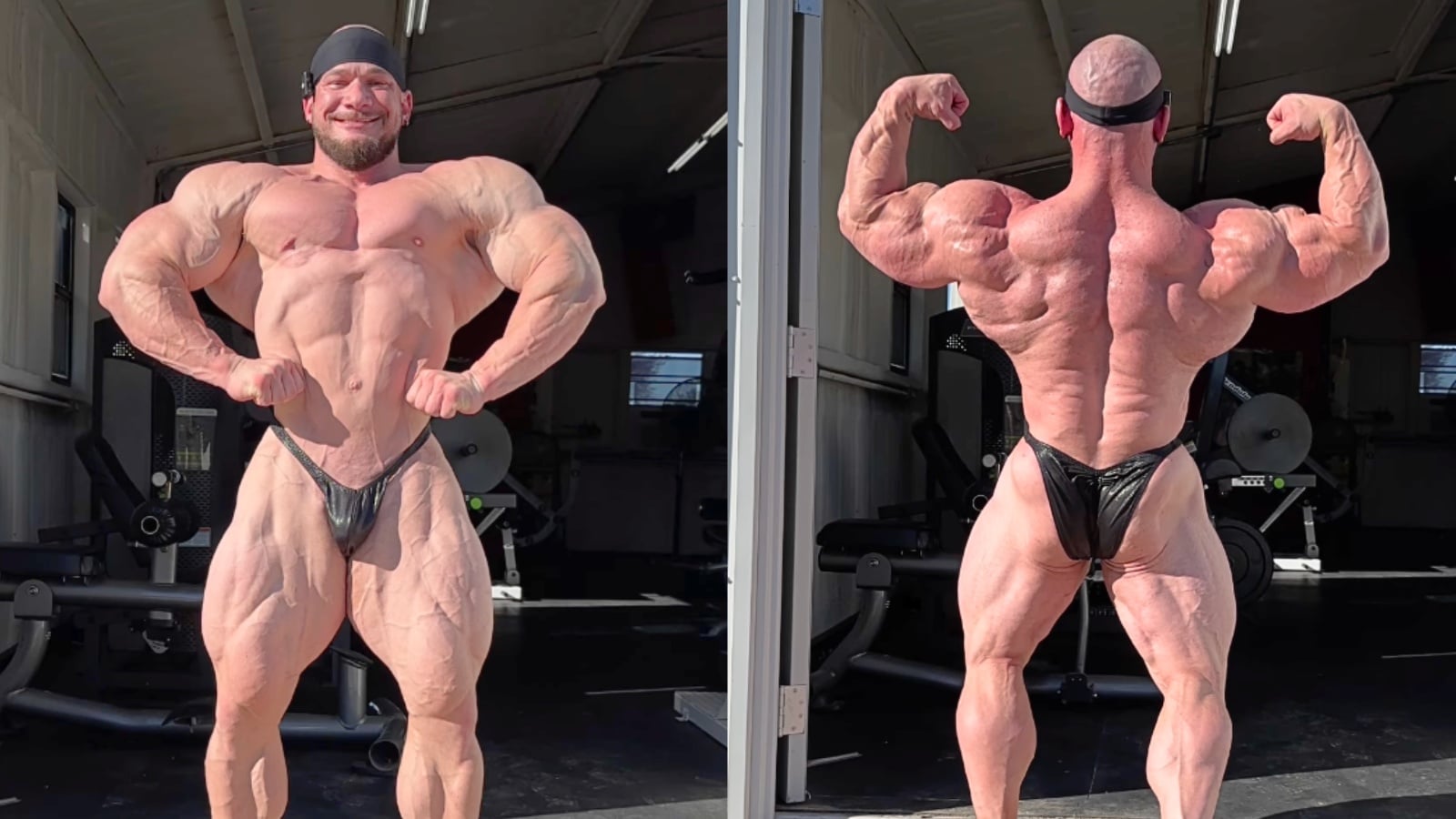
Hunter Labrada’s leg training is more than just moving heavy weights—it’s about precision, control, and total muscle activation. In this article, you’ll discover the exact techniques Labrada uses to build powerful, symmetrical legs, focusing on everything from perfect squat form to targeting specific muscles with foot placement. Want to know how he maximizes every rep and pushes through failure? Keep reading to learn the secrets that can take your leg workouts to the next level.
Overview of Labrada’s Leg Training Philosophy
Focus on Form Over Weight
Hunter Labrada emphasizes perfect form over lifting heavy weights. He focuses on controlled, precise movements to ensure maximum muscle engagement and minimize injury risk. This method allows for better targeting of muscle groups, leading to improved growth and efficiency in workouts.
Intensity and Volume
Labrada’s leg training is intense and volume-driven. His high-volume approach includes multiple sets with varying rep ranges to fully exhaust the muscle fibers. This style of training not only boosts hypertrophy but also enhances muscle endurance and definition.
Mind-Muscle Connection
Hunter is a big advocate of the mind-muscle connection. He encourages focusing on the working muscle throughout the movement, ensuring that each rep maximally engages the target muscle. This is especially important for leg training, where the quads, hamstrings, and glutes often need deliberate attention to grow evenly.
Balanced Approach
Labrada trains every part of his legs equally—quads, hamstrings, glutes, and calves. A well-rounded approach prevents imbalances and creates a symmetrical, powerful lower body. This balanced training also reduces the risk of injury by ensuring that all muscles support each other during lifts.
Exercise Breakdown: Quads
Squats (Barbell/Smith Machine)
Technique Breakdown
Squats are a staple in any leg workout, and Labrada’s focus is on depth and range of motion. He emphasizes going deep to engage the quads fully.
Foot placement can vary depending on which part of the quads you want to emphasize. A shoulder-width stance targets the overall quads, while a narrow stance shifts focus to the outer quads. Controlled eccentric movement—slowly lowering the weight—maximizes muscle engagement.
Pro Tips from Labrada
- Drive through your heels to maximize quad activation.
- Maintain constant tension on the quads by avoiding rest at the top of the movement.
Leg Press
Technique Breakdown
Labrada’s leg press technique emphasizes foot positioning. A wider stance targets the inner quads, while a narrow stance shifts focus to the outer quads.
He stresses the importance of controlling the weight down during the eccentric phase and pushing the weight back up explosively. Avoid locking out the knees at the top, as this reduces tension on the quads.
Unique Insights
Hunter frequently adjusts his foot angle to target different parts of the quads. These subtle adjustments ensure that no muscle fibers are left untrained.
Hack Squats
Technique Breakdown
Hunter uses the hack squat machine to further isolate the quads. He adjusts the machine’s angle to place more emphasis on the front of the thighs. Proper knee tracking and pushing through the full range of motion are crucial to hitting the quads effectively.
Hunter’s Variation
Labrada often incorporates partial reps after failure. Once he reaches full muscle failure, he performs shorter, shallower reps to keep the quads burning and maximize growth.
Exercise Breakdown: Hamstrings and Glutes
Romanian Deadlifts (RDLs)
Technique Breakdown
RDLs are key for hamstring and glute development. Hunter focuses on a strict hip hinge to ensure that both muscles are fully engaged. He recommends maintaining constant tension in the hamstrings throughout the movement, especially during the controlled lowering phase.
A slight knee bend prevents back strain while allowing for a deeper stretch in the hamstrings.
Hunter’s Focus
Labrada deliberately slows down the eccentric portion of the lift. This extended time under tension stretches the hamstrings, promoting hypertrophy.
Lying Leg Curls
Technique Breakdown
For lying leg curls, Hunter stresses the importance of achieving a full contraction at the top of the movement. He avoids swinging or bouncing the weight to ensure the hamstrings do all the work.
Labrada’s Modification
To increase hamstring engagement, Labrada holds the top contraction for 1-2 seconds. This brief pause enhances the mind-muscle connection and fully fatigues the muscle.
Glute Bridges / Hip Thrusts
Technique Breakdown
Proper positioning is essential for glute bridges. Labrada ensures that his back and barbell are properly aligned for maximum glute activation. At the top of the movement, he achieves full hip extension to completely engage the glutes.
Hunter’s Twist
Labrada often adds resistance bands around his knees during glute bridges to increase tension and target the glutes from different angles.
Exercise Breakdown: Calves
Standing Calf Raises
Technique Breakdown
Hunter’s standing calf raise technique involves a controlled rise and slow negative. He focuses on a full range of motion, ensuring that his calves are fully extended and contracted during each rep.
Hunter’s Approach
Labrada’s calf workouts are typically high-rep and incorporate short rest intervals. This approach fatigues the muscle quickly and forces it to adapt and grow.
Seated Calf Raises
Technique Breakdown
Foot placement is crucial for balanced calf development. Hunter adjusts his foot positioning to ensure that both the inner and outer parts of the calves are trained equally. Slow, deliberate reps maximize time under tension, which is key for calf hypertrophy.
Unique Insights
Labrada places a strong emphasis on achieving a full stretch at the bottom of each rep. This lengthens the calf muscle and promotes long-term growth.
Hunter Labrada’s Key Training Principles
Mindset for Leg Days
Labrada emphasizes the need for mental preparation before leg days. He believes that pushing through the pain and fatigue of intense leg training requires both mental and physical fortitude.
Importance of Warm-Up and Stretching
Warming up is essential to prevent injury and maximize performance. Labrada incorporates dynamic stretches and warm-up sets before every major lift to ensure his muscles are prepared for the intense workload ahead.
Recovery Between Workouts
Hunter takes recovery seriously. He prioritizes rest, nutrition, and supplements to ensure his legs recover fully before the next session. This approach promotes muscle growth and prevents overtraining.
Common Mistakes to Avoid in Leg Training (According to Labrada)
Over-Relying on Weight Over Form
Many people chase heavy weights at the expense of form. Labrada warns that improper technique can lead to injury and imbalanced muscle development.
Neglecting the Eccentric Phase
Labrada highlights the benefits of the eccentric phase of movements. Controlling the weight on the way down increases muscle engagement and promotes hypertrophy.
Ignoring Balance Between Quads, Hamstrings, and Calves
Hunter stresses the importance of training each part of the leg equally. Neglecting one area can lead to imbalances and an incomplete physique.
Rushing the Movements
Labrada advises against rushing through leg exercises. Neglecting time under tension reduces the effectiveness of the workout and limits muscle growth.
Little-Known Tips and Techniques from Hunter Labrada
Varying Foot Placement for Maximum Growth
Labrada frequently adjusts his foot placement to target different muscles within the legs. He believes that even minor tweaks in stance can lead to targeted muscle recruitment and better overall development.
Tempo Training
Labrada alters the tempo of his lifts, especially during the eccentric phase, to maximize hypertrophy. Slowing down each rep increases time under tension, forcing the muscles to work harder.
Intra-Set Pauses
Hunter often adds intra-set pauses during leg exercises. Pausing in the middle of a set increases control and muscle activation, leading to more effective training.
Post-Failure Techniques
Labrada frequently incorporates drop sets and partial reps after failure. These techniques help him push past his limits and achieve greater leg development.
Conclusion
Hunter Labrada’s leg training is a masterclass in form, intensity, and balance. By focusing on proper technique, mind-muscle connection, and training all parts of the leg, you can build stronger, more symmetrical legs. Take inspiration from his methods and apply them to your leg workouts for noticeable growth and strength. Share your progress and experiences as you embark on your journey to better leg training!