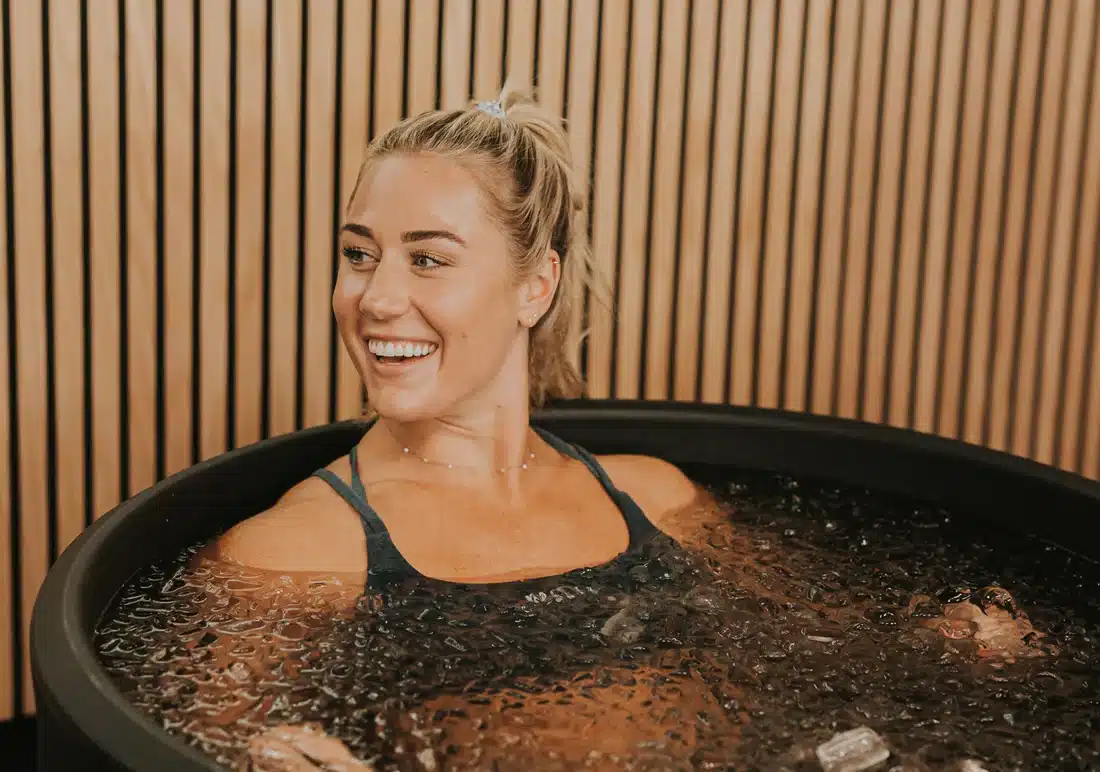
Cold plunges are everywhere—from elite athletes to your favorite YouTuber, everyone seems to be talking about their supposed magic.
Promises of reduced inflammation, better recovery, enhanced muscle growth, and clearer thinking abound. But do they really deliver on all fronts?
In a recent video, senior scientist Gommaar from Wod-Science dives into the cold water controversy.
Using two compelling studies, he shows that while cold exposure may have some short-term benefits, its effects on muscle recovery and long-term training adaptations are anything but magic—and potentially counterproductive.
If you’re wondering whether to plunge into icy waters after your next workout or skip it altogether, here’s what you need to know.
Jump to:
Cold Plunges May Impair Muscle Recovery After Exercise
Jumping into cold water after a hard workout might sound refreshing, but it could actually interfere with how your body recovers and adapts to that session.
Two specific studies shed light on why that is—and the common denominator is blood flow.
Study 1: Cold Water Reduces Protein Synthesis in Muscles
The first study, led by researchers Luke Fanlon and Tim Snider, involved male participants who completed a bout of heavy resistance training. Post-exercise, one leg was immersed in cold water (8°C) for 20 minutes, while the other leg remained at normal temperature. This allowed each participant to serve as their own control.
The results were striking:
- Skin and intramuscular temperature dropped significantly in the immersed leg.
- Microvascular blood flow—key for transporting nutrients—decreased markedly in the cooled leg.
- The synthesis of new muscle proteins, measured through phenylalanine incorporation (an amino acid marker), was significantly lower in the cold-treated leg.
This matters because protein synthesis is critical for muscle repair and growth. “Cold water reduces delivery of amino acids and other nutrients to the muscle, which hinders its ability to rebuild,” Gommaar explains. This aligns with earlier findings (2015 and later) that cold water immersion post strength training leads to reduced performance and muscle mass over time.
Study 2: Glycogen Replenishment Also Suffers in Cold Muscles
If you’re into CrossFit, endurance sports, or something like Hyrox, glycogen resynthesis becomes a top priority. It’s the fuel your muscles rely on during high-intensity workouts.
A separate 2017 study published in the Journal of Physiology explored how cold exposure affects this process. Participants completed intense upper body endurance exercises, followed by two hours of recovery while consuming carbohydrates (1.1 g/kg/hr). Their arms were then immersed in either warm, neutral, or cold cuffs.
Results showed:
- Muscle temperature in the cold group dropped to 15°C.
- Power output was significantly reduced in the cold-treated arms after recovery.
- Glycogen stores were significantly lower in the cold-treated muscles, even after carb intake.
These findings mirror the protein synthesis study. Blood flow likely plays a role again—less delivery of glucose and suppressed enzyme activity, all working against your recovery goals.
Cold Plunge Pros: Short-Term Benefits Do Exist
So, are cold plunges completely useless? Not exactly. Like most things in fitness, it depends on the context.
Cold May Reduce Soreness—Making It Easier to Train Again Sooner
Numerous studies have shown that cold exposure can significantly reduce perceived muscle soreness, particularly in novices following eccentric or intense workouts. This is largely due to the numbing effect cold has on nerves and the slowing down of pain signals.
“If soreness is so high that it stops you from training again the next day, a short cold exposure might be worth it,” says Gommaar. For competitions, especially those that require multiple efforts in one day (like CrossFit Games or Hyrox), reducing soreness and inflammation quickly can bring real-world performance benefits.
Cold Exposure Could Help Control Core Temperature
Another potential benefit comes from managing heat. In hot environments, athletes often struggle with overheating. Between events, a cold plunge could help lower core temperature and restore performance readiness.
This is particularly relevant for events packed into a single day. Lower core temps can improve endurance, reduce fatigue, and support better neuromuscular function.
Long-Term Gains vs. Short-Term Relief: Choose Your Tool Wisely
Understanding when to use cold exposure—and when to skip it—is key. Here’s a quick breakdown:
When to Avoid Cold Plunges
- Immediately after strength training if your goal is muscle growth or strength gains.
- Regular post-training use if you’re in a growth or hypertrophy-focused phase.
- During your main training blocks where adaptation is your top priority.
When Cold Plunges May Help
- After muscle-damaging workouts where soreness might prevent future sessions.
- In multi-event competition settings to reduce core temperature and perceived fatigue.
- On rest days, as a mental recovery tool or inflammation reducer.
Hot Water Therapy Might Be Better for Long-Term Recovery
Interestingly, studies suggest that hot water immersion or sauna use post-workout may actually improve blood flow and enhance recovery. Heat increases muscle temperature, which supports vasodilation and accelerates nutrient delivery.
In fact, combining heat and exercise could stimulate similar benefits to low-intensity workouts—particularly useful in injury rehab or deload phases. Influencers like Lane Norton have explored the contrasting effects of heat and cold therapies in depth, and early research leans favorably toward hot interventions for muscle recovery and metabolic health.
Takeaway: Respect the Context
Cold plunges aren’t bad. They’re just not a one-size-fits-all recovery tool. Scientifically, it’s clear—they can reduce protein synthesis and glycogen storage if used immediately after training. That might impair long-term adaptation, specifically for strength athletes or those prioritizing lean muscle gains.
That said, when used strategically—for soreness control, competition-day freshness, or even mental recovery—they can absolutely serve a purpose.
“The real nuance lies in timing,” says Gommaar. “Using cold therapy hours after training—or on totally separate recovery days—can help you get the best of both worlds.”
Final Tips for Using Cold Therapy Effectively
- Don’t plunge immediately after resistance training. Wait several hours or save it for the next day.
- Use cold strategically: Limit to competition days or when soreness becomes a barrier.
- Focus on nutrition and sleep first. Cold water is a tool—not a replacement for foundational recovery habits.
- Consider heat therapy instead, especially after strength sessions or during rest/recovery weeks.
Recovery isn’t just about feeling better—it’s about giving your body the best chance to adapt and improve. Cold plunges might feel good in the moment, but use evidence—not trends—to guide your decisions.
Want to optimize your training even further? Explore Gommaar’s evidence-based training plans for structured, science-backed progress in CrossFit, Hyrox, and functional training.