Struggling to fall asleep is a nightly battle for millions, especially those dealing with anxiety or racing thoughts.
But what if there was a technique that could knock you out in just two minutes? According to fitness coach Justin Agustin and legions of TikTokers, the U.S. military might just have cracked the code to instant slumber.
This isn’t just another TikTok trend or pseudoscientific claim.
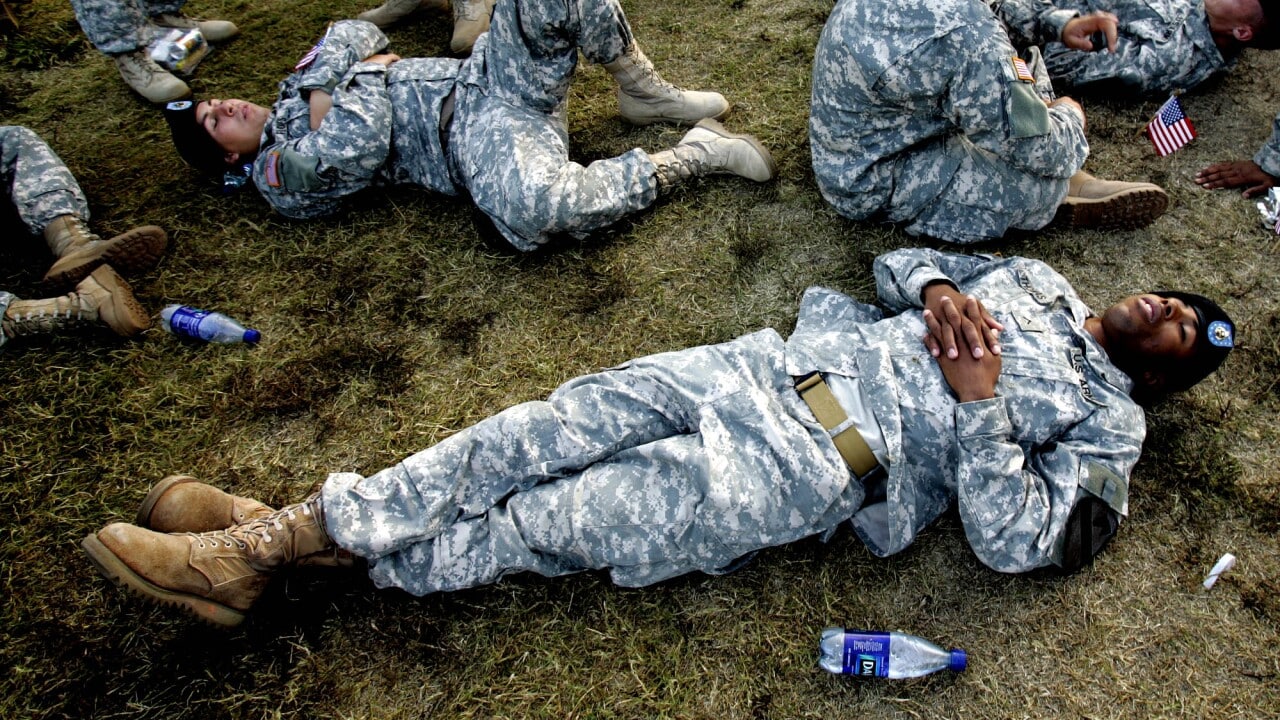
The so-called “military sleep method” was developed for soldiers in high-stress combat zones—environments where a full night’s rest isn’t just a luxury, it’s a matter of survival. And it’s said to work for 96% of people who try it.
Jump to:
What Is the Military Sleep Method?
The technique gained renewed attention when Agustin broke it down in a recent video. He explained that the method was designed specifically for fighter pilots, who require peak mental and physical performance but often operate in chaotic, sleep-deprived conditions. The goal? Train the body to fall asleep on command, even amid gunfire or jet engine noise.
At its core, the method combines physical relaxation with mental visualization and breath control. While it might sound deceptively simple, consistency is key.
How to Do It: Step-by-Step Guide
Here’s how to practice the method:
1. Start With Breath and Physical Comfort
Find a comfortable lying position, whether in bed or a resting chair. Begin by taking slow, deep breaths. Focus on your breathing to initiate relaxation.
2. Relax Your Face and Body Gradually
Slowly release tension from every part of your body:
- Start with your face: loosen the jaw, let your tongue drop, relax your forehead.
- Drop your shoulders as low as they’ll go, then let your arms hang heavy by your sides.
- Feel the sensation travel from your chest to your legs, thighs, calves, and feet.
Some users describe this process as “shutting down the body” piece by piece.
3. Use Visualization to Quiet the Mind
Once your body feels limp and relaxed, shift focus to your mind:
- Picture yourself in a calm, serene place—floating on a still lake or lying in a hammock surrounded by warm air.
- If intrusive thoughts arise, repeat a mental phrase like “Don’t think, don’t think” for about 10 seconds.
4. Drift Off
After about two minutes, most practitioners report slipping into sleep naturally—without tossing, turning, or overthinking.
Why It Works: The Science Behind It
Although the military technique hasn’t been heavily studied in clinical trials, many of its elements are well-supported by sleep science.
Dr. Shelby Harris, a clinical psychologist specializing in behavioral sleep medicine, points out that progressive muscle relaxation, breath focus, and guided imagery are all evidence-based techniques used in cognitive behavioral therapy for insomnia (CBT-I).
“This method likely taps into several sleep-promoting mechanisms at once,” says Harris. “Relaxing the body tells the brain you’re safe. Breathwork slows the heart rate and calms the nervous system. Mental imagery distracts from anxious or spiraling thoughts.”
Interestingly, commenters on Agustin’s video noted similarities to Progressive Muscle Relaxation (PMR), first developed by Dr. Edmund Jacobson in the early 20th century. PMR teaches people to sequentially tense and relax muscles to create a contrast that promotes deeper relaxation.
The military version, however, skips the tensing and focuses purely on release—making it faster and more accessible.
What Real People Say About It
Online testimonials suggest it’s more than hype. “I’m a military brat and was taught this. It definitely works,” one TikTok commenter shared. Another added, “My psychology professor was a veteran and taught us this—it helped during exams.”
Some even say it works in less-than-ideal conditions, like airplane seats or noisy apartments.
Fitness coach Agustin himself encourages people to stick with it for a few weeks. “It takes six weeks of consistent practice, but it’s worth it,” he said in his video.
Tips for Making It Work for You
If you want to give the method a try, keep a few things in mind:
- Practice Daily: Like meditation, consistency builds effectiveness.
- Set the Scene: While the method is designed for high-stress settings, optimizing your sleep environment (cool room, no screens, quiet space) boosts results.
- Use It During Stressful Times: It’s a great tool not just for bedtime but also during naps, travel, or anxious moments.
- Pair With Other Sleep Habits: Avoid caffeine late in the day, reduce screen time before bed, and keep a consistent sleep schedule.
Who Might Not Benefit?
As effective as it is, this method may not work for everyone immediately. People with severe anxiety, PTSD, or chronic insomnia might need additional support, such as CBT-I or sleep medications.
Still, for the majority of people, the military method is an empowering, drug-free strategy that teaches you to control your mind and body during the toughest hour of the day—bedtime.
Final Thoughts
If you’ve ever laid in bed mentally rerunning awkward conversations or tomorrow’s to-do list, this technique could be your new best friend.
No, it’s not magic—but it might be the next best thing.
So tonight, when your head hits the pillow, give it a shot. Breathe deep. Let go. Picture that calm lake.
You might just be asleep before you even realize it.