Zone 2 cardio has surged back into the spotlight, and fitness professionals are explaining why this moderate-intensity approach might be the missing piece in your body composition puzzle.
Unlike high-intensity training that leaves you gasping and depleted, zone 2 work promises fat loss without the recovery burden.
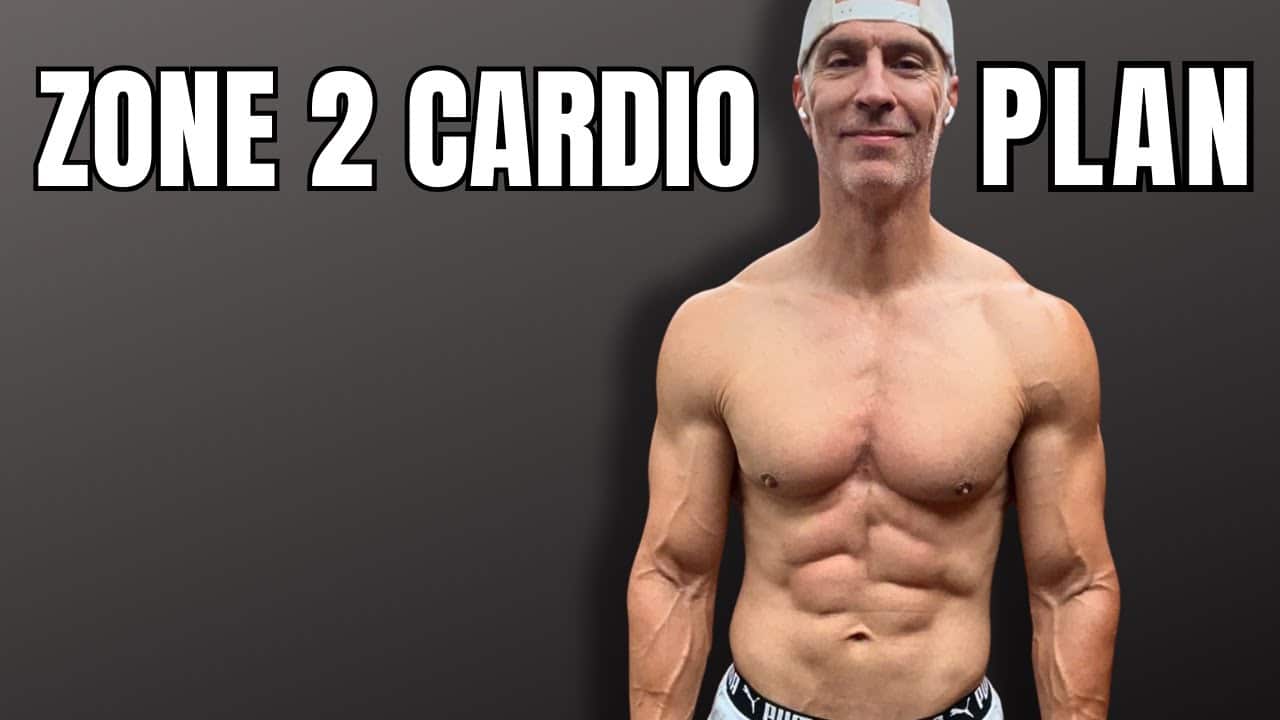
Paul Revelia from ProPhysique.com recently shared his decade-long experience with this training method, revealing how he maintains year-round leanness at 50 years old.
His approach combines scientific principles with practical application that anyone can implement immediately.
Jump to:
- Understanding Zone 2: The Simple Formula
- Identifying Zone 2 Without Technology
- Why Zone 2 Cardio Outperforms Other Methods
- The Recovery Advantage
- Optimal Frequency and Duration
- Beyond Fat Loss: Additional Benefits
- Getting Started: Practical Implementation
- The Science Behind Fuel Sources
- Making Zone 2 Work For You
Understanding Zone 2: The Simple Formula
Zone 2 cardio refers to exercise performed at a specific heart rate range where your cardiovascular system works efficiently without excessive stress. Calculating your target heart rate couldn’t be simpler.
The most straightforward method: subtract your age from 180. Paul uses himself as an example, noting that at nearly 50 years old, his zone 2 target sits around 130 beats per minute.
Alternatively, subtract your age from 220, then multiply that number by 0.6 or 0.7 to find your range. This second formula provides a slightly broader window for zone 2 training.
Identifying Zone 2 Without Technology
Not everyone wants to wear a heart rate monitor during every workout. Paul offers three practical indicators that signal you’ve hit the sweet spot.
Nasal breathing represents the first checkpoint—you should maintain nose breathing throughout the session without gasping for air.
Conversational ability serves as another reliable marker. While you might need occasional pauses to catch your breath, holding a conversation should remain possible.
Finally, a slight elevation in body temperature that produces light sweating confirms you’re working hard enough without overdoing it.
Why Zone 2 Cardio Outperforms Other Methods
Creating an effective fat loss plan requires balancing caloric expenditure with sustainability. Zone 2 cardio checks both boxes without the drawbacks of higher-intensity alternatives.
Zone 2 cardio improves mitochondrial function without really causing you any stress.
Unlike brutal HIIT sessions that spike hunger and demand extensive recovery, zone 2 work creates a caloric deficit while keeping appetite manageable. Your body adapts positively without the negative consequences.
This training intensity enhances metabolic flexibility—your body’s ability to switch between burning carbohydrates and fats for fuel. Lower intensity exercise preferentially uses fat as its primary energy source.
The Recovery Advantage
Perhaps the most valuable aspect of zone 2 cardio is its unique relationship with recovery. This form of exercise actually improves recovery rather than requiring it.
You can hop on a bike for a light ride or walk at an incline without creating additional stress that demands days of recuperation. When your session ends, you simply move on with your day.
The best part is when your cardio session is done, you’re done. You don’t have to have some type of enhanced recovery.
Paul describes his routine as effortlessly integrated into daily life—jumping on the treadmill first thing in the morning or throwing in a load of laundry while his kids do homework, then completing 15 to 30 minutes of cardio.
Optimal Frequency and Duration
Zone 2 cardio’s low-impact nature means you could theoretically perform it seven days weekly. Paul typically programs five sessions per week for athletes and clients to establish consistent habits.
His experience reveals an interesting finding about session distribution. Two 60-minute sessions totaling 120 minutes produces less favorable results than four or five shorter sessions hitting that same total.
The consistency and frequency matter more than cramming all your cardio into marathon sessions. Spreading out the work maintains steady caloric expenditure while keeping each session manageable.
Ultimately, the ideal frequency depends on your routine, lifestyle demands, and specific goals. Flexibility ensures adherence.
Beyond Fat Loss: Additional Benefits
Zone 2 cardio isn’t magic, but it functions as a powerful tool with multiple downstream effects. Creating a caloric deficit represents just one advantage.
Mental clarity improves following zone 2 sessions. Paul consistently feels better after completing his cardio work, suggesting cognitive benefits beyond physical changes.
Physiological improvements include:
- Enhanced VO2 max improving overall cardiovascular capacity
- Improved metabolic flexibility allowing efficient fuel switching
- Better insulin sensitivity supporting blood sugar management
- Mitochondrial function boosting cellular energy production
These benefits create positive ripples throughout your entire day, week, and body composition journey.
Getting Started: Practical Implementation
Beginners should resist the temptation to dive in aggressively. Paul warns against starting too hard too quickly, even admitting he’s made this mistake during personal challenges.
Start with 15 to 30 minutes of walking if you’re currently doing no cardio. Gradually build from this foundation rather than attempting hour-long sessions immediately.
The Incline Walking Advantage
Paul strongly prefers incline walking after comparing caloric expenditure across different modalities. His data showed incline walking burns approximately twice as many calories compared to flat-surface walking.
Reaching zone 2 heart rate typically requires both incline and speed for anyone with baseline fitness. Walking outdoors limits your ability to control these variables unless you have convenient hills available.
Treadmills offer unmatched control over speed and incline while providing climate control. You can watch shows, read books, or take phone calls simultaneously—making the time productive beyond just exercise.
Treadmill is just magical for me. I can always walk on the treadmill no matter what’s going on. I can’t always walk outside.
The Science Behind Fuel Sources
Exercise intensity determines which fuel source your body primarily uses—a principle Paul emphasizes from his exercise science education. This fundamental concept clarifies common misconceptions about carbohydrate consumption and cardio.
When performing zone 2 cardio, you’re burning fat for fuel regardless of recent carbohydrate intake. Lower intensity steady-state work preferentially uses fat as its energy source.
However, burning fat during exercise differs from losing body fat. Fat loss requires a caloric deficit, but combining zone 2 cardio with appropriate nutrition creates the “double whammy” effect—burning fat for fuel while maintaining the deficit needed for actual fat loss.
Making Zone 2 Work For You
Finding sustainable cardio that integrates seamlessly into daily routines determines long-term success. Zone 2 cardio provides this sustainability without the recovery demands of higher-intensity alternatives.
Begin with three to five sessions weekly, focusing on consistency rather than perfection. Adjust duration and frequency based on your response and schedule constraints.
The simplicity of zone 2 training—moderate intensity that improves health markers while creating caloric deficit—makes it accessible regardless of fitness level. Combined with proper nutrition, this approach supports year-round leanness without constant suffering.