A Japanese physician who worked nearly 18-hour days well into his 100s believed most people are aging themselves faster than biology requires.
Dr. Shigeaki Hinohara lived to 105, remained professionally active until just months before his death in 2017, and kept his appointment calendar booked five years into the future.
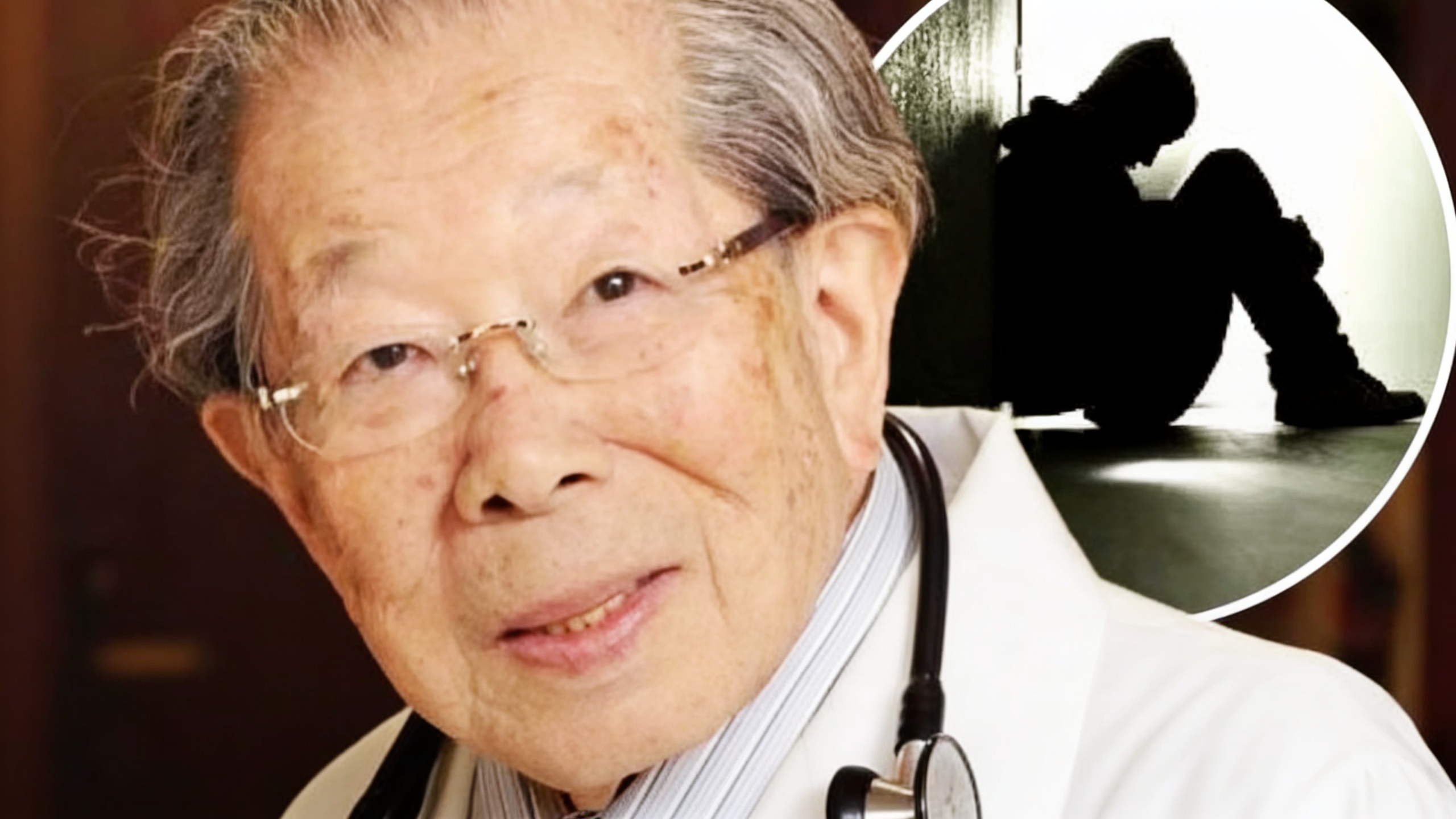
His philosophy challenges conventional retirement wisdom and points to non-physical factors that may accelerate biological aging more than most realize.
What he discovered about longevity goes far beyond diet and exercise.
Jump to:
- The Doctor Who Rewrote Japan’s Longevity Playbook
- The Retirement Trap Nobody Talks About
- Hidden Aging Accelerators Beyond Physical Health
- Hinohara’s Actual Daily Practices
- Beyond Diet: The Curiosity Factor
- Physical Inactivity Remains Critical
- Japan’s Longevity Leadership
- Reframing Aging Beyond Biology
- Practical Implications
- The Evidence Base Grows Stronger
The Doctor Who Rewrote Japan’s Longevity Playbook
Dr. Hinohara served as chairman emeritus of St. Luke’s International University and honorary president of St. Luke’s International Hospital in Tokyo. He’s widely credited with helping establish Japan as the global leader in longevity, advocating for annual medical checkups and preventive health measures that shaped public health policy across the nation for decades.
His 2009 interview with The Japan Times journalist Judit Kawaguchi became internationally famous, offering a window into principles that kept him vital past his centennial birthday.
No products found.
Energy comes from feeling good, not from eating well or sleeping enough.
This statement alone challenges fundamental assumptions about health and vitality.
The Retirement Trap Nobody Talks About
Hinohara argued forcefully against conventional retirement age, noting that Japan set 65 as the standard when average life expectancy was only 68 years. He believed retirement itself could trigger rapid decline when purpose and daily structure vanish overnight.
His own lifestyle proved the principle. Working until months before his death at 105, he maintained cognitive sharpness and physical capability that defied typical aging trajectories.
Modern research increasingly supports this view. Studies on ikigai — the Japanese concept meaning “reason for being” — show that having purpose correlates with reduced cardiovascular disease and extended lifespan in population studies.
Hidden Aging Accelerators Beyond Physical Health
While Hinohara’s documented advice emphasized staying busy, eating sparingly, and taking stairs instead of elevators, his broader philosophy points toward psychological and social factors that age people faster than biology alone would dictate.
Social Isolation as Biological Threat
Research by Julianne Holt-Lunstad at Brigham Young University found social isolation increases premature mortality risk by 26% — comparable to smoking 15 cigarettes daily. Loneliness triggers inflammatory responses in the body that accelerate cellular aging.
No products found.
Chronic inflammation damages tissues, weakens immune function, and speeds deterioration across multiple organ systems. The connection between social bonds and physical health runs deeper than emotional comfort.
Purpose Deficiency and Rapid Decline
Loss of purpose doesn’t just affect mood — it may fundamentally alter biological aging processes. Blue Zone research by Dan Buettner and others consistently identifies strong sense of purpose as a common thread among populations with exceptional longevity.
People who maintain clear reasons to wake up each morning show better cognitive preservation, lower rates of chronic disease, and extended healthspan beyond what diet or exercise alone might predict.
Chronic Resentment and Stress Biology
Carrying long-term resentment or unresolved anger creates persistent stress states that elevate cortisol and trigger inflammatory pathways. This isn’t merely psychological — these physiological changes measurably affect cellular aging markers.
Behavioral psychology research indicates chronic negative emotional states may accelerate telomere shortening, the biological aging clock found at chromosome ends.
Hinohara’s Actual Daily Practices
His documented lifestyle was remarkably disciplined and unconventional:
No products found.
- Breakfast: Coffee, milk, and orange juice with olive oil
- Lunch: Milk and biscuits only
- Dinner: Vegetables, fish, and rice; 100 grams lean meat twice weekly
- Movement: Always took stairs, avoided elevators
- Schedule: Worked up to 18 hours daily well into his 100s
- Planning: Kept appointments scheduled five years ahead
This spartan approach contradicts popular wellness advice emphasizing abundant nutrition and work-life balance. Yet it worked for Hinohara for more than a century.
Beyond Diet: The Curiosity Factor
Hinohara also emphasized joy found in music, animals, and art throughout life. Maintaining curiosity and engagement with beauty appears throughout longevity research as a protective factor.
Neural plasticity — the brain’s ability to form new connections — depends partly on novel experiences and learning. Rigid routines may accelerate cognitive decline by reducing stimulation that keeps neural networks adaptive.
He authored Living Long, Living Good, distilling decades of medical practice and personal experience into accessible guidance.
Physical Inactivity Remains Critical
While psychological factors deserve attention, Hinohara never downplayed physical activity. His habit of taking stairs instead of elevators accumulated significant daily movement without formal exercise programs.
Research consistently shows sedentary lifestyle as among the strongest predictors of accelerated aging and early mortality. Movement affects everything from mitochondrial function to insulin sensitivity to cardiovascular health.
No products found.
Small daily choices compound dramatically over decades.
Japan’s Longevity Leadership
Japan maintains the world’s highest life expectancy, with Okinawa recognized as a Blue Zone region where exceptional longevity clusters. Hinohara’s influence on Japanese public health policy contributed to this achievement through advocacy for preventive medicine and regular screening.
Cultural factors including diet, social cohesion, and retained purpose among elderly populations all play roles. The country’s approach treats aging as manageable rather than inevitable decline.
Reframing Aging Beyond Biology
Hinohara’s life suggests aging acceleration stems partly from choices about meaning, connection, and engagement rather than genetics or physical health alone. His philosophy challenges assumptions about appropriate activity levels, retirement timing, and what constitutes healthy living past 65.
The distinction matters because psychological and social factors remain modifiable throughout life. Unlike genetic predisposition, purpose can be cultivated, isolation can be addressed, and curiosity can be rekindled at any age.
His example demonstrates that working longer doesn’t necessarily mean aging faster — provided work delivers meaning rather than mere obligation. The stress biology of purposeful challenge differs fundamentally from chronic workplace stress without autonomy or fulfillment.
No products found.
Practical Implications
Translating Hinohara’s philosophy into action requires examining personal circumstances around several key areas:
- Purpose maintenance: Identifying reasons to engage daily beyond obligation
- Social connection: Actively preventing isolation through regular meaningful interaction
- Movement integration: Building activity into daily routines rather than relying on scheduled exercise alone
- Cognitive engagement: Continuing learning and exposure to novel experiences
- Dietary restraint: Avoiding overeating while ensuring adequate nutrition
None of these require expensive interventions or medical procedures. All remain accessible regardless of income or location.
The Evidence Base Grows Stronger
Peer-reviewed research increasingly validates connections between psychosocial factors and biological aging. Studies on telomere length, inflammatory markers, and mortality risk consistently show that loneliness, purposelessness, and chronic stress predict health outcomes independent of traditional risk factors.
The U.S. Surgeon General issued a 2023 advisory declaring social isolation a public health crisis, citing evidence that connects social bonds directly to physical health outcomes and lifespan.
Hinohara’s intuitive understanding decades ago aligns with what molecular biology and epidemiology now confirm through rigorous study.
His legacy extends beyond individual health tips to fundamental reconceptualization of what drives aging itself — suggesting that how people live psychologically and socially matters as much as what they eat or how they exercise.
No products found.