Forget ice baths and extreme diets — if you’re chasing longevity, your best teacher might just be a 70-year-old farmer in the Bolivian jungle.
In his decades of work with remote indigenous communities, anthropologist Michael Gurven discovered that long, healthy lives aren’t built in a gym or on a supplement shelf.
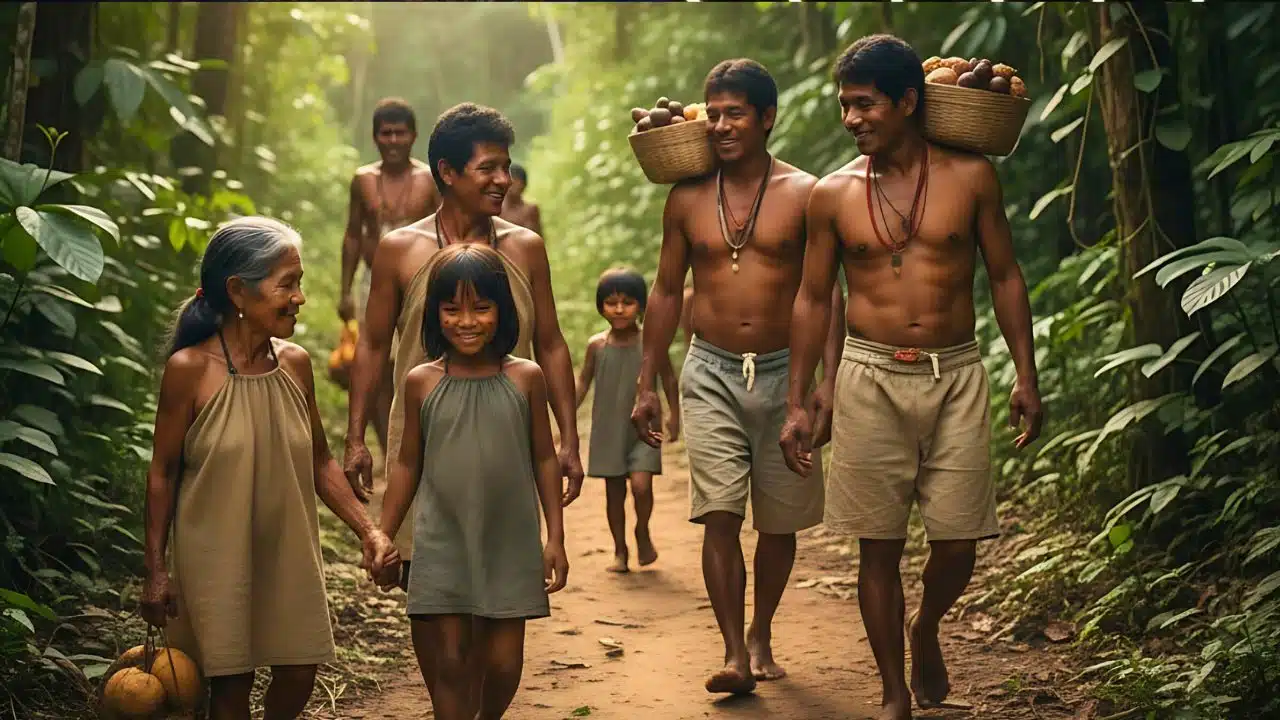
They’re shaped by daily habits that prioritize connection, purpose, and movement.
In his book Seven Decades, Gurven challenges the modern obsession with recreating a prehistoric lifestyle through Paleo diets or barefoot running.
Instead, he turns to the lived wisdom of tribal groups like the Tsimane and Moseten, whose lifestyles provide a more realistic — and sustainable — blueprint for thriving into old age.
From lifelong learning to gentle daily movement, here are four insights from ancient tribes that modern society might just need to rediscover.
Jump to:
1. Social Bonds Are Survival Tools
In tribal societies, aging isn’t something to be hidden — it’s a community asset. According to Gurven, one of the clearest patterns among the Tsimane people is their deeply intergenerational social structure.
“Middle-aged and older adults are part of the reason that we’re actually fairly successful as a species,” Gurven said.
Among the Tsimane, everyone contributes, regardless of age. Older adults help care for children, teach skills, prepare food, and participate in decision-making. They’re not just included — they’re essential.
Contrast that with modern cultures, where aging often means isolation. Gurven’s experience suggests this disconnection may be doing more harm than we realize. Frequent social interaction not only buffers against loneliness and depression, but it’s also linked to longer lifespans and better cognitive health.
Even in his own life, Gurven says he rarely turns down social invitations — a small but powerful choice that reinforces the community bonds he observed in Bolivia.
Takeaway:
Prioritize regular connection with people of all ages. Volunteering, family dinners, and multi-generational friendships may be as vital to longevity as a healthy diet.
2. Lifelong Learning Is a Biological Advantage
In a world where many people stop learning after formal education, tribal life tells a different story.
Elders in indigenous communities are not just surviving — they’re thriving, thanks to their deep involvement in cultural traditions and skill-sharing. Gurven emphasizes that humans are wired for extended development, and this prolonged learning period is a major reason why we evolved to live longer than our primate relatives.
“The ability to live well into seven decades, that’s just very human,” he said. “You only get really productive well into adulthood.”
Whether it’s learning to identify medicinal plants or mastering oral storytelling, these skills take years to acquire and are often passed down over decades. This constant mental engagement provides a sense of purpose — a key ingredient in healthy aging.
Modern parallels abound: Centenarians who continue reading daily newspapers, traveling, or picking up new hobbies often cite these mental pursuits as secrets to their longevity.
Takeaway:
Stay curious. Read, teach, try new skills — and do it not just for fun, but for your health.
3. Simplicity — Not Extremes — Is the Key to Healthy Eating
Despite the popularity of the Paleo diet, Gurven is clear: the tribes he studies don’t follow low-carb, high-fat fads.
Instead, their diet is simple and plant-heavy. The Tsimane eat whole foods like:
- Corn
- Sweet potatoes
- Rice
- Plantains
- Fruits and nuts
- Fresh-caught fish and wild game
There’s no obsession over macros or meal timing — just real food, eaten in moderate portions.
Gurven notes that Tsimane people have some of the healthiest hearts in the world, a stark contrast to Western populations burdened by high rates of cardiovascular disease. Their secret isn’t a magic superfood, but a daily diet low in processed ingredients and free from excess.
“I think it’s just absurd to think that there’s any single optimal diet,” Gurven said. His own choices? Less salt, no soda, and enough food to fuel his body — no more, no less.
Takeaway:
Ditch the diet wars. Focus on whole, minimally processed foods, and listen to your body’s needs.
4. Exercise Doesn’t Have to Hurt
Forget high-intensity interval training or hitting 10,000 steps before breakfast. According to Gurven, the tribes he studies don’t engage in structured workouts — but they still move more than most Americans ever will.
Tsimane adults average 17,000 steps per day, thanks to daily activities like foraging, fishing, harvesting, and walking between villages. But the key isn’t just the number of steps — it’s the consistency and type of movement.
“It’s a lot of light and moderate activity,” Gurven said.
This kind of gentle, sustained motion — sometimes referred to as non-exercise activity thermogenesis (NEAT) — is highly effective for metabolic health, cardiovascular function, and mobility as we age.
For Gurven, walking and hiking are go-to strategies, especially when paired with social interaction. It makes the habit stick — and feel more enjoyable.
“Anything helps in the activity domain. I think in some ways it’s encouraging to a lot of Americans who are intimidated by gyms,” he added.
Takeaway:
Move often, not necessarily hard. Walk to the store, take the stairs, garden, or play with your kids. Make movement part of life, not a punishment.
Rewriting the Longevity Playbook
Modern wellness culture often sells complexity: supplements, strict diets, and grueling routines. But the wisdom of ancestral communities points in the opposite direction.
Connection, learning, nourishment, and natural movement — these may not trend on social media, but they’re quietly shaping some of the longest, healthiest lives on Earth.
Gurven’s work reminds us that longevity isn’t a product to buy — it’s a lifestyle to live. And the path forward might look less like hacking your biology and more like reconnecting with what it means to be human.