Getting fit after 50 doesn’t require celebrity-level resources or perfect genetics—it requires something far more accessible: consistency.
Jason Statham proves this point every time he performs his own stunts in action films at age 57, defying the outdated belief that physical decline is inevitable with age.
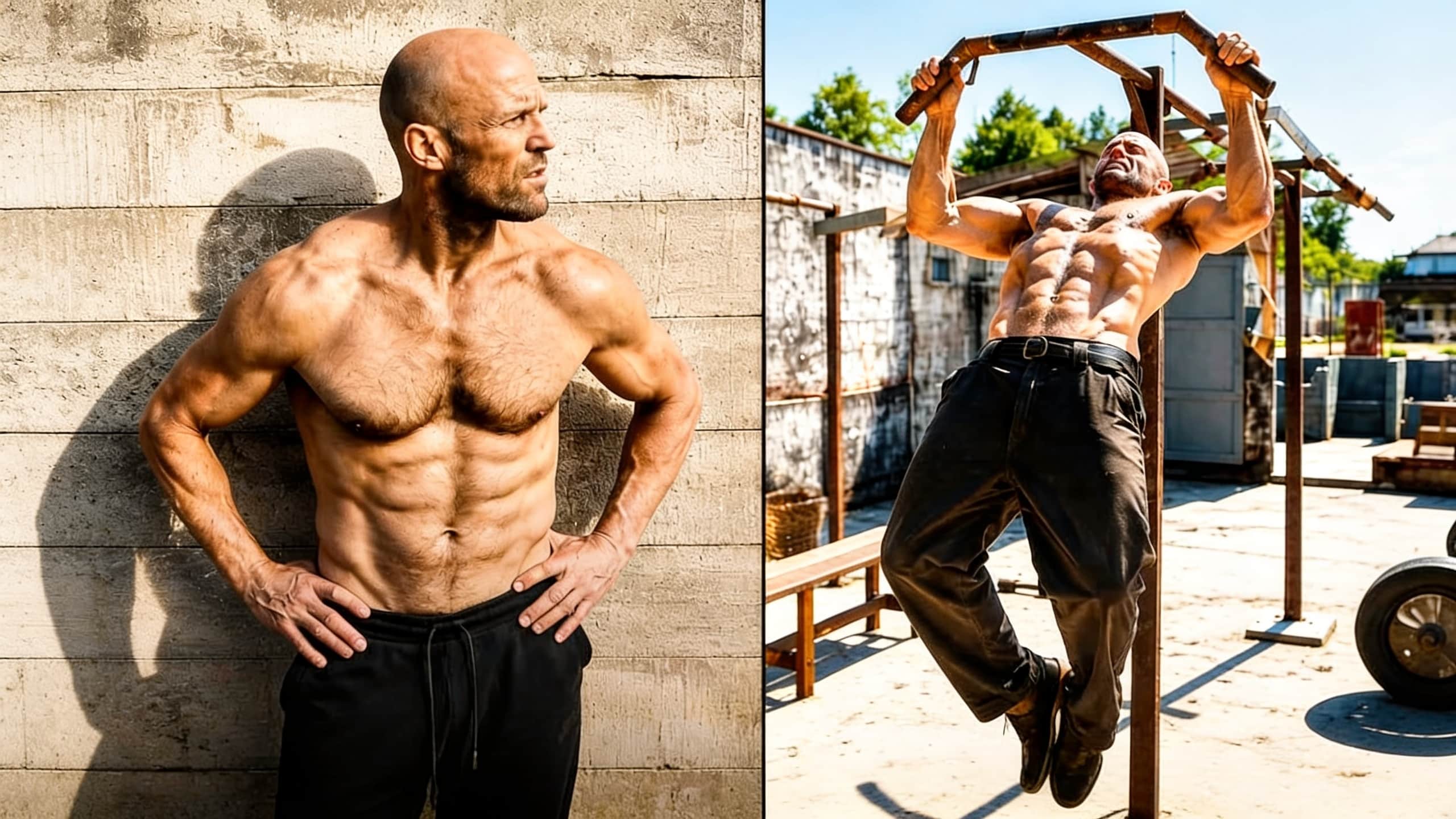
According to the Cleveland Clinic and leading medical institutions, age-related physical decline is largely preventable through daily habits that anyone can adopt.
The secret isn’t expensive equipment or extreme workouts—it’s showing up consistently and building sustainable practices that compound over decades.
Jump to:
- Why Age 50 Becomes a Turning Point for Fitness
- The Power of Resistance Training After 50
- Cardiovascular Health: Beyond Just Walking
- Flexibility and Mobility: The Overlooked Components
- Sleep and Recovery: The Non-Negotiables
- Nutrition Strategies That Support Active Aging
- Building Consistency: The Real Secret to Success
- Debunking Dangerous Myths About Fitness After 50
- Taking Action: Your First Steps
Why Age 50 Becomes a Turning Point for Fitness
Sarcopenia—the gradual loss of muscle mass—actually begins around age 30, but its effects become more noticeable after 50. Without intervention, adults can lose 3-5% of muscle mass per decade after turning 30.
Metabolism naturally slows during these years, making weight management more challenging. Bone density decreases, particularly in women after menopause, increasing fracture risk.

If you want something simple that actually works, this is one of the most effective tools I’ve used to build strength, conditioning, and endurance without needing a full gym setup.
- Full-body training with one weight using swings, squats, and presses
- Solid cast iron build that feels stable and lasts for years
- Comfortable grip that makes high-rep workouts easier to handle
But here’s the critical insight: these changes are not inevitable. They’re largely reversible through consistent exercise and proper nutrition.
Research from Harvard Health, NIH, and Mayo Clinic demonstrates that adults who maintain exercise routines experience improved cardiovascular health, better bone density, enhanced cognitive function, and increased longevity compared to sedentary peers.
The Power of Resistance Training After 50
Resistance training stands as the most powerful tool for maintaining and even building muscle mass after 50. Many people mistakenly believe strength training becomes dangerous with age—the opposite is true.
Properly performed resistance training protects joints, strengthens bones, and maintains functional independence.
The approach does need adjustment compared to younger years. Higher repetition ranges with moderate weights often work better than maximum-effort lifting for people over 50.
Essential Resistance Training Principles for Older Adults
- Prioritize proper form over heavy weight to protect joints and connective tissue
- Focus on compound movements like squats, rows, and presses that build functional strength
- Train at least twice weekly to maintain muscle protein synthesis and prevent sarcopenia
- Allow adequate recovery time between sessions as repair processes slow with age
- Progress gradually by increasing weight, repetitions, or training frequency over weeks and months
Jason Statham’s continued ability to perform demanding physical stunts at 57 illustrates what consistent resistance training can preserve—not just muscle size but explosive power, coordination, and functional movement patterns.
If you want something simple that actually works, this is one of the most effective tools I’ve used to build strength, conditioning, and endurance without needing a full gym setup.
- Full-body training with one weight using swings, squats, and presses
- Solid cast iron build that feels stable and lasts for years
- Comfortable grip that makes high-rep workouts easier to handle
Cardiovascular Health: Beyond Just Walking
The CDC recommends at least 150 minutes of moderate-intensity aerobic activity weekly for adults over 50. Walking provides excellent baseline activity, but it alone doesn’t deliver sufficient cardiovascular stress for optimal heart health improvements.
Incorporating varied intensity levels produces better results. This means adding intervals, hills, or transitioning to activities like cycling, swimming, or rowing that elevate heart rate more substantially.
Cleveland Clinic research emphasizes that cardiovascular exercise reduces risk of chronic diseases including heart disease, diabetes, and certain cancers. Regular aerobic activity also improves insulin sensitivity, which typically decreases with age.
Effective Cardiovascular Strategies for Busy Adults
- Break exercise into three 10-minute sessions throughout the day rather than one 30-minute block
- Add short bursts of higher intensity (30-60 seconds) during walks or bike rides
- Choose activities you genuinely enjoy to increase long-term adherence
- Track heart rate to ensure you’re reaching moderate intensity (60-70% of maximum heart rate)
Flexibility and Mobility: The Overlooked Components
Perhaps the most encouraging research shows that flexibility and mobility can improve at any age through consistent stretching and yoga practice. Many adults assume stiffness is permanent—it’s not.
Joint range of motion directly impacts quality of life. Limited flexibility makes everyday tasks like reaching overhead cabinets, tying shoes, or getting up from the floor progressively harder.
Dedicating just 10-15 minutes daily to stretching or yoga yields noticeable improvements within weeks. Focus on major muscle groups: hamstrings, hip flexors, shoulders, and chest.
If you want something simple that actually works, this is one of the most effective tools I’ve used to build strength, conditioning, and endurance without needing a full gym setup.
- Full-body training with one weight using swings, squats, and presses
- Solid cast iron build that feels stable and lasts for years
- Comfortable grip that makes high-rep workouts easier to handle
Sleep and Recovery: The Non-Negotiables
Sleep quality and stress management become increasingly important for recovery and hormone regulation after 50. Growth hormone, which aids muscle repair and fat metabolism, releases primarily during deep sleep.
Testosterone naturally declines with age in both men and women, affecting muscle maintenance and energy levels. Poor sleep accelerates this decline, while consistent quality sleep helps preserve hormonal balance.
Chronic stress elevates cortisol, which promotes fat storage (particularly abdominal fat) and breaks down muscle tissue. Managing stress through meditation, adequate sleep, and recovery days protects fitness gains.
Practical Recovery Optimization
- Aim for 7-9 hours of sleep nightly in a cool, dark room
- Establish consistent sleep and wake times, even on weekends
- Schedule at least one complete rest day weekly
- Consider active recovery like walking or gentle yoga on rest days
- Monitor training intensity to prevent overtraining symptoms like persistent fatigue or declining performance
Nutrition Strategies That Support Active Aging
Protein requirements actually increase after 50 to maintain muscle mass. Research suggests older adults need approximately 1.0-1.2 grams of protein per kilogram of body weight daily—higher than younger adults.
Distributing protein throughout the day optimizes muscle protein synthesis. Aim for 25-30 grams per meal rather than consuming most protein at dinner.
Calcium and vitamin D become critical for bone health, particularly for women experiencing hormonal changes. Leafy greens, dairy, and fortified foods provide calcium, while sunlight exposure and supplementation address vitamin D needs.
If you want something simple that actually works, this is one of the most effective tools I’ve used to build strength, conditioning, and endurance without needing a full gym setup.
- Full-body training with one weight using swings, squats, and presses
- Solid cast iron build that feels stable and lasts for years
- Comfortable grip that makes high-rep workouts easier to handle
Hydration needs don’t decrease with age, but thirst signals often do. Drinking water consistently throughout the day supports exercise performance, recovery, and overall health.
Building Consistency: The Real Secret to Success
Jason Statham’s fitness at 57 didn’t result from occasional intense efforts—it came from decades of consistent daily habits. This principle applies universally, regardless of starting point or genetics.
Perfect is the enemy of good when it comes to fitness after 50.
Missing occasional workouts doesn’t derail progress. Quitting entirely does. Building sustainable habits matters infinitely more than following perfect programs.
Start with manageable commitments: three 30-minute workouts weekly, adding vegetables to one meal daily, or walking 10 minutes after dinner. Small consistent actions compound dramatically over months and years.
Habit Formation Strategies
- Schedule workouts like non-negotiable appointments
- Exercise at the same time daily to build automatic routines
- Prepare workout clothes and equipment the night before
- Find accountability partners or join group classes
- Track progress through photos, measurements, or performance metrics
- Celebrate small wins to maintain motivation
Debunking Dangerous Myths About Fitness After 50
Several persistent myths prevent people from pursuing fitness goals after 50. Let’s address the most damaging misconceptions.
Myth: Strength training is dangerous for older adults. Reality: Properly performed resistance training is one of the safest and most beneficial activities for people over 50.
If you want something simple that actually works, this is one of the most effective tools I’ve used to build strength, conditioning, and endurance without needing a full gym setup.
- Full-body training with one weight using swings, squats, and presses
- Solid cast iron build that feels stable and lasts for years
- Comfortable grip that makes high-rep workouts easier to handle
Myth: You can’t build muscle after 50. Reality: Muscle protein synthesis continues throughout life. Gains may come slightly slower, but they absolutely occur with consistent training.
Myth: Cardio alone is sufficient for overall fitness. Reality: Cardiovascular exercise provides crucial benefits, but without resistance training, muscle loss continues.
Myth: It’s too late to start if you’ve been inactive. Reality: Bodies respond positively to exercise at any age. Previous inactivity simply means starting gradually with professional guidance.
Taking Action: Your First Steps
Getting fit after 50 begins with honest assessment and realistic goal-setting. Consider consulting healthcare providers before starting new exercise programs, particularly if you have existing health conditions.
Working with qualified trainers who specialize in older adults helps establish proper form and appropriate progressions. Investing in professional guidance early prevents injuries and accelerates results.
Remember that Jason Statham’s fitness didn’t happen overnight—it resulted from showing up consistently for decades. Your journey starts with single workouts, single healthy meals, and single good nights of sleep.
If you want something simple that actually works, this is one of the most effective tools I’ve used to build strength, conditioning, and endurance without needing a full gym setup.
- Full-body training with one weight using swings, squats, and presses
- Solid cast iron build that feels stable and lasts for years
- Comfortable grip that makes high-rep workouts easier to handle
String enough of those together, and remarkable transformation becomes not just possible but inevitable.