John Goodman’s journey from addiction to recovery has taken an unexpected turn that millions struggling with sobriety can relate to.
The beloved actor, now 74, recently opened up about how quitting alcohol in 2007 didn’t solve all his problems—it actually created a new one.
In a candid New Yorker interview published in October 2026, Goodman revealed a startling truth about his post-sobriety struggle.
His story sheds light on a phenomenon addiction specialists call “cross-addiction”—and it’s far more common than most people realize.
Jump to:
From Alcohol to Food: The Hidden Cost of Sobriety
Goodman’s description of his eating patterns after achieving sobriety was remarkably direct and self-aware.
I was eating alcoholically after I stopped drinking.
That phrase—”eating alcoholically”—captures something addiction medicine specialists have observed for decades. When someone quits one compulsive behavior without addressing the underlying psychological drivers, the addiction often simply shifts rather than disappears.
No products found.
For Goodman, food became the new source of instant gratification that alcohol once provided. The cycle was identical: craving, consumption, temporary relief, then regret. Different substance, same destructive pattern.
The Weight That Followed
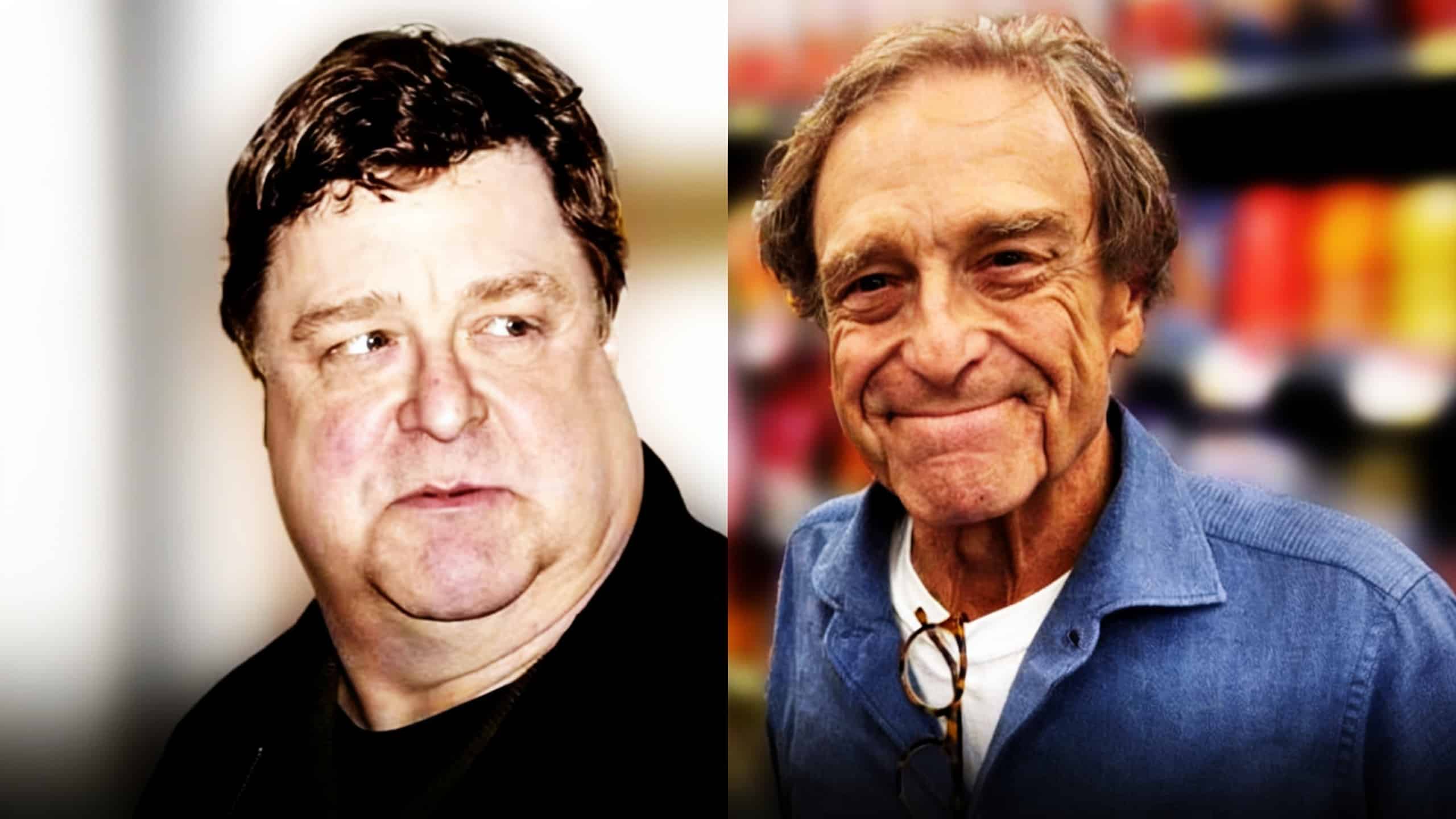
At his heaviest, Goodman’s weight climbed to nearly 400 pounds.
This wasn’t entirely new territory for the Roseanne star. During the show’s original run in the 1990s, he told David Letterman in 2010 that he was “pushing 400” pounds even then. But his weight struggles took on a different character after sobriety—one driven by the same compulsive mechanisms that had fueled his drinking.
Before quitting alcohol, Goodman experienced dramatic weight fluctuations. He would lose 60, 70, or even 80 pounds in a summer, only to gain it all back. He described the cycle as exhausting and futile.
The pattern revealed something deeper than simple lack of willpower—it pointed to unaddressed psychological issues that would continue to manifest until he confronted them head-on.
The Turning Point That Saved His Life
Goodman quit drinking in 2007 at age 55, a decision he has consistently described as life-saving.
No products found.
I had to be hospitalized one way or the other.
His drinking during Roseanne’s later seasons had been particularly dark. He called that period a “misery tour with alcohol,” describing himself as a “38-year-old depressive alcoholic” consumed by guilt, anxiety, and fear of public judgment.
Achieving sobriety required more than just putting down the bottle. It demanded a reckoning with deeper truths about himself.
I was delaying my maturation by drinking.
Goodman recognized that alcohol had allowed him to remain emotionally stunted, avoiding the personal growth necessary for genuine wellness. He described drinking as sustaining his immaturity and making him profoundly selfish.
Understanding Addiction Transfer
What Goodman experienced has a name in addiction medicine: addiction transfer or cross-addiction.
This phenomenon occurs when someone who achieves sobriety from one substance develops a compulsive relationship with something else—food, gambling, shopping, exercise, or other behaviors that trigger similar reward pathways in the brain.
The neurological explanation centers on dopamine. Both alcohol dependence and compulsive overeating activate similar reward circuits in the brain, creating cycles of craving and temporary satisfaction followed by guilt and renewed craving.
No products found.
The substance changes, but the underlying pattern remains intact unless the person addresses the root causes of their addictive behavior—trauma, emotional regulation difficulties, unmet psychological needs, or biochemical imbalances.
The Dramatic Transformation
Eventually, Goodman managed to lose approximately 200 pounds.
His transformation became publicly visible when The Conners premiered in 2018, reprising his iconic role as Dan Conner nearly two decades after Roseanne ended. Fans were stunned by his dramatically slimmed-down appearance.
This time, the weight loss stuck—suggesting he’d finally addressed those deeper psychological patterns rather than just restricting calories temporarily.
Goodman has been relatively private about the specific methods he used to lose weight, but his comments about therapy and confronting his selfish patterns suggest a more holistic approach that included mental health treatment alongside physical changes.
Life at 74: Recovery Is Ongoing
Goodman’s health journey continues today with new challenges.
No products found.
In the year before his October 2026 New Yorker interview, he fractured his hip—a serious injury that requires careful rehabilitation, especially for someone in their mid-70s.
His current regimen focuses on low-impact workouts and continued therapy. The emphasis on mental health treatment alongside physical rehabilitation reflects lessons learned from his earlier struggles: lasting change requires addressing both body and mind.
Despite the injury, Goodman remains professionally active, currently appearing in The Righteous Gemstones alongside his work on The Conners.
What Goodman’s Story Teaches Us
Goodman’s candid revelations offer several important lessons for anyone struggling with addiction or compulsive behaviors:
- Sobriety alone isn’t always enough. Quitting the substance or behavior is just the first step—addressing underlying psychological issues is essential for lasting recovery.
- Addiction can shift forms. Vigilance about cross-addiction helps prevent simply trading one destructive pattern for another.
- Instant gratification is the enemy. Both Goodman’s drinking and compulsive eating were driven by the same impulse—seeking immediate relief without considering consequences.
- Recovery requires confronting uncomfortable truths. Goodman had to acknowledge his emotional immaturity and selfishness before real change could happen.
- Mental health treatment matters. Therapy played a crucial role in Goodman’s sustained transformation.
- Weight fluctuations signal deeper issues. Repeatedly losing and regaining large amounts of weight often indicates unaddressed psychological or behavioral problems.
The Broader Public Health Picture
Goodman’s experience resonates far beyond celebrity culture.
Millions of people who achieve sobriety face similar challenges with food, often without recognizing the connection to their previous addiction. The shame and confusion can be overwhelming—”I thought I fixed this problem, so why am I still struggling?”
No products found.
Understanding addiction transfer helps remove that shame by reframing the issue: it’s not a personal failure but a predictable neurological pattern that requires specific intervention.
Comprehensive addiction treatment now increasingly addresses this reality, preparing people in recovery to recognize and respond to cross-addiction warning signs before patterns become entrenched.
Moving Forward With Honesty
What makes Goodman’s story particularly powerful is his unflinching honesty.
Rather than presenting a sanitized success narrative, he’s acknowledged the messy reality of recovery—the setbacks, the transferred addictions, the ongoing work required to maintain wellness.
That honesty serves others struggling with similar issues far more effectively than any polished transformation story ever could.
At 74, Goodman continues demonstrating that recovery is a lifelong process, not a destination. His willingness to adapt his approach—embracing low-impact exercise after injury, maintaining therapy, staying vigilant about compulsive patterns—models sustainable wellness for people at any age.
No products found.
His journey from nearly 400 pounds and active alcoholism to sustained sobriety and significant weight loss proves that meaningful change is possible, even when the path forward is complicated and requires addressing painful truths about ourselves.