In the world of CrossFit, certain movements become staples of competition and training. They challenge strength, endurance, and resilience. But as athletes transition out of competition and focus on longevity, the question arises: are all those movements worth the wear and tear?
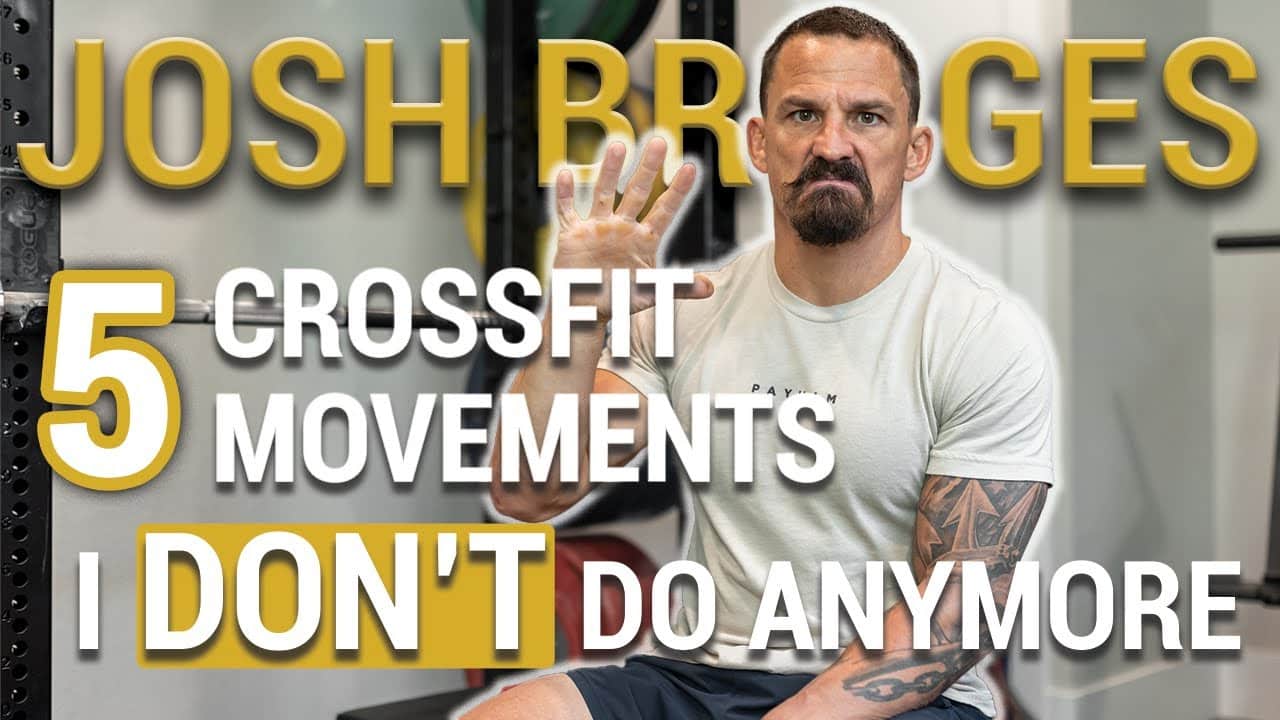
After years of competitive CrossFit, I’ve identified five exercises I no longer include in my training. Some of these put unnecessary stress on joints, while others pose a higher risk compared to their benefits. Here’s a breakdown of those movements and the safer alternatives that deliver similar results.
Jump to:
1. Pistols (Single-Leg Squats)
Why I Stopped Doing Them:
Pistols are a signature CrossFit movement, often showcased in competition. While they build single-leg strength and balance, they also place significant strain on the knees, particularly when performed at high volume. For non-competitive athletes, the risk of poor form or joint discomfort outweighs their benefits.
What I Do Instead:
I opt for Bulgarian split squats, lunges, or box step-ups. These exercises allow me to build unilateral leg strength without the awkward positions and stress associated with pistols.
2. Sumo Deadlift High Pulls (SDHP)
Why I Stopped Doing Them:
In the early days of CrossFit, the sumo deadlift high pull was a common movement. However, its narrow-grip positioning with a barbell can lead to shoulder impingement. Over time, I found the movement riskier than necessary for training or competition prep.
What I Do Instead:
Single-arm dumbbells with high pulls provide a safer alternative (these dumbbells are the ones I use). They allow for a wider grip and better shoulder alignment, reducing the risk of impingement. Additionally, upright rows or face pulls can target the same muscle groups with improved safety.
3. Handstand Push-Ups
Why I Stopped Doing Them:
Handstand push-ups were once a favorite of mine. They challenge upper body strength and add intensity to workouts. But the repetitive impact of slamming my head against the floor took its toll, often causing neck pain or headaches.
What I Do Instead:
I’ve replaced these with dumbbell or barbell strict presses, which offer controlled strength-building without the risk of neck strain. Occasionally, I’ll perform elevated push-ups to mimic the inverted position of handstand push-ups without the same level of risk.
4. Double Unders
Why I Stopped Doing Them:
Jumping rope is a great cardiovascular workout, but double unders—a staple of CrossFit—require quick, repetitive bounding. For me, this motion became problematic. I have no ACL, PCL, or MCL in my left knee, and the constant impact began to cause discomfort and instability.
What I Do Instead:
Cycling and rowing have become my go-to replacements for conditioning. These low-impact alternatives offer excellent cardio benefits without the strain on my knees. For those without joint issues, single unders can be a simpler, effective option.
5. Squat Cleans
Why I Stopped Doing Them:
Few movements are as satisfying as a squat clean, which combines power, coordination, and strength. But the dynamic drop into a heavy squat clean started aggravating my knees. While this movement is not inherently risky, the stress it placed on my joints made it a no-go for me.
What I Do Instead:
I still perform front squats, power cleans, and sandbag cleans to maintain strength and functional fitness. These exercises allow me to reap the benefits of cleans without the high-impact descent.
The Bigger Picture: Training Smart for Longevity
The transition from competitive CrossFit to everyday training has been about prioritizing sustainability. Movements like pistols, sumo deadlift high pulls, and squat cleans have their place in competition, but for those of us no longer chasing a podium finish, it’s worth considering the cost-benefit ratio.
By swapping these high-risk movements for safer alternatives, I’ve maintained my fitness while reducing joint strain and injury risk. The goal isn’t to avoid challenging movements but to find smarter ways to train that align with personal health and long-term goals.
What’s on Your List?
These are the five movements I’ve retired—but your list might look different. Are there CrossFit exercises you’ve swapped out for safer or more effective alternatives? Let’s open up the conversation. Share your thoughts, and remember: training is a journey, and it should always support your health and well-being.