CrossFit Kids is rapidly gaining popularity among families looking for more than just an after-school activity.
This high-energy, age-appropriate program does more than build strong bodies—it builds confident, focused, and emotionally resilient young people.
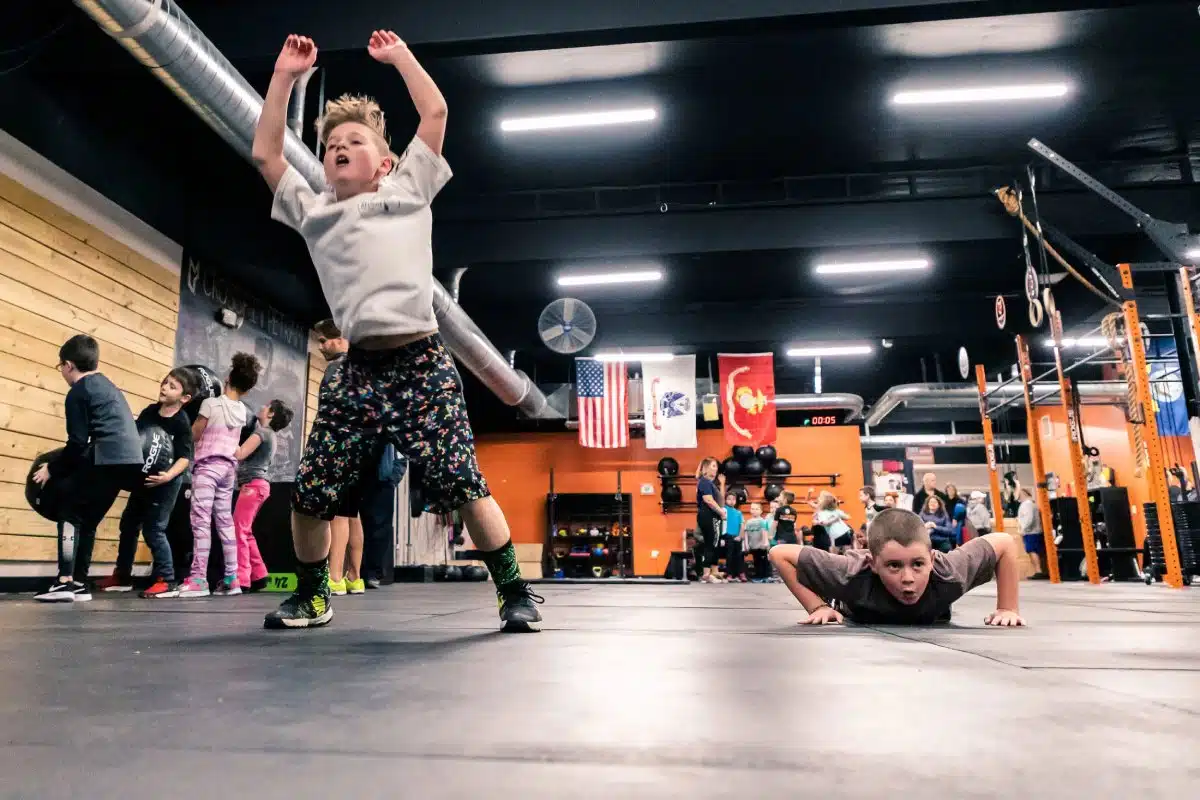
In recent analyses and on-the-ground experience from coaches around the world, it’s clear: children who consistently practice CrossFit don’t just improve athletically—they thrive academically, socially, and mentally.
Here’s a full breakdown of why CrossFit Kids could be one of the best investments you can make in your child’s development.
Jump to:
- Confidence that sticks
- Discipline through structure, not pressure
- Real respect, modeled and earned
- An emotional outlet (especially during puberty)
- A bridge between parent and child
- Improved academic performance
- Full-body athletic development
- A built-in community of support
- Mutual pride and validation
- The science backs it up
- Final thoughts: This is more than just a sport
Confidence that sticks
One of the most immediate benefits of CrossFit Kids is how quickly it builds confidence.
Coaches often notice shy kids who first walk into the gym with slouched shoulders and eyes on the floor. Within weeks, those same kids are standing taller, smiling more, and showing signs of genuine self-assurance.

If you want something simple that actually works, this is one of the most effective tools I’ve used to build strength, conditioning, and endurance without needing a full gym setup.
- Full-body training with one weight using swings, squats, and presses
- Solid cast iron build that feels stable and lasts for years
- Comfortable grip that makes high-rep workouts easier to handle
As they master new skills, overcome small challenges, and hit personal bests, they realize they’re capable. That confidence doesn’t stay in the gym—it follows them to school, social settings, and even home.
Discipline through structure, not pressure
CrossFit Kids classes aren’t military boot camps. They’re structured, high-energy sessions with a clear beginning, middle, and end.
This kind of rhythm helps kids develop self-discipline naturally. They learn how to listen, follow directions, complete tasks, and work consistently toward improvement—all without needing external pressure or rewards.
That carries over into other areas of life, like homework, bedtime routines, and goal setting.
Real respect, modeled and earned
Respect isn’t just talked about in CrossFit Kids—it’s embedded in the culture.
Kids learn to listen to their coach, support their peers, and respect their own limits. They see adults and other children modeling mutual respect, and they begin to internalize those values.
If you want something simple that actually works, this is one of the most effective tools I’ve used to build strength, conditioning, and endurance without needing a full gym setup.
- Full-body training with one weight using swings, squats, and presses
- Solid cast iron build that feels stable and lasts for years
- Comfortable grip that makes high-rep workouts easier to handle
This naturally helps them become more respectful and empathetic outside the gym, too.
An emotional outlet (especially during puberty)
Even adults say a good workout clears their head. Now imagine the impact on a 10-year-old navigating a surge of hormones, emotions, and academic pressure.
CrossFit provides a healthy outlet for stress, anger, or anxiety—without needing to name or explain it. It gives them space to release energy, reset emotionally, and develop better control over their impulses.
A bridge between parent and child
Once your kids hit double digits, they start pulling away. You’re not as cool as you used to be, and finding shared interests can be tough.
CrossFit offers a unique common ground—a chance to connect over WODs, nutrition tips, goals, and progress. It creates natural opportunities for conversations that go beyond, “How was your day?”
Improved academic performance
Multiple studies have shown a link between physical activity and cognitive function in kids. Regular exercise improves memory, attention span, and executive functioning.
If you want something simple that actually works, this is one of the most effective tools I’ve used to build strength, conditioning, and endurance without needing a full gym setup.
- Full-body training with one weight using swings, squats, and presses
- Solid cast iron build that feels stable and lasts for years
- Comfortable grip that makes high-rep workouts easier to handle
Because CrossFit Kids sessions are structured and goal-driven, they help children develop focus, routine, and time management—skills that translate directly to better performance in the classroom.
Full-body athletic development
CrossFit is known for developing well-rounded fitness: strength, endurance, agility, coordination, balance, flexibility, and speed.
Instead of specializing in one sport, CrossFit Kids prepares children for anything physical, giving them a balanced foundation whether they want to play soccer, dance, swim, or just be active for life.
A built-in community of support
In CrossFit, no one is left behind. One of the most celebrated principles is, “You cheer for the last person more than the first.”
That culture teaches kids about inclusion, teamwork, and compassion. They learn how to give and receive encouragement, celebrate each other’s wins, and recognize that effort is more important than outcome.
Mutual pride and validation
When your child completes a tough WOD, the pride is obvious. But something else happens too—they gain a new appreciation for you.
If you want something simple that actually works, this is one of the most effective tools I’ve used to build strength, conditioning, and endurance without needing a full gym setup.
- Full-body training with one weight using swings, squats, and presses
- Solid cast iron build that feels stable and lasts for years
- Comfortable grip that makes high-rep workouts easier to handle
If you also train or have talked about your own fitness journey, they’ll start to see what your effort means. This creates a mutual respect and shared understanding that strengthens your bond.
The science backs it up
Recent research and expert insights reveal even more compelling reasons to get your child into CrossFit:
A defense against obesity and chronic disease
CrossFit Kids fights rising childhood obesity rates and helps prevent early-onset conditions like type 2 diabetes and hypertension. It promotes cardiovascular health, metabolic balance, and healthier food choices.
Motor skills and movement quality
The varied functional movements improve motor control, posture, coordination, and even reduce injury risk across all other sports or activities.
Mental health improvements
Kids who participate in consistent physical activity report fewer symptoms of anxiety, depression, and ADHD. The structure, peer support, and goal-setting are powerful mood stabilizers.
Cognitive and executive function gains
Studies show that CrossFit Kids improves attention, working memory, problem-solving, and processing speed—essential tools for academic success.
If you want something simple that actually works, this is one of the most effective tools I’ve used to build strength, conditioning, and endurance without needing a full gym setup.
- Full-body training with one weight using swings, squats, and presses
- Solid cast iron build that feels stable and lasts for years
- Comfortable grip that makes high-rep workouts easier to handle
Early development of grit and resilience
Learning how to fail and try again. Pushing through a hard round. Committing to improve. These experiences build mental toughness early on—something that will serve them for life.
Final thoughts: This is more than just a sport
CrossFit Kids isn’t just about squats and burpees. It’s about shaping young people into strong, self-aware, respectful, and resilient humans.
It teaches them how to move well, think clearly, work with others, and grow from challenge. It gives them a toolkit for life—not just fitness.
So if you’re wondering whether your child is ready, consider this: maybe the real question is, can they afford to miss out?