Step into any gym today and you’ll see women deadlifting twice their bodyweight, running intervals on treadmills, and filling rooms for group strength classes.
Exercise in the 21st century is celebrated for its health benefits, stress relief, and empowerment. But in the 1940s, women’s fitness looked almost unrecognizable.
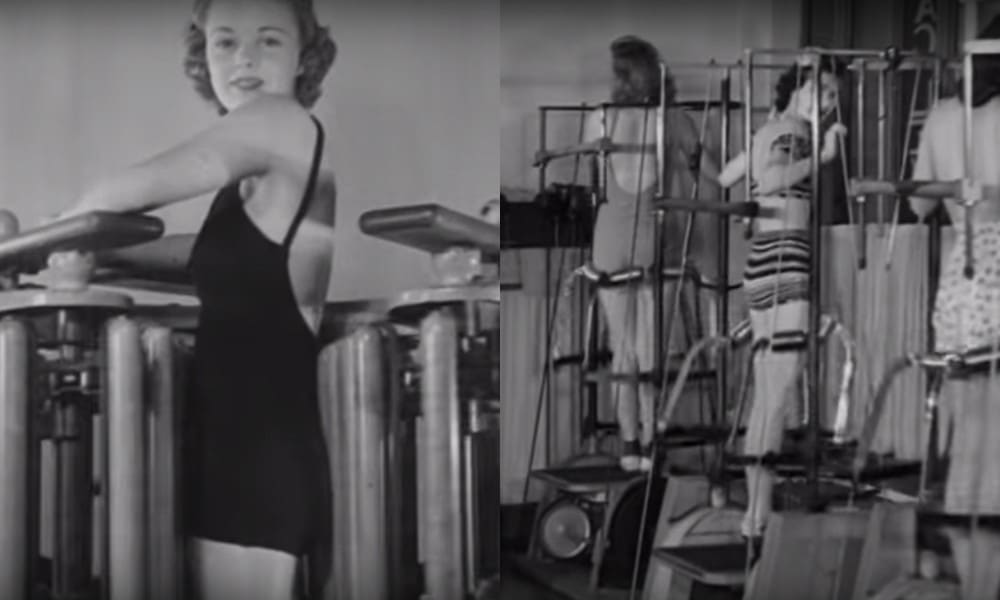
Instead of training for strength, stamina, or wellness, most women were encouraged to pursue “reducing”—a polite term for slimming down. Exercise wasn’t marketed as a way to build resilience; it was a beauty tool, tightly bound to society’s narrow standards of femininity.
The decade was filled with vibrating belts, slimming salons, and light calisthenics designed to shape, not strengthen. Looking back on this era reveals just how far we’ve come—and why celebrating women’s strength today is so significant.
Jump to:
- Fitness in the 1940s: Movement Without Sweat
- Machines That Promised Results Without Effort
- The Role of Civil Defense and Light Training
- Fashion Over Function
- Cultural Ads and Messages: Slimness Over Strength
- The Limitations of 1940s Fitness Culture
- The Modern Contrast: Strength, Health, and Empowerment
- What We Can Learn From the 1940s
- A Vintage-Inspired Modern Routine
- The Big Takeaway
Fitness in the 1940s: Movement Without Sweat
In the midst of World War II, women’s responsibilities changed drastically. They worked in factories, volunteered in civil defense, and held communities together while men were overseas. Yet when it came to exercise, the cultural message was clear: physical activity should never make women appear muscular, sweaty, or “unladylike.”
Instead, gyms rebranded themselves as “reducing salons.” These spaces promised effortless slimming through the use of machines rather than movement. A typical session might include standing while a vibrating belt shook the midsection, sitting on a roller massager that “melted” fat from the thighs, or strapping into spring-loaded devices that promised to trim arms and hips.
One advertisement from the era captured the spirit: “Why toil when you can reduce the modern way? Let our machines massage away unsightly bulges—without breaking a sweat!” The underlying message was that exercise should not look like work.
Machines That Promised Results Without Effort
The 1940s were a golden age for strange fitness contraptions.
- Vibrating Belt Machines: A wide belt wrapped around the waist, hips, or thighs, connected to a motor that shook the body. The theory was that vibration would “loosen fat” and tighten skin. In reality, it did little more than jiggle the user.
- Roller Massagers: Wooden rollers spun on a rotating drum. Women sat, leaned, or pressed different body parts against the rollers, which supposedly stimulated circulation and “trimmed inches.”
- Spring Devices: Some at-home equipment featured resistance springs attached to handles, anchored by the neck or torso. Women were instructed to perform light movements, but the danger and awkwardness often outweighed the benefits.
- Electric Muscle Stimulators: Early versions of what we now see in physical therapy clinics existed, marketed as “effort-free toning.” They claimed to firm muscles through electrical currents—another shortcut with little evidence behind it.
These devices were designed less for functional fitness and more for reinforcing beauty ideals. They aligned with a broader cultural narrative that women should remain slim and graceful, even as they took on more demanding roles in society.
The Role of Civil Defense and Light Training
It would be unfair to say no women moved in the 1940s. Civilian Defense programs often included physical training, particularly for women volunteering as nurses or assistants. Red Cross nurses were photographed leaping over hurdles on hospital lawns, while others joined group jump rope sessions at recreation centers.
Still, even these activities were framed differently than men’s training. Women were encouraged to stay slim for efficiency and grace, not to build strength or power. Weightlifting and endurance training were almost entirely absent from female fitness culture.
Fashion Over Function
Exercise clothing in the 1940s reflected society’s expectations of elegance. Many women still exercised in skirts or dresses, sometimes even with stockings and light shoes. When specialized attire was worn, it often resembled a romper or unitard, paired with simple sneakers or Mary Janes.
The look was designed to maintain modesty and femininity, even while bending or stretching. Function often took a back seat to style. Compare that to today’s breathable leggings, sports bras, and performance sneakers, and it’s clear how far activewear has evolved alongside attitudes toward women’s fitness.
Cultural Ads and Messages: Slimness Over Strength
Magazines and advertisements reinforced the idea that women should use fitness to control appearance, not to gain health benefits.
- Cigarette Ads as “Health Aids”: Some cigarette brands distributed exercise cards with their packs, suggesting women could “stay slim” by pairing smoking with light stretching. At the time, cigarettes were often marketed as appetite suppressants rather than health hazards.
- Beauty Salon Fitness: Elizabeth Arden and Helena Rubinstein, cosmetics pioneers, integrated light exercise and massage into their beauty spas. The underlying promise was that appearance was in women’s control—through makeup, treatments, and “figure-shaping” routines.
- Hollywood Influence: Actresses like Joan Crawford promoted boxing as a way to “maintain a schoolgirl figure,” though publicity photos often showed her sparring in high heels. These images weren’t about functional strength but about framing activity as glamorous.
The consistent theme was that exercise was about looking right, not feeling strong.
The Limitations of 1940s Fitness Culture
This era’s approach to women’s fitness came with lasting consequences. By discouraging women from strength or endurance training, it reinforced myths that muscles were unfeminine and that women should avoid exertion. It also placed appearance above health, feeding into decades of body image pressures that still linger today.
The emphasis on machines and passive devices also delayed the normalization of women performing real, effective training. Instead of teaching women how to build resilience, culture sold them shortcuts.
The Modern Contrast: Strength, Health, and Empowerment
Fast-forward to today, and the contrast is striking.
- Strength Training Is Normalized: Women now embrace lifting weights, from dumbbells to barbells, understanding the benefits for bone density, metabolism, and confidence.
- Functional Fitness Reigns: Movements like squats, push-ups, and deadlifts emphasize what the body can do, not how it looks.
- Community and Visibility: Group fitness, once seen as frivolous, is now a source of empowerment. From CrossFit boxes to running clubs, women train together for health and camaraderie, not just slimness.
- Activewear for Performance: Athleisure blends fashion and function, allowing women to move freely and unapologetically. No more dresses and heels for jump rope.
- Science Over Shortcuts: Where vibrating belts once promised miracles, women today turn to evidence-based training and nutrition strategies that prioritize long-term wellness.
What We Can Learn From the 1940s
Though outdated, the 1940s fitness culture still offers lessons.
- Beware of quick fixes. The slimming belts of the past aren’t so different from today’s detox teas or “fat-burning wraps.” If it sounds too good to be true, it probably is.
- Cultural ideals shape fitness trends. Just as the 1940s glorified slimness, modern fitness can sometimes overemphasize aesthetics. Staying critical helps separate health from hype.
- Movement evolves with opportunity. When women were told not to sweat, activity stayed minimal. Now, with broader access and acceptance, women thrive in every sport from powerlifting to ultramarathons.
A Vintage-Inspired Modern Routine
For those curious to honor the past while embracing today’s science, here’s a safe, effective “modern twist” on a 1940s-inspired workout:
- Dynamic mobility warm-up (arm circles, hip rotations) – 3 minutes
- Bodyweight squats – 3 sets of 12
- Standing side bends with a light dumbbell – 2 sets of 10 each side
- Glute bridges – 3 sets of 15
- Jump rope (or shadow rope) – 2 minutes on, 1 minute off × 3 rounds
- Cool-down stretching – 5 minutes
This blends the simple calisthenics of the past with the evidence-based intensity of today.
The Big Takeaway
In the 1940s, women were told to exercise without exertion, to stay slim without sweating, and to let machines do the work. Fitness was a beauty tool, not a path to health. Fortunately, that narrative has changed.
Today, women celebrate movement for strength, resilience, and joy. The shift from “reducing salons” to real training reflects not just changing workouts, but changing views of women themselves. We’ve come a long way from vibrating belts and dresses in the gym—and the journey is still unfolding.