Leg day challenges even seasoned gym-goers. It demands intense effort, leaving muscles sore, energy depleted, and your body needing serious recovery.
Recovery is more than a break; it’s when growth happens. Proper recovery ensures progress while protecting against overtraining or injury. For those maintaining a strict workout schedule, finding the balance between rest and consistent training can feel like a juggling act.
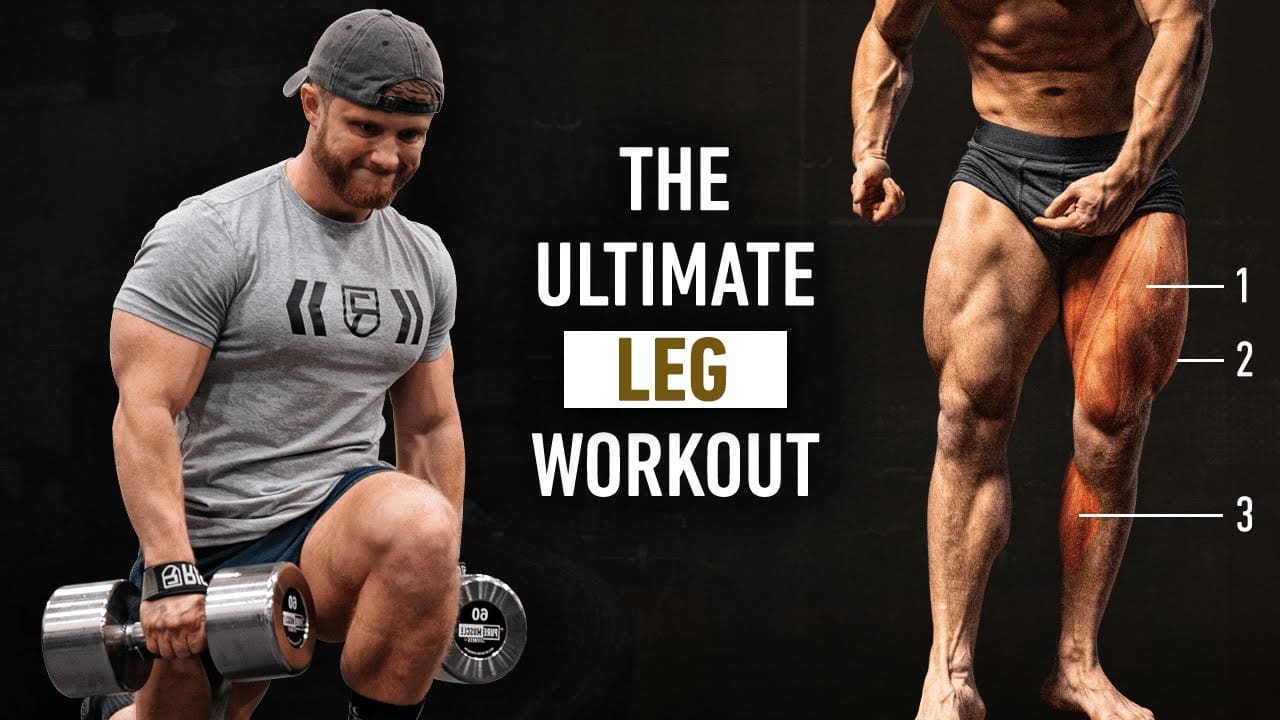
Let’s dive into practical strategies to help you bounce back faster without compromising your fitness routine.
Jump to:
Understanding the Science of Muscle Recovery
What Happens During Leg Day
When you train legs, your muscles endure controlled stress that triggers several responses:
- Micro-tears in muscle fibers occur, which need repairing to grow stronger and larger.
- Lactic acid accumulates, leading to the infamous post-leg-day soreness.
- Central nervous system (CNS) fatigue can result from heavy compound movements like squats or deadlifts, leaving you mentally and physically drained.
Why Recovery Is Critical
Skipping proper recovery may stunt your progress. Here’s why:
- Muscle hypertrophy—the actual process of muscle building—happens during rest, not while lifting weights.
- It reduces the risk of overtraining and chronic fatigue, which can lead to burnout.
- Consistent recovery helps maintain workout performance, ensuring you show up strong for every session.
Recovery vs. Rest
There’s a difference between staying passive and taking smart recovery measures:
- Passive rest involves complete inactivity, which can lead to stiffness.
- Active recovery, such as light stretching or mobility work, accelerates healing by improving circulation.
Focusing on active recovery techniques ensures muscles repair effectively while keeping your body moving.
Immediate Post-Workout Recovery Tips
Cool Down Properly
Finishing your leg day workout doesn’t mean it’s time to collapse. A proper cool-down routine can significantly reduce soreness and promote recovery.
- Spend 5–10 minutes on light activities like walking, cycling, or stretching. This helps flush out lactic acid and restore your heart rate.
- Static stretches for key muscles like hamstrings, quads, and glutes prevent tightness. For instance, hold a seated forward fold to target hamstrings or a deep lunge stretch for hip flexors.
Post-Workout Nutrition
Nutrition plays a crucial role in muscle repair. Prioritize these elements:
- Protein aids in muscle rebuilding. Aim for about 20–30 grams within an hour of your workout. Examples include whey protein shakes or grilled chicken.
- Carbohydrates replenish glycogen stores. Quick options like a banana, rice cakes, or oatmeal are ideal.
- Suggested snacks: Greek yogurt with honey or a banana paired with peanut butter provide a balance of protein and carbs.
Hydration
Hydration isn’t just about drinking water—it’s about restoring electrolytes lost during sweating.
- Choose water for light workouts or electrolyte drinks if you had an intense session.
- Foods rich in magnesium and potassium, like avocados or spinach, help prevent muscle cramps. Adding a pinch of salt to water can also aid in electrolyte replenishment.
Optimizing Recovery Between Workouts
Active Recovery Strategies
Moving gently between workout days keeps blood flowing, speeding up muscle repair.
- Engage in light activities like yoga, swimming, or walking to reduce stiffness and improve mobility.
- Use a foam roller to target sore muscles. Focus on areas like the quads, hamstrings, and calves, spending about 30 seconds per muscle group. Foam rolling increases circulation and breaks up muscle adhesions.
Cold and Heat Therapies
Alternating temperature-based treatments can effectively manage soreness and stiffness.
- Contrast baths, which involve switching between cold and warm water, improve circulation and reduce inflammation. Aim for 2–3 minutes in cold water followed by 3–4 minutes in warm water, repeating for 15 minutes.
- For localized soreness, apply ice packs to reduce inflammation. Use heating pads for stiffness or when preparing for light activity.
Compression and Elevation
These simple techniques can minimize swelling and soreness.
- Wear compression gear like sleeves or leggings after leg day. They support muscle recovery by improving blood flow and reducing swelling.
- Elevate your legs for 15–20 minutes after workouts to promote circulation and decrease inflammation.
Sleep Optimization
Quality sleep is a recovery superpower. Muscle repair peaks during deep sleep cycles, so aim for consistency in your sleep habits.
- Maintain a regular sleep schedule, even on rest days, to optimize recovery hormones like growth hormone.
- Avoid screens an hour before bedtime to encourage melatonin production. Instead, unwind with calming activities like reading or meditating.
Supplements and Recovery Aids
Essential Supplements
Certain supplements can enhance muscle repair and reduce post-workout soreness.
- Branched-chain amino acids (BCAAs): These amino acids (leucine, isoleucine, and valine) reduce muscle soreness and promote protein synthesis. Consider taking 5–10 grams pre- or post-workout.
- Creatine: Known for boosting strength, creatine also aids recovery by replenishing energy (ATP) stores. A daily dose of 3–5 grams can improve overall recovery speed.
- Omega-3 fatty acids: Found in fish oil, these reduce inflammation and muscle stiffness. Aim for 1–2 grams daily, or incorporate fatty fish like salmon into your meals.
Innovative Recovery Aids
Some newer tools and supplements are gaining attention for their recovery benefits:
- CBD (cannabidiol): Non-psychoactive and derived from hemp, CBD helps manage inflammation and soreness. Use oils, creams, or gummies to enhance relaxation and recovery.
- Adaptogens like ashwagandha: These herbs help balance cortisol levels, reducing stress-related recovery delays. A daily supplement can improve resilience to physical strain.
Adjusting Your Workout Plan to Aid Recovery
Periodization and Rest Days
A well-structured workout plan ensures muscles have adequate time to recover.
- Use periodization by planning workout splits like push-pull-legs or alternating upper and lower body exercises. This prevents overworking the same muscles on consecutive days.
- Schedule at least one rest or active recovery day per week to allow full-body recovery.
Low-Impact Workouts
Incorporate low-impact activities to maintain cardiovascular health without stressing sore muscles.
- Swap high-impact cardio, such as running, for options like cycling, rowing, or elliptical machines. These alternatives reduce strain on your joints while keeping you active.
Avoiding Common Mistakes
Recovery missteps can slow your progress or lead to injury:
- Overtraining: Ignoring soreness and training through pain can result in chronic fatigue or injuries like strains. Listen to your body.
- Underestimating recovery: Strength gains and endurance improvements depend on proper recovery. View rest and active recovery as integral parts of your fitness journey, not as downtime.
Mental Strategies for Pushing Through Soreness
Mindset and Motivation
The discomfort of sore muscles can challenge even the most motivated individuals, but reframing your perspective helps keep progress on track.
- View soreness as a sign of progress, signaling that your muscles are adapting and growing stronger.
- Focus on long-term goals, like building strength or enhancing endurance, to stay committed during challenging moments.
Meditation and Visualization
These techniques can help you manage discomfort and maintain focus.
- Meditation: Practicing mindfulness calms the mind, helping you tune out soreness and stay present. Even 10 minutes daily can reduce perceived pain levels.
- Visualization: Picture your next workout or imagine stronger legs powering through lifts. Visualization enhances motivation and mental resilience, keeping you eager for the next training session.
Little-Known Recovery Hacks
Eccentric Training for Pre-Habilitation
Eccentric exercises—where muscles lengthen under tension—can reduce soreness in future workouts by building resilience.
- Incorporate controlled negative reps into your routine, such as lowering a squat slowly over 3–5 seconds.
- These movements not only prepare muscles for future strain but also improve strength and flexibility.
Massage Guns
Percussive therapy tools are increasingly popular for relieving muscle tension.
- Massage guns improve blood flow, break up muscle adhesions, and reduce soreness. Use them on major leg muscles like quads and hamstrings for 1–2 minutes per area.
- Regular use can enhance flexibility and speed up recovery between workouts.
Tart Cherry Juice
This natural remedy is packed with antioxidants and anti-inflammatory compounds.
- Studies show tart cherry juice reduces delayed onset muscle soreness (DOMS) and speeds up muscle repair. Consume a glass post-workout or as part of your daily routine.
Acupuncture or Acupressure
These traditional methods are gaining recognition for recovery benefits.
- Acupuncture can improve circulation, reduce muscle tension, and promote relaxation.
- Acupressure, a less invasive alternative, applies targeted pressure to alleviate pain and stimulate recovery.
When to Seek Professional Help
Recognizing Signs of Overtraining or Injury
While soreness is normal after leg day, certain symptoms indicate it’s time to consult a professional:
- Persistent soreness lasting longer than a week may point to inadequate recovery or a more serious issue.
- Sharp pain differs from regular muscle fatigue and could signal strains, tears, or other injuries.
Consulting Experts
If discomfort persists or worsens, seek guidance from trained professionals:
- A physical therapist can assess movement patterns, identify muscle imbalances, and provide targeted recovery exercises.
- A sports medicine specialist can diagnose and treat potential injuries, helping you avoid further complications.