Science evolves, and sometimes that means confronting uncomfortable truths about longevity.
In a recent video, health and longevity expert Thomas DeLauer tackled five major misconceptions that research has debunked—or is actively revising.
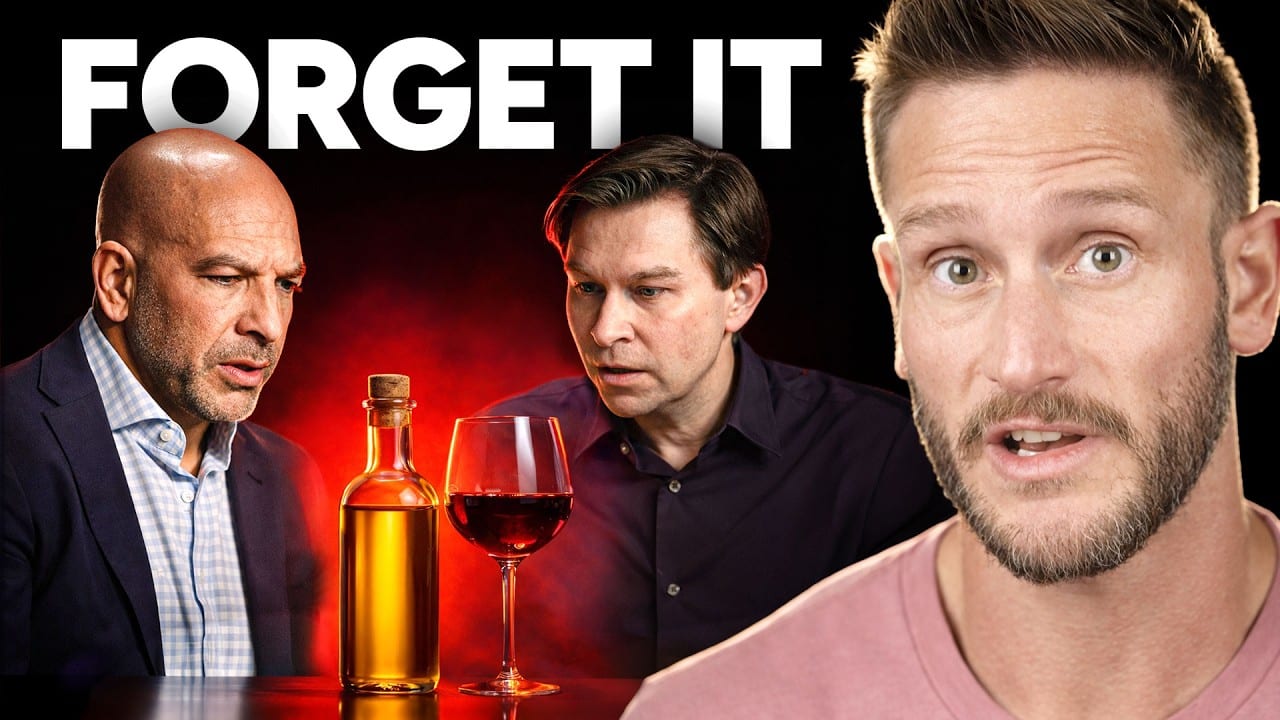
From the overblown role of genetics to the false promise of resveratrol, these revelations shift control back where it belongs: in your hands.
Here’s what science got wrong—and what that means for living longer, healthier, and smarter.
Jump to:
Genetics Matter Far Less Than You Think
For decades, conventional wisdom held that longevity was largely predetermined by DNA. If your grandparents lived to 95, you’d probably follow suit. If they didn’t, tough luck.
Turns out, that’s not the whole story—not even close.
A study published in Human Genetics found that genetic factors account for only 20 to 30% of the variation in adult lifespan. That leaves a massive 70 to 80% influenced by lifestyle choices: diet, exercise, sleep, stress management, and environmental factors.
Even more striking? As researchers learn more about lifestyle’s impact, genetics’ importance keeps shrinking.
So it started at say 30% importance then 25 then 20. Next thing you know we’re like shoot maybe genetics only account for like 15% of the total equation maybe 10% cuz we’re learning more about the different lifestyle factors and how they influence it.
The takeaway? Your genes load the gun, but your lifestyle pulls the trigger.
It’s Never Too Late to Change
Another long-held belief: once you hit middle age, damage is done. You can manage symptoms and medicate, but reversing course? Forget it.
Wrong again.
Quitting Smoking Adds Years—Even Late in Life
Research published in the New England Journal of Medicine analyzed 201,000 people and their smoking habits. The findings were eye-opening.
- Quitting between ages 25-34 added 10 years to life expectancy
- Quitting between 35-44 added 9 years
- Quitting between 45-54 still added 6 years
Yes, earlier is better. But the benefit remains substantial regardless of when someone quits.
Starting Exercise Later Still Pays Off Big
Exercise follows a similar pattern. Researchers used to believe late-stage physical activity offered minimal longevity benefits compared to lifelong fitness.
Studies on daily physical activity now show something different: what matters most is improvement from your baseline.
DeLauer highlighted compelling data showing that increasing activity by about 1 kilojoule per kilogram per day per year led to a 24% reduction in all-cause mortality.
In practical terms? That’s going from zero exercise to 150 minutes per week over five years—roughly 20 to 30 minutes daily.
If you didn’t exercise at all right now, would you think it’s reasonable in five years to get to a point where you could be exercising 150 minutes a week, right? That’s like what, 20, 30 minutes a day, something like that. Is that reasonable? Because that alone, just going from that to that is a 24% reduction in all cause mortality.
The changes make everything.
The Microbiome Amplifies Lifestyle Shifts
DeLauer also pointed to emerging microbiome research, which suggests that when lifestyle changes alter gut bacteria, cascading health improvements follow.
He recommends timing dietary or microbiome interventions—like increasing fiber, fermented foods, or targeted supplements—alongside major lifestyle changes to maximize impact.
One supplement he mentioned: urolithin A, a compound that triggers mitophagy (autophagy of mitochondria). It’s been studied in journals like JAMA and shows promise for mitochondrial health, recovery, and longevity.
Resveratrol: Overhyped and Underperforming
Remember the red wine craze? Resveratrol was supposed to be the magic molecule behind the “French Paradox”—the idea that wine-drinking populations lived longer despite rich diets.
A study in JAMA involving 783 participants tracked mortality and resveratrol intake across four quartiles: from highest to lowest consumption.
The result? No difference in mortality. None. Whether participants consumed resveratrol through supplements, wine, or diet, lifespan remained unchanged.
It also failed to impact inflammatory markers like CRP or IL-6, which it was supposed to reduce.
Look at there’s benefits to resveratrol, but to say that it’s going to add years to your life is very overstated. That’s that’s too much.
Rodent studies showed promise, but human data tells a different story. Resveratrol may offer some health benefits, but longevity isn’t one of them.
Alcohol Doesn’t Extend Lifespan—At All
This one stings for wine lovers. For years, studies suggested moderate drinking—especially red wine—could extend life thanks to a U-shaped mortality curve.
But those studies had serious flaws.
Reverse Causality and Misclassification
Many “non-drinkers” in earlier research were actually former drinkers who quit due to poor health. Their shorter lifespans skewed the data, making moderate drinkers appear healthier by comparison.
Additionally, occasional drinkers—people who had a drink once or twice a year—were often lumped into “light” or “moderate” categories, distorting results.
The New Data Is Clear
A 2023 JAMA meta-analysis of 107 studies involving 4.8 million people found that 25 grams of ethanol per day—about one to two drinks—had no positive impact on life expectancy.
Consuming more than that? It significantly increased all-cause mortality.
So here we are with campaigns against smoking and here we are against campaigns against all kinds of foods yet alcohol we’re living in the stone age where we’re still citing research from 1970 saying that Ron Burgundy can have his glass of scotch and it’s going to help him live to be 130. It’s just not reality.
Bottom line: alcohol does not help you live longer. Moderate drinking won’t kill you tomorrow, but it won’t add years either.
Caloric Restriction: Context Matters
Caloric restriction has long been championed as a longevity tool. Animal studies consistently show extended lifespan with reduced calorie intake.
But a study published in Nutrients analyzing primate data revealed something nuanced: caloric restriction mattered most when diet quality was poor.
When monkeys ate whole, unprocessed foods, restricting calories didn’t significantly improve lifespan. But when their diet included processed or lower-quality foods, caloric restriction did help.
What This Means for Humans
Most people aren’t eating like pristine primates. We consume processed foods, snacks, and restaurant meals regularly.
In that context, caloric restriction still offers benefits. But if someone eats a whole-food, minimally processed diet—meat, fruit, vegetables, nothing packaged—their body may self-regulate intake naturally.
You’d stop eating when you stop eating and you wouldn’t never really feel like you’re in a surplus or a deficit. You’re just eating to live.
Diet quality and caloric control aren’t opposing forces—they’re complementary. Prioritize what you eat, then consider how much.
You’re in Control—At Any Age
Science continues to refine our understanding of longevity, and the evidence increasingly points to one empowering truth: lifestyle matters more than genetics.
Whether it’s quitting smoking at 50, starting exercise at 60, or cleaning up diet at 40, radical shifts produce real results.
The internet is full of quick fixes and supplement hype. But the research is clear: how you live your life—not what’s in your medicine cabinet—determines how long and how well you live.
You are in control. And it’s never too late to start.