Chasing Arnold Schwarzenegger’s shadow has inspired countless bodybuilders over the decades, but one competitor who genuinely challenged the Austrian Oak was Serge Nubret at the 1975 Mr. Olympia.
His training methodology was radically different from conventional wisdom—and it’s making a comeback.
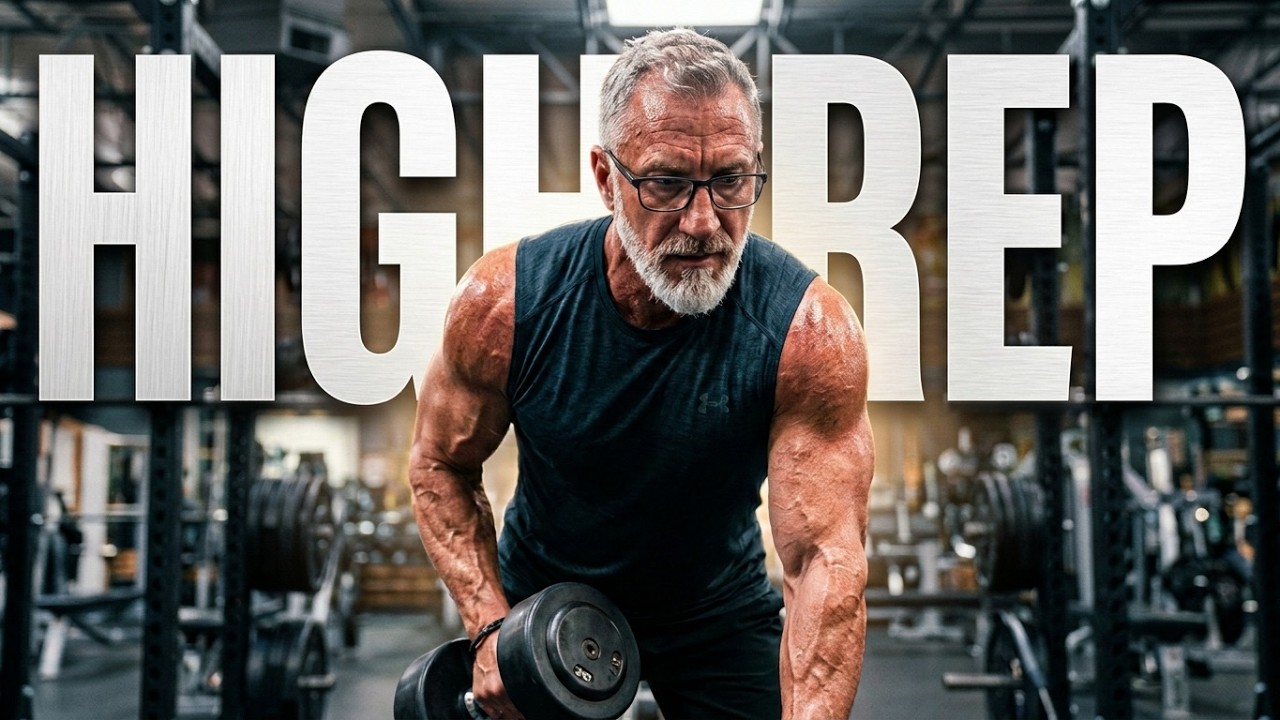
One experienced trainer recently experimented with Nubret’s high-volume approach and discovered something surprising: lighter weights and extreme repetitions might unlock new muscle growth, especially for seasoned athletes stuck in a plateau.
The results? Increased muscle fullness, reduced body fat, and soreness in all the right places.
Jump to:
- The Serge Nubret Protocol: What Makes It Different
- The Modified Approach: Five Sets of 20 Reps
- Muscle Power vs. Muscle Endurance
- The Ego Check: Training With Lighter Loads
- Where You’ll Feel It: Muscle Bellies, Not Joints
- Cardiovascular Benefits and Fat Loss
- Real-World Results: A Case Study
- Who Should Try This (And Who Shouldn’t)
- Implementation Guidelines
- The Mental Game: Staying Motivated
- Practical Expectations
- Final Considerations
The Serge Nubret Protocol: What Makes It Different
Serge Nubret’s original training system was extreme by any standard. He performed 10 sets of 20 repetitions on virtually every exercise—from legs to arms to abs.
This volume would overwhelm most modern lifters who typically work in the 3-5 set range with 6-12 repetitions. The sheer workload requires a completely different approach to weight selection, rest periods, and mental fortitude.

If you want something simple that actually works, this is one of the most effective tools I’ve used to build strength, conditioning, and endurance without needing a full gym setup.
- Full-body training with one weight using swings, squats, and presses
- Solid cast iron build that feels stable and lasts for years
- Comfortable grip that makes high-rep workouts easier to handle
After trying Nubret’s full protocol, the trainer quickly realized the original version was unsustainable for someone not conditioned to that specific stress.
I checked out this Serge guy and the way he trained and this guy was doing back in the ’70s was doing 10 sets of 20 reps on everything. And I was like, well, I’ve never tried that before. I think I’ll try that. So, uh yeah, that I didn’t get too far on that.
Instead, he modified the program to five sets of 20 repetitions across all muscle groups—a more practical entry point that still delivers the unique benefits of high-rep training.
The Modified Approach: Five Sets of 20 Reps
After two months on this modified protocol, the results have been remarkable. The trainer applied five sets of 20 reps to every major muscle group without exception.
- Quads and hamstrings: 5 x 20
- Calves: 5 x 20
- Chest and back: 5 x 20
- Shoulders: 5 x 20
- Biceps and triceps: 5 x 20
- Abs: 5 x 20
This universality is critical. Many lifters use high reps for isolation work but stick to lower reps for compounds. Nubret’s philosophy was different—everything gets the same treatment.
Muscle Power vs. Muscle Endurance
Understanding the physiological difference between strength ranges is essential to appreciating why this method works. Traditional strength training typically focuses on 1-8 repetitions, targeting muscle power and maximal force production.
High-rep training shifts the focus to muscle endurance—the ability to sustain repeated contractions over extended periods. This range, typically 10-50 reps, targets different energy systems and muscle fiber recruitment patterns.
If you want something simple that actually works, this is one of the most effective tools I’ve used to build strength, conditioning, and endurance without needing a full gym setup.
- Full-body training with one weight using swings, squats, and presses
- Solid cast iron build that feels stable and lasts for years
- Comfortable grip that makes high-rep workouts easier to handle
There’s a big difference between muscle power, you know, your strength from like one to eight reps and then muscle endurance, your strength from like 10 to 50 reps.
The metabolic stress created by extended time under tension triggers substantial muscle pumps and potentially greater muscle growth through different pathways than heavy, low-rep work.
The Ego Check: Training With Lighter Loads
Perhaps the most challenging aspect of this training style isn’t physical—it’s psychological. Performing 20 continuous reps requires drastically reducing the weight from what most experienced lifters consider “working weight.”
For someone accustomed to heavy barbell work, walking into the gym with what appears to be beginner-level loads can be humbling.
You’re having to use much lighter weights. So, it’s been a big ego drop for me. I’m at the gym a lot of my workouts I’m working out with very light weight on the barbell or on the machine and it’s just like okay, but man, I love it.
This ego adjustment is actually one of the protocol’s greatest benefits. Lighter loads mean significantly reduced joint stress, making this approach particularly valuable for older athletes or anyone managing chronic joint issues.
Where You’ll Feel It: Muscle Bellies, Not Joints
One of the most notable differences reported was the location of post-workout soreness. Traditional heavy training often creates discomfort in connective tissues and joints, especially as volume accumulates.
High-rep training with lighter weights produces soreness directly in muscle bellies—the meaty portion of muscles where growth actually occurs.
If you want something simple that actually works, this is one of the most effective tools I’ve used to build strength, conditioning, and endurance without needing a full gym setup.
- Full-body training with one weight using swings, squats, and presses
- Solid cast iron build that feels stable and lasts for years
- Comfortable grip that makes high-rep workouts easier to handle
I’m so sore in my muscle bellies, not in my joints, which is interesting because you’re forced to use lighter weights.
This distinction matters tremendously for longevity. Joint-sparing training allows consistent progressive overload without the accumulated wear and tear that eventually sidelines many veteran lifters.
Cardiovascular Benefits and Fat Loss
An unexpected benefit emerged during the two-month trial: noticeable body fat reduction. This wasn’t due to dietary changes but rather the cardiovascular demands of the training itself.
Performing 20 continuous reps keeps heart rate elevated throughout the set and minimizes rest periods between sets. This creates a training environment similar to metabolic conditioning or circuit training.
My body fat has been dropping. I think because my heart rate stays up in more of a fat burning range as opposed to lifting heavier weights and taking longer rests between sets.
While the concept of a specific “fat burning zone” is somewhat oversimplified, the total energy expenditure from high-rep training is substantial. More work performed in less time equals greater caloric burn.
Real-World Results: A Case Study
The trainer implemented this protocol with a 45-year-old client who had been training consistently for approximately 18 months. The client’s response mirrored the trainer’s own experience.
After several weeks, the client reported increased muscle fullness, improved conditioning, and renewed enthusiasm for training—critical factors for long-term adherence.
If you want something simple that actually works, this is one of the most effective tools I’ve used to build strength, conditioning, and endurance without needing a full gym setup.
- Full-body training with one weight using swings, squats, and presses
- Solid cast iron build that feels stable and lasts for years
- Comfortable grip that makes high-rep workouts easier to handle
I said, “Hey man, this is what we’re going to do for the next couple months.” And he hopped on board. He’s been getting the same kind of results, loves it.
For mature athletes (the trainer himself is 56), finding training methods that produce results without increasing injury risk becomes increasingly important. This protocol appears to check both boxes.
Who Should Try This (And Who Shouldn’t)
This training approach is explicitly not recommended for beginners. Newcomers to resistance training need to establish proper movement patterns, build base strength, and develop work capacity before attempting extreme volume protocols.
Ideal candidates include:
- Intermediate to advanced lifters: Those with at least two years of consistent training
- Athletes experiencing plateaus: When traditional programming stops producing results
- Older lifters: Those seeking joint-friendly alternatives to heavy loading
- Multi-sport athletes: Individuals who value conditioning alongside muscle development
The mental component cannot be overlooked. This style of training requires humility, focus, and the ability to push through significant metabolic discomfort.
Implementation Guidelines
For those ready to experiment with this protocol, several practical considerations will determine success or failure.
Start Conservative
Begin with weights that feel almost embarrassingly light. If 20 continuous reps feel easy, the weight is appropriate. If form breaks down before rep 15, it’s too heavy.
If you want something simple that actually works, this is one of the most effective tools I’ve used to build strength, conditioning, and endurance without needing a full gym setup.
- Full-body training with one weight using swings, squats, and presses
- Solid cast iron build that feels stable and lasts for years
- Comfortable grip that makes high-rep workouts easier to handle
Prioritize Form
With fatigue accumulating rapidly, maintaining technical proficiency becomes challenging. Sacrificing form for completion negates the joint-protective benefits.
Manage Rest Periods
Keep rest intervals between 60-90 seconds. Longer rests reduce the metabolic stress that drives many of this protocol’s benefits.
Commit to One Month Minimum
Adaptation takes time. One or two workouts won’t reveal whether this approach suits individual physiology and goals.
If you’ve been training for a couple years and you’re looking for something different, just try one month of five sets of 20 reps on everything.
The Mental Game: Staying Motivated
Beyond physiological adaptations, this training style offers psychological benefits that shouldn’t be underestimated. Variety prevents staleness, and novelty rekindles enthusiasm.
For athletes who thrive on diversity—whether that’s bodybuilding, powerlifting, CrossFit, or rock climbing—periodically rotating training methodologies maintains long-term engagement.
Have fun training, right? Got to always have fun training. You got to be into it, so and you got to do things that keep you stimulated, motivated, and interested.
The intensity of five sets of 20 creates a different kind of satisfaction than setting a new one-rep max. Both are valid; both serve different purposes in a well-rounded athletic life.
If you want something simple that actually works, this is one of the most effective tools I’ve used to build strength, conditioning, and endurance without needing a full gym setup.
- Full-body training with one weight using swings, squats, and presses
- Solid cast iron build that feels stable and lasts for years
- Comfortable grip that makes high-rep workouts easier to handle
Practical Expectations
Anyone attempting this protocol should prepare for genuine physical challenge. The muscle pump will be extreme—sometimes to the point of temporary mobility limitation.
Drop the ego, use light weights, fill those muscle bellies with blood until you literally need help walking out of the gym.
This isn’t hyperbole. The combination of volume, continuous tension, and minimal rest creates muscular congestion unlike traditional training. Plan accordingly—don’t schedule important activities immediately post-workout.
Recovery nutrition becomes particularly important. The glycogen depletion from extended sets means post-workout carbohydrate intake significantly impacts subsequent performance and muscle preservation.
Final Considerations
High-volume training represents one tool in a complete training toolkit—not a permanent replacement for all other methods. Periodization remains important. Cycling through different rep ranges, intensities, and volumes prevents adaptation and maintains comprehensive fitness.
The Serge Nubret-inspired approach offers particular value during phases focused on muscle fullness, metabolic conditioning, or joint recovery. It’s less appropriate when absolute strength or power development is the primary goal.
For experienced lifters seeking fresh stimulus, willing to check their ego at the door, and capable of embracing discomfort, five sets of 20 repetitions might unlock surprising growth and renewed passion for training.
If you want something simple that actually works, this is one of the most effective tools I’ve used to build strength, conditioning, and endurance without needing a full gym setup.
- Full-body training with one weight using swings, squats, and presses
- Solid cast iron build that feels stable and lasts for years
- Comfortable grip that makes high-rep workouts easier to handle