Fitness influencer Brian Johnson, better known as the “Liver King,” has been arrested by the Austin Police Department for making a terroristic threat against comedian and podcaster Joe Rogan.
With millions of followers and a reputation built on raw organ meat and ancestral living, Johnson has quickly fallen from Internet fame to legal trouble.
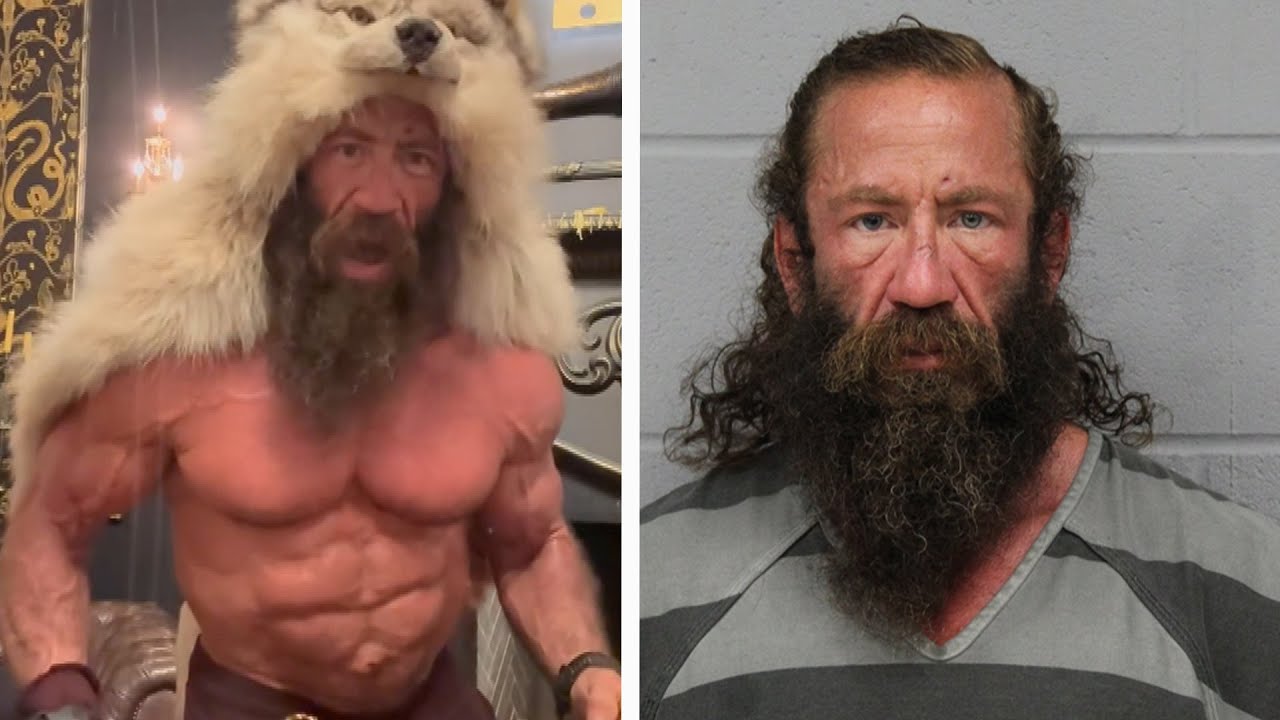
Here’s what happened, how it escalated, and what the implications might be—not only for Johnson but for the influencer world as a whole.
Jump to:
- Key Takeaway: A Social Media Persona Sparks a Real-World Legal Case
- What Triggered the Arrest?
- Understanding the Charge: What Is a ‘Terroristic Threat’?
- A Pattern of Aggressive Behavior?
- Why Joe Rogan’s Response Matters
- A Wake-Up Call for Influencers?
- What Happens Next?
- Final Thought: The Line Between Branding and Threatening
Key Takeaway: A Social Media Persona Sparks a Real-World Legal Case
Brian Johnson’s larger-than-life online presence crossed a line when police say he began issuing direct and public threats toward Joe Rogan, an Austin resident and globally recognized podcast host.
The arrest was made after Johnson posted numerous videos challenging Rogan to a physical fight. Although some followers interpreted the content as performative or “just for fun,” authorities and Rogan himself took the threats seriously.
What Triggered the Arrest?
According to police documents and video evidence that emerged online, Johnson posted several videos where he verbally challenges Rogan to a fight. In one video, he directly states:
“178 lbs. Joe Rogan, what I weigh? You weigh more than me and you’re a black belt. Why not just for fun? Fight me.”
In another, he assumes a confrontational tone:
“Joe Rogan, I’m calling you out. My name’s Liberty. Man to man, I’m picking a fight with you.”
The boldness and frequency of these posts prompted public concern and eventually a police investigation. Despite the seemingly playful tone used in parts of the videos, Johnson’s repeated and unsolicited calls to action led Rogan to feel threatened, according to the Austin PD. He confirmed to investigators that he has never interacted with Johnson directly.
Understanding the Charge: What Is a ‘Terroristic Threat’?
Under Texas law, a “terroristic threat” doesn’t necessarily imply an act of terror in the traditional sense. It’s defined as a threat of violence that causes someone to fear imminent harm. Even if the perpetrator has no actual intent or ability to carry out the threat, instilling fear is enough to warrant legal action.
This particular charge is considered a misdemeanor, but it’s far from inconsequential—from potential jail time to lasting damage on Johnson’s career and reputation.
A Pattern of Aggressive Behavior?
This isn’t the first time the Liver King has stirred controversy. Johnson made headlines in 2022 after admitting he had used performance-enhancing drugs for years, despite publicly claiming to be “natty” (natural).
He had pitched his brand around “ancestral living,” which included raw liver, bone marrow, and extreme workouts. Many skeptics had doubted his authenticity long before the steroid admission, including Rogan himself, who openly questioned Johnson’s natural status on his podcast.
The feud may have started there, and Johnson’s recent videos could be interpreted as retaliatory or at least antagonistic toward a critic with a massive platform.
Why Joe Rogan’s Response Matters
As a prominent figure living in Austin, Joe Rogan’s response helped move this case forward. Despite rarely engaging in online drama, Rogan acknowledged to authorities that Johnson’s statements made him feel unsafe.
Importantly, he stated that the two have never had any direct communication, and he has only spoken about Johnson as part of public commentary on influencer culture and fitness fraud. That disconnect likely fueled the seriousness of the legal response.
A Wake-Up Call for Influencers?
The Liver King’s arrest may serve as a cautionary tale for other creators who blur the lines between persona and personal threats. Social media provides a large megaphone—but not immunity from legal consequences.
Legally speaking, intent matters. But tone, repetition, and context also play key roles. When followers expect content to be extreme or controversial, influencers can find themselves dangerously close to crossing lines they may not understand.
Potential Legal and Business Fallout
- This incident could result in jail time or fines, depending on the outcome of ongoing investigations.
- Sponsorships, affiliate partnerships, and product sales surrounding Johnson’s brand Ancestral Supplements may suffer.
- Content on platforms like Instagram, YouTube, and TikTok may get demonetized or removed under threats-of-violence policies.
Even though it’s a misdemeanor, criminal charges can damage trust with consumers—especially when the brand is built on authenticity and health.
What Happens Next?
The investigation is still ongoing. Johnson has not yet made a public statement aside from the now-viral videos leading up to his arrest.
Legal analysts expect that defense attorneys may argue that the videos were satirical in nature, similar to professional wrestling promos. However, prosecutors can counter that public threats, even if dramatized, can cause legitimate fear and constitute criminal behavior.
Final Thought: The Line Between Branding and Threatening
Influencers thrive on attention—but this incident shows the importance of recognizing boundaries.
What may seem like a stunt or viral moment for fans can quickly become a legal issue when it targets real people in threatening ways. And when that person is someone as high-profile as Joe Rogan, the consequences can be magnified.
Brian Johnson rose to fame promoting “primal” values. But in 2025, a more important lesson may be about emotional intelligence and accountability in a digital-first world.