A baby born today could realistically live 100 years.
Yet the years spent in good health fall far short of that number.
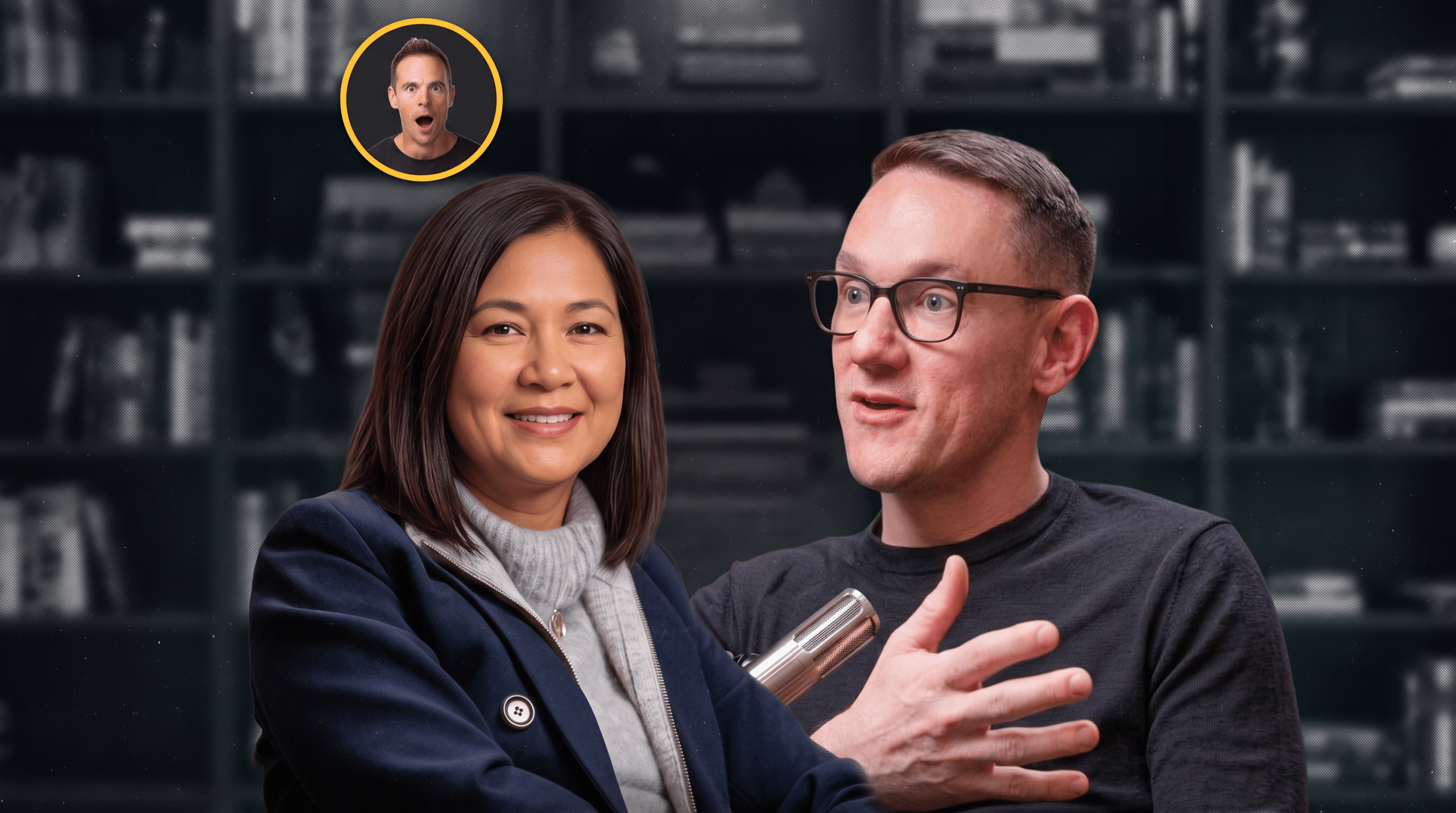
In a recent podcast interview, Dr. Deborah Cardo, professor of medicine and co-director of the Stanford Longevity Center, explained why that gap exists and how to shrink it.
Her big idea: much of what we call “normal” aging may not be normal at all.
She also named one wildly popular longevity trend as her most overrated pick.
Jump to:
- The 15-Year Gap Nobody Talks About
- Why a Hunched Back Is More Than a Posture Problem
- Falls: The Quiet Threat
- Power: The Metric Most People Ignore
- It’s Never Too Late to Start
- Bone Health: Bank Early, Treat Smart
- The Most Overrated Longevity Advice
- The Most Underrated Longevity Move
- Small Coffee Good News
- Quick Takeaways From Dr. Cardo
The 15-Year Gap Nobody Talks About
Cardo cited US life expectancy of roughly 79 years as of 2023, while the World Health Organization puts average health span near 64.
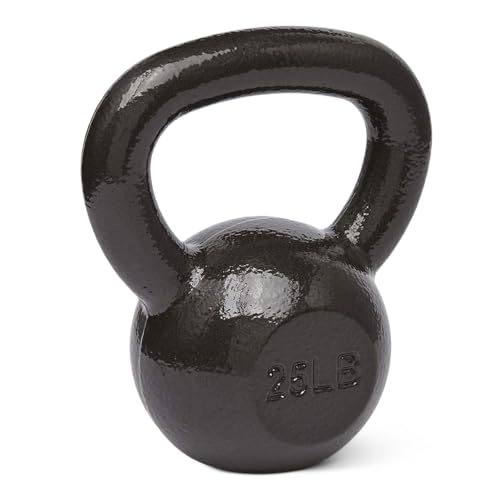
If you want something simple that actually works, this is one of the most effective tools I’ve used to build strength, conditioning, and endurance without needing a full gym setup.
- Full-body training with one weight using swings, squats, and presses
- Solid cast iron build that feels stable and lasts for years
- Comfortable grip that makes high-rep workouts easier to handle
Which means on average, we’ll all be living 15 years in not great health. Which seems like a long time to not be enjoying life at its best capacity.
She prefers a different lens, though. Rather than health span, she talks about healthy longevity.
Her reasoning? Health challenges can strike at any age, and recovery is possible. She pointed to cancer survivors who overhauled their habits and, decades later, looked fully functional.
I say health span is not what I’m looking at, I’m looking at healthy longevity.
Why a Hunched Back Is More Than a Posture Problem
Cardo’s career took shape around a puzzling finding. Among older women, spinal fractures predicted earlier death, even when women never knew they had one.
She noted that only about a third of vertebral fractures ever get diagnosed. Two-thirds go unnoticed.
The more fractures you had, regardless if you knew that you had them or not, the more likely you would die over the next 8 years.
Curiosity led to the next question: could hyperkyphosis, the rounded upper-back posture often linked with aging, be involved? Her follow-up work found that more curvature meant slower walking, declining physical function, more falls, more fractures and earlier death.
Only a portion of that excess risk came from lung-related causes, so the full explanation remains an open question.
If you want something simple that actually works, this is one of the most effective tools I’ve used to build strength, conditioning, and endurance without needing a full gym setup.
- Full-body training with one weight using swings, squats, and presses
- Solid cast iron build that feels stable and lasts for years
- Comfortable grip that makes high-rep workouts easier to handle
Falls: The Quiet Threat
Cardo confirmed that fall-related deaths among older adults have been climbing since 2000, according to CDC data. A fall can also trigger a downward spiral.
She admitted that the often-quoted mortality figures after hip fracture stem from 1980s data she hasn’t personally revisited. Still, the pattern is clear: injury leads to inactivity, inactivity leads to muscle loss, and mood takes a hit too.
Everybody was telling you look old, and now you feel like, “Oh, I guess I really am old.”
Power: The Metric Most People Ignore
Grip strength gets plenty of attention. Cardo’s own observational research on roughly 2,000 older men, who performed jumps on a force plate, points elsewhere.
Their average age was 84 at baseline, and after about a decade of follow-up, power was the strongest predictor of who avoided fractures.
Power is key, and that’s what we tend to lose more.
The discussion suggested power declines two to three times faster than strength. Her takeaway: think about power the way most people think about muscle, and track a composite of strength, power and lean tissue.
It’s Never Too Late to Start
Starting at 70 feels harder than starting at 30, Cardo conceded, because exercise isn’t yet part of your vocabulary.
If you want something simple that actually works, this is one of the most effective tools I’ve used to build strength, conditioning, and endurance without needing a full gym setup.
- Full-body training with one weight using swings, squats, and presses
- Solid cast iron build that feels stable and lasts for years
- Comfortable grip that makes high-rep workouts easier to handle
Then she recalled a small early-1990s study in the Journal of the American Medical Association. Frail nursing home residents in their late 80s and early 90s trained with a coach three times weekly for 12 weeks.
By her recollection, gains reached 174%. Participants walked faster and climbed stairs they’d previously avoided. Details of that study are worth checking directly, since she was recalling it from memory.
It just kind of proved the concept that even if you’re late to the party, you can still have a good time and still enjoy uh substantial increments in function.
Bone Health: Bank Early, Treat Smart
Bone mass peaks around the 30s. Women then face a steep drop at perimenopause and menopause, while men decline more gradually.
Cardo’s analogy: bone is like VO2 max. A higher starting point means a longer runway before reaching the fracture threshold.
Her Foundations for Stronger Bones
- Diet: fresh fruits and vegetables, adequate protein, enough calcium
- Vitamin D: a core part of the equation
- Muscle work: strong, flexible, powerful muscles protect bone
- Early action: lay down lean tissue in the 20s if possible
When Medication Enters the Picture
Before prescribing anything, Cardo checks activity levels, balance, posture, breathing and sleep, then runs a medical workup for secondary causes of bone loss.
If all that comes back clean, drugs like alendronate and related bisphosphonates remain effective options. She also highlighted romosozumab, approved in 2019, which in her account raised spine density by about 12% and lowered fracture risk.
If you want something simple that actually works, this is one of the most effective tools I’ve used to build strength, conditioning, and endurance without needing a full gym setup.
- Full-body training with one weight using swings, squats, and presses
- Solid cast iron build that feels stable and lasts for years
- Comfortable grip that makes high-rep workouts easier to handle
It’s much more dangerous to be injecting other things that are not proven compared to FDA approved drugs.
She stressed that bisphosphonates aren’t forever. Long-term use without a break can raise the risk of rare atypical femur fractures.
Why not prescribe them to everyone? That question has been debated at bone-research meetings, and her mentor Steve Cummings argued against it.
The Most Overrated Longevity Advice
Asked to name it, Cardo didn’t hesitate: NAD, in all forms, including NMN and NR.
Her argument is straightforward. NAD declines with age in mice and humans, so supplementing seems logical.
If you look at human trials, they’re for about 24 hours to maybe 3 months and what they all show is that guess what? Your blood levels go up. So must work.
But they forget to advertise that everything that people care about, whether it’s blood pressure, blood sugar, muscle function, just name it. No difference between the groups.
The Most Underrated Longevity Move
Exercise was off the table for this question, since it came up repeatedly. Cardo’s answer: purpose, with love close behind.
Her host added that awe, meaning new experiences and psychological richness, was linked in one study with the biggest drops in inflammation markers.
If you want something simple that actually works, this is one of the most effective tools I’ve used to build strength, conditioning, and endurance without needing a full gym setup.
- Full-body training with one weight using swings, squats, and presses
- Solid cast iron build that feels stable and lasts for years
- Comfortable grip that makes high-rep workouts easier to handle
Cardo also pushed back on age-segregated living. She prefers communities where she meets people with varied interests who say, “Hey, have you ever tried…”
One thing I learned from my older adults, too, is flexibility is good.
Small Coffee Good News
Coffee lovers, rejoice. Cardo said the old 1970s warnings no longer hold, and filtered coffee may be even better.
Most things follow a U-shaped curve, she noted, but with coffee she isn’t seeing a point where poor health begins to climb. Her patients over 95 share another habit: they pay attention to what they eat, usually including something green.
Quick Takeaways From Dr. Cardo
- Train power, not just strength and size.
- Build bone early, then protect it with diet, vitamin D and resistance work.
- Talk to a clinician about bone density and medication rather than chasing unproven injections.
- Stay skeptical of supplements that raise blood markers without improving outcomes.
- Prioritize purpose, connection and novelty alongside exercise.
Her closing hope? That progress in aging research arrives “in a human way.”