For athletes over 40 still chasing high-level performance, there’s a hard truth most don’t want to hear.
Training harder doesn’t make you better—it often makes you worse.
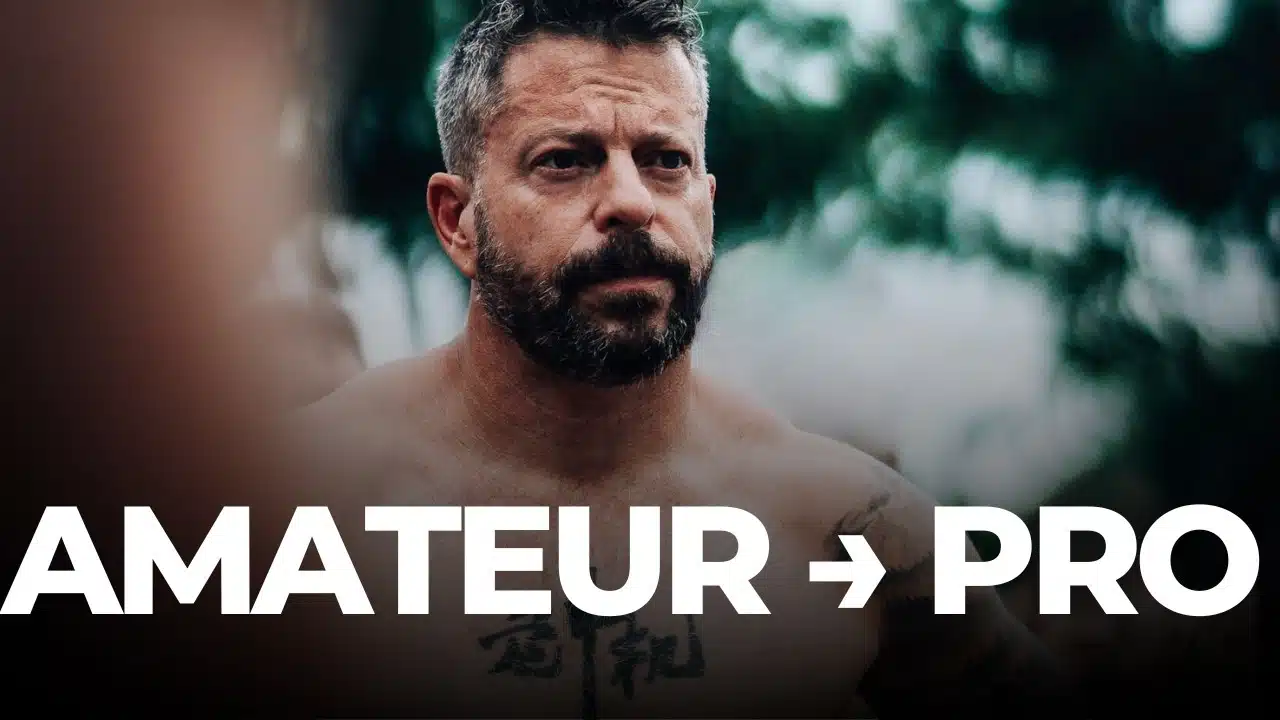
In a recent video, six-time CrossFit Games Masters champion shared the exact mindset shift that transformed his career and kept him competitive for years beyond what most thought possible.
What he revealed wasn’t about talent, genetics, or even consistency—it was about how professionals think differently than amateurs, especially when it comes to longevity.
Jump to:
The Amateur Mindset: Emotion Over Strategy
Most athletes, particularly Masters competitors, train based on feelings rather than frameworks.
They walk into the gym and let emotion dictate intensity. Feeling great? Push to the limit. Feeling tired? Push anyway.
Every session becomes a test. Every workout becomes a chance to prove something.
This approach creates a dangerous cycle where fatigue becomes the metric for success.
Athletes leave the gym destroyed and mistake exhaustion for progress. But as the champion explains, fatigue isn’t progress—it’s just fatigue.
The Comparison Trap
Another critical mistake? Masters athletes constantly measure themselves against younger competitors.
They replicate volume, intensity, and frequency without accounting for one massive difference: recovery capacity.
What they don’t copy is the recovery capacity of a 25-year-old nervous system. And that gap matters more than most people realize.
Trying to train like someone half your age isn’t ambitious—it’s sabotage.
How Professionals Actually Train
Professional athletes understand something amateurs rarely grasp: effort without intention is just noise.
Professionals don’t prove their fitness in training. They build it.
They think in seasons, not sessions. Not every day demands maximal effort.
- Some days build capacity
- Some days refine technique
- Some days prioritize recovery
All of those days matter equally.
Professionals leave reps in reserve—not because they’re incapable of more, but because they’re committed to longevity. They respect nervous system limits, joint health, and adaptation timelines.
Most importantly, they play the long game.
The Shift That Changed Everything
Even champions aren’t immune to amateur thinking.
Early in his Masters career, the six-time champion believed more was always better—more volume, more intensity, more sessions.
There came a point where I realized something had to change. If I wanted to keep competing and be successful, not just this year, but for years and years, I couldn’t train emotionally anymore. I had to start training professionally.
That shift didn’t produce overnight results. But steadily, performance climbed while his body stayed intact.
That combination is what extends careers.
You Can’t Outwork Aging—But You Can Outstrategize It
Here’s the reality Masters athletes need to accept: aging is inevitable, but decline is optional.
Longevity in competitive sport isn’t accidental. It’s built through intelligent decisions stacked over years.
Knowing when to push, when to hold back, when to pivot, when to recover—this is what keeps athletes dangerous as they age.
The goal of training is not to win the workout. The goal is to still be capable of winning 5 years from now.
That statement alone should reframe how every Masters athlete thinks about training.
Stop Proving, Start Building
For athletes over 40 still serious about performance, three shifts are non-negotiable:
- Stop training to impress people. Train to improve.
- Stop chasing exhaustion. Start chasing adaptation.
- Stop proving fitness every day. Start building it patiently.
Professionals understand what amateurs never fully grasp: small, intelligent decisions repeated consistently create elite outcomes.
Training Intentionally Beats Training Emotionally
If you’re 40, 50, or beyond and refuse to decline with age, you cannot train emotionally anymore.
You must train intentionally—calm, controlled, always thinking about the athlete you want to be years from now.
If you want to stay competitive in your 40s, 50s, and beyond, you cannot train emotionally. You must train intentionally.
This approach doesn’t just extend careers. It transforms them.
The champion’s next revelation? Why he doesn’t train hard every day anymore—and how that decision made him more competitive, not less.
That counterintuitive strategy might be exactly what separates athletes who fade from those who thrive well into their later years.