For over three decades, nutrition researcher Allan Aragon has been on the front lines of fitness science—training clients, counseling thousands on nutrition, and publishing studies that challenge mainstream diet myths.
His journey from personal trainer to published researcher has given him a unique perspective on what actually works for fat loss and muscle gain.
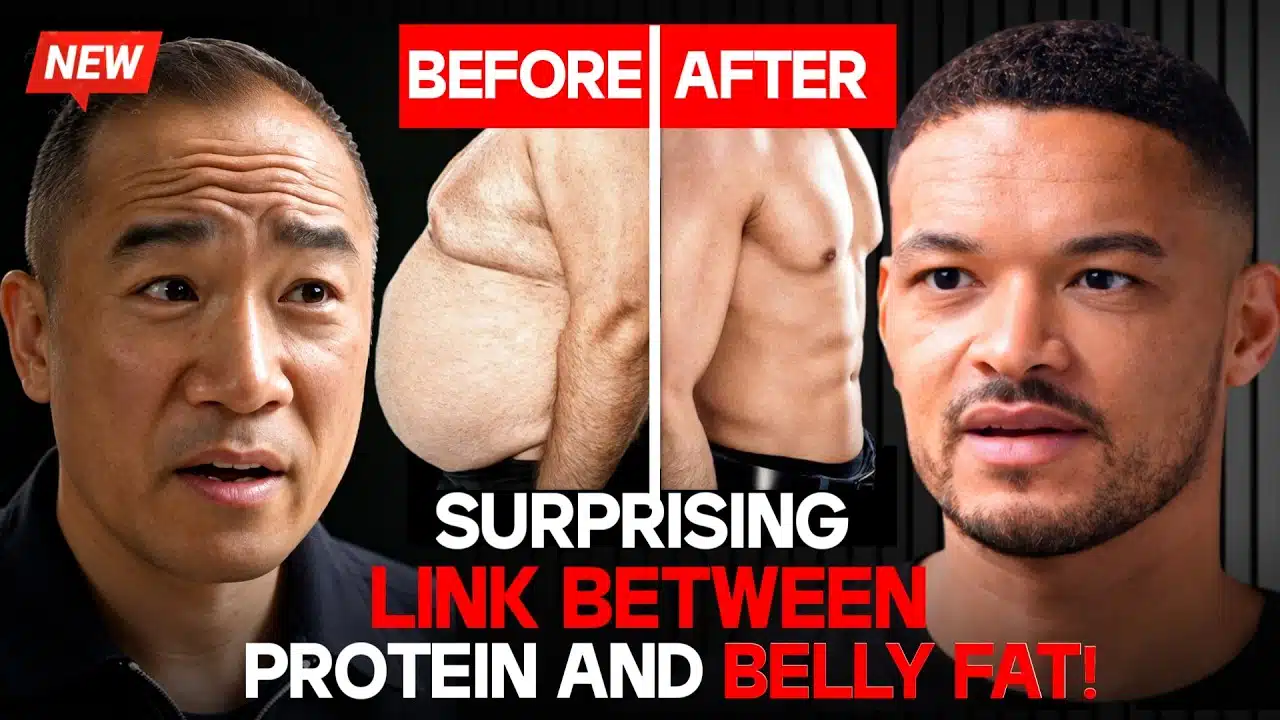
In a recent conversation, Aragon shared insights that could transform how people approach their fitness goals.
And what he revealed about protein, fasting, and the ketogenic diet might surprise even seasoned gym-goers.
Jump to:
- The Protein Hierarchy Nobody Talks About
- The Truth About Metabolic Adaptation
- Why Fast Weight Loss Backfires
- The Fasting Myth Nobody Wants to Hear
- Keto: Effective But Not Superior
- Menopause: Not the Muscle-Loss Doom Scenario
- The Supplement Truth
- Diet Breaks: The Underused Fat Loss Tool
- The Priority Principle
- The Bottom Line
The Protein Hierarchy Nobody Talks About
Most people obsess over protein timing—should it be consumed immediately post-workout? How much per meal? When exactly should it be eaten?
According to Aragon, they’re asking the wrong questions entirely.

If you want something simple that actually works, this is one of the most effective tools I’ve used to build strength, conditioning, and endurance without needing a full gym setup.
- Full-body training with one weight using swings, squats, and presses
- Solid cast iron build that feels stable and lasts for years
- Comfortable grip that makes high-rep workouts easier to handle
The main thing they need to be focused on is how much protein do they need to eat by the end of the day? Because when you hit that goal, you’ve basically won the whole game.
The hierarchy of protein importance is clear: total daily intake sits at the top as the “cake.” Distribution throughout the day is merely thin icing. Timing around workouts? Even less significant.
Research backs this up dramatically. A recent study compared three protein feedings per day versus five, with both groups consuming around one gram per pound of bodyweight. The result? No significant differences in muscle size or strength gains between the two groups.
How Much Protein Do You Actually Need?
Aragon recommends 1.6 to 2.2 grams per kilogram of target body weight for those looking to build muscle or lose fat while preserving lean mass.
For someone weighing 90 kilograms with muscle-building goals, that translates to roughly 144-198 grams daily.
Women typically should start at the lower end of this range due to higher body fat percentages and lower lean mass proportions.
Interestingly, extremely high protein intakes—up to 3.3 to 4.4 grams per kilogram—have shown benefits for fat loss without negative effects. Studies by Joey Antonio and colleagues found that adding 80-100 grams of protein on top of habitual intake led to fat loss, likely due to increased satiety and reduced consumption of calorie-dense junk foods.
If you want something simple that actually works, this is one of the most effective tools I’ve used to build strength, conditioning, and endurance without needing a full gym setup.
- Full-body training with one weight using swings, squats, and presses
- Solid cast iron build that feels stable and lasts for years
- Comfortable grip that makes high-rep workouts easier to handle
The Truth About Metabolic Adaptation
When people claim their “metabolism is damaged” after dieting, they’re often closer to the truth than skeptics realize.
Metabolic adaptation is real, and it happens in both directions.
During caloric restriction, two major changes occur. First, non-exercise activity thermogenesis (NEAT) decreases by approximately 200-300 calories. People unconsciously fidget less, walk slower, and sit more. Second, adaptive thermo-reduction—a metabolic slowdown involving the sympathetic nervous system and thyroid—accounts for another 50-100 calories.
The major component that slows down is your non exercise activity. The other components like adaptive thermal reduction and potential thyroid issues, that is the minor component.
For someone with hypothyroidism, the challenge intensifies. Their resting metabolic rate could be 7-10% lower, adding another 100-200 calories to the deficit. Combined, these factors can create a 500-600 calorie reduction in daily energy expenditure.
The good news? Much of this is behavioral and can be consciously countered by maintaining activity levels.
Why Fast Weight Loss Backfires
Crash dieting works—temporarily. But it comes with a brutal catch called “collateral fattening.”
If you want something simple that actually works, this is one of the most effective tools I’ve used to build strength, conditioning, and endurance without needing a full gym setup.
- Full-body training with one weight using swings, squats, and presses
- Solid cast iron build that feels stable and lasts for years
- Comfortable grip that makes high-rep workouts easier to handle
When someone loses weight too quickly, they inevitably shed significant muscle mass alongside fat. Muscle tissue serves as the body’s metabolic engine, the primary driver of calorie expenditure. Lose that muscle, and the body senses an energy crisis.
Hunger signals ramp up dramatically. The body becomes metabolically and behaviorally driven to restore lost tissue as quickly as possible. This doesn’t happen—or happens minimally—when muscle is preserved during fat loss.
The Three Keys to Preserving Muscle While Losing Fat
- Control weight loss rate: Aim for 0.5-1% of body weight per week (roughly half a pound to one pound weekly)
- Resistance training: Maintain strength training throughout the dieting phase
- Adequate protein: Keep protein intake high (1.6-2.2g per kg of target body weight)
Aragon shared the story of client Pam Gresock, a perimenopausal woman in her 40s who wanted to lose eight pounds of stubborn abdominal fat. Given her training status and hormonal situation, he set expectations at one to two pounds of fat loss per month—not per week.
This slower approach preserved muscle and prevented the metabolic crash that derails most diets.
The Fasting Myth Nobody Wants to Hear
Intermittent fasting has become nearly religious in fitness circles, with autophagy—cellular cleanup—cited as a near-miraculous benefit.
Reality is more nuanced.
If you want something simple that actually works, this is one of the most effective tools I’ve used to build strength, conditioning, and endurance without needing a full gym setup.
- Full-body training with one weight using swings, squats, and presses
- Solid cast iron build that feels stable and lasts for years
- Comfortable grip that makes high-rep workouts easier to handle
Autophagy ramps up in a caloric deficit regardless of whether fasting is involved or not. You maintain hypocaloric conditions, autophagy ramps up.
Exercise—both resistance training and cardio—also increases autophagy without the potential downsides of extended fasting. More importantly, researchers haven’t established what level of autophagy actually confers health benefits, or whether pushing it higher is even beneficial.
Fasting works for weight loss because it helps people control calories, period. Time-restricted eating, alternate-day fasting, and the 5:2 model all show success in research—but so do other calorie-restriction methods.
The catch for lean individuals? A study by Templeton and colleagues found that alternate-day fasting led to greater lean body mass loss compared to linear caloric restriction in already-lean men.
Keto: Effective But Not Superior
The ketogenic diet produces dramatic weight loss results, which explains its popularity. But those results come with important caveats.
When people switch from a standard Western diet to keto, they automatically eliminate hyper-palatable carb-fat combination foods—cookies, fries, pastries, ice cream. Protein intake typically increases, bringing greater satiety and hunger control.
The problem? Adherence.
If you want something simple that actually works, this is one of the most effective tools I’ve used to build strength, conditioning, and endurance without needing a full gym setup.
- Full-body training with one weight using swings, squats, and presses
- Solid cast iron build that feels stable and lasts for years
- Comfortable grip that makes high-rep workouts easier to handle
Research consistently shows that people assigned to ketogenic diets (50 grams of carbohydrates or less daily) gradually increase carb intake over time. By the 6-12 month mark, many are consuming two to three times their original carbohydrate assignment.
In the famous A-to-Z study, participants on the Atkins diet eventually consumed what resembled the Zone diet—40% carbohydrates instead of the prescribed ketogenic levels.
Keto and Muscle Building
Strength gains on keto match those on high-carb diets when protein and calories are equated. The body remarkably manufactures carbohydrate from lactate, partially filling muscle glycogen stores even on zero-carb intake.
Muscle size gains tell a different story. High-carb diets consistently show advantages for both gaining and retaining lean mass. Muscle glycogen—stored carbohydrate—comes packaged with approximately three grams of water per gram, creating fuller, larger muscles on higher-carb approaches.
Menopause: Not the Muscle-Loss Doom Scenario
Popular narratives claim women are “doomed” to gain belly fat and lose muscle during menopause. Aragon calls this mythology.
The SWAN Study—the largest and longest of its kind—found that average fat gain during the entire menopausal transition was just 1.6 kilograms (3.5 pounds). Average muscle loss? Only 0.2 kilograms (half a pound).
If you want something simple that actually works, this is one of the most effective tools I’ve used to build strength, conditioning, and endurance without needing a full gym setup.
- Full-body training with one weight using swings, squats, and presses
- Solid cast iron build that feels stable and lasts for years
- Comfortable grip that makes high-rep workouts easier to handle
Statistically significant, yes. Insurmountable, no.
Challenges do exist. Hot flashes, joint pain, sleep disruption, and changes in sexual function can converge to reduce program adherence. The solution isn’t special diets or drastically different protocols—it’s adjusting expectations.
Where Aragon might typically recommend one pound weekly fat loss, perimenopausal women might target half that rate. Same protein ranges apply. Same resistance training principles work. Progress just happens more gradually.
Midlife brings peak psychological stress—ailing parents, teenagers, career pressures. These factors distract from fitness programs more than hormonal changes themselves.
The Supplement Truth
If Aragon could only take three supplements, he’d choose: a multivitamin, omega-3 fish oil, and vitamin D3.
Notably absent? Creatine—despite calling it “King Creatine.”
Creatine stands as the only non-pharmacological supplement with deep, broad evidence for enhancing resistance training effects. Studies approaching 1,000 in number show that creatine groups typically gain 20% more lifting capacity versus 12% for non-supplemented groups over 8-12 weeks.
If you want something simple that actually works, this is one of the most effective tools I’ve used to build strength, conditioning, and endurance without needing a full gym setup.
- Full-body training with one weight using swings, squats, and presses
- Solid cast iron build that feels stable and lasts for years
- Comfortable grip that makes high-rep workouts easier to handle
Loading with 20-25 grams daily for 5-7 days saturates muscle creatine stores. Alternatively, 3-5 grams daily achieves saturation in about 30 days. During loading, people commonly gain roughly 2% of body weight as lean mass—primarily intramuscular water.
Benefits extend beyond muscle. Research shows improved glucose control, enhanced memory, and better joint health. Creatine increases brain creatine levels, creating a pro-energy environment that improves various cognitive domains.
Diet Breaks: The Underused Fat Loss Tool
Progress plateaus frustrate dieters universally. Defined as 4-8 weeks without body composition changes despite good compliance, plateaus have only two real causes: inconsistent adherence or genuine energy equilibrium.
Here’s the paradigm shift: plateaus aren’t failures.
The body is an adaptive survival unit. Achieving homeostasis means staying alive. Plateaus represent the body doing its job successfully.
Weight loss follows a surge-slow-stop pattern. With each successive plateau, the surge phase shortens and landing periods lengthen. This is normal, expected, and ultimately leads toward the permanent plateau called maintenance.
If you want something simple that actually works, this is one of the most effective tools I’ve used to build strength, conditioning, and endurance without needing a full gym setup.
- Full-body training with one weight using swings, squats, and presses
- Solid cast iron build that feels stable and lasts for years
- Comfortable grip that makes high-rep workouts easier to handle
Anybody can get weight off, but weight loss maintenance really is the issue. So the better you get at weight loss maintenance, then the more you can win the game.
Diet breaks should occur every 5-10 pounds of weight loss or every 4-8 weeks. This means relaxing restrictions for a week—eating at maintenance without rules, but also without complete abandon.
For long-term goals, dieting phases eventually become shorter than maintenance phases. Four to eight weeks of dieting followed by 2-3 months of maintenance proves far more sustainable than continuous restriction.
The Priority Principle
After three decades working with everyone from Stone Cold Steve Austin to everyday clients, Aragon identified the single factor separating success from struggle.
Physical goals must become priority number one.
Not priority five. Not something fitted around five other commitments. Top priority—right after staying alive.
Physique competitors consistently hit their goals within 1% accuracy. They don’t possess special metabolisms or superior genetics. They simply prioritize differently than the general population.
If you want something simple that actually works, this is one of the most effective tools I’ve used to build strength, conditioning, and endurance without needing a full gym setup.
- Full-body training with one weight using swings, squats, and presses
- Solid cast iron build that feels stable and lasts for years
- Comfortable grip that makes high-rep workouts easier to handle
Aragon’s own transformation from alcoholic at 40 to thriving researcher at 53 demonstrates this principle. Consuming a bottle to a bottle-and-a-half of wine nightly for years, he watched his professional and personal life implode before making the hard stop.
Seven years sober, he redirected obsessive-compulsive tendencies toward training and nutrition instead of drinking. When cravings hit, he mentally walks through the entire drinking scenario—satisfaction, bad impressions, 2 AM hot wings, brutal next morning—until the urge passes.
Change occurs when it becomes priority enough to demand it.
The Bottom Line
Aragon’s three-decade career boils down to fundamentals that work: adequate protein, controlled weight loss rates, resistance training, and sustainable eating patterns that fit individual preferences.
No magic required. No special timing windows. No extreme restriction necessary.
The diet that works best long-term contains enough protein and total calories, consists predominantly of healthy food choices, and matches personal preferences and tolerances.
If you want something simple that actually works, this is one of the most effective tools I’ve used to build strength, conditioning, and endurance without needing a full gym setup.
- Full-body training with one weight using swings, squats, and presses
- Solid cast iron build that feels stable and lasts for years
- Comfortable grip that makes high-rep workouts easier to handle
Everything else is just thin icing on the cake.