For those struggling with high cholesterol or seeking modest metabolic improvements, resistant starch—whether from supplements or whole foods—deserves consideration as part of a comprehensive nutrition strategy.
While 70 grams daily proved unsustainable due to gas, moderate doses of 15-20 grams appear to offer a sweet spot: meaningful health benefits without quality-of-life sacrifices.
For those struggling with high cholesterol or seeking modest metabolic improvements, resistant starch—whether from supplements or whole foods—deserves consideration as part of a comprehensive nutrition strategy.
While 70 grams daily proved unsustainable due to gas, moderate doses of 15-20 grams appear to offer a sweet spot: meaningful health benefits without quality-of-life sacrifices.
For those struggling with high cholesterol or seeking modest metabolic improvements, resistant starch—whether from supplements or whole foods—deserves consideration as part of a comprehensive nutrition strategy.
The cholesterol improvements were undeniable and clinically significant—particularly impressive for someone with hereditary high cholesterol resistant to other interventions.

If you want something simple that actually works, this is one of the most effective tools I’ve used to build strength, conditioning, and endurance without needing a full gym setup.
- Full-body training with one weight using swings, squats, and presses
- Solid cast iron build that feels stable and lasts for years
- Comfortable grip that makes high-rep workouts easier to handle
While 70 grams daily proved unsustainable due to gas, moderate doses of 15-20 grams appear to offer a sweet spot: meaningful health benefits without quality-of-life sacrifices.
For those struggling with high cholesterol or seeking modest metabolic improvements, resistant starch—whether from supplements or whole foods—deserves consideration as part of a comprehensive nutrition strategy.
The cholesterol improvements were undeniable and clinically significant—particularly impressive for someone with hereditary high cholesterol resistant to other interventions.
While 70 grams daily proved unsustainable due to gas, moderate doses of 15-20 grams appear to offer a sweet spot: meaningful health benefits without quality-of-life sacrifices.
For those struggling with high cholesterol or seeking modest metabolic improvements, resistant starch—whether from supplements or whole foods—deserves consideration as part of a comprehensive nutrition strategy.
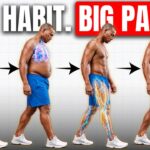
Stahovich’s 90-day experiment didn’t deliver the visceral fat reduction promised by the original study, likely due to confounding variables like marathon training and cortisol elevation. However, the unexpected muscle gain and body fat percentage reduction suggest resistant starch may support body recomposition in ways not fully captured by targeting visceral fat alone.
If you want something simple that actually works, this is one of the most effective tools I’ve used to build strength, conditioning, and endurance without needing a full gym setup.
- Full-body training with one weight using swings, squats, and presses
- Solid cast iron build that feels stable and lasts for years
- Comfortable grip that makes high-rep workouts easier to handle
The cholesterol improvements were undeniable and clinically significant—particularly impressive for someone with hereditary high cholesterol resistant to other interventions.
While 70 grams daily proved unsustainable due to gas, moderate doses of 15-20 grams appear to offer a sweet spot: meaningful health benefits without quality-of-life sacrifices.
For those struggling with high cholesterol or seeking modest metabolic improvements, resistant starch—whether from supplements or whole foods—deserves consideration as part of a comprehensive nutrition strategy.
Stahovich’s 90-day experiment didn’t deliver the visceral fat reduction promised by the original study, likely due to confounding variables like marathon training and cortisol elevation. However, the unexpected muscle gain and body fat percentage reduction suggest resistant starch may support body recomposition in ways not fully captured by targeting visceral fat alone.
The cholesterol improvements were undeniable and clinically significant—particularly impressive for someone with hereditary high cholesterol resistant to other interventions.
While 70 grams daily proved unsustainable due to gas, moderate doses of 15-20 grams appear to offer a sweet spot: meaningful health benefits without quality-of-life sacrifices.
If you want something simple that actually works, this is one of the most effective tools I’ve used to build strength, conditioning, and endurance without needing a full gym setup.
- Full-body training with one weight using swings, squats, and presses
- Solid cast iron build that feels stable and lasts for years
- Comfortable grip that makes high-rep workouts easier to handle
For those struggling with high cholesterol or seeking modest metabolic improvements, resistant starch—whether from supplements or whole foods—deserves consideration as part of a comprehensive nutrition strategy.
Jump to:
- Final Verdict: Cholesterol Winner, Belly Fat Disappointment
- Final Verdict: Cholesterol Winner, Belly Fat Disappointment
- Final Verdict: Cholesterol Winner, Belly Fat Disappointment
- Final Verdict: Cholesterol Winner, Belly Fat Disappointment
- Final Verdict: Cholesterol Winner, Belly Fat Disappointment
- Final Verdict: Cholesterol Winner, Belly Fat Disappointment
- Final Verdict: Cholesterol Winner, Belly Fat Disappointment
- Final Verdict: Cholesterol Winner, Belly Fat Disappointment
- Final Verdict: Cholesterol Winner, Belly Fat Disappointment
- Final Verdict: Cholesterol Winner, Belly Fat Disappointment
- Final Verdict: Cholesterol Winner, Belly Fat Disappointment
- Final Verdict: Cholesterol Winner, Belly Fat Disappointment
- Practical Takeaways For Everyday Application
- Final Verdict: Cholesterol Winner, Belly Fat Disappointment
- Practical Takeaways For Everyday Application
- Final Verdict: Cholesterol Winner, Belly Fat Disappointment
- Practical Takeaways For Everyday Application
- Final Verdict: Cholesterol Winner, Belly Fat Disappointment
- Practical Takeaways For Everyday Application
- Final Verdict: Cholesterol Winner, Belly Fat Disappointment
- Practical Takeaways For Everyday Application
- Final Verdict: Cholesterol Winner, Belly Fat Disappointment
- Practical Takeaways For Everyday Application
- Final Verdict: Cholesterol Winner, Belly Fat Disappointment
- Practical Takeaways For Everyday Application
- Final Verdict: Cholesterol Winner, Belly Fat Disappointment
- Practical Takeaways For Everyday Application
- Final Verdict: Cholesterol Winner, Belly Fat Disappointment
- Practical Takeaways For Everyday Application
- Final Verdict: Cholesterol Winner, Belly Fat Disappointment
- Practical Takeaways For Everyday Application
- Final Verdict: Cholesterol Winner, Belly Fat Disappointment
- What Makes Resistant Starch Work?
- Practical Takeaways For Everyday Application
- Final Verdict: Cholesterol Winner, Belly Fat Disappointment
- What Makes Resistant Starch Work?
- Practical Takeaways For Everyday Application
- Final Verdict: Cholesterol Winner, Belly Fat Disappointment
- What Makes Resistant Starch Work?
- Practical Takeaways For Everyday Application
- Final Verdict: Cholesterol Winner, Belly Fat Disappointment
- What Makes Resistant Starch Work?
- Practical Takeaways For Everyday Application
- Final Verdict: Cholesterol Winner, Belly Fat Disappointment
- What Makes Resistant Starch Work?
- Practical Takeaways For Everyday Application
- Final Verdict: Cholesterol Winner, Belly Fat Disappointment
- What Makes Resistant Starch Work?
- Practical Takeaways For Everyday Application
- Final Verdict: Cholesterol Winner, Belly Fat Disappointment
- What Makes Resistant Starch Work?
- Practical Takeaways For Everyday Application
- Final Verdict: Cholesterol Winner, Belly Fat Disappointment
- What Makes Resistant Starch Work?
- Practical Takeaways For Everyday Application
- Final Verdict: Cholesterol Winner, Belly Fat Disappointment
- What Makes Resistant Starch Work?
- Practical Takeaways For Everyday Application
- Final Verdict: Cholesterol Winner, Belly Fat Disappointment
- What Makes Resistant Starch Work?
- Practical Takeaways For Everyday Application
- Final Verdict: Cholesterol Winner, Belly Fat Disappointment
- What Makes Resistant Starch Work?
- Practical Takeaways For Everyday Application
- Final Verdict: Cholesterol Winner, Belly Fat Disappointment
- What Makes Resistant Starch Work?
- Practical Takeaways For Everyday Application
- Final Verdict: Cholesterol Winner, Belly Fat Disappointment
- What Makes Resistant Starch Work?
- Practical Takeaways For Everyday Application
- Final Verdict: Cholesterol Winner, Belly Fat Disappointment
- What Makes Resistant Starch Work?
- Practical Takeaways For Everyday Application
- Final Verdict: Cholesterol Winner, Belly Fat Disappointment
- What Makes Resistant Starch Work?
- Practical Takeaways For Everyday Application
- Final Verdict: Cholesterol Winner, Belly Fat Disappointment
- What Makes Resistant Starch Work?
- Practical Takeaways For Everyday Application
- Final Verdict: Cholesterol Winner, Belly Fat Disappointment
- Would He Do It Again?
- What Makes Resistant Starch Work?
- Practical Takeaways For Everyday Application
- Final Verdict: Cholesterol Winner, Belly Fat Disappointment
- Would He Do It Again?
- What Makes Resistant Starch Work?
- Practical Takeaways For Everyday Application
- Final Verdict: Cholesterol Winner, Belly Fat Disappointment
- Would He Do It Again?
- What Makes Resistant Starch Work?
- Practical Takeaways For Everyday Application
- Final Verdict: Cholesterol Winner, Belly Fat Disappointment
- Would He Do It Again?
- What Makes Resistant Starch Work?
- Practical Takeaways For Everyday Application
- Final Verdict: Cholesterol Winner, Belly Fat Disappointment
- Would He Do It Again?
- What Makes Resistant Starch Work?
- Practical Takeaways For Everyday Application
- Final Verdict: Cholesterol Winner, Belly Fat Disappointment
- Would He Do It Again?
- What Makes Resistant Starch Work?
- Practical Takeaways For Everyday Application
- Final Verdict: Cholesterol Winner, Belly Fat Disappointment
- Would He Do It Again?
- What Makes Resistant Starch Work?
- Practical Takeaways For Everyday Application
- Final Verdict: Cholesterol Winner, Belly Fat Disappointment
- Would He Do It Again?
- What Makes Resistant Starch Work?
- Practical Takeaways For Everyday Application
- Final Verdict: Cholesterol Winner, Belly Fat Disappointment
- Would He Do It Again?
- What Makes Resistant Starch Work?
- Practical Takeaways For Everyday Application
- Final Verdict: Cholesterol Winner, Belly Fat Disappointment
- Would He Do It Again?
- What Makes Resistant Starch Work?
- Practical Takeaways For Everyday Application
- Final Verdict: Cholesterol Winner, Belly Fat Disappointment
- Would He Do It Again?
- What Makes Resistant Starch Work?
- Practical Takeaways For Everyday Application
- Final Verdict: Cholesterol Winner, Belly Fat Disappointment
- Would He Do It Again?
- What Makes Resistant Starch Work?
- Practical Takeaways For Everyday Application
- Final Verdict: Cholesterol Winner, Belly Fat Disappointment
- Would He Do It Again?
- What Makes Resistant Starch Work?
- Practical Takeaways For Everyday Application
- Final Verdict: Cholesterol Winner, Belly Fat Disappointment
- Would He Do It Again?
- What Makes Resistant Starch Work?
- Practical Takeaways For Everyday Application
- Final Verdict: Cholesterol Winner, Belly Fat Disappointment
- Would He Do It Again?
- What Makes Resistant Starch Work?
- Practical Takeaways For Everyday Application
- Final Verdict: Cholesterol Winner, Belly Fat Disappointment
- Would He Do It Again?
- What Makes Resistant Starch Work?
- Practical Takeaways For Everyday Application
- Final Verdict: Cholesterol Winner, Belly Fat Disappointment
- Would He Do It Again?
- What Makes Resistant Starch Work?
- Practical Takeaways For Everyday Application
- Final Verdict: Cholesterol Winner, Belly Fat Disappointment
- Would He Do It Again?
- What Makes Resistant Starch Work?
- Practical Takeaways For Everyday Application
- Final Verdict: Cholesterol Winner, Belly Fat Disappointment
- Cholesterol Results: The Real Success Story
- Would He Do It Again?
- What Makes Resistant Starch Work?
- Practical Takeaways For Everyday Application
- Final Verdict: Cholesterol Winner, Belly Fat Disappointment
- Cholesterol Results: The Real Success Story
- Would He Do It Again?
- What Makes Resistant Starch Work?
- Practical Takeaways For Everyday Application
- Final Verdict: Cholesterol Winner, Belly Fat Disappointment
- Cholesterol Results: The Real Success Story
- Would He Do It Again?
- What Makes Resistant Starch Work?
- Practical Takeaways For Everyday Application
- Final Verdict: Cholesterol Winner, Belly Fat Disappointment
- Cholesterol Results: The Real Success Story
- Would He Do It Again?
- What Makes Resistant Starch Work?
- Practical Takeaways For Everyday Application
- Final Verdict: Cholesterol Winner, Belly Fat Disappointment
- Cholesterol Results: The Real Success Story
- Would He Do It Again?
- What Makes Resistant Starch Work?
- Practical Takeaways For Everyday Application
- Final Verdict: Cholesterol Winner, Belly Fat Disappointment
- Cholesterol Results: The Real Success Story
- Would He Do It Again?
- What Makes Resistant Starch Work?
- Practical Takeaways For Everyday Application
- Final Verdict: Cholesterol Winner, Belly Fat Disappointment
- Cholesterol Results: The Real Success Story
- Would He Do It Again?
- What Makes Resistant Starch Work?
- Practical Takeaways For Everyday Application
- Final Verdict: Cholesterol Winner, Belly Fat Disappointment
- Cholesterol Results: The Real Success Story
- Would He Do It Again?
- What Makes Resistant Starch Work?
- Practical Takeaways For Everyday Application
- Final Verdict: Cholesterol Winner, Belly Fat Disappointment
- Cholesterol Results: The Real Success Story
- Would He Do It Again?
- What Makes Resistant Starch Work?
- Practical Takeaways For Everyday Application
- Final Verdict: Cholesterol Winner, Belly Fat Disappointment
- Cholesterol Results: The Real Success Story
- Would He Do It Again?
- What Makes Resistant Starch Work?
- Practical Takeaways For Everyday Application
- Final Verdict: Cholesterol Winner, Belly Fat Disappointment
- Cholesterol Results: The Real Success Story
- Would He Do It Again?
- What Makes Resistant Starch Work?
- Practical Takeaways For Everyday Application
- Final Verdict: Cholesterol Winner, Belly Fat Disappointment
- Cholesterol Results: The Real Success Story
- Would He Do It Again?
- What Makes Resistant Starch Work?
- Practical Takeaways For Everyday Application
- Final Verdict: Cholesterol Winner, Belly Fat Disappointment
- Cholesterol Results: The Real Success Story
- Would He Do It Again?
- What Makes Resistant Starch Work?
- Practical Takeaways For Everyday Application
- Final Verdict: Cholesterol Winner, Belly Fat Disappointment
- Cholesterol Results: The Real Success Story
- Would He Do It Again?
- What Makes Resistant Starch Work?
- Practical Takeaways For Everyday Application
- Final Verdict: Cholesterol Winner, Belly Fat Disappointment
- Cholesterol Results: The Real Success Story
- Would He Do It Again?
- What Makes Resistant Starch Work?
- Practical Takeaways For Everyday Application
- Final Verdict: Cholesterol Winner, Belly Fat Disappointment
- Cholesterol Results: The Real Success Story
- Would He Do It Again?
- What Makes Resistant Starch Work?
- Practical Takeaways For Everyday Application
- Final Verdict: Cholesterol Winner, Belly Fat Disappointment
- Cholesterol Results: The Real Success Story
- Would He Do It Again?
- What Makes Resistant Starch Work?
- Practical Takeaways For Everyday Application
- Final Verdict: Cholesterol Winner, Belly Fat Disappointment
- Cholesterol Results: The Real Success Story
- Would He Do It Again?
- What Makes Resistant Starch Work?
- Practical Takeaways For Everyday Application
- Final Verdict: Cholesterol Winner, Belly Fat Disappointment
- DEXA Scan Results: Muscle Gain Trumps Fat Loss
- Cholesterol Results: The Real Success Story
- Would He Do It Again?
- What Makes Resistant Starch Work?
- Practical Takeaways For Everyday Application
- Final Verdict: Cholesterol Winner, Belly Fat Disappointment
- DEXA Scan Results: Muscle Gain Trumps Fat Loss
- Cholesterol Results: The Real Success Story
- Would He Do It Again?
- What Makes Resistant Starch Work?
- Practical Takeaways For Everyday Application
- Final Verdict: Cholesterol Winner, Belly Fat Disappointment
- DEXA Scan Results: Muscle Gain Trumps Fat Loss
- Cholesterol Results: The Real Success Story
- Would He Do It Again?
- What Makes Resistant Starch Work?
- Practical Takeaways For Everyday Application
- Final Verdict: Cholesterol Winner, Belly Fat Disappointment
- DEXA Scan Results: Muscle Gain Trumps Fat Loss
- Cholesterol Results: The Real Success Story
- Would He Do It Again?
- What Makes Resistant Starch Work?
- Practical Takeaways For Everyday Application
- Final Verdict: Cholesterol Winner, Belly Fat Disappointment
- DEXA Scan Results: Muscle Gain Trumps Fat Loss
- Cholesterol Results: The Real Success Story
- Would He Do It Again?
- What Makes Resistant Starch Work?
- Practical Takeaways For Everyday Application
- Final Verdict: Cholesterol Winner, Belly Fat Disappointment
- DEXA Scan Results: Muscle Gain Trumps Fat Loss
- Cholesterol Results: The Real Success Story
- Would He Do It Again?
- What Makes Resistant Starch Work?
- Practical Takeaways For Everyday Application
- Final Verdict: Cholesterol Winner, Belly Fat Disappointment
- DEXA Scan Results: Muscle Gain Trumps Fat Loss
- Cholesterol Results: The Real Success Story
- Would He Do It Again?
- What Makes Resistant Starch Work?
- Practical Takeaways For Everyday Application
- Final Verdict: Cholesterol Winner, Belly Fat Disappointment
- DEXA Scan Results: Muscle Gain Trumps Fat Loss
- Cholesterol Results: The Real Success Story
- Would He Do It Again?
- What Makes Resistant Starch Work?
- Practical Takeaways For Everyday Application
- Final Verdict: Cholesterol Winner, Belly Fat Disappointment
- DEXA Scan Results: Muscle Gain Trumps Fat Loss
- Cholesterol Results: The Real Success Story
- Would He Do It Again?
- What Makes Resistant Starch Work?
- Practical Takeaways For Everyday Application
- Final Verdict: Cholesterol Winner, Belly Fat Disappointment
- DEXA Scan Results: Muscle Gain Trumps Fat Loss
- Cholesterol Results: The Real Success Story
- Would He Do It Again?
- What Makes Resistant Starch Work?
- Practical Takeaways For Everyday Application
- Final Verdict: Cholesterol Winner, Belly Fat Disappointment
- Unexpected Weight Gain During The Experiment
- DEXA Scan Results: Muscle Gain Trumps Fat Loss
- Cholesterol Results: The Real Success Story
- Would He Do It Again?
- What Makes Resistant Starch Work?
- Practical Takeaways For Everyday Application
- Final Verdict: Cholesterol Winner, Belly Fat Disappointment
- Unexpected Weight Gain During The Experiment
- DEXA Scan Results: Muscle Gain Trumps Fat Loss
- Cholesterol Results: The Real Success Story
- Would He Do It Again?
- What Makes Resistant Starch Work?
- Practical Takeaways For Everyday Application
- Final Verdict: Cholesterol Winner, Belly Fat Disappointment
- Unexpected Weight Gain During The Experiment
- DEXA Scan Results: Muscle Gain Trumps Fat Loss
- Cholesterol Results: The Real Success Story
- Would He Do It Again?
- What Makes Resistant Starch Work?
- Practical Takeaways For Everyday Application
- Final Verdict: Cholesterol Winner, Belly Fat Disappointment
- Unexpected Weight Gain During The Experiment
- DEXA Scan Results: Muscle Gain Trumps Fat Loss
- Cholesterol Results: The Real Success Story
- Would He Do It Again?
- What Makes Resistant Starch Work?
- Practical Takeaways For Everyday Application
- Final Verdict: Cholesterol Winner, Belly Fat Disappointment
- Unexpected Weight Gain During The Experiment
- DEXA Scan Results: Muscle Gain Trumps Fat Loss
- Cholesterol Results: The Real Success Story
- Would He Do It Again?
- What Makes Resistant Starch Work?
- Practical Takeaways For Everyday Application
- Final Verdict: Cholesterol Winner, Belly Fat Disappointment
- Unexpected Weight Gain During The Experiment
- DEXA Scan Results: Muscle Gain Trumps Fat Loss
- Cholesterol Results: The Real Success Story
- Would He Do It Again?
- What Makes Resistant Starch Work?
- Practical Takeaways For Everyday Application
- Final Verdict: Cholesterol Winner, Belly Fat Disappointment
- Unexpected Weight Gain During The Experiment
- DEXA Scan Results: Muscle Gain Trumps Fat Loss
- Cholesterol Results: The Real Success Story
- Would He Do It Again?
- What Makes Resistant Starch Work?
- Practical Takeaways For Everyday Application
- Final Verdict: Cholesterol Winner, Belly Fat Disappointment
- Unexpected Weight Gain During The Experiment
- DEXA Scan Results: Muscle Gain Trumps Fat Loss
- Cholesterol Results: The Real Success Story
- Would He Do It Again?
- What Makes Resistant Starch Work?
- Practical Takeaways For Everyday Application
- Final Verdict: Cholesterol Winner, Belly Fat Disappointment
- Unexpected Weight Gain During The Experiment
- DEXA Scan Results: Muscle Gain Trumps Fat Loss
- Cholesterol Results: The Real Success Story
- Would He Do It Again?
- What Makes Resistant Starch Work?
- Practical Takeaways For Everyday Application
- Final Verdict: Cholesterol Winner, Belly Fat Disappointment
- Unexpected Weight Gain During The Experiment
- DEXA Scan Results: Muscle Gain Trumps Fat Loss
- Cholesterol Results: The Real Success Story
- Would He Do It Again?
- What Makes Resistant Starch Work?
- Practical Takeaways For Everyday Application
- Final Verdict: Cholesterol Winner, Belly Fat Disappointment
- Unexpected Weight Gain During The Experiment
- DEXA Scan Results: Muscle Gain Trumps Fat Loss
- Cholesterol Results: The Real Success Story
- Would He Do It Again?
- What Makes Resistant Starch Work?
- Practical Takeaways For Everyday Application
- Final Verdict: Cholesterol Winner, Belly Fat Disappointment
- Unexpected Weight Gain During The Experiment
- DEXA Scan Results: Muscle Gain Trumps Fat Loss
- Cholesterol Results: The Real Success Story
- Would He Do It Again?
- What Makes Resistant Starch Work?
- Practical Takeaways For Everyday Application
- Final Verdict: Cholesterol Winner, Belly Fat Disappointment
- The Brutal Reality: Gas That Wouldn’t Quit
- Unexpected Weight Gain During The Experiment
- DEXA Scan Results: Muscle Gain Trumps Fat Loss
- Cholesterol Results: The Real Success Story
- Would He Do It Again?
- What Makes Resistant Starch Work?
- Practical Takeaways For Everyday Application
- Final Verdict: Cholesterol Winner, Belly Fat Disappointment
- The Brutal Reality: Gas That Wouldn’t Quit
- Unexpected Weight Gain During The Experiment
- DEXA Scan Results: Muscle Gain Trumps Fat Loss
- Cholesterol Results: The Real Success Story
- Would He Do It Again?
- What Makes Resistant Starch Work?
- Practical Takeaways For Everyday Application
- Final Verdict: Cholesterol Winner, Belly Fat Disappointment
- The Brutal Reality: Gas That Wouldn’t Quit
- Unexpected Weight Gain During The Experiment
- DEXA Scan Results: Muscle Gain Trumps Fat Loss
- Cholesterol Results: The Real Success Story
- Would He Do It Again?
- What Makes Resistant Starch Work?
- Practical Takeaways For Everyday Application
- Final Verdict: Cholesterol Winner, Belly Fat Disappointment
- The Brutal Reality: Gas That Wouldn’t Quit
- Unexpected Weight Gain During The Experiment
- DEXA Scan Results: Muscle Gain Trumps Fat Loss
- Cholesterol Results: The Real Success Story
- Would He Do It Again?
- What Makes Resistant Starch Work?
- Practical Takeaways For Everyday Application
- Final Verdict: Cholesterol Winner, Belly Fat Disappointment
- The Brutal Reality: Gas That Wouldn’t Quit
- Unexpected Weight Gain During The Experiment
- DEXA Scan Results: Muscle Gain Trumps Fat Loss
- Cholesterol Results: The Real Success Story
- Would He Do It Again?
- What Makes Resistant Starch Work?
- Practical Takeaways For Everyday Application
- Final Verdict: Cholesterol Winner, Belly Fat Disappointment
- The Brutal Reality: Gas That Wouldn’t Quit
- Unexpected Weight Gain During The Experiment
- DEXA Scan Results: Muscle Gain Trumps Fat Loss
- Cholesterol Results: The Real Success Story
- Would He Do It Again?
- What Makes Resistant Starch Work?
- Practical Takeaways For Everyday Application
- Final Verdict: Cholesterol Winner, Belly Fat Disappointment
- Why 70 Grams Daily?
- The Brutal Reality: Gas That Wouldn’t Quit
- Unexpected Weight Gain During The Experiment
- DEXA Scan Results: Muscle Gain Trumps Fat Loss
- Cholesterol Results: The Real Success Story
- Would He Do It Again?
- What Makes Resistant Starch Work?
- Practical Takeaways For Everyday Application
- Final Verdict: Cholesterol Winner, Belly Fat Disappointment
- Why 70 Grams Daily?
- The Brutal Reality: Gas That Wouldn’t Quit
- Unexpected Weight Gain During The Experiment
- DEXA Scan Results: Muscle Gain Trumps Fat Loss
- Cholesterol Results: The Real Success Story
- Would He Do It Again?
- What Makes Resistant Starch Work?
- Practical Takeaways For Everyday Application
- Final Verdict: Cholesterol Winner, Belly Fat Disappointment
- Why 70 Grams Daily?
- The Brutal Reality: Gas That Wouldn’t Quit
- Unexpected Weight Gain During The Experiment
- DEXA Scan Results: Muscle Gain Trumps Fat Loss
- Cholesterol Results: The Real Success Story
- Would He Do It Again?
- What Makes Resistant Starch Work?
- Practical Takeaways For Everyday Application
- Final Verdict: Cholesterol Winner, Belly Fat Disappointment
- Why 70 Grams Daily?
- The Brutal Reality: Gas That Wouldn’t Quit
- Unexpected Weight Gain During The Experiment
- DEXA Scan Results: Muscle Gain Trumps Fat Loss
- Cholesterol Results: The Real Success Story
- Would He Do It Again?
- What Makes Resistant Starch Work?
- Practical Takeaways For Everyday Application
- Final Verdict: Cholesterol Winner, Belly Fat Disappointment
- Why 70 Grams Daily?
- The Brutal Reality: Gas That Wouldn’t Quit
- Unexpected Weight Gain During The Experiment
- DEXA Scan Results: Muscle Gain Trumps Fat Loss
- Cholesterol Results: The Real Success Story
- Would He Do It Again?
- What Makes Resistant Starch Work?
- Practical Takeaways For Everyday Application
- Final Verdict: Cholesterol Winner, Belly Fat Disappointment
- Why 70 Grams Daily?
- The Brutal Reality: Gas That Wouldn’t Quit
- Unexpected Weight Gain During The Experiment
- DEXA Scan Results: Muscle Gain Trumps Fat Loss
- Cholesterol Results: The Real Success Story
- Would He Do It Again?
- What Makes Resistant Starch Work?
- Practical Takeaways For Everyday Application
- Final Verdict: Cholesterol Winner, Belly Fat Disappointment
- Why 70 Grams Daily?
- The Brutal Reality: Gas That Wouldn’t Quit
- Unexpected Weight Gain During The Experiment
- DEXA Scan Results: Muscle Gain Trumps Fat Loss
- Cholesterol Results: The Real Success Story
- Would He Do It Again?
- What Makes Resistant Starch Work?
- Practical Takeaways For Everyday Application
- Final Verdict: Cholesterol Winner, Belly Fat Disappointment
- Why 70 Grams Daily?
- The Brutal Reality: Gas That Wouldn’t Quit
- Unexpected Weight Gain During The Experiment
- DEXA Scan Results: Muscle Gain Trumps Fat Loss
- Cholesterol Results: The Real Success Story
- Would He Do It Again?
- What Makes Resistant Starch Work?
- Practical Takeaways For Everyday Application
- Final Verdict: Cholesterol Winner, Belly Fat Disappointment
- Why 70 Grams Daily?
- The Brutal Reality: Gas That Wouldn’t Quit
- Unexpected Weight Gain During The Experiment
- DEXA Scan Results: Muscle Gain Trumps Fat Loss
- Cholesterol Results: The Real Success Story
- Would He Do It Again?
- What Makes Resistant Starch Work?
- Practical Takeaways For Everyday Application
- Final Verdict: Cholesterol Winner, Belly Fat Disappointment
- Why 70 Grams Daily?
- The Brutal Reality: Gas That Wouldn’t Quit
- Unexpected Weight Gain During The Experiment
- DEXA Scan Results: Muscle Gain Trumps Fat Loss
- Cholesterol Results: The Real Success Story
- Would He Do It Again?
- What Makes Resistant Starch Work?
- Practical Takeaways For Everyday Application
- Final Verdict: Cholesterol Winner, Belly Fat Disappointment
- Why 70 Grams Daily?
- The Brutal Reality: Gas That Wouldn’t Quit
- Unexpected Weight Gain During The Experiment
- DEXA Scan Results: Muscle Gain Trumps Fat Loss
- Cholesterol Results: The Real Success Story
- Would He Do It Again?
- What Makes Resistant Starch Work?
- Practical Takeaways For Everyday Application
- Final Verdict: Cholesterol Winner, Belly Fat Disappointment
- Why 70 Grams Daily?
- The Brutal Reality: Gas That Wouldn’t Quit
- Unexpected Weight Gain During The Experiment
- DEXA Scan Results: Muscle Gain Trumps Fat Loss
- Cholesterol Results: The Real Success Story
- Would He Do It Again?
- What Makes Resistant Starch Work?
- Practical Takeaways For Everyday Application
- Final Verdict: Cholesterol Winner, Belly Fat Disappointment
- What Is High-Amylose Resistant Starch?
- Why 70 Grams Daily?
- The Brutal Reality: Gas That Wouldn’t Quit
- Unexpected Weight Gain During The Experiment
- DEXA Scan Results: Muscle Gain Trumps Fat Loss
- Cholesterol Results: The Real Success Story
- Would He Do It Again?
- What Makes Resistant Starch Work?
- Practical Takeaways For Everyday Application
- Final Verdict: Cholesterol Winner, Belly Fat Disappointment
- What Is High-Amylose Resistant Starch?
- Why 70 Grams Daily?
- The Brutal Reality: Gas That Wouldn’t Quit
- Unexpected Weight Gain During The Experiment
- DEXA Scan Results: Muscle Gain Trumps Fat Loss
- Cholesterol Results: The Real Success Story
- Would He Do It Again?
- What Makes Resistant Starch Work?
- Practical Takeaways For Everyday Application
- Final Verdict: Cholesterol Winner, Belly Fat Disappointment
- What Is High-Amylose Resistant Starch?
- Why 70 Grams Daily?
- The Brutal Reality: Gas That Wouldn’t Quit
- Unexpected Weight Gain During The Experiment
- DEXA Scan Results: Muscle Gain Trumps Fat Loss
- Cholesterol Results: The Real Success Story
- Would He Do It Again?
- What Makes Resistant Starch Work?
- Practical Takeaways For Everyday Application
- Final Verdict: Cholesterol Winner, Belly Fat Disappointment
- What Is High-Amylose Resistant Starch?
- Why 70 Grams Daily?
- The Brutal Reality: Gas That Wouldn’t Quit
- Unexpected Weight Gain During The Experiment
- DEXA Scan Results: Muscle Gain Trumps Fat Loss
- Cholesterol Results: The Real Success Story
- Would He Do It Again?
- What Makes Resistant Starch Work?
- Practical Takeaways For Everyday Application
- Final Verdict: Cholesterol Winner, Belly Fat Disappointment
- What Is High-Amylose Resistant Starch?
- Why 70 Grams Daily?
- The Brutal Reality: Gas That Wouldn’t Quit
- Unexpected Weight Gain During The Experiment
- DEXA Scan Results: Muscle Gain Trumps Fat Loss
- Cholesterol Results: The Real Success Story
- Would He Do It Again?
- What Makes Resistant Starch Work?
- Practical Takeaways For Everyday Application
- Final Verdict: Cholesterol Winner, Belly Fat Disappointment
- What Is High-Amylose Resistant Starch?
- Why 70 Grams Daily?
- The Brutal Reality: Gas That Wouldn’t Quit
- Unexpected Weight Gain During The Experiment
- DEXA Scan Results: Muscle Gain Trumps Fat Loss
- Cholesterol Results: The Real Success Story
- Would He Do It Again?
- What Makes Resistant Starch Work?
- Practical Takeaways For Everyday Application
- Final Verdict: Cholesterol Winner, Belly Fat Disappointment
- What Is High-Amylose Resistant Starch?
- Why 70 Grams Daily?
- The Brutal Reality: Gas That Wouldn’t Quit
- Unexpected Weight Gain During The Experiment
- DEXA Scan Results: Muscle Gain Trumps Fat Loss
- Cholesterol Results: The Real Success Story
- Would He Do It Again?
- What Makes Resistant Starch Work?
- Practical Takeaways For Everyday Application
- Final Verdict: Cholesterol Winner, Belly Fat Disappointment
- What Is High-Amylose Resistant Starch?
- Why 70 Grams Daily?
- The Brutal Reality: Gas That Wouldn’t Quit
- Unexpected Weight Gain During The Experiment
- DEXA Scan Results: Muscle Gain Trumps Fat Loss
- Cholesterol Results: The Real Success Story
- Would He Do It Again?
- What Makes Resistant Starch Work?
- Practical Takeaways For Everyday Application
- Final Verdict: Cholesterol Winner, Belly Fat Disappointment
- What Is High-Amylose Resistant Starch?
- Why 70 Grams Daily?
- The Brutal Reality: Gas That Wouldn’t Quit
- Unexpected Weight Gain During The Experiment
- DEXA Scan Results: Muscle Gain Trumps Fat Loss
- Cholesterol Results: The Real Success Story
- Would He Do It Again?
- What Makes Resistant Starch Work?
- Practical Takeaways For Everyday Application
- Final Verdict: Cholesterol Winner, Belly Fat Disappointment
- What Is High-Amylose Resistant Starch?
- Why 70 Grams Daily?
- The Brutal Reality: Gas That Wouldn’t Quit
- Unexpected Weight Gain During The Experiment
- DEXA Scan Results: Muscle Gain Trumps Fat Loss
- Cholesterol Results: The Real Success Story
- Would He Do It Again?
- What Makes Resistant Starch Work?
- Practical Takeaways For Everyday Application
- Final Verdict: Cholesterol Winner, Belly Fat Disappointment
- What Is High-Amylose Resistant Starch?
- Why 70 Grams Daily?
- The Brutal Reality: Gas That Wouldn’t Quit
- Unexpected Weight Gain During The Experiment
- DEXA Scan Results: Muscle Gain Trumps Fat Loss
- Cholesterol Results: The Real Success Story
- Would He Do It Again?
- What Makes Resistant Starch Work?
- Practical Takeaways For Everyday Application
- Final Verdict: Cholesterol Winner, Belly Fat Disappointment
Final Verdict: Cholesterol Winner, Belly Fat Disappointment
Stahovich’s 90-day experiment didn’t deliver the visceral fat reduction promised by the original study, likely due to confounding variables like marathon training and cortisol elevation. However, the unexpected muscle gain and body fat percentage reduction suggest resistant starch may support body recomposition in ways not fully captured by targeting visceral fat alone.
The cholesterol improvements were undeniable and clinically significant—particularly impressive for someone with hereditary high cholesterol resistant to other interventions.
While 70 grams daily proved unsustainable due to gas, moderate doses of 15-20 grams appear to offer a sweet spot: meaningful health benefits without quality-of-life sacrifices.
For those struggling with high cholesterol or seeking modest metabolic improvements, resistant starch—whether from supplements or whole foods—deserves consideration as part of a comprehensive nutrition strategy.
Final Verdict: Cholesterol Winner, Belly Fat Disappointment
Stahovich’s 90-day experiment didn’t deliver the visceral fat reduction promised by the original study, likely due to confounding variables like marathon training and cortisol elevation. However, the unexpected muscle gain and body fat percentage reduction suggest resistant starch may support body recomposition in ways not fully captured by targeting visceral fat alone.
If you want something simple that actually works, this is one of the most effective tools I’ve used to build strength, conditioning, and endurance without needing a full gym setup.
- Full-body training with one weight using swings, squats, and presses
- Solid cast iron build that feels stable and lasts for years
- Comfortable grip that makes high-rep workouts easier to handle
The cholesterol improvements were undeniable and clinically significant—particularly impressive for someone with hereditary high cholesterol resistant to other interventions.
While 70 grams daily proved unsustainable due to gas, moderate doses of 15-20 grams appear to offer a sweet spot: meaningful health benefits without quality-of-life sacrifices.
For those struggling with high cholesterol or seeking modest metabolic improvements, resistant starch—whether from supplements or whole foods—deserves consideration as part of a comprehensive nutrition strategy.
For those interested in higher doses, starting gradually is essential. Build up slowly over 2-3 weeks to allow gut bacteria to adapt, minimizing digestive discomfort.
Final Verdict: Cholesterol Winner, Belly Fat Disappointment
Stahovich’s 90-day experiment didn’t deliver the visceral fat reduction promised by the original study, likely due to confounding variables like marathon training and cortisol elevation. However, the unexpected muscle gain and body fat percentage reduction suggest resistant starch may support body recomposition in ways not fully captured by targeting visceral fat alone.
The cholesterol improvements were undeniable and clinically significant—particularly impressive for someone with hereditary high cholesterol resistant to other interventions.
If you want something simple that actually works, this is one of the most effective tools I’ve used to build strength, conditioning, and endurance without needing a full gym setup.
- Full-body training with one weight using swings, squats, and presses
- Solid cast iron build that feels stable and lasts for years
- Comfortable grip that makes high-rep workouts easier to handle
While 70 grams daily proved unsustainable due to gas, moderate doses of 15-20 grams appear to offer a sweet spot: meaningful health benefits without quality-of-life sacrifices.
For those struggling with high cholesterol or seeking modest metabolic improvements, resistant starch—whether from supplements or whole foods—deserves consideration as part of a comprehensive nutrition strategy.
For those interested in higher doses, starting gradually is essential. Build up slowly over 2-3 weeks to allow gut bacteria to adapt, minimizing digestive discomfort.
Final Verdict: Cholesterol Winner, Belly Fat Disappointment
Stahovich’s 90-day experiment didn’t deliver the visceral fat reduction promised by the original study, likely due to confounding variables like marathon training and cortisol elevation. However, the unexpected muscle gain and body fat percentage reduction suggest resistant starch may support body recomposition in ways not fully captured by targeting visceral fat alone.
The cholesterol improvements were undeniable and clinically significant—particularly impressive for someone with hereditary high cholesterol resistant to other interventions.
While 70 grams daily proved unsustainable due to gas, moderate doses of 15-20 grams appear to offer a sweet spot: meaningful health benefits without quality-of-life sacrifices.
If you want something simple that actually works, this is one of the most effective tools I’ve used to build strength, conditioning, and endurance without needing a full gym setup.
- Full-body training with one weight using swings, squats, and presses
- Solid cast iron build that feels stable and lasts for years
- Comfortable grip that makes high-rep workouts easier to handle
For those struggling with high cholesterol or seeking modest metabolic improvements, resistant starch—whether from supplements or whole foods—deserves consideration as part of a comprehensive nutrition strategy.
Simply incorporating these foods regularly can provide 5-15 grams of resistant starch daily without supplements or side effects.
For those interested in higher doses, starting gradually is essential. Build up slowly over 2-3 weeks to allow gut bacteria to adapt, minimizing digestive discomfort.
Final Verdict: Cholesterol Winner, Belly Fat Disappointment
Stahovich’s 90-day experiment didn’t deliver the visceral fat reduction promised by the original study, likely due to confounding variables like marathon training and cortisol elevation. However, the unexpected muscle gain and body fat percentage reduction suggest resistant starch may support body recomposition in ways not fully captured by targeting visceral fat alone.
The cholesterol improvements were undeniable and clinically significant—particularly impressive for someone with hereditary high cholesterol resistant to other interventions.
While 70 grams daily proved unsustainable due to gas, moderate doses of 15-20 grams appear to offer a sweet spot: meaningful health benefits without quality-of-life sacrifices.
If you want something simple that actually works, this is one of the most effective tools I’ve used to build strength, conditioning, and endurance without needing a full gym setup.
- Full-body training with one weight using swings, squats, and presses
- Solid cast iron build that feels stable and lasts for years
- Comfortable grip that makes high-rep workouts easier to handle
For those struggling with high cholesterol or seeking modest metabolic improvements, resistant starch—whether from supplements or whole foods—deserves consideration as part of a comprehensive nutrition strategy.
Simply incorporating these foods regularly can provide 5-15 grams of resistant starch daily without supplements or side effects.
For those interested in higher doses, starting gradually is essential. Build up slowly over 2-3 weeks to allow gut bacteria to adapt, minimizing digestive discomfort.
Final Verdict: Cholesterol Winner, Belly Fat Disappointment
Stahovich’s 90-day experiment didn’t deliver the visceral fat reduction promised by the original study, likely due to confounding variables like marathon training and cortisol elevation. However, the unexpected muscle gain and body fat percentage reduction suggest resistant starch may support body recomposition in ways not fully captured by targeting visceral fat alone.
The cholesterol improvements were undeniable and clinically significant—particularly impressive for someone with hereditary high cholesterol resistant to other interventions.
While 70 grams daily proved unsustainable due to gas, moderate doses of 15-20 grams appear to offer a sweet spot: meaningful health benefits without quality-of-life sacrifices.
If you want something simple that actually works, this is one of the most effective tools I’ve used to build strength, conditioning, and endurance without needing a full gym setup.
- Full-body training with one weight using swings, squats, and presses
- Solid cast iron build that feels stable and lasts for years
- Comfortable grip that makes high-rep workouts easier to handle
For those struggling with high cholesterol or seeking modest metabolic improvements, resistant starch—whether from supplements or whole foods—deserves consideration as part of a comprehensive nutrition strategy.
- Cooked and cooled potatoes
- Cooked and cooled rice
- Green bananas and green banana flour
- Beans, lentils, and legumes
- Oats and barley
- Cashews and raw potato starch
Simply incorporating these foods regularly can provide 5-15 grams of resistant starch daily without supplements or side effects.
For those interested in higher doses, starting gradually is essential. Build up slowly over 2-3 weeks to allow gut bacteria to adapt, minimizing digestive discomfort.
Final Verdict: Cholesterol Winner, Belly Fat Disappointment
Stahovich’s 90-day experiment didn’t deliver the visceral fat reduction promised by the original study, likely due to confounding variables like marathon training and cortisol elevation. However, the unexpected muscle gain and body fat percentage reduction suggest resistant starch may support body recomposition in ways not fully captured by targeting visceral fat alone.
The cholesterol improvements were undeniable and clinically significant—particularly impressive for someone with hereditary high cholesterol resistant to other interventions.
While 70 grams daily proved unsustainable due to gas, moderate doses of 15-20 grams appear to offer a sweet spot: meaningful health benefits without quality-of-life sacrifices.
If you want something simple that actually works, this is one of the most effective tools I’ve used to build strength, conditioning, and endurance without needing a full gym setup.
- Full-body training with one weight using swings, squats, and presses
- Solid cast iron build that feels stable and lasts for years
- Comfortable grip that makes high-rep workouts easier to handle
For those struggling with high cholesterol or seeking modest metabolic improvements, resistant starch—whether from supplements or whole foods—deserves consideration as part of a comprehensive nutrition strategy.
- Cooked and cooled potatoes
- Cooked and cooled rice
- Green bananas and green banana flour
- Beans, lentils, and legumes
- Oats and barley
- Cashews and raw potato starch
Simply incorporating these foods regularly can provide 5-15 grams of resistant starch daily without supplements or side effects.
For those interested in higher doses, starting gradually is essential. Build up slowly over 2-3 weeks to allow gut bacteria to adapt, minimizing digestive discomfort.
Final Verdict: Cholesterol Winner, Belly Fat Disappointment
Stahovich’s 90-day experiment didn’t deliver the visceral fat reduction promised by the original study, likely due to confounding variables like marathon training and cortisol elevation. However, the unexpected muscle gain and body fat percentage reduction suggest resistant starch may support body recomposition in ways not fully captured by targeting visceral fat alone.
The cholesterol improvements were undeniable and clinically significant—particularly impressive for someone with hereditary high cholesterol resistant to other interventions.
While 70 grams daily proved unsustainable due to gas, moderate doses of 15-20 grams appear to offer a sweet spot: meaningful health benefits without quality-of-life sacrifices.
If you want something simple that actually works, this is one of the most effective tools I’ve used to build strength, conditioning, and endurance without needing a full gym setup.
- Full-body training with one weight using swings, squats, and presses
- Solid cast iron build that feels stable and lasts for years
- Comfortable grip that makes high-rep workouts easier to handle
For those struggling with high cholesterol or seeking modest metabolic improvements, resistant starch—whether from supplements or whole foods—deserves consideration as part of a comprehensive nutrition strategy.
Natural sources of resistant starch include:
- Cooked and cooled potatoes
- Cooked and cooled rice
- Green bananas and green banana flour
- Beans, lentils, and legumes
- Oats and barley
- Cashews and raw potato starch
Simply incorporating these foods regularly can provide 5-15 grams of resistant starch daily without supplements or side effects.
For those interested in higher doses, starting gradually is essential. Build up slowly over 2-3 weeks to allow gut bacteria to adapt, minimizing digestive discomfort.
Final Verdict: Cholesterol Winner, Belly Fat Disappointment
Stahovich’s 90-day experiment didn’t deliver the visceral fat reduction promised by the original study, likely due to confounding variables like marathon training and cortisol elevation. However, the unexpected muscle gain and body fat percentage reduction suggest resistant starch may support body recomposition in ways not fully captured by targeting visceral fat alone.
The cholesterol improvements were undeniable and clinically significant—particularly impressive for someone with hereditary high cholesterol resistant to other interventions.
If you want something simple that actually works, this is one of the most effective tools I’ve used to build strength, conditioning, and endurance without needing a full gym setup.
- Full-body training with one weight using swings, squats, and presses
- Solid cast iron build that feels stable and lasts for years
- Comfortable grip that makes high-rep workouts easier to handle
While 70 grams daily proved unsustainable due to gas, moderate doses of 15-20 grams appear to offer a sweet spot: meaningful health benefits without quality-of-life sacrifices.
For those struggling with high cholesterol or seeking modest metabolic improvements, resistant starch—whether from supplements or whole foods—deserves consideration as part of a comprehensive nutrition strategy.
Natural sources of resistant starch include:
- Cooked and cooled potatoes
- Cooked and cooled rice
- Green bananas and green banana flour
- Beans, lentils, and legumes
- Oats and barley
- Cashews and raw potato starch
Simply incorporating these foods regularly can provide 5-15 grams of resistant starch daily without supplements or side effects.
For those interested in higher doses, starting gradually is essential. Build up slowly over 2-3 weeks to allow gut bacteria to adapt, minimizing digestive discomfort.
Final Verdict: Cholesterol Winner, Belly Fat Disappointment
Stahovich’s 90-day experiment didn’t deliver the visceral fat reduction promised by the original study, likely due to confounding variables like marathon training and cortisol elevation. However, the unexpected muscle gain and body fat percentage reduction suggest resistant starch may support body recomposition in ways not fully captured by targeting visceral fat alone.
If you want something simple that actually works, this is one of the most effective tools I’ve used to build strength, conditioning, and endurance without needing a full gym setup.
- Full-body training with one weight using swings, squats, and presses
- Solid cast iron build that feels stable and lasts for years
- Comfortable grip that makes high-rep workouts easier to handle
The cholesterol improvements were undeniable and clinically significant—particularly impressive for someone with hereditary high cholesterol resistant to other interventions.
While 70 grams daily proved unsustainable due to gas, moderate doses of 15-20 grams appear to offer a sweet spot: meaningful health benefits without quality-of-life sacrifices.
For those struggling with high cholesterol or seeking modest metabolic improvements, resistant starch—whether from supplements or whole foods—deserves consideration as part of a comprehensive nutrition strategy.
Most people don’t need specialized resistant starch supplements to benefit from this research.
Natural sources of resistant starch include:
- Cooked and cooled potatoes
- Cooked and cooled rice
- Green bananas and green banana flour
- Beans, lentils, and legumes
- Oats and barley
- Cashews and raw potato starch
Simply incorporating these foods regularly can provide 5-15 grams of resistant starch daily without supplements or side effects.
If you want something simple that actually works, this is one of the most effective tools I’ve used to build strength, conditioning, and endurance without needing a full gym setup.
- Full-body training with one weight using swings, squats, and presses
- Solid cast iron build that feels stable and lasts for years
- Comfortable grip that makes high-rep workouts easier to handle
For those interested in higher doses, starting gradually is essential. Build up slowly over 2-3 weeks to allow gut bacteria to adapt, minimizing digestive discomfort.
Final Verdict: Cholesterol Winner, Belly Fat Disappointment
Stahovich’s 90-day experiment didn’t deliver the visceral fat reduction promised by the original study, likely due to confounding variables like marathon training and cortisol elevation. However, the unexpected muscle gain and body fat percentage reduction suggest resistant starch may support body recomposition in ways not fully captured by targeting visceral fat alone.
The cholesterol improvements were undeniable and clinically significant—particularly impressive for someone with hereditary high cholesterol resistant to other interventions.
While 70 grams daily proved unsustainable due to gas, moderate doses of 15-20 grams appear to offer a sweet spot: meaningful health benefits without quality-of-life sacrifices.
For those struggling with high cholesterol or seeking modest metabolic improvements, resistant starch—whether from supplements or whole foods—deserves consideration as part of a comprehensive nutrition strategy.
Most people don’t need specialized resistant starch supplements to benefit from this research.
If you want something simple that actually works, this is one of the most effective tools I’ve used to build strength, conditioning, and endurance without needing a full gym setup.
- Full-body training with one weight using swings, squats, and presses
- Solid cast iron build that feels stable and lasts for years
- Comfortable grip that makes high-rep workouts easier to handle
Natural sources of resistant starch include:
- Cooked and cooled potatoes
- Cooked and cooled rice
- Green bananas and green banana flour
- Beans, lentils, and legumes
- Oats and barley
- Cashews and raw potato starch
Simply incorporating these foods regularly can provide 5-15 grams of resistant starch daily without supplements or side effects.
For those interested in higher doses, starting gradually is essential. Build up slowly over 2-3 weeks to allow gut bacteria to adapt, minimizing digestive discomfort.
Final Verdict: Cholesterol Winner, Belly Fat Disappointment
Stahovich’s 90-day experiment didn’t deliver the visceral fat reduction promised by the original study, likely due to confounding variables like marathon training and cortisol elevation. However, the unexpected muscle gain and body fat percentage reduction suggest resistant starch may support body recomposition in ways not fully captured by targeting visceral fat alone.
The cholesterol improvements were undeniable and clinically significant—particularly impressive for someone with hereditary high cholesterol resistant to other interventions.
While 70 grams daily proved unsustainable due to gas, moderate doses of 15-20 grams appear to offer a sweet spot: meaningful health benefits without quality-of-life sacrifices.
If you want something simple that actually works, this is one of the most effective tools I’ve used to build strength, conditioning, and endurance without needing a full gym setup.
- Full-body training with one weight using swings, squats, and presses
- Solid cast iron build that feels stable and lasts for years
- Comfortable grip that makes high-rep workouts easier to handle
For those struggling with high cholesterol or seeking modest metabolic improvements, resistant starch—whether from supplements or whole foods—deserves consideration as part of a comprehensive nutrition strategy.
Practical Takeaways For Everyday Application
Most people don’t need specialized resistant starch supplements to benefit from this research.
Natural sources of resistant starch include:
- Cooked and cooled potatoes
- Cooked and cooled rice
- Green bananas and green banana flour
- Beans, lentils, and legumes
- Oats and barley
- Cashews and raw potato starch
Simply incorporating these foods regularly can provide 5-15 grams of resistant starch daily without supplements or side effects.
For those interested in higher doses, starting gradually is essential. Build up slowly over 2-3 weeks to allow gut bacteria to adapt, minimizing digestive discomfort.
Final Verdict: Cholesterol Winner, Belly Fat Disappointment
Stahovich’s 90-day experiment didn’t deliver the visceral fat reduction promised by the original study, likely due to confounding variables like marathon training and cortisol elevation. However, the unexpected muscle gain and body fat percentage reduction suggest resistant starch may support body recomposition in ways not fully captured by targeting visceral fat alone.
If you want something simple that actually works, this is one of the most effective tools I’ve used to build strength, conditioning, and endurance without needing a full gym setup.
- Full-body training with one weight using swings, squats, and presses
- Solid cast iron build that feels stable and lasts for years
- Comfortable grip that makes high-rep workouts easier to handle
The cholesterol improvements were undeniable and clinically significant—particularly impressive for someone with hereditary high cholesterol resistant to other interventions.
While 70 grams daily proved unsustainable due to gas, moderate doses of 15-20 grams appear to offer a sweet spot: meaningful health benefits without quality-of-life sacrifices.
For those struggling with high cholesterol or seeking modest metabolic improvements, resistant starch—whether from supplements or whole foods—deserves consideration as part of a comprehensive nutrition strategy.
Practical Takeaways For Everyday Application
Most people don’t need specialized resistant starch supplements to benefit from this research.
Natural sources of resistant starch include:
- Cooked and cooled potatoes
- Cooked and cooled rice
- Green bananas and green banana flour
- Beans, lentils, and legumes
- Oats and barley
- Cashews and raw potato starch
Simply incorporating these foods regularly can provide 5-15 grams of resistant starch daily without supplements or side effects.
If you want something simple that actually works, this is one of the most effective tools I’ve used to build strength, conditioning, and endurance without needing a full gym setup.
- Full-body training with one weight using swings, squats, and presses
- Solid cast iron build that feels stable and lasts for years
- Comfortable grip that makes high-rep workouts easier to handle
For those interested in higher doses, starting gradually is essential. Build up slowly over 2-3 weeks to allow gut bacteria to adapt, minimizing digestive discomfort.
Final Verdict: Cholesterol Winner, Belly Fat Disappointment
Stahovich’s 90-day experiment didn’t deliver the visceral fat reduction promised by the original study, likely due to confounding variables like marathon training and cortisol elevation. However, the unexpected muscle gain and body fat percentage reduction suggest resistant starch may support body recomposition in ways not fully captured by targeting visceral fat alone.
The cholesterol improvements were undeniable and clinically significant—particularly impressive for someone with hereditary high cholesterol resistant to other interventions.
While 70 grams daily proved unsustainable due to gas, moderate doses of 15-20 grams appear to offer a sweet spot: meaningful health benefits without quality-of-life sacrifices.
For those struggling with high cholesterol or seeking modest metabolic improvements, resistant starch—whether from supplements or whole foods—deserves consideration as part of a comprehensive nutrition strategy.
The cholesterol-lowering effect may occur through multiple mechanisms, including altered bile acid metabolism and reduced cholesterol synthesis triggered by bacterial fermentation products.
If you want something simple that actually works, this is one of the most effective tools I’ve used to build strength, conditioning, and endurance without needing a full gym setup.
- Full-body training with one weight using swings, squats, and presses
- Solid cast iron build that feels stable and lasts for years
- Comfortable grip that makes high-rep workouts easier to handle
Practical Takeaways For Everyday Application
Most people don’t need specialized resistant starch supplements to benefit from this research.
Natural sources of resistant starch include:
- Cooked and cooled potatoes
- Cooked and cooled rice
- Green bananas and green banana flour
- Beans, lentils, and legumes
- Oats and barley
- Cashews and raw potato starch
Simply incorporating these foods regularly can provide 5-15 grams of resistant starch daily without supplements or side effects.
For those interested in higher doses, starting gradually is essential. Build up slowly over 2-3 weeks to allow gut bacteria to adapt, minimizing digestive discomfort.
Final Verdict: Cholesterol Winner, Belly Fat Disappointment
Stahovich’s 90-day experiment didn’t deliver the visceral fat reduction promised by the original study, likely due to confounding variables like marathon training and cortisol elevation. However, the unexpected muscle gain and body fat percentage reduction suggest resistant starch may support body recomposition in ways not fully captured by targeting visceral fat alone.
The cholesterol improvements were undeniable and clinically significant—particularly impressive for someone with hereditary high cholesterol resistant to other interventions.
If you want something simple that actually works, this is one of the most effective tools I’ve used to build strength, conditioning, and endurance without needing a full gym setup.
- Full-body training with one weight using swings, squats, and presses
- Solid cast iron build that feels stable and lasts for years
- Comfortable grip that makes high-rep workouts easier to handle
While 70 grams daily proved unsustainable due to gas, moderate doses of 15-20 grams appear to offer a sweet spot: meaningful health benefits without quality-of-life sacrifices.
For those struggling with high cholesterol or seeking modest metabolic improvements, resistant starch—whether from supplements or whole foods—deserves consideration as part of a comprehensive nutrition strategy.
The cholesterol-lowering effect may occur through multiple mechanisms, including altered bile acid metabolism and reduced cholesterol synthesis triggered by bacterial fermentation products.
Practical Takeaways For Everyday Application
Most people don’t need specialized resistant starch supplements to benefit from this research.
Natural sources of resistant starch include:
- Cooked and cooled potatoes
- Cooked and cooled rice
- Green bananas and green banana flour
- Beans, lentils, and legumes
- Oats and barley
- Cashews and raw potato starch
Simply incorporating these foods regularly can provide 5-15 grams of resistant starch daily without supplements or side effects.
If you want something simple that actually works, this is one of the most effective tools I’ve used to build strength, conditioning, and endurance without needing a full gym setup.
- Full-body training with one weight using swings, squats, and presses
- Solid cast iron build that feels stable and lasts for years
- Comfortable grip that makes high-rep workouts easier to handle
For those interested in higher doses, starting gradually is essential. Build up slowly over 2-3 weeks to allow gut bacteria to adapt, minimizing digestive discomfort.
Final Verdict: Cholesterol Winner, Belly Fat Disappointment
Stahovich’s 90-day experiment didn’t deliver the visceral fat reduction promised by the original study, likely due to confounding variables like marathon training and cortisol elevation. However, the unexpected muscle gain and body fat percentage reduction suggest resistant starch may support body recomposition in ways not fully captured by targeting visceral fat alone.
The cholesterol improvements were undeniable and clinically significant—particularly impressive for someone with hereditary high cholesterol resistant to other interventions.
While 70 grams daily proved unsustainable due to gas, moderate doses of 15-20 grams appear to offer a sweet spot: meaningful health benefits without quality-of-life sacrifices.
For those struggling with high cholesterol or seeking modest metabolic improvements, resistant starch—whether from supplements or whole foods—deserves consideration as part of a comprehensive nutrition strategy.
- Improved insulin sensitivity
- Enhanced satiety and appetite regulation
- Reduced inflammation
- Better gut barrier function
- Potential preferential fat oxidation
The cholesterol-lowering effect may occur through multiple mechanisms, including altered bile acid metabolism and reduced cholesterol synthesis triggered by bacterial fermentation products.
If you want something simple that actually works, this is one of the most effective tools I’ve used to build strength, conditioning, and endurance without needing a full gym setup.
- Full-body training with one weight using swings, squats, and presses
- Solid cast iron build that feels stable and lasts for years
- Comfortable grip that makes high-rep workouts easier to handle
Practical Takeaways For Everyday Application
Most people don’t need specialized resistant starch supplements to benefit from this research.
Natural sources of resistant starch include:
- Cooked and cooled potatoes
- Cooked and cooled rice
- Green bananas and green banana flour
- Beans, lentils, and legumes
- Oats and barley
- Cashews and raw potato starch
Simply incorporating these foods regularly can provide 5-15 grams of resistant starch daily without supplements or side effects.
For those interested in higher doses, starting gradually is essential. Build up slowly over 2-3 weeks to allow gut bacteria to adapt, minimizing digestive discomfort.
Final Verdict: Cholesterol Winner, Belly Fat Disappointment
Stahovich’s 90-day experiment didn’t deliver the visceral fat reduction promised by the original study, likely due to confounding variables like marathon training and cortisol elevation. However, the unexpected muscle gain and body fat percentage reduction suggest resistant starch may support body recomposition in ways not fully captured by targeting visceral fat alone.
The cholesterol improvements were undeniable and clinically significant—particularly impressive for someone with hereditary high cholesterol resistant to other interventions.
If you want something simple that actually works, this is one of the most effective tools I’ve used to build strength, conditioning, and endurance without needing a full gym setup.
- Full-body training with one weight using swings, squats, and presses
- Solid cast iron build that feels stable and lasts for years
- Comfortable grip that makes high-rep workouts easier to handle
While 70 grams daily proved unsustainable due to gas, moderate doses of 15-20 grams appear to offer a sweet spot: meaningful health benefits without quality-of-life sacrifices.
For those struggling with high cholesterol or seeking modest metabolic improvements, resistant starch—whether from supplements or whole foods—deserves consideration as part of a comprehensive nutrition strategy.
- Improved insulin sensitivity
- Enhanced satiety and appetite regulation
- Reduced inflammation
- Better gut barrier function
- Potential preferential fat oxidation
The cholesterol-lowering effect may occur through multiple mechanisms, including altered bile acid metabolism and reduced cholesterol synthesis triggered by bacterial fermentation products.
Practical Takeaways For Everyday Application
Most people don’t need specialized resistant starch supplements to benefit from this research.
Natural sources of resistant starch include:
- Cooked and cooled potatoes
- Cooked and cooled rice
- Green bananas and green banana flour
- Beans, lentils, and legumes
- Oats and barley
- Cashews and raw potato starch
Simply incorporating these foods regularly can provide 5-15 grams of resistant starch daily without supplements or side effects.
If you want something simple that actually works, this is one of the most effective tools I’ve used to build strength, conditioning, and endurance without needing a full gym setup.
- Full-body training with one weight using swings, squats, and presses
- Solid cast iron build that feels stable and lasts for years
- Comfortable grip that makes high-rep workouts easier to handle
For those interested in higher doses, starting gradually is essential. Build up slowly over 2-3 weeks to allow gut bacteria to adapt, minimizing digestive discomfort.
Final Verdict: Cholesterol Winner, Belly Fat Disappointment
Stahovich’s 90-day experiment didn’t deliver the visceral fat reduction promised by the original study, likely due to confounding variables like marathon training and cortisol elevation. However, the unexpected muscle gain and body fat percentage reduction suggest resistant starch may support body recomposition in ways not fully captured by targeting visceral fat alone.
The cholesterol improvements were undeniable and clinically significant—particularly impressive for someone with hereditary high cholesterol resistant to other interventions.
While 70 grams daily proved unsustainable due to gas, moderate doses of 15-20 grams appear to offer a sweet spot: meaningful health benefits without quality-of-life sacrifices.
For those struggling with high cholesterol or seeking modest metabolic improvements, resistant starch—whether from supplements or whole foods—deserves consideration as part of a comprehensive nutrition strategy.
These compounds provide several metabolic benefits:
If you want something simple that actually works, this is one of the most effective tools I’ve used to build strength, conditioning, and endurance without needing a full gym setup.
- Full-body training with one weight using swings, squats, and presses
- Solid cast iron build that feels stable and lasts for years
- Comfortable grip that makes high-rep workouts easier to handle
- Improved insulin sensitivity
- Enhanced satiety and appetite regulation
- Reduced inflammation
- Better gut barrier function
- Potential preferential fat oxidation
The cholesterol-lowering effect may occur through multiple mechanisms, including altered bile acid metabolism and reduced cholesterol synthesis triggered by bacterial fermentation products.
Practical Takeaways For Everyday Application
Most people don’t need specialized resistant starch supplements to benefit from this research.
Natural sources of resistant starch include:
- Cooked and cooled potatoes
- Cooked and cooled rice
- Green bananas and green banana flour
- Beans, lentils, and legumes
- Oats and barley
- Cashews and raw potato starch
Simply incorporating these foods regularly can provide 5-15 grams of resistant starch daily without supplements or side effects.
For those interested in higher doses, starting gradually is essential. Build up slowly over 2-3 weeks to allow gut bacteria to adapt, minimizing digestive discomfort.
Final Verdict: Cholesterol Winner, Belly Fat Disappointment
Stahovich’s 90-day experiment didn’t deliver the visceral fat reduction promised by the original study, likely due to confounding variables like marathon training and cortisol elevation. However, the unexpected muscle gain and body fat percentage reduction suggest resistant starch may support body recomposition in ways not fully captured by targeting visceral fat alone.
If you want something simple that actually works, this is one of the most effective tools I’ve used to build strength, conditioning, and endurance without needing a full gym setup.
- Full-body training with one weight using swings, squats, and presses
- Solid cast iron build that feels stable and lasts for years
- Comfortable grip that makes high-rep workouts easier to handle
The cholesterol improvements were undeniable and clinically significant—particularly impressive for someone with hereditary high cholesterol resistant to other interventions.
While 70 grams daily proved unsustainable due to gas, moderate doses of 15-20 grams appear to offer a sweet spot: meaningful health benefits without quality-of-life sacrifices.
For those struggling with high cholesterol or seeking modest metabolic improvements, resistant starch—whether from supplements or whole foods—deserves consideration as part of a comprehensive nutrition strategy.
These compounds provide several metabolic benefits:
- Improved insulin sensitivity
- Enhanced satiety and appetite regulation
- Reduced inflammation
- Better gut barrier function
- Potential preferential fat oxidation
The cholesterol-lowering effect may occur through multiple mechanisms, including altered bile acid metabolism and reduced cholesterol synthesis triggered by bacterial fermentation products.
Practical Takeaways For Everyday Application
Most people don’t need specialized resistant starch supplements to benefit from this research.
If you want something simple that actually works, this is one of the most effective tools I’ve used to build strength, conditioning, and endurance without needing a full gym setup.
- Full-body training with one weight using swings, squats, and presses
- Solid cast iron build that feels stable and lasts for years
- Comfortable grip that makes high-rep workouts easier to handle
Natural sources of resistant starch include:
- Cooked and cooled potatoes
- Cooked and cooled rice
- Green bananas and green banana flour
- Beans, lentils, and legumes
- Oats and barley
- Cashews and raw potato starch
Simply incorporating these foods regularly can provide 5-15 grams of resistant starch daily without supplements or side effects.
For those interested in higher doses, starting gradually is essential. Build up slowly over 2-3 weeks to allow gut bacteria to adapt, minimizing digestive discomfort.
Final Verdict: Cholesterol Winner, Belly Fat Disappointment
Stahovich’s 90-day experiment didn’t deliver the visceral fat reduction promised by the original study, likely due to confounding variables like marathon training and cortisol elevation. However, the unexpected muscle gain and body fat percentage reduction suggest resistant starch may support body recomposition in ways not fully captured by targeting visceral fat alone.
The cholesterol improvements were undeniable and clinically significant—particularly impressive for someone with hereditary high cholesterol resistant to other interventions.
While 70 grams daily proved unsustainable due to gas, moderate doses of 15-20 grams appear to offer a sweet spot: meaningful health benefits without quality-of-life sacrifices.
If you want something simple that actually works, this is one of the most effective tools I’ve used to build strength, conditioning, and endurance without needing a full gym setup.
- Full-body training with one weight using swings, squats, and presses
- Solid cast iron build that feels stable and lasts for years
- Comfortable grip that makes high-rep workouts easier to handle
For those struggling with high cholesterol or seeking modest metabolic improvements, resistant starch—whether from supplements or whole foods—deserves consideration as part of a comprehensive nutrition strategy.
Resistant starch behaves differently from regular carbohydrates because it bypasses digestion in the small intestine. When it reaches the large intestine, gut bacteria ferment it, producing short-chain fatty acids like butyrate.
These compounds provide several metabolic benefits:
- Improved insulin sensitivity
- Enhanced satiety and appetite regulation
- Reduced inflammation
- Better gut barrier function
- Potential preferential fat oxidation
The cholesterol-lowering effect may occur through multiple mechanisms, including altered bile acid metabolism and reduced cholesterol synthesis triggered by bacterial fermentation products.
Practical Takeaways For Everyday Application
Most people don’t need specialized resistant starch supplements to benefit from this research.
Natural sources of resistant starch include:
If you want something simple that actually works, this is one of the most effective tools I’ve used to build strength, conditioning, and endurance without needing a full gym setup.
- Full-body training with one weight using swings, squats, and presses
- Solid cast iron build that feels stable and lasts for years
- Comfortable grip that makes high-rep workouts easier to handle
- Cooked and cooled potatoes
- Cooked and cooled rice
- Green bananas and green banana flour
- Beans, lentils, and legumes
- Oats and barley
- Cashews and raw potato starch
Simply incorporating these foods regularly can provide 5-15 grams of resistant starch daily without supplements or side effects.
For those interested in higher doses, starting gradually is essential. Build up slowly over 2-3 weeks to allow gut bacteria to adapt, minimizing digestive discomfort.
Final Verdict: Cholesterol Winner, Belly Fat Disappointment
Stahovich’s 90-day experiment didn’t deliver the visceral fat reduction promised by the original study, likely due to confounding variables like marathon training and cortisol elevation. However, the unexpected muscle gain and body fat percentage reduction suggest resistant starch may support body recomposition in ways not fully captured by targeting visceral fat alone.
The cholesterol improvements were undeniable and clinically significant—particularly impressive for someone with hereditary high cholesterol resistant to other interventions.
While 70 grams daily proved unsustainable due to gas, moderate doses of 15-20 grams appear to offer a sweet spot: meaningful health benefits without quality-of-life sacrifices.
For those struggling with high cholesterol or seeking modest metabolic improvements, resistant starch—whether from supplements or whole foods—deserves consideration as part of a comprehensive nutrition strategy.
If you want something simple that actually works, this is one of the most effective tools I’ve used to build strength, conditioning, and endurance without needing a full gym setup.
- Full-body training with one weight using swings, squats, and presses
- Solid cast iron build that feels stable and lasts for years
- Comfortable grip that makes high-rep workouts easier to handle
Resistant starch behaves differently from regular carbohydrates because it bypasses digestion in the small intestine. When it reaches the large intestine, gut bacteria ferment it, producing short-chain fatty acids like butyrate.
These compounds provide several metabolic benefits:
- Improved insulin sensitivity
- Enhanced satiety and appetite regulation
- Reduced inflammation
- Better gut barrier function
- Potential preferential fat oxidation
The cholesterol-lowering effect may occur through multiple mechanisms, including altered bile acid metabolism and reduced cholesterol synthesis triggered by bacterial fermentation products.
Practical Takeaways For Everyday Application
Most people don’t need specialized resistant starch supplements to benefit from this research.
Natural sources of resistant starch include:
- Cooked and cooled potatoes
- Cooked and cooled rice
- Green bananas and green banana flour
- Beans, lentils, and legumes
- Oats and barley
- Cashews and raw potato starch
Simply incorporating these foods regularly can provide 5-15 grams of resistant starch daily without supplements or side effects.
If you want something simple that actually works, this is one of the most effective tools I’ve used to build strength, conditioning, and endurance without needing a full gym setup.
- Full-body training with one weight using swings, squats, and presses
- Solid cast iron build that feels stable and lasts for years
- Comfortable grip that makes high-rep workouts easier to handle
For those interested in higher doses, starting gradually is essential. Build up slowly over 2-3 weeks to allow gut bacteria to adapt, minimizing digestive discomfort.
Final Verdict: Cholesterol Winner, Belly Fat Disappointment
Stahovich’s 90-day experiment didn’t deliver the visceral fat reduction promised by the original study, likely due to confounding variables like marathon training and cortisol elevation. However, the unexpected muscle gain and body fat percentage reduction suggest resistant starch may support body recomposition in ways not fully captured by targeting visceral fat alone.
The cholesterol improvements were undeniable and clinically significant—particularly impressive for someone with hereditary high cholesterol resistant to other interventions.
While 70 grams daily proved unsustainable due to gas, moderate doses of 15-20 grams appear to offer a sweet spot: meaningful health benefits without quality-of-life sacrifices.
For those struggling with high cholesterol or seeking modest metabolic improvements, resistant starch—whether from supplements or whole foods—deserves consideration as part of a comprehensive nutrition strategy.
What Makes Resistant Starch Work?
Resistant starch behaves differently from regular carbohydrates because it bypasses digestion in the small intestine. When it reaches the large intestine, gut bacteria ferment it, producing short-chain fatty acids like butyrate.
If you want something simple that actually works, this is one of the most effective tools I’ve used to build strength, conditioning, and endurance without needing a full gym setup.
- Full-body training with one weight using swings, squats, and presses
- Solid cast iron build that feels stable and lasts for years
- Comfortable grip that makes high-rep workouts easier to handle
These compounds provide several metabolic benefits:
- Improved insulin sensitivity
- Enhanced satiety and appetite regulation
- Reduced inflammation
- Better gut barrier function
- Potential preferential fat oxidation
The cholesterol-lowering effect may occur through multiple mechanisms, including altered bile acid metabolism and reduced cholesterol synthesis triggered by bacterial fermentation products.
Practical Takeaways For Everyday Application
Most people don’t need specialized resistant starch supplements to benefit from this research.
Natural sources of resistant starch include:
- Cooked and cooled potatoes
- Cooked and cooled rice
- Green bananas and green banana flour
- Beans, lentils, and legumes
- Oats and barley
- Cashews and raw potato starch
Simply incorporating these foods regularly can provide 5-15 grams of resistant starch daily without supplements or side effects.
For those interested in higher doses, starting gradually is essential. Build up slowly over 2-3 weeks to allow gut bacteria to adapt, minimizing digestive discomfort.
If you want something simple that actually works, this is one of the most effective tools I’ve used to build strength, conditioning, and endurance without needing a full gym setup.
- Full-body training with one weight using swings, squats, and presses
- Solid cast iron build that feels stable and lasts for years
- Comfortable grip that makes high-rep workouts easier to handle
Final Verdict: Cholesterol Winner, Belly Fat Disappointment
Stahovich’s 90-day experiment didn’t deliver the visceral fat reduction promised by the original study, likely due to confounding variables like marathon training and cortisol elevation. However, the unexpected muscle gain and body fat percentage reduction suggest resistant starch may support body recomposition in ways not fully captured by targeting visceral fat alone.
The cholesterol improvements were undeniable and clinically significant—particularly impressive for someone with hereditary high cholesterol resistant to other interventions.
While 70 grams daily proved unsustainable due to gas, moderate doses of 15-20 grams appear to offer a sweet spot: meaningful health benefits without quality-of-life sacrifices.
For those struggling with high cholesterol or seeking modest metabolic improvements, resistant starch—whether from supplements or whole foods—deserves consideration as part of a comprehensive nutrition strategy.
What Makes Resistant Starch Work?
Resistant starch behaves differently from regular carbohydrates because it bypasses digestion in the small intestine. When it reaches the large intestine, gut bacteria ferment it, producing short-chain fatty acids like butyrate.
These compounds provide several metabolic benefits:
If you want something simple that actually works, this is one of the most effective tools I’ve used to build strength, conditioning, and endurance without needing a full gym setup.
- Full-body training with one weight using swings, squats, and presses
- Solid cast iron build that feels stable and lasts for years
- Comfortable grip that makes high-rep workouts easier to handle
- Improved insulin sensitivity
- Enhanced satiety and appetite regulation
- Reduced inflammation
- Better gut barrier function
- Potential preferential fat oxidation
The cholesterol-lowering effect may occur through multiple mechanisms, including altered bile acid metabolism and reduced cholesterol synthesis triggered by bacterial fermentation products.
Practical Takeaways For Everyday Application
Most people don’t need specialized resistant starch supplements to benefit from this research.
Natural sources of resistant starch include:
- Cooked and cooled potatoes
- Cooked and cooled rice
- Green bananas and green banana flour
- Beans, lentils, and legumes
- Oats and barley
- Cashews and raw potato starch
Simply incorporating these foods regularly can provide 5-15 grams of resistant starch daily without supplements or side effects.
For those interested in higher doses, starting gradually is essential. Build up slowly over 2-3 weeks to allow gut bacteria to adapt, minimizing digestive discomfort.
Final Verdict: Cholesterol Winner, Belly Fat Disappointment
Stahovich’s 90-day experiment didn’t deliver the visceral fat reduction promised by the original study, likely due to confounding variables like marathon training and cortisol elevation. However, the unexpected muscle gain and body fat percentage reduction suggest resistant starch may support body recomposition in ways not fully captured by targeting visceral fat alone.
If you want something simple that actually works, this is one of the most effective tools I’ve used to build strength, conditioning, and endurance without needing a full gym setup.
- Full-body training with one weight using swings, squats, and presses
- Solid cast iron build that feels stable and lasts for years
- Comfortable grip that makes high-rep workouts easier to handle
The cholesterol improvements were undeniable and clinically significant—particularly impressive for someone with hereditary high cholesterol resistant to other interventions.
While 70 grams daily proved unsustainable due to gas, moderate doses of 15-20 grams appear to offer a sweet spot: meaningful health benefits without quality-of-life sacrifices.
For those struggling with high cholesterol or seeking modest metabolic improvements, resistant starch—whether from supplements or whole foods—deserves consideration as part of a comprehensive nutrition strategy.
Stahovich hopes that after a year of moderate daily resistant starch intake, his cholesterol levels will normalize completely.
What Makes Resistant Starch Work?
Resistant starch behaves differently from regular carbohydrates because it bypasses digestion in the small intestine. When it reaches the large intestine, gut bacteria ferment it, producing short-chain fatty acids like butyrate.
These compounds provide several metabolic benefits:
If you want something simple that actually works, this is one of the most effective tools I’ve used to build strength, conditioning, and endurance without needing a full gym setup.
- Full-body training with one weight using swings, squats, and presses
- Solid cast iron build that feels stable and lasts for years
- Comfortable grip that makes high-rep workouts easier to handle
- Improved insulin sensitivity
- Enhanced satiety and appetite regulation
- Reduced inflammation
- Better gut barrier function
- Potential preferential fat oxidation
The cholesterol-lowering effect may occur through multiple mechanisms, including altered bile acid metabolism and reduced cholesterol synthesis triggered by bacterial fermentation products.
Practical Takeaways For Everyday Application
Most people don’t need specialized resistant starch supplements to benefit from this research.
Natural sources of resistant starch include:
- Cooked and cooled potatoes
- Cooked and cooled rice
- Green bananas and green banana flour
- Beans, lentils, and legumes
- Oats and barley
- Cashews and raw potato starch
Simply incorporating these foods regularly can provide 5-15 grams of resistant starch daily without supplements or side effects.
For those interested in higher doses, starting gradually is essential. Build up slowly over 2-3 weeks to allow gut bacteria to adapt, minimizing digestive discomfort.
Final Verdict: Cholesterol Winner, Belly Fat Disappointment
Stahovich’s 90-day experiment didn’t deliver the visceral fat reduction promised by the original study, likely due to confounding variables like marathon training and cortisol elevation. However, the unexpected muscle gain and body fat percentage reduction suggest resistant starch may support body recomposition in ways not fully captured by targeting visceral fat alone.
If you want something simple that actually works, this is one of the most effective tools I’ve used to build strength, conditioning, and endurance without needing a full gym setup.
- Full-body training with one weight using swings, squats, and presses
- Solid cast iron build that feels stable and lasts for years
- Comfortable grip that makes high-rep workouts easier to handle
The cholesterol improvements were undeniable and clinically significant—particularly impressive for someone with hereditary high cholesterol resistant to other interventions.
While 70 grams daily proved unsustainable due to gas, moderate doses of 15-20 grams appear to offer a sweet spot: meaningful health benefits without quality-of-life sacrifices.
For those struggling with high cholesterol or seeking modest metabolic improvements, resistant starch—whether from supplements or whole foods—deserves consideration as part of a comprehensive nutrition strategy.
Stahovich hopes that after a year of moderate daily resistant starch intake, his cholesterol levels will normalize completely.
What Makes Resistant Starch Work?
Resistant starch behaves differently from regular carbohydrates because it bypasses digestion in the small intestine. When it reaches the large intestine, gut bacteria ferment it, producing short-chain fatty acids like butyrate.
These compounds provide several metabolic benefits:
If you want something simple that actually works, this is one of the most effective tools I’ve used to build strength, conditioning, and endurance without needing a full gym setup.
- Full-body training with one weight using swings, squats, and presses
- Solid cast iron build that feels stable and lasts for years
- Comfortable grip that makes high-rep workouts easier to handle
- Improved insulin sensitivity
- Enhanced satiety and appetite regulation
- Reduced inflammation
- Better gut barrier function
- Potential preferential fat oxidation
The cholesterol-lowering effect may occur through multiple mechanisms, including altered bile acid metabolism and reduced cholesterol synthesis triggered by bacterial fermentation products.
Practical Takeaways For Everyday Application
Most people don’t need specialized resistant starch supplements to benefit from this research.
Natural sources of resistant starch include:
- Cooked and cooled potatoes
- Cooked and cooled rice
- Green bananas and green banana flour
- Beans, lentils, and legumes
- Oats and barley
- Cashews and raw potato starch
Simply incorporating these foods regularly can provide 5-15 grams of resistant starch daily without supplements or side effects.
For those interested in higher doses, starting gradually is essential. Build up slowly over 2-3 weeks to allow gut bacteria to adapt, minimizing digestive discomfort.
Final Verdict: Cholesterol Winner, Belly Fat Disappointment
Stahovich’s 90-day experiment didn’t deliver the visceral fat reduction promised by the original study, likely due to confounding variables like marathon training and cortisol elevation. However, the unexpected muscle gain and body fat percentage reduction suggest resistant starch may support body recomposition in ways not fully captured by targeting visceral fat alone.
If you want something simple that actually works, this is one of the most effective tools I’ve used to build strength, conditioning, and endurance without needing a full gym setup.
- Full-body training with one weight using swings, squats, and presses
- Solid cast iron build that feels stable and lasts for years
- Comfortable grip that makes high-rep workouts easier to handle
The cholesterol improvements were undeniable and clinically significant—particularly impressive for someone with hereditary high cholesterol resistant to other interventions.
While 70 grams daily proved unsustainable due to gas, moderate doses of 15-20 grams appear to offer a sweet spot: meaningful health benefits without quality-of-life sacrifices.
For those struggling with high cholesterol or seeking modest metabolic improvements, resistant starch—whether from supplements or whole foods—deserves consideration as part of a comprehensive nutrition strategy.
- Insulin sensitivity improvements: Still present at lower doses
- Gut microbiome support: Beneficial bacteria continue being fed, just at slower colonization rates
- Cholesterol reduction: One meta-analysis showed LDL effects with just 16 grams daily
- Reduced side effects: Significantly less gas and digestive discomfort
Stahovich hopes that after a year of moderate daily resistant starch intake, his cholesterol levels will normalize completely.
What Makes Resistant Starch Work?
Resistant starch behaves differently from regular carbohydrates because it bypasses digestion in the small intestine. When it reaches the large intestine, gut bacteria ferment it, producing short-chain fatty acids like butyrate.
These compounds provide several metabolic benefits:
If you want something simple that actually works, this is one of the most effective tools I’ve used to build strength, conditioning, and endurance without needing a full gym setup.
- Full-body training with one weight using swings, squats, and presses
- Solid cast iron build that feels stable and lasts for years
- Comfortable grip that makes high-rep workouts easier to handle
- Improved insulin sensitivity
- Enhanced satiety and appetite regulation
- Reduced inflammation
- Better gut barrier function
- Potential preferential fat oxidation
The cholesterol-lowering effect may occur through multiple mechanisms, including altered bile acid metabolism and reduced cholesterol synthesis triggered by bacterial fermentation products.
Practical Takeaways For Everyday Application
Most people don’t need specialized resistant starch supplements to benefit from this research.
Natural sources of resistant starch include:
- Cooked and cooled potatoes
- Cooked and cooled rice
- Green bananas and green banana flour
- Beans, lentils, and legumes
- Oats and barley
- Cashews and raw potato starch
Simply incorporating these foods regularly can provide 5-15 grams of resistant starch daily without supplements or side effects.
For those interested in higher doses, starting gradually is essential. Build up slowly over 2-3 weeks to allow gut bacteria to adapt, minimizing digestive discomfort.
Final Verdict: Cholesterol Winner, Belly Fat Disappointment
Stahovich’s 90-day experiment didn’t deliver the visceral fat reduction promised by the original study, likely due to confounding variables like marathon training and cortisol elevation. However, the unexpected muscle gain and body fat percentage reduction suggest resistant starch may support body recomposition in ways not fully captured by targeting visceral fat alone.
If you want something simple that actually works, this is one of the most effective tools I’ve used to build strength, conditioning, and endurance without needing a full gym setup.
- Full-body training with one weight using swings, squats, and presses
- Solid cast iron build that feels stable and lasts for years
- Comfortable grip that makes high-rep workouts easier to handle
The cholesterol improvements were undeniable and clinically significant—particularly impressive for someone with hereditary high cholesterol resistant to other interventions.
While 70 grams daily proved unsustainable due to gas, moderate doses of 15-20 grams appear to offer a sweet spot: meaningful health benefits without quality-of-life sacrifices.
For those struggling with high cholesterol or seeking modest metabolic improvements, resistant starch—whether from supplements or whole foods—deserves consideration as part of a comprehensive nutrition strategy.
- Insulin sensitivity improvements: Still present at lower doses
- Gut microbiome support: Beneficial bacteria continue being fed, just at slower colonization rates
- Cholesterol reduction: One meta-analysis showed LDL effects with just 16 grams daily
- Reduced side effects: Significantly less gas and digestive discomfort
Stahovich hopes that after a year of moderate daily resistant starch intake, his cholesterol levels will normalize completely.
What Makes Resistant Starch Work?
Resistant starch behaves differently from regular carbohydrates because it bypasses digestion in the small intestine. When it reaches the large intestine, gut bacteria ferment it, producing short-chain fatty acids like butyrate.
These compounds provide several metabolic benefits:
If you want something simple that actually works, this is one of the most effective tools I’ve used to build strength, conditioning, and endurance without needing a full gym setup.
- Full-body training with one weight using swings, squats, and presses
- Solid cast iron build that feels stable and lasts for years
- Comfortable grip that makes high-rep workouts easier to handle
- Improved insulin sensitivity
- Enhanced satiety and appetite regulation
- Reduced inflammation
- Better gut barrier function
- Potential preferential fat oxidation
The cholesterol-lowering effect may occur through multiple mechanisms, including altered bile acid metabolism and reduced cholesterol synthesis triggered by bacterial fermentation products.
Practical Takeaways For Everyday Application
Most people don’t need specialized resistant starch supplements to benefit from this research.
Natural sources of resistant starch include:
- Cooked and cooled potatoes
- Cooked and cooled rice
- Green bananas and green banana flour
- Beans, lentils, and legumes
- Oats and barley
- Cashews and raw potato starch
Simply incorporating these foods regularly can provide 5-15 grams of resistant starch daily without supplements or side effects.
For those interested in higher doses, starting gradually is essential. Build up slowly over 2-3 weeks to allow gut bacteria to adapt, minimizing digestive discomfort.
Final Verdict: Cholesterol Winner, Belly Fat Disappointment
Stahovich’s 90-day experiment didn’t deliver the visceral fat reduction promised by the original study, likely due to confounding variables like marathon training and cortisol elevation. However, the unexpected muscle gain and body fat percentage reduction suggest resistant starch may support body recomposition in ways not fully captured by targeting visceral fat alone.
If you want something simple that actually works, this is one of the most effective tools I’ve used to build strength, conditioning, and endurance without needing a full gym setup.
- Full-body training with one weight using swings, squats, and presses
- Solid cast iron build that feels stable and lasts for years
- Comfortable grip that makes high-rep workouts easier to handle
The cholesterol improvements were undeniable and clinically significant—particularly impressive for someone with hereditary high cholesterol resistant to other interventions.
While 70 grams daily proved unsustainable due to gas, moderate doses of 15-20 grams appear to offer a sweet spot: meaningful health benefits without quality-of-life sacrifices.
For those struggling with high cholesterol or seeking modest metabolic improvements, resistant starch—whether from supplements or whole foods—deserves consideration as part of a comprehensive nutrition strategy.
Research shows 15-30 grams of resistant starch still provides substantial benefits:
- Insulin sensitivity improvements: Still present at lower doses
- Gut microbiome support: Beneficial bacteria continue being fed, just at slower colonization rates
- Cholesterol reduction: One meta-analysis showed LDL effects with just 16 grams daily
- Reduced side effects: Significantly less gas and digestive discomfort
Stahovich hopes that after a year of moderate daily resistant starch intake, his cholesterol levels will normalize completely.
What Makes Resistant Starch Work?
Resistant starch behaves differently from regular carbohydrates because it bypasses digestion in the small intestine. When it reaches the large intestine, gut bacteria ferment it, producing short-chain fatty acids like butyrate.
If you want something simple that actually works, this is one of the most effective tools I’ve used to build strength, conditioning, and endurance without needing a full gym setup.
- Full-body training with one weight using swings, squats, and presses
- Solid cast iron build that feels stable and lasts for years
- Comfortable grip that makes high-rep workouts easier to handle
These compounds provide several metabolic benefits:
- Improved insulin sensitivity
- Enhanced satiety and appetite regulation
- Reduced inflammation
- Better gut barrier function
- Potential preferential fat oxidation
The cholesterol-lowering effect may occur through multiple mechanisms, including altered bile acid metabolism and reduced cholesterol synthesis triggered by bacterial fermentation products.
Practical Takeaways For Everyday Application
Most people don’t need specialized resistant starch supplements to benefit from this research.
Natural sources of resistant starch include:
- Cooked and cooled potatoes
- Cooked and cooled rice
- Green bananas and green banana flour
- Beans, lentils, and legumes
- Oats and barley
- Cashews and raw potato starch
Simply incorporating these foods regularly can provide 5-15 grams of resistant starch daily without supplements or side effects.
For those interested in higher doses, starting gradually is essential. Build up slowly over 2-3 weeks to allow gut bacteria to adapt, minimizing digestive discomfort.
If you want something simple that actually works, this is one of the most effective tools I’ve used to build strength, conditioning, and endurance without needing a full gym setup.
- Full-body training with one weight using swings, squats, and presses
- Solid cast iron build that feels stable and lasts for years
- Comfortable grip that makes high-rep workouts easier to handle
Final Verdict: Cholesterol Winner, Belly Fat Disappointment
Stahovich’s 90-day experiment didn’t deliver the visceral fat reduction promised by the original study, likely due to confounding variables like marathon training and cortisol elevation. However, the unexpected muscle gain and body fat percentage reduction suggest resistant starch may support body recomposition in ways not fully captured by targeting visceral fat alone.
The cholesterol improvements were undeniable and clinically significant—particularly impressive for someone with hereditary high cholesterol resistant to other interventions.
While 70 grams daily proved unsustainable due to gas, moderate doses of 15-20 grams appear to offer a sweet spot: meaningful health benefits without quality-of-life sacrifices.
For those struggling with high cholesterol or seeking modest metabolic improvements, resistant starch—whether from supplements or whole foods—deserves consideration as part of a comprehensive nutrition strategy.
Research shows 15-30 grams of resistant starch still provides substantial benefits:
- Insulin sensitivity improvements: Still present at lower doses
- Gut microbiome support: Beneficial bacteria continue being fed, just at slower colonization rates
- Cholesterol reduction: One meta-analysis showed LDL effects with just 16 grams daily
- Reduced side effects: Significantly less gas and digestive discomfort
Stahovich hopes that after a year of moderate daily resistant starch intake, his cholesterol levels will normalize completely.
If you want something simple that actually works, this is one of the most effective tools I’ve used to build strength, conditioning, and endurance without needing a full gym setup.
- Full-body training with one weight using swings, squats, and presses
- Solid cast iron build that feels stable and lasts for years
- Comfortable grip that makes high-rep workouts easier to handle
What Makes Resistant Starch Work?
Resistant starch behaves differently from regular carbohydrates because it bypasses digestion in the small intestine. When it reaches the large intestine, gut bacteria ferment it, producing short-chain fatty acids like butyrate.
These compounds provide several metabolic benefits:
- Improved insulin sensitivity
- Enhanced satiety and appetite regulation
- Reduced inflammation
- Better gut barrier function
- Potential preferential fat oxidation
The cholesterol-lowering effect may occur through multiple mechanisms, including altered bile acid metabolism and reduced cholesterol synthesis triggered by bacterial fermentation products.
Practical Takeaways For Everyday Application
Most people don’t need specialized resistant starch supplements to benefit from this research.
Natural sources of resistant starch include:
- Cooked and cooled potatoes
- Cooked and cooled rice
- Green bananas and green banana flour
- Beans, lentils, and legumes
- Oats and barley
- Cashews and raw potato starch
Simply incorporating these foods regularly can provide 5-15 grams of resistant starch daily without supplements or side effects.
If you want something simple that actually works, this is one of the most effective tools I’ve used to build strength, conditioning, and endurance without needing a full gym setup.
- Full-body training with one weight using swings, squats, and presses
- Solid cast iron build that feels stable and lasts for years
- Comfortable grip that makes high-rep workouts easier to handle
For those interested in higher doses, starting gradually is essential. Build up slowly over 2-3 weeks to allow gut bacteria to adapt, minimizing digestive discomfort.
Final Verdict: Cholesterol Winner, Belly Fat Disappointment
Stahovich’s 90-day experiment didn’t deliver the visceral fat reduction promised by the original study, likely due to confounding variables like marathon training and cortisol elevation. However, the unexpected muscle gain and body fat percentage reduction suggest resistant starch may support body recomposition in ways not fully captured by targeting visceral fat alone.
The cholesterol improvements were undeniable and clinically significant—particularly impressive for someone with hereditary high cholesterol resistant to other interventions.
While 70 grams daily proved unsustainable due to gas, moderate doses of 15-20 grams appear to offer a sweet spot: meaningful health benefits without quality-of-life sacrifices.
For those struggling with high cholesterol or seeking modest metabolic improvements, resistant starch—whether from supplements or whole foods—deserves consideration as part of a comprehensive nutrition strategy.
Benefits of Lower Doses
Research shows 15-30 grams of resistant starch still provides substantial benefits:
If you want something simple that actually works, this is one of the most effective tools I’ve used to build strength, conditioning, and endurance without needing a full gym setup.
- Full-body training with one weight using swings, squats, and presses
- Solid cast iron build that feels stable and lasts for years
- Comfortable grip that makes high-rep workouts easier to handle
- Insulin sensitivity improvements: Still present at lower doses
- Gut microbiome support: Beneficial bacteria continue being fed, just at slower colonization rates
- Cholesterol reduction: One meta-analysis showed LDL effects with just 16 grams daily
- Reduced side effects: Significantly less gas and digestive discomfort
Stahovich hopes that after a year of moderate daily resistant starch intake, his cholesterol levels will normalize completely.
What Makes Resistant Starch Work?
Resistant starch behaves differently from regular carbohydrates because it bypasses digestion in the small intestine. When it reaches the large intestine, gut bacteria ferment it, producing short-chain fatty acids like butyrate.
These compounds provide several metabolic benefits:
- Improved insulin sensitivity
- Enhanced satiety and appetite regulation
- Reduced inflammation
- Better gut barrier function
- Potential preferential fat oxidation
The cholesterol-lowering effect may occur through multiple mechanisms, including altered bile acid metabolism and reduced cholesterol synthesis triggered by bacterial fermentation products.
Practical Takeaways For Everyday Application
Most people don’t need specialized resistant starch supplements to benefit from this research.
Natural sources of resistant starch include:
If you want something simple that actually works, this is one of the most effective tools I’ve used to build strength, conditioning, and endurance without needing a full gym setup.
- Full-body training with one weight using swings, squats, and presses
- Solid cast iron build that feels stable and lasts for years
- Comfortable grip that makes high-rep workouts easier to handle
- Cooked and cooled potatoes
- Cooked and cooled rice
- Green bananas and green banana flour
- Beans, lentils, and legumes
- Oats and barley
- Cashews and raw potato starch
Simply incorporating these foods regularly can provide 5-15 grams of resistant starch daily without supplements or side effects.
For those interested in higher doses, starting gradually is essential. Build up slowly over 2-3 weeks to allow gut bacteria to adapt, minimizing digestive discomfort.
Final Verdict: Cholesterol Winner, Belly Fat Disappointment
Stahovich’s 90-day experiment didn’t deliver the visceral fat reduction promised by the original study, likely due to confounding variables like marathon training and cortisol elevation. However, the unexpected muscle gain and body fat percentage reduction suggest resistant starch may support body recomposition in ways not fully captured by targeting visceral fat alone.
The cholesterol improvements were undeniable and clinically significant—particularly impressive for someone with hereditary high cholesterol resistant to other interventions.
While 70 grams daily proved unsustainable due to gas, moderate doses of 15-20 grams appear to offer a sweet spot: meaningful health benefits without quality-of-life sacrifices.
For those struggling with high cholesterol or seeking modest metabolic improvements, resistant starch—whether from supplements or whole foods—deserves consideration as part of a comprehensive nutrition strategy.
If you want something simple that actually works, this is one of the most effective tools I’ve used to build strength, conditioning, and endurance without needing a full gym setup.
- Full-body training with one weight using swings, squats, and presses
- Solid cast iron build that feels stable and lasts for years
- Comfortable grip that makes high-rep workouts easier to handle
Benefits of Lower Doses
Research shows 15-30 grams of resistant starch still provides substantial benefits:
- Insulin sensitivity improvements: Still present at lower doses
- Gut microbiome support: Beneficial bacteria continue being fed, just at slower colonization rates
- Cholesterol reduction: One meta-analysis showed LDL effects with just 16 grams daily
- Reduced side effects: Significantly less gas and digestive discomfort
Stahovich hopes that after a year of moderate daily resistant starch intake, his cholesterol levels will normalize completely.
What Makes Resistant Starch Work?
Resistant starch behaves differently from regular carbohydrates because it bypasses digestion in the small intestine. When it reaches the large intestine, gut bacteria ferment it, producing short-chain fatty acids like butyrate.
These compounds provide several metabolic benefits:
- Improved insulin sensitivity
- Enhanced satiety and appetite regulation
- Reduced inflammation
- Better gut barrier function
- Potential preferential fat oxidation
The cholesterol-lowering effect may occur through multiple mechanisms, including altered bile acid metabolism and reduced cholesterol synthesis triggered by bacterial fermentation products.
Practical Takeaways For Everyday Application
Most people don’t need specialized resistant starch supplements to benefit from this research.
If you want something simple that actually works, this is one of the most effective tools I’ve used to build strength, conditioning, and endurance without needing a full gym setup.
- Full-body training with one weight using swings, squats, and presses
- Solid cast iron build that feels stable and lasts for years
- Comfortable grip that makes high-rep workouts easier to handle
Natural sources of resistant starch include:
- Cooked and cooled potatoes
- Cooked and cooled rice
- Green bananas and green banana flour
- Beans, lentils, and legumes
- Oats and barley
- Cashews and raw potato starch
Simply incorporating these foods regularly can provide 5-15 grams of resistant starch daily without supplements or side effects.
For those interested in higher doses, starting gradually is essential. Build up slowly over 2-3 weeks to allow gut bacteria to adapt, minimizing digestive discomfort.
Final Verdict: Cholesterol Winner, Belly Fat Disappointment
Stahovich’s 90-day experiment didn’t deliver the visceral fat reduction promised by the original study, likely due to confounding variables like marathon training and cortisol elevation. However, the unexpected muscle gain and body fat percentage reduction suggest resistant starch may support body recomposition in ways not fully captured by targeting visceral fat alone.
The cholesterol improvements were undeniable and clinically significant—particularly impressive for someone with hereditary high cholesterol resistant to other interventions.
While 70 grams daily proved unsustainable due to gas, moderate doses of 15-20 grams appear to offer a sweet spot: meaningful health benefits without quality-of-life sacrifices.
If you want something simple that actually works, this is one of the most effective tools I’ve used to build strength, conditioning, and endurance without needing a full gym setup.
- Full-body training with one weight using swings, squats, and presses
- Solid cast iron build that feels stable and lasts for years
- Comfortable grip that makes high-rep workouts easier to handle
For those struggling with high cholesterol or seeking modest metabolic improvements, resistant starch—whether from supplements or whole foods—deserves consideration as part of a comprehensive nutrition strategy.
However, he didn’t abandon resistant starch entirely. After taking a week off, he resumed at 35 grams daily—about 15-20 grams of pure resistant starch, which represents the minimum effective dose.
Benefits of Lower Doses
Research shows 15-30 grams of resistant starch still provides substantial benefits:
- Insulin sensitivity improvements: Still present at lower doses
- Gut microbiome support: Beneficial bacteria continue being fed, just at slower colonization rates
- Cholesterol reduction: One meta-analysis showed LDL effects with just 16 grams daily
- Reduced side effects: Significantly less gas and digestive discomfort
Stahovich hopes that after a year of moderate daily resistant starch intake, his cholesterol levels will normalize completely.
What Makes Resistant Starch Work?
Resistant starch behaves differently from regular carbohydrates because it bypasses digestion in the small intestine. When it reaches the large intestine, gut bacteria ferment it, producing short-chain fatty acids like butyrate.
These compounds provide several metabolic benefits:
If you want something simple that actually works, this is one of the most effective tools I’ve used to build strength, conditioning, and endurance without needing a full gym setup.
- Full-body training with one weight using swings, squats, and presses
- Solid cast iron build that feels stable and lasts for years
- Comfortable grip that makes high-rep workouts easier to handle
- Improved insulin sensitivity
- Enhanced satiety and appetite regulation
- Reduced inflammation
- Better gut barrier function
- Potential preferential fat oxidation
The cholesterol-lowering effect may occur through multiple mechanisms, including altered bile acid metabolism and reduced cholesterol synthesis triggered by bacterial fermentation products.
Practical Takeaways For Everyday Application
Most people don’t need specialized resistant starch supplements to benefit from this research.
Natural sources of resistant starch include:
- Cooked and cooled potatoes
- Cooked and cooled rice
- Green bananas and green banana flour
- Beans, lentils, and legumes
- Oats and barley
- Cashews and raw potato starch
Simply incorporating these foods regularly can provide 5-15 grams of resistant starch daily without supplements or side effects.
For those interested in higher doses, starting gradually is essential. Build up slowly over 2-3 weeks to allow gut bacteria to adapt, minimizing digestive discomfort.
Final Verdict: Cholesterol Winner, Belly Fat Disappointment
Stahovich’s 90-day experiment didn’t deliver the visceral fat reduction promised by the original study, likely due to confounding variables like marathon training and cortisol elevation. However, the unexpected muscle gain and body fat percentage reduction suggest resistant starch may support body recomposition in ways not fully captured by targeting visceral fat alone.
If you want something simple that actually works, this is one of the most effective tools I’ve used to build strength, conditioning, and endurance without needing a full gym setup.
- Full-body training with one weight using swings, squats, and presses
- Solid cast iron build that feels stable and lasts for years
- Comfortable grip that makes high-rep workouts easier to handle
The cholesterol improvements were undeniable and clinically significant—particularly impressive for someone with hereditary high cholesterol resistant to other interventions.
While 70 grams daily proved unsustainable due to gas, moderate doses of 15-20 grams appear to offer a sweet spot: meaningful health benefits without quality-of-life sacrifices.
For those struggling with high cholesterol or seeking modest metabolic improvements, resistant starch—whether from supplements or whole foods—deserves consideration as part of a comprehensive nutrition strategy.
However, he didn’t abandon resistant starch entirely. After taking a week off, he resumed at 35 grams daily—about 15-20 grams of pure resistant starch, which represents the minimum effective dose.
Benefits of Lower Doses
Research shows 15-30 grams of resistant starch still provides substantial benefits:
- Insulin sensitivity improvements: Still present at lower doses
- Gut microbiome support: Beneficial bacteria continue being fed, just at slower colonization rates
- Cholesterol reduction: One meta-analysis showed LDL effects with just 16 grams daily
- Reduced side effects: Significantly less gas and digestive discomfort
Stahovich hopes that after a year of moderate daily resistant starch intake, his cholesterol levels will normalize completely.
If you want something simple that actually works, this is one of the most effective tools I’ve used to build strength, conditioning, and endurance without needing a full gym setup.
- Full-body training with one weight using swings, squats, and presses
- Solid cast iron build that feels stable and lasts for years
- Comfortable grip that makes high-rep workouts easier to handle
What Makes Resistant Starch Work?
Resistant starch behaves differently from regular carbohydrates because it bypasses digestion in the small intestine. When it reaches the large intestine, gut bacteria ferment it, producing short-chain fatty acids like butyrate.
These compounds provide several metabolic benefits:
- Improved insulin sensitivity
- Enhanced satiety and appetite regulation
- Reduced inflammation
- Better gut barrier function
- Potential preferential fat oxidation
The cholesterol-lowering effect may occur through multiple mechanisms, including altered bile acid metabolism and reduced cholesterol synthesis triggered by bacterial fermentation products.
Practical Takeaways For Everyday Application
Most people don’t need specialized resistant starch supplements to benefit from this research.
Natural sources of resistant starch include:
- Cooked and cooled potatoes
- Cooked and cooled rice
- Green bananas and green banana flour
- Beans, lentils, and legumes
- Oats and barley
- Cashews and raw potato starch
Simply incorporating these foods regularly can provide 5-15 grams of resistant starch daily without supplements or side effects.
If you want something simple that actually works, this is one of the most effective tools I’ve used to build strength, conditioning, and endurance without needing a full gym setup.
- Full-body training with one weight using swings, squats, and presses
- Solid cast iron build that feels stable and lasts for years
- Comfortable grip that makes high-rep workouts easier to handle
For those interested in higher doses, starting gradually is essential. Build up slowly over 2-3 weeks to allow gut bacteria to adapt, minimizing digestive discomfort.
Final Verdict: Cholesterol Winner, Belly Fat Disappointment
Stahovich’s 90-day experiment didn’t deliver the visceral fat reduction promised by the original study, likely due to confounding variables like marathon training and cortisol elevation. However, the unexpected muscle gain and body fat percentage reduction suggest resistant starch may support body recomposition in ways not fully captured by targeting visceral fat alone.
The cholesterol improvements were undeniable and clinically significant—particularly impressive for someone with hereditary high cholesterol resistant to other interventions.
While 70 grams daily proved unsustainable due to gas, moderate doses of 15-20 grams appear to offer a sweet spot: meaningful health benefits without quality-of-life sacrifices.
For those struggling with high cholesterol or seeking modest metabolic improvements, resistant starch—whether from supplements or whole foods—deserves consideration as part of a comprehensive nutrition strategy.
Would I do this again? No. The gas was horrible.
However, he didn’t abandon resistant starch entirely. After taking a week off, he resumed at 35 grams daily—about 15-20 grams of pure resistant starch, which represents the minimum effective dose.
If you want something simple that actually works, this is one of the most effective tools I’ve used to build strength, conditioning, and endurance without needing a full gym setup.
- Full-body training with one weight using swings, squats, and presses
- Solid cast iron build that feels stable and lasts for years
- Comfortable grip that makes high-rep workouts easier to handle
Benefits of Lower Doses
Research shows 15-30 grams of resistant starch still provides substantial benefits:
- Insulin sensitivity improvements: Still present at lower doses
- Gut microbiome support: Beneficial bacteria continue being fed, just at slower colonization rates
- Cholesterol reduction: One meta-analysis showed LDL effects with just 16 grams daily
- Reduced side effects: Significantly less gas and digestive discomfort
Stahovich hopes that after a year of moderate daily resistant starch intake, his cholesterol levels will normalize completely.
What Makes Resistant Starch Work?
Resistant starch behaves differently from regular carbohydrates because it bypasses digestion in the small intestine. When it reaches the large intestine, gut bacteria ferment it, producing short-chain fatty acids like butyrate.
These compounds provide several metabolic benefits:
- Improved insulin sensitivity
- Enhanced satiety and appetite regulation
- Reduced inflammation
- Better gut barrier function
- Potential preferential fat oxidation
The cholesterol-lowering effect may occur through multiple mechanisms, including altered bile acid metabolism and reduced cholesterol synthesis triggered by bacterial fermentation products.
Practical Takeaways For Everyday Application
Most people don’t need specialized resistant starch supplements to benefit from this research.
If you want something simple that actually works, this is one of the most effective tools I’ve used to build strength, conditioning, and endurance without needing a full gym setup.
- Full-body training with one weight using swings, squats, and presses
- Solid cast iron build that feels stable and lasts for years
- Comfortable grip that makes high-rep workouts easier to handle
Natural sources of resistant starch include:
- Cooked and cooled potatoes
- Cooked and cooled rice
- Green bananas and green banana flour
- Beans, lentils, and legumes
- Oats and barley
- Cashews and raw potato starch
Simply incorporating these foods regularly can provide 5-15 grams of resistant starch daily without supplements or side effects.
For those interested in higher doses, starting gradually is essential. Build up slowly over 2-3 weeks to allow gut bacteria to adapt, minimizing digestive discomfort.
Final Verdict: Cholesterol Winner, Belly Fat Disappointment
Stahovich’s 90-day experiment didn’t deliver the visceral fat reduction promised by the original study, likely due to confounding variables like marathon training and cortisol elevation. However, the unexpected muscle gain and body fat percentage reduction suggest resistant starch may support body recomposition in ways not fully captured by targeting visceral fat alone.
The cholesterol improvements were undeniable and clinically significant—particularly impressive for someone with hereditary high cholesterol resistant to other interventions.
While 70 grams daily proved unsustainable due to gas, moderate doses of 15-20 grams appear to offer a sweet spot: meaningful health benefits without quality-of-life sacrifices.
If you want something simple that actually works, this is one of the most effective tools I’ve used to build strength, conditioning, and endurance without needing a full gym setup.
- Full-body training with one weight using swings, squats, and presses
- Solid cast iron build that feels stable and lasts for years
- Comfortable grip that makes high-rep workouts easier to handle
For those struggling with high cholesterol or seeking modest metabolic improvements, resistant starch—whether from supplements or whole foods—deserves consideration as part of a comprehensive nutrition strategy.
Would I do this again? No. The gas was horrible.
However, he didn’t abandon resistant starch entirely. After taking a week off, he resumed at 35 grams daily—about 15-20 grams of pure resistant starch, which represents the minimum effective dose.
Benefits of Lower Doses
Research shows 15-30 grams of resistant starch still provides substantial benefits:
- Insulin sensitivity improvements: Still present at lower doses
- Gut microbiome support: Beneficial bacteria continue being fed, just at slower colonization rates
- Cholesterol reduction: One meta-analysis showed LDL effects with just 16 grams daily
- Reduced side effects: Significantly less gas and digestive discomfort
Stahovich hopes that after a year of moderate daily resistant starch intake, his cholesterol levels will normalize completely.
What Makes Resistant Starch Work?
Resistant starch behaves differently from regular carbohydrates because it bypasses digestion in the small intestine. When it reaches the large intestine, gut bacteria ferment it, producing short-chain fatty acids like butyrate.
These compounds provide several metabolic benefits:
If you want something simple that actually works, this is one of the most effective tools I’ve used to build strength, conditioning, and endurance without needing a full gym setup.
- Full-body training with one weight using swings, squats, and presses
- Solid cast iron build that feels stable and lasts for years
- Comfortable grip that makes high-rep workouts easier to handle
- Improved insulin sensitivity
- Enhanced satiety and appetite regulation
- Reduced inflammation
- Better gut barrier function
- Potential preferential fat oxidation
The cholesterol-lowering effect may occur through multiple mechanisms, including altered bile acid metabolism and reduced cholesterol synthesis triggered by bacterial fermentation products.
Practical Takeaways For Everyday Application
Most people don’t need specialized resistant starch supplements to benefit from this research.
Natural sources of resistant starch include:
- Cooked and cooled potatoes
- Cooked and cooled rice
- Green bananas and green banana flour
- Beans, lentils, and legumes
- Oats and barley
- Cashews and raw potato starch
Simply incorporating these foods regularly can provide 5-15 grams of resistant starch daily without supplements or side effects.
For those interested in higher doses, starting gradually is essential. Build up slowly over 2-3 weeks to allow gut bacteria to adapt, minimizing digestive discomfort.
Final Verdict: Cholesterol Winner, Belly Fat Disappointment
Stahovich’s 90-day experiment didn’t deliver the visceral fat reduction promised by the original study, likely due to confounding variables like marathon training and cortisol elevation. However, the unexpected muscle gain and body fat percentage reduction suggest resistant starch may support body recomposition in ways not fully captured by targeting visceral fat alone.
If you want something simple that actually works, this is one of the most effective tools I’ve used to build strength, conditioning, and endurance without needing a full gym setup.
- Full-body training with one weight using swings, squats, and presses
- Solid cast iron build that feels stable and lasts for years
- Comfortable grip that makes high-rep workouts easier to handle
The cholesterol improvements were undeniable and clinically significant—particularly impressive for someone with hereditary high cholesterol resistant to other interventions.
While 70 grams daily proved unsustainable due to gas, moderate doses of 15-20 grams appear to offer a sweet spot: meaningful health benefits without quality-of-life sacrifices.
For those struggling with high cholesterol or seeking modest metabolic improvements, resistant starch—whether from supplements or whole foods—deserves consideration as part of a comprehensive nutrition strategy.
Despite positive cholesterol results, Stahovich’s answer is clear: absolutely not at 70 grams daily.
Would I do this again? No. The gas was horrible.
However, he didn’t abandon resistant starch entirely. After taking a week off, he resumed at 35 grams daily—about 15-20 grams of pure resistant starch, which represents the minimum effective dose.
Benefits of Lower Doses
Research shows 15-30 grams of resistant starch still provides substantial benefits:
If you want something simple that actually works, this is one of the most effective tools I’ve used to build strength, conditioning, and endurance without needing a full gym setup.
- Full-body training with one weight using swings, squats, and presses
- Solid cast iron build that feels stable and lasts for years
- Comfortable grip that makes high-rep workouts easier to handle
- Insulin sensitivity improvements: Still present at lower doses
- Gut microbiome support: Beneficial bacteria continue being fed, just at slower colonization rates
- Cholesterol reduction: One meta-analysis showed LDL effects with just 16 grams daily
- Reduced side effects: Significantly less gas and digestive discomfort
Stahovich hopes that after a year of moderate daily resistant starch intake, his cholesterol levels will normalize completely.
What Makes Resistant Starch Work?
Resistant starch behaves differently from regular carbohydrates because it bypasses digestion in the small intestine. When it reaches the large intestine, gut bacteria ferment it, producing short-chain fatty acids like butyrate.
These compounds provide several metabolic benefits:
- Improved insulin sensitivity
- Enhanced satiety and appetite regulation
- Reduced inflammation
- Better gut barrier function
- Potential preferential fat oxidation
The cholesterol-lowering effect may occur through multiple mechanisms, including altered bile acid metabolism and reduced cholesterol synthesis triggered by bacterial fermentation products.
Practical Takeaways For Everyday Application
Most people don’t need specialized resistant starch supplements to benefit from this research.
Natural sources of resistant starch include:
If you want something simple that actually works, this is one of the most effective tools I’ve used to build strength, conditioning, and endurance without needing a full gym setup.
- Full-body training with one weight using swings, squats, and presses
- Solid cast iron build that feels stable and lasts for years
- Comfortable grip that makes high-rep workouts easier to handle
- Cooked and cooled potatoes
- Cooked and cooled rice
- Green bananas and green banana flour
- Beans, lentils, and legumes
- Oats and barley
- Cashews and raw potato starch
Simply incorporating these foods regularly can provide 5-15 grams of resistant starch daily without supplements or side effects.
For those interested in higher doses, starting gradually is essential. Build up slowly over 2-3 weeks to allow gut bacteria to adapt, minimizing digestive discomfort.
Final Verdict: Cholesterol Winner, Belly Fat Disappointment
Stahovich’s 90-day experiment didn’t deliver the visceral fat reduction promised by the original study, likely due to confounding variables like marathon training and cortisol elevation. However, the unexpected muscle gain and body fat percentage reduction suggest resistant starch may support body recomposition in ways not fully captured by targeting visceral fat alone.
The cholesterol improvements were undeniable and clinically significant—particularly impressive for someone with hereditary high cholesterol resistant to other interventions.
While 70 grams daily proved unsustainable due to gas, moderate doses of 15-20 grams appear to offer a sweet spot: meaningful health benefits without quality-of-life sacrifices.
For those struggling with high cholesterol or seeking modest metabolic improvements, resistant starch—whether from supplements or whole foods—deserves consideration as part of a comprehensive nutrition strategy.
If you want something simple that actually works, this is one of the most effective tools I’ve used to build strength, conditioning, and endurance without needing a full gym setup.
- Full-body training with one weight using swings, squats, and presses
- Solid cast iron build that feels stable and lasts for years
- Comfortable grip that makes high-rep workouts easier to handle
Despite positive cholesterol results, Stahovich’s answer is clear: absolutely not at 70 grams daily.
Would I do this again? No. The gas was horrible.
However, he didn’t abandon resistant starch entirely. After taking a week off, he resumed at 35 grams daily—about 15-20 grams of pure resistant starch, which represents the minimum effective dose.
Benefits of Lower Doses
Research shows 15-30 grams of resistant starch still provides substantial benefits:
- Insulin sensitivity improvements: Still present at lower doses
- Gut microbiome support: Beneficial bacteria continue being fed, just at slower colonization rates
- Cholesterol reduction: One meta-analysis showed LDL effects with just 16 grams daily
- Reduced side effects: Significantly less gas and digestive discomfort
Stahovich hopes that after a year of moderate daily resistant starch intake, his cholesterol levels will normalize completely.
What Makes Resistant Starch Work?
Resistant starch behaves differently from regular carbohydrates because it bypasses digestion in the small intestine. When it reaches the large intestine, gut bacteria ferment it, producing short-chain fatty acids like butyrate.
These compounds provide several metabolic benefits:
If you want something simple that actually works, this is one of the most effective tools I’ve used to build strength, conditioning, and endurance without needing a full gym setup.
- Full-body training with one weight using swings, squats, and presses
- Solid cast iron build that feels stable and lasts for years
- Comfortable grip that makes high-rep workouts easier to handle
- Improved insulin sensitivity
- Enhanced satiety and appetite regulation
- Reduced inflammation
- Better gut barrier function
- Potential preferential fat oxidation
The cholesterol-lowering effect may occur through multiple mechanisms, including altered bile acid metabolism and reduced cholesterol synthesis triggered by bacterial fermentation products.
Practical Takeaways For Everyday Application
Most people don’t need specialized resistant starch supplements to benefit from this research.
Natural sources of resistant starch include:
- Cooked and cooled potatoes
- Cooked and cooled rice
- Green bananas and green banana flour
- Beans, lentils, and legumes
- Oats and barley
- Cashews and raw potato starch
Simply incorporating these foods regularly can provide 5-15 grams of resistant starch daily without supplements or side effects.
For those interested in higher doses, starting gradually is essential. Build up slowly over 2-3 weeks to allow gut bacteria to adapt, minimizing digestive discomfort.
Final Verdict: Cholesterol Winner, Belly Fat Disappointment
Stahovich’s 90-day experiment didn’t deliver the visceral fat reduction promised by the original study, likely due to confounding variables like marathon training and cortisol elevation. However, the unexpected muscle gain and body fat percentage reduction suggest resistant starch may support body recomposition in ways not fully captured by targeting visceral fat alone.
If you want something simple that actually works, this is one of the most effective tools I’ve used to build strength, conditioning, and endurance without needing a full gym setup.
- Full-body training with one weight using swings, squats, and presses
- Solid cast iron build that feels stable and lasts for years
- Comfortable grip that makes high-rep workouts easier to handle
The cholesterol improvements were undeniable and clinically significant—particularly impressive for someone with hereditary high cholesterol resistant to other interventions.
While 70 grams daily proved unsustainable due to gas, moderate doses of 15-20 grams appear to offer a sweet spot: meaningful health benefits without quality-of-life sacrifices.
For those struggling with high cholesterol or seeking modest metabolic improvements, resistant starch—whether from supplements or whole foods—deserves consideration as part of a comprehensive nutrition strategy.
Would He Do It Again?
Despite positive cholesterol results, Stahovich’s answer is clear: absolutely not at 70 grams daily.
Would I do this again? No. The gas was horrible.
However, he didn’t abandon resistant starch entirely. After taking a week off, he resumed at 35 grams daily—about 15-20 grams of pure resistant starch, which represents the minimum effective dose.
Benefits of Lower Doses
Research shows 15-30 grams of resistant starch still provides substantial benefits:
If you want something simple that actually works, this is one of the most effective tools I’ve used to build strength, conditioning, and endurance without needing a full gym setup.
- Full-body training with one weight using swings, squats, and presses
- Solid cast iron build that feels stable and lasts for years
- Comfortable grip that makes high-rep workouts easier to handle
- Insulin sensitivity improvements: Still present at lower doses
- Gut microbiome support: Beneficial bacteria continue being fed, just at slower colonization rates
- Cholesterol reduction: One meta-analysis showed LDL effects with just 16 grams daily
- Reduced side effects: Significantly less gas and digestive discomfort
Stahovich hopes that after a year of moderate daily resistant starch intake, his cholesterol levels will normalize completely.
What Makes Resistant Starch Work?
Resistant starch behaves differently from regular carbohydrates because it bypasses digestion in the small intestine. When it reaches the large intestine, gut bacteria ferment it, producing short-chain fatty acids like butyrate.
These compounds provide several metabolic benefits:
- Improved insulin sensitivity
- Enhanced satiety and appetite regulation
- Reduced inflammation
- Better gut barrier function
- Potential preferential fat oxidation
The cholesterol-lowering effect may occur through multiple mechanisms, including altered bile acid metabolism and reduced cholesterol synthesis triggered by bacterial fermentation products.
Practical Takeaways For Everyday Application
Most people don’t need specialized resistant starch supplements to benefit from this research.
Natural sources of resistant starch include:
If you want something simple that actually works, this is one of the most effective tools I’ve used to build strength, conditioning, and endurance without needing a full gym setup.
- Full-body training with one weight using swings, squats, and presses
- Solid cast iron build that feels stable and lasts for years
- Comfortable grip that makes high-rep workouts easier to handle
- Cooked and cooled potatoes
- Cooked and cooled rice
- Green bananas and green banana flour
- Beans, lentils, and legumes
- Oats and barley
- Cashews and raw potato starch
Simply incorporating these foods regularly can provide 5-15 grams of resistant starch daily without supplements or side effects.
For those interested in higher doses, starting gradually is essential. Build up slowly over 2-3 weeks to allow gut bacteria to adapt, minimizing digestive discomfort.
Final Verdict: Cholesterol Winner, Belly Fat Disappointment
Stahovich’s 90-day experiment didn’t deliver the visceral fat reduction promised by the original study, likely due to confounding variables like marathon training and cortisol elevation. However, the unexpected muscle gain and body fat percentage reduction suggest resistant starch may support body recomposition in ways not fully captured by targeting visceral fat alone.
The cholesterol improvements were undeniable and clinically significant—particularly impressive for someone with hereditary high cholesterol resistant to other interventions.
While 70 grams daily proved unsustainable due to gas, moderate doses of 15-20 grams appear to offer a sweet spot: meaningful health benefits without quality-of-life sacrifices.
For those struggling with high cholesterol or seeking modest metabolic improvements, resistant starch—whether from supplements or whole foods—deserves consideration as part of a comprehensive nutrition strategy.
If you want something simple that actually works, this is one of the most effective tools I’ve used to build strength, conditioning, and endurance without needing a full gym setup.
- Full-body training with one weight using swings, squats, and presses
- Solid cast iron build that feels stable and lasts for years
- Comfortable grip that makes high-rep workouts easier to handle
Would He Do It Again?
Despite positive cholesterol results, Stahovich’s answer is clear: absolutely not at 70 grams daily.
Would I do this again? No. The gas was horrible.
However, he didn’t abandon resistant starch entirely. After taking a week off, he resumed at 35 grams daily—about 15-20 grams of pure resistant starch, which represents the minimum effective dose.
Benefits of Lower Doses
Research shows 15-30 grams of resistant starch still provides substantial benefits:
- Insulin sensitivity improvements: Still present at lower doses
- Gut microbiome support: Beneficial bacteria continue being fed, just at slower colonization rates
- Cholesterol reduction: One meta-analysis showed LDL effects with just 16 grams daily
- Reduced side effects: Significantly less gas and digestive discomfort
Stahovich hopes that after a year of moderate daily resistant starch intake, his cholesterol levels will normalize completely.
What Makes Resistant Starch Work?
Resistant starch behaves differently from regular carbohydrates because it bypasses digestion in the small intestine. When it reaches the large intestine, gut bacteria ferment it, producing short-chain fatty acids like butyrate.
These compounds provide several metabolic benefits:
If you want something simple that actually works, this is one of the most effective tools I’ve used to build strength, conditioning, and endurance without needing a full gym setup.
- Full-body training with one weight using swings, squats, and presses
- Solid cast iron build that feels stable and lasts for years
- Comfortable grip that makes high-rep workouts easier to handle
- Improved insulin sensitivity
- Enhanced satiety and appetite regulation
- Reduced inflammation
- Better gut barrier function
- Potential preferential fat oxidation
The cholesterol-lowering effect may occur through multiple mechanisms, including altered bile acid metabolism and reduced cholesterol synthesis triggered by bacterial fermentation products.
Practical Takeaways For Everyday Application
Most people don’t need specialized resistant starch supplements to benefit from this research.
Natural sources of resistant starch include:
- Cooked and cooled potatoes
- Cooked and cooled rice
- Green bananas and green banana flour
- Beans, lentils, and legumes
- Oats and barley
- Cashews and raw potato starch
Simply incorporating these foods regularly can provide 5-15 grams of resistant starch daily without supplements or side effects.
For those interested in higher doses, starting gradually is essential. Build up slowly over 2-3 weeks to allow gut bacteria to adapt, minimizing digestive discomfort.
Final Verdict: Cholesterol Winner, Belly Fat Disappointment
Stahovich’s 90-day experiment didn’t deliver the visceral fat reduction promised by the original study, likely due to confounding variables like marathon training and cortisol elevation. However, the unexpected muscle gain and body fat percentage reduction suggest resistant starch may support body recomposition in ways not fully captured by targeting visceral fat alone.
If you want something simple that actually works, this is one of the most effective tools I’ve used to build strength, conditioning, and endurance without needing a full gym setup.
- Full-body training with one weight using swings, squats, and presses
- Solid cast iron build that feels stable and lasts for years
- Comfortable grip that makes high-rep workouts easier to handle
The cholesterol improvements were undeniable and clinically significant—particularly impressive for someone with hereditary high cholesterol resistant to other interventions.
While 70 grams daily proved unsustainable due to gas, moderate doses of 15-20 grams appear to offer a sweet spot: meaningful health benefits without quality-of-life sacrifices.
For those struggling with high cholesterol or seeking modest metabolic improvements, resistant starch—whether from supplements or whole foods—deserves consideration as part of a comprehensive nutrition strategy.
My cholesterol is still high, but that drop gives me some promise, some hope.
Would He Do It Again?
Despite positive cholesterol results, Stahovich’s answer is clear: absolutely not at 70 grams daily.
Would I do this again? No. The gas was horrible.
However, he didn’t abandon resistant starch entirely. After taking a week off, he resumed at 35 grams daily—about 15-20 grams of pure resistant starch, which represents the minimum effective dose.
Benefits of Lower Doses
Research shows 15-30 grams of resistant starch still provides substantial benefits:
If you want something simple that actually works, this is one of the most effective tools I’ve used to build strength, conditioning, and endurance without needing a full gym setup.
- Full-body training with one weight using swings, squats, and presses
- Solid cast iron build that feels stable and lasts for years
- Comfortable grip that makes high-rep workouts easier to handle
- Insulin sensitivity improvements: Still present at lower doses
- Gut microbiome support: Beneficial bacteria continue being fed, just at slower colonization rates
- Cholesterol reduction: One meta-analysis showed LDL effects with just 16 grams daily
- Reduced side effects: Significantly less gas and digestive discomfort
Stahovich hopes that after a year of moderate daily resistant starch intake, his cholesterol levels will normalize completely.
What Makes Resistant Starch Work?
Resistant starch behaves differently from regular carbohydrates because it bypasses digestion in the small intestine. When it reaches the large intestine, gut bacteria ferment it, producing short-chain fatty acids like butyrate.
These compounds provide several metabolic benefits:
- Improved insulin sensitivity
- Enhanced satiety and appetite regulation
- Reduced inflammation
- Better gut barrier function
- Potential preferential fat oxidation
The cholesterol-lowering effect may occur through multiple mechanisms, including altered bile acid metabolism and reduced cholesterol synthesis triggered by bacterial fermentation products.
Practical Takeaways For Everyday Application
Most people don’t need specialized resistant starch supplements to benefit from this research.
Natural sources of resistant starch include:
If you want something simple that actually works, this is one of the most effective tools I’ve used to build strength, conditioning, and endurance without needing a full gym setup.
- Full-body training with one weight using swings, squats, and presses
- Solid cast iron build that feels stable and lasts for years
- Comfortable grip that makes high-rep workouts easier to handle
- Cooked and cooled potatoes
- Cooked and cooled rice
- Green bananas and green banana flour
- Beans, lentils, and legumes
- Oats and barley
- Cashews and raw potato starch
Simply incorporating these foods regularly can provide 5-15 grams of resistant starch daily without supplements or side effects.
For those interested in higher doses, starting gradually is essential. Build up slowly over 2-3 weeks to allow gut bacteria to adapt, minimizing digestive discomfort.
Final Verdict: Cholesterol Winner, Belly Fat Disappointment
Stahovich’s 90-day experiment didn’t deliver the visceral fat reduction promised by the original study, likely due to confounding variables like marathon training and cortisol elevation. However, the unexpected muscle gain and body fat percentage reduction suggest resistant starch may support body recomposition in ways not fully captured by targeting visceral fat alone.
The cholesterol improvements were undeniable and clinically significant—particularly impressive for someone with hereditary high cholesterol resistant to other interventions.
While 70 grams daily proved unsustainable due to gas, moderate doses of 15-20 grams appear to offer a sweet spot: meaningful health benefits without quality-of-life sacrifices.
For those struggling with high cholesterol or seeking modest metabolic improvements, resistant starch—whether from supplements or whole foods—deserves consideration as part of a comprehensive nutrition strategy.
If you want something simple that actually works, this is one of the most effective tools I’ve used to build strength, conditioning, and endurance without needing a full gym setup.
- Full-body training with one weight using swings, squats, and presses
- Solid cast iron build that feels stable and lasts for years
- Comfortable grip that makes high-rep workouts easier to handle
My cholesterol is still high, but that drop gives me some promise, some hope.
Would He Do It Again?
Despite positive cholesterol results, Stahovich’s answer is clear: absolutely not at 70 grams daily.
Would I do this again? No. The gas was horrible.
However, he didn’t abandon resistant starch entirely. After taking a week off, he resumed at 35 grams daily—about 15-20 grams of pure resistant starch, which represents the minimum effective dose.
Benefits of Lower Doses
Research shows 15-30 grams of resistant starch still provides substantial benefits:
- Insulin sensitivity improvements: Still present at lower doses
- Gut microbiome support: Beneficial bacteria continue being fed, just at slower colonization rates
- Cholesterol reduction: One meta-analysis showed LDL effects with just 16 grams daily
- Reduced side effects: Significantly less gas and digestive discomfort
Stahovich hopes that after a year of moderate daily resistant starch intake, his cholesterol levels will normalize completely.
What Makes Resistant Starch Work?
Resistant starch behaves differently from regular carbohydrates because it bypasses digestion in the small intestine. When it reaches the large intestine, gut bacteria ferment it, producing short-chain fatty acids like butyrate.
These compounds provide several metabolic benefits:
If you want something simple that actually works, this is one of the most effective tools I’ve used to build strength, conditioning, and endurance without needing a full gym setup.
- Full-body training with one weight using swings, squats, and presses
- Solid cast iron build that feels stable and lasts for years
- Comfortable grip that makes high-rep workouts easier to handle
- Improved insulin sensitivity
- Enhanced satiety and appetite regulation
- Reduced inflammation
- Better gut barrier function
- Potential preferential fat oxidation
The cholesterol-lowering effect may occur through multiple mechanisms, including altered bile acid metabolism and reduced cholesterol synthesis triggered by bacterial fermentation products.
Practical Takeaways For Everyday Application
Most people don’t need specialized resistant starch supplements to benefit from this research.
Natural sources of resistant starch include:
- Cooked and cooled potatoes
- Cooked and cooled rice
- Green bananas and green banana flour
- Beans, lentils, and legumes
- Oats and barley
- Cashews and raw potato starch
Simply incorporating these foods regularly can provide 5-15 grams of resistant starch daily without supplements or side effects.
For those interested in higher doses, starting gradually is essential. Build up slowly over 2-3 weeks to allow gut bacteria to adapt, minimizing digestive discomfort.
Final Verdict: Cholesterol Winner, Belly Fat Disappointment
Stahovich’s 90-day experiment didn’t deliver the visceral fat reduction promised by the original study, likely due to confounding variables like marathon training and cortisol elevation. However, the unexpected muscle gain and body fat percentage reduction suggest resistant starch may support body recomposition in ways not fully captured by targeting visceral fat alone.
If you want something simple that actually works, this is one of the most effective tools I’ve used to build strength, conditioning, and endurance without needing a full gym setup.
- Full-body training with one weight using swings, squats, and presses
- Solid cast iron build that feels stable and lasts for years
- Comfortable grip that makes high-rep workouts easier to handle
The cholesterol improvements were undeniable and clinically significant—particularly impressive for someone with hereditary high cholesterol resistant to other interventions.
While 70 grams daily proved unsustainable due to gas, moderate doses of 15-20 grams appear to offer a sweet spot: meaningful health benefits without quality-of-life sacrifices.
For those struggling with high cholesterol or seeking modest metabolic improvements, resistant starch—whether from supplements or whole foods—deserves consideration as part of a comprehensive nutrition strategy.
These results far exceeded the study’s predicted 5-10% reduction in total and LDL cholesterol. For someone with hereditary high cholesterol, this reduction represents significant cardiovascular health improvement.
My cholesterol is still high, but that drop gives me some promise, some hope.
Would He Do It Again?
Despite positive cholesterol results, Stahovich’s answer is clear: absolutely not at 70 grams daily.
Would I do this again? No. The gas was horrible.
However, he didn’t abandon resistant starch entirely. After taking a week off, he resumed at 35 grams daily—about 15-20 grams of pure resistant starch, which represents the minimum effective dose.
If you want something simple that actually works, this is one of the most effective tools I’ve used to build strength, conditioning, and endurance without needing a full gym setup.
- Full-body training with one weight using swings, squats, and presses
- Solid cast iron build that feels stable and lasts for years
- Comfortable grip that makes high-rep workouts easier to handle
Benefits of Lower Doses
Research shows 15-30 grams of resistant starch still provides substantial benefits:
- Insulin sensitivity improvements: Still present at lower doses
- Gut microbiome support: Beneficial bacteria continue being fed, just at slower colonization rates
- Cholesterol reduction: One meta-analysis showed LDL effects with just 16 grams daily
- Reduced side effects: Significantly less gas and digestive discomfort
Stahovich hopes that after a year of moderate daily resistant starch intake, his cholesterol levels will normalize completely.
What Makes Resistant Starch Work?
Resistant starch behaves differently from regular carbohydrates because it bypasses digestion in the small intestine. When it reaches the large intestine, gut bacteria ferment it, producing short-chain fatty acids like butyrate.
These compounds provide several metabolic benefits:
- Improved insulin sensitivity
- Enhanced satiety and appetite regulation
- Reduced inflammation
- Better gut barrier function
- Potential preferential fat oxidation
The cholesterol-lowering effect may occur through multiple mechanisms, including altered bile acid metabolism and reduced cholesterol synthesis triggered by bacterial fermentation products.
Practical Takeaways For Everyday Application
Most people don’t need specialized resistant starch supplements to benefit from this research.
If you want something simple that actually works, this is one of the most effective tools I’ve used to build strength, conditioning, and endurance without needing a full gym setup.
- Full-body training with one weight using swings, squats, and presses
- Solid cast iron build that feels stable and lasts for years
- Comfortable grip that makes high-rep workouts easier to handle
Natural sources of resistant starch include:
- Cooked and cooled potatoes
- Cooked and cooled rice
- Green bananas and green banana flour
- Beans, lentils, and legumes
- Oats and barley
- Cashews and raw potato starch
Simply incorporating these foods regularly can provide 5-15 grams of resistant starch daily without supplements or side effects.
For those interested in higher doses, starting gradually is essential. Build up slowly over 2-3 weeks to allow gut bacteria to adapt, minimizing digestive discomfort.
Final Verdict: Cholesterol Winner, Belly Fat Disappointment
Stahovich’s 90-day experiment didn’t deliver the visceral fat reduction promised by the original study, likely due to confounding variables like marathon training and cortisol elevation. However, the unexpected muscle gain and body fat percentage reduction suggest resistant starch may support body recomposition in ways not fully captured by targeting visceral fat alone.
The cholesterol improvements were undeniable and clinically significant—particularly impressive for someone with hereditary high cholesterol resistant to other interventions.
While 70 grams daily proved unsustainable due to gas, moderate doses of 15-20 grams appear to offer a sweet spot: meaningful health benefits without quality-of-life sacrifices.
If you want something simple that actually works, this is one of the most effective tools I’ve used to build strength, conditioning, and endurance without needing a full gym setup.
- Full-body training with one weight using swings, squats, and presses
- Solid cast iron build that feels stable and lasts for years
- Comfortable grip that makes high-rep workouts easier to handle
For those struggling with high cholesterol or seeking modest metabolic improvements, resistant starch—whether from supplements or whole foods—deserves consideration as part of a comprehensive nutrition strategy.
These results far exceeded the study’s predicted 5-10% reduction in total and LDL cholesterol. For someone with hereditary high cholesterol, this reduction represents significant cardiovascular health improvement.
My cholesterol is still high, but that drop gives me some promise, some hope.
Would He Do It Again?
Despite positive cholesterol results, Stahovich’s answer is clear: absolutely not at 70 grams daily.
Would I do this again? No. The gas was horrible.
However, he didn’t abandon resistant starch entirely. After taking a week off, he resumed at 35 grams daily—about 15-20 grams of pure resistant starch, which represents the minimum effective dose.
Benefits of Lower Doses
Research shows 15-30 grams of resistant starch still provides substantial benefits:
- Insulin sensitivity improvements: Still present at lower doses
- Gut microbiome support: Beneficial bacteria continue being fed, just at slower colonization rates
- Cholesterol reduction: One meta-analysis showed LDL effects with just 16 grams daily
- Reduced side effects: Significantly less gas and digestive discomfort
Stahovich hopes that after a year of moderate daily resistant starch intake, his cholesterol levels will normalize completely.
If you want something simple that actually works, this is one of the most effective tools I’ve used to build strength, conditioning, and endurance without needing a full gym setup.
- Full-body training with one weight using swings, squats, and presses
- Solid cast iron build that feels stable and lasts for years
- Comfortable grip that makes high-rep workouts easier to handle
What Makes Resistant Starch Work?
Resistant starch behaves differently from regular carbohydrates because it bypasses digestion in the small intestine. When it reaches the large intestine, gut bacteria ferment it, producing short-chain fatty acids like butyrate.
These compounds provide several metabolic benefits:
- Improved insulin sensitivity
- Enhanced satiety and appetite regulation
- Reduced inflammation
- Better gut barrier function
- Potential preferential fat oxidation
The cholesterol-lowering effect may occur through multiple mechanisms, including altered bile acid metabolism and reduced cholesterol synthesis triggered by bacterial fermentation products.
Practical Takeaways For Everyday Application
Most people don’t need specialized resistant starch supplements to benefit from this research.
Natural sources of resistant starch include:
- Cooked and cooled potatoes
- Cooked and cooled rice
- Green bananas and green banana flour
- Beans, lentils, and legumes
- Oats and barley
- Cashews and raw potato starch
Simply incorporating these foods regularly can provide 5-15 grams of resistant starch daily without supplements or side effects.
If you want something simple that actually works, this is one of the most effective tools I’ve used to build strength, conditioning, and endurance without needing a full gym setup.
- Full-body training with one weight using swings, squats, and presses
- Solid cast iron build that feels stable and lasts for years
- Comfortable grip that makes high-rep workouts easier to handle
For those interested in higher doses, starting gradually is essential. Build up slowly over 2-3 weeks to allow gut bacteria to adapt, minimizing digestive discomfort.
Final Verdict: Cholesterol Winner, Belly Fat Disappointment
Stahovich’s 90-day experiment didn’t deliver the visceral fat reduction promised by the original study, likely due to confounding variables like marathon training and cortisol elevation. However, the unexpected muscle gain and body fat percentage reduction suggest resistant starch may support body recomposition in ways not fully captured by targeting visceral fat alone.
The cholesterol improvements were undeniable and clinically significant—particularly impressive for someone with hereditary high cholesterol resistant to other interventions.
While 70 grams daily proved unsustainable due to gas, moderate doses of 15-20 grams appear to offer a sweet spot: meaningful health benefits without quality-of-life sacrifices.
For those struggling with high cholesterol or seeking modest metabolic improvements, resistant starch—whether from supplements or whole foods—deserves consideration as part of a comprehensive nutrition strategy.
- Total cholesterol: 236 mg/dL (29-point drop)
- LDL cholesterol: 158 mg/dL (27-point drop)
These results far exceeded the study’s predicted 5-10% reduction in total and LDL cholesterol. For someone with hereditary high cholesterol, this reduction represents significant cardiovascular health improvement.
If you want something simple that actually works, this is one of the most effective tools I’ve used to build strength, conditioning, and endurance without needing a full gym setup.
- Full-body training with one weight using swings, squats, and presses
- Solid cast iron build that feels stable and lasts for years
- Comfortable grip that makes high-rep workouts easier to handle
My cholesterol is still high, but that drop gives me some promise, some hope.
Would He Do It Again?
Despite positive cholesterol results, Stahovich’s answer is clear: absolutely not at 70 grams daily.
Would I do this again? No. The gas was horrible.
However, he didn’t abandon resistant starch entirely. After taking a week off, he resumed at 35 grams daily—about 15-20 grams of pure resistant starch, which represents the minimum effective dose.
Benefits of Lower Doses
Research shows 15-30 grams of resistant starch still provides substantial benefits:
- Insulin sensitivity improvements: Still present at lower doses
- Gut microbiome support: Beneficial bacteria continue being fed, just at slower colonization rates
- Cholesterol reduction: One meta-analysis showed LDL effects with just 16 grams daily
- Reduced side effects: Significantly less gas and digestive discomfort
Stahovich hopes that after a year of moderate daily resistant starch intake, his cholesterol levels will normalize completely.
What Makes Resistant Starch Work?
Resistant starch behaves differently from regular carbohydrates because it bypasses digestion in the small intestine. When it reaches the large intestine, gut bacteria ferment it, producing short-chain fatty acids like butyrate.
These compounds provide several metabolic benefits:
If you want something simple that actually works, this is one of the most effective tools I’ve used to build strength, conditioning, and endurance without needing a full gym setup.
- Full-body training with one weight using swings, squats, and presses
- Solid cast iron build that feels stable and lasts for years
- Comfortable grip that makes high-rep workouts easier to handle
- Improved insulin sensitivity
- Enhanced satiety and appetite regulation
- Reduced inflammation
- Better gut barrier function
- Potential preferential fat oxidation
The cholesterol-lowering effect may occur through multiple mechanisms, including altered bile acid metabolism and reduced cholesterol synthesis triggered by bacterial fermentation products.
Practical Takeaways For Everyday Application
Most people don’t need specialized resistant starch supplements to benefit from this research.
Natural sources of resistant starch include:
- Cooked and cooled potatoes
- Cooked and cooled rice
- Green bananas and green banana flour
- Beans, lentils, and legumes
- Oats and barley
- Cashews and raw potato starch
Simply incorporating these foods regularly can provide 5-15 grams of resistant starch daily without supplements or side effects.
For those interested in higher doses, starting gradually is essential. Build up slowly over 2-3 weeks to allow gut bacteria to adapt, minimizing digestive discomfort.
Final Verdict: Cholesterol Winner, Belly Fat Disappointment
Stahovich’s 90-day experiment didn’t deliver the visceral fat reduction promised by the original study, likely due to confounding variables like marathon training and cortisol elevation. However, the unexpected muscle gain and body fat percentage reduction suggest resistant starch may support body recomposition in ways not fully captured by targeting visceral fat alone.
If you want something simple that actually works, this is one of the most effective tools I’ve used to build strength, conditioning, and endurance without needing a full gym setup.
- Full-body training with one weight using swings, squats, and presses
- Solid cast iron build that feels stable and lasts for years
- Comfortable grip that makes high-rep workouts easier to handle
The cholesterol improvements were undeniable and clinically significant—particularly impressive for someone with hereditary high cholesterol resistant to other interventions.
While 70 grams daily proved unsustainable due to gas, moderate doses of 15-20 grams appear to offer a sweet spot: meaningful health benefits without quality-of-life sacrifices.
For those struggling with high cholesterol or seeking modest metabolic improvements, resistant starch—whether from supplements or whole foods—deserves consideration as part of a comprehensive nutrition strategy.
- Total cholesterol: 236 mg/dL (29-point drop)
- LDL cholesterol: 158 mg/dL (27-point drop)
These results far exceeded the study’s predicted 5-10% reduction in total and LDL cholesterol. For someone with hereditary high cholesterol, this reduction represents significant cardiovascular health improvement.
My cholesterol is still high, but that drop gives me some promise, some hope.
Would He Do It Again?
Despite positive cholesterol results, Stahovich’s answer is clear: absolutely not at 70 grams daily.
Would I do this again? No. The gas was horrible.
However, he didn’t abandon resistant starch entirely. After taking a week off, he resumed at 35 grams daily—about 15-20 grams of pure resistant starch, which represents the minimum effective dose.
If you want something simple that actually works, this is one of the most effective tools I’ve used to build strength, conditioning, and endurance without needing a full gym setup.
- Full-body training with one weight using swings, squats, and presses
- Solid cast iron build that feels stable and lasts for years
- Comfortable grip that makes high-rep workouts easier to handle
Benefits of Lower Doses
Research shows 15-30 grams of resistant starch still provides substantial benefits:
- Insulin sensitivity improvements: Still present at lower doses
- Gut microbiome support: Beneficial bacteria continue being fed, just at slower colonization rates
- Cholesterol reduction: One meta-analysis showed LDL effects with just 16 grams daily
- Reduced side effects: Significantly less gas and digestive discomfort
Stahovich hopes that after a year of moderate daily resistant starch intake, his cholesterol levels will normalize completely.
What Makes Resistant Starch Work?
Resistant starch behaves differently from regular carbohydrates because it bypasses digestion in the small intestine. When it reaches the large intestine, gut bacteria ferment it, producing short-chain fatty acids like butyrate.
These compounds provide several metabolic benefits:
- Improved insulin sensitivity
- Enhanced satiety and appetite regulation
- Reduced inflammation
- Better gut barrier function
- Potential preferential fat oxidation
The cholesterol-lowering effect may occur through multiple mechanisms, including altered bile acid metabolism and reduced cholesterol synthesis triggered by bacterial fermentation products.
Practical Takeaways For Everyday Application
Most people don’t need specialized resistant starch supplements to benefit from this research.
If you want something simple that actually works, this is one of the most effective tools I’ve used to build strength, conditioning, and endurance without needing a full gym setup.
- Full-body training with one weight using swings, squats, and presses
- Solid cast iron build that feels stable and lasts for years
- Comfortable grip that makes high-rep workouts easier to handle
Natural sources of resistant starch include:
- Cooked and cooled potatoes
- Cooked and cooled rice
- Green bananas and green banana flour
- Beans, lentils, and legumes
- Oats and barley
- Cashews and raw potato starch
Simply incorporating these foods regularly can provide 5-15 grams of resistant starch daily without supplements or side effects.
For those interested in higher doses, starting gradually is essential. Build up slowly over 2-3 weeks to allow gut bacteria to adapt, minimizing digestive discomfort.
Final Verdict: Cholesterol Winner, Belly Fat Disappointment
Stahovich’s 90-day experiment didn’t deliver the visceral fat reduction promised by the original study, likely due to confounding variables like marathon training and cortisol elevation. However, the unexpected muscle gain and body fat percentage reduction suggest resistant starch may support body recomposition in ways not fully captured by targeting visceral fat alone.
The cholesterol improvements were undeniable and clinically significant—particularly impressive for someone with hereditary high cholesterol resistant to other interventions.
While 70 grams daily proved unsustainable due to gas, moderate doses of 15-20 grams appear to offer a sweet spot: meaningful health benefits without quality-of-life sacrifices.
If you want something simple that actually works, this is one of the most effective tools I’ve used to build strength, conditioning, and endurance without needing a full gym setup.
- Full-body training with one weight using swings, squats, and presses
- Solid cast iron build that feels stable and lasts for years
- Comfortable grip that makes high-rep workouts easier to handle
For those struggling with high cholesterol or seeking modest metabolic improvements, resistant starch—whether from supplements or whole foods—deserves consideration as part of a comprehensive nutrition strategy.
After 90 days:
- Total cholesterol: 236 mg/dL (29-point drop)
- LDL cholesterol: 158 mg/dL (27-point drop)
These results far exceeded the study’s predicted 5-10% reduction in total and LDL cholesterol. For someone with hereditary high cholesterol, this reduction represents significant cardiovascular health improvement.
My cholesterol is still high, but that drop gives me some promise, some hope.
Would He Do It Again?
Despite positive cholesterol results, Stahovich’s answer is clear: absolutely not at 70 grams daily.
Would I do this again? No. The gas was horrible.
However, he didn’t abandon resistant starch entirely. After taking a week off, he resumed at 35 grams daily—about 15-20 grams of pure resistant starch, which represents the minimum effective dose.
Benefits of Lower Doses
Research shows 15-30 grams of resistant starch still provides substantial benefits:
If you want something simple that actually works, this is one of the most effective tools I’ve used to build strength, conditioning, and endurance without needing a full gym setup.
- Full-body training with one weight using swings, squats, and presses
- Solid cast iron build that feels stable and lasts for years
- Comfortable grip that makes high-rep workouts easier to handle
- Insulin sensitivity improvements: Still present at lower doses
- Gut microbiome support: Beneficial bacteria continue being fed, just at slower colonization rates
- Cholesterol reduction: One meta-analysis showed LDL effects with just 16 grams daily
- Reduced side effects: Significantly less gas and digestive discomfort
Stahovich hopes that after a year of moderate daily resistant starch intake, his cholesterol levels will normalize completely.
What Makes Resistant Starch Work?
Resistant starch behaves differently from regular carbohydrates because it bypasses digestion in the small intestine. When it reaches the large intestine, gut bacteria ferment it, producing short-chain fatty acids like butyrate.
These compounds provide several metabolic benefits:
- Improved insulin sensitivity
- Enhanced satiety and appetite regulation
- Reduced inflammation
- Better gut barrier function
- Potential preferential fat oxidation
The cholesterol-lowering effect may occur through multiple mechanisms, including altered bile acid metabolism and reduced cholesterol synthesis triggered by bacterial fermentation products.
Practical Takeaways For Everyday Application
Most people don’t need specialized resistant starch supplements to benefit from this research.
Natural sources of resistant starch include:
If you want something simple that actually works, this is one of the most effective tools I’ve used to build strength, conditioning, and endurance without needing a full gym setup.
- Full-body training with one weight using swings, squats, and presses
- Solid cast iron build that feels stable and lasts for years
- Comfortable grip that makes high-rep workouts easier to handle
- Cooked and cooled potatoes
- Cooked and cooled rice
- Green bananas and green banana flour
- Beans, lentils, and legumes
- Oats and barley
- Cashews and raw potato starch
Simply incorporating these foods regularly can provide 5-15 grams of resistant starch daily without supplements or side effects.
For those interested in higher doses, starting gradually is essential. Build up slowly over 2-3 weeks to allow gut bacteria to adapt, minimizing digestive discomfort.
Final Verdict: Cholesterol Winner, Belly Fat Disappointment
Stahovich’s 90-day experiment didn’t deliver the visceral fat reduction promised by the original study, likely due to confounding variables like marathon training and cortisol elevation. However, the unexpected muscle gain and body fat percentage reduction suggest resistant starch may support body recomposition in ways not fully captured by targeting visceral fat alone.
The cholesterol improvements were undeniable and clinically significant—particularly impressive for someone with hereditary high cholesterol resistant to other interventions.
While 70 grams daily proved unsustainable due to gas, moderate doses of 15-20 grams appear to offer a sweet spot: meaningful health benefits without quality-of-life sacrifices.
For those struggling with high cholesterol or seeking modest metabolic improvements, resistant starch—whether from supplements or whole foods—deserves consideration as part of a comprehensive nutrition strategy.
If you want something simple that actually works, this is one of the most effective tools I’ve used to build strength, conditioning, and endurance without needing a full gym setup.
- Full-body training with one weight using swings, squats, and presses
- Solid cast iron build that feels stable and lasts for years
- Comfortable grip that makes high-rep workouts easier to handle
After 90 days:
- Total cholesterol: 236 mg/dL (29-point drop)
- LDL cholesterol: 158 mg/dL (27-point drop)
These results far exceeded the study’s predicted 5-10% reduction in total and LDL cholesterol. For someone with hereditary high cholesterol, this reduction represents significant cardiovascular health improvement.
My cholesterol is still high, but that drop gives me some promise, some hope.
Would He Do It Again?
Despite positive cholesterol results, Stahovich’s answer is clear: absolutely not at 70 grams daily.
Would I do this again? No. The gas was horrible.
However, he didn’t abandon resistant starch entirely. After taking a week off, he resumed at 35 grams daily—about 15-20 grams of pure resistant starch, which represents the minimum effective dose.
Benefits of Lower Doses
Research shows 15-30 grams of resistant starch still provides substantial benefits:
- Insulin sensitivity improvements: Still present at lower doses
- Gut microbiome support: Beneficial bacteria continue being fed, just at slower colonization rates
- Cholesterol reduction: One meta-analysis showed LDL effects with just 16 grams daily
- Reduced side effects: Significantly less gas and digestive discomfort
Stahovich hopes that after a year of moderate daily resistant starch intake, his cholesterol levels will normalize completely.
If you want something simple that actually works, this is one of the most effective tools I’ve used to build strength, conditioning, and endurance without needing a full gym setup.
- Full-body training with one weight using swings, squats, and presses
- Solid cast iron build that feels stable and lasts for years
- Comfortable grip that makes high-rep workouts easier to handle
What Makes Resistant Starch Work?
Resistant starch behaves differently from regular carbohydrates because it bypasses digestion in the small intestine. When it reaches the large intestine, gut bacteria ferment it, producing short-chain fatty acids like butyrate.
These compounds provide several metabolic benefits:
- Improved insulin sensitivity
- Enhanced satiety and appetite regulation
- Reduced inflammation
- Better gut barrier function
- Potential preferential fat oxidation
The cholesterol-lowering effect may occur through multiple mechanisms, including altered bile acid metabolism and reduced cholesterol synthesis triggered by bacterial fermentation products.
Practical Takeaways For Everyday Application
Most people don’t need specialized resistant starch supplements to benefit from this research.
Natural sources of resistant starch include:
- Cooked and cooled potatoes
- Cooked and cooled rice
- Green bananas and green banana flour
- Beans, lentils, and legumes
- Oats and barley
- Cashews and raw potato starch
Simply incorporating these foods regularly can provide 5-15 grams of resistant starch daily without supplements or side effects.
If you want something simple that actually works, this is one of the most effective tools I’ve used to build strength, conditioning, and endurance without needing a full gym setup.
- Full-body training with one weight using swings, squats, and presses
- Solid cast iron build that feels stable and lasts for years
- Comfortable grip that makes high-rep workouts easier to handle
For those interested in higher doses, starting gradually is essential. Build up slowly over 2-3 weeks to allow gut bacteria to adapt, minimizing digestive discomfort.
Final Verdict: Cholesterol Winner, Belly Fat Disappointment
Stahovich’s 90-day experiment didn’t deliver the visceral fat reduction promised by the original study, likely due to confounding variables like marathon training and cortisol elevation. However, the unexpected muscle gain and body fat percentage reduction suggest resistant starch may support body recomposition in ways not fully captured by targeting visceral fat alone.
The cholesterol improvements were undeniable and clinically significant—particularly impressive for someone with hereditary high cholesterol resistant to other interventions.
While 70 grams daily proved unsustainable due to gas, moderate doses of 15-20 grams appear to offer a sweet spot: meaningful health benefits without quality-of-life sacrifices.
For those struggling with high cholesterol or seeking modest metabolic improvements, resistant starch—whether from supplements or whole foods—deserves consideration as part of a comprehensive nutrition strategy.
- Total cholesterol: 265 mg/dL
- LDL cholesterol: 185 mg/dL
After 90 days:
If you want something simple that actually works, this is one of the most effective tools I’ve used to build strength, conditioning, and endurance without needing a full gym setup.
- Full-body training with one weight using swings, squats, and presses
- Solid cast iron build that feels stable and lasts for years
- Comfortable grip that makes high-rep workouts easier to handle
- Total cholesterol: 236 mg/dL (29-point drop)
- LDL cholesterol: 158 mg/dL (27-point drop)
These results far exceeded the study’s predicted 5-10% reduction in total and LDL cholesterol. For someone with hereditary high cholesterol, this reduction represents significant cardiovascular health improvement.
My cholesterol is still high, but that drop gives me some promise, some hope.
Would He Do It Again?
Despite positive cholesterol results, Stahovich’s answer is clear: absolutely not at 70 grams daily.
Would I do this again? No. The gas was horrible.
However, he didn’t abandon resistant starch entirely. After taking a week off, he resumed at 35 grams daily—about 15-20 grams of pure resistant starch, which represents the minimum effective dose.
Benefits of Lower Doses
Research shows 15-30 grams of resistant starch still provides substantial benefits:
- Insulin sensitivity improvements: Still present at lower doses
- Gut microbiome support: Beneficial bacteria continue being fed, just at slower colonization rates
- Cholesterol reduction: One meta-analysis showed LDL effects with just 16 grams daily
- Reduced side effects: Significantly less gas and digestive discomfort
Stahovich hopes that after a year of moderate daily resistant starch intake, his cholesterol levels will normalize completely.
What Makes Resistant Starch Work?
Resistant starch behaves differently from regular carbohydrates because it bypasses digestion in the small intestine. When it reaches the large intestine, gut bacteria ferment it, producing short-chain fatty acids like butyrate.
If you want something simple that actually works, this is one of the most effective tools I’ve used to build strength, conditioning, and endurance without needing a full gym setup.
- Full-body training with one weight using swings, squats, and presses
- Solid cast iron build that feels stable and lasts for years
- Comfortable grip that makes high-rep workouts easier to handle
These compounds provide several metabolic benefits:
- Improved insulin sensitivity
- Enhanced satiety and appetite regulation
- Reduced inflammation
- Better gut barrier function
- Potential preferential fat oxidation
The cholesterol-lowering effect may occur through multiple mechanisms, including altered bile acid metabolism and reduced cholesterol synthesis triggered by bacterial fermentation products.
Practical Takeaways For Everyday Application
Most people don’t need specialized resistant starch supplements to benefit from this research.
Natural sources of resistant starch include:
- Cooked and cooled potatoes
- Cooked and cooled rice
- Green bananas and green banana flour
- Beans, lentils, and legumes
- Oats and barley
- Cashews and raw potato starch
Simply incorporating these foods regularly can provide 5-15 grams of resistant starch daily without supplements or side effects.
For those interested in higher doses, starting gradually is essential. Build up slowly over 2-3 weeks to allow gut bacteria to adapt, minimizing digestive discomfort.
If you want something simple that actually works, this is one of the most effective tools I’ve used to build strength, conditioning, and endurance without needing a full gym setup.
- Full-body training with one weight using swings, squats, and presses
- Solid cast iron build that feels stable and lasts for years
- Comfortable grip that makes high-rep workouts easier to handle
Final Verdict: Cholesterol Winner, Belly Fat Disappointment
Stahovich’s 90-day experiment didn’t deliver the visceral fat reduction promised by the original study, likely due to confounding variables like marathon training and cortisol elevation. However, the unexpected muscle gain and body fat percentage reduction suggest resistant starch may support body recomposition in ways not fully captured by targeting visceral fat alone.
The cholesterol improvements were undeniable and clinically significant—particularly impressive for someone with hereditary high cholesterol resistant to other interventions.
While 70 grams daily proved unsustainable due to gas, moderate doses of 15-20 grams appear to offer a sweet spot: meaningful health benefits without quality-of-life sacrifices.
For those struggling with high cholesterol or seeking modest metabolic improvements, resistant starch—whether from supplements or whole foods—deserves consideration as part of a comprehensive nutrition strategy.
- Total cholesterol: 265 mg/dL
- LDL cholesterol: 185 mg/dL
After 90 days:
- Total cholesterol: 236 mg/dL (29-point drop)
- LDL cholesterol: 158 mg/dL (27-point drop)
These results far exceeded the study’s predicted 5-10% reduction in total and LDL cholesterol. For someone with hereditary high cholesterol, this reduction represents significant cardiovascular health improvement.
If you want something simple that actually works, this is one of the most effective tools I’ve used to build strength, conditioning, and endurance without needing a full gym setup.
- Full-body training with one weight using swings, squats, and presses
- Solid cast iron build that feels stable and lasts for years
- Comfortable grip that makes high-rep workouts easier to handle
My cholesterol is still high, but that drop gives me some promise, some hope.
Would He Do It Again?
Despite positive cholesterol results, Stahovich’s answer is clear: absolutely not at 70 grams daily.
Would I do this again? No. The gas was horrible.
However, he didn’t abandon resistant starch entirely. After taking a week off, he resumed at 35 grams daily—about 15-20 grams of pure resistant starch, which represents the minimum effective dose.
Benefits of Lower Doses
Research shows 15-30 grams of resistant starch still provides substantial benefits:
- Insulin sensitivity improvements: Still present at lower doses
- Gut microbiome support: Beneficial bacteria continue being fed, just at slower colonization rates
- Cholesterol reduction: One meta-analysis showed LDL effects with just 16 grams daily
- Reduced side effects: Significantly less gas and digestive discomfort
Stahovich hopes that after a year of moderate daily resistant starch intake, his cholesterol levels will normalize completely.
What Makes Resistant Starch Work?
Resistant starch behaves differently from regular carbohydrates because it bypasses digestion in the small intestine. When it reaches the large intestine, gut bacteria ferment it, producing short-chain fatty acids like butyrate.
These compounds provide several metabolic benefits:
If you want something simple that actually works, this is one of the most effective tools I’ve used to build strength, conditioning, and endurance without needing a full gym setup.
- Full-body training with one weight using swings, squats, and presses
- Solid cast iron build that feels stable and lasts for years
- Comfortable grip that makes high-rep workouts easier to handle
- Improved insulin sensitivity
- Enhanced satiety and appetite regulation
- Reduced inflammation
- Better gut barrier function
- Potential preferential fat oxidation
The cholesterol-lowering effect may occur through multiple mechanisms, including altered bile acid metabolism and reduced cholesterol synthesis triggered by bacterial fermentation products.
Practical Takeaways For Everyday Application
Most people don’t need specialized resistant starch supplements to benefit from this research.
Natural sources of resistant starch include:
- Cooked and cooled potatoes
- Cooked and cooled rice
- Green bananas and green banana flour
- Beans, lentils, and legumes
- Oats and barley
- Cashews and raw potato starch
Simply incorporating these foods regularly can provide 5-15 grams of resistant starch daily without supplements or side effects.
For those interested in higher doses, starting gradually is essential. Build up slowly over 2-3 weeks to allow gut bacteria to adapt, minimizing digestive discomfort.
Final Verdict: Cholesterol Winner, Belly Fat Disappointment
Stahovich’s 90-day experiment didn’t deliver the visceral fat reduction promised by the original study, likely due to confounding variables like marathon training and cortisol elevation. However, the unexpected muscle gain and body fat percentage reduction suggest resistant starch may support body recomposition in ways not fully captured by targeting visceral fat alone.
If you want something simple that actually works, this is one of the most effective tools I’ve used to build strength, conditioning, and endurance without needing a full gym setup.
- Full-body training with one weight using swings, squats, and presses
- Solid cast iron build that feels stable and lasts for years
- Comfortable grip that makes high-rep workouts easier to handle
The cholesterol improvements were undeniable and clinically significant—particularly impressive for someone with hereditary high cholesterol resistant to other interventions.
While 70 grams daily proved unsustainable due to gas, moderate doses of 15-20 grams appear to offer a sweet spot: meaningful health benefits without quality-of-life sacrifices.
For those struggling with high cholesterol or seeking modest metabolic improvements, resistant starch—whether from supplements or whole foods—deserves consideration as part of a comprehensive nutrition strategy.
Before the experiment:
- Total cholesterol: 265 mg/dL
- LDL cholesterol: 185 mg/dL
After 90 days:
- Total cholesterol: 236 mg/dL (29-point drop)
- LDL cholesterol: 158 mg/dL (27-point drop)
These results far exceeded the study’s predicted 5-10% reduction in total and LDL cholesterol. For someone with hereditary high cholesterol, this reduction represents significant cardiovascular health improvement.
If you want something simple that actually works, this is one of the most effective tools I’ve used to build strength, conditioning, and endurance without needing a full gym setup.
- Full-body training with one weight using swings, squats, and presses
- Solid cast iron build that feels stable and lasts for years
- Comfortable grip that makes high-rep workouts easier to handle
My cholesterol is still high, but that drop gives me some promise, some hope.
Would He Do It Again?
Despite positive cholesterol results, Stahovich’s answer is clear: absolutely not at 70 grams daily.
Would I do this again? No. The gas was horrible.
However, he didn’t abandon resistant starch entirely. After taking a week off, he resumed at 35 grams daily—about 15-20 grams of pure resistant starch, which represents the minimum effective dose.
Benefits of Lower Doses
Research shows 15-30 grams of resistant starch still provides substantial benefits:
- Insulin sensitivity improvements: Still present at lower doses
- Gut microbiome support: Beneficial bacteria continue being fed, just at slower colonization rates
- Cholesterol reduction: One meta-analysis showed LDL effects with just 16 grams daily
- Reduced side effects: Significantly less gas and digestive discomfort
Stahovich hopes that after a year of moderate daily resistant starch intake, his cholesterol levels will normalize completely.
What Makes Resistant Starch Work?
Resistant starch behaves differently from regular carbohydrates because it bypasses digestion in the small intestine. When it reaches the large intestine, gut bacteria ferment it, producing short-chain fatty acids like butyrate.
These compounds provide several metabolic benefits:
If you want something simple that actually works, this is one of the most effective tools I’ve used to build strength, conditioning, and endurance without needing a full gym setup.
- Full-body training with one weight using swings, squats, and presses
- Solid cast iron build that feels stable and lasts for years
- Comfortable grip that makes high-rep workouts easier to handle
- Improved insulin sensitivity
- Enhanced satiety and appetite regulation
- Reduced inflammation
- Better gut barrier function
- Potential preferential fat oxidation
The cholesterol-lowering effect may occur through multiple mechanisms, including altered bile acid metabolism and reduced cholesterol synthesis triggered by bacterial fermentation products.
Practical Takeaways For Everyday Application
Most people don’t need specialized resistant starch supplements to benefit from this research.
Natural sources of resistant starch include:
- Cooked and cooled potatoes
- Cooked and cooled rice
- Green bananas and green banana flour
- Beans, lentils, and legumes
- Oats and barley
- Cashews and raw potato starch
Simply incorporating these foods regularly can provide 5-15 grams of resistant starch daily without supplements or side effects.
For those interested in higher doses, starting gradually is essential. Build up slowly over 2-3 weeks to allow gut bacteria to adapt, minimizing digestive discomfort.
Final Verdict: Cholesterol Winner, Belly Fat Disappointment
Stahovich’s 90-day experiment didn’t deliver the visceral fat reduction promised by the original study, likely due to confounding variables like marathon training and cortisol elevation. However, the unexpected muscle gain and body fat percentage reduction suggest resistant starch may support body recomposition in ways not fully captured by targeting visceral fat alone.
If you want something simple that actually works, this is one of the most effective tools I’ve used to build strength, conditioning, and endurance without needing a full gym setup.
- Full-body training with one weight using swings, squats, and presses
- Solid cast iron build that feels stable and lasts for years
- Comfortable grip that makes high-rep workouts easier to handle
The cholesterol improvements were undeniable and clinically significant—particularly impressive for someone with hereditary high cholesterol resistant to other interventions.
While 70 grams daily proved unsustainable due to gas, moderate doses of 15-20 grams appear to offer a sweet spot: meaningful health benefits without quality-of-life sacrifices.
For those struggling with high cholesterol or seeking modest metabolic improvements, resistant starch—whether from supplements or whole foods—deserves consideration as part of a comprehensive nutrition strategy.
Before the experiment:
- Total cholesterol: 265 mg/dL
- LDL cholesterol: 185 mg/dL
After 90 days:
- Total cholesterol: 236 mg/dL (29-point drop)
- LDL cholesterol: 158 mg/dL (27-point drop)
These results far exceeded the study’s predicted 5-10% reduction in total and LDL cholesterol. For someone with hereditary high cholesterol, this reduction represents significant cardiovascular health improvement.
If you want something simple that actually works, this is one of the most effective tools I’ve used to build strength, conditioning, and endurance without needing a full gym setup.
- Full-body training with one weight using swings, squats, and presses
- Solid cast iron build that feels stable and lasts for years
- Comfortable grip that makes high-rep workouts easier to handle
My cholesterol is still high, but that drop gives me some promise, some hope.
Would He Do It Again?
Despite positive cholesterol results, Stahovich’s answer is clear: absolutely not at 70 grams daily.
Would I do this again? No. The gas was horrible.
However, he didn’t abandon resistant starch entirely. After taking a week off, he resumed at 35 grams daily—about 15-20 grams of pure resistant starch, which represents the minimum effective dose.
Benefits of Lower Doses
Research shows 15-30 grams of resistant starch still provides substantial benefits:
- Insulin sensitivity improvements: Still present at lower doses
- Gut microbiome support: Beneficial bacteria continue being fed, just at slower colonization rates
- Cholesterol reduction: One meta-analysis showed LDL effects with just 16 grams daily
- Reduced side effects: Significantly less gas and digestive discomfort
Stahovich hopes that after a year of moderate daily resistant starch intake, his cholesterol levels will normalize completely.
What Makes Resistant Starch Work?
Resistant starch behaves differently from regular carbohydrates because it bypasses digestion in the small intestine. When it reaches the large intestine, gut bacteria ferment it, producing short-chain fatty acids like butyrate.
These compounds provide several metabolic benefits:
If you want something simple that actually works, this is one of the most effective tools I’ve used to build strength, conditioning, and endurance without needing a full gym setup.
- Full-body training with one weight using swings, squats, and presses
- Solid cast iron build that feels stable and lasts for years
- Comfortable grip that makes high-rep workouts easier to handle
- Improved insulin sensitivity
- Enhanced satiety and appetite regulation
- Reduced inflammation
- Better gut barrier function
- Potential preferential fat oxidation
The cholesterol-lowering effect may occur through multiple mechanisms, including altered bile acid metabolism and reduced cholesterol synthesis triggered by bacterial fermentation products.
Practical Takeaways For Everyday Application
Most people don’t need specialized resistant starch supplements to benefit from this research.
Natural sources of resistant starch include:
- Cooked and cooled potatoes
- Cooked and cooled rice
- Green bananas and green banana flour
- Beans, lentils, and legumes
- Oats and barley
- Cashews and raw potato starch
Simply incorporating these foods regularly can provide 5-15 grams of resistant starch daily without supplements or side effects.
For those interested in higher doses, starting gradually is essential. Build up slowly over 2-3 weeks to allow gut bacteria to adapt, minimizing digestive discomfort.
Final Verdict: Cholesterol Winner, Belly Fat Disappointment
Stahovich’s 90-day experiment didn’t deliver the visceral fat reduction promised by the original study, likely due to confounding variables like marathon training and cortisol elevation. However, the unexpected muscle gain and body fat percentage reduction suggest resistant starch may support body recomposition in ways not fully captured by targeting visceral fat alone.
If you want something simple that actually works, this is one of the most effective tools I’ve used to build strength, conditioning, and endurance without needing a full gym setup.
- Full-body training with one weight using swings, squats, and presses
- Solid cast iron build that feels stable and lasts for years
- Comfortable grip that makes high-rep workouts easier to handle
The cholesterol improvements were undeniable and clinically significant—particularly impressive for someone with hereditary high cholesterol resistant to other interventions.
While 70 grams daily proved unsustainable due to gas, moderate doses of 15-20 grams appear to offer a sweet spot: meaningful health benefits without quality-of-life sacrifices.
For those struggling with high cholesterol or seeking modest metabolic improvements, resistant starch—whether from supplements or whole foods—deserves consideration as part of a comprehensive nutrition strategy.
Stahovich has hereditary high cholesterol that has resisted dietary interventions throughout his life. He was even prescribed statins as a child.
Before the experiment:
- Total cholesterol: 265 mg/dL
- LDL cholesterol: 185 mg/dL
After 90 days:
If you want something simple that actually works, this is one of the most effective tools I’ve used to build strength, conditioning, and endurance without needing a full gym setup.
- Full-body training with one weight using swings, squats, and presses
- Solid cast iron build that feels stable and lasts for years
- Comfortable grip that makes high-rep workouts easier to handle
- Total cholesterol: 236 mg/dL (29-point drop)
- LDL cholesterol: 158 mg/dL (27-point drop)
These results far exceeded the study’s predicted 5-10% reduction in total and LDL cholesterol. For someone with hereditary high cholesterol, this reduction represents significant cardiovascular health improvement.
My cholesterol is still high, but that drop gives me some promise, some hope.
Would He Do It Again?
Despite positive cholesterol results, Stahovich’s answer is clear: absolutely not at 70 grams daily.
Would I do this again? No. The gas was horrible.
However, he didn’t abandon resistant starch entirely. After taking a week off, he resumed at 35 grams daily—about 15-20 grams of pure resistant starch, which represents the minimum effective dose.
Benefits of Lower Doses
Research shows 15-30 grams of resistant starch still provides substantial benefits:
- Insulin sensitivity improvements: Still present at lower doses
- Gut microbiome support: Beneficial bacteria continue being fed, just at slower colonization rates
- Cholesterol reduction: One meta-analysis showed LDL effects with just 16 grams daily
- Reduced side effects: Significantly less gas and digestive discomfort
Stahovich hopes that after a year of moderate daily resistant starch intake, his cholesterol levels will normalize completely.
What Makes Resistant Starch Work?
Resistant starch behaves differently from regular carbohydrates because it bypasses digestion in the small intestine. When it reaches the large intestine, gut bacteria ferment it, producing short-chain fatty acids like butyrate.
If you want something simple that actually works, this is one of the most effective tools I’ve used to build strength, conditioning, and endurance without needing a full gym setup.
- Full-body training with one weight using swings, squats, and presses
- Solid cast iron build that feels stable and lasts for years
- Comfortable grip that makes high-rep workouts easier to handle
These compounds provide several metabolic benefits:
- Improved insulin sensitivity
- Enhanced satiety and appetite regulation
- Reduced inflammation
- Better gut barrier function
- Potential preferential fat oxidation
The cholesterol-lowering effect may occur through multiple mechanisms, including altered bile acid metabolism and reduced cholesterol synthesis triggered by bacterial fermentation products.
Practical Takeaways For Everyday Application
Most people don’t need specialized resistant starch supplements to benefit from this research.
Natural sources of resistant starch include:
- Cooked and cooled potatoes
- Cooked and cooled rice
- Green bananas and green banana flour
- Beans, lentils, and legumes
- Oats and barley
- Cashews and raw potato starch
Simply incorporating these foods regularly can provide 5-15 grams of resistant starch daily without supplements or side effects.
For those interested in higher doses, starting gradually is essential. Build up slowly over 2-3 weeks to allow gut bacteria to adapt, minimizing digestive discomfort.
If you want something simple that actually works, this is one of the most effective tools I’ve used to build strength, conditioning, and endurance without needing a full gym setup.
- Full-body training with one weight using swings, squats, and presses
- Solid cast iron build that feels stable and lasts for years
- Comfortable grip that makes high-rep workouts easier to handle
Final Verdict: Cholesterol Winner, Belly Fat Disappointment
Stahovich’s 90-day experiment didn’t deliver the visceral fat reduction promised by the original study, likely due to confounding variables like marathon training and cortisol elevation. However, the unexpected muscle gain and body fat percentage reduction suggest resistant starch may support body recomposition in ways not fully captured by targeting visceral fat alone.
The cholesterol improvements were undeniable and clinically significant—particularly impressive for someone with hereditary high cholesterol resistant to other interventions.
While 70 grams daily proved unsustainable due to gas, moderate doses of 15-20 grams appear to offer a sweet spot: meaningful health benefits without quality-of-life sacrifices.
For those struggling with high cholesterol or seeking modest metabolic improvements, resistant starch—whether from supplements or whole foods—deserves consideration as part of a comprehensive nutrition strategy.
Stahovich has hereditary high cholesterol that has resisted dietary interventions throughout his life. He was even prescribed statins as a child.
Before the experiment:
If you want something simple that actually works, this is one of the most effective tools I’ve used to build strength, conditioning, and endurance without needing a full gym setup.
- Full-body training with one weight using swings, squats, and presses
- Solid cast iron build that feels stable and lasts for years
- Comfortable grip that makes high-rep workouts easier to handle
- Total cholesterol: 265 mg/dL
- LDL cholesterol: 185 mg/dL
After 90 days:
- Total cholesterol: 236 mg/dL (29-point drop)
- LDL cholesterol: 158 mg/dL (27-point drop)
These results far exceeded the study’s predicted 5-10% reduction in total and LDL cholesterol. For someone with hereditary high cholesterol, this reduction represents significant cardiovascular health improvement.
My cholesterol is still high, but that drop gives me some promise, some hope.
Would He Do It Again?
Despite positive cholesterol results, Stahovich’s answer is clear: absolutely not at 70 grams daily.
Would I do this again? No. The gas was horrible.
However, he didn’t abandon resistant starch entirely. After taking a week off, he resumed at 35 grams daily—about 15-20 grams of pure resistant starch, which represents the minimum effective dose.
Benefits of Lower Doses
Research shows 15-30 grams of resistant starch still provides substantial benefits:
- Insulin sensitivity improvements: Still present at lower doses
- Gut microbiome support: Beneficial bacteria continue being fed, just at slower colonization rates
- Cholesterol reduction: One meta-analysis showed LDL effects with just 16 grams daily
- Reduced side effects: Significantly less gas and digestive discomfort
Stahovich hopes that after a year of moderate daily resistant starch intake, his cholesterol levels will normalize completely.
If you want something simple that actually works, this is one of the most effective tools I’ve used to build strength, conditioning, and endurance without needing a full gym setup.
- Full-body training with one weight using swings, squats, and presses
- Solid cast iron build that feels stable and lasts for years
- Comfortable grip that makes high-rep workouts easier to handle
What Makes Resistant Starch Work?
Resistant starch behaves differently from regular carbohydrates because it bypasses digestion in the small intestine. When it reaches the large intestine, gut bacteria ferment it, producing short-chain fatty acids like butyrate.
These compounds provide several metabolic benefits:
- Improved insulin sensitivity
- Enhanced satiety and appetite regulation
- Reduced inflammation
- Better gut barrier function
- Potential preferential fat oxidation
The cholesterol-lowering effect may occur through multiple mechanisms, including altered bile acid metabolism and reduced cholesterol synthesis triggered by bacterial fermentation products.
Practical Takeaways For Everyday Application
Most people don’t need specialized resistant starch supplements to benefit from this research.
Natural sources of resistant starch include:
- Cooked and cooled potatoes
- Cooked and cooled rice
- Green bananas and green banana flour
- Beans, lentils, and legumes
- Oats and barley
- Cashews and raw potato starch
Simply incorporating these foods regularly can provide 5-15 grams of resistant starch daily without supplements or side effects.
If you want something simple that actually works, this is one of the most effective tools I’ve used to build strength, conditioning, and endurance without needing a full gym setup.
- Full-body training with one weight using swings, squats, and presses
- Solid cast iron build that feels stable and lasts for years
- Comfortable grip that makes high-rep workouts easier to handle
For those interested in higher doses, starting gradually is essential. Build up slowly over 2-3 weeks to allow gut bacteria to adapt, minimizing digestive discomfort.
Final Verdict: Cholesterol Winner, Belly Fat Disappointment
Stahovich’s 90-day experiment didn’t deliver the visceral fat reduction promised by the original study, likely due to confounding variables like marathon training and cortisol elevation. However, the unexpected muscle gain and body fat percentage reduction suggest resistant starch may support body recomposition in ways not fully captured by targeting visceral fat alone.
The cholesterol improvements were undeniable and clinically significant—particularly impressive for someone with hereditary high cholesterol resistant to other interventions.
While 70 grams daily proved unsustainable due to gas, moderate doses of 15-20 grams appear to offer a sweet spot: meaningful health benefits without quality-of-life sacrifices.
For those struggling with high cholesterol or seeking modest metabolic improvements, resistant starch—whether from supplements or whole foods—deserves consideration as part of a comprehensive nutrition strategy.
While body composition results were mixed, cholesterol improvements were undeniable and exceeded study predictions.
If you want something simple that actually works, this is one of the most effective tools I’ve used to build strength, conditioning, and endurance without needing a full gym setup.
- Full-body training with one weight using swings, squats, and presses
- Solid cast iron build that feels stable and lasts for years
- Comfortable grip that makes high-rep workouts easier to handle
Stahovich has hereditary high cholesterol that has resisted dietary interventions throughout his life. He was even prescribed statins as a child.
Before the experiment:
- Total cholesterol: 265 mg/dL
- LDL cholesterol: 185 mg/dL
After 90 days:
- Total cholesterol: 236 mg/dL (29-point drop)
- LDL cholesterol: 158 mg/dL (27-point drop)
These results far exceeded the study’s predicted 5-10% reduction in total and LDL cholesterol. For someone with hereditary high cholesterol, this reduction represents significant cardiovascular health improvement.
My cholesterol is still high, but that drop gives me some promise, some hope.
Would He Do It Again?
Despite positive cholesterol results, Stahovich’s answer is clear: absolutely not at 70 grams daily.
Would I do this again? No. The gas was horrible.
However, he didn’t abandon resistant starch entirely. After taking a week off, he resumed at 35 grams daily—about 15-20 grams of pure resistant starch, which represents the minimum effective dose.
If you want something simple that actually works, this is one of the most effective tools I’ve used to build strength, conditioning, and endurance without needing a full gym setup.
- Full-body training with one weight using swings, squats, and presses
- Solid cast iron build that feels stable and lasts for years
- Comfortable grip that makes high-rep workouts easier to handle
Benefits of Lower Doses
Research shows 15-30 grams of resistant starch still provides substantial benefits:
- Insulin sensitivity improvements: Still present at lower doses
- Gut microbiome support: Beneficial bacteria continue being fed, just at slower colonization rates
- Cholesterol reduction: One meta-analysis showed LDL effects with just 16 grams daily
- Reduced side effects: Significantly less gas and digestive discomfort
Stahovich hopes that after a year of moderate daily resistant starch intake, his cholesterol levels will normalize completely.
What Makes Resistant Starch Work?
Resistant starch behaves differently from regular carbohydrates because it bypasses digestion in the small intestine. When it reaches the large intestine, gut bacteria ferment it, producing short-chain fatty acids like butyrate.
These compounds provide several metabolic benefits:
- Improved insulin sensitivity
- Enhanced satiety and appetite regulation
- Reduced inflammation
- Better gut barrier function
- Potential preferential fat oxidation
The cholesterol-lowering effect may occur through multiple mechanisms, including altered bile acid metabolism and reduced cholesterol synthesis triggered by bacterial fermentation products.
Practical Takeaways For Everyday Application
Most people don’t need specialized resistant starch supplements to benefit from this research.
If you want something simple that actually works, this is one of the most effective tools I’ve used to build strength, conditioning, and endurance without needing a full gym setup.
- Full-body training with one weight using swings, squats, and presses
- Solid cast iron build that feels stable and lasts for years
- Comfortable grip that makes high-rep workouts easier to handle
Natural sources of resistant starch include:
- Cooked and cooled potatoes
- Cooked and cooled rice
- Green bananas and green banana flour
- Beans, lentils, and legumes
- Oats and barley
- Cashews and raw potato starch
Simply incorporating these foods regularly can provide 5-15 grams of resistant starch daily without supplements or side effects.
For those interested in higher doses, starting gradually is essential. Build up slowly over 2-3 weeks to allow gut bacteria to adapt, minimizing digestive discomfort.
Final Verdict: Cholesterol Winner, Belly Fat Disappointment
Stahovich’s 90-day experiment didn’t deliver the visceral fat reduction promised by the original study, likely due to confounding variables like marathon training and cortisol elevation. However, the unexpected muscle gain and body fat percentage reduction suggest resistant starch may support body recomposition in ways not fully captured by targeting visceral fat alone.
The cholesterol improvements were undeniable and clinically significant—particularly impressive for someone with hereditary high cholesterol resistant to other interventions.
While 70 grams daily proved unsustainable due to gas, moderate doses of 15-20 grams appear to offer a sweet spot: meaningful health benefits without quality-of-life sacrifices.
If you want something simple that actually works, this is one of the most effective tools I’ve used to build strength, conditioning, and endurance without needing a full gym setup.
- Full-body training with one weight using swings, squats, and presses
- Solid cast iron build that feels stable and lasts for years
- Comfortable grip that makes high-rep workouts easier to handle
For those struggling with high cholesterol or seeking modest metabolic improvements, resistant starch—whether from supplements or whole foods—deserves consideration as part of a comprehensive nutrition strategy.
While body composition results were mixed, cholesterol improvements were undeniable and exceeded study predictions.
Stahovich has hereditary high cholesterol that has resisted dietary interventions throughout his life. He was even prescribed statins as a child.
Before the experiment:
- Total cholesterol: 265 mg/dL
- LDL cholesterol: 185 mg/dL
After 90 days:
- Total cholesterol: 236 mg/dL (29-point drop)
- LDL cholesterol: 158 mg/dL (27-point drop)
These results far exceeded the study’s predicted 5-10% reduction in total and LDL cholesterol. For someone with hereditary high cholesterol, this reduction represents significant cardiovascular health improvement.
If you want something simple that actually works, this is one of the most effective tools I’ve used to build strength, conditioning, and endurance without needing a full gym setup.
- Full-body training with one weight using swings, squats, and presses
- Solid cast iron build that feels stable and lasts for years
- Comfortable grip that makes high-rep workouts easier to handle
My cholesterol is still high, but that drop gives me some promise, some hope.
Would He Do It Again?
Despite positive cholesterol results, Stahovich’s answer is clear: absolutely not at 70 grams daily.
Would I do this again? No. The gas was horrible.
However, he didn’t abandon resistant starch entirely. After taking a week off, he resumed at 35 grams daily—about 15-20 grams of pure resistant starch, which represents the minimum effective dose.
Benefits of Lower Doses
Research shows 15-30 grams of resistant starch still provides substantial benefits:
- Insulin sensitivity improvements: Still present at lower doses
- Gut microbiome support: Beneficial bacteria continue being fed, just at slower colonization rates
- Cholesterol reduction: One meta-analysis showed LDL effects with just 16 grams daily
- Reduced side effects: Significantly less gas and digestive discomfort
Stahovich hopes that after a year of moderate daily resistant starch intake, his cholesterol levels will normalize completely.
What Makes Resistant Starch Work?
Resistant starch behaves differently from regular carbohydrates because it bypasses digestion in the small intestine. When it reaches the large intestine, gut bacteria ferment it, producing short-chain fatty acids like butyrate.
These compounds provide several metabolic benefits:
If you want something simple that actually works, this is one of the most effective tools I’ve used to build strength, conditioning, and endurance without needing a full gym setup.
- Full-body training with one weight using swings, squats, and presses
- Solid cast iron build that feels stable and lasts for years
- Comfortable grip that makes high-rep workouts easier to handle
- Improved insulin sensitivity
- Enhanced satiety and appetite regulation
- Reduced inflammation
- Better gut barrier function
- Potential preferential fat oxidation
The cholesterol-lowering effect may occur through multiple mechanisms, including altered bile acid metabolism and reduced cholesterol synthesis triggered by bacterial fermentation products.
Practical Takeaways For Everyday Application
Most people don’t need specialized resistant starch supplements to benefit from this research.
Natural sources of resistant starch include:
- Cooked and cooled potatoes
- Cooked and cooled rice
- Green bananas and green banana flour
- Beans, lentils, and legumes
- Oats and barley
- Cashews and raw potato starch
Simply incorporating these foods regularly can provide 5-15 grams of resistant starch daily without supplements or side effects.
For those interested in higher doses, starting gradually is essential. Build up slowly over 2-3 weeks to allow gut bacteria to adapt, minimizing digestive discomfort.
Final Verdict: Cholesterol Winner, Belly Fat Disappointment
Stahovich’s 90-day experiment didn’t deliver the visceral fat reduction promised by the original study, likely due to confounding variables like marathon training and cortisol elevation. However, the unexpected muscle gain and body fat percentage reduction suggest resistant starch may support body recomposition in ways not fully captured by targeting visceral fat alone.
If you want something simple that actually works, this is one of the most effective tools I’ve used to build strength, conditioning, and endurance without needing a full gym setup.
- Full-body training with one weight using swings, squats, and presses
- Solid cast iron build that feels stable and lasts for years
- Comfortable grip that makes high-rep workouts easier to handle
The cholesterol improvements were undeniable and clinically significant—particularly impressive for someone with hereditary high cholesterol resistant to other interventions.
While 70 grams daily proved unsustainable due to gas, moderate doses of 15-20 grams appear to offer a sweet spot: meaningful health benefits without quality-of-life sacrifices.
For those struggling with high cholesterol or seeking modest metabolic improvements, resistant starch—whether from supplements or whole foods—deserves consideration as part of a comprehensive nutrition strategy.
Cholesterol Results: The Real Success Story
While body composition results were mixed, cholesterol improvements were undeniable and exceeded study predictions.
Stahovich has hereditary high cholesterol that has resisted dietary interventions throughout his life. He was even prescribed statins as a child.
Before the experiment:
If you want something simple that actually works, this is one of the most effective tools I’ve used to build strength, conditioning, and endurance without needing a full gym setup.
- Full-body training with one weight using swings, squats, and presses
- Solid cast iron build that feels stable and lasts for years
- Comfortable grip that makes high-rep workouts easier to handle
- Total cholesterol: 265 mg/dL
- LDL cholesterol: 185 mg/dL
After 90 days:
- Total cholesterol: 236 mg/dL (29-point drop)
- LDL cholesterol: 158 mg/dL (27-point drop)
These results far exceeded the study’s predicted 5-10% reduction in total and LDL cholesterol. For someone with hereditary high cholesterol, this reduction represents significant cardiovascular health improvement.
My cholesterol is still high, but that drop gives me some promise, some hope.
Would He Do It Again?
Despite positive cholesterol results, Stahovich’s answer is clear: absolutely not at 70 grams daily.
Would I do this again? No. The gas was horrible.
However, he didn’t abandon resistant starch entirely. After taking a week off, he resumed at 35 grams daily—about 15-20 grams of pure resistant starch, which represents the minimum effective dose.
Benefits of Lower Doses
Research shows 15-30 grams of resistant starch still provides substantial benefits:
- Insulin sensitivity improvements: Still present at lower doses
- Gut microbiome support: Beneficial bacteria continue being fed, just at slower colonization rates
- Cholesterol reduction: One meta-analysis showed LDL effects with just 16 grams daily
- Reduced side effects: Significantly less gas and digestive discomfort
Stahovich hopes that after a year of moderate daily resistant starch intake, his cholesterol levels will normalize completely.
If you want something simple that actually works, this is one of the most effective tools I’ve used to build strength, conditioning, and endurance without needing a full gym setup.
- Full-body training with one weight using swings, squats, and presses
- Solid cast iron build that feels stable and lasts for years
- Comfortable grip that makes high-rep workouts easier to handle
What Makes Resistant Starch Work?
Resistant starch behaves differently from regular carbohydrates because it bypasses digestion in the small intestine. When it reaches the large intestine, gut bacteria ferment it, producing short-chain fatty acids like butyrate.
These compounds provide several metabolic benefits:
- Improved insulin sensitivity
- Enhanced satiety and appetite regulation
- Reduced inflammation
- Better gut barrier function
- Potential preferential fat oxidation
The cholesterol-lowering effect may occur through multiple mechanisms, including altered bile acid metabolism and reduced cholesterol synthesis triggered by bacterial fermentation products.
Practical Takeaways For Everyday Application
Most people don’t need specialized resistant starch supplements to benefit from this research.
Natural sources of resistant starch include:
- Cooked and cooled potatoes
- Cooked and cooled rice
- Green bananas and green banana flour
- Beans, lentils, and legumes
- Oats and barley
- Cashews and raw potato starch
Simply incorporating these foods regularly can provide 5-15 grams of resistant starch daily without supplements or side effects.
If you want something simple that actually works, this is one of the most effective tools I’ve used to build strength, conditioning, and endurance without needing a full gym setup.
- Full-body training with one weight using swings, squats, and presses
- Solid cast iron build that feels stable and lasts for years
- Comfortable grip that makes high-rep workouts easier to handle
For those interested in higher doses, starting gradually is essential. Build up slowly over 2-3 weeks to allow gut bacteria to adapt, minimizing digestive discomfort.
Final Verdict: Cholesterol Winner, Belly Fat Disappointment
Stahovich’s 90-day experiment didn’t deliver the visceral fat reduction promised by the original study, likely due to confounding variables like marathon training and cortisol elevation. However, the unexpected muscle gain and body fat percentage reduction suggest resistant starch may support body recomposition in ways not fully captured by targeting visceral fat alone.
The cholesterol improvements were undeniable and clinically significant—particularly impressive for someone with hereditary high cholesterol resistant to other interventions.
While 70 grams daily proved unsustainable due to gas, moderate doses of 15-20 grams appear to offer a sweet spot: meaningful health benefits without quality-of-life sacrifices.
For those struggling with high cholesterol or seeking modest metabolic improvements, resistant starch—whether from supplements or whole foods—deserves consideration as part of a comprehensive nutrition strategy.
Cholesterol Results: The Real Success Story
While body composition results were mixed, cholesterol improvements were undeniable and exceeded study predictions.
If you want something simple that actually works, this is one of the most effective tools I’ve used to build strength, conditioning, and endurance without needing a full gym setup.
- Full-body training with one weight using swings, squats, and presses
- Solid cast iron build that feels stable and lasts for years
- Comfortable grip that makes high-rep workouts easier to handle
Stahovich has hereditary high cholesterol that has resisted dietary interventions throughout his life. He was even prescribed statins as a child.
Before the experiment:
- Total cholesterol: 265 mg/dL
- LDL cholesterol: 185 mg/dL
After 90 days:
- Total cholesterol: 236 mg/dL (29-point drop)
- LDL cholesterol: 158 mg/dL (27-point drop)
These results far exceeded the study’s predicted 5-10% reduction in total and LDL cholesterol. For someone with hereditary high cholesterol, this reduction represents significant cardiovascular health improvement.
My cholesterol is still high, but that drop gives me some promise, some hope.
Would He Do It Again?
Despite positive cholesterol results, Stahovich’s answer is clear: absolutely not at 70 grams daily.
Would I do this again? No. The gas was horrible.
However, he didn’t abandon resistant starch entirely. After taking a week off, he resumed at 35 grams daily—about 15-20 grams of pure resistant starch, which represents the minimum effective dose.
If you want something simple that actually works, this is one of the most effective tools I’ve used to build strength, conditioning, and endurance without needing a full gym setup.
- Full-body training with one weight using swings, squats, and presses
- Solid cast iron build that feels stable and lasts for years
- Comfortable grip that makes high-rep workouts easier to handle
Benefits of Lower Doses
Research shows 15-30 grams of resistant starch still provides substantial benefits:
- Insulin sensitivity improvements: Still present at lower doses
- Gut microbiome support: Beneficial bacteria continue being fed, just at slower colonization rates
- Cholesterol reduction: One meta-analysis showed LDL effects with just 16 grams daily
- Reduced side effects: Significantly less gas and digestive discomfort
Stahovich hopes that after a year of moderate daily resistant starch intake, his cholesterol levels will normalize completely.
What Makes Resistant Starch Work?
Resistant starch behaves differently from regular carbohydrates because it bypasses digestion in the small intestine. When it reaches the large intestine, gut bacteria ferment it, producing short-chain fatty acids like butyrate.
These compounds provide several metabolic benefits:
- Improved insulin sensitivity
- Enhanced satiety and appetite regulation
- Reduced inflammation
- Better gut barrier function
- Potential preferential fat oxidation
The cholesterol-lowering effect may occur through multiple mechanisms, including altered bile acid metabolism and reduced cholesterol synthesis triggered by bacterial fermentation products.
Practical Takeaways For Everyday Application
Most people don’t need specialized resistant starch supplements to benefit from this research.
If you want something simple that actually works, this is one of the most effective tools I’ve used to build strength, conditioning, and endurance without needing a full gym setup.
- Full-body training with one weight using swings, squats, and presses
- Solid cast iron build that feels stable and lasts for years
- Comfortable grip that makes high-rep workouts easier to handle
Natural sources of resistant starch include:
- Cooked and cooled potatoes
- Cooked and cooled rice
- Green bananas and green banana flour
- Beans, lentils, and legumes
- Oats and barley
- Cashews and raw potato starch
Simply incorporating these foods regularly can provide 5-15 grams of resistant starch daily without supplements or side effects.
For those interested in higher doses, starting gradually is essential. Build up slowly over 2-3 weeks to allow gut bacteria to adapt, minimizing digestive discomfort.
Final Verdict: Cholesterol Winner, Belly Fat Disappointment
Stahovich’s 90-day experiment didn’t deliver the visceral fat reduction promised by the original study, likely due to confounding variables like marathon training and cortisol elevation. However, the unexpected muscle gain and body fat percentage reduction suggest resistant starch may support body recomposition in ways not fully captured by targeting visceral fat alone.
The cholesterol improvements were undeniable and clinically significant—particularly impressive for someone with hereditary high cholesterol resistant to other interventions.
While 70 grams daily proved unsustainable due to gas, moderate doses of 15-20 grams appear to offer a sweet spot: meaningful health benefits without quality-of-life sacrifices.
If you want something simple that actually works, this is one of the most effective tools I’ve used to build strength, conditioning, and endurance without needing a full gym setup.
- Full-body training with one weight using swings, squats, and presses
- Solid cast iron build that feels stable and lasts for years
- Comfortable grip that makes high-rep workouts easier to handle
For those struggling with high cholesterol or seeking modest metabolic improvements, resistant starch—whether from supplements or whole foods—deserves consideration as part of a comprehensive nutrition strategy.
The dramatic muscle gain essentially masked fat loss on the scale, explaining why weight increased despite improved body composition.
Cholesterol Results: The Real Success Story
While body composition results were mixed, cholesterol improvements were undeniable and exceeded study predictions.
Stahovich has hereditary high cholesterol that has resisted dietary interventions throughout his life. He was even prescribed statins as a child.
Before the experiment:
- Total cholesterol: 265 mg/dL
- LDL cholesterol: 185 mg/dL
After 90 days:
If you want something simple that actually works, this is one of the most effective tools I’ve used to build strength, conditioning, and endurance without needing a full gym setup.
- Full-body training with one weight using swings, squats, and presses
- Solid cast iron build that feels stable and lasts for years
- Comfortable grip that makes high-rep workouts easier to handle
- Total cholesterol: 236 mg/dL (29-point drop)
- LDL cholesterol: 158 mg/dL (27-point drop)
These results far exceeded the study’s predicted 5-10% reduction in total and LDL cholesterol. For someone with hereditary high cholesterol, this reduction represents significant cardiovascular health improvement.
My cholesterol is still high, but that drop gives me some promise, some hope.
Would He Do It Again?
Despite positive cholesterol results, Stahovich’s answer is clear: absolutely not at 70 grams daily.
Would I do this again? No. The gas was horrible.
However, he didn’t abandon resistant starch entirely. After taking a week off, he resumed at 35 grams daily—about 15-20 grams of pure resistant starch, which represents the minimum effective dose.
Benefits of Lower Doses
Research shows 15-30 grams of resistant starch still provides substantial benefits:
- Insulin sensitivity improvements: Still present at lower doses
- Gut microbiome support: Beneficial bacteria continue being fed, just at slower colonization rates
- Cholesterol reduction: One meta-analysis showed LDL effects with just 16 grams daily
- Reduced side effects: Significantly less gas and digestive discomfort
Stahovich hopes that after a year of moderate daily resistant starch intake, his cholesterol levels will normalize completely.
What Makes Resistant Starch Work?
Resistant starch behaves differently from regular carbohydrates because it bypasses digestion in the small intestine. When it reaches the large intestine, gut bacteria ferment it, producing short-chain fatty acids like butyrate.
If you want something simple that actually works, this is one of the most effective tools I’ve used to build strength, conditioning, and endurance without needing a full gym setup.
- Full-body training with one weight using swings, squats, and presses
- Solid cast iron build that feels stable and lasts for years
- Comfortable grip that makes high-rep workouts easier to handle
These compounds provide several metabolic benefits:
- Improved insulin sensitivity
- Enhanced satiety and appetite regulation
- Reduced inflammation
- Better gut barrier function
- Potential preferential fat oxidation
The cholesterol-lowering effect may occur through multiple mechanisms, including altered bile acid metabolism and reduced cholesterol synthesis triggered by bacterial fermentation products.
Practical Takeaways For Everyday Application
Most people don’t need specialized resistant starch supplements to benefit from this research.
Natural sources of resistant starch include:
- Cooked and cooled potatoes
- Cooked and cooled rice
- Green bananas and green banana flour
- Beans, lentils, and legumes
- Oats and barley
- Cashews and raw potato starch
Simply incorporating these foods regularly can provide 5-15 grams of resistant starch daily without supplements or side effects.
For those interested in higher doses, starting gradually is essential. Build up slowly over 2-3 weeks to allow gut bacteria to adapt, minimizing digestive discomfort.
If you want something simple that actually works, this is one of the most effective tools I’ve used to build strength, conditioning, and endurance without needing a full gym setup.
- Full-body training with one weight using swings, squats, and presses
- Solid cast iron build that feels stable and lasts for years
- Comfortable grip that makes high-rep workouts easier to handle
Final Verdict: Cholesterol Winner, Belly Fat Disappointment
Stahovich’s 90-day experiment didn’t deliver the visceral fat reduction promised by the original study, likely due to confounding variables like marathon training and cortisol elevation. However, the unexpected muscle gain and body fat percentage reduction suggest resistant starch may support body recomposition in ways not fully captured by targeting visceral fat alone.
The cholesterol improvements were undeniable and clinically significant—particularly impressive for someone with hereditary high cholesterol resistant to other interventions.
While 70 grams daily proved unsustainable due to gas, moderate doses of 15-20 grams appear to offer a sweet spot: meaningful health benefits without quality-of-life sacrifices.
For those struggling with high cholesterol or seeking modest metabolic improvements, resistant starch—whether from supplements or whole foods—deserves consideration as part of a comprehensive nutrition strategy.
The dramatic muscle gain essentially masked fat loss on the scale, explaining why weight increased despite improved body composition.
Cholesterol Results: The Real Success Story
While body composition results were mixed, cholesterol improvements were undeniable and exceeded study predictions.
If you want something simple that actually works, this is one of the most effective tools I’ve used to build strength, conditioning, and endurance without needing a full gym setup.
- Full-body training with one weight using swings, squats, and presses
- Solid cast iron build that feels stable and lasts for years
- Comfortable grip that makes high-rep workouts easier to handle
Stahovich has hereditary high cholesterol that has resisted dietary interventions throughout his life. He was even prescribed statins as a child.
Before the experiment:
- Total cholesterol: 265 mg/dL
- LDL cholesterol: 185 mg/dL
After 90 days:
- Total cholesterol: 236 mg/dL (29-point drop)
- LDL cholesterol: 158 mg/dL (27-point drop)
These results far exceeded the study’s predicted 5-10% reduction in total and LDL cholesterol. For someone with hereditary high cholesterol, this reduction represents significant cardiovascular health improvement.
My cholesterol is still high, but that drop gives me some promise, some hope.
Would He Do It Again?
Despite positive cholesterol results, Stahovich’s answer is clear: absolutely not at 70 grams daily.
Would I do this again? No. The gas was horrible.
However, he didn’t abandon resistant starch entirely. After taking a week off, he resumed at 35 grams daily—about 15-20 grams of pure resistant starch, which represents the minimum effective dose.
If you want something simple that actually works, this is one of the most effective tools I’ve used to build strength, conditioning, and endurance without needing a full gym setup.
- Full-body training with one weight using swings, squats, and presses
- Solid cast iron build that feels stable and lasts for years
- Comfortable grip that makes high-rep workouts easier to handle
Benefits of Lower Doses
Research shows 15-30 grams of resistant starch still provides substantial benefits:
- Insulin sensitivity improvements: Still present at lower doses
- Gut microbiome support: Beneficial bacteria continue being fed, just at slower colonization rates
- Cholesterol reduction: One meta-analysis showed LDL effects with just 16 grams daily
- Reduced side effects: Significantly less gas and digestive discomfort
Stahovich hopes that after a year of moderate daily resistant starch intake, his cholesterol levels will normalize completely.
What Makes Resistant Starch Work?
Resistant starch behaves differently from regular carbohydrates because it bypasses digestion in the small intestine. When it reaches the large intestine, gut bacteria ferment it, producing short-chain fatty acids like butyrate.
These compounds provide several metabolic benefits:
- Improved insulin sensitivity
- Enhanced satiety and appetite regulation
- Reduced inflammation
- Better gut barrier function
- Potential preferential fat oxidation
The cholesterol-lowering effect may occur through multiple mechanisms, including altered bile acid metabolism and reduced cholesterol synthesis triggered by bacterial fermentation products.
Practical Takeaways For Everyday Application
Most people don’t need specialized resistant starch supplements to benefit from this research.
If you want something simple that actually works, this is one of the most effective tools I’ve used to build strength, conditioning, and endurance without needing a full gym setup.
- Full-body training with one weight using swings, squats, and presses
- Solid cast iron build that feels stable and lasts for years
- Comfortable grip that makes high-rep workouts easier to handle
Natural sources of resistant starch include:
- Cooked and cooled potatoes
- Cooked and cooled rice
- Green bananas and green banana flour
- Beans, lentils, and legumes
- Oats and barley
- Cashews and raw potato starch
Simply incorporating these foods regularly can provide 5-15 grams of resistant starch daily without supplements or side effects.
For those interested in higher doses, starting gradually is essential. Build up slowly over 2-3 weeks to allow gut bacteria to adapt, minimizing digestive discomfort.
Final Verdict: Cholesterol Winner, Belly Fat Disappointment
Stahovich’s 90-day experiment didn’t deliver the visceral fat reduction promised by the original study, likely due to confounding variables like marathon training and cortisol elevation. However, the unexpected muscle gain and body fat percentage reduction suggest resistant starch may support body recomposition in ways not fully captured by targeting visceral fat alone.
The cholesterol improvements were undeniable and clinically significant—particularly impressive for someone with hereditary high cholesterol resistant to other interventions.
While 70 grams daily proved unsustainable due to gas, moderate doses of 15-20 grams appear to offer a sweet spot: meaningful health benefits without quality-of-life sacrifices.
If you want something simple that actually works, this is one of the most effective tools I’ve used to build strength, conditioning, and endurance without needing a full gym setup.
- Full-body training with one weight using swings, squats, and presses
- Solid cast iron build that feels stable and lasts for years
- Comfortable grip that makes high-rep workouts easier to handle
For those struggling with high cholesterol or seeking modest metabolic improvements, resistant starch—whether from supplements or whole foods—deserves consideration as part of a comprehensive nutrition strategy.
Body fat percentage decreased from 20% to 19.4%—a half-percent improvement. While modest, this represents legitimate fat loss when starting from an already-lean baseline.
The dramatic muscle gain essentially masked fat loss on the scale, explaining why weight increased despite improved body composition.
Cholesterol Results: The Real Success Story
While body composition results were mixed, cholesterol improvements were undeniable and exceeded study predictions.
Stahovich has hereditary high cholesterol that has resisted dietary interventions throughout his life. He was even prescribed statins as a child.
Before the experiment:
If you want something simple that actually works, this is one of the most effective tools I’ve used to build strength, conditioning, and endurance without needing a full gym setup.
- Full-body training with one weight using swings, squats, and presses
- Solid cast iron build that feels stable and lasts for years
- Comfortable grip that makes high-rep workouts easier to handle
- Total cholesterol: 265 mg/dL
- LDL cholesterol: 185 mg/dL
After 90 days:
- Total cholesterol: 236 mg/dL (29-point drop)
- LDL cholesterol: 158 mg/dL (27-point drop)
These results far exceeded the study’s predicted 5-10% reduction in total and LDL cholesterol. For someone with hereditary high cholesterol, this reduction represents significant cardiovascular health improvement.
My cholesterol is still high, but that drop gives me some promise, some hope.
Would He Do It Again?
Despite positive cholesterol results, Stahovich’s answer is clear: absolutely not at 70 grams daily.
Would I do this again? No. The gas was horrible.
However, he didn’t abandon resistant starch entirely. After taking a week off, he resumed at 35 grams daily—about 15-20 grams of pure resistant starch, which represents the minimum effective dose.
Benefits of Lower Doses
Research shows 15-30 grams of resistant starch still provides substantial benefits:
- Insulin sensitivity improvements: Still present at lower doses
- Gut microbiome support: Beneficial bacteria continue being fed, just at slower colonization rates
- Cholesterol reduction: One meta-analysis showed LDL effects with just 16 grams daily
- Reduced side effects: Significantly less gas and digestive discomfort
Stahovich hopes that after a year of moderate daily resistant starch intake, his cholesterol levels will normalize completely.
If you want something simple that actually works, this is one of the most effective tools I’ve used to build strength, conditioning, and endurance without needing a full gym setup.
- Full-body training with one weight using swings, squats, and presses
- Solid cast iron build that feels stable and lasts for years
- Comfortable grip that makes high-rep workouts easier to handle
What Makes Resistant Starch Work?
Resistant starch behaves differently from regular carbohydrates because it bypasses digestion in the small intestine. When it reaches the large intestine, gut bacteria ferment it, producing short-chain fatty acids like butyrate.
These compounds provide several metabolic benefits:
- Improved insulin sensitivity
- Enhanced satiety and appetite regulation
- Reduced inflammation
- Better gut barrier function
- Potential preferential fat oxidation
The cholesterol-lowering effect may occur through multiple mechanisms, including altered bile acid metabolism and reduced cholesterol synthesis triggered by bacterial fermentation products.
Practical Takeaways For Everyday Application
Most people don’t need specialized resistant starch supplements to benefit from this research.
Natural sources of resistant starch include:
- Cooked and cooled potatoes
- Cooked and cooled rice
- Green bananas and green banana flour
- Beans, lentils, and legumes
- Oats and barley
- Cashews and raw potato starch
Simply incorporating these foods regularly can provide 5-15 grams of resistant starch daily without supplements or side effects.
If you want something simple that actually works, this is one of the most effective tools I’ve used to build strength, conditioning, and endurance without needing a full gym setup.
- Full-body training with one weight using swings, squats, and presses
- Solid cast iron build that feels stable and lasts for years
- Comfortable grip that makes high-rep workouts easier to handle
For those interested in higher doses, starting gradually is essential. Build up slowly over 2-3 weeks to allow gut bacteria to adapt, minimizing digestive discomfort.
Final Verdict: Cholesterol Winner, Belly Fat Disappointment
Stahovich’s 90-day experiment didn’t deliver the visceral fat reduction promised by the original study, likely due to confounding variables like marathon training and cortisol elevation. However, the unexpected muscle gain and body fat percentage reduction suggest resistant starch may support body recomposition in ways not fully captured by targeting visceral fat alone.
The cholesterol improvements were undeniable and clinically significant—particularly impressive for someone with hereditary high cholesterol resistant to other interventions.
While 70 grams daily proved unsustainable due to gas, moderate doses of 15-20 grams appear to offer a sweet spot: meaningful health benefits without quality-of-life sacrifices.
For those struggling with high cholesterol or seeking modest metabolic improvements, resistant starch—whether from supplements or whole foods—deserves consideration as part of a comprehensive nutrition strategy.
Body fat percentage decreased from 20% to 19.4%—a half-percent improvement. While modest, this represents legitimate fat loss when starting from an already-lean baseline.
If you want something simple that actually works, this is one of the most effective tools I’ve used to build strength, conditioning, and endurance without needing a full gym setup.
- Full-body training with one weight using swings, squats, and presses
- Solid cast iron build that feels stable and lasts for years
- Comfortable grip that makes high-rep workouts easier to handle
The dramatic muscle gain essentially masked fat loss on the scale, explaining why weight increased despite improved body composition.
Cholesterol Results: The Real Success Story
While body composition results were mixed, cholesterol improvements were undeniable and exceeded study predictions.
Stahovich has hereditary high cholesterol that has resisted dietary interventions throughout his life. He was even prescribed statins as a child.
Before the experiment:
- Total cholesterol: 265 mg/dL
- LDL cholesterol: 185 mg/dL
After 90 days:
- Total cholesterol: 236 mg/dL (29-point drop)
- LDL cholesterol: 158 mg/dL (27-point drop)
These results far exceeded the study’s predicted 5-10% reduction in total and LDL cholesterol. For someone with hereditary high cholesterol, this reduction represents significant cardiovascular health improvement.
If you want something simple that actually works, this is one of the most effective tools I’ve used to build strength, conditioning, and endurance without needing a full gym setup.
- Full-body training with one weight using swings, squats, and presses
- Solid cast iron build that feels stable and lasts for years
- Comfortable grip that makes high-rep workouts easier to handle
My cholesterol is still high, but that drop gives me some promise, some hope.
Would He Do It Again?
Despite positive cholesterol results, Stahovich’s answer is clear: absolutely not at 70 grams daily.
Would I do this again? No. The gas was horrible.
However, he didn’t abandon resistant starch entirely. After taking a week off, he resumed at 35 grams daily—about 15-20 grams of pure resistant starch, which represents the minimum effective dose.
Benefits of Lower Doses
Research shows 15-30 grams of resistant starch still provides substantial benefits:
- Insulin sensitivity improvements: Still present at lower doses
- Gut microbiome support: Beneficial bacteria continue being fed, just at slower colonization rates
- Cholesterol reduction: One meta-analysis showed LDL effects with just 16 grams daily
- Reduced side effects: Significantly less gas and digestive discomfort
Stahovich hopes that after a year of moderate daily resistant starch intake, his cholesterol levels will normalize completely.
What Makes Resistant Starch Work?
Resistant starch behaves differently from regular carbohydrates because it bypasses digestion in the small intestine. When it reaches the large intestine, gut bacteria ferment it, producing short-chain fatty acids like butyrate.
These compounds provide several metabolic benefits:
If you want something simple that actually works, this is one of the most effective tools I’ve used to build strength, conditioning, and endurance without needing a full gym setup.
- Full-body training with one weight using swings, squats, and presses
- Solid cast iron build that feels stable and lasts for years
- Comfortable grip that makes high-rep workouts easier to handle
- Improved insulin sensitivity
- Enhanced satiety and appetite regulation
- Reduced inflammation
- Better gut barrier function
- Potential preferential fat oxidation
The cholesterol-lowering effect may occur through multiple mechanisms, including altered bile acid metabolism and reduced cholesterol synthesis triggered by bacterial fermentation products.
Practical Takeaways For Everyday Application
Most people don’t need specialized resistant starch supplements to benefit from this research.
Natural sources of resistant starch include:
- Cooked and cooled potatoes
- Cooked and cooled rice
- Green bananas and green banana flour
- Beans, lentils, and legumes
- Oats and barley
- Cashews and raw potato starch
Simply incorporating these foods regularly can provide 5-15 grams of resistant starch daily without supplements or side effects.
For those interested in higher doses, starting gradually is essential. Build up slowly over 2-3 weeks to allow gut bacteria to adapt, minimizing digestive discomfort.
Final Verdict: Cholesterol Winner, Belly Fat Disappointment
Stahovich’s 90-day experiment didn’t deliver the visceral fat reduction promised by the original study, likely due to confounding variables like marathon training and cortisol elevation. However, the unexpected muscle gain and body fat percentage reduction suggest resistant starch may support body recomposition in ways not fully captured by targeting visceral fat alone.
If you want something simple that actually works, this is one of the most effective tools I’ve used to build strength, conditioning, and endurance without needing a full gym setup.
- Full-body training with one weight using swings, squats, and presses
- Solid cast iron build that feels stable and lasts for years
- Comfortable grip that makes high-rep workouts easier to handle
The cholesterol improvements were undeniable and clinically significant—particularly impressive for someone with hereditary high cholesterol resistant to other interventions.
While 70 grams daily proved unsustainable due to gas, moderate doses of 15-20 grams appear to offer a sweet spot: meaningful health benefits without quality-of-life sacrifices.
For those struggling with high cholesterol or seeking modest metabolic improvements, resistant starch—whether from supplements or whole foods—deserves consideration as part of a comprehensive nutrition strategy.
Overall Body Fat Percentage
Body fat percentage decreased from 20% to 19.4%—a half-percent improvement. While modest, this represents legitimate fat loss when starting from an already-lean baseline.
The dramatic muscle gain essentially masked fat loss on the scale, explaining why weight increased despite improved body composition.
Cholesterol Results: The Real Success Story
While body composition results were mixed, cholesterol improvements were undeniable and exceeded study predictions.
If you want something simple that actually works, this is one of the most effective tools I’ve used to build strength, conditioning, and endurance without needing a full gym setup.
- Full-body training with one weight using swings, squats, and presses
- Solid cast iron build that feels stable and lasts for years
- Comfortable grip that makes high-rep workouts easier to handle
Stahovich has hereditary high cholesterol that has resisted dietary interventions throughout his life. He was even prescribed statins as a child.
Before the experiment:
- Total cholesterol: 265 mg/dL
- LDL cholesterol: 185 mg/dL
After 90 days:
- Total cholesterol: 236 mg/dL (29-point drop)
- LDL cholesterol: 158 mg/dL (27-point drop)
These results far exceeded the study’s predicted 5-10% reduction in total and LDL cholesterol. For someone with hereditary high cholesterol, this reduction represents significant cardiovascular health improvement.
My cholesterol is still high, but that drop gives me some promise, some hope.
Would He Do It Again?
Despite positive cholesterol results, Stahovich’s answer is clear: absolutely not at 70 grams daily.
Would I do this again? No. The gas was horrible.
However, he didn’t abandon resistant starch entirely. After taking a week off, he resumed at 35 grams daily—about 15-20 grams of pure resistant starch, which represents the minimum effective dose.
If you want something simple that actually works, this is one of the most effective tools I’ve used to build strength, conditioning, and endurance without needing a full gym setup.
- Full-body training with one weight using swings, squats, and presses
- Solid cast iron build that feels stable and lasts for years
- Comfortable grip that makes high-rep workouts easier to handle
Benefits of Lower Doses
Research shows 15-30 grams of resistant starch still provides substantial benefits:
- Insulin sensitivity improvements: Still present at lower doses
- Gut microbiome support: Beneficial bacteria continue being fed, just at slower colonization rates
- Cholesterol reduction: One meta-analysis showed LDL effects with just 16 grams daily
- Reduced side effects: Significantly less gas and digestive discomfort
Stahovich hopes that after a year of moderate daily resistant starch intake, his cholesterol levels will normalize completely.
What Makes Resistant Starch Work?
Resistant starch behaves differently from regular carbohydrates because it bypasses digestion in the small intestine. When it reaches the large intestine, gut bacteria ferment it, producing short-chain fatty acids like butyrate.
These compounds provide several metabolic benefits:
- Improved insulin sensitivity
- Enhanced satiety and appetite regulation
- Reduced inflammation
- Better gut barrier function
- Potential preferential fat oxidation
The cholesterol-lowering effect may occur through multiple mechanisms, including altered bile acid metabolism and reduced cholesterol synthesis triggered by bacterial fermentation products.
Practical Takeaways For Everyday Application
Most people don’t need specialized resistant starch supplements to benefit from this research.
If you want something simple that actually works, this is one of the most effective tools I’ve used to build strength, conditioning, and endurance without needing a full gym setup.
- Full-body training with one weight using swings, squats, and presses
- Solid cast iron build that feels stable and lasts for years
- Comfortable grip that makes high-rep workouts easier to handle
Natural sources of resistant starch include:
- Cooked and cooled potatoes
- Cooked and cooled rice
- Green bananas and green banana flour
- Beans, lentils, and legumes
- Oats and barley
- Cashews and raw potato starch
Simply incorporating these foods regularly can provide 5-15 grams of resistant starch daily without supplements or side effects.
For those interested in higher doses, starting gradually is essential. Build up slowly over 2-3 weeks to allow gut bacteria to adapt, minimizing digestive discomfort.
Final Verdict: Cholesterol Winner, Belly Fat Disappointment
Stahovich’s 90-day experiment didn’t deliver the visceral fat reduction promised by the original study, likely due to confounding variables like marathon training and cortisol elevation. However, the unexpected muscle gain and body fat percentage reduction suggest resistant starch may support body recomposition in ways not fully captured by targeting visceral fat alone.
The cholesterol improvements were undeniable and clinically significant—particularly impressive for someone with hereditary high cholesterol resistant to other interventions.
While 70 grams daily proved unsustainable due to gas, moderate doses of 15-20 grams appear to offer a sweet spot: meaningful health benefits without quality-of-life sacrifices.
If you want something simple that actually works, this is one of the most effective tools I’ve used to build strength, conditioning, and endurance without needing a full gym setup.
- Full-body training with one weight using swings, squats, and presses
- Solid cast iron build that feels stable and lasts for years
- Comfortable grip that makes high-rep workouts easier to handle
For those struggling with high cholesterol or seeking modest metabolic improvements, resistant starch—whether from supplements or whole foods—deserves consideration as part of a comprehensive nutrition strategy.
Overall Body Fat Percentage
Body fat percentage decreased from 20% to 19.4%—a half-percent improvement. While modest, this represents legitimate fat loss when starting from an already-lean baseline.
The dramatic muscle gain essentially masked fat loss on the scale, explaining why weight increased despite improved body composition.
Cholesterol Results: The Real Success Story
While body composition results were mixed, cholesterol improvements were undeniable and exceeded study predictions.
Stahovich has hereditary high cholesterol that has resisted dietary interventions throughout his life. He was even prescribed statins as a child.
Before the experiment:
If you want something simple that actually works, this is one of the most effective tools I’ve used to build strength, conditioning, and endurance without needing a full gym setup.
- Full-body training with one weight using swings, squats, and presses
- Solid cast iron build that feels stable and lasts for years
- Comfortable grip that makes high-rep workouts easier to handle
- Total cholesterol: 265 mg/dL
- LDL cholesterol: 185 mg/dL
After 90 days:
- Total cholesterol: 236 mg/dL (29-point drop)
- LDL cholesterol: 158 mg/dL (27-point drop)
These results far exceeded the study’s predicted 5-10% reduction in total and LDL cholesterol. For someone with hereditary high cholesterol, this reduction represents significant cardiovascular health improvement.
My cholesterol is still high, but that drop gives me some promise, some hope.
Would He Do It Again?
Despite positive cholesterol results, Stahovich’s answer is clear: absolutely not at 70 grams daily.
Would I do this again? No. The gas was horrible.
However, he didn’t abandon resistant starch entirely. After taking a week off, he resumed at 35 grams daily—about 15-20 grams of pure resistant starch, which represents the minimum effective dose.
Benefits of Lower Doses
Research shows 15-30 grams of resistant starch still provides substantial benefits:
- Insulin sensitivity improvements: Still present at lower doses
- Gut microbiome support: Beneficial bacteria continue being fed, just at slower colonization rates
- Cholesterol reduction: One meta-analysis showed LDL effects with just 16 grams daily
- Reduced side effects: Significantly less gas and digestive discomfort
Stahovich hopes that after a year of moderate daily resistant starch intake, his cholesterol levels will normalize completely.
If you want something simple that actually works, this is one of the most effective tools I’ve used to build strength, conditioning, and endurance without needing a full gym setup.
- Full-body training with one weight using swings, squats, and presses
- Solid cast iron build that feels stable and lasts for years
- Comfortable grip that makes high-rep workouts easier to handle
What Makes Resistant Starch Work?
Resistant starch behaves differently from regular carbohydrates because it bypasses digestion in the small intestine. When it reaches the large intestine, gut bacteria ferment it, producing short-chain fatty acids like butyrate.
These compounds provide several metabolic benefits:
- Improved insulin sensitivity
- Enhanced satiety and appetite regulation
- Reduced inflammation
- Better gut barrier function
- Potential preferential fat oxidation
The cholesterol-lowering effect may occur through multiple mechanisms, including altered bile acid metabolism and reduced cholesterol synthesis triggered by bacterial fermentation products.
Practical Takeaways For Everyday Application
Most people don’t need specialized resistant starch supplements to benefit from this research.
Natural sources of resistant starch include:
- Cooked and cooled potatoes
- Cooked and cooled rice
- Green bananas and green banana flour
- Beans, lentils, and legumes
- Oats and barley
- Cashews and raw potato starch
Simply incorporating these foods regularly can provide 5-15 grams of resistant starch daily without supplements or side effects.
If you want something simple that actually works, this is one of the most effective tools I’ve used to build strength, conditioning, and endurance without needing a full gym setup.
- Full-body training with one weight using swings, squats, and presses
- Solid cast iron build that feels stable and lasts for years
- Comfortable grip that makes high-rep workouts easier to handle
For those interested in higher doses, starting gradually is essential. Build up slowly over 2-3 weeks to allow gut bacteria to adapt, minimizing digestive discomfort.
Final Verdict: Cholesterol Winner, Belly Fat Disappointment
Stahovich’s 90-day experiment didn’t deliver the visceral fat reduction promised by the original study, likely due to confounding variables like marathon training and cortisol elevation. However, the unexpected muscle gain and body fat percentage reduction suggest resistant starch may support body recomposition in ways not fully captured by targeting visceral fat alone.
The cholesterol improvements were undeniable and clinically significant—particularly impressive for someone with hereditary high cholesterol resistant to other interventions.
While 70 grams daily proved unsustainable due to gas, moderate doses of 15-20 grams appear to offer a sweet spot: meaningful health benefits without quality-of-life sacrifices.
For those struggling with high cholesterol or seeking modest metabolic improvements, resistant starch—whether from supplements or whole foods—deserves consideration as part of a comprehensive nutrition strategy.
Lean mass jumped from 125.8 pounds to 130.3 pounds—a remarkable 4.5-pound increase in just 90 days. This was completely unexpected, especially given the high volume of marathon training that typically interferes with muscle gain.
If you want something simple that actually works, this is one of the most effective tools I’ve used to build strength, conditioning, and endurance without needing a full gym setup.
- Full-body training with one weight using swings, squats, and presses
- Solid cast iron build that feels stable and lasts for years
- Comfortable grip that makes high-rep workouts easier to handle
Overall Body Fat Percentage
Body fat percentage decreased from 20% to 19.4%—a half-percent improvement. While modest, this represents legitimate fat loss when starting from an already-lean baseline.
The dramatic muscle gain essentially masked fat loss on the scale, explaining why weight increased despite improved body composition.
Cholesterol Results: The Real Success Story
While body composition results were mixed, cholesterol improvements were undeniable and exceeded study predictions.
Stahovich has hereditary high cholesterol that has resisted dietary interventions throughout his life. He was even prescribed statins as a child.
Before the experiment:
- Total cholesterol: 265 mg/dL
- LDL cholesterol: 185 mg/dL
After 90 days:
If you want something simple that actually works, this is one of the most effective tools I’ve used to build strength, conditioning, and endurance without needing a full gym setup.
- Full-body training with one weight using swings, squats, and presses
- Solid cast iron build that feels stable and lasts for years
- Comfortable grip that makes high-rep workouts easier to handle
- Total cholesterol: 236 mg/dL (29-point drop)
- LDL cholesterol: 158 mg/dL (27-point drop)
These results far exceeded the study’s predicted 5-10% reduction in total and LDL cholesterol. For someone with hereditary high cholesterol, this reduction represents significant cardiovascular health improvement.
My cholesterol is still high, but that drop gives me some promise, some hope.
Would He Do It Again?
Despite positive cholesterol results, Stahovich’s answer is clear: absolutely not at 70 grams daily.
Would I do this again? No. The gas was horrible.
However, he didn’t abandon resistant starch entirely. After taking a week off, he resumed at 35 grams daily—about 15-20 grams of pure resistant starch, which represents the minimum effective dose.
Benefits of Lower Doses
Research shows 15-30 grams of resistant starch still provides substantial benefits:
- Insulin sensitivity improvements: Still present at lower doses
- Gut microbiome support: Beneficial bacteria continue being fed, just at slower colonization rates
- Cholesterol reduction: One meta-analysis showed LDL effects with just 16 grams daily
- Reduced side effects: Significantly less gas and digestive discomfort
Stahovich hopes that after a year of moderate daily resistant starch intake, his cholesterol levels will normalize completely.
What Makes Resistant Starch Work?
Resistant starch behaves differently from regular carbohydrates because it bypasses digestion in the small intestine. When it reaches the large intestine, gut bacteria ferment it, producing short-chain fatty acids like butyrate.
If you want something simple that actually works, this is one of the most effective tools I’ve used to build strength, conditioning, and endurance without needing a full gym setup.
- Full-body training with one weight using swings, squats, and presses
- Solid cast iron build that feels stable and lasts for years
- Comfortable grip that makes high-rep workouts easier to handle
These compounds provide several metabolic benefits:
- Improved insulin sensitivity
- Enhanced satiety and appetite regulation
- Reduced inflammation
- Better gut barrier function
- Potential preferential fat oxidation
The cholesterol-lowering effect may occur through multiple mechanisms, including altered bile acid metabolism and reduced cholesterol synthesis triggered by bacterial fermentation products.
Practical Takeaways For Everyday Application
Most people don’t need specialized resistant starch supplements to benefit from this research.
Natural sources of resistant starch include:
- Cooked and cooled potatoes
- Cooked and cooled rice
- Green bananas and green banana flour
- Beans, lentils, and legumes
- Oats and barley
- Cashews and raw potato starch
Simply incorporating these foods regularly can provide 5-15 grams of resistant starch daily without supplements or side effects.
For those interested in higher doses, starting gradually is essential. Build up slowly over 2-3 weeks to allow gut bacteria to adapt, minimizing digestive discomfort.
If you want something simple that actually works, this is one of the most effective tools I’ve used to build strength, conditioning, and endurance without needing a full gym setup.
- Full-body training with one weight using swings, squats, and presses
- Solid cast iron build that feels stable and lasts for years
- Comfortable grip that makes high-rep workouts easier to handle
Final Verdict: Cholesterol Winner, Belly Fat Disappointment
Stahovich’s 90-day experiment didn’t deliver the visceral fat reduction promised by the original study, likely due to confounding variables like marathon training and cortisol elevation. However, the unexpected muscle gain and body fat percentage reduction suggest resistant starch may support body recomposition in ways not fully captured by targeting visceral fat alone.
The cholesterol improvements were undeniable and clinically significant—particularly impressive for someone with hereditary high cholesterol resistant to other interventions.
While 70 grams daily proved unsustainable due to gas, moderate doses of 15-20 grams appear to offer a sweet spot: meaningful health benefits without quality-of-life sacrifices.
For those struggling with high cholesterol or seeking modest metabolic improvements, resistant starch—whether from supplements or whole foods—deserves consideration as part of a comprehensive nutrition strategy.
Lean mass jumped from 125.8 pounds to 130.3 pounds—a remarkable 4.5-pound increase in just 90 days. This was completely unexpected, especially given the high volume of marathon training that typically interferes with muscle gain.
Overall Body Fat Percentage
Body fat percentage decreased from 20% to 19.4%—a half-percent improvement. While modest, this represents legitimate fat loss when starting from an already-lean baseline.
If you want something simple that actually works, this is one of the most effective tools I’ve used to build strength, conditioning, and endurance without needing a full gym setup.
- Full-body training with one weight using swings, squats, and presses
- Solid cast iron build that feels stable and lasts for years
- Comfortable grip that makes high-rep workouts easier to handle
The dramatic muscle gain essentially masked fat loss on the scale, explaining why weight increased despite improved body composition.
Cholesterol Results: The Real Success Story
While body composition results were mixed, cholesterol improvements were undeniable and exceeded study predictions.
Stahovich has hereditary high cholesterol that has resisted dietary interventions throughout his life. He was even prescribed statins as a child.
Before the experiment:
- Total cholesterol: 265 mg/dL
- LDL cholesterol: 185 mg/dL
After 90 days:
- Total cholesterol: 236 mg/dL (29-point drop)
- LDL cholesterol: 158 mg/dL (27-point drop)
These results far exceeded the study’s predicted 5-10% reduction in total and LDL cholesterol. For someone with hereditary high cholesterol, this reduction represents significant cardiovascular health improvement.
If you want something simple that actually works, this is one of the most effective tools I’ve used to build strength, conditioning, and endurance without needing a full gym setup.
- Full-body training with one weight using swings, squats, and presses
- Solid cast iron build that feels stable and lasts for years
- Comfortable grip that makes high-rep workouts easier to handle
My cholesterol is still high, but that drop gives me some promise, some hope.
Would He Do It Again?
Despite positive cholesterol results, Stahovich’s answer is clear: absolutely not at 70 grams daily.
Would I do this again? No. The gas was horrible.
However, he didn’t abandon resistant starch entirely. After taking a week off, he resumed at 35 grams daily—about 15-20 grams of pure resistant starch, which represents the minimum effective dose.
Benefits of Lower Doses
Research shows 15-30 grams of resistant starch still provides substantial benefits:
- Insulin sensitivity improvements: Still present at lower doses
- Gut microbiome support: Beneficial bacteria continue being fed, just at slower colonization rates
- Cholesterol reduction: One meta-analysis showed LDL effects with just 16 grams daily
- Reduced side effects: Significantly less gas and digestive discomfort
Stahovich hopes that after a year of moderate daily resistant starch intake, his cholesterol levels will normalize completely.
What Makes Resistant Starch Work?
Resistant starch behaves differently from regular carbohydrates because it bypasses digestion in the small intestine. When it reaches the large intestine, gut bacteria ferment it, producing short-chain fatty acids like butyrate.
These compounds provide several metabolic benefits:
If you want something simple that actually works, this is one of the most effective tools I’ve used to build strength, conditioning, and endurance without needing a full gym setup.
- Full-body training with one weight using swings, squats, and presses
- Solid cast iron build that feels stable and lasts for years
- Comfortable grip that makes high-rep workouts easier to handle
- Improved insulin sensitivity
- Enhanced satiety and appetite regulation
- Reduced inflammation
- Better gut barrier function
- Potential preferential fat oxidation
The cholesterol-lowering effect may occur through multiple mechanisms, including altered bile acid metabolism and reduced cholesterol synthesis triggered by bacterial fermentation products.
Practical Takeaways For Everyday Application
Most people don’t need specialized resistant starch supplements to benefit from this research.
Natural sources of resistant starch include:
- Cooked and cooled potatoes
- Cooked and cooled rice
- Green bananas and green banana flour
- Beans, lentils, and legumes
- Oats and barley
- Cashews and raw potato starch
Simply incorporating these foods regularly can provide 5-15 grams of resistant starch daily without supplements or side effects.
For those interested in higher doses, starting gradually is essential. Build up slowly over 2-3 weeks to allow gut bacteria to adapt, minimizing digestive discomfort.
Final Verdict: Cholesterol Winner, Belly Fat Disappointment
Stahovich’s 90-day experiment didn’t deliver the visceral fat reduction promised by the original study, likely due to confounding variables like marathon training and cortisol elevation. However, the unexpected muscle gain and body fat percentage reduction suggest resistant starch may support body recomposition in ways not fully captured by targeting visceral fat alone.
If you want something simple that actually works, this is one of the most effective tools I’ve used to build strength, conditioning, and endurance without needing a full gym setup.
- Full-body training with one weight using swings, squats, and presses
- Solid cast iron build that feels stable and lasts for years
- Comfortable grip that makes high-rep workouts easier to handle
The cholesterol improvements were undeniable and clinically significant—particularly impressive for someone with hereditary high cholesterol resistant to other interventions.
While 70 grams daily proved unsustainable due to gas, moderate doses of 15-20 grams appear to offer a sweet spot: meaningful health benefits without quality-of-life sacrifices.
For those struggling with high cholesterol or seeking modest metabolic improvements, resistant starch—whether from supplements or whole foods—deserves consideration as part of a comprehensive nutrition strategy.
Lean Muscle Mass
Lean mass jumped from 125.8 pounds to 130.3 pounds—a remarkable 4.5-pound increase in just 90 days. This was completely unexpected, especially given the high volume of marathon training that typically interferes with muscle gain.
Overall Body Fat Percentage
Body fat percentage decreased from 20% to 19.4%—a half-percent improvement. While modest, this represents legitimate fat loss when starting from an already-lean baseline.
The dramatic muscle gain essentially masked fat loss on the scale, explaining why weight increased despite improved body composition.
If you want something simple that actually works, this is one of the most effective tools I’ve used to build strength, conditioning, and endurance without needing a full gym setup.
- Full-body training with one weight using swings, squats, and presses
- Solid cast iron build that feels stable and lasts for years
- Comfortable grip that makes high-rep workouts easier to handle
Cholesterol Results: The Real Success Story
While body composition results were mixed, cholesterol improvements were undeniable and exceeded study predictions.
Stahovich has hereditary high cholesterol that has resisted dietary interventions throughout his life. He was even prescribed statins as a child.
Before the experiment:
- Total cholesterol: 265 mg/dL
- LDL cholesterol: 185 mg/dL
After 90 days:
- Total cholesterol: 236 mg/dL (29-point drop)
- LDL cholesterol: 158 mg/dL (27-point drop)
These results far exceeded the study’s predicted 5-10% reduction in total and LDL cholesterol. For someone with hereditary high cholesterol, this reduction represents significant cardiovascular health improvement.
My cholesterol is still high, but that drop gives me some promise, some hope.
Would He Do It Again?
Despite positive cholesterol results, Stahovich’s answer is clear: absolutely not at 70 grams daily.
If you want something simple that actually works, this is one of the most effective tools I’ve used to build strength, conditioning, and endurance without needing a full gym setup.
- Full-body training with one weight using swings, squats, and presses
- Solid cast iron build that feels stable and lasts for years
- Comfortable grip that makes high-rep workouts easier to handle
Would I do this again? No. The gas was horrible.
However, he didn’t abandon resistant starch entirely. After taking a week off, he resumed at 35 grams daily—about 15-20 grams of pure resistant starch, which represents the minimum effective dose.
Benefits of Lower Doses
Research shows 15-30 grams of resistant starch still provides substantial benefits:
- Insulin sensitivity improvements: Still present at lower doses
- Gut microbiome support: Beneficial bacteria continue being fed, just at slower colonization rates
- Cholesterol reduction: One meta-analysis showed LDL effects with just 16 grams daily
- Reduced side effects: Significantly less gas and digestive discomfort
Stahovich hopes that after a year of moderate daily resistant starch intake, his cholesterol levels will normalize completely.
What Makes Resistant Starch Work?
Resistant starch behaves differently from regular carbohydrates because it bypasses digestion in the small intestine. When it reaches the large intestine, gut bacteria ferment it, producing short-chain fatty acids like butyrate.
These compounds provide several metabolic benefits:
- Improved insulin sensitivity
- Enhanced satiety and appetite regulation
- Reduced inflammation
- Better gut barrier function
- Potential preferential fat oxidation
The cholesterol-lowering effect may occur through multiple mechanisms, including altered bile acid metabolism and reduced cholesterol synthesis triggered by bacterial fermentation products.
If you want something simple that actually works, this is one of the most effective tools I’ve used to build strength, conditioning, and endurance without needing a full gym setup.
- Full-body training with one weight using swings, squats, and presses
- Solid cast iron build that feels stable and lasts for years
- Comfortable grip that makes high-rep workouts easier to handle
Practical Takeaways For Everyday Application
Most people don’t need specialized resistant starch supplements to benefit from this research.
Natural sources of resistant starch include:
- Cooked and cooled potatoes
- Cooked and cooled rice
- Green bananas and green banana flour
- Beans, lentils, and legumes
- Oats and barley
- Cashews and raw potato starch
Simply incorporating these foods regularly can provide 5-15 grams of resistant starch daily without supplements or side effects.
For those interested in higher doses, starting gradually is essential. Build up slowly over 2-3 weeks to allow gut bacteria to adapt, minimizing digestive discomfort.
Final Verdict: Cholesterol Winner, Belly Fat Disappointment
Stahovich’s 90-day experiment didn’t deliver the visceral fat reduction promised by the original study, likely due to confounding variables like marathon training and cortisol elevation. However, the unexpected muscle gain and body fat percentage reduction suggest resistant starch may support body recomposition in ways not fully captured by targeting visceral fat alone.
The cholesterol improvements were undeniable and clinically significant—particularly impressive for someone with hereditary high cholesterol resistant to other interventions.
If you want something simple that actually works, this is one of the most effective tools I’ve used to build strength, conditioning, and endurance without needing a full gym setup.
- Full-body training with one weight using swings, squats, and presses
- Solid cast iron build that feels stable and lasts for years
- Comfortable grip that makes high-rep workouts easier to handle
While 70 grams daily proved unsustainable due to gas, moderate doses of 15-20 grams appear to offer a sweet spot: meaningful health benefits without quality-of-life sacrifices.
For those struggling with high cholesterol or seeking modest metabolic improvements, resistant starch—whether from supplements or whole foods—deserves consideration as part of a comprehensive nutrition strategy.
Lean Muscle Mass
Lean mass jumped from 125.8 pounds to 130.3 pounds—a remarkable 4.5-pound increase in just 90 days. This was completely unexpected, especially given the high volume of marathon training that typically interferes with muscle gain.
Overall Body Fat Percentage
Body fat percentage decreased from 20% to 19.4%—a half-percent improvement. While modest, this represents legitimate fat loss when starting from an already-lean baseline.
The dramatic muscle gain essentially masked fat loss on the scale, explaining why weight increased despite improved body composition.
Cholesterol Results: The Real Success Story
While body composition results were mixed, cholesterol improvements were undeniable and exceeded study predictions.
If you want something simple that actually works, this is one of the most effective tools I’ve used to build strength, conditioning, and endurance without needing a full gym setup.
- Full-body training with one weight using swings, squats, and presses
- Solid cast iron build that feels stable and lasts for years
- Comfortable grip that makes high-rep workouts easier to handle
Stahovich has hereditary high cholesterol that has resisted dietary interventions throughout his life. He was even prescribed statins as a child.
Before the experiment:
- Total cholesterol: 265 mg/dL
- LDL cholesterol: 185 mg/dL
After 90 days:
- Total cholesterol: 236 mg/dL (29-point drop)
- LDL cholesterol: 158 mg/dL (27-point drop)
These results far exceeded the study’s predicted 5-10% reduction in total and LDL cholesterol. For someone with hereditary high cholesterol, this reduction represents significant cardiovascular health improvement.
My cholesterol is still high, but that drop gives me some promise, some hope.
Would He Do It Again?
Despite positive cholesterol results, Stahovich’s answer is clear: absolutely not at 70 grams daily.
Would I do this again? No. The gas was horrible.
However, he didn’t abandon resistant starch entirely. After taking a week off, he resumed at 35 grams daily—about 15-20 grams of pure resistant starch, which represents the minimum effective dose.
If you want something simple that actually works, this is one of the most effective tools I’ve used to build strength, conditioning, and endurance without needing a full gym setup.
- Full-body training with one weight using swings, squats, and presses
- Solid cast iron build that feels stable and lasts for years
- Comfortable grip that makes high-rep workouts easier to handle
Benefits of Lower Doses
Research shows 15-30 grams of resistant starch still provides substantial benefits:
- Insulin sensitivity improvements: Still present at lower doses
- Gut microbiome support: Beneficial bacteria continue being fed, just at slower colonization rates
- Cholesterol reduction: One meta-analysis showed LDL effects with just 16 grams daily
- Reduced side effects: Significantly less gas and digestive discomfort
Stahovich hopes that after a year of moderate daily resistant starch intake, his cholesterol levels will normalize completely.
What Makes Resistant Starch Work?
Resistant starch behaves differently from regular carbohydrates because it bypasses digestion in the small intestine. When it reaches the large intestine, gut bacteria ferment it, producing short-chain fatty acids like butyrate.
These compounds provide several metabolic benefits:
- Improved insulin sensitivity
- Enhanced satiety and appetite regulation
- Reduced inflammation
- Better gut barrier function
- Potential preferential fat oxidation
The cholesterol-lowering effect may occur through multiple mechanisms, including altered bile acid metabolism and reduced cholesterol synthesis triggered by bacterial fermentation products.
Practical Takeaways For Everyday Application
Most people don’t need specialized resistant starch supplements to benefit from this research.
If you want something simple that actually works, this is one of the most effective tools I’ve used to build strength, conditioning, and endurance without needing a full gym setup.
- Full-body training with one weight using swings, squats, and presses
- Solid cast iron build that feels stable and lasts for years
- Comfortable grip that makes high-rep workouts easier to handle
Natural sources of resistant starch include:
- Cooked and cooled potatoes
- Cooked and cooled rice
- Green bananas and green banana flour
- Beans, lentils, and legumes
- Oats and barley
- Cashews and raw potato starch
Simply incorporating these foods regularly can provide 5-15 grams of resistant starch daily without supplements or side effects.
For those interested in higher doses, starting gradually is essential. Build up slowly over 2-3 weeks to allow gut bacteria to adapt, minimizing digestive discomfort.
Final Verdict: Cholesterol Winner, Belly Fat Disappointment
Stahovich’s 90-day experiment didn’t deliver the visceral fat reduction promised by the original study, likely due to confounding variables like marathon training and cortisol elevation. However, the unexpected muscle gain and body fat percentage reduction suggest resistant starch may support body recomposition in ways not fully captured by targeting visceral fat alone.
The cholesterol improvements were undeniable and clinically significant—particularly impressive for someone with hereditary high cholesterol resistant to other interventions.
While 70 grams daily proved unsustainable due to gas, moderate doses of 15-20 grams appear to offer a sweet spot: meaningful health benefits without quality-of-life sacrifices.
If you want something simple that actually works, this is one of the most effective tools I’ve used to build strength, conditioning, and endurance without needing a full gym setup.
- Full-body training with one weight using swings, squats, and presses
- Solid cast iron build that feels stable and lasts for years
- Comfortable grip that makes high-rep workouts easier to handle
For those struggling with high cholesterol or seeking modest metabolic improvements, resistant starch—whether from supplements or whole foods—deserves consideration as part of a comprehensive nutrition strategy.
Visceral fat increased slightly from 0.96 pounds to 1.19 pounds—a 0.23-pound gain. This disappointed Stahovich, as visceral fat reduction was the primary goal based on the original study.
Lean Muscle Mass
Lean mass jumped from 125.8 pounds to 130.3 pounds—a remarkable 4.5-pound increase in just 90 days. This was completely unexpected, especially given the high volume of marathon training that typically interferes with muscle gain.
Overall Body Fat Percentage
Body fat percentage decreased from 20% to 19.4%—a half-percent improvement. While modest, this represents legitimate fat loss when starting from an already-lean baseline.
The dramatic muscle gain essentially masked fat loss on the scale, explaining why weight increased despite improved body composition.
Cholesterol Results: The Real Success Story
While body composition results were mixed, cholesterol improvements were undeniable and exceeded study predictions.
If you want something simple that actually works, this is one of the most effective tools I’ve used to build strength, conditioning, and endurance without needing a full gym setup.
- Full-body training with one weight using swings, squats, and presses
- Solid cast iron build that feels stable and lasts for years
- Comfortable grip that makes high-rep workouts easier to handle
Stahovich has hereditary high cholesterol that has resisted dietary interventions throughout his life. He was even prescribed statins as a child.
Before the experiment:
- Total cholesterol: 265 mg/dL
- LDL cholesterol: 185 mg/dL
After 90 days:
- Total cholesterol: 236 mg/dL (29-point drop)
- LDL cholesterol: 158 mg/dL (27-point drop)
These results far exceeded the study’s predicted 5-10% reduction in total and LDL cholesterol. For someone with hereditary high cholesterol, this reduction represents significant cardiovascular health improvement.
My cholesterol is still high, but that drop gives me some promise, some hope.
Would He Do It Again?
Despite positive cholesterol results, Stahovich’s answer is clear: absolutely not at 70 grams daily.
Would I do this again? No. The gas was horrible.
However, he didn’t abandon resistant starch entirely. After taking a week off, he resumed at 35 grams daily—about 15-20 grams of pure resistant starch, which represents the minimum effective dose.
If you want something simple that actually works, this is one of the most effective tools I’ve used to build strength, conditioning, and endurance without needing a full gym setup.
- Full-body training with one weight using swings, squats, and presses
- Solid cast iron build that feels stable and lasts for years
- Comfortable grip that makes high-rep workouts easier to handle
Benefits of Lower Doses
Research shows 15-30 grams of resistant starch still provides substantial benefits:
- Insulin sensitivity improvements: Still present at lower doses
- Gut microbiome support: Beneficial bacteria continue being fed, just at slower colonization rates
- Cholesterol reduction: One meta-analysis showed LDL effects with just 16 grams daily
- Reduced side effects: Significantly less gas and digestive discomfort
Stahovich hopes that after a year of moderate daily resistant starch intake, his cholesterol levels will normalize completely.
What Makes Resistant Starch Work?
Resistant starch behaves differently from regular carbohydrates because it bypasses digestion in the small intestine. When it reaches the large intestine, gut bacteria ferment it, producing short-chain fatty acids like butyrate.
These compounds provide several metabolic benefits:
- Improved insulin sensitivity
- Enhanced satiety and appetite regulation
- Reduced inflammation
- Better gut barrier function
- Potential preferential fat oxidation
The cholesterol-lowering effect may occur through multiple mechanisms, including altered bile acid metabolism and reduced cholesterol synthesis triggered by bacterial fermentation products.
Practical Takeaways For Everyday Application
Most people don’t need specialized resistant starch supplements to benefit from this research.
If you want something simple that actually works, this is one of the most effective tools I’ve used to build strength, conditioning, and endurance without needing a full gym setup.
- Full-body training with one weight using swings, squats, and presses
- Solid cast iron build that feels stable and lasts for years
- Comfortable grip that makes high-rep workouts easier to handle
Natural sources of resistant starch include:
- Cooked and cooled potatoes
- Cooked and cooled rice
- Green bananas and green banana flour
- Beans, lentils, and legumes
- Oats and barley
- Cashews and raw potato starch
Simply incorporating these foods regularly can provide 5-15 grams of resistant starch daily without supplements or side effects.
For those interested in higher doses, starting gradually is essential. Build up slowly over 2-3 weeks to allow gut bacteria to adapt, minimizing digestive discomfort.
Final Verdict: Cholesterol Winner, Belly Fat Disappointment
Stahovich’s 90-day experiment didn’t deliver the visceral fat reduction promised by the original study, likely due to confounding variables like marathon training and cortisol elevation. However, the unexpected muscle gain and body fat percentage reduction suggest resistant starch may support body recomposition in ways not fully captured by targeting visceral fat alone.
The cholesterol improvements were undeniable and clinically significant—particularly impressive for someone with hereditary high cholesterol resistant to other interventions.
While 70 grams daily proved unsustainable due to gas, moderate doses of 15-20 grams appear to offer a sweet spot: meaningful health benefits without quality-of-life sacrifices.
If you want something simple that actually works, this is one of the most effective tools I’ve used to build strength, conditioning, and endurance without needing a full gym setup.
- Full-body training with one weight using swings, squats, and presses
- Solid cast iron build that feels stable and lasts for years
- Comfortable grip that makes high-rep workouts easier to handle
For those struggling with high cholesterol or seeking modest metabolic improvements, resistant starch—whether from supplements or whole foods—deserves consideration as part of a comprehensive nutrition strategy.
Visceral fat increased slightly from 0.96 pounds to 1.19 pounds—a 0.23-pound gain. This disappointed Stahovich, as visceral fat reduction was the primary goal based on the original study.
Lean Muscle Mass
Lean mass jumped from 125.8 pounds to 130.3 pounds—a remarkable 4.5-pound increase in just 90 days. This was completely unexpected, especially given the high volume of marathon training that typically interferes with muscle gain.
Overall Body Fat Percentage
Body fat percentage decreased from 20% to 19.4%—a half-percent improvement. While modest, this represents legitimate fat loss when starting from an already-lean baseline.
The dramatic muscle gain essentially masked fat loss on the scale, explaining why weight increased despite improved body composition.
Cholesterol Results: The Real Success Story
While body composition results were mixed, cholesterol improvements were undeniable and exceeded study predictions.
If you want something simple that actually works, this is one of the most effective tools I’ve used to build strength, conditioning, and endurance without needing a full gym setup.
- Full-body training with one weight using swings, squats, and presses
- Solid cast iron build that feels stable and lasts for years
- Comfortable grip that makes high-rep workouts easier to handle
Stahovich has hereditary high cholesterol that has resisted dietary interventions throughout his life. He was even prescribed statins as a child.
Before the experiment:
- Total cholesterol: 265 mg/dL
- LDL cholesterol: 185 mg/dL
After 90 days:
- Total cholesterol: 236 mg/dL (29-point drop)
- LDL cholesterol: 158 mg/dL (27-point drop)
These results far exceeded the study’s predicted 5-10% reduction in total and LDL cholesterol. For someone with hereditary high cholesterol, this reduction represents significant cardiovascular health improvement.
My cholesterol is still high, but that drop gives me some promise, some hope.
Would He Do It Again?
Despite positive cholesterol results, Stahovich’s answer is clear: absolutely not at 70 grams daily.
Would I do this again? No. The gas was horrible.
However, he didn’t abandon resistant starch entirely. After taking a week off, he resumed at 35 grams daily—about 15-20 grams of pure resistant starch, which represents the minimum effective dose.
If you want something simple that actually works, this is one of the most effective tools I’ve used to build strength, conditioning, and endurance without needing a full gym setup.
- Full-body training with one weight using swings, squats, and presses
- Solid cast iron build that feels stable and lasts for years
- Comfortable grip that makes high-rep workouts easier to handle
Benefits of Lower Doses
Research shows 15-30 grams of resistant starch still provides substantial benefits:
- Insulin sensitivity improvements: Still present at lower doses
- Gut microbiome support: Beneficial bacteria continue being fed, just at slower colonization rates
- Cholesterol reduction: One meta-analysis showed LDL effects with just 16 grams daily
- Reduced side effects: Significantly less gas and digestive discomfort
Stahovich hopes that after a year of moderate daily resistant starch intake, his cholesterol levels will normalize completely.
What Makes Resistant Starch Work?
Resistant starch behaves differently from regular carbohydrates because it bypasses digestion in the small intestine. When it reaches the large intestine, gut bacteria ferment it, producing short-chain fatty acids like butyrate.
These compounds provide several metabolic benefits:
- Improved insulin sensitivity
- Enhanced satiety and appetite regulation
- Reduced inflammation
- Better gut barrier function
- Potential preferential fat oxidation
The cholesterol-lowering effect may occur through multiple mechanisms, including altered bile acid metabolism and reduced cholesterol synthesis triggered by bacterial fermentation products.
Practical Takeaways For Everyday Application
Most people don’t need specialized resistant starch supplements to benefit from this research.
If you want something simple that actually works, this is one of the most effective tools I’ve used to build strength, conditioning, and endurance without needing a full gym setup.
- Full-body training with one weight using swings, squats, and presses
- Solid cast iron build that feels stable and lasts for years
- Comfortable grip that makes high-rep workouts easier to handle
Natural sources of resistant starch include:
- Cooked and cooled potatoes
- Cooked and cooled rice
- Green bananas and green banana flour
- Beans, lentils, and legumes
- Oats and barley
- Cashews and raw potato starch
Simply incorporating these foods regularly can provide 5-15 grams of resistant starch daily without supplements or side effects.
For those interested in higher doses, starting gradually is essential. Build up slowly over 2-3 weeks to allow gut bacteria to adapt, minimizing digestive discomfort.
Final Verdict: Cholesterol Winner, Belly Fat Disappointment
Stahovich’s 90-day experiment didn’t deliver the visceral fat reduction promised by the original study, likely due to confounding variables like marathon training and cortisol elevation. However, the unexpected muscle gain and body fat percentage reduction suggest resistant starch may support body recomposition in ways not fully captured by targeting visceral fat alone.
The cholesterol improvements were undeniable and clinically significant—particularly impressive for someone with hereditary high cholesterol resistant to other interventions.
While 70 grams daily proved unsustainable due to gas, moderate doses of 15-20 grams appear to offer a sweet spot: meaningful health benefits without quality-of-life sacrifices.
If you want something simple that actually works, this is one of the most effective tools I’ve used to build strength, conditioning, and endurance without needing a full gym setup.
- Full-body training with one weight using swings, squats, and presses
- Solid cast iron build that feels stable and lasts for years
- Comfortable grip that makes high-rep workouts easier to handle
For those struggling with high cholesterol or seeking modest metabolic improvements, resistant starch—whether from supplements or whole foods—deserves consideration as part of a comprehensive nutrition strategy.
Visceral Fat
Visceral fat increased slightly from 0.96 pounds to 1.19 pounds—a 0.23-pound gain. This disappointed Stahovich, as visceral fat reduction was the primary goal based on the original study.
Lean Muscle Mass
Lean mass jumped from 125.8 pounds to 130.3 pounds—a remarkable 4.5-pound increase in just 90 days. This was completely unexpected, especially given the high volume of marathon training that typically interferes with muscle gain.
Overall Body Fat Percentage
Body fat percentage decreased from 20% to 19.4%—a half-percent improvement. While modest, this represents legitimate fat loss when starting from an already-lean baseline.
The dramatic muscle gain essentially masked fat loss on the scale, explaining why weight increased despite improved body composition.
Cholesterol Results: The Real Success Story
While body composition results were mixed, cholesterol improvements were undeniable and exceeded study predictions.
If you want something simple that actually works, this is one of the most effective tools I’ve used to build strength, conditioning, and endurance without needing a full gym setup.
- Full-body training with one weight using swings, squats, and presses
- Solid cast iron build that feels stable and lasts for years
- Comfortable grip that makes high-rep workouts easier to handle
Stahovich has hereditary high cholesterol that has resisted dietary interventions throughout his life. He was even prescribed statins as a child.
Before the experiment:
- Total cholesterol: 265 mg/dL
- LDL cholesterol: 185 mg/dL
After 90 days:
- Total cholesterol: 236 mg/dL (29-point drop)
- LDL cholesterol: 158 mg/dL (27-point drop)
These results far exceeded the study’s predicted 5-10% reduction in total and LDL cholesterol. For someone with hereditary high cholesterol, this reduction represents significant cardiovascular health improvement.
My cholesterol is still high, but that drop gives me some promise, some hope.
Would He Do It Again?
Despite positive cholesterol results, Stahovich’s answer is clear: absolutely not at 70 grams daily.
Would I do this again? No. The gas was horrible.
However, he didn’t abandon resistant starch entirely. After taking a week off, he resumed at 35 grams daily—about 15-20 grams of pure resistant starch, which represents the minimum effective dose.
If you want something simple that actually works, this is one of the most effective tools I’ve used to build strength, conditioning, and endurance without needing a full gym setup.
- Full-body training with one weight using swings, squats, and presses
- Solid cast iron build that feels stable and lasts for years
- Comfortable grip that makes high-rep workouts easier to handle
Benefits of Lower Doses
Research shows 15-30 grams of resistant starch still provides substantial benefits:
- Insulin sensitivity improvements: Still present at lower doses
- Gut microbiome support: Beneficial bacteria continue being fed, just at slower colonization rates
- Cholesterol reduction: One meta-analysis showed LDL effects with just 16 grams daily
- Reduced side effects: Significantly less gas and digestive discomfort
Stahovich hopes that after a year of moderate daily resistant starch intake, his cholesterol levels will normalize completely.
What Makes Resistant Starch Work?
Resistant starch behaves differently from regular carbohydrates because it bypasses digestion in the small intestine. When it reaches the large intestine, gut bacteria ferment it, producing short-chain fatty acids like butyrate.
These compounds provide several metabolic benefits:
- Improved insulin sensitivity
- Enhanced satiety and appetite regulation
- Reduced inflammation
- Better gut barrier function
- Potential preferential fat oxidation
The cholesterol-lowering effect may occur through multiple mechanisms, including altered bile acid metabolism and reduced cholesterol synthesis triggered by bacterial fermentation products.
Practical Takeaways For Everyday Application
Most people don’t need specialized resistant starch supplements to benefit from this research.
If you want something simple that actually works, this is one of the most effective tools I’ve used to build strength, conditioning, and endurance without needing a full gym setup.
- Full-body training with one weight using swings, squats, and presses
- Solid cast iron build that feels stable and lasts for years
- Comfortable grip that makes high-rep workouts easier to handle
Natural sources of resistant starch include:
- Cooked and cooled potatoes
- Cooked and cooled rice
- Green bananas and green banana flour
- Beans, lentils, and legumes
- Oats and barley
- Cashews and raw potato starch
Simply incorporating these foods regularly can provide 5-15 grams of resistant starch daily without supplements or side effects.
For those interested in higher doses, starting gradually is essential. Build up slowly over 2-3 weeks to allow gut bacteria to adapt, minimizing digestive discomfort.
Final Verdict: Cholesterol Winner, Belly Fat Disappointment
Stahovich’s 90-day experiment didn’t deliver the visceral fat reduction promised by the original study, likely due to confounding variables like marathon training and cortisol elevation. However, the unexpected muscle gain and body fat percentage reduction suggest resistant starch may support body recomposition in ways not fully captured by targeting visceral fat alone.
The cholesterol improvements were undeniable and clinically significant—particularly impressive for someone with hereditary high cholesterol resistant to other interventions.
While 70 grams daily proved unsustainable due to gas, moderate doses of 15-20 grams appear to offer a sweet spot: meaningful health benefits without quality-of-life sacrifices.
If you want something simple that actually works, this is one of the most effective tools I’ve used to build strength, conditioning, and endurance without needing a full gym setup.
- Full-body training with one weight using swings, squats, and presses
- Solid cast iron build that feels stable and lasts for years
- Comfortable grip that makes high-rep workouts easier to handle
For those struggling with high cholesterol or seeking modest metabolic improvements, resistant starch—whether from supplements or whole foods—deserves consideration as part of a comprehensive nutrition strategy.
Visceral Fat
Visceral fat increased slightly from 0.96 pounds to 1.19 pounds—a 0.23-pound gain. This disappointed Stahovich, as visceral fat reduction was the primary goal based on the original study.
Lean Muscle Mass
Lean mass jumped from 125.8 pounds to 130.3 pounds—a remarkable 4.5-pound increase in just 90 days. This was completely unexpected, especially given the high volume of marathon training that typically interferes with muscle gain.
Overall Body Fat Percentage
Body fat percentage decreased from 20% to 19.4%—a half-percent improvement. While modest, this represents legitimate fat loss when starting from an already-lean baseline.
The dramatic muscle gain essentially masked fat loss on the scale, explaining why weight increased despite improved body composition.
Cholesterol Results: The Real Success Story
While body composition results were mixed, cholesterol improvements were undeniable and exceeded study predictions.
If you want something simple that actually works, this is one of the most effective tools I’ve used to build strength, conditioning, and endurance without needing a full gym setup.
- Full-body training with one weight using swings, squats, and presses
- Solid cast iron build that feels stable and lasts for years
- Comfortable grip that makes high-rep workouts easier to handle
Stahovich has hereditary high cholesterol that has resisted dietary interventions throughout his life. He was even prescribed statins as a child.
Before the experiment:
- Total cholesterol: 265 mg/dL
- LDL cholesterol: 185 mg/dL
After 90 days:
- Total cholesterol: 236 mg/dL (29-point drop)
- LDL cholesterol: 158 mg/dL (27-point drop)
These results far exceeded the study’s predicted 5-10% reduction in total and LDL cholesterol. For someone with hereditary high cholesterol, this reduction represents significant cardiovascular health improvement.
My cholesterol is still high, but that drop gives me some promise, some hope.
Would He Do It Again?
Despite positive cholesterol results, Stahovich’s answer is clear: absolutely not at 70 grams daily.
Would I do this again? No. The gas was horrible.
However, he didn’t abandon resistant starch entirely. After taking a week off, he resumed at 35 grams daily—about 15-20 grams of pure resistant starch, which represents the minimum effective dose.
If you want something simple that actually works, this is one of the most effective tools I’ve used to build strength, conditioning, and endurance without needing a full gym setup.
- Full-body training with one weight using swings, squats, and presses
- Solid cast iron build that feels stable and lasts for years
- Comfortable grip that makes high-rep workouts easier to handle
Benefits of Lower Doses
Research shows 15-30 grams of resistant starch still provides substantial benefits:
- Insulin sensitivity improvements: Still present at lower doses
- Gut microbiome support: Beneficial bacteria continue being fed, just at slower colonization rates
- Cholesterol reduction: One meta-analysis showed LDL effects with just 16 grams daily
- Reduced side effects: Significantly less gas and digestive discomfort
Stahovich hopes that after a year of moderate daily resistant starch intake, his cholesterol levels will normalize completely.
What Makes Resistant Starch Work?
Resistant starch behaves differently from regular carbohydrates because it bypasses digestion in the small intestine. When it reaches the large intestine, gut bacteria ferment it, producing short-chain fatty acids like butyrate.
These compounds provide several metabolic benefits:
- Improved insulin sensitivity
- Enhanced satiety and appetite regulation
- Reduced inflammation
- Better gut barrier function
- Potential preferential fat oxidation
The cholesterol-lowering effect may occur through multiple mechanisms, including altered bile acid metabolism and reduced cholesterol synthesis triggered by bacterial fermentation products.
Practical Takeaways For Everyday Application
Most people don’t need specialized resistant starch supplements to benefit from this research.
If you want something simple that actually works, this is one of the most effective tools I’ve used to build strength, conditioning, and endurance without needing a full gym setup.
- Full-body training with one weight using swings, squats, and presses
- Solid cast iron build that feels stable and lasts for years
- Comfortable grip that makes high-rep workouts easier to handle
Natural sources of resistant starch include:
- Cooked and cooled potatoes
- Cooked and cooled rice
- Green bananas and green banana flour
- Beans, lentils, and legumes
- Oats and barley
- Cashews and raw potato starch
Simply incorporating these foods regularly can provide 5-15 grams of resistant starch daily without supplements or side effects.
For those interested in higher doses, starting gradually is essential. Build up slowly over 2-3 weeks to allow gut bacteria to adapt, minimizing digestive discomfort.
Final Verdict: Cholesterol Winner, Belly Fat Disappointment
Stahovich’s 90-day experiment didn’t deliver the visceral fat reduction promised by the original study, likely due to confounding variables like marathon training and cortisol elevation. However, the unexpected muscle gain and body fat percentage reduction suggest resistant starch may support body recomposition in ways not fully captured by targeting visceral fat alone.
The cholesterol improvements were undeniable and clinically significant—particularly impressive for someone with hereditary high cholesterol resistant to other interventions.
While 70 grams daily proved unsustainable due to gas, moderate doses of 15-20 grams appear to offer a sweet spot: meaningful health benefits without quality-of-life sacrifices.
If you want something simple that actually works, this is one of the most effective tools I’ve used to build strength, conditioning, and endurance without needing a full gym setup.
- Full-body training with one weight using swings, squats, and presses
- Solid cast iron build that feels stable and lasts for years
- Comfortable grip that makes high-rep workouts easier to handle
For those struggling with high cholesterol or seeking modest metabolic improvements, resistant starch—whether from supplements or whole foods—deserves consideration as part of a comprehensive nutrition strategy.
The DEXA scan revealed surprising body composition changes that simple scale weight couldn’t detect.
Visceral Fat
Visceral fat increased slightly from 0.96 pounds to 1.19 pounds—a 0.23-pound gain. This disappointed Stahovich, as visceral fat reduction was the primary goal based on the original study.
Lean Muscle Mass
Lean mass jumped from 125.8 pounds to 130.3 pounds—a remarkable 4.5-pound increase in just 90 days. This was completely unexpected, especially given the high volume of marathon training that typically interferes with muscle gain.
Overall Body Fat Percentage
Body fat percentage decreased from 20% to 19.4%—a half-percent improvement. While modest, this represents legitimate fat loss when starting from an already-lean baseline.
The dramatic muscle gain essentially masked fat loss on the scale, explaining why weight increased despite improved body composition.
If you want something simple that actually works, this is one of the most effective tools I’ve used to build strength, conditioning, and endurance without needing a full gym setup.
- Full-body training with one weight using swings, squats, and presses
- Solid cast iron build that feels stable and lasts for years
- Comfortable grip that makes high-rep workouts easier to handle
Cholesterol Results: The Real Success Story
While body composition results were mixed, cholesterol improvements were undeniable and exceeded study predictions.
Stahovich has hereditary high cholesterol that has resisted dietary interventions throughout his life. He was even prescribed statins as a child.
Before the experiment:
- Total cholesterol: 265 mg/dL
- LDL cholesterol: 185 mg/dL
After 90 days:
- Total cholesterol: 236 mg/dL (29-point drop)
- LDL cholesterol: 158 mg/dL (27-point drop)
These results far exceeded the study’s predicted 5-10% reduction in total and LDL cholesterol. For someone with hereditary high cholesterol, this reduction represents significant cardiovascular health improvement.
My cholesterol is still high, but that drop gives me some promise, some hope.
Would He Do It Again?
Despite positive cholesterol results, Stahovich’s answer is clear: absolutely not at 70 grams daily.
If you want something simple that actually works, this is one of the most effective tools I’ve used to build strength, conditioning, and endurance without needing a full gym setup.
- Full-body training with one weight using swings, squats, and presses
- Solid cast iron build that feels stable and lasts for years
- Comfortable grip that makes high-rep workouts easier to handle
Would I do this again? No. The gas was horrible.
However, he didn’t abandon resistant starch entirely. After taking a week off, he resumed at 35 grams daily—about 15-20 grams of pure resistant starch, which represents the minimum effective dose.
Benefits of Lower Doses
Research shows 15-30 grams of resistant starch still provides substantial benefits:
- Insulin sensitivity improvements: Still present at lower doses
- Gut microbiome support: Beneficial bacteria continue being fed, just at slower colonization rates
- Cholesterol reduction: One meta-analysis showed LDL effects with just 16 grams daily
- Reduced side effects: Significantly less gas and digestive discomfort
Stahovich hopes that after a year of moderate daily resistant starch intake, his cholesterol levels will normalize completely.
What Makes Resistant Starch Work?
Resistant starch behaves differently from regular carbohydrates because it bypasses digestion in the small intestine. When it reaches the large intestine, gut bacteria ferment it, producing short-chain fatty acids like butyrate.
These compounds provide several metabolic benefits:
- Improved insulin sensitivity
- Enhanced satiety and appetite regulation
- Reduced inflammation
- Better gut barrier function
- Potential preferential fat oxidation
The cholesterol-lowering effect may occur through multiple mechanisms, including altered bile acid metabolism and reduced cholesterol synthesis triggered by bacterial fermentation products.
If you want something simple that actually works, this is one of the most effective tools I’ve used to build strength, conditioning, and endurance without needing a full gym setup.
- Full-body training with one weight using swings, squats, and presses
- Solid cast iron build that feels stable and lasts for years
- Comfortable grip that makes high-rep workouts easier to handle
Practical Takeaways For Everyday Application
Most people don’t need specialized resistant starch supplements to benefit from this research.
Natural sources of resistant starch include:
- Cooked and cooled potatoes
- Cooked and cooled rice
- Green bananas and green banana flour
- Beans, lentils, and legumes
- Oats and barley
- Cashews and raw potato starch
Simply incorporating these foods regularly can provide 5-15 grams of resistant starch daily without supplements or side effects.
For those interested in higher doses, starting gradually is essential. Build up slowly over 2-3 weeks to allow gut bacteria to adapt, minimizing digestive discomfort.
Final Verdict: Cholesterol Winner, Belly Fat Disappointment
Stahovich’s 90-day experiment didn’t deliver the visceral fat reduction promised by the original study, likely due to confounding variables like marathon training and cortisol elevation. However, the unexpected muscle gain and body fat percentage reduction suggest resistant starch may support body recomposition in ways not fully captured by targeting visceral fat alone.
The cholesterol improvements were undeniable and clinically significant—particularly impressive for someone with hereditary high cholesterol resistant to other interventions.
If you want something simple that actually works, this is one of the most effective tools I’ve used to build strength, conditioning, and endurance without needing a full gym setup.
- Full-body training with one weight using swings, squats, and presses
- Solid cast iron build that feels stable and lasts for years
- Comfortable grip that makes high-rep workouts easier to handle
While 70 grams daily proved unsustainable due to gas, moderate doses of 15-20 grams appear to offer a sweet spot: meaningful health benefits without quality-of-life sacrifices.
For those struggling with high cholesterol or seeking modest metabolic improvements, resistant starch—whether from supplements or whole foods—deserves consideration as part of a comprehensive nutrition strategy.
The DEXA scan revealed surprising body composition changes that simple scale weight couldn’t detect.
Visceral Fat
Visceral fat increased slightly from 0.96 pounds to 1.19 pounds—a 0.23-pound gain. This disappointed Stahovich, as visceral fat reduction was the primary goal based on the original study.
Lean Muscle Mass
Lean mass jumped from 125.8 pounds to 130.3 pounds—a remarkable 4.5-pound increase in just 90 days. This was completely unexpected, especially given the high volume of marathon training that typically interferes with muscle gain.
Overall Body Fat Percentage
Body fat percentage decreased from 20% to 19.4%—a half-percent improvement. While modest, this represents legitimate fat loss when starting from an already-lean baseline.
If you want something simple that actually works, this is one of the most effective tools I’ve used to build strength, conditioning, and endurance without needing a full gym setup.
- Full-body training with one weight using swings, squats, and presses
- Solid cast iron build that feels stable and lasts for years
- Comfortable grip that makes high-rep workouts easier to handle
The dramatic muscle gain essentially masked fat loss on the scale, explaining why weight increased despite improved body composition.
Cholesterol Results: The Real Success Story
While body composition results were mixed, cholesterol improvements were undeniable and exceeded study predictions.
Stahovich has hereditary high cholesterol that has resisted dietary interventions throughout his life. He was even prescribed statins as a child.
Before the experiment:
- Total cholesterol: 265 mg/dL
- LDL cholesterol: 185 mg/dL
After 90 days:
- Total cholesterol: 236 mg/dL (29-point drop)
- LDL cholesterol: 158 mg/dL (27-point drop)
These results far exceeded the study’s predicted 5-10% reduction in total and LDL cholesterol. For someone with hereditary high cholesterol, this reduction represents significant cardiovascular health improvement.
If you want something simple that actually works, this is one of the most effective tools I’ve used to build strength, conditioning, and endurance without needing a full gym setup.
- Full-body training with one weight using swings, squats, and presses
- Solid cast iron build that feels stable and lasts for years
- Comfortable grip that makes high-rep workouts easier to handle
My cholesterol is still high, but that drop gives me some promise, some hope.
Would He Do It Again?
Despite positive cholesterol results, Stahovich’s answer is clear: absolutely not at 70 grams daily.
Would I do this again? No. The gas was horrible.
However, he didn’t abandon resistant starch entirely. After taking a week off, he resumed at 35 grams daily—about 15-20 grams of pure resistant starch, which represents the minimum effective dose.
Benefits of Lower Doses
Research shows 15-30 grams of resistant starch still provides substantial benefits:
- Insulin sensitivity improvements: Still present at lower doses
- Gut microbiome support: Beneficial bacteria continue being fed, just at slower colonization rates
- Cholesterol reduction: One meta-analysis showed LDL effects with just 16 grams daily
- Reduced side effects: Significantly less gas and digestive discomfort
Stahovich hopes that after a year of moderate daily resistant starch intake, his cholesterol levels will normalize completely.
What Makes Resistant Starch Work?
Resistant starch behaves differently from regular carbohydrates because it bypasses digestion in the small intestine. When it reaches the large intestine, gut bacteria ferment it, producing short-chain fatty acids like butyrate.
These compounds provide several metabolic benefits:
If you want something simple that actually works, this is one of the most effective tools I’ve used to build strength, conditioning, and endurance without needing a full gym setup.
- Full-body training with one weight using swings, squats, and presses
- Solid cast iron build that feels stable and lasts for years
- Comfortable grip that makes high-rep workouts easier to handle
- Improved insulin sensitivity
- Enhanced satiety and appetite regulation
- Reduced inflammation
- Better gut barrier function
- Potential preferential fat oxidation
The cholesterol-lowering effect may occur through multiple mechanisms, including altered bile acid metabolism and reduced cholesterol synthesis triggered by bacterial fermentation products.
Practical Takeaways For Everyday Application
Most people don’t need specialized resistant starch supplements to benefit from this research.
Natural sources of resistant starch include:
- Cooked and cooled potatoes
- Cooked and cooled rice
- Green bananas and green banana flour
- Beans, lentils, and legumes
- Oats and barley
- Cashews and raw potato starch
Simply incorporating these foods regularly can provide 5-15 grams of resistant starch daily without supplements or side effects.
For those interested in higher doses, starting gradually is essential. Build up slowly over 2-3 weeks to allow gut bacteria to adapt, minimizing digestive discomfort.
Final Verdict: Cholesterol Winner, Belly Fat Disappointment
Stahovich’s 90-day experiment didn’t deliver the visceral fat reduction promised by the original study, likely due to confounding variables like marathon training and cortisol elevation. However, the unexpected muscle gain and body fat percentage reduction suggest resistant starch may support body recomposition in ways not fully captured by targeting visceral fat alone.
If you want something simple that actually works, this is one of the most effective tools I’ve used to build strength, conditioning, and endurance without needing a full gym setup.
- Full-body training with one weight using swings, squats, and presses
- Solid cast iron build that feels stable and lasts for years
- Comfortable grip that makes high-rep workouts easier to handle
The cholesterol improvements were undeniable and clinically significant—particularly impressive for someone with hereditary high cholesterol resistant to other interventions.
While 70 grams daily proved unsustainable due to gas, moderate doses of 15-20 grams appear to offer a sweet spot: meaningful health benefits without quality-of-life sacrifices.
For those struggling with high cholesterol or seeking modest metabolic improvements, resistant starch—whether from supplements or whole foods—deserves consideration as part of a comprehensive nutrition strategy.
DEXA Scan Results: Muscle Gain Trumps Fat Loss
The DEXA scan revealed surprising body composition changes that simple scale weight couldn’t detect.
Visceral Fat
Visceral fat increased slightly from 0.96 pounds to 1.19 pounds—a 0.23-pound gain. This disappointed Stahovich, as visceral fat reduction was the primary goal based on the original study.
Lean Muscle Mass
Lean mass jumped from 125.8 pounds to 130.3 pounds—a remarkable 4.5-pound increase in just 90 days. This was completely unexpected, especially given the high volume of marathon training that typically interferes with muscle gain.
If you want something simple that actually works, this is one of the most effective tools I’ve used to build strength, conditioning, and endurance without needing a full gym setup.
- Full-body training with one weight using swings, squats, and presses
- Solid cast iron build that feels stable and lasts for years
- Comfortable grip that makes high-rep workouts easier to handle
Overall Body Fat Percentage
Body fat percentage decreased from 20% to 19.4%—a half-percent improvement. While modest, this represents legitimate fat loss when starting from an already-lean baseline.
The dramatic muscle gain essentially masked fat loss on the scale, explaining why weight increased despite improved body composition.
Cholesterol Results: The Real Success Story
While body composition results were mixed, cholesterol improvements were undeniable and exceeded study predictions.
Stahovich has hereditary high cholesterol that has resisted dietary interventions throughout his life. He was even prescribed statins as a child.
Before the experiment:
- Total cholesterol: 265 mg/dL
- LDL cholesterol: 185 mg/dL
After 90 days:
If you want something simple that actually works, this is one of the most effective tools I’ve used to build strength, conditioning, and endurance without needing a full gym setup.
- Full-body training with one weight using swings, squats, and presses
- Solid cast iron build that feels stable and lasts for years
- Comfortable grip that makes high-rep workouts easier to handle
- Total cholesterol: 236 mg/dL (29-point drop)
- LDL cholesterol: 158 mg/dL (27-point drop)
These results far exceeded the study’s predicted 5-10% reduction in total and LDL cholesterol. For someone with hereditary high cholesterol, this reduction represents significant cardiovascular health improvement.
My cholesterol is still high, but that drop gives me some promise, some hope.
Would He Do It Again?
Despite positive cholesterol results, Stahovich’s answer is clear: absolutely not at 70 grams daily.
Would I do this again? No. The gas was horrible.
However, he didn’t abandon resistant starch entirely. After taking a week off, he resumed at 35 grams daily—about 15-20 grams of pure resistant starch, which represents the minimum effective dose.
Benefits of Lower Doses
Research shows 15-30 grams of resistant starch still provides substantial benefits:
- Insulin sensitivity improvements: Still present at lower doses
- Gut microbiome support: Beneficial bacteria continue being fed, just at slower colonization rates
- Cholesterol reduction: One meta-analysis showed LDL effects with just 16 grams daily
- Reduced side effects: Significantly less gas and digestive discomfort
Stahovich hopes that after a year of moderate daily resistant starch intake, his cholesterol levels will normalize completely.
What Makes Resistant Starch Work?
Resistant starch behaves differently from regular carbohydrates because it bypasses digestion in the small intestine. When it reaches the large intestine, gut bacteria ferment it, producing short-chain fatty acids like butyrate.
If you want something simple that actually works, this is one of the most effective tools I’ve used to build strength, conditioning, and endurance without needing a full gym setup.
- Full-body training with one weight using swings, squats, and presses
- Solid cast iron build that feels stable and lasts for years
- Comfortable grip that makes high-rep workouts easier to handle
These compounds provide several metabolic benefits:
- Improved insulin sensitivity
- Enhanced satiety and appetite regulation
- Reduced inflammation
- Better gut barrier function
- Potential preferential fat oxidation
The cholesterol-lowering effect may occur through multiple mechanisms, including altered bile acid metabolism and reduced cholesterol synthesis triggered by bacterial fermentation products.
Practical Takeaways For Everyday Application
Most people don’t need specialized resistant starch supplements to benefit from this research.
Natural sources of resistant starch include:
- Cooked and cooled potatoes
- Cooked and cooled rice
- Green bananas and green banana flour
- Beans, lentils, and legumes
- Oats and barley
- Cashews and raw potato starch
Simply incorporating these foods regularly can provide 5-15 grams of resistant starch daily without supplements or side effects.
For those interested in higher doses, starting gradually is essential. Build up slowly over 2-3 weeks to allow gut bacteria to adapt, minimizing digestive discomfort.
If you want something simple that actually works, this is one of the most effective tools I’ve used to build strength, conditioning, and endurance without needing a full gym setup.
- Full-body training with one weight using swings, squats, and presses
- Solid cast iron build that feels stable and lasts for years
- Comfortable grip that makes high-rep workouts easier to handle
Final Verdict: Cholesterol Winner, Belly Fat Disappointment
Stahovich’s 90-day experiment didn’t deliver the visceral fat reduction promised by the original study, likely due to confounding variables like marathon training and cortisol elevation. However, the unexpected muscle gain and body fat percentage reduction suggest resistant starch may support body recomposition in ways not fully captured by targeting visceral fat alone.
The cholesterol improvements were undeniable and clinically significant—particularly impressive for someone with hereditary high cholesterol resistant to other interventions.
While 70 grams daily proved unsustainable due to gas, moderate doses of 15-20 grams appear to offer a sweet spot: meaningful health benefits without quality-of-life sacrifices.
For those struggling with high cholesterol or seeking modest metabolic improvements, resistant starch—whether from supplements or whole foods—deserves consideration as part of a comprehensive nutrition strategy.
DEXA Scan Results: Muscle Gain Trumps Fat Loss
The DEXA scan revealed surprising body composition changes that simple scale weight couldn’t detect.
Visceral Fat
Visceral fat increased slightly from 0.96 pounds to 1.19 pounds—a 0.23-pound gain. This disappointed Stahovich, as visceral fat reduction was the primary goal based on the original study.
If you want something simple that actually works, this is one of the most effective tools I’ve used to build strength, conditioning, and endurance without needing a full gym setup.
- Full-body training with one weight using swings, squats, and presses
- Solid cast iron build that feels stable and lasts for years
- Comfortable grip that makes high-rep workouts easier to handle
Lean Muscle Mass
Lean mass jumped from 125.8 pounds to 130.3 pounds—a remarkable 4.5-pound increase in just 90 days. This was completely unexpected, especially given the high volume of marathon training that typically interferes with muscle gain.
Overall Body Fat Percentage
Body fat percentage decreased from 20% to 19.4%—a half-percent improvement. While modest, this represents legitimate fat loss when starting from an already-lean baseline.
The dramatic muscle gain essentially masked fat loss on the scale, explaining why weight increased despite improved body composition.
Cholesterol Results: The Real Success Story
While body composition results were mixed, cholesterol improvements were undeniable and exceeded study predictions.
Stahovich has hereditary high cholesterol that has resisted dietary interventions throughout his life. He was even prescribed statins as a child.
Before the experiment:
If you want something simple that actually works, this is one of the most effective tools I’ve used to build strength, conditioning, and endurance without needing a full gym setup.
- Full-body training with one weight using swings, squats, and presses
- Solid cast iron build that feels stable and lasts for years
- Comfortable grip that makes high-rep workouts easier to handle
- Total cholesterol: 265 mg/dL
- LDL cholesterol: 185 mg/dL
After 90 days:
- Total cholesterol: 236 mg/dL (29-point drop)
- LDL cholesterol: 158 mg/dL (27-point drop)
These results far exceeded the study’s predicted 5-10% reduction in total and LDL cholesterol. For someone with hereditary high cholesterol, this reduction represents significant cardiovascular health improvement.
My cholesterol is still high, but that drop gives me some promise, some hope.
Would He Do It Again?
Despite positive cholesterol results, Stahovich’s answer is clear: absolutely not at 70 grams daily.
Would I do this again? No. The gas was horrible.
However, he didn’t abandon resistant starch entirely. After taking a week off, he resumed at 35 grams daily—about 15-20 grams of pure resistant starch, which represents the minimum effective dose.
Benefits of Lower Doses
Research shows 15-30 grams of resistant starch still provides substantial benefits:
- Insulin sensitivity improvements: Still present at lower doses
- Gut microbiome support: Beneficial bacteria continue being fed, just at slower colonization rates
- Cholesterol reduction: One meta-analysis showed LDL effects with just 16 grams daily
- Reduced side effects: Significantly less gas and digestive discomfort
Stahovich hopes that after a year of moderate daily resistant starch intake, his cholesterol levels will normalize completely.
If you want something simple that actually works, this is one of the most effective tools I’ve used to build strength, conditioning, and endurance without needing a full gym setup.
- Full-body training with one weight using swings, squats, and presses
- Solid cast iron build that feels stable and lasts for years
- Comfortable grip that makes high-rep workouts easier to handle
What Makes Resistant Starch Work?
Resistant starch behaves differently from regular carbohydrates because it bypasses digestion in the small intestine. When it reaches the large intestine, gut bacteria ferment it, producing short-chain fatty acids like butyrate.
These compounds provide several metabolic benefits:
- Improved insulin sensitivity
- Enhanced satiety and appetite regulation
- Reduced inflammation
- Better gut barrier function
- Potential preferential fat oxidation
The cholesterol-lowering effect may occur through multiple mechanisms, including altered bile acid metabolism and reduced cholesterol synthesis triggered by bacterial fermentation products.
Practical Takeaways For Everyday Application
Most people don’t need specialized resistant starch supplements to benefit from this research.
Natural sources of resistant starch include:
- Cooked and cooled potatoes
- Cooked and cooled rice
- Green bananas and green banana flour
- Beans, lentils, and legumes
- Oats and barley
- Cashews and raw potato starch
Simply incorporating these foods regularly can provide 5-15 grams of resistant starch daily without supplements or side effects.
If you want something simple that actually works, this is one of the most effective tools I’ve used to build strength, conditioning, and endurance without needing a full gym setup.
- Full-body training with one weight using swings, squats, and presses
- Solid cast iron build that feels stable and lasts for years
- Comfortable grip that makes high-rep workouts easier to handle
For those interested in higher doses, starting gradually is essential. Build up slowly over 2-3 weeks to allow gut bacteria to adapt, minimizing digestive discomfort.
Final Verdict: Cholesterol Winner, Belly Fat Disappointment
Stahovich’s 90-day experiment didn’t deliver the visceral fat reduction promised by the original study, likely due to confounding variables like marathon training and cortisol elevation. However, the unexpected muscle gain and body fat percentage reduction suggest resistant starch may support body recomposition in ways not fully captured by targeting visceral fat alone.
The cholesterol improvements were undeniable and clinically significant—particularly impressive for someone with hereditary high cholesterol resistant to other interventions.
While 70 grams daily proved unsustainable due to gas, moderate doses of 15-20 grams appear to offer a sweet spot: meaningful health benefits without quality-of-life sacrifices.
For those struggling with high cholesterol or seeking modest metabolic improvements, resistant starch—whether from supplements or whole foods—deserves consideration as part of a comprehensive nutrition strategy.
Despite these variables, Stahovich carefully controlled testing conditions by tracking water intake, carbohydrate consumption, and workout timing before both DEXA scans.
If you want something simple that actually works, this is one of the most effective tools I’ve used to build strength, conditioning, and endurance without needing a full gym setup.
- Full-body training with one weight using swings, squats, and presses
- Solid cast iron build that feels stable and lasts for years
- Comfortable grip that makes high-rep workouts easier to handle
DEXA Scan Results: Muscle Gain Trumps Fat Loss
The DEXA scan revealed surprising body composition changes that simple scale weight couldn’t detect.
Visceral Fat
Visceral fat increased slightly from 0.96 pounds to 1.19 pounds—a 0.23-pound gain. This disappointed Stahovich, as visceral fat reduction was the primary goal based on the original study.
Lean Muscle Mass
Lean mass jumped from 125.8 pounds to 130.3 pounds—a remarkable 4.5-pound increase in just 90 days. This was completely unexpected, especially given the high volume of marathon training that typically interferes with muscle gain.
Overall Body Fat Percentage
Body fat percentage decreased from 20% to 19.4%—a half-percent improvement. While modest, this represents legitimate fat loss when starting from an already-lean baseline.
The dramatic muscle gain essentially masked fat loss on the scale, explaining why weight increased despite improved body composition.
Cholesterol Results: The Real Success Story
While body composition results were mixed, cholesterol improvements were undeniable and exceeded study predictions.
If you want something simple that actually works, this is one of the most effective tools I’ve used to build strength, conditioning, and endurance without needing a full gym setup.
- Full-body training with one weight using swings, squats, and presses
- Solid cast iron build that feels stable and lasts for years
- Comfortable grip that makes high-rep workouts easier to handle
Stahovich has hereditary high cholesterol that has resisted dietary interventions throughout his life. He was even prescribed statins as a child.
Before the experiment:
- Total cholesterol: 265 mg/dL
- LDL cholesterol: 185 mg/dL
After 90 days:
- Total cholesterol: 236 mg/dL (29-point drop)
- LDL cholesterol: 158 mg/dL (27-point drop)
These results far exceeded the study’s predicted 5-10% reduction in total and LDL cholesterol. For someone with hereditary high cholesterol, this reduction represents significant cardiovascular health improvement.
My cholesterol is still high, but that drop gives me some promise, some hope.
Would He Do It Again?
Despite positive cholesterol results, Stahovich’s answer is clear: absolutely not at 70 grams daily.
Would I do this again? No. The gas was horrible.
However, he didn’t abandon resistant starch entirely. After taking a week off, he resumed at 35 grams daily—about 15-20 grams of pure resistant starch, which represents the minimum effective dose.
If you want something simple that actually works, this is one of the most effective tools I’ve used to build strength, conditioning, and endurance without needing a full gym setup.
- Full-body training with one weight using swings, squats, and presses
- Solid cast iron build that feels stable and lasts for years
- Comfortable grip that makes high-rep workouts easier to handle
Benefits of Lower Doses
Research shows 15-30 grams of resistant starch still provides substantial benefits:
- Insulin sensitivity improvements: Still present at lower doses
- Gut microbiome support: Beneficial bacteria continue being fed, just at slower colonization rates
- Cholesterol reduction: One meta-analysis showed LDL effects with just 16 grams daily
- Reduced side effects: Significantly less gas and digestive discomfort
Stahovich hopes that after a year of moderate daily resistant starch intake, his cholesterol levels will normalize completely.
What Makes Resistant Starch Work?
Resistant starch behaves differently from regular carbohydrates because it bypasses digestion in the small intestine. When it reaches the large intestine, gut bacteria ferment it, producing short-chain fatty acids like butyrate.
These compounds provide several metabolic benefits:
- Improved insulin sensitivity
- Enhanced satiety and appetite regulation
- Reduced inflammation
- Better gut barrier function
- Potential preferential fat oxidation
The cholesterol-lowering effect may occur through multiple mechanisms, including altered bile acid metabolism and reduced cholesterol synthesis triggered by bacterial fermentation products.
Practical Takeaways For Everyday Application
Most people don’t need specialized resistant starch supplements to benefit from this research.
If you want something simple that actually works, this is one of the most effective tools I’ve used to build strength, conditioning, and endurance without needing a full gym setup.
- Full-body training with one weight using swings, squats, and presses
- Solid cast iron build that feels stable and lasts for years
- Comfortable grip that makes high-rep workouts easier to handle
Natural sources of resistant starch include:
- Cooked and cooled potatoes
- Cooked and cooled rice
- Green bananas and green banana flour
- Beans, lentils, and legumes
- Oats and barley
- Cashews and raw potato starch
Simply incorporating these foods regularly can provide 5-15 grams of resistant starch daily without supplements or side effects.
For those interested in higher doses, starting gradually is essential. Build up slowly over 2-3 weeks to allow gut bacteria to adapt, minimizing digestive discomfort.
Final Verdict: Cholesterol Winner, Belly Fat Disappointment
Stahovich’s 90-day experiment didn’t deliver the visceral fat reduction promised by the original study, likely due to confounding variables like marathon training and cortisol elevation. However, the unexpected muscle gain and body fat percentage reduction suggest resistant starch may support body recomposition in ways not fully captured by targeting visceral fat alone.
The cholesterol improvements were undeniable and clinically significant—particularly impressive for someone with hereditary high cholesterol resistant to other interventions.
While 70 grams daily proved unsustainable due to gas, moderate doses of 15-20 grams appear to offer a sweet spot: meaningful health benefits without quality-of-life sacrifices.
If you want something simple that actually works, this is one of the most effective tools I’ve used to build strength, conditioning, and endurance without needing a full gym setup.
- Full-body training with one weight using swings, squats, and presses
- Solid cast iron build that feels stable and lasts for years
- Comfortable grip that makes high-rep workouts easier to handle
For those struggling with high cholesterol or seeking modest metabolic improvements, resistant starch—whether from supplements or whole foods—deserves consideration as part of a comprehensive nutrition strategy.
Despite these variables, Stahovich carefully controlled testing conditions by tracking water intake, carbohydrate consumption, and workout timing before both DEXA scans.
DEXA Scan Results: Muscle Gain Trumps Fat Loss
The DEXA scan revealed surprising body composition changes that simple scale weight couldn’t detect.
Visceral Fat
Visceral fat increased slightly from 0.96 pounds to 1.19 pounds—a 0.23-pound gain. This disappointed Stahovich, as visceral fat reduction was the primary goal based on the original study.
Lean Muscle Mass
Lean mass jumped from 125.8 pounds to 130.3 pounds—a remarkable 4.5-pound increase in just 90 days. This was completely unexpected, especially given the high volume of marathon training that typically interferes with muscle gain.
Overall Body Fat Percentage
Body fat percentage decreased from 20% to 19.4%—a half-percent improvement. While modest, this represents legitimate fat loss when starting from an already-lean baseline.
If you want something simple that actually works, this is one of the most effective tools I’ve used to build strength, conditioning, and endurance without needing a full gym setup.
- Full-body training with one weight using swings, squats, and presses
- Solid cast iron build that feels stable and lasts for years
- Comfortable grip that makes high-rep workouts easier to handle
The dramatic muscle gain essentially masked fat loss on the scale, explaining why weight increased despite improved body composition.
Cholesterol Results: The Real Success Story
While body composition results were mixed, cholesterol improvements were undeniable and exceeded study predictions.
Stahovich has hereditary high cholesterol that has resisted dietary interventions throughout his life. He was even prescribed statins as a child.
Before the experiment:
- Total cholesterol: 265 mg/dL
- LDL cholesterol: 185 mg/dL
After 90 days:
- Total cholesterol: 236 mg/dL (29-point drop)
- LDL cholesterol: 158 mg/dL (27-point drop)
These results far exceeded the study’s predicted 5-10% reduction in total and LDL cholesterol. For someone with hereditary high cholesterol, this reduction represents significant cardiovascular health improvement.
If you want something simple that actually works, this is one of the most effective tools I’ve used to build strength, conditioning, and endurance without needing a full gym setup.
- Full-body training with one weight using swings, squats, and presses
- Solid cast iron build that feels stable and lasts for years
- Comfortable grip that makes high-rep workouts easier to handle
My cholesterol is still high, but that drop gives me some promise, some hope.
Would He Do It Again?
Despite positive cholesterol results, Stahovich’s answer is clear: absolutely not at 70 grams daily.
Would I do this again? No. The gas was horrible.
However, he didn’t abandon resistant starch entirely. After taking a week off, he resumed at 35 grams daily—about 15-20 grams of pure resistant starch, which represents the minimum effective dose.
Benefits of Lower Doses
Research shows 15-30 grams of resistant starch still provides substantial benefits:
- Insulin sensitivity improvements: Still present at lower doses
- Gut microbiome support: Beneficial bacteria continue being fed, just at slower colonization rates
- Cholesterol reduction: One meta-analysis showed LDL effects with just 16 grams daily
- Reduced side effects: Significantly less gas and digestive discomfort
Stahovich hopes that after a year of moderate daily resistant starch intake, his cholesterol levels will normalize completely.
What Makes Resistant Starch Work?
Resistant starch behaves differently from regular carbohydrates because it bypasses digestion in the small intestine. When it reaches the large intestine, gut bacteria ferment it, producing short-chain fatty acids like butyrate.
These compounds provide several metabolic benefits:
If you want something simple that actually works, this is one of the most effective tools I’ve used to build strength, conditioning, and endurance without needing a full gym setup.
- Full-body training with one weight using swings, squats, and presses
- Solid cast iron build that feels stable and lasts for years
- Comfortable grip that makes high-rep workouts easier to handle
- Improved insulin sensitivity
- Enhanced satiety and appetite regulation
- Reduced inflammation
- Better gut barrier function
- Potential preferential fat oxidation
The cholesterol-lowering effect may occur through multiple mechanisms, including altered bile acid metabolism and reduced cholesterol synthesis triggered by bacterial fermentation products.
Practical Takeaways For Everyday Application
Most people don’t need specialized resistant starch supplements to benefit from this research.
Natural sources of resistant starch include:
- Cooked and cooled potatoes
- Cooked and cooled rice
- Green bananas and green banana flour
- Beans, lentils, and legumes
- Oats and barley
- Cashews and raw potato starch
Simply incorporating these foods regularly can provide 5-15 grams of resistant starch daily without supplements or side effects.
For those interested in higher doses, starting gradually is essential. Build up slowly over 2-3 weeks to allow gut bacteria to adapt, minimizing digestive discomfort.
Final Verdict: Cholesterol Winner, Belly Fat Disappointment
Stahovich’s 90-day experiment didn’t deliver the visceral fat reduction promised by the original study, likely due to confounding variables like marathon training and cortisol elevation. However, the unexpected muscle gain and body fat percentage reduction suggest resistant starch may support body recomposition in ways not fully captured by targeting visceral fat alone.
If you want something simple that actually works, this is one of the most effective tools I’ve used to build strength, conditioning, and endurance without needing a full gym setup.
- Full-body training with one weight using swings, squats, and presses
- Solid cast iron build that feels stable and lasts for years
- Comfortable grip that makes high-rep workouts easier to handle
The cholesterol improvements were undeniable and clinically significant—particularly impressive for someone with hereditary high cholesterol resistant to other interventions.
While 70 grams daily proved unsustainable due to gas, moderate doses of 15-20 grams appear to offer a sweet spot: meaningful health benefits without quality-of-life sacrifices.
For those struggling with high cholesterol or seeking modest metabolic improvements, resistant starch—whether from supplements or whole foods—deserves consideration as part of a comprehensive nutrition strategy.
- Marathon training: He started training for the Berlin Marathon during the experiment
- Increased cortisol: High-mileage running elevates stress hormones
- Muscle mass changes: Strength training continued throughout
Despite these variables, Stahovich carefully controlled testing conditions by tracking water intake, carbohydrate consumption, and workout timing before both DEXA scans.
DEXA Scan Results: Muscle Gain Trumps Fat Loss
The DEXA scan revealed surprising body composition changes that simple scale weight couldn’t detect.
Visceral Fat
Visceral fat increased slightly from 0.96 pounds to 1.19 pounds—a 0.23-pound gain. This disappointed Stahovich, as visceral fat reduction was the primary goal based on the original study.
If you want something simple that actually works, this is one of the most effective tools I’ve used to build strength, conditioning, and endurance without needing a full gym setup.
- Full-body training with one weight using swings, squats, and presses
- Solid cast iron build that feels stable and lasts for years
- Comfortable grip that makes high-rep workouts easier to handle
Lean Muscle Mass
Lean mass jumped from 125.8 pounds to 130.3 pounds—a remarkable 4.5-pound increase in just 90 days. This was completely unexpected, especially given the high volume of marathon training that typically interferes with muscle gain.
Overall Body Fat Percentage
Body fat percentage decreased from 20% to 19.4%—a half-percent improvement. While modest, this represents legitimate fat loss when starting from an already-lean baseline.
The dramatic muscle gain essentially masked fat loss on the scale, explaining why weight increased despite improved body composition.
Cholesterol Results: The Real Success Story
While body composition results were mixed, cholesterol improvements were undeniable and exceeded study predictions.
Stahovich has hereditary high cholesterol that has resisted dietary interventions throughout his life. He was even prescribed statins as a child.
Before the experiment:
If you want something simple that actually works, this is one of the most effective tools I’ve used to build strength, conditioning, and endurance without needing a full gym setup.
- Full-body training with one weight using swings, squats, and presses
- Solid cast iron build that feels stable and lasts for years
- Comfortable grip that makes high-rep workouts easier to handle
- Total cholesterol: 265 mg/dL
- LDL cholesterol: 185 mg/dL
After 90 days:
- Total cholesterol: 236 mg/dL (29-point drop)
- LDL cholesterol: 158 mg/dL (27-point drop)
These results far exceeded the study’s predicted 5-10% reduction in total and LDL cholesterol. For someone with hereditary high cholesterol, this reduction represents significant cardiovascular health improvement.
My cholesterol is still high, but that drop gives me some promise, some hope.
Would He Do It Again?
Despite positive cholesterol results, Stahovich’s answer is clear: absolutely not at 70 grams daily.
Would I do this again? No. The gas was horrible.
However, he didn’t abandon resistant starch entirely. After taking a week off, he resumed at 35 grams daily—about 15-20 grams of pure resistant starch, which represents the minimum effective dose.
Benefits of Lower Doses
Research shows 15-30 grams of resistant starch still provides substantial benefits:
- Insulin sensitivity improvements: Still present at lower doses
- Gut microbiome support: Beneficial bacteria continue being fed, just at slower colonization rates
- Cholesterol reduction: One meta-analysis showed LDL effects with just 16 grams daily
- Reduced side effects: Significantly less gas and digestive discomfort
Stahovich hopes that after a year of moderate daily resistant starch intake, his cholesterol levels will normalize completely.
If you want something simple that actually works, this is one of the most effective tools I’ve used to build strength, conditioning, and endurance without needing a full gym setup.
- Full-body training with one weight using swings, squats, and presses
- Solid cast iron build that feels stable and lasts for years
- Comfortable grip that makes high-rep workouts easier to handle
What Makes Resistant Starch Work?
Resistant starch behaves differently from regular carbohydrates because it bypasses digestion in the small intestine. When it reaches the large intestine, gut bacteria ferment it, producing short-chain fatty acids like butyrate.
These compounds provide several metabolic benefits:
- Improved insulin sensitivity
- Enhanced satiety and appetite regulation
- Reduced inflammation
- Better gut barrier function
- Potential preferential fat oxidation
The cholesterol-lowering effect may occur through multiple mechanisms, including altered bile acid metabolism and reduced cholesterol synthesis triggered by bacterial fermentation products.
Practical Takeaways For Everyday Application
Most people don’t need specialized resistant starch supplements to benefit from this research.
Natural sources of resistant starch include:
- Cooked and cooled potatoes
- Cooked and cooled rice
- Green bananas and green banana flour
- Beans, lentils, and legumes
- Oats and barley
- Cashews and raw potato starch
Simply incorporating these foods regularly can provide 5-15 grams of resistant starch daily without supplements or side effects.
If you want something simple that actually works, this is one of the most effective tools I’ve used to build strength, conditioning, and endurance without needing a full gym setup.
- Full-body training with one weight using swings, squats, and presses
- Solid cast iron build that feels stable and lasts for years
- Comfortable grip that makes high-rep workouts easier to handle
For those interested in higher doses, starting gradually is essential. Build up slowly over 2-3 weeks to allow gut bacteria to adapt, minimizing digestive discomfort.
Final Verdict: Cholesterol Winner, Belly Fat Disappointment
Stahovich’s 90-day experiment didn’t deliver the visceral fat reduction promised by the original study, likely due to confounding variables like marathon training and cortisol elevation. However, the unexpected muscle gain and body fat percentage reduction suggest resistant starch may support body recomposition in ways not fully captured by targeting visceral fat alone.
The cholesterol improvements were undeniable and clinically significant—particularly impressive for someone with hereditary high cholesterol resistant to other interventions.
While 70 grams daily proved unsustainable due to gas, moderate doses of 15-20 grams appear to offer a sweet spot: meaningful health benefits without quality-of-life sacrifices.
For those struggling with high cholesterol or seeking modest metabolic improvements, resistant starch—whether from supplements or whole foods—deserves consideration as part of a comprehensive nutrition strategy.
- Marathon training: He started training for the Berlin Marathon during the experiment
- Increased cortisol: High-mileage running elevates stress hormones
- Muscle mass changes: Strength training continued throughout
Despite these variables, Stahovich carefully controlled testing conditions by tracking water intake, carbohydrate consumption, and workout timing before both DEXA scans.
If you want something simple that actually works, this is one of the most effective tools I’ve used to build strength, conditioning, and endurance without needing a full gym setup.
- Full-body training with one weight using swings, squats, and presses
- Solid cast iron build that feels stable and lasts for years
- Comfortable grip that makes high-rep workouts easier to handle
DEXA Scan Results: Muscle Gain Trumps Fat Loss
The DEXA scan revealed surprising body composition changes that simple scale weight couldn’t detect.
Visceral Fat
Visceral fat increased slightly from 0.96 pounds to 1.19 pounds—a 0.23-pound gain. This disappointed Stahovich, as visceral fat reduction was the primary goal based on the original study.
Lean Muscle Mass
Lean mass jumped from 125.8 pounds to 130.3 pounds—a remarkable 4.5-pound increase in just 90 days. This was completely unexpected, especially given the high volume of marathon training that typically interferes with muscle gain.
Overall Body Fat Percentage
Body fat percentage decreased from 20% to 19.4%—a half-percent improvement. While modest, this represents legitimate fat loss when starting from an already-lean baseline.
The dramatic muscle gain essentially masked fat loss on the scale, explaining why weight increased despite improved body composition.
Cholesterol Results: The Real Success Story
While body composition results were mixed, cholesterol improvements were undeniable and exceeded study predictions.
If you want something simple that actually works, this is one of the most effective tools I’ve used to build strength, conditioning, and endurance without needing a full gym setup.
- Full-body training with one weight using swings, squats, and presses
- Solid cast iron build that feels stable and lasts for years
- Comfortable grip that makes high-rep workouts easier to handle
Stahovich has hereditary high cholesterol that has resisted dietary interventions throughout his life. He was even prescribed statins as a child.
Before the experiment:
- Total cholesterol: 265 mg/dL
- LDL cholesterol: 185 mg/dL
After 90 days:
- Total cholesterol: 236 mg/dL (29-point drop)
- LDL cholesterol: 158 mg/dL (27-point drop)
These results far exceeded the study’s predicted 5-10% reduction in total and LDL cholesterol. For someone with hereditary high cholesterol, this reduction represents significant cardiovascular health improvement.
My cholesterol is still high, but that drop gives me some promise, some hope.
Would He Do It Again?
Despite positive cholesterol results, Stahovich’s answer is clear: absolutely not at 70 grams daily.
Would I do this again? No. The gas was horrible.
However, he didn’t abandon resistant starch entirely. After taking a week off, he resumed at 35 grams daily—about 15-20 grams of pure resistant starch, which represents the minimum effective dose.
If you want something simple that actually works, this is one of the most effective tools I’ve used to build strength, conditioning, and endurance without needing a full gym setup.
- Full-body training with one weight using swings, squats, and presses
- Solid cast iron build that feels stable and lasts for years
- Comfortable grip that makes high-rep workouts easier to handle
Benefits of Lower Doses
Research shows 15-30 grams of resistant starch still provides substantial benefits:
- Insulin sensitivity improvements: Still present at lower doses
- Gut microbiome support: Beneficial bacteria continue being fed, just at slower colonization rates
- Cholesterol reduction: One meta-analysis showed LDL effects with just 16 grams daily
- Reduced side effects: Significantly less gas and digestive discomfort
Stahovich hopes that after a year of moderate daily resistant starch intake, his cholesterol levels will normalize completely.
What Makes Resistant Starch Work?
Resistant starch behaves differently from regular carbohydrates because it bypasses digestion in the small intestine. When it reaches the large intestine, gut bacteria ferment it, producing short-chain fatty acids like butyrate.
These compounds provide several metabolic benefits:
- Improved insulin sensitivity
- Enhanced satiety and appetite regulation
- Reduced inflammation
- Better gut barrier function
- Potential preferential fat oxidation
The cholesterol-lowering effect may occur through multiple mechanisms, including altered bile acid metabolism and reduced cholesterol synthesis triggered by bacterial fermentation products.
Practical Takeaways For Everyday Application
Most people don’t need specialized resistant starch supplements to benefit from this research.
If you want something simple that actually works, this is one of the most effective tools I’ve used to build strength, conditioning, and endurance without needing a full gym setup.
- Full-body training with one weight using swings, squats, and presses
- Solid cast iron build that feels stable and lasts for years
- Comfortable grip that makes high-rep workouts easier to handle
Natural sources of resistant starch include:
- Cooked and cooled potatoes
- Cooked and cooled rice
- Green bananas and green banana flour
- Beans, lentils, and legumes
- Oats and barley
- Cashews and raw potato starch
Simply incorporating these foods regularly can provide 5-15 grams of resistant starch daily without supplements or side effects.
For those interested in higher doses, starting gradually is essential. Build up slowly over 2-3 weeks to allow gut bacteria to adapt, minimizing digestive discomfort.
Final Verdict: Cholesterol Winner, Belly Fat Disappointment
Stahovich’s 90-day experiment didn’t deliver the visceral fat reduction promised by the original study, likely due to confounding variables like marathon training and cortisol elevation. However, the unexpected muscle gain and body fat percentage reduction suggest resistant starch may support body recomposition in ways not fully captured by targeting visceral fat alone.
The cholesterol improvements were undeniable and clinically significant—particularly impressive for someone with hereditary high cholesterol resistant to other interventions.
While 70 grams daily proved unsustainable due to gas, moderate doses of 15-20 grams appear to offer a sweet spot: meaningful health benefits without quality-of-life sacrifices.
If you want something simple that actually works, this is one of the most effective tools I’ve used to build strength, conditioning, and endurance without needing a full gym setup.
- Full-body training with one weight using swings, squats, and presses
- Solid cast iron build that feels stable and lasts for years
- Comfortable grip that makes high-rep workouts easier to handle
For those struggling with high cholesterol or seeking modest metabolic improvements, resistant starch—whether from supplements or whole foods—deserves consideration as part of a comprehensive nutrition strategy.
However, body weight alone tells an incomplete story. Several factors complicated his results:
- Marathon training: He started training for the Berlin Marathon during the experiment
- Increased cortisol: High-mileage running elevates stress hormones
- Muscle mass changes: Strength training continued throughout
Despite these variables, Stahovich carefully controlled testing conditions by tracking water intake, carbohydrate consumption, and workout timing before both DEXA scans.
DEXA Scan Results: Muscle Gain Trumps Fat Loss
The DEXA scan revealed surprising body composition changes that simple scale weight couldn’t detect.
Visceral Fat
Visceral fat increased slightly from 0.96 pounds to 1.19 pounds—a 0.23-pound gain. This disappointed Stahovich, as visceral fat reduction was the primary goal based on the original study.
Lean Muscle Mass
Lean mass jumped from 125.8 pounds to 130.3 pounds—a remarkable 4.5-pound increase in just 90 days. This was completely unexpected, especially given the high volume of marathon training that typically interferes with muscle gain.
If you want something simple that actually works, this is one of the most effective tools I’ve used to build strength, conditioning, and endurance without needing a full gym setup.
- Full-body training with one weight using swings, squats, and presses
- Solid cast iron build that feels stable and lasts for years
- Comfortable grip that makes high-rep workouts easier to handle
Overall Body Fat Percentage
Body fat percentage decreased from 20% to 19.4%—a half-percent improvement. While modest, this represents legitimate fat loss when starting from an already-lean baseline.
The dramatic muscle gain essentially masked fat loss on the scale, explaining why weight increased despite improved body composition.
Cholesterol Results: The Real Success Story
While body composition results were mixed, cholesterol improvements were undeniable and exceeded study predictions.
Stahovich has hereditary high cholesterol that has resisted dietary interventions throughout his life. He was even prescribed statins as a child.
Before the experiment:
- Total cholesterol: 265 mg/dL
- LDL cholesterol: 185 mg/dL
After 90 days:
If you want something simple that actually works, this is one of the most effective tools I’ve used to build strength, conditioning, and endurance without needing a full gym setup.
- Full-body training with one weight using swings, squats, and presses
- Solid cast iron build that feels stable and lasts for years
- Comfortable grip that makes high-rep workouts easier to handle
- Total cholesterol: 236 mg/dL (29-point drop)
- LDL cholesterol: 158 mg/dL (27-point drop)
These results far exceeded the study’s predicted 5-10% reduction in total and LDL cholesterol. For someone with hereditary high cholesterol, this reduction represents significant cardiovascular health improvement.
My cholesterol is still high, but that drop gives me some promise, some hope.
Would He Do It Again?
Despite positive cholesterol results, Stahovich’s answer is clear: absolutely not at 70 grams daily.
Would I do this again? No. The gas was horrible.
However, he didn’t abandon resistant starch entirely. After taking a week off, he resumed at 35 grams daily—about 15-20 grams of pure resistant starch, which represents the minimum effective dose.
Benefits of Lower Doses
Research shows 15-30 grams of resistant starch still provides substantial benefits:
- Insulin sensitivity improvements: Still present at lower doses
- Gut microbiome support: Beneficial bacteria continue being fed, just at slower colonization rates
- Cholesterol reduction: One meta-analysis showed LDL effects with just 16 grams daily
- Reduced side effects: Significantly less gas and digestive discomfort
Stahovich hopes that after a year of moderate daily resistant starch intake, his cholesterol levels will normalize completely.
What Makes Resistant Starch Work?
Resistant starch behaves differently from regular carbohydrates because it bypasses digestion in the small intestine. When it reaches the large intestine, gut bacteria ferment it, producing short-chain fatty acids like butyrate.
If you want something simple that actually works, this is one of the most effective tools I’ve used to build strength, conditioning, and endurance without needing a full gym setup.
- Full-body training with one weight using swings, squats, and presses
- Solid cast iron build that feels stable and lasts for years
- Comfortable grip that makes high-rep workouts easier to handle
These compounds provide several metabolic benefits:
- Improved insulin sensitivity
- Enhanced satiety and appetite regulation
- Reduced inflammation
- Better gut barrier function
- Potential preferential fat oxidation
The cholesterol-lowering effect may occur through multiple mechanisms, including altered bile acid metabolism and reduced cholesterol synthesis triggered by bacterial fermentation products.
Practical Takeaways For Everyday Application
Most people don’t need specialized resistant starch supplements to benefit from this research.
Natural sources of resistant starch include:
- Cooked and cooled potatoes
- Cooked and cooled rice
- Green bananas and green banana flour
- Beans, lentils, and legumes
- Oats and barley
- Cashews and raw potato starch
Simply incorporating these foods regularly can provide 5-15 grams of resistant starch daily without supplements or side effects.
For those interested in higher doses, starting gradually is essential. Build up slowly over 2-3 weeks to allow gut bacteria to adapt, minimizing digestive discomfort.
If you want something simple that actually works, this is one of the most effective tools I’ve used to build strength, conditioning, and endurance without needing a full gym setup.
- Full-body training with one weight using swings, squats, and presses
- Solid cast iron build that feels stable and lasts for years
- Comfortable grip that makes high-rep workouts easier to handle
Final Verdict: Cholesterol Winner, Belly Fat Disappointment
Stahovich’s 90-day experiment didn’t deliver the visceral fat reduction promised by the original study, likely due to confounding variables like marathon training and cortisol elevation. However, the unexpected muscle gain and body fat percentage reduction suggest resistant starch may support body recomposition in ways not fully captured by targeting visceral fat alone.
The cholesterol improvements were undeniable and clinically significant—particularly impressive for someone with hereditary high cholesterol resistant to other interventions.
While 70 grams daily proved unsustainable due to gas, moderate doses of 15-20 grams appear to offer a sweet spot: meaningful health benefits without quality-of-life sacrifices.
For those struggling with high cholesterol or seeking modest metabolic improvements, resistant starch—whether from supplements or whole foods—deserves consideration as part of a comprehensive nutrition strategy.
However, body weight alone tells an incomplete story. Several factors complicated his results:
- Marathon training: He started training for the Berlin Marathon during the experiment
- Increased cortisol: High-mileage running elevates stress hormones
- Muscle mass changes: Strength training continued throughout
Despite these variables, Stahovich carefully controlled testing conditions by tracking water intake, carbohydrate consumption, and workout timing before both DEXA scans.
If you want something simple that actually works, this is one of the most effective tools I’ve used to build strength, conditioning, and endurance without needing a full gym setup.
- Full-body training with one weight using swings, squats, and presses
- Solid cast iron build that feels stable and lasts for years
- Comfortable grip that makes high-rep workouts easier to handle
DEXA Scan Results: Muscle Gain Trumps Fat Loss
The DEXA scan revealed surprising body composition changes that simple scale weight couldn’t detect.
Visceral Fat
Visceral fat increased slightly from 0.96 pounds to 1.19 pounds—a 0.23-pound gain. This disappointed Stahovich, as visceral fat reduction was the primary goal based on the original study.
Lean Muscle Mass
Lean mass jumped from 125.8 pounds to 130.3 pounds—a remarkable 4.5-pound increase in just 90 days. This was completely unexpected, especially given the high volume of marathon training that typically interferes with muscle gain.
Overall Body Fat Percentage
Body fat percentage decreased from 20% to 19.4%—a half-percent improvement. While modest, this represents legitimate fat loss when starting from an already-lean baseline.
The dramatic muscle gain essentially masked fat loss on the scale, explaining why weight increased despite improved body composition.
Cholesterol Results: The Real Success Story
While body composition results were mixed, cholesterol improvements were undeniable and exceeded study predictions.
If you want something simple that actually works, this is one of the most effective tools I’ve used to build strength, conditioning, and endurance without needing a full gym setup.
- Full-body training with one weight using swings, squats, and presses
- Solid cast iron build that feels stable and lasts for years
- Comfortable grip that makes high-rep workouts easier to handle
Stahovich has hereditary high cholesterol that has resisted dietary interventions throughout his life. He was even prescribed statins as a child.
Before the experiment:
- Total cholesterol: 265 mg/dL
- LDL cholesterol: 185 mg/dL
After 90 days:
- Total cholesterol: 236 mg/dL (29-point drop)
- LDL cholesterol: 158 mg/dL (27-point drop)
These results far exceeded the study’s predicted 5-10% reduction in total and LDL cholesterol. For someone with hereditary high cholesterol, this reduction represents significant cardiovascular health improvement.
My cholesterol is still high, but that drop gives me some promise, some hope.
Would He Do It Again?
Despite positive cholesterol results, Stahovich’s answer is clear: absolutely not at 70 grams daily.
Would I do this again? No. The gas was horrible.
However, he didn’t abandon resistant starch entirely. After taking a week off, he resumed at 35 grams daily—about 15-20 grams of pure resistant starch, which represents the minimum effective dose.
If you want something simple that actually works, this is one of the most effective tools I’ve used to build strength, conditioning, and endurance without needing a full gym setup.
- Full-body training with one weight using swings, squats, and presses
- Solid cast iron build that feels stable and lasts for years
- Comfortable grip that makes high-rep workouts easier to handle
Benefits of Lower Doses
Research shows 15-30 grams of resistant starch still provides substantial benefits:
- Insulin sensitivity improvements: Still present at lower doses
- Gut microbiome support: Beneficial bacteria continue being fed, just at slower colonization rates
- Cholesterol reduction: One meta-analysis showed LDL effects with just 16 grams daily
- Reduced side effects: Significantly less gas and digestive discomfort
Stahovich hopes that after a year of moderate daily resistant starch intake, his cholesterol levels will normalize completely.
What Makes Resistant Starch Work?
Resistant starch behaves differently from regular carbohydrates because it bypasses digestion in the small intestine. When it reaches the large intestine, gut bacteria ferment it, producing short-chain fatty acids like butyrate.
These compounds provide several metabolic benefits:
- Improved insulin sensitivity
- Enhanced satiety and appetite regulation
- Reduced inflammation
- Better gut barrier function
- Potential preferential fat oxidation
The cholesterol-lowering effect may occur through multiple mechanisms, including altered bile acid metabolism and reduced cholesterol synthesis triggered by bacterial fermentation products.
Practical Takeaways For Everyday Application
Most people don’t need specialized resistant starch supplements to benefit from this research.
If you want something simple that actually works, this is one of the most effective tools I’ve used to build strength, conditioning, and endurance without needing a full gym setup.
- Full-body training with one weight using swings, squats, and presses
- Solid cast iron build that feels stable and lasts for years
- Comfortable grip that makes high-rep workouts easier to handle
Natural sources of resistant starch include:
- Cooked and cooled potatoes
- Cooked and cooled rice
- Green bananas and green banana flour
- Beans, lentils, and legumes
- Oats and barley
- Cashews and raw potato starch
Simply incorporating these foods regularly can provide 5-15 grams of resistant starch daily without supplements or side effects.
For those interested in higher doses, starting gradually is essential. Build up slowly over 2-3 weeks to allow gut bacteria to adapt, minimizing digestive discomfort.
Final Verdict: Cholesterol Winner, Belly Fat Disappointment
Stahovich’s 90-day experiment didn’t deliver the visceral fat reduction promised by the original study, likely due to confounding variables like marathon training and cortisol elevation. However, the unexpected muscle gain and body fat percentage reduction suggest resistant starch may support body recomposition in ways not fully captured by targeting visceral fat alone.
The cholesterol improvements were undeniable and clinically significant—particularly impressive for someone with hereditary high cholesterol resistant to other interventions.
While 70 grams daily proved unsustainable due to gas, moderate doses of 15-20 grams appear to offer a sweet spot: meaningful health benefits without quality-of-life sacrifices.
If you want something simple that actually works, this is one of the most effective tools I’ve used to build strength, conditioning, and endurance without needing a full gym setup.
- Full-body training with one weight using swings, squats, and presses
- Solid cast iron build that feels stable and lasts for years
- Comfortable grip that makes high-rep workouts easier to handle
For those struggling with high cholesterol or seeking modest metabolic improvements, resistant starch—whether from supplements or whole foods—deserves consideration as part of a comprehensive nutrition strategy.
Stahovich began the experiment at 165-166 pounds and ended at 170.4 pounds—a 4.3-pound increase that seemed to contradict the fat-loss promise.
However, body weight alone tells an incomplete story. Several factors complicated his results:
- Marathon training: He started training for the Berlin Marathon during the experiment
- Increased cortisol: High-mileage running elevates stress hormones
- Muscle mass changes: Strength training continued throughout
Despite these variables, Stahovich carefully controlled testing conditions by tracking water intake, carbohydrate consumption, and workout timing before both DEXA scans.
DEXA Scan Results: Muscle Gain Trumps Fat Loss
The DEXA scan revealed surprising body composition changes that simple scale weight couldn’t detect.
Visceral Fat
Visceral fat increased slightly from 0.96 pounds to 1.19 pounds—a 0.23-pound gain. This disappointed Stahovich, as visceral fat reduction was the primary goal based on the original study.
If you want something simple that actually works, this is one of the most effective tools I’ve used to build strength, conditioning, and endurance without needing a full gym setup.
- Full-body training with one weight using swings, squats, and presses
- Solid cast iron build that feels stable and lasts for years
- Comfortable grip that makes high-rep workouts easier to handle
Lean Muscle Mass
Lean mass jumped from 125.8 pounds to 130.3 pounds—a remarkable 4.5-pound increase in just 90 days. This was completely unexpected, especially given the high volume of marathon training that typically interferes with muscle gain.
Overall Body Fat Percentage
Body fat percentage decreased from 20% to 19.4%—a half-percent improvement. While modest, this represents legitimate fat loss when starting from an already-lean baseline.
The dramatic muscle gain essentially masked fat loss on the scale, explaining why weight increased despite improved body composition.
Cholesterol Results: The Real Success Story
While body composition results were mixed, cholesterol improvements were undeniable and exceeded study predictions.
Stahovich has hereditary high cholesterol that has resisted dietary interventions throughout his life. He was even prescribed statins as a child.
Before the experiment:
If you want something simple that actually works, this is one of the most effective tools I’ve used to build strength, conditioning, and endurance without needing a full gym setup.
- Full-body training with one weight using swings, squats, and presses
- Solid cast iron build that feels stable and lasts for years
- Comfortable grip that makes high-rep workouts easier to handle
- Total cholesterol: 265 mg/dL
- LDL cholesterol: 185 mg/dL
After 90 days:
- Total cholesterol: 236 mg/dL (29-point drop)
- LDL cholesterol: 158 mg/dL (27-point drop)
These results far exceeded the study’s predicted 5-10% reduction in total and LDL cholesterol. For someone with hereditary high cholesterol, this reduction represents significant cardiovascular health improvement.
My cholesterol is still high, but that drop gives me some promise, some hope.
Would He Do It Again?
Despite positive cholesterol results, Stahovich’s answer is clear: absolutely not at 70 grams daily.
Would I do this again? No. The gas was horrible.
However, he didn’t abandon resistant starch entirely. After taking a week off, he resumed at 35 grams daily—about 15-20 grams of pure resistant starch, which represents the minimum effective dose.
Benefits of Lower Doses
Research shows 15-30 grams of resistant starch still provides substantial benefits:
- Insulin sensitivity improvements: Still present at lower doses
- Gut microbiome support: Beneficial bacteria continue being fed, just at slower colonization rates
- Cholesterol reduction: One meta-analysis showed LDL effects with just 16 grams daily
- Reduced side effects: Significantly less gas and digestive discomfort
Stahovich hopes that after a year of moderate daily resistant starch intake, his cholesterol levels will normalize completely.
If you want something simple that actually works, this is one of the most effective tools I’ve used to build strength, conditioning, and endurance without needing a full gym setup.
- Full-body training with one weight using swings, squats, and presses
- Solid cast iron build that feels stable and lasts for years
- Comfortable grip that makes high-rep workouts easier to handle
What Makes Resistant Starch Work?
Resistant starch behaves differently from regular carbohydrates because it bypasses digestion in the small intestine. When it reaches the large intestine, gut bacteria ferment it, producing short-chain fatty acids like butyrate.
These compounds provide several metabolic benefits:
- Improved insulin sensitivity
- Enhanced satiety and appetite regulation
- Reduced inflammation
- Better gut barrier function
- Potential preferential fat oxidation
The cholesterol-lowering effect may occur through multiple mechanisms, including altered bile acid metabolism and reduced cholesterol synthesis triggered by bacterial fermentation products.
Practical Takeaways For Everyday Application
Most people don’t need specialized resistant starch supplements to benefit from this research.
Natural sources of resistant starch include:
- Cooked and cooled potatoes
- Cooked and cooled rice
- Green bananas and green banana flour
- Beans, lentils, and legumes
- Oats and barley
- Cashews and raw potato starch
Simply incorporating these foods regularly can provide 5-15 grams of resistant starch daily without supplements or side effects.
If you want something simple that actually works, this is one of the most effective tools I’ve used to build strength, conditioning, and endurance without needing a full gym setup.
- Full-body training with one weight using swings, squats, and presses
- Solid cast iron build that feels stable and lasts for years
- Comfortable grip that makes high-rep workouts easier to handle
For those interested in higher doses, starting gradually is essential. Build up slowly over 2-3 weeks to allow gut bacteria to adapt, minimizing digestive discomfort.
Final Verdict: Cholesterol Winner, Belly Fat Disappointment
Stahovich’s 90-day experiment didn’t deliver the visceral fat reduction promised by the original study, likely due to confounding variables like marathon training and cortisol elevation. However, the unexpected muscle gain and body fat percentage reduction suggest resistant starch may support body recomposition in ways not fully captured by targeting visceral fat alone.
The cholesterol improvements were undeniable and clinically significant—particularly impressive for someone with hereditary high cholesterol resistant to other interventions.
While 70 grams daily proved unsustainable due to gas, moderate doses of 15-20 grams appear to offer a sweet spot: meaningful health benefits without quality-of-life sacrifices.
For those struggling with high cholesterol or seeking modest metabolic improvements, resistant starch—whether from supplements or whole foods—deserves consideration as part of a comprehensive nutrition strategy.
Stahovich began the experiment at 165-166 pounds and ended at 170.4 pounds—a 4.3-pound increase that seemed to contradict the fat-loss promise.
If you want something simple that actually works, this is one of the most effective tools I’ve used to build strength, conditioning, and endurance without needing a full gym setup.
- Full-body training with one weight using swings, squats, and presses
- Solid cast iron build that feels stable and lasts for years
- Comfortable grip that makes high-rep workouts easier to handle
However, body weight alone tells an incomplete story. Several factors complicated his results:
- Marathon training: He started training for the Berlin Marathon during the experiment
- Increased cortisol: High-mileage running elevates stress hormones
- Muscle mass changes: Strength training continued throughout
Despite these variables, Stahovich carefully controlled testing conditions by tracking water intake, carbohydrate consumption, and workout timing before both DEXA scans.
DEXA Scan Results: Muscle Gain Trumps Fat Loss
The DEXA scan revealed surprising body composition changes that simple scale weight couldn’t detect.
Visceral Fat
Visceral fat increased slightly from 0.96 pounds to 1.19 pounds—a 0.23-pound gain. This disappointed Stahovich, as visceral fat reduction was the primary goal based on the original study.
Lean Muscle Mass
Lean mass jumped from 125.8 pounds to 130.3 pounds—a remarkable 4.5-pound increase in just 90 days. This was completely unexpected, especially given the high volume of marathon training that typically interferes with muscle gain.
Overall Body Fat Percentage
Body fat percentage decreased from 20% to 19.4%—a half-percent improvement. While modest, this represents legitimate fat loss when starting from an already-lean baseline.
If you want something simple that actually works, this is one of the most effective tools I’ve used to build strength, conditioning, and endurance without needing a full gym setup.
- Full-body training with one weight using swings, squats, and presses
- Solid cast iron build that feels stable and lasts for years
- Comfortable grip that makes high-rep workouts easier to handle
The dramatic muscle gain essentially masked fat loss on the scale, explaining why weight increased despite improved body composition.
Cholesterol Results: The Real Success Story
While body composition results were mixed, cholesterol improvements were undeniable and exceeded study predictions.
Stahovich has hereditary high cholesterol that has resisted dietary interventions throughout his life. He was even prescribed statins as a child.
Before the experiment:
- Total cholesterol: 265 mg/dL
- LDL cholesterol: 185 mg/dL
After 90 days:
- Total cholesterol: 236 mg/dL (29-point drop)
- LDL cholesterol: 158 mg/dL (27-point drop)
These results far exceeded the study’s predicted 5-10% reduction in total and LDL cholesterol. For someone with hereditary high cholesterol, this reduction represents significant cardiovascular health improvement.
If you want something simple that actually works, this is one of the most effective tools I’ve used to build strength, conditioning, and endurance without needing a full gym setup.
- Full-body training with one weight using swings, squats, and presses
- Solid cast iron build that feels stable and lasts for years
- Comfortable grip that makes high-rep workouts easier to handle
My cholesterol is still high, but that drop gives me some promise, some hope.
Would He Do It Again?
Despite positive cholesterol results, Stahovich’s answer is clear: absolutely not at 70 grams daily.
Would I do this again? No. The gas was horrible.
However, he didn’t abandon resistant starch entirely. After taking a week off, he resumed at 35 grams daily—about 15-20 grams of pure resistant starch, which represents the minimum effective dose.
Benefits of Lower Doses
Research shows 15-30 grams of resistant starch still provides substantial benefits:
- Insulin sensitivity improvements: Still present at lower doses
- Gut microbiome support: Beneficial bacteria continue being fed, just at slower colonization rates
- Cholesterol reduction: One meta-analysis showed LDL effects with just 16 grams daily
- Reduced side effects: Significantly less gas and digestive discomfort
Stahovich hopes that after a year of moderate daily resistant starch intake, his cholesterol levels will normalize completely.
What Makes Resistant Starch Work?
Resistant starch behaves differently from regular carbohydrates because it bypasses digestion in the small intestine. When it reaches the large intestine, gut bacteria ferment it, producing short-chain fatty acids like butyrate.
These compounds provide several metabolic benefits:
If you want something simple that actually works, this is one of the most effective tools I’ve used to build strength, conditioning, and endurance without needing a full gym setup.
- Full-body training with one weight using swings, squats, and presses
- Solid cast iron build that feels stable and lasts for years
- Comfortable grip that makes high-rep workouts easier to handle
- Improved insulin sensitivity
- Enhanced satiety and appetite regulation
- Reduced inflammation
- Better gut barrier function
- Potential preferential fat oxidation
The cholesterol-lowering effect may occur through multiple mechanisms, including altered bile acid metabolism and reduced cholesterol synthesis triggered by bacterial fermentation products.
Practical Takeaways For Everyday Application
Most people don’t need specialized resistant starch supplements to benefit from this research.
Natural sources of resistant starch include:
- Cooked and cooled potatoes
- Cooked and cooled rice
- Green bananas and green banana flour
- Beans, lentils, and legumes
- Oats and barley
- Cashews and raw potato starch
Simply incorporating these foods regularly can provide 5-15 grams of resistant starch daily without supplements or side effects.
For those interested in higher doses, starting gradually is essential. Build up slowly over 2-3 weeks to allow gut bacteria to adapt, minimizing digestive discomfort.
Final Verdict: Cholesterol Winner, Belly Fat Disappointment
Stahovich’s 90-day experiment didn’t deliver the visceral fat reduction promised by the original study, likely due to confounding variables like marathon training and cortisol elevation. However, the unexpected muscle gain and body fat percentage reduction suggest resistant starch may support body recomposition in ways not fully captured by targeting visceral fat alone.
If you want something simple that actually works, this is one of the most effective tools I’ve used to build strength, conditioning, and endurance without needing a full gym setup.
- Full-body training with one weight using swings, squats, and presses
- Solid cast iron build that feels stable and lasts for years
- Comfortable grip that makes high-rep workouts easier to handle
The cholesterol improvements were undeniable and clinically significant—particularly impressive for someone with hereditary high cholesterol resistant to other interventions.
While 70 grams daily proved unsustainable due to gas, moderate doses of 15-20 grams appear to offer a sweet spot: meaningful health benefits without quality-of-life sacrifices.
For those struggling with high cholesterol or seeking modest metabolic improvements, resistant starch—whether from supplements or whole foods—deserves consideration as part of a comprehensive nutrition strategy.
Unexpected Weight Gain During The Experiment
Stahovich began the experiment at 165-166 pounds and ended at 170.4 pounds—a 4.3-pound increase that seemed to contradict the fat-loss promise.
However, body weight alone tells an incomplete story. Several factors complicated his results:
- Marathon training: He started training for the Berlin Marathon during the experiment
- Increased cortisol: High-mileage running elevates stress hormones
- Muscle mass changes: Strength training continued throughout
Despite these variables, Stahovich carefully controlled testing conditions by tracking water intake, carbohydrate consumption, and workout timing before both DEXA scans.
If you want something simple that actually works, this is one of the most effective tools I’ve used to build strength, conditioning, and endurance without needing a full gym setup.
- Full-body training with one weight using swings, squats, and presses
- Solid cast iron build that feels stable and lasts for years
- Comfortable grip that makes high-rep workouts easier to handle
DEXA Scan Results: Muscle Gain Trumps Fat Loss
The DEXA scan revealed surprising body composition changes that simple scale weight couldn’t detect.
Visceral Fat
Visceral fat increased slightly from 0.96 pounds to 1.19 pounds—a 0.23-pound gain. This disappointed Stahovich, as visceral fat reduction was the primary goal based on the original study.
Lean Muscle Mass
Lean mass jumped from 125.8 pounds to 130.3 pounds—a remarkable 4.5-pound increase in just 90 days. This was completely unexpected, especially given the high volume of marathon training that typically interferes with muscle gain.
Overall Body Fat Percentage
Body fat percentage decreased from 20% to 19.4%—a half-percent improvement. While modest, this represents legitimate fat loss when starting from an already-lean baseline.
The dramatic muscle gain essentially masked fat loss on the scale, explaining why weight increased despite improved body composition.
Cholesterol Results: The Real Success Story
While body composition results were mixed, cholesterol improvements were undeniable and exceeded study predictions.
If you want something simple that actually works, this is one of the most effective tools I’ve used to build strength, conditioning, and endurance without needing a full gym setup.
- Full-body training with one weight using swings, squats, and presses
- Solid cast iron build that feels stable and lasts for years
- Comfortable grip that makes high-rep workouts easier to handle
Stahovich has hereditary high cholesterol that has resisted dietary interventions throughout his life. He was even prescribed statins as a child.
Before the experiment:
- Total cholesterol: 265 mg/dL
- LDL cholesterol: 185 mg/dL
After 90 days:
- Total cholesterol: 236 mg/dL (29-point drop)
- LDL cholesterol: 158 mg/dL (27-point drop)
These results far exceeded the study’s predicted 5-10% reduction in total and LDL cholesterol. For someone with hereditary high cholesterol, this reduction represents significant cardiovascular health improvement.
My cholesterol is still high, but that drop gives me some promise, some hope.
Would He Do It Again?
Despite positive cholesterol results, Stahovich’s answer is clear: absolutely not at 70 grams daily.
Would I do this again? No. The gas was horrible.
However, he didn’t abandon resistant starch entirely. After taking a week off, he resumed at 35 grams daily—about 15-20 grams of pure resistant starch, which represents the minimum effective dose.
If you want something simple that actually works, this is one of the most effective tools I’ve used to build strength, conditioning, and endurance without needing a full gym setup.
- Full-body training with one weight using swings, squats, and presses
- Solid cast iron build that feels stable and lasts for years
- Comfortable grip that makes high-rep workouts easier to handle
Benefits of Lower Doses
Research shows 15-30 grams of resistant starch still provides substantial benefits:
- Insulin sensitivity improvements: Still present at lower doses
- Gut microbiome support: Beneficial bacteria continue being fed, just at slower colonization rates
- Cholesterol reduction: One meta-analysis showed LDL effects with just 16 grams daily
- Reduced side effects: Significantly less gas and digestive discomfort
Stahovich hopes that after a year of moderate daily resistant starch intake, his cholesterol levels will normalize completely.
What Makes Resistant Starch Work?
Resistant starch behaves differently from regular carbohydrates because it bypasses digestion in the small intestine. When it reaches the large intestine, gut bacteria ferment it, producing short-chain fatty acids like butyrate.
These compounds provide several metabolic benefits:
- Improved insulin sensitivity
- Enhanced satiety and appetite regulation
- Reduced inflammation
- Better gut barrier function
- Potential preferential fat oxidation
The cholesterol-lowering effect may occur through multiple mechanisms, including altered bile acid metabolism and reduced cholesterol synthesis triggered by bacterial fermentation products.
Practical Takeaways For Everyday Application
Most people don’t need specialized resistant starch supplements to benefit from this research.
If you want something simple that actually works, this is one of the most effective tools I’ve used to build strength, conditioning, and endurance without needing a full gym setup.
- Full-body training with one weight using swings, squats, and presses
- Solid cast iron build that feels stable and lasts for years
- Comfortable grip that makes high-rep workouts easier to handle
Natural sources of resistant starch include:
- Cooked and cooled potatoes
- Cooked and cooled rice
- Green bananas and green banana flour
- Beans, lentils, and legumes
- Oats and barley
- Cashews and raw potato starch
Simply incorporating these foods regularly can provide 5-15 grams of resistant starch daily without supplements or side effects.
For those interested in higher doses, starting gradually is essential. Build up slowly over 2-3 weeks to allow gut bacteria to adapt, minimizing digestive discomfort.
Final Verdict: Cholesterol Winner, Belly Fat Disappointment
Stahovich’s 90-day experiment didn’t deliver the visceral fat reduction promised by the original study, likely due to confounding variables like marathon training and cortisol elevation. However, the unexpected muscle gain and body fat percentage reduction suggest resistant starch may support body recomposition in ways not fully captured by targeting visceral fat alone.
The cholesterol improvements were undeniable and clinically significant—particularly impressive for someone with hereditary high cholesterol resistant to other interventions.
While 70 grams daily proved unsustainable due to gas, moderate doses of 15-20 grams appear to offer a sweet spot: meaningful health benefits without quality-of-life sacrifices.
If you want something simple that actually works, this is one of the most effective tools I’ve used to build strength, conditioning, and endurance without needing a full gym setup.
- Full-body training with one weight using swings, squats, and presses
- Solid cast iron build that feels stable and lasts for years
- Comfortable grip that makes high-rep workouts easier to handle
For those struggling with high cholesterol or seeking modest metabolic improvements, resistant starch—whether from supplements or whole foods—deserves consideration as part of a comprehensive nutrition strategy.
Unexpected Weight Gain During The Experiment
Stahovich began the experiment at 165-166 pounds and ended at 170.4 pounds—a 4.3-pound increase that seemed to contradict the fat-loss promise.
However, body weight alone tells an incomplete story. Several factors complicated his results:
- Marathon training: He started training for the Berlin Marathon during the experiment
- Increased cortisol: High-mileage running elevates stress hormones
- Muscle mass changes: Strength training continued throughout
Despite these variables, Stahovich carefully controlled testing conditions by tracking water intake, carbohydrate consumption, and workout timing before both DEXA scans.
DEXA Scan Results: Muscle Gain Trumps Fat Loss
The DEXA scan revealed surprising body composition changes that simple scale weight couldn’t detect.
Visceral Fat
Visceral fat increased slightly from 0.96 pounds to 1.19 pounds—a 0.23-pound gain. This disappointed Stahovich, as visceral fat reduction was the primary goal based on the original study.
If you want something simple that actually works, this is one of the most effective tools I’ve used to build strength, conditioning, and endurance without needing a full gym setup.
- Full-body training with one weight using swings, squats, and presses
- Solid cast iron build that feels stable and lasts for years
- Comfortable grip that makes high-rep workouts easier to handle
Lean Muscle Mass
Lean mass jumped from 125.8 pounds to 130.3 pounds—a remarkable 4.5-pound increase in just 90 days. This was completely unexpected, especially given the high volume of marathon training that typically interferes with muscle gain.
Overall Body Fat Percentage
Body fat percentage decreased from 20% to 19.4%—a half-percent improvement. While modest, this represents legitimate fat loss when starting from an already-lean baseline.
The dramatic muscle gain essentially masked fat loss on the scale, explaining why weight increased despite improved body composition.
Cholesterol Results: The Real Success Story
While body composition results were mixed, cholesterol improvements were undeniable and exceeded study predictions.
Stahovich has hereditary high cholesterol that has resisted dietary interventions throughout his life. He was even prescribed statins as a child.
Before the experiment:
If you want something simple that actually works, this is one of the most effective tools I’ve used to build strength, conditioning, and endurance without needing a full gym setup.
- Full-body training with one weight using swings, squats, and presses
- Solid cast iron build that feels stable and lasts for years
- Comfortable grip that makes high-rep workouts easier to handle
- Total cholesterol: 265 mg/dL
- LDL cholesterol: 185 mg/dL
After 90 days:
- Total cholesterol: 236 mg/dL (29-point drop)
- LDL cholesterol: 158 mg/dL (27-point drop)
These results far exceeded the study’s predicted 5-10% reduction in total and LDL cholesterol. For someone with hereditary high cholesterol, this reduction represents significant cardiovascular health improvement.
My cholesterol is still high, but that drop gives me some promise, some hope.
Would He Do It Again?
Despite positive cholesterol results, Stahovich’s answer is clear: absolutely not at 70 grams daily.
Would I do this again? No. The gas was horrible.
However, he didn’t abandon resistant starch entirely. After taking a week off, he resumed at 35 grams daily—about 15-20 grams of pure resistant starch, which represents the minimum effective dose.
Benefits of Lower Doses
Research shows 15-30 grams of resistant starch still provides substantial benefits:
- Insulin sensitivity improvements: Still present at lower doses
- Gut microbiome support: Beneficial bacteria continue being fed, just at slower colonization rates
- Cholesterol reduction: One meta-analysis showed LDL effects with just 16 grams daily
- Reduced side effects: Significantly less gas and digestive discomfort
Stahovich hopes that after a year of moderate daily resistant starch intake, his cholesterol levels will normalize completely.
If you want something simple that actually works, this is one of the most effective tools I’ve used to build strength, conditioning, and endurance without needing a full gym setup.
- Full-body training with one weight using swings, squats, and presses
- Solid cast iron build that feels stable and lasts for years
- Comfortable grip that makes high-rep workouts easier to handle
What Makes Resistant Starch Work?
Resistant starch behaves differently from regular carbohydrates because it bypasses digestion in the small intestine. When it reaches the large intestine, gut bacteria ferment it, producing short-chain fatty acids like butyrate.
These compounds provide several metabolic benefits:
- Improved insulin sensitivity
- Enhanced satiety and appetite regulation
- Reduced inflammation
- Better gut barrier function
- Potential preferential fat oxidation
The cholesterol-lowering effect may occur through multiple mechanisms, including altered bile acid metabolism and reduced cholesterol synthesis triggered by bacterial fermentation products.
Practical Takeaways For Everyday Application
Most people don’t need specialized resistant starch supplements to benefit from this research.
Natural sources of resistant starch include:
- Cooked and cooled potatoes
- Cooked and cooled rice
- Green bananas and green banana flour
- Beans, lentils, and legumes
- Oats and barley
- Cashews and raw potato starch
Simply incorporating these foods regularly can provide 5-15 grams of resistant starch daily without supplements or side effects.
If you want something simple that actually works, this is one of the most effective tools I’ve used to build strength, conditioning, and endurance without needing a full gym setup.
- Full-body training with one weight using swings, squats, and presses
- Solid cast iron build that feels stable and lasts for years
- Comfortable grip that makes high-rep workouts easier to handle
For those interested in higher doses, starting gradually is essential. Build up slowly over 2-3 weeks to allow gut bacteria to adapt, minimizing digestive discomfort.
Final Verdict: Cholesterol Winner, Belly Fat Disappointment
Stahovich’s 90-day experiment didn’t deliver the visceral fat reduction promised by the original study, likely due to confounding variables like marathon training and cortisol elevation. However, the unexpected muscle gain and body fat percentage reduction suggest resistant starch may support body recomposition in ways not fully captured by targeting visceral fat alone.
The cholesterol improvements were undeniable and clinically significant—particularly impressive for someone with hereditary high cholesterol resistant to other interventions.
While 70 grams daily proved unsustainable due to gas, moderate doses of 15-20 grams appear to offer a sweet spot: meaningful health benefits without quality-of-life sacrifices.
For those struggling with high cholesterol or seeking modest metabolic improvements, resistant starch—whether from supplements or whole foods—deserves consideration as part of a comprehensive nutrition strategy.
Within three days of stopping the high dose, gas subsided completely—much faster than anticipated.
If you want something simple that actually works, this is one of the most effective tools I’ve used to build strength, conditioning, and endurance without needing a full gym setup.
- Full-body training with one weight using swings, squats, and presses
- Solid cast iron build that feels stable and lasts for years
- Comfortable grip that makes high-rep workouts easier to handle
Unexpected Weight Gain During The Experiment
Stahovich began the experiment at 165-166 pounds and ended at 170.4 pounds—a 4.3-pound increase that seemed to contradict the fat-loss promise.
However, body weight alone tells an incomplete story. Several factors complicated his results:
- Marathon training: He started training for the Berlin Marathon during the experiment
- Increased cortisol: High-mileage running elevates stress hormones
- Muscle mass changes: Strength training continued throughout
Despite these variables, Stahovich carefully controlled testing conditions by tracking water intake, carbohydrate consumption, and workout timing before both DEXA scans.
DEXA Scan Results: Muscle Gain Trumps Fat Loss
The DEXA scan revealed surprising body composition changes that simple scale weight couldn’t detect.
Visceral Fat
Visceral fat increased slightly from 0.96 pounds to 1.19 pounds—a 0.23-pound gain. This disappointed Stahovich, as visceral fat reduction was the primary goal based on the original study.
Lean Muscle Mass
Lean mass jumped from 125.8 pounds to 130.3 pounds—a remarkable 4.5-pound increase in just 90 days. This was completely unexpected, especially given the high volume of marathon training that typically interferes with muscle gain.
If you want something simple that actually works, this is one of the most effective tools I’ve used to build strength, conditioning, and endurance without needing a full gym setup.
- Full-body training with one weight using swings, squats, and presses
- Solid cast iron build that feels stable and lasts for years
- Comfortable grip that makes high-rep workouts easier to handle
Overall Body Fat Percentage
Body fat percentage decreased from 20% to 19.4%—a half-percent improvement. While modest, this represents legitimate fat loss when starting from an already-lean baseline.
The dramatic muscle gain essentially masked fat loss on the scale, explaining why weight increased despite improved body composition.
Cholesterol Results: The Real Success Story
While body composition results were mixed, cholesterol improvements were undeniable and exceeded study predictions.
Stahovich has hereditary high cholesterol that has resisted dietary interventions throughout his life. He was even prescribed statins as a child.
Before the experiment:
- Total cholesterol: 265 mg/dL
- LDL cholesterol: 185 mg/dL
After 90 days:
If you want something simple that actually works, this is one of the most effective tools I’ve used to build strength, conditioning, and endurance without needing a full gym setup.
- Full-body training with one weight using swings, squats, and presses
- Solid cast iron build that feels stable and lasts for years
- Comfortable grip that makes high-rep workouts easier to handle
- Total cholesterol: 236 mg/dL (29-point drop)
- LDL cholesterol: 158 mg/dL (27-point drop)
These results far exceeded the study’s predicted 5-10% reduction in total and LDL cholesterol. For someone with hereditary high cholesterol, this reduction represents significant cardiovascular health improvement.
My cholesterol is still high, but that drop gives me some promise, some hope.
Would He Do It Again?
Despite positive cholesterol results, Stahovich’s answer is clear: absolutely not at 70 grams daily.
Would I do this again? No. The gas was horrible.
However, he didn’t abandon resistant starch entirely. After taking a week off, he resumed at 35 grams daily—about 15-20 grams of pure resistant starch, which represents the minimum effective dose.
Benefits of Lower Doses
Research shows 15-30 grams of resistant starch still provides substantial benefits:
- Insulin sensitivity improvements: Still present at lower doses
- Gut microbiome support: Beneficial bacteria continue being fed, just at slower colonization rates
- Cholesterol reduction: One meta-analysis showed LDL effects with just 16 grams daily
- Reduced side effects: Significantly less gas and digestive discomfort
Stahovich hopes that after a year of moderate daily resistant starch intake, his cholesterol levels will normalize completely.
What Makes Resistant Starch Work?
Resistant starch behaves differently from regular carbohydrates because it bypasses digestion in the small intestine. When it reaches the large intestine, gut bacteria ferment it, producing short-chain fatty acids like butyrate.
If you want something simple that actually works, this is one of the most effective tools I’ve used to build strength, conditioning, and endurance without needing a full gym setup.
- Full-body training with one weight using swings, squats, and presses
- Solid cast iron build that feels stable and lasts for years
- Comfortable grip that makes high-rep workouts easier to handle
These compounds provide several metabolic benefits:
- Improved insulin sensitivity
- Enhanced satiety and appetite regulation
- Reduced inflammation
- Better gut barrier function
- Potential preferential fat oxidation
The cholesterol-lowering effect may occur through multiple mechanisms, including altered bile acid metabolism and reduced cholesterol synthesis triggered by bacterial fermentation products.
Practical Takeaways For Everyday Application
Most people don’t need specialized resistant starch supplements to benefit from this research.
Natural sources of resistant starch include:
- Cooked and cooled potatoes
- Cooked and cooled rice
- Green bananas and green banana flour
- Beans, lentils, and legumes
- Oats and barley
- Cashews and raw potato starch
Simply incorporating these foods regularly can provide 5-15 grams of resistant starch daily without supplements or side effects.
For those interested in higher doses, starting gradually is essential. Build up slowly over 2-3 weeks to allow gut bacteria to adapt, minimizing digestive discomfort.
If you want something simple that actually works, this is one of the most effective tools I’ve used to build strength, conditioning, and endurance without needing a full gym setup.
- Full-body training with one weight using swings, squats, and presses
- Solid cast iron build that feels stable and lasts for years
- Comfortable grip that makes high-rep workouts easier to handle
Final Verdict: Cholesterol Winner, Belly Fat Disappointment
Stahovich’s 90-day experiment didn’t deliver the visceral fat reduction promised by the original study, likely due to confounding variables like marathon training and cortisol elevation. However, the unexpected muscle gain and body fat percentage reduction suggest resistant starch may support body recomposition in ways not fully captured by targeting visceral fat alone.
The cholesterol improvements were undeniable and clinically significant—particularly impressive for someone with hereditary high cholesterol resistant to other interventions.
While 70 grams daily proved unsustainable due to gas, moderate doses of 15-20 grams appear to offer a sweet spot: meaningful health benefits without quality-of-life sacrifices.
For those struggling with high cholesterol or seeking modest metabolic improvements, resistant starch—whether from supplements or whole foods—deserves consideration as part of a comprehensive nutrition strategy.
Within three days of stopping the high dose, gas subsided completely—much faster than anticipated.
Unexpected Weight Gain During The Experiment
Stahovich began the experiment at 165-166 pounds and ended at 170.4 pounds—a 4.3-pound increase that seemed to contradict the fat-loss promise.
If you want something simple that actually works, this is one of the most effective tools I’ve used to build strength, conditioning, and endurance without needing a full gym setup.
- Full-body training with one weight using swings, squats, and presses
- Solid cast iron build that feels stable and lasts for years
- Comfortable grip that makes high-rep workouts easier to handle
However, body weight alone tells an incomplete story. Several factors complicated his results:
- Marathon training: He started training for the Berlin Marathon during the experiment
- Increased cortisol: High-mileage running elevates stress hormones
- Muscle mass changes: Strength training continued throughout
Despite these variables, Stahovich carefully controlled testing conditions by tracking water intake, carbohydrate consumption, and workout timing before both DEXA scans.
DEXA Scan Results: Muscle Gain Trumps Fat Loss
The DEXA scan revealed surprising body composition changes that simple scale weight couldn’t detect.
Visceral Fat
Visceral fat increased slightly from 0.96 pounds to 1.19 pounds—a 0.23-pound gain. This disappointed Stahovich, as visceral fat reduction was the primary goal based on the original study.
Lean Muscle Mass
Lean mass jumped from 125.8 pounds to 130.3 pounds—a remarkable 4.5-pound increase in just 90 days. This was completely unexpected, especially given the high volume of marathon training that typically interferes with muscle gain.
Overall Body Fat Percentage
Body fat percentage decreased from 20% to 19.4%—a half-percent improvement. While modest, this represents legitimate fat loss when starting from an already-lean baseline.
If you want something simple that actually works, this is one of the most effective tools I’ve used to build strength, conditioning, and endurance without needing a full gym setup.
- Full-body training with one weight using swings, squats, and presses
- Solid cast iron build that feels stable and lasts for years
- Comfortable grip that makes high-rep workouts easier to handle
The dramatic muscle gain essentially masked fat loss on the scale, explaining why weight increased despite improved body composition.
Cholesterol Results: The Real Success Story
While body composition results were mixed, cholesterol improvements were undeniable and exceeded study predictions.
Stahovich has hereditary high cholesterol that has resisted dietary interventions throughout his life. He was even prescribed statins as a child.
Before the experiment:
- Total cholesterol: 265 mg/dL
- LDL cholesterol: 185 mg/dL
After 90 days:
- Total cholesterol: 236 mg/dL (29-point drop)
- LDL cholesterol: 158 mg/dL (27-point drop)
These results far exceeded the study’s predicted 5-10% reduction in total and LDL cholesterol. For someone with hereditary high cholesterol, this reduction represents significant cardiovascular health improvement.
If you want something simple that actually works, this is one of the most effective tools I’ve used to build strength, conditioning, and endurance without needing a full gym setup.
- Full-body training with one weight using swings, squats, and presses
- Solid cast iron build that feels stable and lasts for years
- Comfortable grip that makes high-rep workouts easier to handle
My cholesterol is still high, but that drop gives me some promise, some hope.
Would He Do It Again?
Despite positive cholesterol results, Stahovich’s answer is clear: absolutely not at 70 grams daily.
Would I do this again? No. The gas was horrible.
However, he didn’t abandon resistant starch entirely. After taking a week off, he resumed at 35 grams daily—about 15-20 grams of pure resistant starch, which represents the minimum effective dose.
Benefits of Lower Doses
Research shows 15-30 grams of resistant starch still provides substantial benefits:
- Insulin sensitivity improvements: Still present at lower doses
- Gut microbiome support: Beneficial bacteria continue being fed, just at slower colonization rates
- Cholesterol reduction: One meta-analysis showed LDL effects with just 16 grams daily
- Reduced side effects: Significantly less gas and digestive discomfort
Stahovich hopes that after a year of moderate daily resistant starch intake, his cholesterol levels will normalize completely.
What Makes Resistant Starch Work?
Resistant starch behaves differently from regular carbohydrates because it bypasses digestion in the small intestine. When it reaches the large intestine, gut bacteria ferment it, producing short-chain fatty acids like butyrate.
These compounds provide several metabolic benefits:
If you want something simple that actually works, this is one of the most effective tools I’ve used to build strength, conditioning, and endurance without needing a full gym setup.
- Full-body training with one weight using swings, squats, and presses
- Solid cast iron build that feels stable and lasts for years
- Comfortable grip that makes high-rep workouts easier to handle
- Improved insulin sensitivity
- Enhanced satiety and appetite regulation
- Reduced inflammation
- Better gut barrier function
- Potential preferential fat oxidation
The cholesterol-lowering effect may occur through multiple mechanisms, including altered bile acid metabolism and reduced cholesterol synthesis triggered by bacterial fermentation products.
Practical Takeaways For Everyday Application
Most people don’t need specialized resistant starch supplements to benefit from this research.
Natural sources of resistant starch include:
- Cooked and cooled potatoes
- Cooked and cooled rice
- Green bananas and green banana flour
- Beans, lentils, and legumes
- Oats and barley
- Cashews and raw potato starch
Simply incorporating these foods regularly can provide 5-15 grams of resistant starch daily without supplements or side effects.
For those interested in higher doses, starting gradually is essential. Build up slowly over 2-3 weeks to allow gut bacteria to adapt, minimizing digestive discomfort.
Final Verdict: Cholesterol Winner, Belly Fat Disappointment
Stahovich’s 90-day experiment didn’t deliver the visceral fat reduction promised by the original study, likely due to confounding variables like marathon training and cortisol elevation. However, the unexpected muscle gain and body fat percentage reduction suggest resistant starch may support body recomposition in ways not fully captured by targeting visceral fat alone.
If you want something simple that actually works, this is one of the most effective tools I’ve used to build strength, conditioning, and endurance without needing a full gym setup.
- Full-body training with one weight using swings, squats, and presses
- Solid cast iron build that feels stable and lasts for years
- Comfortable grip that makes high-rep workouts easier to handle
The cholesterol improvements were undeniable and clinically significant—particularly impressive for someone with hereditary high cholesterol resistant to other interventions.
While 70 grams daily proved unsustainable due to gas, moderate doses of 15-20 grams appear to offer a sweet spot: meaningful health benefits without quality-of-life sacrifices.
For those struggling with high cholesterol or seeking modest metabolic improvements, resistant starch—whether from supplements or whole foods—deserves consideration as part of a comprehensive nutrition strategy.
Interestingly, Stahovich noticed his bowel movements became remarkably consistent and well-formed throughout the experiment. Research suggests this is actually a positive sign of improved digestive function and fiber intake.
Within three days of stopping the high dose, gas subsided completely—much faster than anticipated.
Unexpected Weight Gain During The Experiment
Stahovich began the experiment at 165-166 pounds and ended at 170.4 pounds—a 4.3-pound increase that seemed to contradict the fat-loss promise.
If you want something simple that actually works, this is one of the most effective tools I’ve used to build strength, conditioning, and endurance without needing a full gym setup.
- Full-body training with one weight using swings, squats, and presses
- Solid cast iron build that feels stable and lasts for years
- Comfortable grip that makes high-rep workouts easier to handle
However, body weight alone tells an incomplete story. Several factors complicated his results:
- Marathon training: He started training for the Berlin Marathon during the experiment
- Increased cortisol: High-mileage running elevates stress hormones
- Muscle mass changes: Strength training continued throughout
Despite these variables, Stahovich carefully controlled testing conditions by tracking water intake, carbohydrate consumption, and workout timing before both DEXA scans.
DEXA Scan Results: Muscle Gain Trumps Fat Loss
The DEXA scan revealed surprising body composition changes that simple scale weight couldn’t detect.
Visceral Fat
Visceral fat increased slightly from 0.96 pounds to 1.19 pounds—a 0.23-pound gain. This disappointed Stahovich, as visceral fat reduction was the primary goal based on the original study.
Lean Muscle Mass
Lean mass jumped from 125.8 pounds to 130.3 pounds—a remarkable 4.5-pound increase in just 90 days. This was completely unexpected, especially given the high volume of marathon training that typically interferes with muscle gain.
Overall Body Fat Percentage
Body fat percentage decreased from 20% to 19.4%—a half-percent improvement. While modest, this represents legitimate fat loss when starting from an already-lean baseline.
If you want something simple that actually works, this is one of the most effective tools I’ve used to build strength, conditioning, and endurance without needing a full gym setup.
- Full-body training with one weight using swings, squats, and presses
- Solid cast iron build that feels stable and lasts for years
- Comfortable grip that makes high-rep workouts easier to handle
The dramatic muscle gain essentially masked fat loss on the scale, explaining why weight increased despite improved body composition.
Cholesterol Results: The Real Success Story
While body composition results were mixed, cholesterol improvements were undeniable and exceeded study predictions.
Stahovich has hereditary high cholesterol that has resisted dietary interventions throughout his life. He was even prescribed statins as a child.
Before the experiment:
- Total cholesterol: 265 mg/dL
- LDL cholesterol: 185 mg/dL
After 90 days:
- Total cholesterol: 236 mg/dL (29-point drop)
- LDL cholesterol: 158 mg/dL (27-point drop)
These results far exceeded the study’s predicted 5-10% reduction in total and LDL cholesterol. For someone with hereditary high cholesterol, this reduction represents significant cardiovascular health improvement.
If you want something simple that actually works, this is one of the most effective tools I’ve used to build strength, conditioning, and endurance without needing a full gym setup.
- Full-body training with one weight using swings, squats, and presses
- Solid cast iron build that feels stable and lasts for years
- Comfortable grip that makes high-rep workouts easier to handle
My cholesterol is still high, but that drop gives me some promise, some hope.
Would He Do It Again?
Despite positive cholesterol results, Stahovich’s answer is clear: absolutely not at 70 grams daily.
Would I do this again? No. The gas was horrible.
However, he didn’t abandon resistant starch entirely. After taking a week off, he resumed at 35 grams daily—about 15-20 grams of pure resistant starch, which represents the minimum effective dose.
Benefits of Lower Doses
Research shows 15-30 grams of resistant starch still provides substantial benefits:
- Insulin sensitivity improvements: Still present at lower doses
- Gut microbiome support: Beneficial bacteria continue being fed, just at slower colonization rates
- Cholesterol reduction: One meta-analysis showed LDL effects with just 16 grams daily
- Reduced side effects: Significantly less gas and digestive discomfort
Stahovich hopes that after a year of moderate daily resistant starch intake, his cholesterol levels will normalize completely.
What Makes Resistant Starch Work?
Resistant starch behaves differently from regular carbohydrates because it bypasses digestion in the small intestine. When it reaches the large intestine, gut bacteria ferment it, producing short-chain fatty acids like butyrate.
These compounds provide several metabolic benefits:
If you want something simple that actually works, this is one of the most effective tools I’ve used to build strength, conditioning, and endurance without needing a full gym setup.
- Full-body training with one weight using swings, squats, and presses
- Solid cast iron build that feels stable and lasts for years
- Comfortable grip that makes high-rep workouts easier to handle
- Improved insulin sensitivity
- Enhanced satiety and appetite regulation
- Reduced inflammation
- Better gut barrier function
- Potential preferential fat oxidation
The cholesterol-lowering effect may occur through multiple mechanisms, including altered bile acid metabolism and reduced cholesterol synthesis triggered by bacterial fermentation products.
Practical Takeaways For Everyday Application
Most people don’t need specialized resistant starch supplements to benefit from this research.
Natural sources of resistant starch include:
- Cooked and cooled potatoes
- Cooked and cooled rice
- Green bananas and green banana flour
- Beans, lentils, and legumes
- Oats and barley
- Cashews and raw potato starch
Simply incorporating these foods regularly can provide 5-15 grams of resistant starch daily without supplements or side effects.
For those interested in higher doses, starting gradually is essential. Build up slowly over 2-3 weeks to allow gut bacteria to adapt, minimizing digestive discomfort.
Final Verdict: Cholesterol Winner, Belly Fat Disappointment
Stahovich’s 90-day experiment didn’t deliver the visceral fat reduction promised by the original study, likely due to confounding variables like marathon training and cortisol elevation. However, the unexpected muscle gain and body fat percentage reduction suggest resistant starch may support body recomposition in ways not fully captured by targeting visceral fat alone.
If you want something simple that actually works, this is one of the most effective tools I’ve used to build strength, conditioning, and endurance without needing a full gym setup.
- Full-body training with one weight using swings, squats, and presses
- Solid cast iron build that feels stable and lasts for years
- Comfortable grip that makes high-rep workouts easier to handle
The cholesterol improvements were undeniable and clinically significant—particularly impressive for someone with hereditary high cholesterol resistant to other interventions.
While 70 grams daily proved unsustainable due to gas, moderate doses of 15-20 grams appear to offer a sweet spot: meaningful health benefits without quality-of-life sacrifices.
For those struggling with high cholesterol or seeking modest metabolic improvements, resistant starch—whether from supplements or whole foods—deserves consideration as part of a comprehensive nutrition strategy.
Interestingly, Stahovich noticed his bowel movements became remarkably consistent and well-formed throughout the experiment. Research suggests this is actually a positive sign of improved digestive function and fiber intake.
Within three days of stopping the high dose, gas subsided completely—much faster than anticipated.
Unexpected Weight Gain During The Experiment
Stahovich began the experiment at 165-166 pounds and ended at 170.4 pounds—a 4.3-pound increase that seemed to contradict the fat-loss promise.
If you want something simple that actually works, this is one of the most effective tools I’ve used to build strength, conditioning, and endurance without needing a full gym setup.
- Full-body training with one weight using swings, squats, and presses
- Solid cast iron build that feels stable and lasts for years
- Comfortable grip that makes high-rep workouts easier to handle
However, body weight alone tells an incomplete story. Several factors complicated his results:
- Marathon training: He started training for the Berlin Marathon during the experiment
- Increased cortisol: High-mileage running elevates stress hormones
- Muscle mass changes: Strength training continued throughout
Despite these variables, Stahovich carefully controlled testing conditions by tracking water intake, carbohydrate consumption, and workout timing before both DEXA scans.
DEXA Scan Results: Muscle Gain Trumps Fat Loss
The DEXA scan revealed surprising body composition changes that simple scale weight couldn’t detect.
Visceral Fat
Visceral fat increased slightly from 0.96 pounds to 1.19 pounds—a 0.23-pound gain. This disappointed Stahovich, as visceral fat reduction was the primary goal based on the original study.
Lean Muscle Mass
Lean mass jumped from 125.8 pounds to 130.3 pounds—a remarkable 4.5-pound increase in just 90 days. This was completely unexpected, especially given the high volume of marathon training that typically interferes with muscle gain.
Overall Body Fat Percentage
Body fat percentage decreased from 20% to 19.4%—a half-percent improvement. While modest, this represents legitimate fat loss when starting from an already-lean baseline.
If you want something simple that actually works, this is one of the most effective tools I’ve used to build strength, conditioning, and endurance without needing a full gym setup.
- Full-body training with one weight using swings, squats, and presses
- Solid cast iron build that feels stable and lasts for years
- Comfortable grip that makes high-rep workouts easier to handle
The dramatic muscle gain essentially masked fat loss on the scale, explaining why weight increased despite improved body composition.
Cholesterol Results: The Real Success Story
While body composition results were mixed, cholesterol improvements were undeniable and exceeded study predictions.
Stahovich has hereditary high cholesterol that has resisted dietary interventions throughout his life. He was even prescribed statins as a child.
Before the experiment:
- Total cholesterol: 265 mg/dL
- LDL cholesterol: 185 mg/dL
After 90 days:
- Total cholesterol: 236 mg/dL (29-point drop)
- LDL cholesterol: 158 mg/dL (27-point drop)
These results far exceeded the study’s predicted 5-10% reduction in total and LDL cholesterol. For someone with hereditary high cholesterol, this reduction represents significant cardiovascular health improvement.
If you want something simple that actually works, this is one of the most effective tools I’ve used to build strength, conditioning, and endurance without needing a full gym setup.
- Full-body training with one weight using swings, squats, and presses
- Solid cast iron build that feels stable and lasts for years
- Comfortable grip that makes high-rep workouts easier to handle
My cholesterol is still high, but that drop gives me some promise, some hope.
Would He Do It Again?
Despite positive cholesterol results, Stahovich’s answer is clear: absolutely not at 70 grams daily.
Would I do this again? No. The gas was horrible.
However, he didn’t abandon resistant starch entirely. After taking a week off, he resumed at 35 grams daily—about 15-20 grams of pure resistant starch, which represents the minimum effective dose.
Benefits of Lower Doses
Research shows 15-30 grams of resistant starch still provides substantial benefits:
- Insulin sensitivity improvements: Still present at lower doses
- Gut microbiome support: Beneficial bacteria continue being fed, just at slower colonization rates
- Cholesterol reduction: One meta-analysis showed LDL effects with just 16 grams daily
- Reduced side effects: Significantly less gas and digestive discomfort
Stahovich hopes that after a year of moderate daily resistant starch intake, his cholesterol levels will normalize completely.
What Makes Resistant Starch Work?
Resistant starch behaves differently from regular carbohydrates because it bypasses digestion in the small intestine. When it reaches the large intestine, gut bacteria ferment it, producing short-chain fatty acids like butyrate.
These compounds provide several metabolic benefits:
If you want something simple that actually works, this is one of the most effective tools I’ve used to build strength, conditioning, and endurance without needing a full gym setup.
- Full-body training with one weight using swings, squats, and presses
- Solid cast iron build that feels stable and lasts for years
- Comfortable grip that makes high-rep workouts easier to handle
- Improved insulin sensitivity
- Enhanced satiety and appetite regulation
- Reduced inflammation
- Better gut barrier function
- Potential preferential fat oxidation
The cholesterol-lowering effect may occur through multiple mechanisms, including altered bile acid metabolism and reduced cholesterol synthesis triggered by bacterial fermentation products.
Practical Takeaways For Everyday Application
Most people don’t need specialized resistant starch supplements to benefit from this research.
Natural sources of resistant starch include:
- Cooked and cooled potatoes
- Cooked and cooled rice
- Green bananas and green banana flour
- Beans, lentils, and legumes
- Oats and barley
- Cashews and raw potato starch
Simply incorporating these foods regularly can provide 5-15 grams of resistant starch daily without supplements or side effects.
For those interested in higher doses, starting gradually is essential. Build up slowly over 2-3 weeks to allow gut bacteria to adapt, minimizing digestive discomfort.
Final Verdict: Cholesterol Winner, Belly Fat Disappointment
Stahovich’s 90-day experiment didn’t deliver the visceral fat reduction promised by the original study, likely due to confounding variables like marathon training and cortisol elevation. However, the unexpected muscle gain and body fat percentage reduction suggest resistant starch may support body recomposition in ways not fully captured by targeting visceral fat alone.
If you want something simple that actually works, this is one of the most effective tools I’ve used to build strength, conditioning, and endurance without needing a full gym setup.
- Full-body training with one weight using swings, squats, and presses
- Solid cast iron build that feels stable and lasts for years
- Comfortable grip that makes high-rep workouts easier to handle
The cholesterol improvements were undeniable and clinically significant—particularly impressive for someone with hereditary high cholesterol resistant to other interventions.
While 70 grams daily proved unsustainable due to gas, moderate doses of 15-20 grams appear to offer a sweet spot: meaningful health benefits without quality-of-life sacrifices.
For those struggling with high cholesterol or seeking modest metabolic improvements, resistant starch—whether from supplements or whole foods—deserves consideration as part of a comprehensive nutrition strategy.
According to research, this side effect actually indicates the starch is working—feeding gut microbiome bacteria that produce gas as a byproduct of fermentation.
Interestingly, Stahovich noticed his bowel movements became remarkably consistent and well-formed throughout the experiment. Research suggests this is actually a positive sign of improved digestive function and fiber intake.
Within three days of stopping the high dose, gas subsided completely—much faster than anticipated.
If you want something simple that actually works, this is one of the most effective tools I’ve used to build strength, conditioning, and endurance without needing a full gym setup.
- Full-body training with one weight using swings, squats, and presses
- Solid cast iron build that feels stable and lasts for years
- Comfortable grip that makes high-rep workouts easier to handle
Unexpected Weight Gain During The Experiment
Stahovich began the experiment at 165-166 pounds and ended at 170.4 pounds—a 4.3-pound increase that seemed to contradict the fat-loss promise.
However, body weight alone tells an incomplete story. Several factors complicated his results:
- Marathon training: He started training for the Berlin Marathon during the experiment
- Increased cortisol: High-mileage running elevates stress hormones
- Muscle mass changes: Strength training continued throughout
Despite these variables, Stahovich carefully controlled testing conditions by tracking water intake, carbohydrate consumption, and workout timing before both DEXA scans.
DEXA Scan Results: Muscle Gain Trumps Fat Loss
The DEXA scan revealed surprising body composition changes that simple scale weight couldn’t detect.
Visceral Fat
Visceral fat increased slightly from 0.96 pounds to 1.19 pounds—a 0.23-pound gain. This disappointed Stahovich, as visceral fat reduction was the primary goal based on the original study.
Lean Muscle Mass
Lean mass jumped from 125.8 pounds to 130.3 pounds—a remarkable 4.5-pound increase in just 90 days. This was completely unexpected, especially given the high volume of marathon training that typically interferes with muscle gain.
If you want something simple that actually works, this is one of the most effective tools I’ve used to build strength, conditioning, and endurance without needing a full gym setup.
- Full-body training with one weight using swings, squats, and presses
- Solid cast iron build that feels stable and lasts for years
- Comfortable grip that makes high-rep workouts easier to handle
Overall Body Fat Percentage
Body fat percentage decreased from 20% to 19.4%—a half-percent improvement. While modest, this represents legitimate fat loss when starting from an already-lean baseline.
The dramatic muscle gain essentially masked fat loss on the scale, explaining why weight increased despite improved body composition.
Cholesterol Results: The Real Success Story
While body composition results were mixed, cholesterol improvements were undeniable and exceeded study predictions.
Stahovich has hereditary high cholesterol that has resisted dietary interventions throughout his life. He was even prescribed statins as a child.
Before the experiment:
- Total cholesterol: 265 mg/dL
- LDL cholesterol: 185 mg/dL
After 90 days:
If you want something simple that actually works, this is one of the most effective tools I’ve used to build strength, conditioning, and endurance without needing a full gym setup.
- Full-body training with one weight using swings, squats, and presses
- Solid cast iron build that feels stable and lasts for years
- Comfortable grip that makes high-rep workouts easier to handle
- Total cholesterol: 236 mg/dL (29-point drop)
- LDL cholesterol: 158 mg/dL (27-point drop)
These results far exceeded the study’s predicted 5-10% reduction in total and LDL cholesterol. For someone with hereditary high cholesterol, this reduction represents significant cardiovascular health improvement.
My cholesterol is still high, but that drop gives me some promise, some hope.
Would He Do It Again?
Despite positive cholesterol results, Stahovich’s answer is clear: absolutely not at 70 grams daily.
Would I do this again? No. The gas was horrible.
However, he didn’t abandon resistant starch entirely. After taking a week off, he resumed at 35 grams daily—about 15-20 grams of pure resistant starch, which represents the minimum effective dose.
Benefits of Lower Doses
Research shows 15-30 grams of resistant starch still provides substantial benefits:
- Insulin sensitivity improvements: Still present at lower doses
- Gut microbiome support: Beneficial bacteria continue being fed, just at slower colonization rates
- Cholesterol reduction: One meta-analysis showed LDL effects with just 16 grams daily
- Reduced side effects: Significantly less gas and digestive discomfort
Stahovich hopes that after a year of moderate daily resistant starch intake, his cholesterol levels will normalize completely.
What Makes Resistant Starch Work?
Resistant starch behaves differently from regular carbohydrates because it bypasses digestion in the small intestine. When it reaches the large intestine, gut bacteria ferment it, producing short-chain fatty acids like butyrate.
If you want something simple that actually works, this is one of the most effective tools I’ve used to build strength, conditioning, and endurance without needing a full gym setup.
- Full-body training with one weight using swings, squats, and presses
- Solid cast iron build that feels stable and lasts for years
- Comfortable grip that makes high-rep workouts easier to handle
These compounds provide several metabolic benefits:
- Improved insulin sensitivity
- Enhanced satiety and appetite regulation
- Reduced inflammation
- Better gut barrier function
- Potential preferential fat oxidation
The cholesterol-lowering effect may occur through multiple mechanisms, including altered bile acid metabolism and reduced cholesterol synthesis triggered by bacterial fermentation products.
Practical Takeaways For Everyday Application
Most people don’t need specialized resistant starch supplements to benefit from this research.
Natural sources of resistant starch include:
- Cooked and cooled potatoes
- Cooked and cooled rice
- Green bananas and green banana flour
- Beans, lentils, and legumes
- Oats and barley
- Cashews and raw potato starch
Simply incorporating these foods regularly can provide 5-15 grams of resistant starch daily without supplements or side effects.
For those interested in higher doses, starting gradually is essential. Build up slowly over 2-3 weeks to allow gut bacteria to adapt, minimizing digestive discomfort.
If you want something simple that actually works, this is one of the most effective tools I’ve used to build strength, conditioning, and endurance without needing a full gym setup.
- Full-body training with one weight using swings, squats, and presses
- Solid cast iron build that feels stable and lasts for years
- Comfortable grip that makes high-rep workouts easier to handle
Final Verdict: Cholesterol Winner, Belly Fat Disappointment
Stahovich’s 90-day experiment didn’t deliver the visceral fat reduction promised by the original study, likely due to confounding variables like marathon training and cortisol elevation. However, the unexpected muscle gain and body fat percentage reduction suggest resistant starch may support body recomposition in ways not fully captured by targeting visceral fat alone.
The cholesterol improvements were undeniable and clinically significant—particularly impressive for someone with hereditary high cholesterol resistant to other interventions.
While 70 grams daily proved unsustainable due to gas, moderate doses of 15-20 grams appear to offer a sweet spot: meaningful health benefits without quality-of-life sacrifices.
For those struggling with high cholesterol or seeking modest metabolic improvements, resistant starch—whether from supplements or whole foods—deserves consideration as part of a comprehensive nutrition strategy.
According to research, this side effect actually indicates the starch is working—feeding gut microbiome bacteria that produce gas as a byproduct of fermentation.
Interestingly, Stahovich noticed his bowel movements became remarkably consistent and well-formed throughout the experiment. Research suggests this is actually a positive sign of improved digestive function and fiber intake.
If you want something simple that actually works, this is one of the most effective tools I’ve used to build strength, conditioning, and endurance without needing a full gym setup.
- Full-body training with one weight using swings, squats, and presses
- Solid cast iron build that feels stable and lasts for years
- Comfortable grip that makes high-rep workouts easier to handle
Within three days of stopping the high dose, gas subsided completely—much faster than anticipated.
Unexpected Weight Gain During The Experiment
Stahovich began the experiment at 165-166 pounds and ended at 170.4 pounds—a 4.3-pound increase that seemed to contradict the fat-loss promise.
However, body weight alone tells an incomplete story. Several factors complicated his results:
- Marathon training: He started training for the Berlin Marathon during the experiment
- Increased cortisol: High-mileage running elevates stress hormones
- Muscle mass changes: Strength training continued throughout
Despite these variables, Stahovich carefully controlled testing conditions by tracking water intake, carbohydrate consumption, and workout timing before both DEXA scans.
DEXA Scan Results: Muscle Gain Trumps Fat Loss
The DEXA scan revealed surprising body composition changes that simple scale weight couldn’t detect.
Visceral Fat
Visceral fat increased slightly from 0.96 pounds to 1.19 pounds—a 0.23-pound gain. This disappointed Stahovich, as visceral fat reduction was the primary goal based on the original study.
If you want something simple that actually works, this is one of the most effective tools I’ve used to build strength, conditioning, and endurance without needing a full gym setup.
- Full-body training with one weight using swings, squats, and presses
- Solid cast iron build that feels stable and lasts for years
- Comfortable grip that makes high-rep workouts easier to handle
Lean Muscle Mass
Lean mass jumped from 125.8 pounds to 130.3 pounds—a remarkable 4.5-pound increase in just 90 days. This was completely unexpected, especially given the high volume of marathon training that typically interferes with muscle gain.
Overall Body Fat Percentage
Body fat percentage decreased from 20% to 19.4%—a half-percent improvement. While modest, this represents legitimate fat loss when starting from an already-lean baseline.
The dramatic muscle gain essentially masked fat loss on the scale, explaining why weight increased despite improved body composition.
Cholesterol Results: The Real Success Story
While body composition results were mixed, cholesterol improvements were undeniable and exceeded study predictions.
Stahovich has hereditary high cholesterol that has resisted dietary interventions throughout his life. He was even prescribed statins as a child.
Before the experiment:
If you want something simple that actually works, this is one of the most effective tools I’ve used to build strength, conditioning, and endurance without needing a full gym setup.
- Full-body training with one weight using swings, squats, and presses
- Solid cast iron build that feels stable and lasts for years
- Comfortable grip that makes high-rep workouts easier to handle
- Total cholesterol: 265 mg/dL
- LDL cholesterol: 185 mg/dL
After 90 days:
- Total cholesterol: 236 mg/dL (29-point drop)
- LDL cholesterol: 158 mg/dL (27-point drop)
These results far exceeded the study’s predicted 5-10% reduction in total and LDL cholesterol. For someone with hereditary high cholesterol, this reduction represents significant cardiovascular health improvement.
My cholesterol is still high, but that drop gives me some promise, some hope.
Would He Do It Again?
Despite positive cholesterol results, Stahovich’s answer is clear: absolutely not at 70 grams daily.
Would I do this again? No. The gas was horrible.
However, he didn’t abandon resistant starch entirely. After taking a week off, he resumed at 35 grams daily—about 15-20 grams of pure resistant starch, which represents the minimum effective dose.
Benefits of Lower Doses
Research shows 15-30 grams of resistant starch still provides substantial benefits:
- Insulin sensitivity improvements: Still present at lower doses
- Gut microbiome support: Beneficial bacteria continue being fed, just at slower colonization rates
- Cholesterol reduction: One meta-analysis showed LDL effects with just 16 grams daily
- Reduced side effects: Significantly less gas and digestive discomfort
Stahovich hopes that after a year of moderate daily resistant starch intake, his cholesterol levels will normalize completely.
If you want something simple that actually works, this is one of the most effective tools I’ve used to build strength, conditioning, and endurance without needing a full gym setup.
- Full-body training with one weight using swings, squats, and presses
- Solid cast iron build that feels stable and lasts for years
- Comfortable grip that makes high-rep workouts easier to handle
What Makes Resistant Starch Work?
Resistant starch behaves differently from regular carbohydrates because it bypasses digestion in the small intestine. When it reaches the large intestine, gut bacteria ferment it, producing short-chain fatty acids like butyrate.
These compounds provide several metabolic benefits:
- Improved insulin sensitivity
- Enhanced satiety and appetite regulation
- Reduced inflammation
- Better gut barrier function
- Potential preferential fat oxidation
The cholesterol-lowering effect may occur through multiple mechanisms, including altered bile acid metabolism and reduced cholesterol synthesis triggered by bacterial fermentation products.
Practical Takeaways For Everyday Application
Most people don’t need specialized resistant starch supplements to benefit from this research.
Natural sources of resistant starch include:
- Cooked and cooled potatoes
- Cooked and cooled rice
- Green bananas and green banana flour
- Beans, lentils, and legumes
- Oats and barley
- Cashews and raw potato starch
Simply incorporating these foods regularly can provide 5-15 grams of resistant starch daily without supplements or side effects.
If you want something simple that actually works, this is one of the most effective tools I’ve used to build strength, conditioning, and endurance without needing a full gym setup.
- Full-body training with one weight using swings, squats, and presses
- Solid cast iron build that feels stable and lasts for years
- Comfortable grip that makes high-rep workouts easier to handle
For those interested in higher doses, starting gradually is essential. Build up slowly over 2-3 weeks to allow gut bacteria to adapt, minimizing digestive discomfort.
Final Verdict: Cholesterol Winner, Belly Fat Disappointment
Stahovich’s 90-day experiment didn’t deliver the visceral fat reduction promised by the original study, likely due to confounding variables like marathon training and cortisol elevation. However, the unexpected muscle gain and body fat percentage reduction suggest resistant starch may support body recomposition in ways not fully captured by targeting visceral fat alone.
The cholesterol improvements were undeniable and clinically significant—particularly impressive for someone with hereditary high cholesterol resistant to other interventions.
While 70 grams daily proved unsustainable due to gas, moderate doses of 15-20 grams appear to offer a sweet spot: meaningful health benefits without quality-of-life sacrifices.
For those struggling with high cholesterol or seeking modest metabolic improvements, resistant starch—whether from supplements or whole foods—deserves consideration as part of a comprehensive nutrition strategy.
The gas is insane. I’m just farting nonstop. This is the toughest thing I’ve done.
According to research, this side effect actually indicates the starch is working—feeding gut microbiome bacteria that produce gas as a byproduct of fermentation.
If you want something simple that actually works, this is one of the most effective tools I’ve used to build strength, conditioning, and endurance without needing a full gym setup.
- Full-body training with one weight using swings, squats, and presses
- Solid cast iron build that feels stable and lasts for years
- Comfortable grip that makes high-rep workouts easier to handle
Interestingly, Stahovich noticed his bowel movements became remarkably consistent and well-formed throughout the experiment. Research suggests this is actually a positive sign of improved digestive function and fiber intake.
Within three days of stopping the high dose, gas subsided completely—much faster than anticipated.
Unexpected Weight Gain During The Experiment
Stahovich began the experiment at 165-166 pounds and ended at 170.4 pounds—a 4.3-pound increase that seemed to contradict the fat-loss promise.
However, body weight alone tells an incomplete story. Several factors complicated his results:
- Marathon training: He started training for the Berlin Marathon during the experiment
- Increased cortisol: High-mileage running elevates stress hormones
- Muscle mass changes: Strength training continued throughout
Despite these variables, Stahovich carefully controlled testing conditions by tracking water intake, carbohydrate consumption, and workout timing before both DEXA scans.
DEXA Scan Results: Muscle Gain Trumps Fat Loss
The DEXA scan revealed surprising body composition changes that simple scale weight couldn’t detect.
If you want something simple that actually works, this is one of the most effective tools I’ve used to build strength, conditioning, and endurance without needing a full gym setup.
- Full-body training with one weight using swings, squats, and presses
- Solid cast iron build that feels stable and lasts for years
- Comfortable grip that makes high-rep workouts easier to handle
Visceral Fat
Visceral fat increased slightly from 0.96 pounds to 1.19 pounds—a 0.23-pound gain. This disappointed Stahovich, as visceral fat reduction was the primary goal based on the original study.
Lean Muscle Mass
Lean mass jumped from 125.8 pounds to 130.3 pounds—a remarkable 4.5-pound increase in just 90 days. This was completely unexpected, especially given the high volume of marathon training that typically interferes with muscle gain.
Overall Body Fat Percentage
Body fat percentage decreased from 20% to 19.4%—a half-percent improvement. While modest, this represents legitimate fat loss when starting from an already-lean baseline.
The dramatic muscle gain essentially masked fat loss on the scale, explaining why weight increased despite improved body composition.
Cholesterol Results: The Real Success Story
While body composition results were mixed, cholesterol improvements were undeniable and exceeded study predictions.
Stahovich has hereditary high cholesterol that has resisted dietary interventions throughout his life. He was even prescribed statins as a child.
If you want something simple that actually works, this is one of the most effective tools I’ve used to build strength, conditioning, and endurance without needing a full gym setup.
- Full-body training with one weight using swings, squats, and presses
- Solid cast iron build that feels stable and lasts for years
- Comfortable grip that makes high-rep workouts easier to handle
Before the experiment:
- Total cholesterol: 265 mg/dL
- LDL cholesterol: 185 mg/dL
After 90 days:
- Total cholesterol: 236 mg/dL (29-point drop)
- LDL cholesterol: 158 mg/dL (27-point drop)
These results far exceeded the study’s predicted 5-10% reduction in total and LDL cholesterol. For someone with hereditary high cholesterol, this reduction represents significant cardiovascular health improvement.
My cholesterol is still high, but that drop gives me some promise, some hope.
Would He Do It Again?
Despite positive cholesterol results, Stahovich’s answer is clear: absolutely not at 70 grams daily.
Would I do this again? No. The gas was horrible.
However, he didn’t abandon resistant starch entirely. After taking a week off, he resumed at 35 grams daily—about 15-20 grams of pure resistant starch, which represents the minimum effective dose.
Benefits of Lower Doses
Research shows 15-30 grams of resistant starch still provides substantial benefits:
If you want something simple that actually works, this is one of the most effective tools I’ve used to build strength, conditioning, and endurance without needing a full gym setup.
- Full-body training with one weight using swings, squats, and presses
- Solid cast iron build that feels stable and lasts for years
- Comfortable grip that makes high-rep workouts easier to handle
- Insulin sensitivity improvements: Still present at lower doses
- Gut microbiome support: Beneficial bacteria continue being fed, just at slower colonization rates
- Cholesterol reduction: One meta-analysis showed LDL effects with just 16 grams daily
- Reduced side effects: Significantly less gas and digestive discomfort
Stahovich hopes that after a year of moderate daily resistant starch intake, his cholesterol levels will normalize completely.
What Makes Resistant Starch Work?
Resistant starch behaves differently from regular carbohydrates because it bypasses digestion in the small intestine. When it reaches the large intestine, gut bacteria ferment it, producing short-chain fatty acids like butyrate.
These compounds provide several metabolic benefits:
- Improved insulin sensitivity
- Enhanced satiety and appetite regulation
- Reduced inflammation
- Better gut barrier function
- Potential preferential fat oxidation
The cholesterol-lowering effect may occur through multiple mechanisms, including altered bile acid metabolism and reduced cholesterol synthesis triggered by bacterial fermentation products.
Practical Takeaways For Everyday Application
Most people don’t need specialized resistant starch supplements to benefit from this research.
Natural sources of resistant starch include:
If you want something simple that actually works, this is one of the most effective tools I’ve used to build strength, conditioning, and endurance without needing a full gym setup.
- Full-body training with one weight using swings, squats, and presses
- Solid cast iron build that feels stable and lasts for years
- Comfortable grip that makes high-rep workouts easier to handle
- Cooked and cooled potatoes
- Cooked and cooled rice
- Green bananas and green banana flour
- Beans, lentils, and legumes
- Oats and barley
- Cashews and raw potato starch
Simply incorporating these foods regularly can provide 5-15 grams of resistant starch daily without supplements or side effects.
For those interested in higher doses, starting gradually is essential. Build up slowly over 2-3 weeks to allow gut bacteria to adapt, minimizing digestive discomfort.
Final Verdict: Cholesterol Winner, Belly Fat Disappointment
Stahovich’s 90-day experiment didn’t deliver the visceral fat reduction promised by the original study, likely due to confounding variables like marathon training and cortisol elevation. However, the unexpected muscle gain and body fat percentage reduction suggest resistant starch may support body recomposition in ways not fully captured by targeting visceral fat alone.
The cholesterol improvements were undeniable and clinically significant—particularly impressive for someone with hereditary high cholesterol resistant to other interventions.
While 70 grams daily proved unsustainable due to gas, moderate doses of 15-20 grams appear to offer a sweet spot: meaningful health benefits without quality-of-life sacrifices.
For those struggling with high cholesterol or seeking modest metabolic improvements, resistant starch—whether from supplements or whole foods—deserves consideration as part of a comprehensive nutrition strategy.
If you want something simple that actually works, this is one of the most effective tools I’ve used to build strength, conditioning, and endurance without needing a full gym setup.
- Full-body training with one weight using swings, squats, and presses
- Solid cast iron build that feels stable and lasts for years
- Comfortable grip that makes high-rep workouts easier to handle
The gas is insane. I’m just farting nonstop. This is the toughest thing I’ve done.
According to research, this side effect actually indicates the starch is working—feeding gut microbiome bacteria that produce gas as a byproduct of fermentation.
Interestingly, Stahovich noticed his bowel movements became remarkably consistent and well-formed throughout the experiment. Research suggests this is actually a positive sign of improved digestive function and fiber intake.
Within three days of stopping the high dose, gas subsided completely—much faster than anticipated.
Unexpected Weight Gain During The Experiment
Stahovich began the experiment at 165-166 pounds and ended at 170.4 pounds—a 4.3-pound increase that seemed to contradict the fat-loss promise.
However, body weight alone tells an incomplete story. Several factors complicated his results:
- Marathon training: He started training for the Berlin Marathon during the experiment
- Increased cortisol: High-mileage running elevates stress hormones
- Muscle mass changes: Strength training continued throughout
Despite these variables, Stahovich carefully controlled testing conditions by tracking water intake, carbohydrate consumption, and workout timing before both DEXA scans.
If you want something simple that actually works, this is one of the most effective tools I’ve used to build strength, conditioning, and endurance without needing a full gym setup.
- Full-body training with one weight using swings, squats, and presses
- Solid cast iron build that feels stable and lasts for years
- Comfortable grip that makes high-rep workouts easier to handle
DEXA Scan Results: Muscle Gain Trumps Fat Loss
The DEXA scan revealed surprising body composition changes that simple scale weight couldn’t detect.
Visceral Fat
Visceral fat increased slightly from 0.96 pounds to 1.19 pounds—a 0.23-pound gain. This disappointed Stahovich, as visceral fat reduction was the primary goal based on the original study.
Lean Muscle Mass
Lean mass jumped from 125.8 pounds to 130.3 pounds—a remarkable 4.5-pound increase in just 90 days. This was completely unexpected, especially given the high volume of marathon training that typically interferes with muscle gain.
Overall Body Fat Percentage
Body fat percentage decreased from 20% to 19.4%—a half-percent improvement. While modest, this represents legitimate fat loss when starting from an already-lean baseline.
The dramatic muscle gain essentially masked fat loss on the scale, explaining why weight increased despite improved body composition.
Cholesterol Results: The Real Success Story
While body composition results were mixed, cholesterol improvements were undeniable and exceeded study predictions.
If you want something simple that actually works, this is one of the most effective tools I’ve used to build strength, conditioning, and endurance without needing a full gym setup.
- Full-body training with one weight using swings, squats, and presses
- Solid cast iron build that feels stable and lasts for years
- Comfortable grip that makes high-rep workouts easier to handle
Stahovich has hereditary high cholesterol that has resisted dietary interventions throughout his life. He was even prescribed statins as a child.
Before the experiment:
- Total cholesterol: 265 mg/dL
- LDL cholesterol: 185 mg/dL
After 90 days:
- Total cholesterol: 236 mg/dL (29-point drop)
- LDL cholesterol: 158 mg/dL (27-point drop)
These results far exceeded the study’s predicted 5-10% reduction in total and LDL cholesterol. For someone with hereditary high cholesterol, this reduction represents significant cardiovascular health improvement.
My cholesterol is still high, but that drop gives me some promise, some hope.
Would He Do It Again?
Despite positive cholesterol results, Stahovich’s answer is clear: absolutely not at 70 grams daily.
Would I do this again? No. The gas was horrible.
However, he didn’t abandon resistant starch entirely. After taking a week off, he resumed at 35 grams daily—about 15-20 grams of pure resistant starch, which represents the minimum effective dose.
If you want something simple that actually works, this is one of the most effective tools I’ve used to build strength, conditioning, and endurance without needing a full gym setup.
- Full-body training with one weight using swings, squats, and presses
- Solid cast iron build that feels stable and lasts for years
- Comfortable grip that makes high-rep workouts easier to handle
Benefits of Lower Doses
Research shows 15-30 grams of resistant starch still provides substantial benefits:
- Insulin sensitivity improvements: Still present at lower doses
- Gut microbiome support: Beneficial bacteria continue being fed, just at slower colonization rates
- Cholesterol reduction: One meta-analysis showed LDL effects with just 16 grams daily
- Reduced side effects: Significantly less gas and digestive discomfort
Stahovich hopes that after a year of moderate daily resistant starch intake, his cholesterol levels will normalize completely.
What Makes Resistant Starch Work?
Resistant starch behaves differently from regular carbohydrates because it bypasses digestion in the small intestine. When it reaches the large intestine, gut bacteria ferment it, producing short-chain fatty acids like butyrate.
These compounds provide several metabolic benefits:
- Improved insulin sensitivity
- Enhanced satiety and appetite regulation
- Reduced inflammation
- Better gut barrier function
- Potential preferential fat oxidation
The cholesterol-lowering effect may occur through multiple mechanisms, including altered bile acid metabolism and reduced cholesterol synthesis triggered by bacterial fermentation products.
Practical Takeaways For Everyday Application
Most people don’t need specialized resistant starch supplements to benefit from this research.
If you want something simple that actually works, this is one of the most effective tools I’ve used to build strength, conditioning, and endurance without needing a full gym setup.
- Full-body training with one weight using swings, squats, and presses
- Solid cast iron build that feels stable and lasts for years
- Comfortable grip that makes high-rep workouts easier to handle
Natural sources of resistant starch include:
- Cooked and cooled potatoes
- Cooked and cooled rice
- Green bananas and green banana flour
- Beans, lentils, and legumes
- Oats and barley
- Cashews and raw potato starch
Simply incorporating these foods regularly can provide 5-15 grams of resistant starch daily without supplements or side effects.
For those interested in higher doses, starting gradually is essential. Build up slowly over 2-3 weeks to allow gut bacteria to adapt, minimizing digestive discomfort.
Final Verdict: Cholesterol Winner, Belly Fat Disappointment
Stahovich’s 90-day experiment didn’t deliver the visceral fat reduction promised by the original study, likely due to confounding variables like marathon training and cortisol elevation. However, the unexpected muscle gain and body fat percentage reduction suggest resistant starch may support body recomposition in ways not fully captured by targeting visceral fat alone.
The cholesterol improvements were undeniable and clinically significant—particularly impressive for someone with hereditary high cholesterol resistant to other interventions.
While 70 grams daily proved unsustainable due to gas, moderate doses of 15-20 grams appear to offer a sweet spot: meaningful health benefits without quality-of-life sacrifices.
If you want something simple that actually works, this is one of the most effective tools I’ve used to build strength, conditioning, and endurance without needing a full gym setup.
- Full-body training with one weight using swings, squats, and presses
- Solid cast iron build that feels stable and lasts for years
- Comfortable grip that makes high-rep workouts easier to handle
For those struggling with high cholesterol or seeking modest metabolic improvements, resistant starch—whether from supplements or whole foods—deserves consideration as part of a comprehensive nutrition strategy.
From day two, Stahovich experienced relentless gas that persisted throughout the entire 90-day experiment.
The gas is insane. I’m just farting nonstop. This is the toughest thing I’ve done.
According to research, this side effect actually indicates the starch is working—feeding gut microbiome bacteria that produce gas as a byproduct of fermentation.
Interestingly, Stahovich noticed his bowel movements became remarkably consistent and well-formed throughout the experiment. Research suggests this is actually a positive sign of improved digestive function and fiber intake.
Within three days of stopping the high dose, gas subsided completely—much faster than anticipated.
Unexpected Weight Gain During The Experiment
Stahovich began the experiment at 165-166 pounds and ended at 170.4 pounds—a 4.3-pound increase that seemed to contradict the fat-loss promise.
If you want something simple that actually works, this is one of the most effective tools I’ve used to build strength, conditioning, and endurance without needing a full gym setup.
- Full-body training with one weight using swings, squats, and presses
- Solid cast iron build that feels stable and lasts for years
- Comfortable grip that makes high-rep workouts easier to handle
However, body weight alone tells an incomplete story. Several factors complicated his results:
- Marathon training: He started training for the Berlin Marathon during the experiment
- Increased cortisol: High-mileage running elevates stress hormones
- Muscle mass changes: Strength training continued throughout
Despite these variables, Stahovich carefully controlled testing conditions by tracking water intake, carbohydrate consumption, and workout timing before both DEXA scans.
DEXA Scan Results: Muscle Gain Trumps Fat Loss
The DEXA scan revealed surprising body composition changes that simple scale weight couldn’t detect.
Visceral Fat
Visceral fat increased slightly from 0.96 pounds to 1.19 pounds—a 0.23-pound gain. This disappointed Stahovich, as visceral fat reduction was the primary goal based on the original study.
Lean Muscle Mass
Lean mass jumped from 125.8 pounds to 130.3 pounds—a remarkable 4.5-pound increase in just 90 days. This was completely unexpected, especially given the high volume of marathon training that typically interferes with muscle gain.
Overall Body Fat Percentage
Body fat percentage decreased from 20% to 19.4%—a half-percent improvement. While modest, this represents legitimate fat loss when starting from an already-lean baseline.
If you want something simple that actually works, this is one of the most effective tools I’ve used to build strength, conditioning, and endurance without needing a full gym setup.
- Full-body training with one weight using swings, squats, and presses
- Solid cast iron build that feels stable and lasts for years
- Comfortable grip that makes high-rep workouts easier to handle
The dramatic muscle gain essentially masked fat loss on the scale, explaining why weight increased despite improved body composition.
Cholesterol Results: The Real Success Story
While body composition results were mixed, cholesterol improvements were undeniable and exceeded study predictions.
Stahovich has hereditary high cholesterol that has resisted dietary interventions throughout his life. He was even prescribed statins as a child.
Before the experiment:
- Total cholesterol: 265 mg/dL
- LDL cholesterol: 185 mg/dL
After 90 days:
- Total cholesterol: 236 mg/dL (29-point drop)
- LDL cholesterol: 158 mg/dL (27-point drop)
These results far exceeded the study’s predicted 5-10% reduction in total and LDL cholesterol. For someone with hereditary high cholesterol, this reduction represents significant cardiovascular health improvement.
If you want something simple that actually works, this is one of the most effective tools I’ve used to build strength, conditioning, and endurance without needing a full gym setup.
- Full-body training with one weight using swings, squats, and presses
- Solid cast iron build that feels stable and lasts for years
- Comfortable grip that makes high-rep workouts easier to handle
My cholesterol is still high, but that drop gives me some promise, some hope.
Would He Do It Again?
Despite positive cholesterol results, Stahovich’s answer is clear: absolutely not at 70 grams daily.
Would I do this again? No. The gas was horrible.
However, he didn’t abandon resistant starch entirely. After taking a week off, he resumed at 35 grams daily—about 15-20 grams of pure resistant starch, which represents the minimum effective dose.
Benefits of Lower Doses
Research shows 15-30 grams of resistant starch still provides substantial benefits:
- Insulin sensitivity improvements: Still present at lower doses
- Gut microbiome support: Beneficial bacteria continue being fed, just at slower colonization rates
- Cholesterol reduction: One meta-analysis showed LDL effects with just 16 grams daily
- Reduced side effects: Significantly less gas and digestive discomfort
Stahovich hopes that after a year of moderate daily resistant starch intake, his cholesterol levels will normalize completely.
What Makes Resistant Starch Work?
Resistant starch behaves differently from regular carbohydrates because it bypasses digestion in the small intestine. When it reaches the large intestine, gut bacteria ferment it, producing short-chain fatty acids like butyrate.
These compounds provide several metabolic benefits:
If you want something simple that actually works, this is one of the most effective tools I’ve used to build strength, conditioning, and endurance without needing a full gym setup.
- Full-body training with one weight using swings, squats, and presses
- Solid cast iron build that feels stable and lasts for years
- Comfortable grip that makes high-rep workouts easier to handle
- Improved insulin sensitivity
- Enhanced satiety and appetite regulation
- Reduced inflammation
- Better gut barrier function
- Potential preferential fat oxidation
The cholesterol-lowering effect may occur through multiple mechanisms, including altered bile acid metabolism and reduced cholesterol synthesis triggered by bacterial fermentation products.
Practical Takeaways For Everyday Application
Most people don’t need specialized resistant starch supplements to benefit from this research.
Natural sources of resistant starch include:
- Cooked and cooled potatoes
- Cooked and cooled rice
- Green bananas and green banana flour
- Beans, lentils, and legumes
- Oats and barley
- Cashews and raw potato starch
Simply incorporating these foods regularly can provide 5-15 grams of resistant starch daily without supplements or side effects.
For those interested in higher doses, starting gradually is essential. Build up slowly over 2-3 weeks to allow gut bacteria to adapt, minimizing digestive discomfort.
Final Verdict: Cholesterol Winner, Belly Fat Disappointment
Stahovich’s 90-day experiment didn’t deliver the visceral fat reduction promised by the original study, likely due to confounding variables like marathon training and cortisol elevation. However, the unexpected muscle gain and body fat percentage reduction suggest resistant starch may support body recomposition in ways not fully captured by targeting visceral fat alone.
If you want something simple that actually works, this is one of the most effective tools I’ve used to build strength, conditioning, and endurance without needing a full gym setup.
- Full-body training with one weight using swings, squats, and presses
- Solid cast iron build that feels stable and lasts for years
- Comfortable grip that makes high-rep workouts easier to handle
The cholesterol improvements were undeniable and clinically significant—particularly impressive for someone with hereditary high cholesterol resistant to other interventions.
While 70 grams daily proved unsustainable due to gas, moderate doses of 15-20 grams appear to offer a sweet spot: meaningful health benefits without quality-of-life sacrifices.
For those struggling with high cholesterol or seeking modest metabolic improvements, resistant starch—whether from supplements or whole foods—deserves consideration as part of a comprehensive nutrition strategy.
From day two, Stahovich experienced relentless gas that persisted throughout the entire 90-day experiment.
The gas is insane. I’m just farting nonstop. This is the toughest thing I’ve done.
According to research, this side effect actually indicates the starch is working—feeding gut microbiome bacteria that produce gas as a byproduct of fermentation.
Interestingly, Stahovich noticed his bowel movements became remarkably consistent and well-formed throughout the experiment. Research suggests this is actually a positive sign of improved digestive function and fiber intake.
If you want something simple that actually works, this is one of the most effective tools I’ve used to build strength, conditioning, and endurance without needing a full gym setup.
- Full-body training with one weight using swings, squats, and presses
- Solid cast iron build that feels stable and lasts for years
- Comfortable grip that makes high-rep workouts easier to handle
Within three days of stopping the high dose, gas subsided completely—much faster than anticipated.
Unexpected Weight Gain During The Experiment
Stahovich began the experiment at 165-166 pounds and ended at 170.4 pounds—a 4.3-pound increase that seemed to contradict the fat-loss promise.
However, body weight alone tells an incomplete story. Several factors complicated his results:
- Marathon training: He started training for the Berlin Marathon during the experiment
- Increased cortisol: High-mileage running elevates stress hormones
- Muscle mass changes: Strength training continued throughout
Despite these variables, Stahovich carefully controlled testing conditions by tracking water intake, carbohydrate consumption, and workout timing before both DEXA scans.
DEXA Scan Results: Muscle Gain Trumps Fat Loss
The DEXA scan revealed surprising body composition changes that simple scale weight couldn’t detect.
Visceral Fat
Visceral fat increased slightly from 0.96 pounds to 1.19 pounds—a 0.23-pound gain. This disappointed Stahovich, as visceral fat reduction was the primary goal based on the original study.
If you want something simple that actually works, this is one of the most effective tools I’ve used to build strength, conditioning, and endurance without needing a full gym setup.
- Full-body training with one weight using swings, squats, and presses
- Solid cast iron build that feels stable and lasts for years
- Comfortable grip that makes high-rep workouts easier to handle
Lean Muscle Mass
Lean mass jumped from 125.8 pounds to 130.3 pounds—a remarkable 4.5-pound increase in just 90 days. This was completely unexpected, especially given the high volume of marathon training that typically interferes with muscle gain.
Overall Body Fat Percentage
Body fat percentage decreased from 20% to 19.4%—a half-percent improvement. While modest, this represents legitimate fat loss when starting from an already-lean baseline.
The dramatic muscle gain essentially masked fat loss on the scale, explaining why weight increased despite improved body composition.
Cholesterol Results: The Real Success Story
While body composition results were mixed, cholesterol improvements were undeniable and exceeded study predictions.
Stahovich has hereditary high cholesterol that has resisted dietary interventions throughout his life. He was even prescribed statins as a child.
Before the experiment:
If you want something simple that actually works, this is one of the most effective tools I’ve used to build strength, conditioning, and endurance without needing a full gym setup.
- Full-body training with one weight using swings, squats, and presses
- Solid cast iron build that feels stable and lasts for years
- Comfortable grip that makes high-rep workouts easier to handle
- Total cholesterol: 265 mg/dL
- LDL cholesterol: 185 mg/dL
After 90 days:
- Total cholesterol: 236 mg/dL (29-point drop)
- LDL cholesterol: 158 mg/dL (27-point drop)
These results far exceeded the study’s predicted 5-10% reduction in total and LDL cholesterol. For someone with hereditary high cholesterol, this reduction represents significant cardiovascular health improvement.
My cholesterol is still high, but that drop gives me some promise, some hope.
Would He Do It Again?
Despite positive cholesterol results, Stahovich’s answer is clear: absolutely not at 70 grams daily.
Would I do this again? No. The gas was horrible.
However, he didn’t abandon resistant starch entirely. After taking a week off, he resumed at 35 grams daily—about 15-20 grams of pure resistant starch, which represents the minimum effective dose.
Benefits of Lower Doses
Research shows 15-30 grams of resistant starch still provides substantial benefits:
- Insulin sensitivity improvements: Still present at lower doses
- Gut microbiome support: Beneficial bacteria continue being fed, just at slower colonization rates
- Cholesterol reduction: One meta-analysis showed LDL effects with just 16 grams daily
- Reduced side effects: Significantly less gas and digestive discomfort
Stahovich hopes that after a year of moderate daily resistant starch intake, his cholesterol levels will normalize completely.
If you want something simple that actually works, this is one of the most effective tools I’ve used to build strength, conditioning, and endurance without needing a full gym setup.
- Full-body training with one weight using swings, squats, and presses
- Solid cast iron build that feels stable and lasts for years
- Comfortable grip that makes high-rep workouts easier to handle
What Makes Resistant Starch Work?
Resistant starch behaves differently from regular carbohydrates because it bypasses digestion in the small intestine. When it reaches the large intestine, gut bacteria ferment it, producing short-chain fatty acids like butyrate.
These compounds provide several metabolic benefits:
- Improved insulin sensitivity
- Enhanced satiety and appetite regulation
- Reduced inflammation
- Better gut barrier function
- Potential preferential fat oxidation
The cholesterol-lowering effect may occur through multiple mechanisms, including altered bile acid metabolism and reduced cholesterol synthesis triggered by bacterial fermentation products.
Practical Takeaways For Everyday Application
Most people don’t need specialized resistant starch supplements to benefit from this research.
Natural sources of resistant starch include:
- Cooked and cooled potatoes
- Cooked and cooled rice
- Green bananas and green banana flour
- Beans, lentils, and legumes
- Oats and barley
- Cashews and raw potato starch
Simply incorporating these foods regularly can provide 5-15 grams of resistant starch daily without supplements or side effects.
If you want something simple that actually works, this is one of the most effective tools I’ve used to build strength, conditioning, and endurance without needing a full gym setup.
- Full-body training with one weight using swings, squats, and presses
- Solid cast iron build that feels stable and lasts for years
- Comfortable grip that makes high-rep workouts easier to handle
For those interested in higher doses, starting gradually is essential. Build up slowly over 2-3 weeks to allow gut bacteria to adapt, minimizing digestive discomfort.
Final Verdict: Cholesterol Winner, Belly Fat Disappointment
Stahovich’s 90-day experiment didn’t deliver the visceral fat reduction promised by the original study, likely due to confounding variables like marathon training and cortisol elevation. However, the unexpected muscle gain and body fat percentage reduction suggest resistant starch may support body recomposition in ways not fully captured by targeting visceral fat alone.
The cholesterol improvements were undeniable and clinically significant—particularly impressive for someone with hereditary high cholesterol resistant to other interventions.
While 70 grams daily proved unsustainable due to gas, moderate doses of 15-20 grams appear to offer a sweet spot: meaningful health benefits without quality-of-life sacrifices.
For those struggling with high cholesterol or seeking modest metabolic improvements, resistant starch—whether from supplements or whole foods—deserves consideration as part of a comprehensive nutrition strategy.
The Brutal Reality: Gas That Wouldn’t Quit
From day two, Stahovich experienced relentless gas that persisted throughout the entire 90-day experiment.
If you want something simple that actually works, this is one of the most effective tools I’ve used to build strength, conditioning, and endurance without needing a full gym setup.
- Full-body training with one weight using swings, squats, and presses
- Solid cast iron build that feels stable and lasts for years
- Comfortable grip that makes high-rep workouts easier to handle
The gas is insane. I’m just farting nonstop. This is the toughest thing I’ve done.
According to research, this side effect actually indicates the starch is working—feeding gut microbiome bacteria that produce gas as a byproduct of fermentation.
Interestingly, Stahovich noticed his bowel movements became remarkably consistent and well-formed throughout the experiment. Research suggests this is actually a positive sign of improved digestive function and fiber intake.
Within three days of stopping the high dose, gas subsided completely—much faster than anticipated.
Unexpected Weight Gain During The Experiment
Stahovich began the experiment at 165-166 pounds and ended at 170.4 pounds—a 4.3-pound increase that seemed to contradict the fat-loss promise.
However, body weight alone tells an incomplete story. Several factors complicated his results:
- Marathon training: He started training for the Berlin Marathon during the experiment
- Increased cortisol: High-mileage running elevates stress hormones
- Muscle mass changes: Strength training continued throughout
Despite these variables, Stahovich carefully controlled testing conditions by tracking water intake, carbohydrate consumption, and workout timing before both DEXA scans.
If you want something simple that actually works, this is one of the most effective tools I’ve used to build strength, conditioning, and endurance without needing a full gym setup.
- Full-body training with one weight using swings, squats, and presses
- Solid cast iron build that feels stable and lasts for years
- Comfortable grip that makes high-rep workouts easier to handle
DEXA Scan Results: Muscle Gain Trumps Fat Loss
The DEXA scan revealed surprising body composition changes that simple scale weight couldn’t detect.
Visceral Fat
Visceral fat increased slightly from 0.96 pounds to 1.19 pounds—a 0.23-pound gain. This disappointed Stahovich, as visceral fat reduction was the primary goal based on the original study.
Lean Muscle Mass
Lean mass jumped from 125.8 pounds to 130.3 pounds—a remarkable 4.5-pound increase in just 90 days. This was completely unexpected, especially given the high volume of marathon training that typically interferes with muscle gain.
Overall Body Fat Percentage
Body fat percentage decreased from 20% to 19.4%—a half-percent improvement. While modest, this represents legitimate fat loss when starting from an already-lean baseline.
The dramatic muscle gain essentially masked fat loss on the scale, explaining why weight increased despite improved body composition.
Cholesterol Results: The Real Success Story
While body composition results were mixed, cholesterol improvements were undeniable and exceeded study predictions.
If you want something simple that actually works, this is one of the most effective tools I’ve used to build strength, conditioning, and endurance without needing a full gym setup.
- Full-body training with one weight using swings, squats, and presses
- Solid cast iron build that feels stable and lasts for years
- Comfortable grip that makes high-rep workouts easier to handle
Stahovich has hereditary high cholesterol that has resisted dietary interventions throughout his life. He was even prescribed statins as a child.
Before the experiment:
- Total cholesterol: 265 mg/dL
- LDL cholesterol: 185 mg/dL
After 90 days:
- Total cholesterol: 236 mg/dL (29-point drop)
- LDL cholesterol: 158 mg/dL (27-point drop)
These results far exceeded the study’s predicted 5-10% reduction in total and LDL cholesterol. For someone with hereditary high cholesterol, this reduction represents significant cardiovascular health improvement.
My cholesterol is still high, but that drop gives me some promise, some hope.
Would He Do It Again?
Despite positive cholesterol results, Stahovich’s answer is clear: absolutely not at 70 grams daily.
Would I do this again? No. The gas was horrible.
However, he didn’t abandon resistant starch entirely. After taking a week off, he resumed at 35 grams daily—about 15-20 grams of pure resistant starch, which represents the minimum effective dose.
If you want something simple that actually works, this is one of the most effective tools I’ve used to build strength, conditioning, and endurance without needing a full gym setup.
- Full-body training with one weight using swings, squats, and presses
- Solid cast iron build that feels stable and lasts for years
- Comfortable grip that makes high-rep workouts easier to handle
Benefits of Lower Doses
Research shows 15-30 grams of resistant starch still provides substantial benefits:
- Insulin sensitivity improvements: Still present at lower doses
- Gut microbiome support: Beneficial bacteria continue being fed, just at slower colonization rates
- Cholesterol reduction: One meta-analysis showed LDL effects with just 16 grams daily
- Reduced side effects: Significantly less gas and digestive discomfort
Stahovich hopes that after a year of moderate daily resistant starch intake, his cholesterol levels will normalize completely.
What Makes Resistant Starch Work?
Resistant starch behaves differently from regular carbohydrates because it bypasses digestion in the small intestine. When it reaches the large intestine, gut bacteria ferment it, producing short-chain fatty acids like butyrate.
These compounds provide several metabolic benefits:
- Improved insulin sensitivity
- Enhanced satiety and appetite regulation
- Reduced inflammation
- Better gut barrier function
- Potential preferential fat oxidation
The cholesterol-lowering effect may occur through multiple mechanisms, including altered bile acid metabolism and reduced cholesterol synthesis triggered by bacterial fermentation products.
Practical Takeaways For Everyday Application
Most people don’t need specialized resistant starch supplements to benefit from this research.
If you want something simple that actually works, this is one of the most effective tools I’ve used to build strength, conditioning, and endurance without needing a full gym setup.
- Full-body training with one weight using swings, squats, and presses
- Solid cast iron build that feels stable and lasts for years
- Comfortable grip that makes high-rep workouts easier to handle
Natural sources of resistant starch include:
- Cooked and cooled potatoes
- Cooked and cooled rice
- Green bananas and green banana flour
- Beans, lentils, and legumes
- Oats and barley
- Cashews and raw potato starch
Simply incorporating these foods regularly can provide 5-15 grams of resistant starch daily without supplements or side effects.
For those interested in higher doses, starting gradually is essential. Build up slowly over 2-3 weeks to allow gut bacteria to adapt, minimizing digestive discomfort.
Final Verdict: Cholesterol Winner, Belly Fat Disappointment
Stahovich’s 90-day experiment didn’t deliver the visceral fat reduction promised by the original study, likely due to confounding variables like marathon training and cortisol elevation. However, the unexpected muscle gain and body fat percentage reduction suggest resistant starch may support body recomposition in ways not fully captured by targeting visceral fat alone.
The cholesterol improvements were undeniable and clinically significant—particularly impressive for someone with hereditary high cholesterol resistant to other interventions.
While 70 grams daily proved unsustainable due to gas, moderate doses of 15-20 grams appear to offer a sweet spot: meaningful health benefits without quality-of-life sacrifices.
If you want something simple that actually works, this is one of the most effective tools I’ve used to build strength, conditioning, and endurance without needing a full gym setup.
- Full-body training with one weight using swings, squats, and presses
- Solid cast iron build that feels stable and lasts for years
- Comfortable grip that makes high-rep workouts easier to handle
For those struggling with high cholesterol or seeking modest metabolic improvements, resistant starch—whether from supplements or whole foods—deserves consideration as part of a comprehensive nutrition strategy.
The Brutal Reality: Gas That Wouldn’t Quit
From day two, Stahovich experienced relentless gas that persisted throughout the entire 90-day experiment.
The gas is insane. I’m just farting nonstop. This is the toughest thing I’ve done.
According to research, this side effect actually indicates the starch is working—feeding gut microbiome bacteria that produce gas as a byproduct of fermentation.
Interestingly, Stahovich noticed his bowel movements became remarkably consistent and well-formed throughout the experiment. Research suggests this is actually a positive sign of improved digestive function and fiber intake.
Within three days of stopping the high dose, gas subsided completely—much faster than anticipated.
Unexpected Weight Gain During The Experiment
Stahovich began the experiment at 165-166 pounds and ended at 170.4 pounds—a 4.3-pound increase that seemed to contradict the fat-loss promise.
If you want something simple that actually works, this is one of the most effective tools I’ve used to build strength, conditioning, and endurance without needing a full gym setup.
- Full-body training with one weight using swings, squats, and presses
- Solid cast iron build that feels stable and lasts for years
- Comfortable grip that makes high-rep workouts easier to handle
However, body weight alone tells an incomplete story. Several factors complicated his results:
- Marathon training: He started training for the Berlin Marathon during the experiment
- Increased cortisol: High-mileage running elevates stress hormones
- Muscle mass changes: Strength training continued throughout
Despite these variables, Stahovich carefully controlled testing conditions by tracking water intake, carbohydrate consumption, and workout timing before both DEXA scans.
DEXA Scan Results: Muscle Gain Trumps Fat Loss
The DEXA scan revealed surprising body composition changes that simple scale weight couldn’t detect.
Visceral Fat
Visceral fat increased slightly from 0.96 pounds to 1.19 pounds—a 0.23-pound gain. This disappointed Stahovich, as visceral fat reduction was the primary goal based on the original study.
Lean Muscle Mass
Lean mass jumped from 125.8 pounds to 130.3 pounds—a remarkable 4.5-pound increase in just 90 days. This was completely unexpected, especially given the high volume of marathon training that typically interferes with muscle gain.
Overall Body Fat Percentage
Body fat percentage decreased from 20% to 19.4%—a half-percent improvement. While modest, this represents legitimate fat loss when starting from an already-lean baseline.
If you want something simple that actually works, this is one of the most effective tools I’ve used to build strength, conditioning, and endurance without needing a full gym setup.
- Full-body training with one weight using swings, squats, and presses
- Solid cast iron build that feels stable and lasts for years
- Comfortable grip that makes high-rep workouts easier to handle
The dramatic muscle gain essentially masked fat loss on the scale, explaining why weight increased despite improved body composition.
Cholesterol Results: The Real Success Story
While body composition results were mixed, cholesterol improvements were undeniable and exceeded study predictions.
Stahovich has hereditary high cholesterol that has resisted dietary interventions throughout his life. He was even prescribed statins as a child.
Before the experiment:
- Total cholesterol: 265 mg/dL
- LDL cholesterol: 185 mg/dL
After 90 days:
- Total cholesterol: 236 mg/dL (29-point drop)
- LDL cholesterol: 158 mg/dL (27-point drop)
These results far exceeded the study’s predicted 5-10% reduction in total and LDL cholesterol. For someone with hereditary high cholesterol, this reduction represents significant cardiovascular health improvement.
If you want something simple that actually works, this is one of the most effective tools I’ve used to build strength, conditioning, and endurance without needing a full gym setup.
- Full-body training with one weight using swings, squats, and presses
- Solid cast iron build that feels stable and lasts for years
- Comfortable grip that makes high-rep workouts easier to handle
My cholesterol is still high, but that drop gives me some promise, some hope.
Would He Do It Again?
Despite positive cholesterol results, Stahovich’s answer is clear: absolutely not at 70 grams daily.
Would I do this again? No. The gas was horrible.
However, he didn’t abandon resistant starch entirely. After taking a week off, he resumed at 35 grams daily—about 15-20 grams of pure resistant starch, which represents the minimum effective dose.
Benefits of Lower Doses
Research shows 15-30 grams of resistant starch still provides substantial benefits:
- Insulin sensitivity improvements: Still present at lower doses
- Gut microbiome support: Beneficial bacteria continue being fed, just at slower colonization rates
- Cholesterol reduction: One meta-analysis showed LDL effects with just 16 grams daily
- Reduced side effects: Significantly less gas and digestive discomfort
Stahovich hopes that after a year of moderate daily resistant starch intake, his cholesterol levels will normalize completely.
What Makes Resistant Starch Work?
Resistant starch behaves differently from regular carbohydrates because it bypasses digestion in the small intestine. When it reaches the large intestine, gut bacteria ferment it, producing short-chain fatty acids like butyrate.
These compounds provide several metabolic benefits:
If you want something simple that actually works, this is one of the most effective tools I’ve used to build strength, conditioning, and endurance without needing a full gym setup.
- Full-body training with one weight using swings, squats, and presses
- Solid cast iron build that feels stable and lasts for years
- Comfortable grip that makes high-rep workouts easier to handle
- Improved insulin sensitivity
- Enhanced satiety and appetite regulation
- Reduced inflammation
- Better gut barrier function
- Potential preferential fat oxidation
The cholesterol-lowering effect may occur through multiple mechanisms, including altered bile acid metabolism and reduced cholesterol synthesis triggered by bacterial fermentation products.
Practical Takeaways For Everyday Application
Most people don’t need specialized resistant starch supplements to benefit from this research.
Natural sources of resistant starch include:
- Cooked and cooled potatoes
- Cooked and cooled rice
- Green bananas and green banana flour
- Beans, lentils, and legumes
- Oats and barley
- Cashews and raw potato starch
Simply incorporating these foods regularly can provide 5-15 grams of resistant starch daily without supplements or side effects.
For those interested in higher doses, starting gradually is essential. Build up slowly over 2-3 weeks to allow gut bacteria to adapt, minimizing digestive discomfort.
Final Verdict: Cholesterol Winner, Belly Fat Disappointment
Stahovich’s 90-day experiment didn’t deliver the visceral fat reduction promised by the original study, likely due to confounding variables like marathon training and cortisol elevation. However, the unexpected muscle gain and body fat percentage reduction suggest resistant starch may support body recomposition in ways not fully captured by targeting visceral fat alone.
If you want something simple that actually works, this is one of the most effective tools I’ve used to build strength, conditioning, and endurance without needing a full gym setup.
- Full-body training with one weight using swings, squats, and presses
- Solid cast iron build that feels stable and lasts for years
- Comfortable grip that makes high-rep workouts easier to handle
The cholesterol improvements were undeniable and clinically significant—particularly impressive for someone with hereditary high cholesterol resistant to other interventions.
While 70 grams daily proved unsustainable due to gas, moderate doses of 15-20 grams appear to offer a sweet spot: meaningful health benefits without quality-of-life sacrifices.
For those struggling with high cholesterol or seeking modest metabolic improvements, resistant starch—whether from supplements or whole foods—deserves consideration as part of a comprehensive nutrition strategy.
He built up gradually over one week, starting with 5 grams, then 10, then 15, before jumping to the full 70-gram dose to minimize digestive discomfort.
The Brutal Reality: Gas That Wouldn’t Quit
From day two, Stahovich experienced relentless gas that persisted throughout the entire 90-day experiment.
The gas is insane. I’m just farting nonstop. This is the toughest thing I’ve done.
According to research, this side effect actually indicates the starch is working—feeding gut microbiome bacteria that produce gas as a byproduct of fermentation.
If you want something simple that actually works, this is one of the most effective tools I’ve used to build strength, conditioning, and endurance without needing a full gym setup.
- Full-body training with one weight using swings, squats, and presses
- Solid cast iron build that feels stable and lasts for years
- Comfortable grip that makes high-rep workouts easier to handle
Interestingly, Stahovich noticed his bowel movements became remarkably consistent and well-formed throughout the experiment. Research suggests this is actually a positive sign of improved digestive function and fiber intake.
Within three days of stopping the high dose, gas subsided completely—much faster than anticipated.
Unexpected Weight Gain During The Experiment
Stahovich began the experiment at 165-166 pounds and ended at 170.4 pounds—a 4.3-pound increase that seemed to contradict the fat-loss promise.
However, body weight alone tells an incomplete story. Several factors complicated his results:
- Marathon training: He started training for the Berlin Marathon during the experiment
- Increased cortisol: High-mileage running elevates stress hormones
- Muscle mass changes: Strength training continued throughout
Despite these variables, Stahovich carefully controlled testing conditions by tracking water intake, carbohydrate consumption, and workout timing before both DEXA scans.
DEXA Scan Results: Muscle Gain Trumps Fat Loss
The DEXA scan revealed surprising body composition changes that simple scale weight couldn’t detect.
If you want something simple that actually works, this is one of the most effective tools I’ve used to build strength, conditioning, and endurance without needing a full gym setup.
- Full-body training with one weight using swings, squats, and presses
- Solid cast iron build that feels stable and lasts for years
- Comfortable grip that makes high-rep workouts easier to handle
Visceral Fat
Visceral fat increased slightly from 0.96 pounds to 1.19 pounds—a 0.23-pound gain. This disappointed Stahovich, as visceral fat reduction was the primary goal based on the original study.
Lean Muscle Mass
Lean mass jumped from 125.8 pounds to 130.3 pounds—a remarkable 4.5-pound increase in just 90 days. This was completely unexpected, especially given the high volume of marathon training that typically interferes with muscle gain.
Overall Body Fat Percentage
Body fat percentage decreased from 20% to 19.4%—a half-percent improvement. While modest, this represents legitimate fat loss when starting from an already-lean baseline.
The dramatic muscle gain essentially masked fat loss on the scale, explaining why weight increased despite improved body composition.
Cholesterol Results: The Real Success Story
While body composition results were mixed, cholesterol improvements were undeniable and exceeded study predictions.
Stahovich has hereditary high cholesterol that has resisted dietary interventions throughout his life. He was even prescribed statins as a child.
If you want something simple that actually works, this is one of the most effective tools I’ve used to build strength, conditioning, and endurance without needing a full gym setup.
- Full-body training with one weight using swings, squats, and presses
- Solid cast iron build that feels stable and lasts for years
- Comfortable grip that makes high-rep workouts easier to handle
Before the experiment:
- Total cholesterol: 265 mg/dL
- LDL cholesterol: 185 mg/dL
After 90 days:
- Total cholesterol: 236 mg/dL (29-point drop)
- LDL cholesterol: 158 mg/dL (27-point drop)
These results far exceeded the study’s predicted 5-10% reduction in total and LDL cholesterol. For someone with hereditary high cholesterol, this reduction represents significant cardiovascular health improvement.
My cholesterol is still high, but that drop gives me some promise, some hope.
Would He Do It Again?
Despite positive cholesterol results, Stahovich’s answer is clear: absolutely not at 70 grams daily.
Would I do this again? No. The gas was horrible.
However, he didn’t abandon resistant starch entirely. After taking a week off, he resumed at 35 grams daily—about 15-20 grams of pure resistant starch, which represents the minimum effective dose.
Benefits of Lower Doses
Research shows 15-30 grams of resistant starch still provides substantial benefits:
If you want something simple that actually works, this is one of the most effective tools I’ve used to build strength, conditioning, and endurance without needing a full gym setup.
- Full-body training with one weight using swings, squats, and presses
- Solid cast iron build that feels stable and lasts for years
- Comfortable grip that makes high-rep workouts easier to handle
- Insulin sensitivity improvements: Still present at lower doses
- Gut microbiome support: Beneficial bacteria continue being fed, just at slower colonization rates
- Cholesterol reduction: One meta-analysis showed LDL effects with just 16 grams daily
- Reduced side effects: Significantly less gas and digestive discomfort
Stahovich hopes that after a year of moderate daily resistant starch intake, his cholesterol levels will normalize completely.
What Makes Resistant Starch Work?
Resistant starch behaves differently from regular carbohydrates because it bypasses digestion in the small intestine. When it reaches the large intestine, gut bacteria ferment it, producing short-chain fatty acids like butyrate.
These compounds provide several metabolic benefits:
- Improved insulin sensitivity
- Enhanced satiety and appetite regulation
- Reduced inflammation
- Better gut barrier function
- Potential preferential fat oxidation
The cholesterol-lowering effect may occur through multiple mechanisms, including altered bile acid metabolism and reduced cholesterol synthesis triggered by bacterial fermentation products.
Practical Takeaways For Everyday Application
Most people don’t need specialized resistant starch supplements to benefit from this research.
Natural sources of resistant starch include:
If you want something simple that actually works, this is one of the most effective tools I’ve used to build strength, conditioning, and endurance without needing a full gym setup.
- Full-body training with one weight using swings, squats, and presses
- Solid cast iron build that feels stable and lasts for years
- Comfortable grip that makes high-rep workouts easier to handle
- Cooked and cooled potatoes
- Cooked and cooled rice
- Green bananas and green banana flour
- Beans, lentils, and legumes
- Oats and barley
- Cashews and raw potato starch
Simply incorporating these foods regularly can provide 5-15 grams of resistant starch daily without supplements or side effects.
For those interested in higher doses, starting gradually is essential. Build up slowly over 2-3 weeks to allow gut bacteria to adapt, minimizing digestive discomfort.
Final Verdict: Cholesterol Winner, Belly Fat Disappointment
Stahovich’s 90-day experiment didn’t deliver the visceral fat reduction promised by the original study, likely due to confounding variables like marathon training and cortisol elevation. However, the unexpected muscle gain and body fat percentage reduction suggest resistant starch may support body recomposition in ways not fully captured by targeting visceral fat alone.
The cholesterol improvements were undeniable and clinically significant—particularly impressive for someone with hereditary high cholesterol resistant to other interventions.
While 70 grams daily proved unsustainable due to gas, moderate doses of 15-20 grams appear to offer a sweet spot: meaningful health benefits without quality-of-life sacrifices.
For those struggling with high cholesterol or seeking modest metabolic improvements, resistant starch—whether from supplements or whole foods—deserves consideration as part of a comprehensive nutrition strategy.
If you want something simple that actually works, this is one of the most effective tools I’ve used to build strength, conditioning, and endurance without needing a full gym setup.
- Full-body training with one weight using swings, squats, and presses
- Solid cast iron build that feels stable and lasts for years
- Comfortable grip that makes high-rep workouts easier to handle
He built up gradually over one week, starting with 5 grams, then 10, then 15, before jumping to the full 70-gram dose to minimize digestive discomfort.
The Brutal Reality: Gas That Wouldn’t Quit
From day two, Stahovich experienced relentless gas that persisted throughout the entire 90-day experiment.
The gas is insane. I’m just farting nonstop. This is the toughest thing I’ve done.
According to research, this side effect actually indicates the starch is working—feeding gut microbiome bacteria that produce gas as a byproduct of fermentation.
Interestingly, Stahovich noticed his bowel movements became remarkably consistent and well-formed throughout the experiment. Research suggests this is actually a positive sign of improved digestive function and fiber intake.
Within three days of stopping the high dose, gas subsided completely—much faster than anticipated.
Unexpected Weight Gain During The Experiment
Stahovich began the experiment at 165-166 pounds and ended at 170.4 pounds—a 4.3-pound increase that seemed to contradict the fat-loss promise.
If you want something simple that actually works, this is one of the most effective tools I’ve used to build strength, conditioning, and endurance without needing a full gym setup.
- Full-body training with one weight using swings, squats, and presses
- Solid cast iron build that feels stable and lasts for years
- Comfortable grip that makes high-rep workouts easier to handle
However, body weight alone tells an incomplete story. Several factors complicated his results:
- Marathon training: He started training for the Berlin Marathon during the experiment
- Increased cortisol: High-mileage running elevates stress hormones
- Muscle mass changes: Strength training continued throughout
Despite these variables, Stahovich carefully controlled testing conditions by tracking water intake, carbohydrate consumption, and workout timing before both DEXA scans.
DEXA Scan Results: Muscle Gain Trumps Fat Loss
The DEXA scan revealed surprising body composition changes that simple scale weight couldn’t detect.
Visceral Fat
Visceral fat increased slightly from 0.96 pounds to 1.19 pounds—a 0.23-pound gain. This disappointed Stahovich, as visceral fat reduction was the primary goal based on the original study.
Lean Muscle Mass
Lean mass jumped from 125.8 pounds to 130.3 pounds—a remarkable 4.5-pound increase in just 90 days. This was completely unexpected, especially given the high volume of marathon training that typically interferes with muscle gain.
Overall Body Fat Percentage
Body fat percentage decreased from 20% to 19.4%—a half-percent improvement. While modest, this represents legitimate fat loss when starting from an already-lean baseline.
If you want something simple that actually works, this is one of the most effective tools I’ve used to build strength, conditioning, and endurance without needing a full gym setup.
- Full-body training with one weight using swings, squats, and presses
- Solid cast iron build that feels stable and lasts for years
- Comfortable grip that makes high-rep workouts easier to handle
The dramatic muscle gain essentially masked fat loss on the scale, explaining why weight increased despite improved body composition.
Cholesterol Results: The Real Success Story
While body composition results were mixed, cholesterol improvements were undeniable and exceeded study predictions.
Stahovich has hereditary high cholesterol that has resisted dietary interventions throughout his life. He was even prescribed statins as a child.
Before the experiment:
- Total cholesterol: 265 mg/dL
- LDL cholesterol: 185 mg/dL
After 90 days:
- Total cholesterol: 236 mg/dL (29-point drop)
- LDL cholesterol: 158 mg/dL (27-point drop)
These results far exceeded the study’s predicted 5-10% reduction in total and LDL cholesterol. For someone with hereditary high cholesterol, this reduction represents significant cardiovascular health improvement.
If you want something simple that actually works, this is one of the most effective tools I’ve used to build strength, conditioning, and endurance without needing a full gym setup.
- Full-body training with one weight using swings, squats, and presses
- Solid cast iron build that feels stable and lasts for years
- Comfortable grip that makes high-rep workouts easier to handle
My cholesterol is still high, but that drop gives me some promise, some hope.
Would He Do It Again?
Despite positive cholesterol results, Stahovich’s answer is clear: absolutely not at 70 grams daily.
Would I do this again? No. The gas was horrible.
However, he didn’t abandon resistant starch entirely. After taking a week off, he resumed at 35 grams daily—about 15-20 grams of pure resistant starch, which represents the minimum effective dose.
Benefits of Lower Doses
Research shows 15-30 grams of resistant starch still provides substantial benefits:
- Insulin sensitivity improvements: Still present at lower doses
- Gut microbiome support: Beneficial bacteria continue being fed, just at slower colonization rates
- Cholesterol reduction: One meta-analysis showed LDL effects with just 16 grams daily
- Reduced side effects: Significantly less gas and digestive discomfort
Stahovich hopes that after a year of moderate daily resistant starch intake, his cholesterol levels will normalize completely.
What Makes Resistant Starch Work?
Resistant starch behaves differently from regular carbohydrates because it bypasses digestion in the small intestine. When it reaches the large intestine, gut bacteria ferment it, producing short-chain fatty acids like butyrate.
These compounds provide several metabolic benefits:
If you want something simple that actually works, this is one of the most effective tools I’ve used to build strength, conditioning, and endurance without needing a full gym setup.
- Full-body training with one weight using swings, squats, and presses
- Solid cast iron build that feels stable and lasts for years
- Comfortable grip that makes high-rep workouts easier to handle
- Improved insulin sensitivity
- Enhanced satiety and appetite regulation
- Reduced inflammation
- Better gut barrier function
- Potential preferential fat oxidation
The cholesterol-lowering effect may occur through multiple mechanisms, including altered bile acid metabolism and reduced cholesterol synthesis triggered by bacterial fermentation products.
Practical Takeaways For Everyday Application
Most people don’t need specialized resistant starch supplements to benefit from this research.
Natural sources of resistant starch include:
- Cooked and cooled potatoes
- Cooked and cooled rice
- Green bananas and green banana flour
- Beans, lentils, and legumes
- Oats and barley
- Cashews and raw potato starch
Simply incorporating these foods regularly can provide 5-15 grams of resistant starch daily without supplements or side effects.
For those interested in higher doses, starting gradually is essential. Build up slowly over 2-3 weeks to allow gut bacteria to adapt, minimizing digestive discomfort.
Final Verdict: Cholesterol Winner, Belly Fat Disappointment
Stahovich’s 90-day experiment didn’t deliver the visceral fat reduction promised by the original study, likely due to confounding variables like marathon training and cortisol elevation. However, the unexpected muscle gain and body fat percentage reduction suggest resistant starch may support body recomposition in ways not fully captured by targeting visceral fat alone.
If you want something simple that actually works, this is one of the most effective tools I’ve used to build strength, conditioning, and endurance without needing a full gym setup.
- Full-body training with one weight using swings, squats, and presses
- Solid cast iron build that feels stable and lasts for years
- Comfortable grip that makes high-rep workouts easier to handle
The cholesterol improvements were undeniable and clinically significant—particularly impressive for someone with hereditary high cholesterol resistant to other interventions.
While 70 grams daily proved unsustainable due to gas, moderate doses of 15-20 grams appear to offer a sweet spot: meaningful health benefits without quality-of-life sacrifices.
For those struggling with high cholesterol or seeking modest metabolic improvements, resistant starch—whether from supplements or whole foods—deserves consideration as part of a comprehensive nutrition strategy.
Stahovich chose 70 grams because the original study referenced 40 grams of pure resistant starch. Since high-amylose resistant starch products contain roughly 60% resistant starch (with 40% being digestible starch), achieving 40 grams of pure resistant starch required consuming 70 grams total.
He built up gradually over one week, starting with 5 grams, then 10, then 15, before jumping to the full 70-gram dose to minimize digestive discomfort.
The Brutal Reality: Gas That Wouldn’t Quit
From day two, Stahovich experienced relentless gas that persisted throughout the entire 90-day experiment.
If you want something simple that actually works, this is one of the most effective tools I’ve used to build strength, conditioning, and endurance without needing a full gym setup.
- Full-body training with one weight using swings, squats, and presses
- Solid cast iron build that feels stable and lasts for years
- Comfortable grip that makes high-rep workouts easier to handle
The gas is insane. I’m just farting nonstop. This is the toughest thing I’ve done.
According to research, this side effect actually indicates the starch is working—feeding gut microbiome bacteria that produce gas as a byproduct of fermentation.
Interestingly, Stahovich noticed his bowel movements became remarkably consistent and well-formed throughout the experiment. Research suggests this is actually a positive sign of improved digestive function and fiber intake.
Within three days of stopping the high dose, gas subsided completely—much faster than anticipated.
Unexpected Weight Gain During The Experiment
Stahovich began the experiment at 165-166 pounds and ended at 170.4 pounds—a 4.3-pound increase that seemed to contradict the fat-loss promise.
However, body weight alone tells an incomplete story. Several factors complicated his results:
- Marathon training: He started training for the Berlin Marathon during the experiment
- Increased cortisol: High-mileage running elevates stress hormones
- Muscle mass changes: Strength training continued throughout
Despite these variables, Stahovich carefully controlled testing conditions by tracking water intake, carbohydrate consumption, and workout timing before both DEXA scans.
If you want something simple that actually works, this is one of the most effective tools I’ve used to build strength, conditioning, and endurance without needing a full gym setup.
- Full-body training with one weight using swings, squats, and presses
- Solid cast iron build that feels stable and lasts for years
- Comfortable grip that makes high-rep workouts easier to handle
DEXA Scan Results: Muscle Gain Trumps Fat Loss
The DEXA scan revealed surprising body composition changes that simple scale weight couldn’t detect.
Visceral Fat
Visceral fat increased slightly from 0.96 pounds to 1.19 pounds—a 0.23-pound gain. This disappointed Stahovich, as visceral fat reduction was the primary goal based on the original study.
Lean Muscle Mass
Lean mass jumped from 125.8 pounds to 130.3 pounds—a remarkable 4.5-pound increase in just 90 days. This was completely unexpected, especially given the high volume of marathon training that typically interferes with muscle gain.
Overall Body Fat Percentage
Body fat percentage decreased from 20% to 19.4%—a half-percent improvement. While modest, this represents legitimate fat loss when starting from an already-lean baseline.
The dramatic muscle gain essentially masked fat loss on the scale, explaining why weight increased despite improved body composition.
Cholesterol Results: The Real Success Story
While body composition results were mixed, cholesterol improvements were undeniable and exceeded study predictions.
If you want something simple that actually works, this is one of the most effective tools I’ve used to build strength, conditioning, and endurance without needing a full gym setup.
- Full-body training with one weight using swings, squats, and presses
- Solid cast iron build that feels stable and lasts for years
- Comfortable grip that makes high-rep workouts easier to handle
Stahovich has hereditary high cholesterol that has resisted dietary interventions throughout his life. He was even prescribed statins as a child.
Before the experiment:
- Total cholesterol: 265 mg/dL
- LDL cholesterol: 185 mg/dL
After 90 days:
- Total cholesterol: 236 mg/dL (29-point drop)
- LDL cholesterol: 158 mg/dL (27-point drop)
These results far exceeded the study’s predicted 5-10% reduction in total and LDL cholesterol. For someone with hereditary high cholesterol, this reduction represents significant cardiovascular health improvement.
My cholesterol is still high, but that drop gives me some promise, some hope.
Would He Do It Again?
Despite positive cholesterol results, Stahovich’s answer is clear: absolutely not at 70 grams daily.
Would I do this again? No. The gas was horrible.
However, he didn’t abandon resistant starch entirely. After taking a week off, he resumed at 35 grams daily—about 15-20 grams of pure resistant starch, which represents the minimum effective dose.
If you want something simple that actually works, this is one of the most effective tools I’ve used to build strength, conditioning, and endurance without needing a full gym setup.
- Full-body training with one weight using swings, squats, and presses
- Solid cast iron build that feels stable and lasts for years
- Comfortable grip that makes high-rep workouts easier to handle
Benefits of Lower Doses
Research shows 15-30 grams of resistant starch still provides substantial benefits:
- Insulin sensitivity improvements: Still present at lower doses
- Gut microbiome support: Beneficial bacteria continue being fed, just at slower colonization rates
- Cholesterol reduction: One meta-analysis showed LDL effects with just 16 grams daily
- Reduced side effects: Significantly less gas and digestive discomfort
Stahovich hopes that after a year of moderate daily resistant starch intake, his cholesterol levels will normalize completely.
What Makes Resistant Starch Work?
Resistant starch behaves differently from regular carbohydrates because it bypasses digestion in the small intestine. When it reaches the large intestine, gut bacteria ferment it, producing short-chain fatty acids like butyrate.
These compounds provide several metabolic benefits:
- Improved insulin sensitivity
- Enhanced satiety and appetite regulation
- Reduced inflammation
- Better gut barrier function
- Potential preferential fat oxidation
The cholesterol-lowering effect may occur through multiple mechanisms, including altered bile acid metabolism and reduced cholesterol synthesis triggered by bacterial fermentation products.
Practical Takeaways For Everyday Application
Most people don’t need specialized resistant starch supplements to benefit from this research.
If you want something simple that actually works, this is one of the most effective tools I’ve used to build strength, conditioning, and endurance without needing a full gym setup.
- Full-body training with one weight using swings, squats, and presses
- Solid cast iron build that feels stable and lasts for years
- Comfortable grip that makes high-rep workouts easier to handle
Natural sources of resistant starch include:
- Cooked and cooled potatoes
- Cooked and cooled rice
- Green bananas and green banana flour
- Beans, lentils, and legumes
- Oats and barley
- Cashews and raw potato starch
Simply incorporating these foods regularly can provide 5-15 grams of resistant starch daily without supplements or side effects.
For those interested in higher doses, starting gradually is essential. Build up slowly over 2-3 weeks to allow gut bacteria to adapt, minimizing digestive discomfort.
Final Verdict: Cholesterol Winner, Belly Fat Disappointment
Stahovich’s 90-day experiment didn’t deliver the visceral fat reduction promised by the original study, likely due to confounding variables like marathon training and cortisol elevation. However, the unexpected muscle gain and body fat percentage reduction suggest resistant starch may support body recomposition in ways not fully captured by targeting visceral fat alone.
The cholesterol improvements were undeniable and clinically significant—particularly impressive for someone with hereditary high cholesterol resistant to other interventions.
While 70 grams daily proved unsustainable due to gas, moderate doses of 15-20 grams appear to offer a sweet spot: meaningful health benefits without quality-of-life sacrifices.
If you want something simple that actually works, this is one of the most effective tools I’ve used to build strength, conditioning, and endurance without needing a full gym setup.
- Full-body training with one weight using swings, squats, and presses
- Solid cast iron build that feels stable and lasts for years
- Comfortable grip that makes high-rep workouts easier to handle
For those struggling with high cholesterol or seeking modest metabolic improvements, resistant starch—whether from supplements or whole foods—deserves consideration as part of a comprehensive nutrition strategy.
Stahovich chose 70 grams because the original study referenced 40 grams of pure resistant starch. Since high-amylose resistant starch products contain roughly 60% resistant starch (with 40% being digestible starch), achieving 40 grams of pure resistant starch required consuming 70 grams total.
He built up gradually over one week, starting with 5 grams, then 10, then 15, before jumping to the full 70-gram dose to minimize digestive discomfort.
The Brutal Reality: Gas That Wouldn’t Quit
From day two, Stahovich experienced relentless gas that persisted throughout the entire 90-day experiment.
The gas is insane. I’m just farting nonstop. This is the toughest thing I’ve done.
According to research, this side effect actually indicates the starch is working—feeding gut microbiome bacteria that produce gas as a byproduct of fermentation.
Interestingly, Stahovich noticed his bowel movements became remarkably consistent and well-formed throughout the experiment. Research suggests this is actually a positive sign of improved digestive function and fiber intake.
If you want something simple that actually works, this is one of the most effective tools I’ve used to build strength, conditioning, and endurance without needing a full gym setup.
- Full-body training with one weight using swings, squats, and presses
- Solid cast iron build that feels stable and lasts for years
- Comfortable grip that makes high-rep workouts easier to handle
Within three days of stopping the high dose, gas subsided completely—much faster than anticipated.
Unexpected Weight Gain During The Experiment
Stahovich began the experiment at 165-166 pounds and ended at 170.4 pounds—a 4.3-pound increase that seemed to contradict the fat-loss promise.
However, body weight alone tells an incomplete story. Several factors complicated his results:
- Marathon training: He started training for the Berlin Marathon during the experiment
- Increased cortisol: High-mileage running elevates stress hormones
- Muscle mass changes: Strength training continued throughout
Despite these variables, Stahovich carefully controlled testing conditions by tracking water intake, carbohydrate consumption, and workout timing before both DEXA scans.
DEXA Scan Results: Muscle Gain Trumps Fat Loss
The DEXA scan revealed surprising body composition changes that simple scale weight couldn’t detect.
Visceral Fat
Visceral fat increased slightly from 0.96 pounds to 1.19 pounds—a 0.23-pound gain. This disappointed Stahovich, as visceral fat reduction was the primary goal based on the original study.
If you want something simple that actually works, this is one of the most effective tools I’ve used to build strength, conditioning, and endurance without needing a full gym setup.
- Full-body training with one weight using swings, squats, and presses
- Solid cast iron build that feels stable and lasts for years
- Comfortable grip that makes high-rep workouts easier to handle
Lean Muscle Mass
Lean mass jumped from 125.8 pounds to 130.3 pounds—a remarkable 4.5-pound increase in just 90 days. This was completely unexpected, especially given the high volume of marathon training that typically interferes with muscle gain.
Overall Body Fat Percentage
Body fat percentage decreased from 20% to 19.4%—a half-percent improvement. While modest, this represents legitimate fat loss when starting from an already-lean baseline.
The dramatic muscle gain essentially masked fat loss on the scale, explaining why weight increased despite improved body composition.
Cholesterol Results: The Real Success Story
While body composition results were mixed, cholesterol improvements were undeniable and exceeded study predictions.
Stahovich has hereditary high cholesterol that has resisted dietary interventions throughout his life. He was even prescribed statins as a child.
Before the experiment:
If you want something simple that actually works, this is one of the most effective tools I’ve used to build strength, conditioning, and endurance without needing a full gym setup.
- Full-body training with one weight using swings, squats, and presses
- Solid cast iron build that feels stable and lasts for years
- Comfortable grip that makes high-rep workouts easier to handle
- Total cholesterol: 265 mg/dL
- LDL cholesterol: 185 mg/dL
After 90 days:
- Total cholesterol: 236 mg/dL (29-point drop)
- LDL cholesterol: 158 mg/dL (27-point drop)
These results far exceeded the study’s predicted 5-10% reduction in total and LDL cholesterol. For someone with hereditary high cholesterol, this reduction represents significant cardiovascular health improvement.
My cholesterol is still high, but that drop gives me some promise, some hope.
Would He Do It Again?
Despite positive cholesterol results, Stahovich’s answer is clear: absolutely not at 70 grams daily.
Would I do this again? No. The gas was horrible.
However, he didn’t abandon resistant starch entirely. After taking a week off, he resumed at 35 grams daily—about 15-20 grams of pure resistant starch, which represents the minimum effective dose.
Benefits of Lower Doses
Research shows 15-30 grams of resistant starch still provides substantial benefits:
- Insulin sensitivity improvements: Still present at lower doses
- Gut microbiome support: Beneficial bacteria continue being fed, just at slower colonization rates
- Cholesterol reduction: One meta-analysis showed LDL effects with just 16 grams daily
- Reduced side effects: Significantly less gas and digestive discomfort
Stahovich hopes that after a year of moderate daily resistant starch intake, his cholesterol levels will normalize completely.
If you want something simple that actually works, this is one of the most effective tools I’ve used to build strength, conditioning, and endurance without needing a full gym setup.
- Full-body training with one weight using swings, squats, and presses
- Solid cast iron build that feels stable and lasts for years
- Comfortable grip that makes high-rep workouts easier to handle
What Makes Resistant Starch Work?
Resistant starch behaves differently from regular carbohydrates because it bypasses digestion in the small intestine. When it reaches the large intestine, gut bacteria ferment it, producing short-chain fatty acids like butyrate.
These compounds provide several metabolic benefits:
- Improved insulin sensitivity
- Enhanced satiety and appetite regulation
- Reduced inflammation
- Better gut barrier function
- Potential preferential fat oxidation
The cholesterol-lowering effect may occur through multiple mechanisms, including altered bile acid metabolism and reduced cholesterol synthesis triggered by bacterial fermentation products.
Practical Takeaways For Everyday Application
Most people don’t need specialized resistant starch supplements to benefit from this research.
Natural sources of resistant starch include:
- Cooked and cooled potatoes
- Cooked and cooled rice
- Green bananas and green banana flour
- Beans, lentils, and legumes
- Oats and barley
- Cashews and raw potato starch
Simply incorporating these foods regularly can provide 5-15 grams of resistant starch daily without supplements or side effects.
If you want something simple that actually works, this is one of the most effective tools I’ve used to build strength, conditioning, and endurance without needing a full gym setup.
- Full-body training with one weight using swings, squats, and presses
- Solid cast iron build that feels stable and lasts for years
- Comfortable grip that makes high-rep workouts easier to handle
For those interested in higher doses, starting gradually is essential. Build up slowly over 2-3 weeks to allow gut bacteria to adapt, minimizing digestive discomfort.
Final Verdict: Cholesterol Winner, Belly Fat Disappointment
Stahovich’s 90-day experiment didn’t deliver the visceral fat reduction promised by the original study, likely due to confounding variables like marathon training and cortisol elevation. However, the unexpected muscle gain and body fat percentage reduction suggest resistant starch may support body recomposition in ways not fully captured by targeting visceral fat alone.
The cholesterol improvements were undeniable and clinically significant—particularly impressive for someone with hereditary high cholesterol resistant to other interventions.
While 70 grams daily proved unsustainable due to gas, moderate doses of 15-20 grams appear to offer a sweet spot: meaningful health benefits without quality-of-life sacrifices.
For those struggling with high cholesterol or seeking modest metabolic improvements, resistant starch—whether from supplements or whole foods—deserves consideration as part of a comprehensive nutrition strategy.
Why 70 Grams Daily?
Stahovich chose 70 grams because the original study referenced 40 grams of pure resistant starch. Since high-amylose resistant starch products contain roughly 60% resistant starch (with 40% being digestible starch), achieving 40 grams of pure resistant starch required consuming 70 grams total.
If you want something simple that actually works, this is one of the most effective tools I’ve used to build strength, conditioning, and endurance without needing a full gym setup.
- Full-body training with one weight using swings, squats, and presses
- Solid cast iron build that feels stable and lasts for years
- Comfortable grip that makes high-rep workouts easier to handle
He built up gradually over one week, starting with 5 grams, then 10, then 15, before jumping to the full 70-gram dose to minimize digestive discomfort.
The Brutal Reality: Gas That Wouldn’t Quit
From day two, Stahovich experienced relentless gas that persisted throughout the entire 90-day experiment.
The gas is insane. I’m just farting nonstop. This is the toughest thing I’ve done.
According to research, this side effect actually indicates the starch is working—feeding gut microbiome bacteria that produce gas as a byproduct of fermentation.
Interestingly, Stahovich noticed his bowel movements became remarkably consistent and well-formed throughout the experiment. Research suggests this is actually a positive sign of improved digestive function and fiber intake.
Within three days of stopping the high dose, gas subsided completely—much faster than anticipated.
Unexpected Weight Gain During The Experiment
Stahovich began the experiment at 165-166 pounds and ended at 170.4 pounds—a 4.3-pound increase that seemed to contradict the fat-loss promise.
If you want something simple that actually works, this is one of the most effective tools I’ve used to build strength, conditioning, and endurance without needing a full gym setup.
- Full-body training with one weight using swings, squats, and presses
- Solid cast iron build that feels stable and lasts for years
- Comfortable grip that makes high-rep workouts easier to handle
However, body weight alone tells an incomplete story. Several factors complicated his results:
- Marathon training: He started training for the Berlin Marathon during the experiment
- Increased cortisol: High-mileage running elevates stress hormones
- Muscle mass changes: Strength training continued throughout
Despite these variables, Stahovich carefully controlled testing conditions by tracking water intake, carbohydrate consumption, and workout timing before both DEXA scans.
DEXA Scan Results: Muscle Gain Trumps Fat Loss
The DEXA scan revealed surprising body composition changes that simple scale weight couldn’t detect.
Visceral Fat
Visceral fat increased slightly from 0.96 pounds to 1.19 pounds—a 0.23-pound gain. This disappointed Stahovich, as visceral fat reduction was the primary goal based on the original study.
Lean Muscle Mass
Lean mass jumped from 125.8 pounds to 130.3 pounds—a remarkable 4.5-pound increase in just 90 days. This was completely unexpected, especially given the high volume of marathon training that typically interferes with muscle gain.
Overall Body Fat Percentage
Body fat percentage decreased from 20% to 19.4%—a half-percent improvement. While modest, this represents legitimate fat loss when starting from an already-lean baseline.
If you want something simple that actually works, this is one of the most effective tools I’ve used to build strength, conditioning, and endurance without needing a full gym setup.
- Full-body training with one weight using swings, squats, and presses
- Solid cast iron build that feels stable and lasts for years
- Comfortable grip that makes high-rep workouts easier to handle
The dramatic muscle gain essentially masked fat loss on the scale, explaining why weight increased despite improved body composition.
Cholesterol Results: The Real Success Story
While body composition results were mixed, cholesterol improvements were undeniable and exceeded study predictions.
Stahovich has hereditary high cholesterol that has resisted dietary interventions throughout his life. He was even prescribed statins as a child.
Before the experiment:
- Total cholesterol: 265 mg/dL
- LDL cholesterol: 185 mg/dL
After 90 days:
- Total cholesterol: 236 mg/dL (29-point drop)
- LDL cholesterol: 158 mg/dL (27-point drop)
These results far exceeded the study’s predicted 5-10% reduction in total and LDL cholesterol. For someone with hereditary high cholesterol, this reduction represents significant cardiovascular health improvement.
If you want something simple that actually works, this is one of the most effective tools I’ve used to build strength, conditioning, and endurance without needing a full gym setup.
- Full-body training with one weight using swings, squats, and presses
- Solid cast iron build that feels stable and lasts for years
- Comfortable grip that makes high-rep workouts easier to handle
My cholesterol is still high, but that drop gives me some promise, some hope.
Would He Do It Again?
Despite positive cholesterol results, Stahovich’s answer is clear: absolutely not at 70 grams daily.
Would I do this again? No. The gas was horrible.
However, he didn’t abandon resistant starch entirely. After taking a week off, he resumed at 35 grams daily—about 15-20 grams of pure resistant starch, which represents the minimum effective dose.
Benefits of Lower Doses
Research shows 15-30 grams of resistant starch still provides substantial benefits:
- Insulin sensitivity improvements: Still present at lower doses
- Gut microbiome support: Beneficial bacteria continue being fed, just at slower colonization rates
- Cholesterol reduction: One meta-analysis showed LDL effects with just 16 grams daily
- Reduced side effects: Significantly less gas and digestive discomfort
Stahovich hopes that after a year of moderate daily resistant starch intake, his cholesterol levels will normalize completely.
What Makes Resistant Starch Work?
Resistant starch behaves differently from regular carbohydrates because it bypasses digestion in the small intestine. When it reaches the large intestine, gut bacteria ferment it, producing short-chain fatty acids like butyrate.
These compounds provide several metabolic benefits:
If you want something simple that actually works, this is one of the most effective tools I’ve used to build strength, conditioning, and endurance without needing a full gym setup.
- Full-body training with one weight using swings, squats, and presses
- Solid cast iron build that feels stable and lasts for years
- Comfortable grip that makes high-rep workouts easier to handle
- Improved insulin sensitivity
- Enhanced satiety and appetite regulation
- Reduced inflammation
- Better gut barrier function
- Potential preferential fat oxidation
The cholesterol-lowering effect may occur through multiple mechanisms, including altered bile acid metabolism and reduced cholesterol synthesis triggered by bacterial fermentation products.
Practical Takeaways For Everyday Application
Most people don’t need specialized resistant starch supplements to benefit from this research.
Natural sources of resistant starch include:
- Cooked and cooled potatoes
- Cooked and cooled rice
- Green bananas and green banana flour
- Beans, lentils, and legumes
- Oats and barley
- Cashews and raw potato starch
Simply incorporating these foods regularly can provide 5-15 grams of resistant starch daily without supplements or side effects.
For those interested in higher doses, starting gradually is essential. Build up slowly over 2-3 weeks to allow gut bacteria to adapt, minimizing digestive discomfort.
Final Verdict: Cholesterol Winner, Belly Fat Disappointment
Stahovich’s 90-day experiment didn’t deliver the visceral fat reduction promised by the original study, likely due to confounding variables like marathon training and cortisol elevation. However, the unexpected muscle gain and body fat percentage reduction suggest resistant starch may support body recomposition in ways not fully captured by targeting visceral fat alone.
If you want something simple that actually works, this is one of the most effective tools I’ve used to build strength, conditioning, and endurance without needing a full gym setup.
- Full-body training with one weight using swings, squats, and presses
- Solid cast iron build that feels stable and lasts for years
- Comfortable grip that makes high-rep workouts easier to handle
The cholesterol improvements were undeniable and clinically significant—particularly impressive for someone with hereditary high cholesterol resistant to other interventions.
While 70 grams daily proved unsustainable due to gas, moderate doses of 15-20 grams appear to offer a sweet spot: meaningful health benefits without quality-of-life sacrifices.
For those struggling with high cholesterol or seeking modest metabolic improvements, resistant starch—whether from supplements or whole foods—deserves consideration as part of a comprehensive nutrition strategy.
Why 70 Grams Daily?
Stahovich chose 70 grams because the original study referenced 40 grams of pure resistant starch. Since high-amylose resistant starch products contain roughly 60% resistant starch (with 40% being digestible starch), achieving 40 grams of pure resistant starch required consuming 70 grams total.
He built up gradually over one week, starting with 5 grams, then 10, then 15, before jumping to the full 70-gram dose to minimize digestive discomfort.
The Brutal Reality: Gas That Wouldn’t Quit
From day two, Stahovich experienced relentless gas that persisted throughout the entire 90-day experiment.
If you want something simple that actually works, this is one of the most effective tools I’ve used to build strength, conditioning, and endurance without needing a full gym setup.
- Full-body training with one weight using swings, squats, and presses
- Solid cast iron build that feels stable and lasts for years
- Comfortable grip that makes high-rep workouts easier to handle
The gas is insane. I’m just farting nonstop. This is the toughest thing I’ve done.
According to research, this side effect actually indicates the starch is working—feeding gut microbiome bacteria that produce gas as a byproduct of fermentation.
Interestingly, Stahovich noticed his bowel movements became remarkably consistent and well-formed throughout the experiment. Research suggests this is actually a positive sign of improved digestive function and fiber intake.
Within three days of stopping the high dose, gas subsided completely—much faster than anticipated.
Unexpected Weight Gain During The Experiment
Stahovich began the experiment at 165-166 pounds and ended at 170.4 pounds—a 4.3-pound increase that seemed to contradict the fat-loss promise.
However, body weight alone tells an incomplete story. Several factors complicated his results:
- Marathon training: He started training for the Berlin Marathon during the experiment
- Increased cortisol: High-mileage running elevates stress hormones
- Muscle mass changes: Strength training continued throughout
Despite these variables, Stahovich carefully controlled testing conditions by tracking water intake, carbohydrate consumption, and workout timing before both DEXA scans.
If you want something simple that actually works, this is one of the most effective tools I’ve used to build strength, conditioning, and endurance without needing a full gym setup.
- Full-body training with one weight using swings, squats, and presses
- Solid cast iron build that feels stable and lasts for years
- Comfortable grip that makes high-rep workouts easier to handle
DEXA Scan Results: Muscle Gain Trumps Fat Loss
The DEXA scan revealed surprising body composition changes that simple scale weight couldn’t detect.
Visceral Fat
Visceral fat increased slightly from 0.96 pounds to 1.19 pounds—a 0.23-pound gain. This disappointed Stahovich, as visceral fat reduction was the primary goal based on the original study.
Lean Muscle Mass
Lean mass jumped from 125.8 pounds to 130.3 pounds—a remarkable 4.5-pound increase in just 90 days. This was completely unexpected, especially given the high volume of marathon training that typically interferes with muscle gain.
Overall Body Fat Percentage
Body fat percentage decreased from 20% to 19.4%—a half-percent improvement. While modest, this represents legitimate fat loss when starting from an already-lean baseline.
The dramatic muscle gain essentially masked fat loss on the scale, explaining why weight increased despite improved body composition.
Cholesterol Results: The Real Success Story
While body composition results were mixed, cholesterol improvements were undeniable and exceeded study predictions.
If you want something simple that actually works, this is one of the most effective tools I’ve used to build strength, conditioning, and endurance without needing a full gym setup.
- Full-body training with one weight using swings, squats, and presses
- Solid cast iron build that feels stable and lasts for years
- Comfortable grip that makes high-rep workouts easier to handle
Stahovich has hereditary high cholesterol that has resisted dietary interventions throughout his life. He was even prescribed statins as a child.
Before the experiment:
- Total cholesterol: 265 mg/dL
- LDL cholesterol: 185 mg/dL
After 90 days:
- Total cholesterol: 236 mg/dL (29-point drop)
- LDL cholesterol: 158 mg/dL (27-point drop)
These results far exceeded the study’s predicted 5-10% reduction in total and LDL cholesterol. For someone with hereditary high cholesterol, this reduction represents significant cardiovascular health improvement.
My cholesterol is still high, but that drop gives me some promise, some hope.
Would He Do It Again?
Despite positive cholesterol results, Stahovich’s answer is clear: absolutely not at 70 grams daily.
Would I do this again? No. The gas was horrible.
However, he didn’t abandon resistant starch entirely. After taking a week off, he resumed at 35 grams daily—about 15-20 grams of pure resistant starch, which represents the minimum effective dose.
If you want something simple that actually works, this is one of the most effective tools I’ve used to build strength, conditioning, and endurance without needing a full gym setup.
- Full-body training with one weight using swings, squats, and presses
- Solid cast iron build that feels stable and lasts for years
- Comfortable grip that makes high-rep workouts easier to handle
Benefits of Lower Doses
Research shows 15-30 grams of resistant starch still provides substantial benefits:
- Insulin sensitivity improvements: Still present at lower doses
- Gut microbiome support: Beneficial bacteria continue being fed, just at slower colonization rates
- Cholesterol reduction: One meta-analysis showed LDL effects with just 16 grams daily
- Reduced side effects: Significantly less gas and digestive discomfort
Stahovich hopes that after a year of moderate daily resistant starch intake, his cholesterol levels will normalize completely.
What Makes Resistant Starch Work?
Resistant starch behaves differently from regular carbohydrates because it bypasses digestion in the small intestine. When it reaches the large intestine, gut bacteria ferment it, producing short-chain fatty acids like butyrate.
These compounds provide several metabolic benefits:
- Improved insulin sensitivity
- Enhanced satiety and appetite regulation
- Reduced inflammation
- Better gut barrier function
- Potential preferential fat oxidation
The cholesterol-lowering effect may occur through multiple mechanisms, including altered bile acid metabolism and reduced cholesterol synthesis triggered by bacterial fermentation products.
Practical Takeaways For Everyday Application
Most people don’t need specialized resistant starch supplements to benefit from this research.
If you want something simple that actually works, this is one of the most effective tools I’ve used to build strength, conditioning, and endurance without needing a full gym setup.
- Full-body training with one weight using swings, squats, and presses
- Solid cast iron build that feels stable and lasts for years
- Comfortable grip that makes high-rep workouts easier to handle
Natural sources of resistant starch include:
- Cooked and cooled potatoes
- Cooked and cooled rice
- Green bananas and green banana flour
- Beans, lentils, and legumes
- Oats and barley
- Cashews and raw potato starch
Simply incorporating these foods regularly can provide 5-15 grams of resistant starch daily without supplements or side effects.
For those interested in higher doses, starting gradually is essential. Build up slowly over 2-3 weeks to allow gut bacteria to adapt, minimizing digestive discomfort.
Final Verdict: Cholesterol Winner, Belly Fat Disappointment
Stahovich’s 90-day experiment didn’t deliver the visceral fat reduction promised by the original study, likely due to confounding variables like marathon training and cortisol elevation. However, the unexpected muscle gain and body fat percentage reduction suggest resistant starch may support body recomposition in ways not fully captured by targeting visceral fat alone.
The cholesterol improvements were undeniable and clinically significant—particularly impressive for someone with hereditary high cholesterol resistant to other interventions.
While 70 grams daily proved unsustainable due to gas, moderate doses of 15-20 grams appear to offer a sweet spot: meaningful health benefits without quality-of-life sacrifices.
If you want something simple that actually works, this is one of the most effective tools I’ve used to build strength, conditioning, and endurance without needing a full gym setup.
- Full-body training with one weight using swings, squats, and presses
- Solid cast iron build that feels stable and lasts for years
- Comfortable grip that makes high-rep workouts easier to handle
For those struggling with high cholesterol or seeking modest metabolic improvements, resistant starch—whether from supplements or whole foods—deserves consideration as part of a comprehensive nutrition strategy.
Other foods high in amylose include basmati rice, jasmine rice, beans, and lentils—though none match the concentrated amylose content of specialized resistant starch products.
Why 70 Grams Daily?
Stahovich chose 70 grams because the original study referenced 40 grams of pure resistant starch. Since high-amylose resistant starch products contain roughly 60% resistant starch (with 40% being digestible starch), achieving 40 grams of pure resistant starch required consuming 70 grams total.
He built up gradually over one week, starting with 5 grams, then 10, then 15, before jumping to the full 70-gram dose to minimize digestive discomfort.
The Brutal Reality: Gas That Wouldn’t Quit
From day two, Stahovich experienced relentless gas that persisted throughout the entire 90-day experiment.
The gas is insane. I’m just farting nonstop. This is the toughest thing I’ve done.
According to research, this side effect actually indicates the starch is working—feeding gut microbiome bacteria that produce gas as a byproduct of fermentation.
If you want something simple that actually works, this is one of the most effective tools I’ve used to build strength, conditioning, and endurance without needing a full gym setup.
- Full-body training with one weight using swings, squats, and presses
- Solid cast iron build that feels stable and lasts for years
- Comfortable grip that makes high-rep workouts easier to handle
Interestingly, Stahovich noticed his bowel movements became remarkably consistent and well-formed throughout the experiment. Research suggests this is actually a positive sign of improved digestive function and fiber intake.
Within three days of stopping the high dose, gas subsided completely—much faster than anticipated.
Unexpected Weight Gain During The Experiment
Stahovich began the experiment at 165-166 pounds and ended at 170.4 pounds—a 4.3-pound increase that seemed to contradict the fat-loss promise.
However, body weight alone tells an incomplete story. Several factors complicated his results:
- Marathon training: He started training for the Berlin Marathon during the experiment
- Increased cortisol: High-mileage running elevates stress hormones
- Muscle mass changes: Strength training continued throughout
Despite these variables, Stahovich carefully controlled testing conditions by tracking water intake, carbohydrate consumption, and workout timing before both DEXA scans.
DEXA Scan Results: Muscle Gain Trumps Fat Loss
The DEXA scan revealed surprising body composition changes that simple scale weight couldn’t detect.
If you want something simple that actually works, this is one of the most effective tools I’ve used to build strength, conditioning, and endurance without needing a full gym setup.
- Full-body training with one weight using swings, squats, and presses
- Solid cast iron build that feels stable and lasts for years
- Comfortable grip that makes high-rep workouts easier to handle
Visceral Fat
Visceral fat increased slightly from 0.96 pounds to 1.19 pounds—a 0.23-pound gain. This disappointed Stahovich, as visceral fat reduction was the primary goal based on the original study.
Lean Muscle Mass
Lean mass jumped from 125.8 pounds to 130.3 pounds—a remarkable 4.5-pound increase in just 90 days. This was completely unexpected, especially given the high volume of marathon training that typically interferes with muscle gain.
Overall Body Fat Percentage
Body fat percentage decreased from 20% to 19.4%—a half-percent improvement. While modest, this represents legitimate fat loss when starting from an already-lean baseline.
The dramatic muscle gain essentially masked fat loss on the scale, explaining why weight increased despite improved body composition.
Cholesterol Results: The Real Success Story
While body composition results were mixed, cholesterol improvements were undeniable and exceeded study predictions.
Stahovich has hereditary high cholesterol that has resisted dietary interventions throughout his life. He was even prescribed statins as a child.
If you want something simple that actually works, this is one of the most effective tools I’ve used to build strength, conditioning, and endurance without needing a full gym setup.
- Full-body training with one weight using swings, squats, and presses
- Solid cast iron build that feels stable and lasts for years
- Comfortable grip that makes high-rep workouts easier to handle
Before the experiment:
- Total cholesterol: 265 mg/dL
- LDL cholesterol: 185 mg/dL
After 90 days:
- Total cholesterol: 236 mg/dL (29-point drop)
- LDL cholesterol: 158 mg/dL (27-point drop)
These results far exceeded the study’s predicted 5-10% reduction in total and LDL cholesterol. For someone with hereditary high cholesterol, this reduction represents significant cardiovascular health improvement.
My cholesterol is still high, but that drop gives me some promise, some hope.
Would He Do It Again?
Despite positive cholesterol results, Stahovich’s answer is clear: absolutely not at 70 grams daily.
Would I do this again? No. The gas was horrible.
However, he didn’t abandon resistant starch entirely. After taking a week off, he resumed at 35 grams daily—about 15-20 grams of pure resistant starch, which represents the minimum effective dose.
Benefits of Lower Doses
Research shows 15-30 grams of resistant starch still provides substantial benefits:
If you want something simple that actually works, this is one of the most effective tools I’ve used to build strength, conditioning, and endurance without needing a full gym setup.
- Full-body training with one weight using swings, squats, and presses
- Solid cast iron build that feels stable and lasts for years
- Comfortable grip that makes high-rep workouts easier to handle
- Insulin sensitivity improvements: Still present at lower doses
- Gut microbiome support: Beneficial bacteria continue being fed, just at slower colonization rates
- Cholesterol reduction: One meta-analysis showed LDL effects with just 16 grams daily
- Reduced side effects: Significantly less gas and digestive discomfort
Stahovich hopes that after a year of moderate daily resistant starch intake, his cholesterol levels will normalize completely.
What Makes Resistant Starch Work?
Resistant starch behaves differently from regular carbohydrates because it bypasses digestion in the small intestine. When it reaches the large intestine, gut bacteria ferment it, producing short-chain fatty acids like butyrate.
These compounds provide several metabolic benefits:
- Improved insulin sensitivity
- Enhanced satiety and appetite regulation
- Reduced inflammation
- Better gut barrier function
- Potential preferential fat oxidation
The cholesterol-lowering effect may occur through multiple mechanisms, including altered bile acid metabolism and reduced cholesterol synthesis triggered by bacterial fermentation products.
Practical Takeaways For Everyday Application
Most people don’t need specialized resistant starch supplements to benefit from this research.
Natural sources of resistant starch include:
If you want something simple that actually works, this is one of the most effective tools I’ve used to build strength, conditioning, and endurance without needing a full gym setup.
- Full-body training with one weight using swings, squats, and presses
- Solid cast iron build that feels stable and lasts for years
- Comfortable grip that makes high-rep workouts easier to handle
- Cooked and cooled potatoes
- Cooked and cooled rice
- Green bananas and green banana flour
- Beans, lentils, and legumes
- Oats and barley
- Cashews and raw potato starch
Simply incorporating these foods regularly can provide 5-15 grams of resistant starch daily without supplements or side effects.
For those interested in higher doses, starting gradually is essential. Build up slowly over 2-3 weeks to allow gut bacteria to adapt, minimizing digestive discomfort.
Final Verdict: Cholesterol Winner, Belly Fat Disappointment
Stahovich’s 90-day experiment didn’t deliver the visceral fat reduction promised by the original study, likely due to confounding variables like marathon training and cortisol elevation. However, the unexpected muscle gain and body fat percentage reduction suggest resistant starch may support body recomposition in ways not fully captured by targeting visceral fat alone.
The cholesterol improvements were undeniable and clinically significant—particularly impressive for someone with hereditary high cholesterol resistant to other interventions.
While 70 grams daily proved unsustainable due to gas, moderate doses of 15-20 grams appear to offer a sweet spot: meaningful health benefits without quality-of-life sacrifices.
For those struggling with high cholesterol or seeking modest metabolic improvements, resistant starch—whether from supplements or whole foods—deserves consideration as part of a comprehensive nutrition strategy.
If you want something simple that actually works, this is one of the most effective tools I’ve used to build strength, conditioning, and endurance without needing a full gym setup.
- Full-body training with one weight using swings, squats, and presses
- Solid cast iron build that feels stable and lasts for years
- Comfortable grip that makes high-rep workouts easier to handle
Other foods high in amylose include basmati rice, jasmine rice, beans, and lentils—though none match the concentrated amylose content of specialized resistant starch products.
Why 70 Grams Daily?
Stahovich chose 70 grams because the original study referenced 40 grams of pure resistant starch. Since high-amylose resistant starch products contain roughly 60% resistant starch (with 40% being digestible starch), achieving 40 grams of pure resistant starch required consuming 70 grams total.
He built up gradually over one week, starting with 5 grams, then 10, then 15, before jumping to the full 70-gram dose to minimize digestive discomfort.
The Brutal Reality: Gas That Wouldn’t Quit
From day two, Stahovich experienced relentless gas that persisted throughout the entire 90-day experiment.
The gas is insane. I’m just farting nonstop. This is the toughest thing I’ve done.
According to research, this side effect actually indicates the starch is working—feeding gut microbiome bacteria that produce gas as a byproduct of fermentation.
Interestingly, Stahovich noticed his bowel movements became remarkably consistent and well-formed throughout the experiment. Research suggests this is actually a positive sign of improved digestive function and fiber intake.
If you want something simple that actually works, this is one of the most effective tools I’ve used to build strength, conditioning, and endurance without needing a full gym setup.
- Full-body training with one weight using swings, squats, and presses
- Solid cast iron build that feels stable and lasts for years
- Comfortable grip that makes high-rep workouts easier to handle
Within three days of stopping the high dose, gas subsided completely—much faster than anticipated.
Unexpected Weight Gain During The Experiment
Stahovich began the experiment at 165-166 pounds and ended at 170.4 pounds—a 4.3-pound increase that seemed to contradict the fat-loss promise.
However, body weight alone tells an incomplete story. Several factors complicated his results:
- Marathon training: He started training for the Berlin Marathon during the experiment
- Increased cortisol: High-mileage running elevates stress hormones
- Muscle mass changes: Strength training continued throughout
Despite these variables, Stahovich carefully controlled testing conditions by tracking water intake, carbohydrate consumption, and workout timing before both DEXA scans.
DEXA Scan Results: Muscle Gain Trumps Fat Loss
The DEXA scan revealed surprising body composition changes that simple scale weight couldn’t detect.
Visceral Fat
Visceral fat increased slightly from 0.96 pounds to 1.19 pounds—a 0.23-pound gain. This disappointed Stahovich, as visceral fat reduction was the primary goal based on the original study.
If you want something simple that actually works, this is one of the most effective tools I’ve used to build strength, conditioning, and endurance without needing a full gym setup.
- Full-body training with one weight using swings, squats, and presses
- Solid cast iron build that feels stable and lasts for years
- Comfortable grip that makes high-rep workouts easier to handle
Lean Muscle Mass
Lean mass jumped from 125.8 pounds to 130.3 pounds—a remarkable 4.5-pound increase in just 90 days. This was completely unexpected, especially given the high volume of marathon training that typically interferes with muscle gain.
Overall Body Fat Percentage
Body fat percentage decreased from 20% to 19.4%—a half-percent improvement. While modest, this represents legitimate fat loss when starting from an already-lean baseline.
The dramatic muscle gain essentially masked fat loss on the scale, explaining why weight increased despite improved body composition.
Cholesterol Results: The Real Success Story
While body composition results were mixed, cholesterol improvements were undeniable and exceeded study predictions.
Stahovich has hereditary high cholesterol that has resisted dietary interventions throughout his life. He was even prescribed statins as a child.
Before the experiment:
If you want something simple that actually works, this is one of the most effective tools I’ve used to build strength, conditioning, and endurance without needing a full gym setup.
- Full-body training with one weight using swings, squats, and presses
- Solid cast iron build that feels stable and lasts for years
- Comfortable grip that makes high-rep workouts easier to handle
- Total cholesterol: 265 mg/dL
- LDL cholesterol: 185 mg/dL
After 90 days:
- Total cholesterol: 236 mg/dL (29-point drop)
- LDL cholesterol: 158 mg/dL (27-point drop)
These results far exceeded the study’s predicted 5-10% reduction in total and LDL cholesterol. For someone with hereditary high cholesterol, this reduction represents significant cardiovascular health improvement.
My cholesterol is still high, but that drop gives me some promise, some hope.
Would He Do It Again?
Despite positive cholesterol results, Stahovich’s answer is clear: absolutely not at 70 grams daily.
Would I do this again? No. The gas was horrible.
However, he didn’t abandon resistant starch entirely. After taking a week off, he resumed at 35 grams daily—about 15-20 grams of pure resistant starch, which represents the minimum effective dose.
Benefits of Lower Doses
Research shows 15-30 grams of resistant starch still provides substantial benefits:
- Insulin sensitivity improvements: Still present at lower doses
- Gut microbiome support: Beneficial bacteria continue being fed, just at slower colonization rates
- Cholesterol reduction: One meta-analysis showed LDL effects with just 16 grams daily
- Reduced side effects: Significantly less gas and digestive discomfort
Stahovich hopes that after a year of moderate daily resistant starch intake, his cholesterol levels will normalize completely.
If you want something simple that actually works, this is one of the most effective tools I’ve used to build strength, conditioning, and endurance without needing a full gym setup.
- Full-body training with one weight using swings, squats, and presses
- Solid cast iron build that feels stable and lasts for years
- Comfortable grip that makes high-rep workouts easier to handle
What Makes Resistant Starch Work?
Resistant starch behaves differently from regular carbohydrates because it bypasses digestion in the small intestine. When it reaches the large intestine, gut bacteria ferment it, producing short-chain fatty acids like butyrate.
These compounds provide several metabolic benefits:
- Improved insulin sensitivity
- Enhanced satiety and appetite regulation
- Reduced inflammation
- Better gut barrier function
- Potential preferential fat oxidation
The cholesterol-lowering effect may occur through multiple mechanisms, including altered bile acid metabolism and reduced cholesterol synthesis triggered by bacterial fermentation products.
Practical Takeaways For Everyday Application
Most people don’t need specialized resistant starch supplements to benefit from this research.
Natural sources of resistant starch include:
- Cooked and cooled potatoes
- Cooked and cooled rice
- Green bananas and green banana flour
- Beans, lentils, and legumes
- Oats and barley
- Cashews and raw potato starch
Simply incorporating these foods regularly can provide 5-15 grams of resistant starch daily without supplements or side effects.
If you want something simple that actually works, this is one of the most effective tools I’ve used to build strength, conditioning, and endurance without needing a full gym setup.
- Full-body training with one weight using swings, squats, and presses
- Solid cast iron build that feels stable and lasts for years
- Comfortable grip that makes high-rep workouts easier to handle
For those interested in higher doses, starting gradually is essential. Build up slowly over 2-3 weeks to allow gut bacteria to adapt, minimizing digestive discomfort.
Final Verdict: Cholesterol Winner, Belly Fat Disappointment
Stahovich’s 90-day experiment didn’t deliver the visceral fat reduction promised by the original study, likely due to confounding variables like marathon training and cortisol elevation. However, the unexpected muscle gain and body fat percentage reduction suggest resistant starch may support body recomposition in ways not fully captured by targeting visceral fat alone.
The cholesterol improvements were undeniable and clinically significant—particularly impressive for someone with hereditary high cholesterol resistant to other interventions.
While 70 grams daily proved unsustainable due to gas, moderate doses of 15-20 grams appear to offer a sweet spot: meaningful health benefits without quality-of-life sacrifices.
For those struggling with high cholesterol or seeking modest metabolic improvements, resistant starch—whether from supplements or whole foods—deserves consideration as part of a comprehensive nutrition strategy.
Most importantly, high-amylose resistant starch passes through the small intestine without breaking down, behaving like dietary fiber in the large bowel. This unique property has been shown to improve gut health, lower blood sugar responses, and support metabolic health.
If you want something simple that actually works, this is one of the most effective tools I’ve used to build strength, conditioning, and endurance without needing a full gym setup.
- Full-body training with one weight using swings, squats, and presses
- Solid cast iron build that feels stable and lasts for years
- Comfortable grip that makes high-rep workouts easier to handle
Other foods high in amylose include basmati rice, jasmine rice, beans, and lentils—though none match the concentrated amylose content of specialized resistant starch products.
Why 70 Grams Daily?
Stahovich chose 70 grams because the original study referenced 40 grams of pure resistant starch. Since high-amylose resistant starch products contain roughly 60% resistant starch (with 40% being digestible starch), achieving 40 grams of pure resistant starch required consuming 70 grams total.
He built up gradually over one week, starting with 5 grams, then 10, then 15, before jumping to the full 70-gram dose to minimize digestive discomfort.
The Brutal Reality: Gas That Wouldn’t Quit
From day two, Stahovich experienced relentless gas that persisted throughout the entire 90-day experiment.
The gas is insane. I’m just farting nonstop. This is the toughest thing I’ve done.
According to research, this side effect actually indicates the starch is working—feeding gut microbiome bacteria that produce gas as a byproduct of fermentation.
Interestingly, Stahovich noticed his bowel movements became remarkably consistent and well-formed throughout the experiment. Research suggests this is actually a positive sign of improved digestive function and fiber intake.
If you want something simple that actually works, this is one of the most effective tools I’ve used to build strength, conditioning, and endurance without needing a full gym setup.
- Full-body training with one weight using swings, squats, and presses
- Solid cast iron build that feels stable and lasts for years
- Comfortable grip that makes high-rep workouts easier to handle
Within three days of stopping the high dose, gas subsided completely—much faster than anticipated.
Unexpected Weight Gain During The Experiment
Stahovich began the experiment at 165-166 pounds and ended at 170.4 pounds—a 4.3-pound increase that seemed to contradict the fat-loss promise.
However, body weight alone tells an incomplete story. Several factors complicated his results:
- Marathon training: He started training for the Berlin Marathon during the experiment
- Increased cortisol: High-mileage running elevates stress hormones
- Muscle mass changes: Strength training continued throughout
Despite these variables, Stahovich carefully controlled testing conditions by tracking water intake, carbohydrate consumption, and workout timing before both DEXA scans.
DEXA Scan Results: Muscle Gain Trumps Fat Loss
The DEXA scan revealed surprising body composition changes that simple scale weight couldn’t detect.
Visceral Fat
Visceral fat increased slightly from 0.96 pounds to 1.19 pounds—a 0.23-pound gain. This disappointed Stahovich, as visceral fat reduction was the primary goal based on the original study.
If you want something simple that actually works, this is one of the most effective tools I’ve used to build strength, conditioning, and endurance without needing a full gym setup.
- Full-body training with one weight using swings, squats, and presses
- Solid cast iron build that feels stable and lasts for years
- Comfortable grip that makes high-rep workouts easier to handle
Lean Muscle Mass
Lean mass jumped from 125.8 pounds to 130.3 pounds—a remarkable 4.5-pound increase in just 90 days. This was completely unexpected, especially given the high volume of marathon training that typically interferes with muscle gain.
Overall Body Fat Percentage
Body fat percentage decreased from 20% to 19.4%—a half-percent improvement. While modest, this represents legitimate fat loss when starting from an already-lean baseline.
The dramatic muscle gain essentially masked fat loss on the scale, explaining why weight increased despite improved body composition.
Cholesterol Results: The Real Success Story
While body composition results were mixed, cholesterol improvements were undeniable and exceeded study predictions.
Stahovich has hereditary high cholesterol that has resisted dietary interventions throughout his life. He was even prescribed statins as a child.
Before the experiment:
If you want something simple that actually works, this is one of the most effective tools I’ve used to build strength, conditioning, and endurance without needing a full gym setup.
- Full-body training with one weight using swings, squats, and presses
- Solid cast iron build that feels stable and lasts for years
- Comfortable grip that makes high-rep workouts easier to handle
- Total cholesterol: 265 mg/dL
- LDL cholesterol: 185 mg/dL
After 90 days:
- Total cholesterol: 236 mg/dL (29-point drop)
- LDL cholesterol: 158 mg/dL (27-point drop)
These results far exceeded the study’s predicted 5-10% reduction in total and LDL cholesterol. For someone with hereditary high cholesterol, this reduction represents significant cardiovascular health improvement.
My cholesterol is still high, but that drop gives me some promise, some hope.
Would He Do It Again?
Despite positive cholesterol results, Stahovich’s answer is clear: absolutely not at 70 grams daily.
Would I do this again? No. The gas was horrible.
However, he didn’t abandon resistant starch entirely. After taking a week off, he resumed at 35 grams daily—about 15-20 grams of pure resistant starch, which represents the minimum effective dose.
Benefits of Lower Doses
Research shows 15-30 grams of resistant starch still provides substantial benefits:
- Insulin sensitivity improvements: Still present at lower doses
- Gut microbiome support: Beneficial bacteria continue being fed, just at slower colonization rates
- Cholesterol reduction: One meta-analysis showed LDL effects with just 16 grams daily
- Reduced side effects: Significantly less gas and digestive discomfort
Stahovich hopes that after a year of moderate daily resistant starch intake, his cholesterol levels will normalize completely.
If you want something simple that actually works, this is one of the most effective tools I’ve used to build strength, conditioning, and endurance without needing a full gym setup.
- Full-body training with one weight using swings, squats, and presses
- Solid cast iron build that feels stable and lasts for years
- Comfortable grip that makes high-rep workouts easier to handle
What Makes Resistant Starch Work?
Resistant starch behaves differently from regular carbohydrates because it bypasses digestion in the small intestine. When it reaches the large intestine, gut bacteria ferment it, producing short-chain fatty acids like butyrate.
These compounds provide several metabolic benefits:
- Improved insulin sensitivity
- Enhanced satiety and appetite regulation
- Reduced inflammation
- Better gut barrier function
- Potential preferential fat oxidation
The cholesterol-lowering effect may occur through multiple mechanisms, including altered bile acid metabolism and reduced cholesterol synthesis triggered by bacterial fermentation products.
Practical Takeaways For Everyday Application
Most people don’t need specialized resistant starch supplements to benefit from this research.
Natural sources of resistant starch include:
- Cooked and cooled potatoes
- Cooked and cooled rice
- Green bananas and green banana flour
- Beans, lentils, and legumes
- Oats and barley
- Cashews and raw potato starch
Simply incorporating these foods regularly can provide 5-15 grams of resistant starch daily without supplements or side effects.
If you want something simple that actually works, this is one of the most effective tools I’ve used to build strength, conditioning, and endurance without needing a full gym setup.
- Full-body training with one weight using swings, squats, and presses
- Solid cast iron build that feels stable and lasts for years
- Comfortable grip that makes high-rep workouts easier to handle
For those interested in higher doses, starting gradually is essential. Build up slowly over 2-3 weeks to allow gut bacteria to adapt, minimizing digestive discomfort.
Final Verdict: Cholesterol Winner, Belly Fat Disappointment
Stahovich’s 90-day experiment didn’t deliver the visceral fat reduction promised by the original study, likely due to confounding variables like marathon training and cortisol elevation. However, the unexpected muscle gain and body fat percentage reduction suggest resistant starch may support body recomposition in ways not fully captured by targeting visceral fat alone.
The cholesterol improvements were undeniable and clinically significant—particularly impressive for someone with hereditary high cholesterol resistant to other interventions.
While 70 grams daily proved unsustainable due to gas, moderate doses of 15-20 grams appear to offer a sweet spot: meaningful health benefits without quality-of-life sacrifices.
For those struggling with high cholesterol or seeking modest metabolic improvements, resistant starch—whether from supplements or whole foods—deserves consideration as part of a comprehensive nutrition strategy.
Most importantly, high-amylose resistant starch passes through the small intestine without breaking down, behaving like dietary fiber in the large bowel. This unique property has been shown to improve gut health, lower blood sugar responses, and support metabolic health.
If you want something simple that actually works, this is one of the most effective tools I’ve used to build strength, conditioning, and endurance without needing a full gym setup.
- Full-body training with one weight using swings, squats, and presses
- Solid cast iron build that feels stable and lasts for years
- Comfortable grip that makes high-rep workouts easier to handle
Other foods high in amylose include basmati rice, jasmine rice, beans, and lentils—though none match the concentrated amylose content of specialized resistant starch products.
Why 70 Grams Daily?
Stahovich chose 70 grams because the original study referenced 40 grams of pure resistant starch. Since high-amylose resistant starch products contain roughly 60% resistant starch (with 40% being digestible starch), achieving 40 grams of pure resistant starch required consuming 70 grams total.
He built up gradually over one week, starting with 5 grams, then 10, then 15, before jumping to the full 70-gram dose to minimize digestive discomfort.
The Brutal Reality: Gas That Wouldn’t Quit
From day two, Stahovich experienced relentless gas that persisted throughout the entire 90-day experiment.
The gas is insane. I’m just farting nonstop. This is the toughest thing I’ve done.
According to research, this side effect actually indicates the starch is working—feeding gut microbiome bacteria that produce gas as a byproduct of fermentation.
Interestingly, Stahovich noticed his bowel movements became remarkably consistent and well-formed throughout the experiment. Research suggests this is actually a positive sign of improved digestive function and fiber intake.
If you want something simple that actually works, this is one of the most effective tools I’ve used to build strength, conditioning, and endurance without needing a full gym setup.
- Full-body training with one weight using swings, squats, and presses
- Solid cast iron build that feels stable and lasts for years
- Comfortable grip that makes high-rep workouts easier to handle
Within three days of stopping the high dose, gas subsided completely—much faster than anticipated.
Unexpected Weight Gain During The Experiment
Stahovich began the experiment at 165-166 pounds and ended at 170.4 pounds—a 4.3-pound increase that seemed to contradict the fat-loss promise.
However, body weight alone tells an incomplete story. Several factors complicated his results:
- Marathon training: He started training for the Berlin Marathon during the experiment
- Increased cortisol: High-mileage running elevates stress hormones
- Muscle mass changes: Strength training continued throughout
Despite these variables, Stahovich carefully controlled testing conditions by tracking water intake, carbohydrate consumption, and workout timing before both DEXA scans.
DEXA Scan Results: Muscle Gain Trumps Fat Loss
The DEXA scan revealed surprising body composition changes that simple scale weight couldn’t detect.
Visceral Fat
Visceral fat increased slightly from 0.96 pounds to 1.19 pounds—a 0.23-pound gain. This disappointed Stahovich, as visceral fat reduction was the primary goal based on the original study.
If you want something simple that actually works, this is one of the most effective tools I’ve used to build strength, conditioning, and endurance without needing a full gym setup.
- Full-body training with one weight using swings, squats, and presses
- Solid cast iron build that feels stable and lasts for years
- Comfortable grip that makes high-rep workouts easier to handle
Lean Muscle Mass
Lean mass jumped from 125.8 pounds to 130.3 pounds—a remarkable 4.5-pound increase in just 90 days. This was completely unexpected, especially given the high volume of marathon training that typically interferes with muscle gain.
Overall Body Fat Percentage
Body fat percentage decreased from 20% to 19.4%—a half-percent improvement. While modest, this represents legitimate fat loss when starting from an already-lean baseline.
The dramatic muscle gain essentially masked fat loss on the scale, explaining why weight increased despite improved body composition.
Cholesterol Results: The Real Success Story
While body composition results were mixed, cholesterol improvements were undeniable and exceeded study predictions.
Stahovich has hereditary high cholesterol that has resisted dietary interventions throughout his life. He was even prescribed statins as a child.
Before the experiment:
If you want something simple that actually works, this is one of the most effective tools I’ve used to build strength, conditioning, and endurance without needing a full gym setup.
- Full-body training with one weight using swings, squats, and presses
- Solid cast iron build that feels stable and lasts for years
- Comfortable grip that makes high-rep workouts easier to handle
- Total cholesterol: 265 mg/dL
- LDL cholesterol: 185 mg/dL
After 90 days:
- Total cholesterol: 236 mg/dL (29-point drop)
- LDL cholesterol: 158 mg/dL (27-point drop)
These results far exceeded the study’s predicted 5-10% reduction in total and LDL cholesterol. For someone with hereditary high cholesterol, this reduction represents significant cardiovascular health improvement.
My cholesterol is still high, but that drop gives me some promise, some hope.
Would He Do It Again?
Despite positive cholesterol results, Stahovich’s answer is clear: absolutely not at 70 grams daily.
Would I do this again? No. The gas was horrible.
However, he didn’t abandon resistant starch entirely. After taking a week off, he resumed at 35 grams daily—about 15-20 grams of pure resistant starch, which represents the minimum effective dose.
Benefits of Lower Doses
Research shows 15-30 grams of resistant starch still provides substantial benefits:
- Insulin sensitivity improvements: Still present at lower doses
- Gut microbiome support: Beneficial bacteria continue being fed, just at slower colonization rates
- Cholesterol reduction: One meta-analysis showed LDL effects with just 16 grams daily
- Reduced side effects: Significantly less gas and digestive discomfort
Stahovich hopes that after a year of moderate daily resistant starch intake, his cholesterol levels will normalize completely.
If you want something simple that actually works, this is one of the most effective tools I’ve used to build strength, conditioning, and endurance without needing a full gym setup.
- Full-body training with one weight using swings, squats, and presses
- Solid cast iron build that feels stable and lasts for years
- Comfortable grip that makes high-rep workouts easier to handle
What Makes Resistant Starch Work?
Resistant starch behaves differently from regular carbohydrates because it bypasses digestion in the small intestine. When it reaches the large intestine, gut bacteria ferment it, producing short-chain fatty acids like butyrate.
These compounds provide several metabolic benefits:
- Improved insulin sensitivity
- Enhanced satiety and appetite regulation
- Reduced inflammation
- Better gut barrier function
- Potential preferential fat oxidation
The cholesterol-lowering effect may occur through multiple mechanisms, including altered bile acid metabolism and reduced cholesterol synthesis triggered by bacterial fermentation products.
Practical Takeaways For Everyday Application
Most people don’t need specialized resistant starch supplements to benefit from this research.
Natural sources of resistant starch include:
- Cooked and cooled potatoes
- Cooked and cooled rice
- Green bananas and green banana flour
- Beans, lentils, and legumes
- Oats and barley
- Cashews and raw potato starch
Simply incorporating these foods regularly can provide 5-15 grams of resistant starch daily without supplements or side effects.
If you want something simple that actually works, this is one of the most effective tools I’ve used to build strength, conditioning, and endurance without needing a full gym setup.
- Full-body training with one weight using swings, squats, and presses
- Solid cast iron build that feels stable and lasts for years
- Comfortable grip that makes high-rep workouts easier to handle
For those interested in higher doses, starting gradually is essential. Build up slowly over 2-3 weeks to allow gut bacteria to adapt, minimizing digestive discomfort.
Final Verdict: Cholesterol Winner, Belly Fat Disappointment
Stahovich’s 90-day experiment didn’t deliver the visceral fat reduction promised by the original study, likely due to confounding variables like marathon training and cortisol elevation. However, the unexpected muscle gain and body fat percentage reduction suggest resistant starch may support body recomposition in ways not fully captured by targeting visceral fat alone.
The cholesterol improvements were undeniable and clinically significant—particularly impressive for someone with hereditary high cholesterol resistant to other interventions.
While 70 grams daily proved unsustainable due to gas, moderate doses of 15-20 grams appear to offer a sweet spot: meaningful health benefits without quality-of-life sacrifices.
For those struggling with high cholesterol or seeking modest metabolic improvements, resistant starch—whether from supplements or whole foods—deserves consideration as part of a comprehensive nutrition strategy.
This particular type of starch resists quick breakdown by digestive enzymes, acting like a slow-release carbohydrate. It promotes gradual glucose release into the bloodstream, preventing blood sugar spikes that accompany regular starches.
If you want something simple that actually works, this is one of the most effective tools I’ve used to build strength, conditioning, and endurance without needing a full gym setup.
- Full-body training with one weight using swings, squats, and presses
- Solid cast iron build that feels stable and lasts for years
- Comfortable grip that makes high-rep workouts easier to handle
Most importantly, high-amylose resistant starch passes through the small intestine without breaking down, behaving like dietary fiber in the large bowel. This unique property has been shown to improve gut health, lower blood sugar responses, and support metabolic health.
Other foods high in amylose include basmati rice, jasmine rice, beans, and lentils—though none match the concentrated amylose content of specialized resistant starch products.
Why 70 Grams Daily?
Stahovich chose 70 grams because the original study referenced 40 grams of pure resistant starch. Since high-amylose resistant starch products contain roughly 60% resistant starch (with 40% being digestible starch), achieving 40 grams of pure resistant starch required consuming 70 grams total.
He built up gradually over one week, starting with 5 grams, then 10, then 15, before jumping to the full 70-gram dose to minimize digestive discomfort.
The Brutal Reality: Gas That Wouldn’t Quit
From day two, Stahovich experienced relentless gas that persisted throughout the entire 90-day experiment.
The gas is insane. I’m just farting nonstop. This is the toughest thing I’ve done.
According to research, this side effect actually indicates the starch is working—feeding gut microbiome bacteria that produce gas as a byproduct of fermentation.
If you want something simple that actually works, this is one of the most effective tools I’ve used to build strength, conditioning, and endurance without needing a full gym setup.
- Full-body training with one weight using swings, squats, and presses
- Solid cast iron build that feels stable and lasts for years
- Comfortable grip that makes high-rep workouts easier to handle
Interestingly, Stahovich noticed his bowel movements became remarkably consistent and well-formed throughout the experiment. Research suggests this is actually a positive sign of improved digestive function and fiber intake.
Within three days of stopping the high dose, gas subsided completely—much faster than anticipated.
Unexpected Weight Gain During The Experiment
Stahovich began the experiment at 165-166 pounds and ended at 170.4 pounds—a 4.3-pound increase that seemed to contradict the fat-loss promise.
However, body weight alone tells an incomplete story. Several factors complicated his results:
- Marathon training: He started training for the Berlin Marathon during the experiment
- Increased cortisol: High-mileage running elevates stress hormones
- Muscle mass changes: Strength training continued throughout
Despite these variables, Stahovich carefully controlled testing conditions by tracking water intake, carbohydrate consumption, and workout timing before both DEXA scans.
DEXA Scan Results: Muscle Gain Trumps Fat Loss
The DEXA scan revealed surprising body composition changes that simple scale weight couldn’t detect.
If you want something simple that actually works, this is one of the most effective tools I’ve used to build strength, conditioning, and endurance without needing a full gym setup.
- Full-body training with one weight using swings, squats, and presses
- Solid cast iron build that feels stable and lasts for years
- Comfortable grip that makes high-rep workouts easier to handle
Visceral Fat
Visceral fat increased slightly from 0.96 pounds to 1.19 pounds—a 0.23-pound gain. This disappointed Stahovich, as visceral fat reduction was the primary goal based on the original study.
Lean Muscle Mass
Lean mass jumped from 125.8 pounds to 130.3 pounds—a remarkable 4.5-pound increase in just 90 days. This was completely unexpected, especially given the high volume of marathon training that typically interferes with muscle gain.
Overall Body Fat Percentage
Body fat percentage decreased from 20% to 19.4%—a half-percent improvement. While modest, this represents legitimate fat loss when starting from an already-lean baseline.
The dramatic muscle gain essentially masked fat loss on the scale, explaining why weight increased despite improved body composition.
Cholesterol Results: The Real Success Story
While body composition results were mixed, cholesterol improvements were undeniable and exceeded study predictions.
Stahovich has hereditary high cholesterol that has resisted dietary interventions throughout his life. He was even prescribed statins as a child.
If you want something simple that actually works, this is one of the most effective tools I’ve used to build strength, conditioning, and endurance without needing a full gym setup.
- Full-body training with one weight using swings, squats, and presses
- Solid cast iron build that feels stable and lasts for years
- Comfortable grip that makes high-rep workouts easier to handle
Before the experiment:
- Total cholesterol: 265 mg/dL
- LDL cholesterol: 185 mg/dL
After 90 days:
- Total cholesterol: 236 mg/dL (29-point drop)
- LDL cholesterol: 158 mg/dL (27-point drop)
These results far exceeded the study’s predicted 5-10% reduction in total and LDL cholesterol. For someone with hereditary high cholesterol, this reduction represents significant cardiovascular health improvement.
My cholesterol is still high, but that drop gives me some promise, some hope.
Would He Do It Again?
Despite positive cholesterol results, Stahovich’s answer is clear: absolutely not at 70 grams daily.
Would I do this again? No. The gas was horrible.
However, he didn’t abandon resistant starch entirely. After taking a week off, he resumed at 35 grams daily—about 15-20 grams of pure resistant starch, which represents the minimum effective dose.
Benefits of Lower Doses
Research shows 15-30 grams of resistant starch still provides substantial benefits:
If you want something simple that actually works, this is one of the most effective tools I’ve used to build strength, conditioning, and endurance without needing a full gym setup.
- Full-body training with one weight using swings, squats, and presses
- Solid cast iron build that feels stable and lasts for years
- Comfortable grip that makes high-rep workouts easier to handle
- Insulin sensitivity improvements: Still present at lower doses
- Gut microbiome support: Beneficial bacteria continue being fed, just at slower colonization rates
- Cholesterol reduction: One meta-analysis showed LDL effects with just 16 grams daily
- Reduced side effects: Significantly less gas and digestive discomfort
Stahovich hopes that after a year of moderate daily resistant starch intake, his cholesterol levels will normalize completely.
What Makes Resistant Starch Work?
Resistant starch behaves differently from regular carbohydrates because it bypasses digestion in the small intestine. When it reaches the large intestine, gut bacteria ferment it, producing short-chain fatty acids like butyrate.
These compounds provide several metabolic benefits:
- Improved insulin sensitivity
- Enhanced satiety and appetite regulation
- Reduced inflammation
- Better gut barrier function
- Potential preferential fat oxidation
The cholesterol-lowering effect may occur through multiple mechanisms, including altered bile acid metabolism and reduced cholesterol synthesis triggered by bacterial fermentation products.
Practical Takeaways For Everyday Application
Most people don’t need specialized resistant starch supplements to benefit from this research.
Natural sources of resistant starch include:
If you want something simple that actually works, this is one of the most effective tools I’ve used to build strength, conditioning, and endurance without needing a full gym setup.
- Full-body training with one weight using swings, squats, and presses
- Solid cast iron build that feels stable and lasts for years
- Comfortable grip that makes high-rep workouts easier to handle
- Cooked and cooled potatoes
- Cooked and cooled rice
- Green bananas and green banana flour
- Beans, lentils, and legumes
- Oats and barley
- Cashews and raw potato starch
Simply incorporating these foods regularly can provide 5-15 grams of resistant starch daily without supplements or side effects.
For those interested in higher doses, starting gradually is essential. Build up slowly over 2-3 weeks to allow gut bacteria to adapt, minimizing digestive discomfort.
Final Verdict: Cholesterol Winner, Belly Fat Disappointment
Stahovich’s 90-day experiment didn’t deliver the visceral fat reduction promised by the original study, likely due to confounding variables like marathon training and cortisol elevation. However, the unexpected muscle gain and body fat percentage reduction suggest resistant starch may support body recomposition in ways not fully captured by targeting visceral fat alone.
The cholesterol improvements were undeniable and clinically significant—particularly impressive for someone with hereditary high cholesterol resistant to other interventions.
While 70 grams daily proved unsustainable due to gas, moderate doses of 15-20 grams appear to offer a sweet spot: meaningful health benefits without quality-of-life sacrifices.
For those struggling with high cholesterol or seeking modest metabolic improvements, resistant starch—whether from supplements or whole foods—deserves consideration as part of a comprehensive nutrition strategy.
If you want something simple that actually works, this is one of the most effective tools I’ve used to build strength, conditioning, and endurance without needing a full gym setup.
- Full-body training with one weight using swings, squats, and presses
- Solid cast iron build that feels stable and lasts for years
- Comfortable grip that makes high-rep workouts easier to handle
This particular type of starch resists quick breakdown by digestive enzymes, acting like a slow-release carbohydrate. It promotes gradual glucose release into the bloodstream, preventing blood sugar spikes that accompany regular starches.
Most importantly, high-amylose resistant starch passes through the small intestine without breaking down, behaving like dietary fiber in the large bowel. This unique property has been shown to improve gut health, lower blood sugar responses, and support metabolic health.
Other foods high in amylose include basmati rice, jasmine rice, beans, and lentils—though none match the concentrated amylose content of specialized resistant starch products.
Why 70 Grams Daily?
Stahovich chose 70 grams because the original study referenced 40 grams of pure resistant starch. Since high-amylose resistant starch products contain roughly 60% resistant starch (with 40% being digestible starch), achieving 40 grams of pure resistant starch required consuming 70 grams total.
He built up gradually over one week, starting with 5 grams, then 10, then 15, before jumping to the full 70-gram dose to minimize digestive discomfort.
The Brutal Reality: Gas That Wouldn’t Quit
From day two, Stahovich experienced relentless gas that persisted throughout the entire 90-day experiment.
If you want something simple that actually works, this is one of the most effective tools I’ve used to build strength, conditioning, and endurance without needing a full gym setup.
- Full-body training with one weight using swings, squats, and presses
- Solid cast iron build that feels stable and lasts for years
- Comfortable grip that makes high-rep workouts easier to handle
The gas is insane. I’m just farting nonstop. This is the toughest thing I’ve done.
According to research, this side effect actually indicates the starch is working—feeding gut microbiome bacteria that produce gas as a byproduct of fermentation.
Interestingly, Stahovich noticed his bowel movements became remarkably consistent and well-formed throughout the experiment. Research suggests this is actually a positive sign of improved digestive function and fiber intake.
Within three days of stopping the high dose, gas subsided completely—much faster than anticipated.
Unexpected Weight Gain During The Experiment
Stahovich began the experiment at 165-166 pounds and ended at 170.4 pounds—a 4.3-pound increase that seemed to contradict the fat-loss promise.
However, body weight alone tells an incomplete story. Several factors complicated his results:
- Marathon training: He started training for the Berlin Marathon during the experiment
- Increased cortisol: High-mileage running elevates stress hormones
- Muscle mass changes: Strength training continued throughout
Despite these variables, Stahovich carefully controlled testing conditions by tracking water intake, carbohydrate consumption, and workout timing before both DEXA scans.
If you want something simple that actually works, this is one of the most effective tools I’ve used to build strength, conditioning, and endurance without needing a full gym setup.
- Full-body training with one weight using swings, squats, and presses
- Solid cast iron build that feels stable and lasts for years
- Comfortable grip that makes high-rep workouts easier to handle
DEXA Scan Results: Muscle Gain Trumps Fat Loss
The DEXA scan revealed surprising body composition changes that simple scale weight couldn’t detect.
Visceral Fat
Visceral fat increased slightly from 0.96 pounds to 1.19 pounds—a 0.23-pound gain. This disappointed Stahovich, as visceral fat reduction was the primary goal based on the original study.
Lean Muscle Mass
Lean mass jumped from 125.8 pounds to 130.3 pounds—a remarkable 4.5-pound increase in just 90 days. This was completely unexpected, especially given the high volume of marathon training that typically interferes with muscle gain.
Overall Body Fat Percentage
Body fat percentage decreased from 20% to 19.4%—a half-percent improvement. While modest, this represents legitimate fat loss when starting from an already-lean baseline.
The dramatic muscle gain essentially masked fat loss on the scale, explaining why weight increased despite improved body composition.
Cholesterol Results: The Real Success Story
While body composition results were mixed, cholesterol improvements were undeniable and exceeded study predictions.
If you want something simple that actually works, this is one of the most effective tools I’ve used to build strength, conditioning, and endurance without needing a full gym setup.
- Full-body training with one weight using swings, squats, and presses
- Solid cast iron build that feels stable and lasts for years
- Comfortable grip that makes high-rep workouts easier to handle
Stahovich has hereditary high cholesterol that has resisted dietary interventions throughout his life. He was even prescribed statins as a child.
Before the experiment:
- Total cholesterol: 265 mg/dL
- LDL cholesterol: 185 mg/dL
After 90 days:
- Total cholesterol: 236 mg/dL (29-point drop)
- LDL cholesterol: 158 mg/dL (27-point drop)
These results far exceeded the study’s predicted 5-10% reduction in total and LDL cholesterol. For someone with hereditary high cholesterol, this reduction represents significant cardiovascular health improvement.
My cholesterol is still high, but that drop gives me some promise, some hope.
Would He Do It Again?
Despite positive cholesterol results, Stahovich’s answer is clear: absolutely not at 70 grams daily.
Would I do this again? No. The gas was horrible.
However, he didn’t abandon resistant starch entirely. After taking a week off, he resumed at 35 grams daily—about 15-20 grams of pure resistant starch, which represents the minimum effective dose.
If you want something simple that actually works, this is one of the most effective tools I’ve used to build strength, conditioning, and endurance without needing a full gym setup.
- Full-body training with one weight using swings, squats, and presses
- Solid cast iron build that feels stable and lasts for years
- Comfortable grip that makes high-rep workouts easier to handle
Benefits of Lower Doses
Research shows 15-30 grams of resistant starch still provides substantial benefits:
- Insulin sensitivity improvements: Still present at lower doses
- Gut microbiome support: Beneficial bacteria continue being fed, just at slower colonization rates
- Cholesterol reduction: One meta-analysis showed LDL effects with just 16 grams daily
- Reduced side effects: Significantly less gas and digestive discomfort
Stahovich hopes that after a year of moderate daily resistant starch intake, his cholesterol levels will normalize completely.
What Makes Resistant Starch Work?
Resistant starch behaves differently from regular carbohydrates because it bypasses digestion in the small intestine. When it reaches the large intestine, gut bacteria ferment it, producing short-chain fatty acids like butyrate.
These compounds provide several metabolic benefits:
- Improved insulin sensitivity
- Enhanced satiety and appetite regulation
- Reduced inflammation
- Better gut barrier function
- Potential preferential fat oxidation
The cholesterol-lowering effect may occur through multiple mechanisms, including altered bile acid metabolism and reduced cholesterol synthesis triggered by bacterial fermentation products.
Practical Takeaways For Everyday Application
Most people don’t need specialized resistant starch supplements to benefit from this research.
If you want something simple that actually works, this is one of the most effective tools I’ve used to build strength, conditioning, and endurance without needing a full gym setup.
- Full-body training with one weight using swings, squats, and presses
- Solid cast iron build that feels stable and lasts for years
- Comfortable grip that makes high-rep workouts easier to handle
Natural sources of resistant starch include:
- Cooked and cooled potatoes
- Cooked and cooled rice
- Green bananas and green banana flour
- Beans, lentils, and legumes
- Oats and barley
- Cashews and raw potato starch
Simply incorporating these foods regularly can provide 5-15 grams of resistant starch daily without supplements or side effects.
For those interested in higher doses, starting gradually is essential. Build up slowly over 2-3 weeks to allow gut bacteria to adapt, minimizing digestive discomfort.
Final Verdict: Cholesterol Winner, Belly Fat Disappointment
Stahovich’s 90-day experiment didn’t deliver the visceral fat reduction promised by the original study, likely due to confounding variables like marathon training and cortisol elevation. However, the unexpected muscle gain and body fat percentage reduction suggest resistant starch may support body recomposition in ways not fully captured by targeting visceral fat alone.
The cholesterol improvements were undeniable and clinically significant—particularly impressive for someone with hereditary high cholesterol resistant to other interventions.
While 70 grams daily proved unsustainable due to gas, moderate doses of 15-20 grams appear to offer a sweet spot: meaningful health benefits without quality-of-life sacrifices.
If you want something simple that actually works, this is one of the most effective tools I’ve used to build strength, conditioning, and endurance without needing a full gym setup.
- Full-body training with one weight using swings, squats, and presses
- Solid cast iron build that feels stable and lasts for years
- Comfortable grip that makes high-rep workouts easier to handle
For those struggling with high cholesterol or seeking modest metabolic improvements, resistant starch—whether from supplements or whole foods—deserves consideration as part of a comprehensive nutrition strategy.
Think of amylose like a slow burning log in a fire. While regular starch is kind of like crumbling up a newspaper and throwing it on fire, burns instantly.
This particular type of starch resists quick breakdown by digestive enzymes, acting like a slow-release carbohydrate. It promotes gradual glucose release into the bloodstream, preventing blood sugar spikes that accompany regular starches.
Most importantly, high-amylose resistant starch passes through the small intestine without breaking down, behaving like dietary fiber in the large bowel. This unique property has been shown to improve gut health, lower blood sugar responses, and support metabolic health.
Other foods high in amylose include basmati rice, jasmine rice, beans, and lentils—though none match the concentrated amylose content of specialized resistant starch products.
Why 70 Grams Daily?
Stahovich chose 70 grams because the original study referenced 40 grams of pure resistant starch. Since high-amylose resistant starch products contain roughly 60% resistant starch (with 40% being digestible starch), achieving 40 grams of pure resistant starch required consuming 70 grams total.
He built up gradually over one week, starting with 5 grams, then 10, then 15, before jumping to the full 70-gram dose to minimize digestive discomfort.
If you want something simple that actually works, this is one of the most effective tools I’ve used to build strength, conditioning, and endurance without needing a full gym setup.
- Full-body training with one weight using swings, squats, and presses
- Solid cast iron build that feels stable and lasts for years
- Comfortable grip that makes high-rep workouts easier to handle
The Brutal Reality: Gas That Wouldn’t Quit
From day two, Stahovich experienced relentless gas that persisted throughout the entire 90-day experiment.
The gas is insane. I’m just farting nonstop. This is the toughest thing I’ve done.
According to research, this side effect actually indicates the starch is working—feeding gut microbiome bacteria that produce gas as a byproduct of fermentation.
Interestingly, Stahovich noticed his bowel movements became remarkably consistent and well-formed throughout the experiment. Research suggests this is actually a positive sign of improved digestive function and fiber intake.
Within three days of stopping the high dose, gas subsided completely—much faster than anticipated.
Unexpected Weight Gain During The Experiment
Stahovich began the experiment at 165-166 pounds and ended at 170.4 pounds—a 4.3-pound increase that seemed to contradict the fat-loss promise.
However, body weight alone tells an incomplete story. Several factors complicated his results:
If you want something simple that actually works, this is one of the most effective tools I’ve used to build strength, conditioning, and endurance without needing a full gym setup.
- Full-body training with one weight using swings, squats, and presses
- Solid cast iron build that feels stable and lasts for years
- Comfortable grip that makes high-rep workouts easier to handle
- Marathon training: He started training for the Berlin Marathon during the experiment
- Increased cortisol: High-mileage running elevates stress hormones
- Muscle mass changes: Strength training continued throughout
Despite these variables, Stahovich carefully controlled testing conditions by tracking water intake, carbohydrate consumption, and workout timing before both DEXA scans.
DEXA Scan Results: Muscle Gain Trumps Fat Loss
The DEXA scan revealed surprising body composition changes that simple scale weight couldn’t detect.
Visceral Fat
Visceral fat increased slightly from 0.96 pounds to 1.19 pounds—a 0.23-pound gain. This disappointed Stahovich, as visceral fat reduction was the primary goal based on the original study.
Lean Muscle Mass
Lean mass jumped from 125.8 pounds to 130.3 pounds—a remarkable 4.5-pound increase in just 90 days. This was completely unexpected, especially given the high volume of marathon training that typically interferes with muscle gain.
Overall Body Fat Percentage
Body fat percentage decreased from 20% to 19.4%—a half-percent improvement. While modest, this represents legitimate fat loss when starting from an already-lean baseline.
The dramatic muscle gain essentially masked fat loss on the scale, explaining why weight increased despite improved body composition.
If you want something simple that actually works, this is one of the most effective tools I’ve used to build strength, conditioning, and endurance without needing a full gym setup.
- Full-body training with one weight using swings, squats, and presses
- Solid cast iron build that feels stable and lasts for years
- Comfortable grip that makes high-rep workouts easier to handle
Cholesterol Results: The Real Success Story
While body composition results were mixed, cholesterol improvements were undeniable and exceeded study predictions.
Stahovich has hereditary high cholesterol that has resisted dietary interventions throughout his life. He was even prescribed statins as a child.
Before the experiment:
- Total cholesterol: 265 mg/dL
- LDL cholesterol: 185 mg/dL
After 90 days:
- Total cholesterol: 236 mg/dL (29-point drop)
- LDL cholesterol: 158 mg/dL (27-point drop)
These results far exceeded the study’s predicted 5-10% reduction in total and LDL cholesterol. For someone with hereditary high cholesterol, this reduction represents significant cardiovascular health improvement.
My cholesterol is still high, but that drop gives me some promise, some hope.
Would He Do It Again?
Despite positive cholesterol results, Stahovich’s answer is clear: absolutely not at 70 grams daily.
If you want something simple that actually works, this is one of the most effective tools I’ve used to build strength, conditioning, and endurance without needing a full gym setup.
- Full-body training with one weight using swings, squats, and presses
- Solid cast iron build that feels stable and lasts for years
- Comfortable grip that makes high-rep workouts easier to handle
Would I do this again? No. The gas was horrible.
However, he didn’t abandon resistant starch entirely. After taking a week off, he resumed at 35 grams daily—about 15-20 grams of pure resistant starch, which represents the minimum effective dose.
Benefits of Lower Doses
Research shows 15-30 grams of resistant starch still provides substantial benefits:
- Insulin sensitivity improvements: Still present at lower doses
- Gut microbiome support: Beneficial bacteria continue being fed, just at slower colonization rates
- Cholesterol reduction: One meta-analysis showed LDL effects with just 16 grams daily
- Reduced side effects: Significantly less gas and digestive discomfort
Stahovich hopes that after a year of moderate daily resistant starch intake, his cholesterol levels will normalize completely.
What Makes Resistant Starch Work?
Resistant starch behaves differently from regular carbohydrates because it bypasses digestion in the small intestine. When it reaches the large intestine, gut bacteria ferment it, producing short-chain fatty acids like butyrate.
These compounds provide several metabolic benefits:
- Improved insulin sensitivity
- Enhanced satiety and appetite regulation
- Reduced inflammation
- Better gut barrier function
- Potential preferential fat oxidation
The cholesterol-lowering effect may occur through multiple mechanisms, including altered bile acid metabolism and reduced cholesterol synthesis triggered by bacterial fermentation products.
If you want something simple that actually works, this is one of the most effective tools I’ve used to build strength, conditioning, and endurance without needing a full gym setup.
- Full-body training with one weight using swings, squats, and presses
- Solid cast iron build that feels stable and lasts for years
- Comfortable grip that makes high-rep workouts easier to handle
Practical Takeaways For Everyday Application
Most people don’t need specialized resistant starch supplements to benefit from this research.
Natural sources of resistant starch include:
- Cooked and cooled potatoes
- Cooked and cooled rice
- Green bananas and green banana flour
- Beans, lentils, and legumes
- Oats and barley
- Cashews and raw potato starch
Simply incorporating these foods regularly can provide 5-15 grams of resistant starch daily without supplements or side effects.
For those interested in higher doses, starting gradually is essential. Build up slowly over 2-3 weeks to allow gut bacteria to adapt, minimizing digestive discomfort.
Final Verdict: Cholesterol Winner, Belly Fat Disappointment
Stahovich’s 90-day experiment didn’t deliver the visceral fat reduction promised by the original study, likely due to confounding variables like marathon training and cortisol elevation. However, the unexpected muscle gain and body fat percentage reduction suggest resistant starch may support body recomposition in ways not fully captured by targeting visceral fat alone.
The cholesterol improvements were undeniable and clinically significant—particularly impressive for someone with hereditary high cholesterol resistant to other interventions.
If you want something simple that actually works, this is one of the most effective tools I’ve used to build strength, conditioning, and endurance without needing a full gym setup.
- Full-body training with one weight using swings, squats, and presses
- Solid cast iron build that feels stable and lasts for years
- Comfortable grip that makes high-rep workouts easier to handle
While 70 grams daily proved unsustainable due to gas, moderate doses of 15-20 grams appear to offer a sweet spot: meaningful health benefits without quality-of-life sacrifices.
For those struggling with high cholesterol or seeking modest metabolic improvements, resistant starch—whether from supplements or whole foods—deserves consideration as part of a comprehensive nutrition strategy.
Think of amylose like a slow burning log in a fire. While regular starch is kind of like crumbling up a newspaper and throwing it on fire, burns instantly.
This particular type of starch resists quick breakdown by digestive enzymes, acting like a slow-release carbohydrate. It promotes gradual glucose release into the bloodstream, preventing blood sugar spikes that accompany regular starches.
Most importantly, high-amylose resistant starch passes through the small intestine without breaking down, behaving like dietary fiber in the large bowel. This unique property has been shown to improve gut health, lower blood sugar responses, and support metabolic health.
Other foods high in amylose include basmati rice, jasmine rice, beans, and lentils—though none match the concentrated amylose content of specialized resistant starch products.
Why 70 Grams Daily?
Stahovich chose 70 grams because the original study referenced 40 grams of pure resistant starch. Since high-amylose resistant starch products contain roughly 60% resistant starch (with 40% being digestible starch), achieving 40 grams of pure resistant starch required consuming 70 grams total.
If you want something simple that actually works, this is one of the most effective tools I’ve used to build strength, conditioning, and endurance without needing a full gym setup.
- Full-body training with one weight using swings, squats, and presses
- Solid cast iron build that feels stable and lasts for years
- Comfortable grip that makes high-rep workouts easier to handle
He built up gradually over one week, starting with 5 grams, then 10, then 15, before jumping to the full 70-gram dose to minimize digestive discomfort.
The Brutal Reality: Gas That Wouldn’t Quit
From day two, Stahovich experienced relentless gas that persisted throughout the entire 90-day experiment.
The gas is insane. I’m just farting nonstop. This is the toughest thing I’ve done.
According to research, this side effect actually indicates the starch is working—feeding gut microbiome bacteria that produce gas as a byproduct of fermentation.
Interestingly, Stahovich noticed his bowel movements became remarkably consistent and well-formed throughout the experiment. Research suggests this is actually a positive sign of improved digestive function and fiber intake.
Within three days of stopping the high dose, gas subsided completely—much faster than anticipated.
Unexpected Weight Gain During The Experiment
Stahovich began the experiment at 165-166 pounds and ended at 170.4 pounds—a 4.3-pound increase that seemed to contradict the fat-loss promise.
If you want something simple that actually works, this is one of the most effective tools I’ve used to build strength, conditioning, and endurance without needing a full gym setup.
- Full-body training with one weight using swings, squats, and presses
- Solid cast iron build that feels stable and lasts for years
- Comfortable grip that makes high-rep workouts easier to handle
However, body weight alone tells an incomplete story. Several factors complicated his results:
- Marathon training: He started training for the Berlin Marathon during the experiment
- Increased cortisol: High-mileage running elevates stress hormones
- Muscle mass changes: Strength training continued throughout
Despite these variables, Stahovich carefully controlled testing conditions by tracking water intake, carbohydrate consumption, and workout timing before both DEXA scans.
DEXA Scan Results: Muscle Gain Trumps Fat Loss
The DEXA scan revealed surprising body composition changes that simple scale weight couldn’t detect.
Visceral Fat
Visceral fat increased slightly from 0.96 pounds to 1.19 pounds—a 0.23-pound gain. This disappointed Stahovich, as visceral fat reduction was the primary goal based on the original study.
Lean Muscle Mass
Lean mass jumped from 125.8 pounds to 130.3 pounds—a remarkable 4.5-pound increase in just 90 days. This was completely unexpected, especially given the high volume of marathon training that typically interferes with muscle gain.
Overall Body Fat Percentage
Body fat percentage decreased from 20% to 19.4%—a half-percent improvement. While modest, this represents legitimate fat loss when starting from an already-lean baseline.
If you want something simple that actually works, this is one of the most effective tools I’ve used to build strength, conditioning, and endurance without needing a full gym setup.
- Full-body training with one weight using swings, squats, and presses
- Solid cast iron build that feels stable and lasts for years
- Comfortable grip that makes high-rep workouts easier to handle
The dramatic muscle gain essentially masked fat loss on the scale, explaining why weight increased despite improved body composition.
Cholesterol Results: The Real Success Story
While body composition results were mixed, cholesterol improvements were undeniable and exceeded study predictions.
Stahovich has hereditary high cholesterol that has resisted dietary interventions throughout his life. He was even prescribed statins as a child.
Before the experiment:
- Total cholesterol: 265 mg/dL
- LDL cholesterol: 185 mg/dL
After 90 days:
- Total cholesterol: 236 mg/dL (29-point drop)
- LDL cholesterol: 158 mg/dL (27-point drop)
These results far exceeded the study’s predicted 5-10% reduction in total and LDL cholesterol. For someone with hereditary high cholesterol, this reduction represents significant cardiovascular health improvement.
If you want something simple that actually works, this is one of the most effective tools I’ve used to build strength, conditioning, and endurance without needing a full gym setup.
- Full-body training with one weight using swings, squats, and presses
- Solid cast iron build that feels stable and lasts for years
- Comfortable grip that makes high-rep workouts easier to handle
My cholesterol is still high, but that drop gives me some promise, some hope.
Would He Do It Again?
Despite positive cholesterol results, Stahovich’s answer is clear: absolutely not at 70 grams daily.
Would I do this again? No. The gas was horrible.
However, he didn’t abandon resistant starch entirely. After taking a week off, he resumed at 35 grams daily—about 15-20 grams of pure resistant starch, which represents the minimum effective dose.
Benefits of Lower Doses
Research shows 15-30 grams of resistant starch still provides substantial benefits:
- Insulin sensitivity improvements: Still present at lower doses
- Gut microbiome support: Beneficial bacteria continue being fed, just at slower colonization rates
- Cholesterol reduction: One meta-analysis showed LDL effects with just 16 grams daily
- Reduced side effects: Significantly less gas and digestive discomfort
Stahovich hopes that after a year of moderate daily resistant starch intake, his cholesterol levels will normalize completely.
What Makes Resistant Starch Work?
Resistant starch behaves differently from regular carbohydrates because it bypasses digestion in the small intestine. When it reaches the large intestine, gut bacteria ferment it, producing short-chain fatty acids like butyrate.
These compounds provide several metabolic benefits:
If you want something simple that actually works, this is one of the most effective tools I’ve used to build strength, conditioning, and endurance without needing a full gym setup.
- Full-body training with one weight using swings, squats, and presses
- Solid cast iron build that feels stable and lasts for years
- Comfortable grip that makes high-rep workouts easier to handle
- Improved insulin sensitivity
- Enhanced satiety and appetite regulation
- Reduced inflammation
- Better gut barrier function
- Potential preferential fat oxidation
The cholesterol-lowering effect may occur through multiple mechanisms, including altered bile acid metabolism and reduced cholesterol synthesis triggered by bacterial fermentation products.
Practical Takeaways For Everyday Application
Most people don’t need specialized resistant starch supplements to benefit from this research.
Natural sources of resistant starch include:
- Cooked and cooled potatoes
- Cooked and cooled rice
- Green bananas and green banana flour
- Beans, lentils, and legumes
- Oats and barley
- Cashews and raw potato starch
Simply incorporating these foods regularly can provide 5-15 grams of resistant starch daily without supplements or side effects.
For those interested in higher doses, starting gradually is essential. Build up slowly over 2-3 weeks to allow gut bacteria to adapt, minimizing digestive discomfort.
Final Verdict: Cholesterol Winner, Belly Fat Disappointment
Stahovich’s 90-day experiment didn’t deliver the visceral fat reduction promised by the original study, likely due to confounding variables like marathon training and cortisol elevation. However, the unexpected muscle gain and body fat percentage reduction suggest resistant starch may support body recomposition in ways not fully captured by targeting visceral fat alone.
If you want something simple that actually works, this is one of the most effective tools I’ve used to build strength, conditioning, and endurance without needing a full gym setup.
- Full-body training with one weight using swings, squats, and presses
- Solid cast iron build that feels stable and lasts for years
- Comfortable grip that makes high-rep workouts easier to handle
The cholesterol improvements were undeniable and clinically significant—particularly impressive for someone with hereditary high cholesterol resistant to other interventions.
While 70 grams daily proved unsustainable due to gas, moderate doses of 15-20 grams appear to offer a sweet spot: meaningful health benefits without quality-of-life sacrifices.
For those struggling with high cholesterol or seeking modest metabolic improvements, resistant starch—whether from supplements or whole foods—deserves consideration as part of a comprehensive nutrition strategy.
High-amylose resistant starch is a specialized dietary starch made from traditionally bred, non-GMO high-amylose corn. Unlike regular cornstarch that breaks down quickly into glucose, this starch contains 50-70% amylose—a slow-digesting form of starch.
Think of amylose like a slow burning log in a fire. While regular starch is kind of like crumbling up a newspaper and throwing it on fire, burns instantly.
This particular type of starch resists quick breakdown by digestive enzymes, acting like a slow-release carbohydrate. It promotes gradual glucose release into the bloodstream, preventing blood sugar spikes that accompany regular starches.
Most importantly, high-amylose resistant starch passes through the small intestine without breaking down, behaving like dietary fiber in the large bowel. This unique property has been shown to improve gut health, lower blood sugar responses, and support metabolic health.
If you want something simple that actually works, this is one of the most effective tools I’ve used to build strength, conditioning, and endurance without needing a full gym setup.
- Full-body training with one weight using swings, squats, and presses
- Solid cast iron build that feels stable and lasts for years
- Comfortable grip that makes high-rep workouts easier to handle
Other foods high in amylose include basmati rice, jasmine rice, beans, and lentils—though none match the concentrated amylose content of specialized resistant starch products.
Why 70 Grams Daily?
Stahovich chose 70 grams because the original study referenced 40 grams of pure resistant starch. Since high-amylose resistant starch products contain roughly 60% resistant starch (with 40% being digestible starch), achieving 40 grams of pure resistant starch required consuming 70 grams total.
He built up gradually over one week, starting with 5 grams, then 10, then 15, before jumping to the full 70-gram dose to minimize digestive discomfort.
The Brutal Reality: Gas That Wouldn’t Quit
From day two, Stahovich experienced relentless gas that persisted throughout the entire 90-day experiment.
The gas is insane. I’m just farting nonstop. This is the toughest thing I’ve done.
According to research, this side effect actually indicates the starch is working—feeding gut microbiome bacteria that produce gas as a byproduct of fermentation.
Interestingly, Stahovich noticed his bowel movements became remarkably consistent and well-formed throughout the experiment. Research suggests this is actually a positive sign of improved digestive function and fiber intake.
If you want something simple that actually works, this is one of the most effective tools I’ve used to build strength, conditioning, and endurance without needing a full gym setup.
- Full-body training with one weight using swings, squats, and presses
- Solid cast iron build that feels stable and lasts for years
- Comfortable grip that makes high-rep workouts easier to handle
Within three days of stopping the high dose, gas subsided completely—much faster than anticipated.
Unexpected Weight Gain During The Experiment
Stahovich began the experiment at 165-166 pounds and ended at 170.4 pounds—a 4.3-pound increase that seemed to contradict the fat-loss promise.
However, body weight alone tells an incomplete story. Several factors complicated his results:
- Marathon training: He started training for the Berlin Marathon during the experiment
- Increased cortisol: High-mileage running elevates stress hormones
- Muscle mass changes: Strength training continued throughout
Despite these variables, Stahovich carefully controlled testing conditions by tracking water intake, carbohydrate consumption, and workout timing before both DEXA scans.
DEXA Scan Results: Muscle Gain Trumps Fat Loss
The DEXA scan revealed surprising body composition changes that simple scale weight couldn’t detect.
Visceral Fat
Visceral fat increased slightly from 0.96 pounds to 1.19 pounds—a 0.23-pound gain. This disappointed Stahovich, as visceral fat reduction was the primary goal based on the original study.
If you want something simple that actually works, this is one of the most effective tools I’ve used to build strength, conditioning, and endurance without needing a full gym setup.
- Full-body training with one weight using swings, squats, and presses
- Solid cast iron build that feels stable and lasts for years
- Comfortable grip that makes high-rep workouts easier to handle
Lean Muscle Mass
Lean mass jumped from 125.8 pounds to 130.3 pounds—a remarkable 4.5-pound increase in just 90 days. This was completely unexpected, especially given the high volume of marathon training that typically interferes with muscle gain.
Overall Body Fat Percentage
Body fat percentage decreased from 20% to 19.4%—a half-percent improvement. While modest, this represents legitimate fat loss when starting from an already-lean baseline.
The dramatic muscle gain essentially masked fat loss on the scale, explaining why weight increased despite improved body composition.
Cholesterol Results: The Real Success Story
While body composition results were mixed, cholesterol improvements were undeniable and exceeded study predictions.
Stahovich has hereditary high cholesterol that has resisted dietary interventions throughout his life. He was even prescribed statins as a child.
Before the experiment:
If you want something simple that actually works, this is one of the most effective tools I’ve used to build strength, conditioning, and endurance without needing a full gym setup.
- Full-body training with one weight using swings, squats, and presses
- Solid cast iron build that feels stable and lasts for years
- Comfortable grip that makes high-rep workouts easier to handle
- Total cholesterol: 265 mg/dL
- LDL cholesterol: 185 mg/dL
After 90 days:
- Total cholesterol: 236 mg/dL (29-point drop)
- LDL cholesterol: 158 mg/dL (27-point drop)
These results far exceeded the study’s predicted 5-10% reduction in total and LDL cholesterol. For someone with hereditary high cholesterol, this reduction represents significant cardiovascular health improvement.
My cholesterol is still high, but that drop gives me some promise, some hope.
Would He Do It Again?
Despite positive cholesterol results, Stahovich’s answer is clear: absolutely not at 70 grams daily.
Would I do this again? No. The gas was horrible.
However, he didn’t abandon resistant starch entirely. After taking a week off, he resumed at 35 grams daily—about 15-20 grams of pure resistant starch, which represents the minimum effective dose.
Benefits of Lower Doses
Research shows 15-30 grams of resistant starch still provides substantial benefits:
- Insulin sensitivity improvements: Still present at lower doses
- Gut microbiome support: Beneficial bacteria continue being fed, just at slower colonization rates
- Cholesterol reduction: One meta-analysis showed LDL effects with just 16 grams daily
- Reduced side effects: Significantly less gas and digestive discomfort
Stahovich hopes that after a year of moderate daily resistant starch intake, his cholesterol levels will normalize completely.
If you want something simple that actually works, this is one of the most effective tools I’ve used to build strength, conditioning, and endurance without needing a full gym setup.
- Full-body training with one weight using swings, squats, and presses
- Solid cast iron build that feels stable and lasts for years
- Comfortable grip that makes high-rep workouts easier to handle
What Makes Resistant Starch Work?
Resistant starch behaves differently from regular carbohydrates because it bypasses digestion in the small intestine. When it reaches the large intestine, gut bacteria ferment it, producing short-chain fatty acids like butyrate.
These compounds provide several metabolic benefits:
- Improved insulin sensitivity
- Enhanced satiety and appetite regulation
- Reduced inflammation
- Better gut barrier function
- Potential preferential fat oxidation
The cholesterol-lowering effect may occur through multiple mechanisms, including altered bile acid metabolism and reduced cholesterol synthesis triggered by bacterial fermentation products.
Practical Takeaways For Everyday Application
Most people don’t need specialized resistant starch supplements to benefit from this research.
Natural sources of resistant starch include:
- Cooked and cooled potatoes
- Cooked and cooled rice
- Green bananas and green banana flour
- Beans, lentils, and legumes
- Oats and barley
- Cashews and raw potato starch
Simply incorporating these foods regularly can provide 5-15 grams of resistant starch daily without supplements or side effects.
If you want something simple that actually works, this is one of the most effective tools I’ve used to build strength, conditioning, and endurance without needing a full gym setup.
- Full-body training with one weight using swings, squats, and presses
- Solid cast iron build that feels stable and lasts for years
- Comfortable grip that makes high-rep workouts easier to handle
For those interested in higher doses, starting gradually is essential. Build up slowly over 2-3 weeks to allow gut bacteria to adapt, minimizing digestive discomfort.
Final Verdict: Cholesterol Winner, Belly Fat Disappointment
Stahovich’s 90-day experiment didn’t deliver the visceral fat reduction promised by the original study, likely due to confounding variables like marathon training and cortisol elevation. However, the unexpected muscle gain and body fat percentage reduction suggest resistant starch may support body recomposition in ways not fully captured by targeting visceral fat alone.
The cholesterol improvements were undeniable and clinically significant—particularly impressive for someone with hereditary high cholesterol resistant to other interventions.
While 70 grams daily proved unsustainable due to gas, moderate doses of 15-20 grams appear to offer a sweet spot: meaningful health benefits without quality-of-life sacrifices.
For those struggling with high cholesterol or seeking modest metabolic improvements, resistant starch—whether from supplements or whole foods—deserves consideration as part of a comprehensive nutrition strategy.
High-amylose resistant starch is a specialized dietary starch made from traditionally bred, non-GMO high-amylose corn. Unlike regular cornstarch that breaks down quickly into glucose, this starch contains 50-70% amylose—a slow-digesting form of starch.
If you want something simple that actually works, this is one of the most effective tools I’ve used to build strength, conditioning, and endurance without needing a full gym setup.
- Full-body training with one weight using swings, squats, and presses
- Solid cast iron build that feels stable and lasts for years
- Comfortable grip that makes high-rep workouts easier to handle
Think of amylose like a slow burning log in a fire. While regular starch is kind of like crumbling up a newspaper and throwing it on fire, burns instantly.
This particular type of starch resists quick breakdown by digestive enzymes, acting like a slow-release carbohydrate. It promotes gradual glucose release into the bloodstream, preventing blood sugar spikes that accompany regular starches.
Most importantly, high-amylose resistant starch passes through the small intestine without breaking down, behaving like dietary fiber in the large bowel. This unique property has been shown to improve gut health, lower blood sugar responses, and support metabolic health.
Other foods high in amylose include basmati rice, jasmine rice, beans, and lentils—though none match the concentrated amylose content of specialized resistant starch products.
Why 70 Grams Daily?
Stahovich chose 70 grams because the original study referenced 40 grams of pure resistant starch. Since high-amylose resistant starch products contain roughly 60% resistant starch (with 40% being digestible starch), achieving 40 grams of pure resistant starch required consuming 70 grams total.
He built up gradually over one week, starting with 5 grams, then 10, then 15, before jumping to the full 70-gram dose to minimize digestive discomfort.
The Brutal Reality: Gas That Wouldn’t Quit
From day two, Stahovich experienced relentless gas that persisted throughout the entire 90-day experiment.
If you want something simple that actually works, this is one of the most effective tools I’ve used to build strength, conditioning, and endurance without needing a full gym setup.
- Full-body training with one weight using swings, squats, and presses
- Solid cast iron build that feels stable and lasts for years
- Comfortable grip that makes high-rep workouts easier to handle
The gas is insane. I’m just farting nonstop. This is the toughest thing I’ve done.
According to research, this side effect actually indicates the starch is working—feeding gut microbiome bacteria that produce gas as a byproduct of fermentation.
Interestingly, Stahovich noticed his bowel movements became remarkably consistent and well-formed throughout the experiment. Research suggests this is actually a positive sign of improved digestive function and fiber intake.
Within three days of stopping the high dose, gas subsided completely—much faster than anticipated.
Unexpected Weight Gain During The Experiment
Stahovich began the experiment at 165-166 pounds and ended at 170.4 pounds—a 4.3-pound increase that seemed to contradict the fat-loss promise.
However, body weight alone tells an incomplete story. Several factors complicated his results:
- Marathon training: He started training for the Berlin Marathon during the experiment
- Increased cortisol: High-mileage running elevates stress hormones
- Muscle mass changes: Strength training continued throughout
Despite these variables, Stahovich carefully controlled testing conditions by tracking water intake, carbohydrate consumption, and workout timing before both DEXA scans.
If you want something simple that actually works, this is one of the most effective tools I’ve used to build strength, conditioning, and endurance without needing a full gym setup.
- Full-body training with one weight using swings, squats, and presses
- Solid cast iron build that feels stable and lasts for years
- Comfortable grip that makes high-rep workouts easier to handle
DEXA Scan Results: Muscle Gain Trumps Fat Loss
The DEXA scan revealed surprising body composition changes that simple scale weight couldn’t detect.
Visceral Fat
Visceral fat increased slightly from 0.96 pounds to 1.19 pounds—a 0.23-pound gain. This disappointed Stahovich, as visceral fat reduction was the primary goal based on the original study.
Lean Muscle Mass
Lean mass jumped from 125.8 pounds to 130.3 pounds—a remarkable 4.5-pound increase in just 90 days. This was completely unexpected, especially given the high volume of marathon training that typically interferes with muscle gain.
Overall Body Fat Percentage
Body fat percentage decreased from 20% to 19.4%—a half-percent improvement. While modest, this represents legitimate fat loss when starting from an already-lean baseline.
The dramatic muscle gain essentially masked fat loss on the scale, explaining why weight increased despite improved body composition.
Cholesterol Results: The Real Success Story
While body composition results were mixed, cholesterol improvements were undeniable and exceeded study predictions.
If you want something simple that actually works, this is one of the most effective tools I’ve used to build strength, conditioning, and endurance without needing a full gym setup.
- Full-body training with one weight using swings, squats, and presses
- Solid cast iron build that feels stable and lasts for years
- Comfortable grip that makes high-rep workouts easier to handle
Stahovich has hereditary high cholesterol that has resisted dietary interventions throughout his life. He was even prescribed statins as a child.
Before the experiment:
- Total cholesterol: 265 mg/dL
- LDL cholesterol: 185 mg/dL
After 90 days:
- Total cholesterol: 236 mg/dL (29-point drop)
- LDL cholesterol: 158 mg/dL (27-point drop)
These results far exceeded the study’s predicted 5-10% reduction in total and LDL cholesterol. For someone with hereditary high cholesterol, this reduction represents significant cardiovascular health improvement.
My cholesterol is still high, but that drop gives me some promise, some hope.
Would He Do It Again?
Despite positive cholesterol results, Stahovich’s answer is clear: absolutely not at 70 grams daily.
Would I do this again? No. The gas was horrible.
However, he didn’t abandon resistant starch entirely. After taking a week off, he resumed at 35 grams daily—about 15-20 grams of pure resistant starch, which represents the minimum effective dose.
If you want something simple that actually works, this is one of the most effective tools I’ve used to build strength, conditioning, and endurance without needing a full gym setup.
- Full-body training with one weight using swings, squats, and presses
- Solid cast iron build that feels stable and lasts for years
- Comfortable grip that makes high-rep workouts easier to handle
Benefits of Lower Doses
Research shows 15-30 grams of resistant starch still provides substantial benefits:
- Insulin sensitivity improvements: Still present at lower doses
- Gut microbiome support: Beneficial bacteria continue being fed, just at slower colonization rates
- Cholesterol reduction: One meta-analysis showed LDL effects with just 16 grams daily
- Reduced side effects: Significantly less gas and digestive discomfort
Stahovich hopes that after a year of moderate daily resistant starch intake, his cholesterol levels will normalize completely.
What Makes Resistant Starch Work?
Resistant starch behaves differently from regular carbohydrates because it bypasses digestion in the small intestine. When it reaches the large intestine, gut bacteria ferment it, producing short-chain fatty acids like butyrate.
These compounds provide several metabolic benefits:
- Improved insulin sensitivity
- Enhanced satiety and appetite regulation
- Reduced inflammation
- Better gut barrier function
- Potential preferential fat oxidation
The cholesterol-lowering effect may occur through multiple mechanisms, including altered bile acid metabolism and reduced cholesterol synthesis triggered by bacterial fermentation products.
Practical Takeaways For Everyday Application
Most people don’t need specialized resistant starch supplements to benefit from this research.
If you want something simple that actually works, this is one of the most effective tools I’ve used to build strength, conditioning, and endurance without needing a full gym setup.
- Full-body training with one weight using swings, squats, and presses
- Solid cast iron build that feels stable and lasts for years
- Comfortable grip that makes high-rep workouts easier to handle
Natural sources of resistant starch include:
- Cooked and cooled potatoes
- Cooked and cooled rice
- Green bananas and green banana flour
- Beans, lentils, and legumes
- Oats and barley
- Cashews and raw potato starch
Simply incorporating these foods regularly can provide 5-15 grams of resistant starch daily without supplements or side effects.
For those interested in higher doses, starting gradually is essential. Build up slowly over 2-3 weeks to allow gut bacteria to adapt, minimizing digestive discomfort.
Final Verdict: Cholesterol Winner, Belly Fat Disappointment
Stahovich’s 90-day experiment didn’t deliver the visceral fat reduction promised by the original study, likely due to confounding variables like marathon training and cortisol elevation. However, the unexpected muscle gain and body fat percentage reduction suggest resistant starch may support body recomposition in ways not fully captured by targeting visceral fat alone.
The cholesterol improvements were undeniable and clinically significant—particularly impressive for someone with hereditary high cholesterol resistant to other interventions.
While 70 grams daily proved unsustainable due to gas, moderate doses of 15-20 grams appear to offer a sweet spot: meaningful health benefits without quality-of-life sacrifices.
If you want something simple that actually works, this is one of the most effective tools I’ve used to build strength, conditioning, and endurance without needing a full gym setup.
- Full-body training with one weight using swings, squats, and presses
- Solid cast iron build that feels stable and lasts for years
- Comfortable grip that makes high-rep workouts easier to handle
For those struggling with high cholesterol or seeking modest metabolic improvements, resistant starch—whether from supplements or whole foods—deserves consideration as part of a comprehensive nutrition strategy.
What Is High-Amylose Resistant Starch?
High-amylose resistant starch is a specialized dietary starch made from traditionally bred, non-GMO high-amylose corn. Unlike regular cornstarch that breaks down quickly into glucose, this starch contains 50-70% amylose—a slow-digesting form of starch.
Think of amylose like a slow burning log in a fire. While regular starch is kind of like crumbling up a newspaper and throwing it on fire, burns instantly.
This particular type of starch resists quick breakdown by digestive enzymes, acting like a slow-release carbohydrate. It promotes gradual glucose release into the bloodstream, preventing blood sugar spikes that accompany regular starches.
Most importantly, high-amylose resistant starch passes through the small intestine without breaking down, behaving like dietary fiber in the large bowel. This unique property has been shown to improve gut health, lower blood sugar responses, and support metabolic health.
Other foods high in amylose include basmati rice, jasmine rice, beans, and lentils—though none match the concentrated amylose content of specialized resistant starch products.
Why 70 Grams Daily?
Stahovich chose 70 grams because the original study referenced 40 grams of pure resistant starch. Since high-amylose resistant starch products contain roughly 60% resistant starch (with 40% being digestible starch), achieving 40 grams of pure resistant starch required consuming 70 grams total.
If you want something simple that actually works, this is one of the most effective tools I’ve used to build strength, conditioning, and endurance without needing a full gym setup.
- Full-body training with one weight using swings, squats, and presses
- Solid cast iron build that feels stable and lasts for years
- Comfortable grip that makes high-rep workouts easier to handle
He built up gradually over one week, starting with 5 grams, then 10, then 15, before jumping to the full 70-gram dose to minimize digestive discomfort.
The Brutal Reality: Gas That Wouldn’t Quit
From day two, Stahovich experienced relentless gas that persisted throughout the entire 90-day experiment.
The gas is insane. I’m just farting nonstop. This is the toughest thing I’ve done.
According to research, this side effect actually indicates the starch is working—feeding gut microbiome bacteria that produce gas as a byproduct of fermentation.
Interestingly, Stahovich noticed his bowel movements became remarkably consistent and well-formed throughout the experiment. Research suggests this is actually a positive sign of improved digestive function and fiber intake.
Within three days of stopping the high dose, gas subsided completely—much faster than anticipated.
Unexpected Weight Gain During The Experiment
Stahovich began the experiment at 165-166 pounds and ended at 170.4 pounds—a 4.3-pound increase that seemed to contradict the fat-loss promise.
If you want something simple that actually works, this is one of the most effective tools I’ve used to build strength, conditioning, and endurance without needing a full gym setup.
- Full-body training with one weight using swings, squats, and presses
- Solid cast iron build that feels stable and lasts for years
- Comfortable grip that makes high-rep workouts easier to handle
However, body weight alone tells an incomplete story. Several factors complicated his results:
- Marathon training: He started training for the Berlin Marathon during the experiment
- Increased cortisol: High-mileage running elevates stress hormones
- Muscle mass changes: Strength training continued throughout
Despite these variables, Stahovich carefully controlled testing conditions by tracking water intake, carbohydrate consumption, and workout timing before both DEXA scans.
DEXA Scan Results: Muscle Gain Trumps Fat Loss
The DEXA scan revealed surprising body composition changes that simple scale weight couldn’t detect.
Visceral Fat
Visceral fat increased slightly from 0.96 pounds to 1.19 pounds—a 0.23-pound gain. This disappointed Stahovich, as visceral fat reduction was the primary goal based on the original study.
Lean Muscle Mass
Lean mass jumped from 125.8 pounds to 130.3 pounds—a remarkable 4.5-pound increase in just 90 days. This was completely unexpected, especially given the high volume of marathon training that typically interferes with muscle gain.
Overall Body Fat Percentage
Body fat percentage decreased from 20% to 19.4%—a half-percent improvement. While modest, this represents legitimate fat loss when starting from an already-lean baseline.
If you want something simple that actually works, this is one of the most effective tools I’ve used to build strength, conditioning, and endurance without needing a full gym setup.
- Full-body training with one weight using swings, squats, and presses
- Solid cast iron build that feels stable and lasts for years
- Comfortable grip that makes high-rep workouts easier to handle
The dramatic muscle gain essentially masked fat loss on the scale, explaining why weight increased despite improved body composition.
Cholesterol Results: The Real Success Story
While body composition results were mixed, cholesterol improvements were undeniable and exceeded study predictions.
Stahovich has hereditary high cholesterol that has resisted dietary interventions throughout his life. He was even prescribed statins as a child.
Before the experiment:
- Total cholesterol: 265 mg/dL
- LDL cholesterol: 185 mg/dL
After 90 days:
- Total cholesterol: 236 mg/dL (29-point drop)
- LDL cholesterol: 158 mg/dL (27-point drop)
These results far exceeded the study’s predicted 5-10% reduction in total and LDL cholesterol. For someone with hereditary high cholesterol, this reduction represents significant cardiovascular health improvement.
If you want something simple that actually works, this is one of the most effective tools I’ve used to build strength, conditioning, and endurance without needing a full gym setup.
- Full-body training with one weight using swings, squats, and presses
- Solid cast iron build that feels stable and lasts for years
- Comfortable grip that makes high-rep workouts easier to handle
My cholesterol is still high, but that drop gives me some promise, some hope.
Would He Do It Again?
Despite positive cholesterol results, Stahovich’s answer is clear: absolutely not at 70 grams daily.
Would I do this again? No. The gas was horrible.
However, he didn’t abandon resistant starch entirely. After taking a week off, he resumed at 35 grams daily—about 15-20 grams of pure resistant starch, which represents the minimum effective dose.
Benefits of Lower Doses
Research shows 15-30 grams of resistant starch still provides substantial benefits:
- Insulin sensitivity improvements: Still present at lower doses
- Gut microbiome support: Beneficial bacteria continue being fed, just at slower colonization rates
- Cholesterol reduction: One meta-analysis showed LDL effects with just 16 grams daily
- Reduced side effects: Significantly less gas and digestive discomfort
Stahovich hopes that after a year of moderate daily resistant starch intake, his cholesterol levels will normalize completely.
What Makes Resistant Starch Work?
Resistant starch behaves differently from regular carbohydrates because it bypasses digestion in the small intestine. When it reaches the large intestine, gut bacteria ferment it, producing short-chain fatty acids like butyrate.
These compounds provide several metabolic benefits:
If you want something simple that actually works, this is one of the most effective tools I’ve used to build strength, conditioning, and endurance without needing a full gym setup.
- Full-body training with one weight using swings, squats, and presses
- Solid cast iron build that feels stable and lasts for years
- Comfortable grip that makes high-rep workouts easier to handle
- Improved insulin sensitivity
- Enhanced satiety and appetite regulation
- Reduced inflammation
- Better gut barrier function
- Potential preferential fat oxidation
The cholesterol-lowering effect may occur through multiple mechanisms, including altered bile acid metabolism and reduced cholesterol synthesis triggered by bacterial fermentation products.
Practical Takeaways For Everyday Application
Most people don’t need specialized resistant starch supplements to benefit from this research.
Natural sources of resistant starch include:
- Cooked and cooled potatoes
- Cooked and cooled rice
- Green bananas and green banana flour
- Beans, lentils, and legumes
- Oats and barley
- Cashews and raw potato starch
Simply incorporating these foods regularly can provide 5-15 grams of resistant starch daily without supplements or side effects.
For those interested in higher doses, starting gradually is essential. Build up slowly over 2-3 weeks to allow gut bacteria to adapt, minimizing digestive discomfort.
Final Verdict: Cholesterol Winner, Belly Fat Disappointment
Stahovich’s 90-day experiment didn’t deliver the visceral fat reduction promised by the original study, likely due to confounding variables like marathon training and cortisol elevation. However, the unexpected muscle gain and body fat percentage reduction suggest resistant starch may support body recomposition in ways not fully captured by targeting visceral fat alone.
If you want something simple that actually works, this is one of the most effective tools I’ve used to build strength, conditioning, and endurance without needing a full gym setup.
- Full-body training with one weight using swings, squats, and presses
- Solid cast iron build that feels stable and lasts for years
- Comfortable grip that makes high-rep workouts easier to handle
The cholesterol improvements were undeniable and clinically significant—particularly impressive for someone with hereditary high cholesterol resistant to other interventions.
While 70 grams daily proved unsustainable due to gas, moderate doses of 15-20 grams appear to offer a sweet spot: meaningful health benefits without quality-of-life sacrifices.
For those struggling with high cholesterol or seeking modest metabolic improvements, resistant starch—whether from supplements or whole foods—deserves consideration as part of a comprehensive nutrition strategy.
What Is High-Amylose Resistant Starch?
High-amylose resistant starch is a specialized dietary starch made from traditionally bred, non-GMO high-amylose corn. Unlike regular cornstarch that breaks down quickly into glucose, this starch contains 50-70% amylose—a slow-digesting form of starch.
Think of amylose like a slow burning log in a fire. While regular starch is kind of like crumbling up a newspaper and throwing it on fire, burns instantly.
This particular type of starch resists quick breakdown by digestive enzymes, acting like a slow-release carbohydrate. It promotes gradual glucose release into the bloodstream, preventing blood sugar spikes that accompany regular starches.
Most importantly, high-amylose resistant starch passes through the small intestine without breaking down, behaving like dietary fiber in the large bowel. This unique property has been shown to improve gut health, lower blood sugar responses, and support metabolic health.
If you want something simple that actually works, this is one of the most effective tools I’ve used to build strength, conditioning, and endurance without needing a full gym setup.
- Full-body training with one weight using swings, squats, and presses
- Solid cast iron build that feels stable and lasts for years
- Comfortable grip that makes high-rep workouts easier to handle
Other foods high in amylose include basmati rice, jasmine rice, beans, and lentils—though none match the concentrated amylose content of specialized resistant starch products.
Why 70 Grams Daily?
Stahovich chose 70 grams because the original study referenced 40 grams of pure resistant starch. Since high-amylose resistant starch products contain roughly 60% resistant starch (with 40% being digestible starch), achieving 40 grams of pure resistant starch required consuming 70 grams total.
He built up gradually over one week, starting with 5 grams, then 10, then 15, before jumping to the full 70-gram dose to minimize digestive discomfort.
The Brutal Reality: Gas That Wouldn’t Quit
From day two, Stahovich experienced relentless gas that persisted throughout the entire 90-day experiment.
The gas is insane. I’m just farting nonstop. This is the toughest thing I’ve done.
According to research, this side effect actually indicates the starch is working—feeding gut microbiome bacteria that produce gas as a byproduct of fermentation.
Interestingly, Stahovich noticed his bowel movements became remarkably consistent and well-formed throughout the experiment. Research suggests this is actually a positive sign of improved digestive function and fiber intake.
If you want something simple that actually works, this is one of the most effective tools I’ve used to build strength, conditioning, and endurance without needing a full gym setup.
- Full-body training with one weight using swings, squats, and presses
- Solid cast iron build that feels stable and lasts for years
- Comfortable grip that makes high-rep workouts easier to handle
Within three days of stopping the high dose, gas subsided completely—much faster than anticipated.
Unexpected Weight Gain During The Experiment
Stahovich began the experiment at 165-166 pounds and ended at 170.4 pounds—a 4.3-pound increase that seemed to contradict the fat-loss promise.
However, body weight alone tells an incomplete story. Several factors complicated his results:
- Marathon training: He started training for the Berlin Marathon during the experiment
- Increased cortisol: High-mileage running elevates stress hormones
- Muscle mass changes: Strength training continued throughout
Despite these variables, Stahovich carefully controlled testing conditions by tracking water intake, carbohydrate consumption, and workout timing before both DEXA scans.
DEXA Scan Results: Muscle Gain Trumps Fat Loss
The DEXA scan revealed surprising body composition changes that simple scale weight couldn’t detect.
Visceral Fat
Visceral fat increased slightly from 0.96 pounds to 1.19 pounds—a 0.23-pound gain. This disappointed Stahovich, as visceral fat reduction was the primary goal based on the original study.
If you want something simple that actually works, this is one of the most effective tools I’ve used to build strength, conditioning, and endurance without needing a full gym setup.
- Full-body training with one weight using swings, squats, and presses
- Solid cast iron build that feels stable and lasts for years
- Comfortable grip that makes high-rep workouts easier to handle
Lean Muscle Mass
Lean mass jumped from 125.8 pounds to 130.3 pounds—a remarkable 4.5-pound increase in just 90 days. This was completely unexpected, especially given the high volume of marathon training that typically interferes with muscle gain.
Overall Body Fat Percentage
Body fat percentage decreased from 20% to 19.4%—a half-percent improvement. While modest, this represents legitimate fat loss when starting from an already-lean baseline.
The dramatic muscle gain essentially masked fat loss on the scale, explaining why weight increased despite improved body composition.
Cholesterol Results: The Real Success Story
While body composition results were mixed, cholesterol improvements were undeniable and exceeded study predictions.
Stahovich has hereditary high cholesterol that has resisted dietary interventions throughout his life. He was even prescribed statins as a child.
Before the experiment:
If you want something simple that actually works, this is one of the most effective tools I’ve used to build strength, conditioning, and endurance without needing a full gym setup.
- Full-body training with one weight using swings, squats, and presses
- Solid cast iron build that feels stable and lasts for years
- Comfortable grip that makes high-rep workouts easier to handle
- Total cholesterol: 265 mg/dL
- LDL cholesterol: 185 mg/dL
After 90 days:
- Total cholesterol: 236 mg/dL (29-point drop)
- LDL cholesterol: 158 mg/dL (27-point drop)
These results far exceeded the study’s predicted 5-10% reduction in total and LDL cholesterol. For someone with hereditary high cholesterol, this reduction represents significant cardiovascular health improvement.
My cholesterol is still high, but that drop gives me some promise, some hope.
Would He Do It Again?
Despite positive cholesterol results, Stahovich’s answer is clear: absolutely not at 70 grams daily.
Would I do this again? No. The gas was horrible.
However, he didn’t abandon resistant starch entirely. After taking a week off, he resumed at 35 grams daily—about 15-20 grams of pure resistant starch, which represents the minimum effective dose.
Benefits of Lower Doses
Research shows 15-30 grams of resistant starch still provides substantial benefits:
- Insulin sensitivity improvements: Still present at lower doses
- Gut microbiome support: Beneficial bacteria continue being fed, just at slower colonization rates
- Cholesterol reduction: One meta-analysis showed LDL effects with just 16 grams daily
- Reduced side effects: Significantly less gas and digestive discomfort
Stahovich hopes that after a year of moderate daily resistant starch intake, his cholesterol levels will normalize completely.
If you want something simple that actually works, this is one of the most effective tools I’ve used to build strength, conditioning, and endurance without needing a full gym setup.
- Full-body training with one weight using swings, squats, and presses
- Solid cast iron build that feels stable and lasts for years
- Comfortable grip that makes high-rep workouts easier to handle
What Makes Resistant Starch Work?
Resistant starch behaves differently from regular carbohydrates because it bypasses digestion in the small intestine. When it reaches the large intestine, gut bacteria ferment it, producing short-chain fatty acids like butyrate.
These compounds provide several metabolic benefits:
- Improved insulin sensitivity
- Enhanced satiety and appetite regulation
- Reduced inflammation
- Better gut barrier function
- Potential preferential fat oxidation
The cholesterol-lowering effect may occur through multiple mechanisms, including altered bile acid metabolism and reduced cholesterol synthesis triggered by bacterial fermentation products.
Practical Takeaways For Everyday Application
Most people don’t need specialized resistant starch supplements to benefit from this research.
Natural sources of resistant starch include:
- Cooked and cooled potatoes
- Cooked and cooled rice
- Green bananas and green banana flour
- Beans, lentils, and legumes
- Oats and barley
- Cashews and raw potato starch
Simply incorporating these foods regularly can provide 5-15 grams of resistant starch daily without supplements or side effects.
If you want something simple that actually works, this is one of the most effective tools I’ve used to build strength, conditioning, and endurance without needing a full gym setup.
- Full-body training with one weight using swings, squats, and presses
- Solid cast iron build that feels stable and lasts for years
- Comfortable grip that makes high-rep workouts easier to handle
For those interested in higher doses, starting gradually is essential. Build up slowly over 2-3 weeks to allow gut bacteria to adapt, minimizing digestive discomfort.
Final Verdict: Cholesterol Winner, Belly Fat Disappointment
Stahovich’s 90-day experiment didn’t deliver the visceral fat reduction promised by the original study, likely due to confounding variables like marathon training and cortisol elevation. However, the unexpected muscle gain and body fat percentage reduction suggest resistant starch may support body recomposition in ways not fully captured by targeting visceral fat alone.
The cholesterol improvements were undeniable and clinically significant—particularly impressive for someone with hereditary high cholesterol resistant to other interventions.
While 70 grams daily proved unsustainable due to gas, moderate doses of 15-20 grams appear to offer a sweet spot: meaningful health benefits without quality-of-life sacrifices.
For those struggling with high cholesterol or seeking modest metabolic improvements, resistant starch—whether from supplements or whole foods—deserves consideration as part of a comprehensive nutrition strategy.
His results were unexpected, revealing surprising changes in body composition and cholesterol levels that challenge conventional fat-loss wisdom.
If you want something simple that actually works, this is one of the most effective tools I’ve used to build strength, conditioning, and endurance without needing a full gym setup.
- Full-body training with one weight using swings, squats, and presses
- Solid cast iron build that feels stable and lasts for years
- Comfortable grip that makes high-rep workouts easier to handle
What Is High-Amylose Resistant Starch?
High-amylose resistant starch is a specialized dietary starch made from traditionally bred, non-GMO high-amylose corn. Unlike regular cornstarch that breaks down quickly into glucose, this starch contains 50-70% amylose—a slow-digesting form of starch.
Think of amylose like a slow burning log in a fire. While regular starch is kind of like crumbling up a newspaper and throwing it on fire, burns instantly.
This particular type of starch resists quick breakdown by digestive enzymes, acting like a slow-release carbohydrate. It promotes gradual glucose release into the bloodstream, preventing blood sugar spikes that accompany regular starches.
Most importantly, high-amylose resistant starch passes through the small intestine without breaking down, behaving like dietary fiber in the large bowel. This unique property has been shown to improve gut health, lower blood sugar responses, and support metabolic health.
Other foods high in amylose include basmati rice, jasmine rice, beans, and lentils—though none match the concentrated amylose content of specialized resistant starch products.
Why 70 Grams Daily?
Stahovich chose 70 grams because the original study referenced 40 grams of pure resistant starch. Since high-amylose resistant starch products contain roughly 60% resistant starch (with 40% being digestible starch), achieving 40 grams of pure resistant starch required consuming 70 grams total.
He built up gradually over one week, starting with 5 grams, then 10, then 15, before jumping to the full 70-gram dose to minimize digestive discomfort.
If you want something simple that actually works, this is one of the most effective tools I’ve used to build strength, conditioning, and endurance without needing a full gym setup.
- Full-body training with one weight using swings, squats, and presses
- Solid cast iron build that feels stable and lasts for years
- Comfortable grip that makes high-rep workouts easier to handle
The Brutal Reality: Gas That Wouldn’t Quit
From day two, Stahovich experienced relentless gas that persisted throughout the entire 90-day experiment.
The gas is insane. I’m just farting nonstop. This is the toughest thing I’ve done.
According to research, this side effect actually indicates the starch is working—feeding gut microbiome bacteria that produce gas as a byproduct of fermentation.
Interestingly, Stahovich noticed his bowel movements became remarkably consistent and well-formed throughout the experiment. Research suggests this is actually a positive sign of improved digestive function and fiber intake.
Within three days of stopping the high dose, gas subsided completely—much faster than anticipated.
Unexpected Weight Gain During The Experiment
Stahovich began the experiment at 165-166 pounds and ended at 170.4 pounds—a 4.3-pound increase that seemed to contradict the fat-loss promise.
However, body weight alone tells an incomplete story. Several factors complicated his results:
If you want something simple that actually works, this is one of the most effective tools I’ve used to build strength, conditioning, and endurance without needing a full gym setup.
- Full-body training with one weight using swings, squats, and presses
- Solid cast iron build that feels stable and lasts for years
- Comfortable grip that makes high-rep workouts easier to handle
- Marathon training: He started training for the Berlin Marathon during the experiment
- Increased cortisol: High-mileage running elevates stress hormones
- Muscle mass changes: Strength training continued throughout
Despite these variables, Stahovich carefully controlled testing conditions by tracking water intake, carbohydrate consumption, and workout timing before both DEXA scans.
DEXA Scan Results: Muscle Gain Trumps Fat Loss
The DEXA scan revealed surprising body composition changes that simple scale weight couldn’t detect.
Visceral Fat
Visceral fat increased slightly from 0.96 pounds to 1.19 pounds—a 0.23-pound gain. This disappointed Stahovich, as visceral fat reduction was the primary goal based on the original study.
Lean Muscle Mass
Lean mass jumped from 125.8 pounds to 130.3 pounds—a remarkable 4.5-pound increase in just 90 days. This was completely unexpected, especially given the high volume of marathon training that typically interferes with muscle gain.
Overall Body Fat Percentage
Body fat percentage decreased from 20% to 19.4%—a half-percent improvement. While modest, this represents legitimate fat loss when starting from an already-lean baseline.
The dramatic muscle gain essentially masked fat loss on the scale, explaining why weight increased despite improved body composition.
If you want something simple that actually works, this is one of the most effective tools I’ve used to build strength, conditioning, and endurance without needing a full gym setup.
- Full-body training with one weight using swings, squats, and presses
- Solid cast iron build that feels stable and lasts for years
- Comfortable grip that makes high-rep workouts easier to handle
Cholesterol Results: The Real Success Story
While body composition results were mixed, cholesterol improvements were undeniable and exceeded study predictions.
Stahovich has hereditary high cholesterol that has resisted dietary interventions throughout his life. He was even prescribed statins as a child.
Before the experiment:
- Total cholesterol: 265 mg/dL
- LDL cholesterol: 185 mg/dL
After 90 days:
- Total cholesterol: 236 mg/dL (29-point drop)
- LDL cholesterol: 158 mg/dL (27-point drop)
These results far exceeded the study’s predicted 5-10% reduction in total and LDL cholesterol. For someone with hereditary high cholesterol, this reduction represents significant cardiovascular health improvement.
My cholesterol is still high, but that drop gives me some promise, some hope.
Would He Do It Again?
Despite positive cholesterol results, Stahovich’s answer is clear: absolutely not at 70 grams daily.
If you want something simple that actually works, this is one of the most effective tools I’ve used to build strength, conditioning, and endurance without needing a full gym setup.
- Full-body training with one weight using swings, squats, and presses
- Solid cast iron build that feels stable and lasts for years
- Comfortable grip that makes high-rep workouts easier to handle
Would I do this again? No. The gas was horrible.
However, he didn’t abandon resistant starch entirely. After taking a week off, he resumed at 35 grams daily—about 15-20 grams of pure resistant starch, which represents the minimum effective dose.
Benefits of Lower Doses
Research shows 15-30 grams of resistant starch still provides substantial benefits:
- Insulin sensitivity improvements: Still present at lower doses
- Gut microbiome support: Beneficial bacteria continue being fed, just at slower colonization rates
- Cholesterol reduction: One meta-analysis showed LDL effects with just 16 grams daily
- Reduced side effects: Significantly less gas and digestive discomfort
Stahovich hopes that after a year of moderate daily resistant starch intake, his cholesterol levels will normalize completely.
What Makes Resistant Starch Work?
Resistant starch behaves differently from regular carbohydrates because it bypasses digestion in the small intestine. When it reaches the large intestine, gut bacteria ferment it, producing short-chain fatty acids like butyrate.
These compounds provide several metabolic benefits:
- Improved insulin sensitivity
- Enhanced satiety and appetite regulation
- Reduced inflammation
- Better gut barrier function
- Potential preferential fat oxidation
The cholesterol-lowering effect may occur through multiple mechanisms, including altered bile acid metabolism and reduced cholesterol synthesis triggered by bacterial fermentation products.
If you want something simple that actually works, this is one of the most effective tools I’ve used to build strength, conditioning, and endurance without needing a full gym setup.
- Full-body training with one weight using swings, squats, and presses
- Solid cast iron build that feels stable and lasts for years
- Comfortable grip that makes high-rep workouts easier to handle
Practical Takeaways For Everyday Application
Most people don’t need specialized resistant starch supplements to benefit from this research.
Natural sources of resistant starch include:
- Cooked and cooled potatoes
- Cooked and cooled rice
- Green bananas and green banana flour
- Beans, lentils, and legumes
- Oats and barley
- Cashews and raw potato starch
Simply incorporating these foods regularly can provide 5-15 grams of resistant starch daily without supplements or side effects.
For those interested in higher doses, starting gradually is essential. Build up slowly over 2-3 weeks to allow gut bacteria to adapt, minimizing digestive discomfort.
Final Verdict: Cholesterol Winner, Belly Fat Disappointment
Stahovich’s 90-day experiment didn’t deliver the visceral fat reduction promised by the original study, likely due to confounding variables like marathon training and cortisol elevation. However, the unexpected muscle gain and body fat percentage reduction suggest resistant starch may support body recomposition in ways not fully captured by targeting visceral fat alone.
The cholesterol improvements were undeniable and clinically significant—particularly impressive for someone with hereditary high cholesterol resistant to other interventions.
If you want something simple that actually works, this is one of the most effective tools I’ve used to build strength, conditioning, and endurance without needing a full gym setup.
- Full-body training with one weight using swings, squats, and presses
- Solid cast iron build that feels stable and lasts for years
- Comfortable grip that makes high-rep workouts easier to handle
While 70 grams daily proved unsustainable due to gas, moderate doses of 15-20 grams appear to offer a sweet spot: meaningful health benefits without quality-of-life sacrifices.
For those struggling with high cholesterol or seeking modest metabolic improvements, resistant starch—whether from supplements or whole foods—deserves consideration as part of a comprehensive nutrition strategy.
His results were unexpected, revealing surprising changes in body composition and cholesterol levels that challenge conventional fat-loss wisdom.
What Is High-Amylose Resistant Starch?
High-amylose resistant starch is a specialized dietary starch made from traditionally bred, non-GMO high-amylose corn. Unlike regular cornstarch that breaks down quickly into glucose, this starch contains 50-70% amylose—a slow-digesting form of starch.
Think of amylose like a slow burning log in a fire. While regular starch is kind of like crumbling up a newspaper and throwing it on fire, burns instantly.
This particular type of starch resists quick breakdown by digestive enzymes, acting like a slow-release carbohydrate. It promotes gradual glucose release into the bloodstream, preventing blood sugar spikes that accompany regular starches.
Most importantly, high-amylose resistant starch passes through the small intestine without breaking down, behaving like dietary fiber in the large bowel. This unique property has been shown to improve gut health, lower blood sugar responses, and support metabolic health.
If you want something simple that actually works, this is one of the most effective tools I’ve used to build strength, conditioning, and endurance without needing a full gym setup.
- Full-body training with one weight using swings, squats, and presses
- Solid cast iron build that feels stable and lasts for years
- Comfortable grip that makes high-rep workouts easier to handle
Other foods high in amylose include basmati rice, jasmine rice, beans, and lentils—though none match the concentrated amylose content of specialized resistant starch products.
Why 70 Grams Daily?
Stahovich chose 70 grams because the original study referenced 40 grams of pure resistant starch. Since high-amylose resistant starch products contain roughly 60% resistant starch (with 40% being digestible starch), achieving 40 grams of pure resistant starch required consuming 70 grams total.
He built up gradually over one week, starting with 5 grams, then 10, then 15, before jumping to the full 70-gram dose to minimize digestive discomfort.
The Brutal Reality: Gas That Wouldn’t Quit
From day two, Stahovich experienced relentless gas that persisted throughout the entire 90-day experiment.
The gas is insane. I’m just farting nonstop. This is the toughest thing I’ve done.
According to research, this side effect actually indicates the starch is working—feeding gut microbiome bacteria that produce gas as a byproduct of fermentation.
Interestingly, Stahovich noticed his bowel movements became remarkably consistent and well-formed throughout the experiment. Research suggests this is actually a positive sign of improved digestive function and fiber intake.
If you want something simple that actually works, this is one of the most effective tools I’ve used to build strength, conditioning, and endurance without needing a full gym setup.
- Full-body training with one weight using swings, squats, and presses
- Solid cast iron build that feels stable and lasts for years
- Comfortable grip that makes high-rep workouts easier to handle
Within three days of stopping the high dose, gas subsided completely—much faster than anticipated.
Unexpected Weight Gain During The Experiment
Stahovich began the experiment at 165-166 pounds and ended at 170.4 pounds—a 4.3-pound increase that seemed to contradict the fat-loss promise.
However, body weight alone tells an incomplete story. Several factors complicated his results:
- Marathon training: He started training for the Berlin Marathon during the experiment
- Increased cortisol: High-mileage running elevates stress hormones
- Muscle mass changes: Strength training continued throughout
Despite these variables, Stahovich carefully controlled testing conditions by tracking water intake, carbohydrate consumption, and workout timing before both DEXA scans.
DEXA Scan Results: Muscle Gain Trumps Fat Loss
The DEXA scan revealed surprising body composition changes that simple scale weight couldn’t detect.
Visceral Fat
Visceral fat increased slightly from 0.96 pounds to 1.19 pounds—a 0.23-pound gain. This disappointed Stahovich, as visceral fat reduction was the primary goal based on the original study.
If you want something simple that actually works, this is one of the most effective tools I’ve used to build strength, conditioning, and endurance without needing a full gym setup.
- Full-body training with one weight using swings, squats, and presses
- Solid cast iron build that feels stable and lasts for years
- Comfortable grip that makes high-rep workouts easier to handle
Lean Muscle Mass
Lean mass jumped from 125.8 pounds to 130.3 pounds—a remarkable 4.5-pound increase in just 90 days. This was completely unexpected, especially given the high volume of marathon training that typically interferes with muscle gain.
Overall Body Fat Percentage
Body fat percentage decreased from 20% to 19.4%—a half-percent improvement. While modest, this represents legitimate fat loss when starting from an already-lean baseline.
The dramatic muscle gain essentially masked fat loss on the scale, explaining why weight increased despite improved body composition.
Cholesterol Results: The Real Success Story
While body composition results were mixed, cholesterol improvements were undeniable and exceeded study predictions.
Stahovich has hereditary high cholesterol that has resisted dietary interventions throughout his life. He was even prescribed statins as a child.
Before the experiment:
If you want something simple that actually works, this is one of the most effective tools I’ve used to build strength, conditioning, and endurance without needing a full gym setup.
- Full-body training with one weight using swings, squats, and presses
- Solid cast iron build that feels stable and lasts for years
- Comfortable grip that makes high-rep workouts easier to handle
- Total cholesterol: 265 mg/dL
- LDL cholesterol: 185 mg/dL
After 90 days:
- Total cholesterol: 236 mg/dL (29-point drop)
- LDL cholesterol: 158 mg/dL (27-point drop)
These results far exceeded the study’s predicted 5-10% reduction in total and LDL cholesterol. For someone with hereditary high cholesterol, this reduction represents significant cardiovascular health improvement.
My cholesterol is still high, but that drop gives me some promise, some hope.
Would He Do It Again?
Despite positive cholesterol results, Stahovich’s answer is clear: absolutely not at 70 grams daily.
Would I do this again? No. The gas was horrible.
However, he didn’t abandon resistant starch entirely. After taking a week off, he resumed at 35 grams daily—about 15-20 grams of pure resistant starch, which represents the minimum effective dose.
Benefits of Lower Doses
Research shows 15-30 grams of resistant starch still provides substantial benefits:
- Insulin sensitivity improvements: Still present at lower doses
- Gut microbiome support: Beneficial bacteria continue being fed, just at slower colonization rates
- Cholesterol reduction: One meta-analysis showed LDL effects with just 16 grams daily
- Reduced side effects: Significantly less gas and digestive discomfort
Stahovich hopes that after a year of moderate daily resistant starch intake, his cholesterol levels will normalize completely.
If you want something simple that actually works, this is one of the most effective tools I’ve used to build strength, conditioning, and endurance without needing a full gym setup.
- Full-body training with one weight using swings, squats, and presses
- Solid cast iron build that feels stable and lasts for years
- Comfortable grip that makes high-rep workouts easier to handle
What Makes Resistant Starch Work?
Resistant starch behaves differently from regular carbohydrates because it bypasses digestion in the small intestine. When it reaches the large intestine, gut bacteria ferment it, producing short-chain fatty acids like butyrate.
These compounds provide several metabolic benefits:
- Improved insulin sensitivity
- Enhanced satiety and appetite regulation
- Reduced inflammation
- Better gut barrier function
- Potential preferential fat oxidation
The cholesterol-lowering effect may occur through multiple mechanisms, including altered bile acid metabolism and reduced cholesterol synthesis triggered by bacterial fermentation products.
Practical Takeaways For Everyday Application
Most people don’t need specialized resistant starch supplements to benefit from this research.
Natural sources of resistant starch include:
- Cooked and cooled potatoes
- Cooked and cooled rice
- Green bananas and green banana flour
- Beans, lentils, and legumes
- Oats and barley
- Cashews and raw potato starch
Simply incorporating these foods regularly can provide 5-15 grams of resistant starch daily without supplements or side effects.
If you want something simple that actually works, this is one of the most effective tools I’ve used to build strength, conditioning, and endurance without needing a full gym setup.
- Full-body training with one weight using swings, squats, and presses
- Solid cast iron build that feels stable and lasts for years
- Comfortable grip that makes high-rep workouts easier to handle
For those interested in higher doses, starting gradually is essential. Build up slowly over 2-3 weeks to allow gut bacteria to adapt, minimizing digestive discomfort.
Final Verdict: Cholesterol Winner, Belly Fat Disappointment
Stahovich’s 90-day experiment didn’t deliver the visceral fat reduction promised by the original study, likely due to confounding variables like marathon training and cortisol elevation. However, the unexpected muscle gain and body fat percentage reduction suggest resistant starch may support body recomposition in ways not fully captured by targeting visceral fat alone.
The cholesterol improvements were undeniable and clinically significant—particularly impressive for someone with hereditary high cholesterol resistant to other interventions.
While 70 grams daily proved unsustainable due to gas, moderate doses of 15-20 grams appear to offer a sweet spot: meaningful health benefits without quality-of-life sacrifices.
For those struggling with high cholesterol or seeking modest metabolic improvements, resistant starch—whether from supplements or whole foods—deserves consideration as part of a comprehensive nutrition strategy.
Popular content creator Bobby Stahovich decided to test this himself, consuming 70 grams of high-amylose resistant starch daily for 90 days.
If you want something simple that actually works, this is one of the most effective tools I’ve used to build strength, conditioning, and endurance without needing a full gym setup.
- Full-body training with one weight using swings, squats, and presses
- Solid cast iron build that feels stable and lasts for years
- Comfortable grip that makes high-rep workouts easier to handle
His results were unexpected, revealing surprising changes in body composition and cholesterol levels that challenge conventional fat-loss wisdom.
What Is High-Amylose Resistant Starch?
High-amylose resistant starch is a specialized dietary starch made from traditionally bred, non-GMO high-amylose corn. Unlike regular cornstarch that breaks down quickly into glucose, this starch contains 50-70% amylose—a slow-digesting form of starch.
Think of amylose like a slow burning log in a fire. While regular starch is kind of like crumbling up a newspaper and throwing it on fire, burns instantly.
This particular type of starch resists quick breakdown by digestive enzymes, acting like a slow-release carbohydrate. It promotes gradual glucose release into the bloodstream, preventing blood sugar spikes that accompany regular starches.
Most importantly, high-amylose resistant starch passes through the small intestine without breaking down, behaving like dietary fiber in the large bowel. This unique property has been shown to improve gut health, lower blood sugar responses, and support metabolic health.
Other foods high in amylose include basmati rice, jasmine rice, beans, and lentils—though none match the concentrated amylose content of specialized resistant starch products.
Why 70 Grams Daily?
Stahovich chose 70 grams because the original study referenced 40 grams of pure resistant starch. Since high-amylose resistant starch products contain roughly 60% resistant starch (with 40% being digestible starch), achieving 40 grams of pure resistant starch required consuming 70 grams total.
If you want something simple that actually works, this is one of the most effective tools I’ve used to build strength, conditioning, and endurance without needing a full gym setup.
- Full-body training with one weight using swings, squats, and presses
- Solid cast iron build that feels stable and lasts for years
- Comfortable grip that makes high-rep workouts easier to handle
He built up gradually over one week, starting with 5 grams, then 10, then 15, before jumping to the full 70-gram dose to minimize digestive discomfort.
The Brutal Reality: Gas That Wouldn’t Quit
From day two, Stahovich experienced relentless gas that persisted throughout the entire 90-day experiment.
The gas is insane. I’m just farting nonstop. This is the toughest thing I’ve done.
According to research, this side effect actually indicates the starch is working—feeding gut microbiome bacteria that produce gas as a byproduct of fermentation.
Interestingly, Stahovich noticed his bowel movements became remarkably consistent and well-formed throughout the experiment. Research suggests this is actually a positive sign of improved digestive function and fiber intake.
Within three days of stopping the high dose, gas subsided completely—much faster than anticipated.
Unexpected Weight Gain During The Experiment
Stahovich began the experiment at 165-166 pounds and ended at 170.4 pounds—a 4.3-pound increase that seemed to contradict the fat-loss promise.
If you want something simple that actually works, this is one of the most effective tools I’ve used to build strength, conditioning, and endurance without needing a full gym setup.
- Full-body training with one weight using swings, squats, and presses
- Solid cast iron build that feels stable and lasts for years
- Comfortable grip that makes high-rep workouts easier to handle
However, body weight alone tells an incomplete story. Several factors complicated his results:
- Marathon training: He started training for the Berlin Marathon during the experiment
- Increased cortisol: High-mileage running elevates stress hormones
- Muscle mass changes: Strength training continued throughout
Despite these variables, Stahovich carefully controlled testing conditions by tracking water intake, carbohydrate consumption, and workout timing before both DEXA scans.
DEXA Scan Results: Muscle Gain Trumps Fat Loss
The DEXA scan revealed surprising body composition changes that simple scale weight couldn’t detect.
Visceral Fat
Visceral fat increased slightly from 0.96 pounds to 1.19 pounds—a 0.23-pound gain. This disappointed Stahovich, as visceral fat reduction was the primary goal based on the original study.
Lean Muscle Mass
Lean mass jumped from 125.8 pounds to 130.3 pounds—a remarkable 4.5-pound increase in just 90 days. This was completely unexpected, especially given the high volume of marathon training that typically interferes with muscle gain.
Overall Body Fat Percentage
Body fat percentage decreased from 20% to 19.4%—a half-percent improvement. While modest, this represents legitimate fat loss when starting from an already-lean baseline.
If you want something simple that actually works, this is one of the most effective tools I’ve used to build strength, conditioning, and endurance without needing a full gym setup.
- Full-body training with one weight using swings, squats, and presses
- Solid cast iron build that feels stable and lasts for years
- Comfortable grip that makes high-rep workouts easier to handle
The dramatic muscle gain essentially masked fat loss on the scale, explaining why weight increased despite improved body composition.
Cholesterol Results: The Real Success Story
While body composition results were mixed, cholesterol improvements were undeniable and exceeded study predictions.
Stahovich has hereditary high cholesterol that has resisted dietary interventions throughout his life. He was even prescribed statins as a child.
Before the experiment:
- Total cholesterol: 265 mg/dL
- LDL cholesterol: 185 mg/dL
After 90 days:
- Total cholesterol: 236 mg/dL (29-point drop)
- LDL cholesterol: 158 mg/dL (27-point drop)
These results far exceeded the study’s predicted 5-10% reduction in total and LDL cholesterol. For someone with hereditary high cholesterol, this reduction represents significant cardiovascular health improvement.
If you want something simple that actually works, this is one of the most effective tools I’ve used to build strength, conditioning, and endurance without needing a full gym setup.
- Full-body training with one weight using swings, squats, and presses
- Solid cast iron build that feels stable and lasts for years
- Comfortable grip that makes high-rep workouts easier to handle
My cholesterol is still high, but that drop gives me some promise, some hope.
Would He Do It Again?
Despite positive cholesterol results, Stahovich’s answer is clear: absolutely not at 70 grams daily.
Would I do this again? No. The gas was horrible.
However, he didn’t abandon resistant starch entirely. After taking a week off, he resumed at 35 grams daily—about 15-20 grams of pure resistant starch, which represents the minimum effective dose.
Benefits of Lower Doses
Research shows 15-30 grams of resistant starch still provides substantial benefits:
- Insulin sensitivity improvements: Still present at lower doses
- Gut microbiome support: Beneficial bacteria continue being fed, just at slower colonization rates
- Cholesterol reduction: One meta-analysis showed LDL effects with just 16 grams daily
- Reduced side effects: Significantly less gas and digestive discomfort
Stahovich hopes that after a year of moderate daily resistant starch intake, his cholesterol levels will normalize completely.
What Makes Resistant Starch Work?
Resistant starch behaves differently from regular carbohydrates because it bypasses digestion in the small intestine. When it reaches the large intestine, gut bacteria ferment it, producing short-chain fatty acids like butyrate.
These compounds provide several metabolic benefits:
If you want something simple that actually works, this is one of the most effective tools I’ve used to build strength, conditioning, and endurance without needing a full gym setup.
- Full-body training with one weight using swings, squats, and presses
- Solid cast iron build that feels stable and lasts for years
- Comfortable grip that makes high-rep workouts easier to handle
- Improved insulin sensitivity
- Enhanced satiety and appetite regulation
- Reduced inflammation
- Better gut barrier function
- Potential preferential fat oxidation
The cholesterol-lowering effect may occur through multiple mechanisms, including altered bile acid metabolism and reduced cholesterol synthesis triggered by bacterial fermentation products.
Practical Takeaways For Everyday Application
Most people don’t need specialized resistant starch supplements to benefit from this research.
Natural sources of resistant starch include:
- Cooked and cooled potatoes
- Cooked and cooled rice
- Green bananas and green banana flour
- Beans, lentils, and legumes
- Oats and barley
- Cashews and raw potato starch
Simply incorporating these foods regularly can provide 5-15 grams of resistant starch daily without supplements or side effects.
For those interested in higher doses, starting gradually is essential. Build up slowly over 2-3 weeks to allow gut bacteria to adapt, minimizing digestive discomfort.
Final Verdict: Cholesterol Winner, Belly Fat Disappointment
Stahovich’s 90-day experiment didn’t deliver the visceral fat reduction promised by the original study, likely due to confounding variables like marathon training and cortisol elevation. However, the unexpected muscle gain and body fat percentage reduction suggest resistant starch may support body recomposition in ways not fully captured by targeting visceral fat alone.
If you want something simple that actually works, this is one of the most effective tools I’ve used to build strength, conditioning, and endurance without needing a full gym setup.
- Full-body training with one weight using swings, squats, and presses
- Solid cast iron build that feels stable and lasts for years
- Comfortable grip that makes high-rep workouts easier to handle
The cholesterol improvements were undeniable and clinically significant—particularly impressive for someone with hereditary high cholesterol resistant to other interventions.
While 70 grams daily proved unsustainable due to gas, moderate doses of 15-20 grams appear to offer a sweet spot: meaningful health benefits without quality-of-life sacrifices.
For those struggling with high cholesterol or seeking modest metabolic improvements, resistant starch—whether from supplements or whole foods—deserves consideration as part of a comprehensive nutrition strategy.
Popular content creator Bobby Stahovich decided to test this himself, consuming 70 grams of high-amylose resistant starch daily for 90 days.
His results were unexpected, revealing surprising changes in body composition and cholesterol levels that challenge conventional fat-loss wisdom.
What Is High-Amylose Resistant Starch?
High-amylose resistant starch is a specialized dietary starch made from traditionally bred, non-GMO high-amylose corn. Unlike regular cornstarch that breaks down quickly into glucose, this starch contains 50-70% amylose—a slow-digesting form of starch.
If you want something simple that actually works, this is one of the most effective tools I’ve used to build strength, conditioning, and endurance without needing a full gym setup.
- Full-body training with one weight using swings, squats, and presses
- Solid cast iron build that feels stable and lasts for years
- Comfortable grip that makes high-rep workouts easier to handle
Think of amylose like a slow burning log in a fire. While regular starch is kind of like crumbling up a newspaper and throwing it on fire, burns instantly.
This particular type of starch resists quick breakdown by digestive enzymes, acting like a slow-release carbohydrate. It promotes gradual glucose release into the bloodstream, preventing blood sugar spikes that accompany regular starches.
Most importantly, high-amylose resistant starch passes through the small intestine without breaking down, behaving like dietary fiber in the large bowel. This unique property has been shown to improve gut health, lower blood sugar responses, and support metabolic health.
Other foods high in amylose include basmati rice, jasmine rice, beans, and lentils—though none match the concentrated amylose content of specialized resistant starch products.
Why 70 Grams Daily?
Stahovich chose 70 grams because the original study referenced 40 grams of pure resistant starch. Since high-amylose resistant starch products contain roughly 60% resistant starch (with 40% being digestible starch), achieving 40 grams of pure resistant starch required consuming 70 grams total.
He built up gradually over one week, starting with 5 grams, then 10, then 15, before jumping to the full 70-gram dose to minimize digestive discomfort.
The Brutal Reality: Gas That Wouldn’t Quit
From day two, Stahovich experienced relentless gas that persisted throughout the entire 90-day experiment.
If you want something simple that actually works, this is one of the most effective tools I’ve used to build strength, conditioning, and endurance without needing a full gym setup.
- Full-body training with one weight using swings, squats, and presses
- Solid cast iron build that feels stable and lasts for years
- Comfortable grip that makes high-rep workouts easier to handle
The gas is insane. I’m just farting nonstop. This is the toughest thing I’ve done.
According to research, this side effect actually indicates the starch is working—feeding gut microbiome bacteria that produce gas as a byproduct of fermentation.
Interestingly, Stahovich noticed his bowel movements became remarkably consistent and well-formed throughout the experiment. Research suggests this is actually a positive sign of improved digestive function and fiber intake.
Within three days of stopping the high dose, gas subsided completely—much faster than anticipated.
Unexpected Weight Gain During The Experiment
Stahovich began the experiment at 165-166 pounds and ended at 170.4 pounds—a 4.3-pound increase that seemed to contradict the fat-loss promise.
However, body weight alone tells an incomplete story. Several factors complicated his results:
- Marathon training: He started training for the Berlin Marathon during the experiment
- Increased cortisol: High-mileage running elevates stress hormones
- Muscle mass changes: Strength training continued throughout
Despite these variables, Stahovich carefully controlled testing conditions by tracking water intake, carbohydrate consumption, and workout timing before both DEXA scans.
If you want something simple that actually works, this is one of the most effective tools I’ve used to build strength, conditioning, and endurance without needing a full gym setup.
- Full-body training with one weight using swings, squats, and presses
- Solid cast iron build that feels stable and lasts for years
- Comfortable grip that makes high-rep workouts easier to handle
DEXA Scan Results: Muscle Gain Trumps Fat Loss
The DEXA scan revealed surprising body composition changes that simple scale weight couldn’t detect.
Visceral Fat
Visceral fat increased slightly from 0.96 pounds to 1.19 pounds—a 0.23-pound gain. This disappointed Stahovich, as visceral fat reduction was the primary goal based on the original study.
Lean Muscle Mass
Lean mass jumped from 125.8 pounds to 130.3 pounds—a remarkable 4.5-pound increase in just 90 days. This was completely unexpected, especially given the high volume of marathon training that typically interferes with muscle gain.
Overall Body Fat Percentage
Body fat percentage decreased from 20% to 19.4%—a half-percent improvement. While modest, this represents legitimate fat loss when starting from an already-lean baseline.
The dramatic muscle gain essentially masked fat loss on the scale, explaining why weight increased despite improved body composition.
Cholesterol Results: The Real Success Story
While body composition results were mixed, cholesterol improvements were undeniable and exceeded study predictions.
If you want something simple that actually works, this is one of the most effective tools I’ve used to build strength, conditioning, and endurance without needing a full gym setup.
- Full-body training with one weight using swings, squats, and presses
- Solid cast iron build that feels stable and lasts for years
- Comfortable grip that makes high-rep workouts easier to handle
Stahovich has hereditary high cholesterol that has resisted dietary interventions throughout his life. He was even prescribed statins as a child.
Before the experiment:
- Total cholesterol: 265 mg/dL
- LDL cholesterol: 185 mg/dL
After 90 days:
- Total cholesterol: 236 mg/dL (29-point drop)
- LDL cholesterol: 158 mg/dL (27-point drop)
These results far exceeded the study’s predicted 5-10% reduction in total and LDL cholesterol. For someone with hereditary high cholesterol, this reduction represents significant cardiovascular health improvement.
My cholesterol is still high, but that drop gives me some promise, some hope.
Would He Do It Again?
Despite positive cholesterol results, Stahovich’s answer is clear: absolutely not at 70 grams daily.
Would I do this again? No. The gas was horrible.
However, he didn’t abandon resistant starch entirely. After taking a week off, he resumed at 35 grams daily—about 15-20 grams of pure resistant starch, which represents the minimum effective dose.
If you want something simple that actually works, this is one of the most effective tools I’ve used to build strength, conditioning, and endurance without needing a full gym setup.
- Full-body training with one weight using swings, squats, and presses
- Solid cast iron build that feels stable and lasts for years
- Comfortable grip that makes high-rep workouts easier to handle
Benefits of Lower Doses
Research shows 15-30 grams of resistant starch still provides substantial benefits:
- Insulin sensitivity improvements: Still present at lower doses
- Gut microbiome support: Beneficial bacteria continue being fed, just at slower colonization rates
- Cholesterol reduction: One meta-analysis showed LDL effects with just 16 grams daily
- Reduced side effects: Significantly less gas and digestive discomfort
Stahovich hopes that after a year of moderate daily resistant starch intake, his cholesterol levels will normalize completely.
What Makes Resistant Starch Work?
Resistant starch behaves differently from regular carbohydrates because it bypasses digestion in the small intestine. When it reaches the large intestine, gut bacteria ferment it, producing short-chain fatty acids like butyrate.
These compounds provide several metabolic benefits:
- Improved insulin sensitivity
- Enhanced satiety and appetite regulation
- Reduced inflammation
- Better gut barrier function
- Potential preferential fat oxidation
The cholesterol-lowering effect may occur through multiple mechanisms, including altered bile acid metabolism and reduced cholesterol synthesis triggered by bacterial fermentation products.
Practical Takeaways For Everyday Application
Most people don’t need specialized resistant starch supplements to benefit from this research.
If you want something simple that actually works, this is one of the most effective tools I’ve used to build strength, conditioning, and endurance without needing a full gym setup.
- Full-body training with one weight using swings, squats, and presses
- Solid cast iron build that feels stable and lasts for years
- Comfortable grip that makes high-rep workouts easier to handle
Natural sources of resistant starch include:
- Cooked and cooled potatoes
- Cooked and cooled rice
- Green bananas and green banana flour
- Beans, lentils, and legumes
- Oats and barley
- Cashews and raw potato starch
Simply incorporating these foods regularly can provide 5-15 grams of resistant starch daily without supplements or side effects.
For those interested in higher doses, starting gradually is essential. Build up slowly over 2-3 weeks to allow gut bacteria to adapt, minimizing digestive discomfort.
Final Verdict: Cholesterol Winner, Belly Fat Disappointment
Stahovich’s 90-day experiment didn’t deliver the visceral fat reduction promised by the original study, likely due to confounding variables like marathon training and cortisol elevation. However, the unexpected muscle gain and body fat percentage reduction suggest resistant starch may support body recomposition in ways not fully captured by targeting visceral fat alone.
The cholesterol improvements were undeniable and clinically significant—particularly impressive for someone with hereditary high cholesterol resistant to other interventions.
While 70 grams daily proved unsustainable due to gas, moderate doses of 15-20 grams appear to offer a sweet spot: meaningful health benefits without quality-of-life sacrifices.
If you want something simple that actually works, this is one of the most effective tools I’ve used to build strength, conditioning, and endurance without needing a full gym setup.
- Full-body training with one weight using swings, squats, and presses
- Solid cast iron build that feels stable and lasts for years
- Comfortable grip that makes high-rep workouts easier to handle
For those struggling with high cholesterol or seeking modest metabolic improvements, resistant starch—whether from supplements or whole foods—deserves consideration as part of a comprehensive nutrition strategy.
But a 2024 study caught attention when participants lost an average of 6.2 pounds over eight weeks using high-amylose resistant starch, with MRI scans showing disproportionate visceral fat loss—without cutting calories or changing exercise routines.
Popular content creator Bobby Stahovich decided to test this himself, consuming 70 grams of high-amylose resistant starch daily for 90 days.
His results were unexpected, revealing surprising changes in body composition and cholesterol levels that challenge conventional fat-loss wisdom.
What Is High-Amylose Resistant Starch?
High-amylose resistant starch is a specialized dietary starch made from traditionally bred, non-GMO high-amylose corn. Unlike regular cornstarch that breaks down quickly into glucose, this starch contains 50-70% amylose—a slow-digesting form of starch.
Think of amylose like a slow burning log in a fire. While regular starch is kind of like crumbling up a newspaper and throwing it on fire, burns instantly.
This particular type of starch resists quick breakdown by digestive enzymes, acting like a slow-release carbohydrate. It promotes gradual glucose release into the bloodstream, preventing blood sugar spikes that accompany regular starches.
If you want something simple that actually works, this is one of the most effective tools I’ve used to build strength, conditioning, and endurance without needing a full gym setup.
- Full-body training with one weight using swings, squats, and presses
- Solid cast iron build that feels stable and lasts for years
- Comfortable grip that makes high-rep workouts easier to handle
Most importantly, high-amylose resistant starch passes through the small intestine without breaking down, behaving like dietary fiber in the large bowel. This unique property has been shown to improve gut health, lower blood sugar responses, and support metabolic health.
Other foods high in amylose include basmati rice, jasmine rice, beans, and lentils—though none match the concentrated amylose content of specialized resistant starch products.
Why 70 Grams Daily?
Stahovich chose 70 grams because the original study referenced 40 grams of pure resistant starch. Since high-amylose resistant starch products contain roughly 60% resistant starch (with 40% being digestible starch), achieving 40 grams of pure resistant starch required consuming 70 grams total.
He built up gradually over one week, starting with 5 grams, then 10, then 15, before jumping to the full 70-gram dose to minimize digestive discomfort.
The Brutal Reality: Gas That Wouldn’t Quit
From day two, Stahovich experienced relentless gas that persisted throughout the entire 90-day experiment.
The gas is insane. I’m just farting nonstop. This is the toughest thing I’ve done.
According to research, this side effect actually indicates the starch is working—feeding gut microbiome bacteria that produce gas as a byproduct of fermentation.
If you want something simple that actually works, this is one of the most effective tools I’ve used to build strength, conditioning, and endurance without needing a full gym setup.
- Full-body training with one weight using swings, squats, and presses
- Solid cast iron build that feels stable and lasts for years
- Comfortable grip that makes high-rep workouts easier to handle
Interestingly, Stahovich noticed his bowel movements became remarkably consistent and well-formed throughout the experiment. Research suggests this is actually a positive sign of improved digestive function and fiber intake.
Within three days of stopping the high dose, gas subsided completely—much faster than anticipated.
Unexpected Weight Gain During The Experiment
Stahovich began the experiment at 165-166 pounds and ended at 170.4 pounds—a 4.3-pound increase that seemed to contradict the fat-loss promise.
However, body weight alone tells an incomplete story. Several factors complicated his results:
- Marathon training: He started training for the Berlin Marathon during the experiment
- Increased cortisol: High-mileage running elevates stress hormones
- Muscle mass changes: Strength training continued throughout
Despite these variables, Stahovich carefully controlled testing conditions by tracking water intake, carbohydrate consumption, and workout timing before both DEXA scans.
DEXA Scan Results: Muscle Gain Trumps Fat Loss
The DEXA scan revealed surprising body composition changes that simple scale weight couldn’t detect.
If you want something simple that actually works, this is one of the most effective tools I’ve used to build strength, conditioning, and endurance without needing a full gym setup.
- Full-body training with one weight using swings, squats, and presses
- Solid cast iron build that feels stable and lasts for years
- Comfortable grip that makes high-rep workouts easier to handle
Visceral Fat
Visceral fat increased slightly from 0.96 pounds to 1.19 pounds—a 0.23-pound gain. This disappointed Stahovich, as visceral fat reduction was the primary goal based on the original study.
Lean Muscle Mass
Lean mass jumped from 125.8 pounds to 130.3 pounds—a remarkable 4.5-pound increase in just 90 days. This was completely unexpected, especially given the high volume of marathon training that typically interferes with muscle gain.
Overall Body Fat Percentage
Body fat percentage decreased from 20% to 19.4%—a half-percent improvement. While modest, this represents legitimate fat loss when starting from an already-lean baseline.
The dramatic muscle gain essentially masked fat loss on the scale, explaining why weight increased despite improved body composition.
Cholesterol Results: The Real Success Story
While body composition results were mixed, cholesterol improvements were undeniable and exceeded study predictions.
Stahovich has hereditary high cholesterol that has resisted dietary interventions throughout his life. He was even prescribed statins as a child.
If you want something simple that actually works, this is one of the most effective tools I’ve used to build strength, conditioning, and endurance without needing a full gym setup.
- Full-body training with one weight using swings, squats, and presses
- Solid cast iron build that feels stable and lasts for years
- Comfortable grip that makes high-rep workouts easier to handle
Before the experiment:
- Total cholesterol: 265 mg/dL
- LDL cholesterol: 185 mg/dL
After 90 days:
- Total cholesterol: 236 mg/dL (29-point drop)
- LDL cholesterol: 158 mg/dL (27-point drop)
These results far exceeded the study’s predicted 5-10% reduction in total and LDL cholesterol. For someone with hereditary high cholesterol, this reduction represents significant cardiovascular health improvement.
My cholesterol is still high, but that drop gives me some promise, some hope.
Would He Do It Again?
Despite positive cholesterol results, Stahovich’s answer is clear: absolutely not at 70 grams daily.
Would I do this again? No. The gas was horrible.
However, he didn’t abandon resistant starch entirely. After taking a week off, he resumed at 35 grams daily—about 15-20 grams of pure resistant starch, which represents the minimum effective dose.
Benefits of Lower Doses
Research shows 15-30 grams of resistant starch still provides substantial benefits:
If you want something simple that actually works, this is one of the most effective tools I’ve used to build strength, conditioning, and endurance without needing a full gym setup.
- Full-body training with one weight using swings, squats, and presses
- Solid cast iron build that feels stable and lasts for years
- Comfortable grip that makes high-rep workouts easier to handle
- Insulin sensitivity improvements: Still present at lower doses
- Gut microbiome support: Beneficial bacteria continue being fed, just at slower colonization rates
- Cholesterol reduction: One meta-analysis showed LDL effects with just 16 grams daily
- Reduced side effects: Significantly less gas and digestive discomfort
Stahovich hopes that after a year of moderate daily resistant starch intake, his cholesterol levels will normalize completely.
What Makes Resistant Starch Work?
Resistant starch behaves differently from regular carbohydrates because it bypasses digestion in the small intestine. When it reaches the large intestine, gut bacteria ferment it, producing short-chain fatty acids like butyrate.
These compounds provide several metabolic benefits:
- Improved insulin sensitivity
- Enhanced satiety and appetite regulation
- Reduced inflammation
- Better gut barrier function
- Potential preferential fat oxidation
The cholesterol-lowering effect may occur through multiple mechanisms, including altered bile acid metabolism and reduced cholesterol synthesis triggered by bacterial fermentation products.
Practical Takeaways For Everyday Application
Most people don’t need specialized resistant starch supplements to benefit from this research.
Natural sources of resistant starch include:
If you want something simple that actually works, this is one of the most effective tools I’ve used to build strength, conditioning, and endurance without needing a full gym setup.
- Full-body training with one weight using swings, squats, and presses
- Solid cast iron build that feels stable and lasts for years
- Comfortable grip that makes high-rep workouts easier to handle
- Cooked and cooled potatoes
- Cooked and cooled rice
- Green bananas and green banana flour
- Beans, lentils, and legumes
- Oats and barley
- Cashews and raw potato starch
Simply incorporating these foods regularly can provide 5-15 grams of resistant starch daily without supplements or side effects.
For those interested in higher doses, starting gradually is essential. Build up slowly over 2-3 weeks to allow gut bacteria to adapt, minimizing digestive discomfort.
Final Verdict: Cholesterol Winner, Belly Fat Disappointment
Stahovich’s 90-day experiment didn’t deliver the visceral fat reduction promised by the original study, likely due to confounding variables like marathon training and cortisol elevation. However, the unexpected muscle gain and body fat percentage reduction suggest resistant starch may support body recomposition in ways not fully captured by targeting visceral fat alone.
The cholesterol improvements were undeniable and clinically significant—particularly impressive for someone with hereditary high cholesterol resistant to other interventions.
While 70 grams daily proved unsustainable due to gas, moderate doses of 15-20 grams appear to offer a sweet spot: meaningful health benefits without quality-of-life sacrifices.
For those struggling with high cholesterol or seeking modest metabolic improvements, resistant starch—whether from supplements or whole foods—deserves consideration as part of a comprehensive nutrition strategy.
If you want something simple that actually works, this is one of the most effective tools I’ve used to build strength, conditioning, and endurance without needing a full gym setup.
- Full-body training with one weight using swings, squats, and presses
- Solid cast iron build that feels stable and lasts for years
- Comfortable grip that makes high-rep workouts easier to handle
But a 2024 study caught attention when participants lost an average of 6.2 pounds over eight weeks using high-amylose resistant starch, with MRI scans showing disproportionate visceral fat loss—without cutting calories or changing exercise routines.
Popular content creator Bobby Stahovich decided to test this himself, consuming 70 grams of high-amylose resistant starch daily for 90 days.
His results were unexpected, revealing surprising changes in body composition and cholesterol levels that challenge conventional fat-loss wisdom.
What Is High-Amylose Resistant Starch?
High-amylose resistant starch is a specialized dietary starch made from traditionally bred, non-GMO high-amylose corn. Unlike regular cornstarch that breaks down quickly into glucose, this starch contains 50-70% amylose—a slow-digesting form of starch.
Think of amylose like a slow burning log in a fire. While regular starch is kind of like crumbling up a newspaper and throwing it on fire, burns instantly.
This particular type of starch resists quick breakdown by digestive enzymes, acting like a slow-release carbohydrate. It promotes gradual glucose release into the bloodstream, preventing blood sugar spikes that accompany regular starches.
Most importantly, high-amylose resistant starch passes through the small intestine without breaking down, behaving like dietary fiber in the large bowel. This unique property has been shown to improve gut health, lower blood sugar responses, and support metabolic health.
If you want something simple that actually works, this is one of the most effective tools I’ve used to build strength, conditioning, and endurance without needing a full gym setup.
- Full-body training with one weight using swings, squats, and presses
- Solid cast iron build that feels stable and lasts for years
- Comfortable grip that makes high-rep workouts easier to handle
Other foods high in amylose include basmati rice, jasmine rice, beans, and lentils—though none match the concentrated amylose content of specialized resistant starch products.
Why 70 Grams Daily?
Stahovich chose 70 grams because the original study referenced 40 grams of pure resistant starch. Since high-amylose resistant starch products contain roughly 60% resistant starch (with 40% being digestible starch), achieving 40 grams of pure resistant starch required consuming 70 grams total.
He built up gradually over one week, starting with 5 grams, then 10, then 15, before jumping to the full 70-gram dose to minimize digestive discomfort.
The Brutal Reality: Gas That Wouldn’t Quit
From day two, Stahovich experienced relentless gas that persisted throughout the entire 90-day experiment.
The gas is insane. I’m just farting nonstop. This is the toughest thing I’ve done.
According to research, this side effect actually indicates the starch is working—feeding gut microbiome bacteria that produce gas as a byproduct of fermentation.
Interestingly, Stahovich noticed his bowel movements became remarkably consistent and well-formed throughout the experiment. Research suggests this is actually a positive sign of improved digestive function and fiber intake.
If you want something simple that actually works, this is one of the most effective tools I’ve used to build strength, conditioning, and endurance without needing a full gym setup.
- Full-body training with one weight using swings, squats, and presses
- Solid cast iron build that feels stable and lasts for years
- Comfortable grip that makes high-rep workouts easier to handle
Within three days of stopping the high dose, gas subsided completely—much faster than anticipated.
Unexpected Weight Gain During The Experiment
Stahovich began the experiment at 165-166 pounds and ended at 170.4 pounds—a 4.3-pound increase that seemed to contradict the fat-loss promise.
However, body weight alone tells an incomplete story. Several factors complicated his results:
- Marathon training: He started training for the Berlin Marathon during the experiment
- Increased cortisol: High-mileage running elevates stress hormones
- Muscle mass changes: Strength training continued throughout
Despite these variables, Stahovich carefully controlled testing conditions by tracking water intake, carbohydrate consumption, and workout timing before both DEXA scans.
DEXA Scan Results: Muscle Gain Trumps Fat Loss
The DEXA scan revealed surprising body composition changes that simple scale weight couldn’t detect.
Visceral Fat
Visceral fat increased slightly from 0.96 pounds to 1.19 pounds—a 0.23-pound gain. This disappointed Stahovich, as visceral fat reduction was the primary goal based on the original study.
If you want something simple that actually works, this is one of the most effective tools I’ve used to build strength, conditioning, and endurance without needing a full gym setup.
- Full-body training with one weight using swings, squats, and presses
- Solid cast iron build that feels stable and lasts for years
- Comfortable grip that makes high-rep workouts easier to handle
Lean Muscle Mass
Lean mass jumped from 125.8 pounds to 130.3 pounds—a remarkable 4.5-pound increase in just 90 days. This was completely unexpected, especially given the high volume of marathon training that typically interferes with muscle gain.
Overall Body Fat Percentage
Body fat percentage decreased from 20% to 19.4%—a half-percent improvement. While modest, this represents legitimate fat loss when starting from an already-lean baseline.
The dramatic muscle gain essentially masked fat loss on the scale, explaining why weight increased despite improved body composition.
Cholesterol Results: The Real Success Story
While body composition results were mixed, cholesterol improvements were undeniable and exceeded study predictions.
Stahovich has hereditary high cholesterol that has resisted dietary interventions throughout his life. He was even prescribed statins as a child.
Before the experiment:
If you want something simple that actually works, this is one of the most effective tools I’ve used to build strength, conditioning, and endurance without needing a full gym setup.
- Full-body training with one weight using swings, squats, and presses
- Solid cast iron build that feels stable and lasts for years
- Comfortable grip that makes high-rep workouts easier to handle
- Total cholesterol: 265 mg/dL
- LDL cholesterol: 185 mg/dL
After 90 days:
- Total cholesterol: 236 mg/dL (29-point drop)
- LDL cholesterol: 158 mg/dL (27-point drop)
These results far exceeded the study’s predicted 5-10% reduction in total and LDL cholesterol. For someone with hereditary high cholesterol, this reduction represents significant cardiovascular health improvement.
My cholesterol is still high, but that drop gives me some promise, some hope.
Would He Do It Again?
Despite positive cholesterol results, Stahovich’s answer is clear: absolutely not at 70 grams daily.
Would I do this again? No. The gas was horrible.
However, he didn’t abandon resistant starch entirely. After taking a week off, he resumed at 35 grams daily—about 15-20 grams of pure resistant starch, which represents the minimum effective dose.
Benefits of Lower Doses
Research shows 15-30 grams of resistant starch still provides substantial benefits:
- Insulin sensitivity improvements: Still present at lower doses
- Gut microbiome support: Beneficial bacteria continue being fed, just at slower colonization rates
- Cholesterol reduction: One meta-analysis showed LDL effects with just 16 grams daily
- Reduced side effects: Significantly less gas and digestive discomfort
Stahovich hopes that after a year of moderate daily resistant starch intake, his cholesterol levels will normalize completely.
If you want something simple that actually works, this is one of the most effective tools I’ve used to build strength, conditioning, and endurance without needing a full gym setup.
- Full-body training with one weight using swings, squats, and presses
- Solid cast iron build that feels stable and lasts for years
- Comfortable grip that makes high-rep workouts easier to handle
What Makes Resistant Starch Work?
Resistant starch behaves differently from regular carbohydrates because it bypasses digestion in the small intestine. When it reaches the large intestine, gut bacteria ferment it, producing short-chain fatty acids like butyrate.
These compounds provide several metabolic benefits:
- Improved insulin sensitivity
- Enhanced satiety and appetite regulation
- Reduced inflammation
- Better gut barrier function
- Potential preferential fat oxidation
The cholesterol-lowering effect may occur through multiple mechanisms, including altered bile acid metabolism and reduced cholesterol synthesis triggered by bacterial fermentation products.
Practical Takeaways For Everyday Application
Most people don’t need specialized resistant starch supplements to benefit from this research.
Natural sources of resistant starch include:
- Cooked and cooled potatoes
- Cooked and cooled rice
- Green bananas and green banana flour
- Beans, lentils, and legumes
- Oats and barley
- Cashews and raw potato starch
Simply incorporating these foods regularly can provide 5-15 grams of resistant starch daily without supplements or side effects.
If you want something simple that actually works, this is one of the most effective tools I’ve used to build strength, conditioning, and endurance without needing a full gym setup.
- Full-body training with one weight using swings, squats, and presses
- Solid cast iron build that feels stable and lasts for years
- Comfortable grip that makes high-rep workouts easier to handle
For those interested in higher doses, starting gradually is essential. Build up slowly over 2-3 weeks to allow gut bacteria to adapt, minimizing digestive discomfort.
Final Verdict: Cholesterol Winner, Belly Fat Disappointment
Stahovich’s 90-day experiment didn’t deliver the visceral fat reduction promised by the original study, likely due to confounding variables like marathon training and cortisol elevation. However, the unexpected muscle gain and body fat percentage reduction suggest resistant starch may support body recomposition in ways not fully captured by targeting visceral fat alone.
The cholesterol improvements were undeniable and clinically significant—particularly impressive for someone with hereditary high cholesterol resistant to other interventions.
While 70 grams daily proved unsustainable due to gas, moderate doses of 15-20 grams appear to offer a sweet spot: meaningful health benefits without quality-of-life sacrifices.
For those struggling with high cholesterol or seeking modest metabolic improvements, resistant starch—whether from supplements or whole foods—deserves consideration as part of a comprehensive nutrition strategy.
Targeting belly fat has long been considered one of fitness science’s most elusive goals—often compared to chasing a scam.
If you want something simple that actually works, this is one of the most effective tools I’ve used to build strength, conditioning, and endurance without needing a full gym setup.
- Full-body training with one weight using swings, squats, and presses
- Solid cast iron build that feels stable and lasts for years
- Comfortable grip that makes high-rep workouts easier to handle
But a 2024 study caught attention when participants lost an average of 6.2 pounds over eight weeks using high-amylose resistant starch, with MRI scans showing disproportionate visceral fat loss—without cutting calories or changing exercise routines.
Popular content creator Bobby Stahovich decided to test this himself, consuming 70 grams of high-amylose resistant starch daily for 90 days.
His results were unexpected, revealing surprising changes in body composition and cholesterol levels that challenge conventional fat-loss wisdom.
What Is High-Amylose Resistant Starch?
High-amylose resistant starch is a specialized dietary starch made from traditionally bred, non-GMO high-amylose corn. Unlike regular cornstarch that breaks down quickly into glucose, this starch contains 50-70% amylose—a slow-digesting form of starch.
Think of amylose like a slow burning log in a fire. While regular starch is kind of like crumbling up a newspaper and throwing it on fire, burns instantly.
This particular type of starch resists quick breakdown by digestive enzymes, acting like a slow-release carbohydrate. It promotes gradual glucose release into the bloodstream, preventing blood sugar spikes that accompany regular starches.
Most importantly, high-amylose resistant starch passes through the small intestine without breaking down, behaving like dietary fiber in the large bowel. This unique property has been shown to improve gut health, lower blood sugar responses, and support metabolic health.
If you want something simple that actually works, this is one of the most effective tools I’ve used to build strength, conditioning, and endurance without needing a full gym setup.
- Full-body training with one weight using swings, squats, and presses
- Solid cast iron build that feels stable and lasts for years
- Comfortable grip that makes high-rep workouts easier to handle
Other foods high in amylose include basmati rice, jasmine rice, beans, and lentils—though none match the concentrated amylose content of specialized resistant starch products.
Why 70 Grams Daily?
Stahovich chose 70 grams because the original study referenced 40 grams of pure resistant starch. Since high-amylose resistant starch products contain roughly 60% resistant starch (with 40% being digestible starch), achieving 40 grams of pure resistant starch required consuming 70 grams total.
He built up gradually over one week, starting with 5 grams, then 10, then 15, before jumping to the full 70-gram dose to minimize digestive discomfort.
The Brutal Reality: Gas That Wouldn’t Quit
From day two, Stahovich experienced relentless gas that persisted throughout the entire 90-day experiment.
The gas is insane. I’m just farting nonstop. This is the toughest thing I’ve done.
According to research, this side effect actually indicates the starch is working—feeding gut microbiome bacteria that produce gas as a byproduct of fermentation.
Interestingly, Stahovich noticed his bowel movements became remarkably consistent and well-formed throughout the experiment. Research suggests this is actually a positive sign of improved digestive function and fiber intake.
If you want something simple that actually works, this is one of the most effective tools I’ve used to build strength, conditioning, and endurance without needing a full gym setup.
- Full-body training with one weight using swings, squats, and presses
- Solid cast iron build that feels stable and lasts for years
- Comfortable grip that makes high-rep workouts easier to handle
Within three days of stopping the high dose, gas subsided completely—much faster than anticipated.
Unexpected Weight Gain During The Experiment
Stahovich began the experiment at 165-166 pounds and ended at 170.4 pounds—a 4.3-pound increase that seemed to contradict the fat-loss promise.
However, body weight alone tells an incomplete story. Several factors complicated his results:
- Marathon training: He started training for the Berlin Marathon during the experiment
- Increased cortisol: High-mileage running elevates stress hormones
- Muscle mass changes: Strength training continued throughout
Despite these variables, Stahovich carefully controlled testing conditions by tracking water intake, carbohydrate consumption, and workout timing before both DEXA scans.
DEXA Scan Results: Muscle Gain Trumps Fat Loss
The DEXA scan revealed surprising body composition changes that simple scale weight couldn’t detect.
Visceral Fat
Visceral fat increased slightly from 0.96 pounds to 1.19 pounds—a 0.23-pound gain. This disappointed Stahovich, as visceral fat reduction was the primary goal based on the original study.
If you want something simple that actually works, this is one of the most effective tools I’ve used to build strength, conditioning, and endurance without needing a full gym setup.
- Full-body training with one weight using swings, squats, and presses
- Solid cast iron build that feels stable and lasts for years
- Comfortable grip that makes high-rep workouts easier to handle
Lean Muscle Mass
Lean mass jumped from 125.8 pounds to 130.3 pounds—a remarkable 4.5-pound increase in just 90 days. This was completely unexpected, especially given the high volume of marathon training that typically interferes with muscle gain.
Overall Body Fat Percentage
Body fat percentage decreased from 20% to 19.4%—a half-percent improvement. While modest, this represents legitimate fat loss when starting from an already-lean baseline.
The dramatic muscle gain essentially masked fat loss on the scale, explaining why weight increased despite improved body composition.
Cholesterol Results: The Real Success Story
While body composition results were mixed, cholesterol improvements were undeniable and exceeded study predictions.
Stahovich has hereditary high cholesterol that has resisted dietary interventions throughout his life. He was even prescribed statins as a child.
Before the experiment:
If you want something simple that actually works, this is one of the most effective tools I’ve used to build strength, conditioning, and endurance without needing a full gym setup.
- Full-body training with one weight using swings, squats, and presses
- Solid cast iron build that feels stable and lasts for years
- Comfortable grip that makes high-rep workouts easier to handle
- Total cholesterol: 265 mg/dL
- LDL cholesterol: 185 mg/dL
After 90 days:
- Total cholesterol: 236 mg/dL (29-point drop)
- LDL cholesterol: 158 mg/dL (27-point drop)
These results far exceeded the study’s predicted 5-10% reduction in total and LDL cholesterol. For someone with hereditary high cholesterol, this reduction represents significant cardiovascular health improvement.
My cholesterol is still high, but that drop gives me some promise, some hope.
Would He Do It Again?
Despite positive cholesterol results, Stahovich’s answer is clear: absolutely not at 70 grams daily.
Would I do this again? No. The gas was horrible.
However, he didn’t abandon resistant starch entirely. After taking a week off, he resumed at 35 grams daily—about 15-20 grams of pure resistant starch, which represents the minimum effective dose.
Benefits of Lower Doses
Research shows 15-30 grams of resistant starch still provides substantial benefits:
- Insulin sensitivity improvements: Still present at lower doses
- Gut microbiome support: Beneficial bacteria continue being fed, just at slower colonization rates
- Cholesterol reduction: One meta-analysis showed LDL effects with just 16 grams daily
- Reduced side effects: Significantly less gas and digestive discomfort
Stahovich hopes that after a year of moderate daily resistant starch intake, his cholesterol levels will normalize completely.
If you want something simple that actually works, this is one of the most effective tools I’ve used to build strength, conditioning, and endurance without needing a full gym setup.
- Full-body training with one weight using swings, squats, and presses
- Solid cast iron build that feels stable and lasts for years
- Comfortable grip that makes high-rep workouts easier to handle
What Makes Resistant Starch Work?
Resistant starch behaves differently from regular carbohydrates because it bypasses digestion in the small intestine. When it reaches the large intestine, gut bacteria ferment it, producing short-chain fatty acids like butyrate.
These compounds provide several metabolic benefits:
- Improved insulin sensitivity
- Enhanced satiety and appetite regulation
- Reduced inflammation
- Better gut barrier function
- Potential preferential fat oxidation
The cholesterol-lowering effect may occur through multiple mechanisms, including altered bile acid metabolism and reduced cholesterol synthesis triggered by bacterial fermentation products.
Practical Takeaways For Everyday Application
Most people don’t need specialized resistant starch supplements to benefit from this research.
Natural sources of resistant starch include:
- Cooked and cooled potatoes
- Cooked and cooled rice
- Green bananas and green banana flour
- Beans, lentils, and legumes
- Oats and barley
- Cashews and raw potato starch
Simply incorporating these foods regularly can provide 5-15 grams of resistant starch daily without supplements or side effects.
If you want something simple that actually works, this is one of the most effective tools I’ve used to build strength, conditioning, and endurance without needing a full gym setup.
- Full-body training with one weight using swings, squats, and presses
- Solid cast iron build that feels stable and lasts for years
- Comfortable grip that makes high-rep workouts easier to handle
For those interested in higher doses, starting gradually is essential. Build up slowly over 2-3 weeks to allow gut bacteria to adapt, minimizing digestive discomfort.
Final Verdict: Cholesterol Winner, Belly Fat Disappointment
Stahovich’s 90-day experiment didn’t deliver the visceral fat reduction promised by the original study, likely due to confounding variables like marathon training and cortisol elevation. However, the unexpected muscle gain and body fat percentage reduction suggest resistant starch may support body recomposition in ways not fully captured by targeting visceral fat alone.
The cholesterol improvements were undeniable and clinically significant—particularly impressive for someone with hereditary high cholesterol resistant to other interventions.
While 70 grams daily proved unsustainable due to gas, moderate doses of 15-20 grams appear to offer a sweet spot: meaningful health benefits without quality-of-life sacrifices.
For those struggling with high cholesterol or seeking modest metabolic improvements, resistant starch—whether from supplements or whole foods—deserves consideration as part of a comprehensive nutrition strategy.
Targeting belly fat has long been considered one of fitness science’s most elusive goals—often compared to chasing a scam.
If you want something simple that actually works, this is one of the most effective tools I’ve used to build strength, conditioning, and endurance without needing a full gym setup.
- Full-body training with one weight using swings, squats, and presses
- Solid cast iron build that feels stable and lasts for years
- Comfortable grip that makes high-rep workouts easier to handle
But a 2024 study caught attention when participants lost an average of 6.2 pounds over eight weeks using high-amylose resistant starch, with MRI scans showing disproportionate visceral fat loss—without cutting calories or changing exercise routines.
Popular content creator Bobby Stahovich decided to test this himself, consuming 70 grams of high-amylose resistant starch daily for 90 days.
His results were unexpected, revealing surprising changes in body composition and cholesterol levels that challenge conventional fat-loss wisdom.
What Is High-Amylose Resistant Starch?
High-amylose resistant starch is a specialized dietary starch made from traditionally bred, non-GMO high-amylose corn. Unlike regular cornstarch that breaks down quickly into glucose, this starch contains 50-70% amylose—a slow-digesting form of starch.
Think of amylose like a slow burning log in a fire. While regular starch is kind of like crumbling up a newspaper and throwing it on fire, burns instantly.
This particular type of starch resists quick breakdown by digestive enzymes, acting like a slow-release carbohydrate. It promotes gradual glucose release into the bloodstream, preventing blood sugar spikes that accompany regular starches.
Most importantly, high-amylose resistant starch passes through the small intestine without breaking down, behaving like dietary fiber in the large bowel. This unique property has been shown to improve gut health, lower blood sugar responses, and support metabolic health.
If you want something simple that actually works, this is one of the most effective tools I’ve used to build strength, conditioning, and endurance without needing a full gym setup.
- Full-body training with one weight using swings, squats, and presses
- Solid cast iron build that feels stable and lasts for years
- Comfortable grip that makes high-rep workouts easier to handle
Other foods high in amylose include basmati rice, jasmine rice, beans, and lentils—though none match the concentrated amylose content of specialized resistant starch products.
Why 70 Grams Daily?
Stahovich chose 70 grams because the original study referenced 40 grams of pure resistant starch. Since high-amylose resistant starch products contain roughly 60% resistant starch (with 40% being digestible starch), achieving 40 grams of pure resistant starch required consuming 70 grams total.
He built up gradually over one week, starting with 5 grams, then 10, then 15, before jumping to the full 70-gram dose to minimize digestive discomfort.
The Brutal Reality: Gas That Wouldn’t Quit
From day two, Stahovich experienced relentless gas that persisted throughout the entire 90-day experiment.
The gas is insane. I’m just farting nonstop. This is the toughest thing I’ve done.
According to research, this side effect actually indicates the starch is working—feeding gut microbiome bacteria that produce gas as a byproduct of fermentation.
Interestingly, Stahovich noticed his bowel movements became remarkably consistent and well-formed throughout the experiment. Research suggests this is actually a positive sign of improved digestive function and fiber intake.
If you want something simple that actually works, this is one of the most effective tools I’ve used to build strength, conditioning, and endurance without needing a full gym setup.
- Full-body training with one weight using swings, squats, and presses
- Solid cast iron build that feels stable and lasts for years
- Comfortable grip that makes high-rep workouts easier to handle
Within three days of stopping the high dose, gas subsided completely—much faster than anticipated.
Unexpected Weight Gain During The Experiment
Stahovich began the experiment at 165-166 pounds and ended at 170.4 pounds—a 4.3-pound increase that seemed to contradict the fat-loss promise.
However, body weight alone tells an incomplete story. Several factors complicated his results:
- Marathon training: He started training for the Berlin Marathon during the experiment
- Increased cortisol: High-mileage running elevates stress hormones
- Muscle mass changes: Strength training continued throughout
Despite these variables, Stahovich carefully controlled testing conditions by tracking water intake, carbohydrate consumption, and workout timing before both DEXA scans.
DEXA Scan Results: Muscle Gain Trumps Fat Loss
The DEXA scan revealed surprising body composition changes that simple scale weight couldn’t detect.
Visceral Fat
Visceral fat increased slightly from 0.96 pounds to 1.19 pounds—a 0.23-pound gain. This disappointed Stahovich, as visceral fat reduction was the primary goal based on the original study.
If you want something simple that actually works, this is one of the most effective tools I’ve used to build strength, conditioning, and endurance without needing a full gym setup.
- Full-body training with one weight using swings, squats, and presses
- Solid cast iron build that feels stable and lasts for years
- Comfortable grip that makes high-rep workouts easier to handle
Lean Muscle Mass
Lean mass jumped from 125.8 pounds to 130.3 pounds—a remarkable 4.5-pound increase in just 90 days. This was completely unexpected, especially given the high volume of marathon training that typically interferes with muscle gain.
Overall Body Fat Percentage
Body fat percentage decreased from 20% to 19.4%—a half-percent improvement. While modest, this represents legitimate fat loss when starting from an already-lean baseline.
The dramatic muscle gain essentially masked fat loss on the scale, explaining why weight increased despite improved body composition.
Cholesterol Results: The Real Success Story
While body composition results were mixed, cholesterol improvements were undeniable and exceeded study predictions.
Stahovich has hereditary high cholesterol that has resisted dietary interventions throughout his life. He was even prescribed statins as a child.
Before the experiment:
If you want something simple that actually works, this is one of the most effective tools I’ve used to build strength, conditioning, and endurance without needing a full gym setup.
- Full-body training with one weight using swings, squats, and presses
- Solid cast iron build that feels stable and lasts for years
- Comfortable grip that makes high-rep workouts easier to handle
- Total cholesterol: 265 mg/dL
- LDL cholesterol: 185 mg/dL
After 90 days:
- Total cholesterol: 236 mg/dL (29-point drop)
- LDL cholesterol: 158 mg/dL (27-point drop)
These results far exceeded the study’s predicted 5-10% reduction in total and LDL cholesterol. For someone with hereditary high cholesterol, this reduction represents significant cardiovascular health improvement.
My cholesterol is still high, but that drop gives me some promise, some hope.
Would He Do It Again?
Despite positive cholesterol results, Stahovich’s answer is clear: absolutely not at 70 grams daily.
Would I do this again? No. The gas was horrible.
However, he didn’t abandon resistant starch entirely. After taking a week off, he resumed at 35 grams daily—about 15-20 grams of pure resistant starch, which represents the minimum effective dose.
Benefits of Lower Doses
Research shows 15-30 grams of resistant starch still provides substantial benefits:
- Insulin sensitivity improvements: Still present at lower doses
- Gut microbiome support: Beneficial bacteria continue being fed, just at slower colonization rates
- Cholesterol reduction: One meta-analysis showed LDL effects with just 16 grams daily
- Reduced side effects: Significantly less gas and digestive discomfort
Stahovich hopes that after a year of moderate daily resistant starch intake, his cholesterol levels will normalize completely.
If you want something simple that actually works, this is one of the most effective tools I’ve used to build strength, conditioning, and endurance without needing a full gym setup.
- Full-body training with one weight using swings, squats, and presses
- Solid cast iron build that feels stable and lasts for years
- Comfortable grip that makes high-rep workouts easier to handle
What Makes Resistant Starch Work?
Resistant starch behaves differently from regular carbohydrates because it bypasses digestion in the small intestine. When it reaches the large intestine, gut bacteria ferment it, producing short-chain fatty acids like butyrate.
These compounds provide several metabolic benefits:
- Improved insulin sensitivity
- Enhanced satiety and appetite regulation
- Reduced inflammation
- Better gut barrier function
- Potential preferential fat oxidation
The cholesterol-lowering effect may occur through multiple mechanisms, including altered bile acid metabolism and reduced cholesterol synthesis triggered by bacterial fermentation products.
Practical Takeaways For Everyday Application
Most people don’t need specialized resistant starch supplements to benefit from this research.
Natural sources of resistant starch include:
- Cooked and cooled potatoes
- Cooked and cooled rice
- Green bananas and green banana flour
- Beans, lentils, and legumes
- Oats and barley
- Cashews and raw potato starch
Simply incorporating these foods regularly can provide 5-15 grams of resistant starch daily without supplements or side effects.
If you want something simple that actually works, this is one of the most effective tools I’ve used to build strength, conditioning, and endurance without needing a full gym setup.
- Full-body training with one weight using swings, squats, and presses
- Solid cast iron build that feels stable and lasts for years
- Comfortable grip that makes high-rep workouts easier to handle
For those interested in higher doses, starting gradually is essential. Build up slowly over 2-3 weeks to allow gut bacteria to adapt, minimizing digestive discomfort.
Final Verdict: Cholesterol Winner, Belly Fat Disappointment
Stahovich’s 90-day experiment didn’t deliver the visceral fat reduction promised by the original study, likely due to confounding variables like marathon training and cortisol elevation. However, the unexpected muscle gain and body fat percentage reduction suggest resistant starch may support body recomposition in ways not fully captured by targeting visceral fat alone.
The cholesterol improvements were undeniable and clinically significant—particularly impressive for someone with hereditary high cholesterol resistant to other interventions.
While 70 grams daily proved unsustainable due to gas, moderate doses of 15-20 grams appear to offer a sweet spot: meaningful health benefits without quality-of-life sacrifices.
For those struggling with high cholesterol or seeking modest metabolic improvements, resistant starch—whether from supplements or whole foods—deserves consideration as part of a comprehensive nutrition strategy.
Targeting belly fat has long been considered one of fitness science’s most elusive goals—often compared to chasing a scam.
If you want something simple that actually works, this is one of the most effective tools I’ve used to build strength, conditioning, and endurance without needing a full gym setup.
- Full-body training with one weight using swings, squats, and presses
- Solid cast iron build that feels stable and lasts for years
- Comfortable grip that makes high-rep workouts easier to handle
But a 2024 study caught attention when participants lost an average of 6.2 pounds over eight weeks using high-amylose resistant starch, with MRI scans showing disproportionate visceral fat loss—without cutting calories or changing exercise routines.
Popular content creator Bobby Stahovich decided to test this himself, consuming 70 grams of high-amylose resistant starch daily for 90 days.
His results were unexpected, revealing surprising changes in body composition and cholesterol levels that challenge conventional fat-loss wisdom.
What Is High-Amylose Resistant Starch?
High-amylose resistant starch is a specialized dietary starch made from traditionally bred, non-GMO high-amylose corn. Unlike regular cornstarch that breaks down quickly into glucose, this starch contains 50-70% amylose—a slow-digesting form of starch.
Think of amylose like a slow burning log in a fire. While regular starch is kind of like crumbling up a newspaper and throwing it on fire, burns instantly.
This particular type of starch resists quick breakdown by digestive enzymes, acting like a slow-release carbohydrate. It promotes gradual glucose release into the bloodstream, preventing blood sugar spikes that accompany regular starches.
Most importantly, high-amylose resistant starch passes through the small intestine without breaking down, behaving like dietary fiber in the large bowel. This unique property has been shown to improve gut health, lower blood sugar responses, and support metabolic health.
If you want something simple that actually works, this is one of the most effective tools I’ve used to build strength, conditioning, and endurance without needing a full gym setup.
- Full-body training with one weight using swings, squats, and presses
- Solid cast iron build that feels stable and lasts for years
- Comfortable grip that makes high-rep workouts easier to handle
Other foods high in amylose include basmati rice, jasmine rice, beans, and lentils—though none match the concentrated amylose content of specialized resistant starch products.
Why 70 Grams Daily?
Stahovich chose 70 grams because the original study referenced 40 grams of pure resistant starch. Since high-amylose resistant starch products contain roughly 60% resistant starch (with 40% being digestible starch), achieving 40 grams of pure resistant starch required consuming 70 grams total.
He built up gradually over one week, starting with 5 grams, then 10, then 15, before jumping to the full 70-gram dose to minimize digestive discomfort.
The Brutal Reality: Gas That Wouldn’t Quit
From day two, Stahovich experienced relentless gas that persisted throughout the entire 90-day experiment.
The gas is insane. I’m just farting nonstop. This is the toughest thing I’ve done.
According to research, this side effect actually indicates the starch is working—feeding gut microbiome bacteria that produce gas as a byproduct of fermentation.
Interestingly, Stahovich noticed his bowel movements became remarkably consistent and well-formed throughout the experiment. Research suggests this is actually a positive sign of improved digestive function and fiber intake.
If you want something simple that actually works, this is one of the most effective tools I’ve used to build strength, conditioning, and endurance without needing a full gym setup.
- Full-body training with one weight using swings, squats, and presses
- Solid cast iron build that feels stable and lasts for years
- Comfortable grip that makes high-rep workouts easier to handle
Within three days of stopping the high dose, gas subsided completely—much faster than anticipated.
Unexpected Weight Gain During The Experiment
Stahovich began the experiment at 165-166 pounds and ended at 170.4 pounds—a 4.3-pound increase that seemed to contradict the fat-loss promise.
However, body weight alone tells an incomplete story. Several factors complicated his results:
- Marathon training: He started training for the Berlin Marathon during the experiment
- Increased cortisol: High-mileage running elevates stress hormones
- Muscle mass changes: Strength training continued throughout
Despite these variables, Stahovich carefully controlled testing conditions by tracking water intake, carbohydrate consumption, and workout timing before both DEXA scans.
DEXA Scan Results: Muscle Gain Trumps Fat Loss
The DEXA scan revealed surprising body composition changes that simple scale weight couldn’t detect.
Visceral Fat
Visceral fat increased slightly from 0.96 pounds to 1.19 pounds—a 0.23-pound gain. This disappointed Stahovich, as visceral fat reduction was the primary goal based on the original study.
If you want something simple that actually works, this is one of the most effective tools I’ve used to build strength, conditioning, and endurance without needing a full gym setup.
- Full-body training with one weight using swings, squats, and presses
- Solid cast iron build that feels stable and lasts for years
- Comfortable grip that makes high-rep workouts easier to handle
Lean Muscle Mass
Lean mass jumped from 125.8 pounds to 130.3 pounds—a remarkable 4.5-pound increase in just 90 days. This was completely unexpected, especially given the high volume of marathon training that typically interferes with muscle gain.
Overall Body Fat Percentage
Body fat percentage decreased from 20% to 19.4%—a half-percent improvement. While modest, this represents legitimate fat loss when starting from an already-lean baseline.
The dramatic muscle gain essentially masked fat loss on the scale, explaining why weight increased despite improved body composition.
Cholesterol Results: The Real Success Story
While body composition results were mixed, cholesterol improvements were undeniable and exceeded study predictions.
Stahovich has hereditary high cholesterol that has resisted dietary interventions throughout his life. He was even prescribed statins as a child.
Before the experiment:
If you want something simple that actually works, this is one of the most effective tools I’ve used to build strength, conditioning, and endurance without needing a full gym setup.
- Full-body training with one weight using swings, squats, and presses
- Solid cast iron build that feels stable and lasts for years
- Comfortable grip that makes high-rep workouts easier to handle
- Total cholesterol: 265 mg/dL
- LDL cholesterol: 185 mg/dL
After 90 days:
- Total cholesterol: 236 mg/dL (29-point drop)
- LDL cholesterol: 158 mg/dL (27-point drop)
These results far exceeded the study’s predicted 5-10% reduction in total and LDL cholesterol. For someone with hereditary high cholesterol, this reduction represents significant cardiovascular health improvement.
My cholesterol is still high, but that drop gives me some promise, some hope.
Would He Do It Again?
Despite positive cholesterol results, Stahovich’s answer is clear: absolutely not at 70 grams daily.
Would I do this again? No. The gas was horrible.
However, he didn’t abandon resistant starch entirely. After taking a week off, he resumed at 35 grams daily—about 15-20 grams of pure resistant starch, which represents the minimum effective dose.
Benefits of Lower Doses
Research shows 15-30 grams of resistant starch still provides substantial benefits:
- Insulin sensitivity improvements: Still present at lower doses
- Gut microbiome support: Beneficial bacteria continue being fed, just at slower colonization rates
- Cholesterol reduction: One meta-analysis showed LDL effects with just 16 grams daily
- Reduced side effects: Significantly less gas and digestive discomfort
Stahovich hopes that after a year of moderate daily resistant starch intake, his cholesterol levels will normalize completely.
If you want something simple that actually works, this is one of the most effective tools I’ve used to build strength, conditioning, and endurance without needing a full gym setup.
- Full-body training with one weight using swings, squats, and presses
- Solid cast iron build that feels stable and lasts for years
- Comfortable grip that makes high-rep workouts easier to handle
What Makes Resistant Starch Work?
Resistant starch behaves differently from regular carbohydrates because it bypasses digestion in the small intestine. When it reaches the large intestine, gut bacteria ferment it, producing short-chain fatty acids like butyrate.
These compounds provide several metabolic benefits:
- Improved insulin sensitivity
- Enhanced satiety and appetite regulation
- Reduced inflammation
- Better gut barrier function
- Potential preferential fat oxidation
The cholesterol-lowering effect may occur through multiple mechanisms, including altered bile acid metabolism and reduced cholesterol synthesis triggered by bacterial fermentation products.
Practical Takeaways For Everyday Application
Most people don’t need specialized resistant starch supplements to benefit from this research.
Natural sources of resistant starch include:
- Cooked and cooled potatoes
- Cooked and cooled rice
- Green bananas and green banana flour
- Beans, lentils, and legumes
- Oats and barley
- Cashews and raw potato starch
Simply incorporating these foods regularly can provide 5-15 grams of resistant starch daily without supplements or side effects.
If you want something simple that actually works, this is one of the most effective tools I’ve used to build strength, conditioning, and endurance without needing a full gym setup.
- Full-body training with one weight using swings, squats, and presses
- Solid cast iron build that feels stable and lasts for years
- Comfortable grip that makes high-rep workouts easier to handle
For those interested in higher doses, starting gradually is essential. Build up slowly over 2-3 weeks to allow gut bacteria to adapt, minimizing digestive discomfort.
Final Verdict: Cholesterol Winner, Belly Fat Disappointment
Stahovich’s 90-day experiment didn’t deliver the visceral fat reduction promised by the original study, likely due to confounding variables like marathon training and cortisol elevation. However, the unexpected muscle gain and body fat percentage reduction suggest resistant starch may support body recomposition in ways not fully captured by targeting visceral fat alone.
The cholesterol improvements were undeniable and clinically significant—particularly impressive for someone with hereditary high cholesterol resistant to other interventions.
While 70 grams daily proved unsustainable due to gas, moderate doses of 15-20 grams appear to offer a sweet spot: meaningful health benefits without quality-of-life sacrifices.
For those struggling with high cholesterol or seeking modest metabolic improvements, resistant starch—whether from supplements or whole foods—deserves consideration as part of a comprehensive nutrition strategy.