Running is more than just an effective cardiovascular workout—it reshapes the body, strengthens the mind, and enhances overall well-being.
Whether someone is lacing up for weight loss, endurance, or stress relief, the benefits of regular running go far beyond fitness.
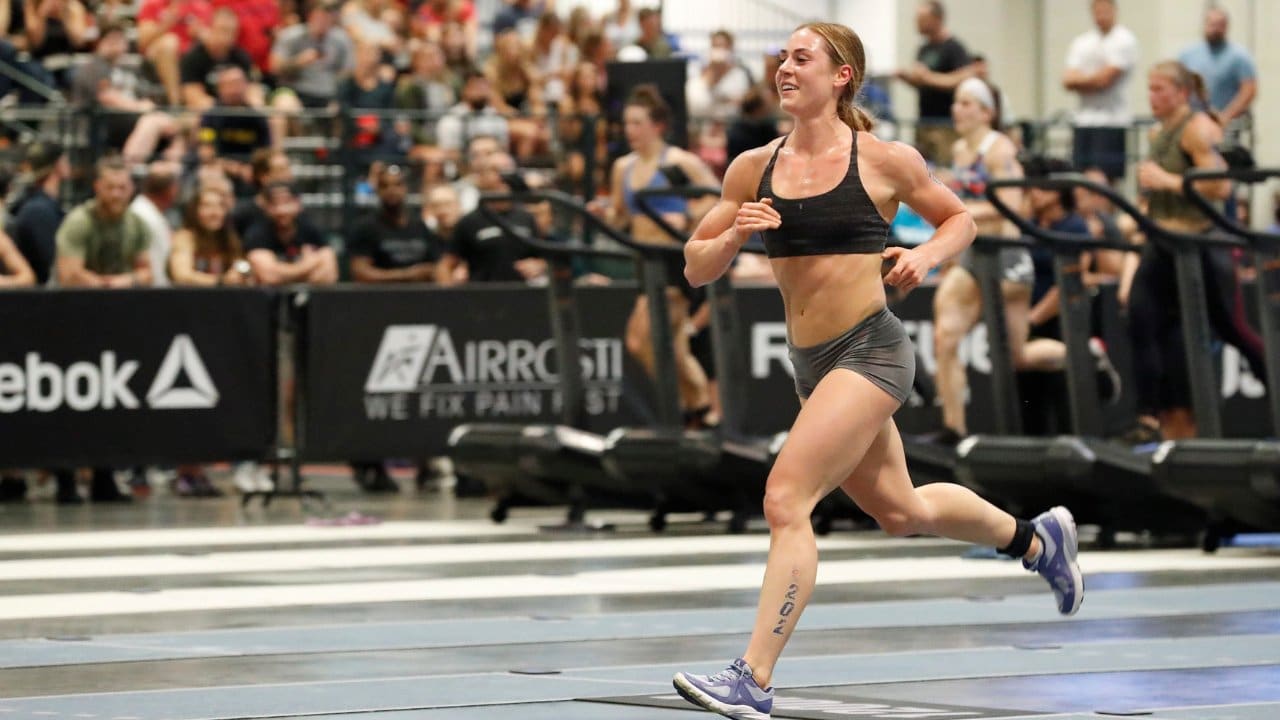
Here’s how running transforms the body, inside and out.
Jump to:
- 1. Burns Fat and Promotes Weight Loss
- 2. Tones and Strengthens Leg Muscles
- 3. Changes Chest and Upper Body Composition
- 4. Defines and Strengthens the Calves
- 5. Sculpts the Arms and Upper Body
- 6. Lifts and Tones the Glutes
- 7. Improves Sleep Quality
- 8. Boosts Mental Health and Mood
- 9. Enhances Mental Clarity and Focus
- 10. Strengthens Joints and Bones
- The Bottom Line
1. Burns Fat and Promotes Weight Loss
Running is one of the most efficient ways to burn calories, making it an excellent tool for weight loss. It burns nearly twice the calories of walking and continues to increase metabolism long after a workout ends.
High-intensity running, such as sprint intervals or hill training, triggers the afterburn effect (excess post-exercise oxygen consumption, or EPOC), keeping the body in a fat-burning state for hours. Long-distance runs, on the other hand, improve endurance and gradually chip away at fat stores.
No matter the approach, consistency is key for shedding excess weight and maintaining a leaner physique.
2. Tones and Strengthens Leg Muscles
Running engages nearly every muscle in the lower body, including the quadriceps, hamstrings, calves, and glutes. Over time, these muscles become more defined and resilient.
Adding incline runs or trail running intensifies muscle engagement, leading to even greater strength gains. Barefoot or minimalist running can also improve foot and lower-leg strength, enhancing balance and stability.
For those looking to sculpt their legs further, incorporating resistance training alongside running can maximize muscle tone.
3. Changes Chest and Upper Body Composition
Since running reduces overall body fat, it can lead to changes in chest size, especially for women. Fat loss affects all areas of the body, and some may notice a decrease in bust size as they slim down.
Wearing a high-support sports bra is essential to minimize discomfort and protect Cooper’s ligaments, which help maintain breast structure. For men, running can help reduce excess fat in the chest area, contributing to a leaner upper body.
4. Defines and Strengthens the Calves
Regular running builds strong, well-defined calves, especially when incorporating sprints, inclines, or varied terrain. While this can lead to a more sculpted appearance, tight calves may become an issue for some runners.
Stretching and mobility exercises help prevent tightness, while proper footwear reduces strain on the Achilles tendon and lower leg muscles. Foam rolling and massage can also aid in recovery and flexibility.
5. Sculpts the Arms and Upper Body
Although running primarily targets the lower body, it indirectly affects the upper body as well. Long-distance runners may notice their arms become slimmer due to overall fat loss, while sprinting engages the shoulders, biceps, and triceps more actively.
Proper arm movement during running enhances efficiency, helping maintain good posture and reducing fatigue. Those who want to maintain upper-body strength can incorporate bodyweight exercises like push-ups and pull-ups into their routine.
6. Lifts and Tones the Glutes
Running is a powerful way to strengthen the glutes, especially when incorporating hills, speed work, or sprint drills. Strong glutes not only improve running performance but also help prevent injuries by stabilizing the hips and lower back.
To maximize glute activation, runners can include strength training exercises like lunges, deadlifts, and resistance band workouts. Proper running form—engaging the core and driving through the hips—also plays a key role in glute development.
7. Improves Sleep Quality
Regular physical activity, including running, is linked to better sleep quality. It helps regulate the body’s circadian rhythm, promotes deeper sleep, and reduces insomnia.
Morning runs may enhance energy levels throughout the day, while evening runs can be relaxing—but running too close to bedtime may increase alertness and delay sleep. Experimenting with different workout times can help identify what works best for individual sleep patterns.
8. Boosts Mental Health and Mood
Running is well known for its mental health benefits. It releases endorphins, often referred to as “runner’s high,” which help reduce stress, anxiety, and symptoms of depression.
Additionally, studies suggest that regular aerobic exercise can enhance cognitive function and memory, reducing the risk of cognitive decline with age. Whether running alone or in a group, the psychological benefits are just as powerful as the physical ones.
9. Enhances Mental Clarity and Focus
Many runners find that running helps clear their minds, making it easier to focus and process thoughts. The repetitive motion of running can be meditative, reducing overthinking and promoting mindfulness.
Trail running, in particular, has been shown to enhance mental relaxation, as exposure to nature further reduces stress and increases feelings of well-being.
10. Strengthens Joints and Bones
Despite common misconceptions, running can actually strengthen bones and joints when done correctly. Weight-bearing exercise helps build bone density, reducing the risk of osteoporosis.
However, improper form, overtraining, or running on hard surfaces without the right footwear can lead to joint stress. Alternating between road, trail, and treadmill running can help reduce impact, while strength training supports joint stability.
The Bottom Line
Running transforms the body in multiple ways, from burning fat and sculpting muscles to boosting mental health and improving sleep. While results vary based on genetics, training intensity, and diet, the benefits of consistent running go far beyond aesthetics.
Whether someone is running for fitness, stress relief, or personal achievement, the physical and mental changes make it a rewarding lifelong habit.
Lace up, hit the pavement, and embrace the transformation.