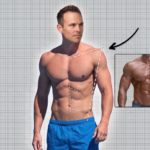
Losing 45 pounds in 90 days requires meticulous tracking of everything from protein to calories. But one fitness enthusiast recently discovered he’d been missing perhaps the most critical nutrient of all.
In a recent video, he revealed how fiber transformed his health journey—and why roughly 90% of people in Western countries are falling dangerously short on this overlooked nutrient.

The consequences extend far beyond digestive discomfort.
Research suggests colon cancer now ranks as the leading cancer killer in people under 50, making fiber intake more crucial than ever.
Jump to:
The Life-Saving Power of Fiber
A comprehensive meta-analysis published in The Lancet examined data across thousands of participants and found something remarkable. People consuming the highest amounts of fiber experienced a 15 to 30% reduction in all-cause mortality.
That’s not a marginal benefit—it’s a game-changer.

If you want something simple that actually works, this is one of the most effective tools I’ve used to build strength, conditioning, and endurance without needing a full gym setup.
- Full-body training with one weight using swings, squats, and presses
- Solid cast iron build that feels stable and lasts for years
- Comfortable grip that makes high-rep workouts easier to handle
Since losing 45 lb in 90 days, I obviously was tracking everything, but I wasn’t tracking maybe the most important thing besides protein, and that is fiber.
While most fitness enthusiasts obsess over macronutrients—protein, carbohydrates, and fats—fiber quietly does heavy lifting behind the scenes. Yet it remains invisible on most people’s nutritional radar.
Four Science-Backed Benefits of Fiber
1. Natural Appetite Control
Fiber slows digestion and forms a gel-like substance in the digestive tract that promotes prolonged fullness. Research published in the journal Appetite demonstrated significant increases in satiety among participants consuming adequate fiber.
The result? People naturally consume fewer calories without conscious restriction or willpower battles.
I felt fuller between meals, way less random snacking, not because I was trying and just didn’t want to. I didn’t have a need. Like I was just full.
2. Blood Sugar Stabilization
Soluble fiber acts like protective armor in the stomach, slowing how quickly the body absorbs carbohydrates. Instead of rapid glucose absorption followed by dramatic insulin spikes and energy crashes, fiber creates a gradual, steady release.
Experiencing energy crashes one to two hours after meals? This mechanism might be the solution you’ve been searching for.
3. Gut Microbiome Support
A 2024 study published in Gastroenterology revealed that increased fiber intake positively influences gut bacteria composition, reduces inflammation, and regulates digestion in both directions.
If you want something simple that actually works, this is one of the most effective tools I’ve used to build strength, conditioning, and endurance without needing a full gym setup.
- Full-body training with one weight using swings, squats, and presses
- Solid cast iron build that feels stable and lasts for years
- Comfortable grip that makes high-rep workouts easier to handle
Beneficial gut bacteria literally feed on fiber, making it essential fuel for maintaining a thriving microbiome.
My digestion got smoother, my gut felt calmer.
4. Cardiovascular Protection
A 2023 meta-analysis found that adequate daily fiber consumption reduced total cholesterol, blood pressure, and fasting blood glucose levels. For heart health alone, fiber proves itself an invaluable ally.
The Psyllium Husk Solution
After discovering his fiber deficiency, the fitness coach now consumes two to four tablespoons of psyllium husk powder daily—typically two tablespoons after breakfast and two after lunch. This supplements whatever fiber comes from whole food sources like vegetables.
Psyllium husk comes from seeds of the Plantago ovata plant. As a soluble fiber, it absorbs water and creates that beneficial gel in the digestive tract, supporting slower digestion, feeding gut bacteria, and stabilizing blood sugar.
It’s not a trendy new supplement. Previous generations knew about it, but modern research now validates exactly why and how it works.
How to Start Supplementing Safely
Beginning with one tablespoon daily allows the body to adjust gradually. After a few days, increase to two tablespoons, then slowly build up over two to three weeks based on individual tolerance.
If you want something simple that actually works, this is one of the most effective tools I’ve used to build strength, conditioning, and endurance without needing a full gym setup.
- Full-body training with one weight using swings, squats, and presses
- Solid cast iron build that feels stable and lasts for years
- Comfortable grip that makes high-rep workouts easier to handle
Water intake is critical. Psyllium absorbs substantial amounts of water as it works, so insufficient hydration can lead to fatigue and general malaise.
I take it with a full glass of water, and that’s really important because the psyllium absorbs a lot of water as it works.
Taking psyllium before meals gives it time to form that protective gel before food arrives, maximizing its effects on hunger and blood sugar regulation.
Important Safety Considerations
Psyllium husk isn’t appropriate for everyone. Avoid it if you have:
- History of bowel obstruction
- Serious gastrointestinal issues
- Difficulty swallowing
For those taking medications, timing matters. Take prescriptions at least two hours before or after psyllium, as it can affect absorption rates. Anyone with serious health conditions should consult a healthcare provider before adding any supplement.
For most healthy individuals, however, psyllium husk is both safe and effective when used appropriately.
Track Before You Supplement
Most people fixate on three or four numbers when reviewing nutrition apps—calories, protein, carbohydrates, and fats. Fiber sits there unnoticed, its importance overlooked until someone digs into the research.
If you want something simple that actually works, this is one of the most effective tools I’ve used to build strength, conditioning, and endurance without needing a full gym setup.
- Full-body training with one weight using swings, squats, and presses
- Solid cast iron build that feels stable and lasts for years
- Comfortable grip that makes high-rep workouts easier to handle
Like when I look at MyFitnessPal, I’m just looking at three freaking numbers, four including calories, but just protein, carbs, fats. And like I see fiber on there, but like it just never occurred to me to even care about it.
Tracking fiber intake for one week reveals eye-opening data. Most people consume at or below 20 grams daily, while optimal targets range from 30 to 40 grams.
You can’t manage what you don’t measure.
Food First, Supplements Second
Whole food sources should always form the foundation of fiber intake:
- Vegetables of all varieties
- Fruits, especially berries and apples
- Legumes like lentils and chickpeas
- Oats and whole grains
- Beans in various forms
Supplements like psyllium husk fill gaps, not replace whole foods. They work best as complementary tools in an already nutrition-focused approach.
The changes can manifest quickly. Fuller feelings between meals, reduced snacking urges, smoother digestion, and calmer gut function often appear within days of adequate fiber consumption.
Health truly is wealth in 2025 and beyond. And fiber might be the most undervalued currency in the entire nutritional economy.
If you want something simple that actually works, this is one of the most effective tools I’ve used to build strength, conditioning, and endurance without needing a full gym setup.
- Full-body training with one weight using swings, squats, and presses
- Solid cast iron build that feels stable and lasts for years
- Comfortable grip that makes high-rep workouts easier to handle