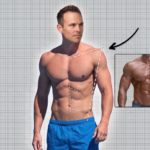
When it comes down to basic, budget-friendly nutrition, conventional wisdom often paints meat and potatoes as nutritional villains.
Dr. Chris Masterjohn is challenging that narrative with a surprisingly simple approach.

In a recent conversation, the nutrition researcher made a compelling case for why this classic combination might be one of the most underrated meal choices for health and body composition.
And perhaps more importantly, why it won’t break the bank.
Jump to:
- The Nutritional Case for Red Meat
- Why Potatoes Deserve Respect
- The Fat and Carb Combination Question
- Body Fat Percentage and Health
- The CoQ10 Connection
- Carnivore Diet Optimization
- Meal Timing Strategies
- Pre-Bed Eating and Protein Choices
- The Honey Question
- The Budget-Friendly Bottom Line
- Personalization Remains Key
- Sources
The Nutritional Case for Red Meat
When asked what he’d recommend for someone on a tight budget seeking optimal nutrition, Masterjohn didn’t hesitate.
Meat and potatoes. Red meat and potatoes, yeah. Steak and potatoes.
His reasoning centers on red meat’s exceptional nutrient density, particularly for minerals that are notoriously difficult to obtain from plant sources.

If you want something simple that actually works, this is one of the most effective tools I’ve used to build strength, conditioning, and endurance without needing a full gym setup.
- Full-body training with one weight using swings, squats, and presses
- Solid cast iron build that feels stable and lasts for years
- Comfortable grip that makes high-rep workouts easier to handle
Red meat is your best source of bioavailable iron. It’s one of your best sources of zinc. The zinc superfoods are oysters, beef, and cheese.
Beyond the standard vitamins and minerals, Masterjohn highlights several non-essential nutrients in red meat that can significantly impact energy production and athletic performance.
Carnitine, creatine, and carnosine all play crucial roles in mitochondrial function—the cellular powerhouses that generate energy.
Ground Beef vs. Choice Cuts
For those watching their wallet, ground beef presents an economical option without sacrificing nutritional benefits.
Masterjohn takes this concept further by using ground beef that incorporates organ meats.
I personally use ground beef that’s been ground with liver, heart, and kidney ground into it. And I think that cooked as crumbles with olive oil, taco seasoning, and salt is an incredible way to get organ meats into your diet.
This approach addresses a common challenge: many people recognize the nutritional superiority of organ meats but find them unpalatable.
Mixing them into ground beef and seasoning liberally creates a far more accessible entry point.
If you want something simple that actually works, this is one of the most effective tools I’ve used to build strength, conditioning, and endurance without needing a full gym setup.
- Full-body training with one weight using swings, squats, and presses
- Solid cast iron build that feels stable and lasts for years
- Comfortable grip that makes high-rep workouts easier to handle
Why Potatoes Deserve Respect
While red meat gets the spotlight for protein and minerals, potatoes bring their own impressive nutritional profile to the table.
Potatoes are just, you know, they’re a great source of potassium. I wouldn’t call them nature’s multivitamin, but there’s very few vitamins or minerals that potatoes don’t have some of.
The potassium content is particularly noteworthy. Many people mistakenly believe bananas are the ultimate potassium source, but Masterjohn points out you’d need to consume 15 to 20 bananas daily to reach optimal levels.
Potatoes offer a more practical solution for this essential mineral that supports blood pressure regulation, muscle function, and cellular health.
The Potato Diet Phenomenon
Some individuals have taken potato consumption to the extreme with dedicated “potato diets,” consuming little else.
According to Masterjohn, these people likely thrive because they’re Randle cycle vulnerable—meaning they struggle when combining fats and carbohydrates but excel when specializing in one macronutrient.
By eliminating fat and focusing solely on potatoes, they optimize their body’s carbohydrate-burning pathways while still obtaining adequate protein.
If you want something simple that actually works, this is one of the most effective tools I’ve used to build strength, conditioning, and endurance without needing a full gym setup.
- Full-body training with one weight using swings, squats, and presses
- Solid cast iron build that feels stable and lasts for years
- Comfortable grip that makes high-rep workouts easier to handle
The Fat and Carb Combination Question
One area where individual variation becomes critical is the simultaneous consumption of fats and carbohydrates.
The Randle cycle describes how fatty acids and glucose compete for oxidation in cells. Some people handle this metabolic competition seamlessly, while others experience unwanted fat gain.
I don’t feel like that for myself at all. My diet right now is 150 g of net carbs, 160 g of protein, and then I just fill in the rest of the calories with fat. And I’m at like 2,900 calories. So, I’m getting more calories from fat than anything else.
Masterjohn emphasizes that different metabolic concerns affect different people. Rather than debating which approach is “correct,” he advocates for personal experimentation.
- Some individuals are highly sensitive to carbohydrates alone
- Others struggle specifically with the fat-carb combination
- Many find that adding fat to starch actually smooths glucose spikes
The key is determining your own metabolic profile through careful observation of energy levels, body composition changes, and blood sugar responses.
Body Fat Percentage and Health
The conversation touched on extremely low body fat percentages and their health implications.
Masterjohn cites research showing that while weight loss typically increases testosterone in overweight men, the opposite occurs when lean individuals cut from 12% to 6% body fat.
If you want something simple that actually works, this is one of the most effective tools I’ve used to build strength, conditioning, and endurance without needing a full gym setup.
- Full-body training with one weight using swings, squats, and presses
- Solid cast iron build that feels stable and lasts for years
- Comfortable grip that makes high-rep workouts easier to handle
I think that like 16 there’s not really any health reason necessarily to go under 16 17%. But a lot of people will be doing great at 10 to 12%. But when you get down 12% and below, it’s like this gray area.
At 6% body fat, the brain essentially determines energy reserves are insufficient, triggering hormonal adaptations that can include halved testosterone levels.
However, Masterjohn acknowledges that individual optimization can overcome these general trends—citing CoQ10 supplementation as one potential solution for maintaining hormonal health at lower body fat levels.
The CoQ10 Connection
Coenzyme Q10 emerged as a critical nutrient for energy production, particularly for those maintaining very lean physiques or experiencing metabolic challenges.
Heart meat stands out as the only significant dietary source, making it difficult to obtain therapeutic levels without supplementation.
If you look at the randomized controlled trials of CoQ10, what you see is that the sweet spot for the average person with respect to their glucose, insulin, and blood pressure is 100 to 200 mg.
The research here is fairly consistent. Studies show benefits for metabolic markers in the 100-200 mg range, though individual variation increases at higher doses.
Masterjohn explains this variation partly through nutritional status—CoQ10 synthesis requires dozens of enzymatic steps dependent on various vitamins and minerals.
If you want something simple that actually works, this is one of the most effective tools I’ve used to build strength, conditioning, and endurance without needing a full gym setup.
- Full-body training with one weight using swings, squats, and presses
- Solid cast iron build that feels stable and lasts for years
- Comfortable grip that makes high-rep workouts easier to handle
Someone deficient in even a single cofactor will struggle to produce adequate CoQ10 endogenously.
The Hierarchy of Supplementation
Rather than immediately turning to supplements, Masterjohn advocates a systematic approach:
- Optimize whole food nutrition first
- Identify and address specific nutrient gaps
- Consider targeted supplements like CoQ10 from a position of nutritional strength
This strategy ensures you’re addressing root causes rather than masking underlying deficiencies with supplemental interventions.
Carnivore Diet Optimization
For those pursuing a carnivore approach, Masterjohn offers specific guidance for nutritional completeness.
If you were to try to get all your vitamins and minerals correctly on a carnivore diet, it would go a long way to include some liver and some kidney. It would also go quite a long way to include some shellfish.
The inclusion of organ meats and shellfish addresses potential shortfalls that muscle meat alone cannot cover.
Interestingly, lightly cooked liver and shellfish both provide vitamin C—a nutrient typically associated exclusively with plant foods.
If you want something simple that actually works, this is one of the most effective tools I’ve used to build strength, conditioning, and endurance without needing a full gym setup.
- Full-body training with one weight using swings, squats, and presses
- Solid cast iron build that feels stable and lasts for years
- Comfortable grip that makes high-rep workouts easier to handle
While some people report thriving on just steak, Masterjohn questions the long-term sustainability of such a limited approach for the general population.
Meal Timing Strategies
When structuring a meat and potatoes eating pattern throughout the day, timing becomes a powerful tool for optimizing energy and sleep.
Masterjohn explains that protein and fat promote wakefulness, while carbohydrates signal the body toward rest and recovery.
A lot of people are going to benefit from putting their carbs more towards the evening because the way that the signaling results work from that are steak is just much more consistent with—you think about a lion, right?
The lion analogy illustrates the metabolic logic: predators mobilize energy to hunt, then rest after consuming their kill.
Similarly, emphasizing protein and fat earlier supports daytime energy, while evening carbohydrates facilitate the transition to sleep by suppressing the orexin-histamine pathway that promotes wakefulness.
Morning Glucose Considerations
There’s also evidence suggesting better glucose tolerance earlier in the day.
If you want something simple that actually works, this is one of the most effective tools I’ve used to build strength, conditioning, and endurance without needing a full gym setup.
- Full-body training with one weight using swings, squats, and presses
- Solid cast iron build that feels stable and lasts for years
- Comfortable grip that makes high-rep workouts easier to handle
Masterjohn personally limits his final meal to 30 grams of net carbs to optimize morning blood sugar, finding this balance supports both sleep quality and metabolic markers.
However, he notes that eating protein without any carbs at dinner can impair sleep for some individuals, highlighting the need to test different approaches based on three key metrics:
- Daytime energy levels
- Sleep quality
- Fasting morning glucose
The Tryptophan Mechanism
One mechanism behind carbohydrates’ sleep-promoting effects involves the amino acid tryptophan—the precursor to melatonin.
Insulin drives amino acids into muscle cells that would otherwise compete with tryptophan under the brain. Exercise also does that.
Both high-glycemic carbohydrates and exercise can increase tryptophan availability in the brain, though exercise offers additional benefits that might make it the superior choice for many.
Masterjohn also points out that studies show even a single meal of high-glycemic carbs at any time during the day can improve sleep latency—the time it takes to fall asleep.
Pre-Bed Eating and Protein Choices
The conventional wisdom suggests avoiding food for 2-3 hours before bed, but Masterjohn takes a pragmatic stance.
If you want something simple that actually works, this is one of the most effective tools I’ve used to build strength, conditioning, and endurance without needing a full gym setup.
- Full-body training with one weight using swings, squats, and presses
- Solid cast iron build that feels stable and lasts for years
- Comfortable grip that makes high-rep workouts easier to handle
I think it would be optimal to not eat three hours before bed, but if it were the choice between doing so and sleeping well, I would pick sleeping well.
When consuming protein close to bedtime, cheese and dairy proteins offer distinct advantages due to their slow digestion rate.
Research from Florida State University has shown that cottage cheese consumed immediately before bed can actually increase morning fat oxidation without negatively impacting sleep.
The slow-digesting nature of casein protein creates a steady drip of amino acids rather than a spike that could promote wakefulness.
The Honey Question
Honey represents an interesting addition to the basic meat and potatoes framework.
While it’s essentially a sugar source, research in animals suggests it offers benefits beyond isolated sweeteners.
There are studies in animals that suggest that honey is—if you feed the same amount of sugar with the same amount of glucose and fructose and sucrose but one’s honey and one’s a refined sugar—the animals are healthier on the honey.
The complexity of honey as a whole food provides additional beneficial compounds absent in refined sugar.
If you want something simple that actually works, this is one of the most effective tools I’ve used to build strength, conditioning, and endurance without needing a full gym setup.
- Full-body training with one weight using swings, squats, and presses
- Solid cast iron build that feels stable and lasts for years
- Comfortable grip that makes high-rep workouts easier to handle
Additionally, honey consists primarily of monosaccharides—simple sugars already broken down—making it particularly useful for people with digestive issues who struggle with starches or disaccharides.
The fructose content may be problematic for some individuals, but for those who tolerate it well, honey offers a natural, nutrient-rich carbohydrate option.
The Budget-Friendly Bottom Line
Perhaps the most compelling aspect of the meat and potatoes approach is its remarkable affordability.
Even in high-cost areas like California, this eating pattern can be maintained for $50-100 per week—a fraction of what many spend on processed convenience foods or trendy superfoods.
Ground beef serves as an especially economical protein source, and when combined with organ meat blends, delivers exceptional nutritional density at minimal cost.
Potatoes rank among the most affordable vegetables per pound while providing substantial micronutrients and energy.
If you want something simple that actually works, this is one of the most effective tools I’ve used to build strength, conditioning, and endurance without needing a full gym setup.
- Full-body training with one weight using swings, squats, and presses
- Solid cast iron build that feels stable and lasts for years
- Comfortable grip that makes high-rep workouts easier to handle
The simplicity itself offers advantages—fewer ingredients mean less decision fatigue, easier meal preparation, and more consistent dietary patterns that support metabolic adaptation.
Personalization Remains Key
Throughout the discussion, one principle emerges repeatedly: biochemical individuality matters.
While meat and potatoes provide an excellent nutritional foundation for many people, the specific ratios, timing, and additions require personal experimentation.
Someone who is Randle cycle vulnerable may need to separate fats and carbs more strictly.
Another person might thrive on the combination with no issues whatsoever.
Sleep quality, energy levels, body composition, and blood markers all provide feedback that helps refine an approach tailored to your unique metabolic profile.
If you want something simple that actually works, this is one of the most effective tools I’ve used to build strength, conditioning, and endurance without needing a full gym setup.
- Full-body training with one weight using swings, squats, and presses
- Solid cast iron build that feels stable and lasts for years
- Comfortable grip that makes high-rep workouts easier to handle
The meat and potatoes framework offers simplicity, affordability, and surprising nutritional completeness—but the details of implementation should be adjusted based on individual response rather than rigid adherence to any single protocol.
Sources
- National Health and Nutrition Examination Survey (NHANES) – https://www.cdc.gov/nchs/nhanes/
- Ormsbee MJ, et al. “Pre-sleep protein supplementation and fat oxidation” – https://pubmed.ncbi.nlm.nih.gov/