Losing weight might seem like the ultimate health victory, but what if the number on the scale is hiding a more dangerous truth?
Deep beneath the surface, packed tightly around internal organs like the stomach, liver, and pancreas, lies visceral fat—a hidden threat that pumps out inflammatory molecules and drives chronic conditions including diabetes, heart disease, and fatty liver disease.
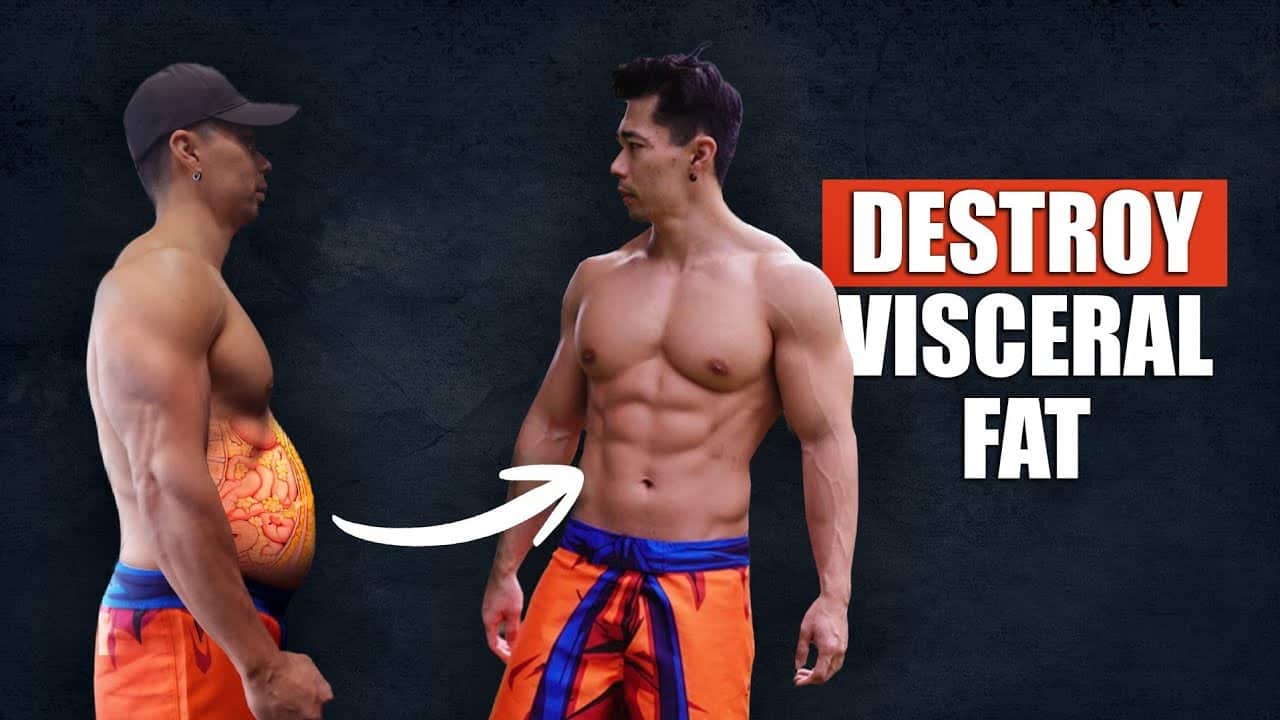
The good news? Visceral fat responds remarkably well to targeted interventions.
Fitness experts have identified five evidence-based techniques that can help burn off this dangerous fat quickly, transforming not just appearance but overall metabolic health.
Jump to:
- Prioritize Carotenoid-Rich Foods for Fat-Burning Activation
- Strategic Food Elimination for Faster Results
- The Fasting Debate: A Tool With Limitations
- Exercise Intensity: Where Visceral Fat Meets Its Match
- Sleep Quality: The Cortisol Connection
- Toxin Elimination: The Alcohol Factor
- The Silver Lining: Visceral Fat Responds Quickly
Prioritize Carotenoid-Rich Foods for Fat-Burning Activation
Colorful vegetables and fruits should dominate your plate when targeting visceral fat. Carrots, spinach, sweet potatoes, and other carotenoid-rich foods act as powerful antioxidants that reduce inflammation throughout the body.
These nutrient-dense options do more than just fill nutritional gaps. They help activate fat-burning genes while simultaneously quieting genes responsible for fat storage, creating an internal environment optimized for visceral fat reduction.
Catechins: Your Secret Weapon Against Fat Absorption
Minimally processed teas like matcha or sencha contain catechins that boost metabolism and fat oxidation. These compounds also inhibit fat-processing enzymes, effectively blocking some fat absorption before it can settle around organs.
Caffeine works synergistically with catechins, amplifying their metabolic benefits. Making green tea a daily ritual could provide compound effects over time.
Protein Intake: The Thermic Effect Advantage
Increasing protein consumption above 0.8 to 1 gram per pound of lean body mass serves dual purposes in visceral fat reduction. First, protein has a high thermic effect—meaning your body burns significantly more calories just processing it compared to fats or carbohydrates.
Second, protein dramatically increases satiety, keeping you fuller longer and reducing overall calorie intake naturally. Gut-friendly options like Greek yogurt, salmon, and berries offer additional benefits for digestive health.
Strategic Food Elimination for Faster Results
Knowing what to remove from your diet proves just as critical as knowing what to add.
Added fructose, particularly from high-fructose corn syrup, directly contributes to visceral fat accumulation while simultaneously worsening insulin sensitivity. This creates a vicious cycle that makes fat loss increasingly difficult.
Saturated fats require moderation rather than complete elimination. Research indicates that saturated fats double visceral fat storage compared to unsaturated fats. Keep intake under 20 to 30 grams daily by swapping ribeye steaks for leaner cuts and balancing meals with fatty fish like salmon.
The Fasting Debate: A Tool With Limitations
While not recommended as a long-term sustainable approach for all clients, periodic fasting does show promise in reducing visceral fat according to scientific literature.
One 24-hour fast weekly can enhance fat loss, promote cellular repair, and boost natural human growth hormone production. During fasting windows, black coffee, plain tea, water, and electrolytes remain permissible.
However, sustainability matters more than temporary interventions. Those seeking permanent lifestyle changes might find consistent daily habits more effective than periodic fasting protocols.
Exercise Intensity: Where Visceral Fat Meets Its Match
Visceral fat responds exceptionally well to exercise—even more effectively than diet alone. The most powerful modalities include vigorous aerobic exercise and high-intensity interval training (HIIT).
Target heart rates between 70 to 80 percent of maximum capacity deliver optimal results. The “talk test” provides a practical gauge: if you can only speak a few words before pausing for breath, you’ve reached the vigorous zone.
Aim for two to three sessions weekly, lasting 15 to 45 minutes each. Schedule these workouts at least 24 hours away from leg days to allow proper recovery.
Daily Movement: The Underestimated Game-Changer
Beyond structured workouts, daily step counts significantly impact visceral fat reduction. Target 12,000 to 15,000 steps daily through creative strategies:
- Take children to the park for active play sessions
- Walk on a treadmill while watching favorite shows
- Park farther from store entrances
- Add extra laps around stores during shopping trips
- Track steps with smartwatches and gamify the process
These accumulated steps create additional caloric deficits that accelerate visceral fat loss without feeling like traditional exercise.
Sleep Quality: The Cortisol Connection
Stress and poor sleep elevate cortisol levels, which strongly correlates with visceral fat storage. Protecting sleep quality becomes non-negotiable for those serious about reducing dangerous organ fat.
The 10-3-2-1 method provides a structured approach to sleep optimization:
- 10 hours before bed: No caffeine consumption
- 3 hours before bed: Consume your last meal
- 2 hours before bed: Stop drinking liquids to prevent sleep disruption
- 1 hour before bed: Eliminate screen exposure or use blue-light blocking glasses
Morning routines matter equally. Upon waking, immediately seek direct sunlight exposure to reset your internal clock and optimize circadian rhythm function.
Toxin Elimination: The Alcohol Factor
Switching to minimally processed foods reduces visceral fat even without strict calorie restriction. However, alcohol presents a particularly stubborn obstacle to visceral fat loss.
Alcohol delivers empty calories at 7 calories per gram while hitting the liver especially hard and promoting fat storage directly on organs. Even more problematic: the liver stops breaking down fat for 16 to 36 hours while processing alcohol.
Reducing your alcohol is a non-negotiable for reducing visceral fat.
This doesn’t require permanent abstinence, but temporary elimination during active visceral fat reduction phases proves essential for optimal results.
The Silver Lining: Visceral Fat Responds Quickly
Despite being the most dangerous fat type, visceral fat is paradoxically the easiest to lose. Combined interventions targeting nutrition, movement, sleep, and lifestyle factors create synergistic effects that accelerate results.
Consistency matters more than perfection. Even when scale weight remains stubborn, internal changes occur as visceral fat diminishes. Body recomposition happens simultaneously, especially when workout protocols are properly optimized.
Focus on sustainable daily habits: eating colorful produce, drinking green tea, prioritizing protein, hitting step targets, performing intense cardio sessions, and protecting sleep quality. These fundamental practices compound over time, transforming metabolic health from the inside out.
The hidden danger of visceral fat requires targeted attention, but armed with evidence-based techniques, anyone can reduce this metabolic threat and reclaim their health.