Strength training might just be the most uplifting surprise of aging — and 80-somethings Michael and Roda are living proof.
Nine months ago, they could barely lift more than a grocery bag. Today, they’re squatting, deadlifting, and bench pressing weights that would humble many people half their age.

This transformation didn’t demand extreme measures. Just progressive weight training, two times a week, guided by a coach and built gradually over time.
In doing so, they’ve not only reclaimed their strength and independence — they’ve redefined what aging can look like.
If you’ve ever questioned whether it’s “too late” to start lifting in your later years, their story might change your mind forever.
Jump to:
How Strength Training Transformed Their Lives
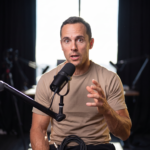
Michael (81) and Roda (82) started their fitness journey in a makeshift garage gym under the guidance of online coach Chris Ree, a physical therapist with Starting Strength Gyms.
At the time, Roda could only walk upright for 30 seconds before bending over in pain and breathlessness. Nine months later, she’s walking pain-free for over 6 minutes — a twelvefold improvement.
Michael, once hesitant on stairs, now *runs* up them. Both report newfound energy, confidence, and resilience, noticeable even to strangers in local shops.
The Secret: Simple, Consistent Barbell-Based Lifting
The program was refreshingly straightforward: just four compound lifts — the squat, deadlift, overhead press, and bench press.
By working major muscle groups simultaneously, each 90-minute session delivered maximum benefit with minimal overload. Weight was added incrementally — as little as 0.25 kg (0.5 lb) per week when needed.
“As long as you’re alive, you can get stronger,” Chris reminded them — and the results back that up completely.
Why This Works for Older Adults
Far from being risky, strength training is one of the safest and most effective ways to improve health in older adults when done correctly. Slow progression, proper form, and supervision minimize injury risk while building a protective reserve of strength.
Strength declines naturally with age — but only if we let it. Research shows that resistance training improves balance, joint health, cognitive function, and life expectancy.
In fact, grip strength alone has been linked to mortality: weaker grip is associated with shorter lifespan and reduced independence.
A Closer Look at Roda’s Progress
For Roda, the journey started with bodyweight squats to a bench — no added load. Today, she straps on a 19 kg (42 lb) weighted vest and squats to a custom-made wooden box her husband built for her.
She has steadily built up her deadlift from just 12 kg (26 lb) to over 38.5 kg (85 lb), closing in on the 45 kg (100 lb) mark.
Her overhead press — a lift that strengthens back and shoulder muscles — now stands at 17.5 kg (38.5 lb), while her bench press has risen to 24 kg (53 lb).
Each workout includes warm-up sets and incremental increases, making gains sustainable and avoiding potential overuse injuries.
Michael’s Lifting Milestones
Michael is edging toward a 90 kg (198 lb) deadlift at 81 years old — more than double what he started with and close to elite levels for his age. His top weights also include:
- Bench press: 46 kg (101 lb)
- Overhead press: 33.5 kg (74 lb)
- Squat: 51 kg (112 lb)
Each workout is individually programmed based on how his lifts look from the previous session. Some days focus on heavier deadlifts, others on heavier squats, keeping total volume manageable week-to-week.
Beyond the numbers, the real gains are functional: moving more quickly, recovering faster, and feeling energized after full days of activity — a dramatic change from nine months ago.
The Grip Strength Breakthrough
Early on, Roda struggled to grip and twist basic clamps to add weights to her barbell. Today, she does it by herself. That difference — small on the surface — is a huge win.
Improved grip strength has allowed her to open bottles, jars, and containers she once relied on others to help with — restoring her independence one twist at a time.
“Bottles and cans are no problem now,” she says. “I used to have to ask Michael for help. Not anymore.”
Strength Helps More Than Just Muscles
There’s a clear ripple effect from these workouts: reduced joint pain, better sleep, steadier balance, and greater stamina for everyday life. Michael and Roda have traded fear and fragility for capability and confidence.
“I feel like I’ve got energy again,” Roda recently said. “Doing things feels easier. I even have a spring in my step.”
Even setbacks — like illness or minor injuries — didn’t derail them. They simply paused, recovered, then picked up where they left off. Consistency, not perfection, made all the difference.
Changing the Way We Age
The goal for Roda now is to build cardiovascular endurance alongside strength, beginning with more frequent walks. Her coach is confident she’ll soon be able to walk unsupported for 15 minutes at a time — a milestone that once felt impossible.
Both parents are no longer limited by frailty or consumed by fear of injury. Lifting weights has rewired not only their bodies, but their outlook on aging as a whole.
As their daughter put it: “We’ve seen so many changes with her lately. She has massively improved her function and mobility through strength.”
It’s Never Too Late to Start
Chris Ree sums it up best: “There’s no reason you can’t regain some strength… As long as you’re alive, you can get stronger.”
If you’re inspired by Michael and Roda’s journey, share their story with someone who needs it. Strength doesn’t care how old you are — just that you show up, lift, and keep going.
Want to catch up on more of their journey? You can follow the full timeline through their “Rebuilding Mom and Dad” video series on YouTube.