

Imagine finishing an intense four-hour game and still having gas left in the tank—like you could do it all over again.
This isn’t some fantasy reserved for elite athletes—it’s what happens when you train all of your body’s energy systems the smart way, not the hard way.
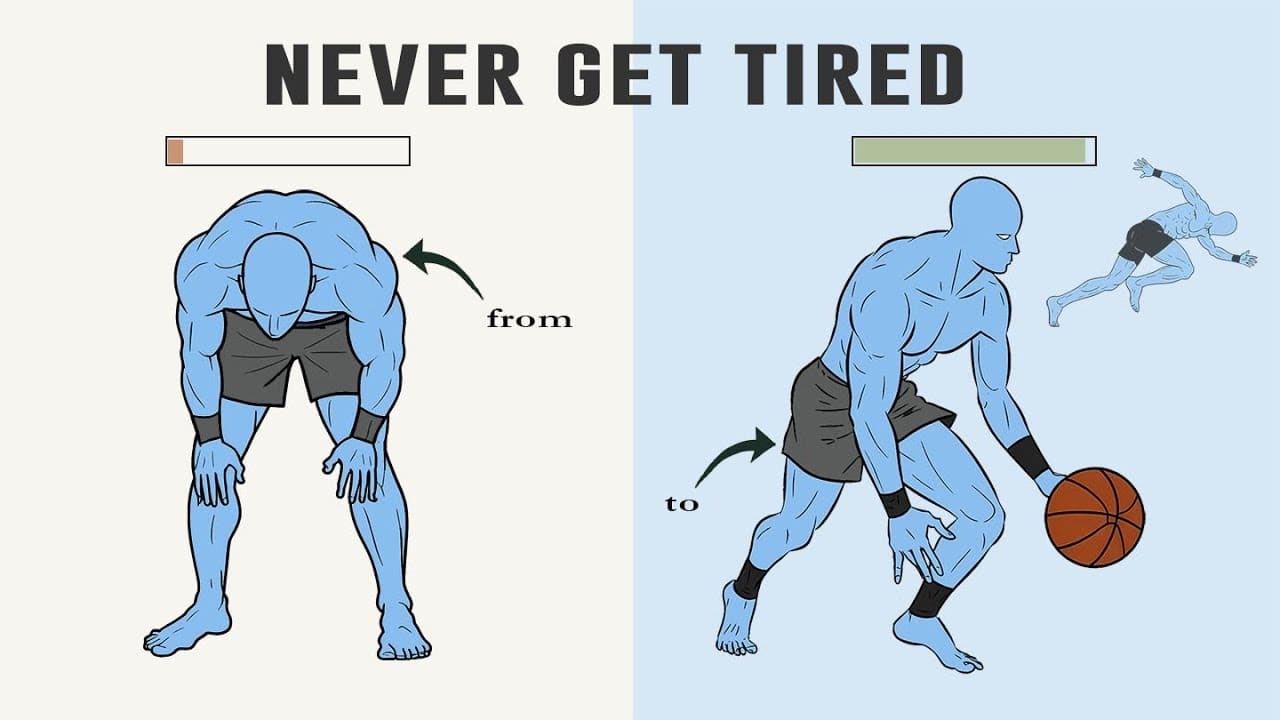
Forget mindless miles on a treadmill or workouts that leave you overtrained and burned out.
Instead, discover how your body creates energy, how to train each of its three main energy systems, and how mastering the overlap between them makes you a powerhouse on the field, in the ring, or on the court.
In this guide, we’ll break down the science—and show you how to train so you never feel tired again.
Jump to:
Understand the Three Energy Systems
Your body produces energy through three primary pathways: the alactic system, the glycolytic (or lactic) system, and the aerobic system.
1. Alactic System: Explosive Power
This is your body’s fastest energy engine. It provides short bursts of explosive force lasting about 10 seconds or less.
Think of a max-effort sprint, a heavy deadlift, or a vertical jump—this system fuels intensity, but drains quickly.
2. Glycolytic (Lactic) System: High-Intensity Performance
After your alactic energy runs out, this system steps in. It powers efforts lasting roughly 30 seconds to two minutes.
It’s what you rely on during a hard round of boxing, multiple possessions on the court, or high-rep lifts. But there’s a cost—burning muscles and rapid fatigue, caused by lactate buildup.
3. Aerobic System: Endurance Engine
The slowest but most sustainable system. It provides a steady flow of energy for extended activities—think running, cycling, or playing an entire game.
The aerobic system is what recharges your faster systems between efforts, making it the base of your endurance pyramid.
How to Train Each Energy System
To perform at your best, your training needs to target all three systems—and teach your body how they work together.
Train the Alactic System: Max Effort, Full Recovery
Because this system is about quick, high power, your workouts need to be short and intense with plenty of rest.
Max Strength Training
– Use heavy loads for sets of 2 to 5 reps.
– Rest 2 to 3 minutes between sets to fully recharge.
Examples:
Basketball players: heavy squats, deadlifts, weighted jumps.
Boxers: plyometric push-ups, medicine ball slams, clean pulls.
Alactic Intervals
– Sprint or perform a power-based move for 8 to 15 seconds.
– Rest 2 to 4 minutes.
Sport-Specific Options:
Basketball: end-to-end court sprints.
Boxing: fast punch combinations on the heavy bag.
At home: box jumps using a chair, explosive push-ups, jump squats.
Train the Glycolytic System: Push Through the Burn
This system doesn’t just burn—you have to train your body to handle that burn and clear waste products more efficiently.
Interval Training Protocol:
– Work hard at 85–95% intensity for 20 to 40 seconds.
– Recover actively until heart rate drops below 130 bpm, then go again.
Sample Exercises:
Boxer: nonstop punch combos on pads or heavy bag for 30 seconds.
Basketball player: full-court suicide sprints with a layup at the end.
Home trainee: 40-second burpee challenge or jump rope intervals.
Don’t Skip the Aerobic Base: Build the Tank
This is where most athletes fail. They neglect the aerobic foundation because it feels slow or boring—but it’s what makes you resilient.
The aerobic system boosts recovery between sets, between sprints, and during gameplay.
Training Method: Low-Intensity Steady State (LISS)
– Train at a pace where you can maintain a conversation.
– Perform steady cardio for 60 to 90 minutes, 1 to 3 times weekly.
Options: jogging, cycling, swimming, or incline walking.
How to Apply the Science to Your Sport
Different sports rely on different blends of energy systems. A soccer midfielder covers long distances (aerobic), makes sprints (alactic), and executes plays under fatigue (glycolytic).
Meanwhile, a wrestler needs repeat explosive efforts with short recoveries. A tennis player might have 60-second rallies followed by brief rests, demanding all three systems in harmony.
Your Job: Analyze your sport. Identify which system is most dominant. Then build around it by hitting all three systems, with an emphasis on what matters most.
That’s how you develop sport-specific endurance that keeps you sharp, energized, and dangerous—even in the fourth quarter, final round, or last match.
For a complete training solution, check out Athletic Blueprint—it turns this energy system science into step-by-step workouts you can actually follow and feel the difference from day one.










