Declining testosterone levels might seem like just another inevitable part of aging for men, but according to longevity expert Dr. Matt Kaeberlein, they deserve far more attention than they typically receive.
Kaeberlein, founder and CEO of healthtech company Optispan, believes hormonal health plays a crucial role in how well men age—yet it remains frustratingly overlooked in routine healthcare.
Most women naturally consider their hormones due to menstruation, pregnancy, and menopause, but men? Not so much.
“In the United States, especially for men, [hormone health] is not typically looked at unless the man asks for it,” Kaeberlein explains.
Jump to:
- The Testosterone Decline: What’s Actually Happening
- Why Testosterone Matters More Than You Think
- Getting Tested: The First Step Everyone Should Take
- Two Lifestyle Changes That Can Boost Testosterone Naturally
- The No-Risk Approach Worth Trying
- Getting Started With Strength Training
- The Bottom Line on Testosterone and Aging
The Testosterone Decline: What’s Actually Happening
Here’s what many men don’t realize: testosterone levels naturally drop as they age, and the decline can be substantial.
On average, men experience roughly a 30-50% decline in free testosterone between ages 30 and 70.
That’s not a minor dip—it’s a significant hormonal shift that affects multiple body systems.
What makes this particularly concerning is how gradually it happens. Because testosterone levels decrease slowly over decades, many men attribute symptoms to “just getting older” rather than recognizing a treatable hormonal issue.
A shockingly large number of men are dysregulated in terms of hormones when they get in their 50s.
Why Testosterone Matters More Than You Think
Testosterone isn’t just about libido or masculinity—it plays a fundamental role in overall health and longevity.
Muscle Mass and Metabolic Health
Testosterone is essential for maintaining muscle mass, which becomes increasingly important as we age.
For both men and women, testosterone in particular is going to be important for muscle mass. Muscle mass is lost with age and loss of muscle mass drives, in particular, frailty and metabolic disease.
But there’s more to this connection than simple strength.
A lot of people don’t realize that muscle is our primary way of buffering blood glucose, and so it’s a sink for blood glucose, and if you don’t have enough muscle, you’re at higher risk for metabolic disease and diabetes.
Research shows men generally lose muscle faster than women during aging, making testosterone particularly critical for middle-aged and older men.
Quality of Life Effects
Beyond metabolic health, low testosterone significantly impacts daily life in ways many men struggle with silently.
Many men who are deficient in testosterone will experience a decline in energy, decline in libido, mood dysregulation and there are even mental health effects in some men.
These changes affect sexual function, metabolism, mood, cognitive performance, and body composition—yet they’re frequently dismissed as normal aging rather than recognized as treatable conditions.
Getting Tested: The First Step Everyone Should Take
So how do you know if declining testosterone is affecting you?
Simple: get tested.
Everyone, in my view, who is in their 40s and 50s, should know what their hormonal status is.
A straightforward blood test provides clear information about testosterone levels and whether deficiency exists. Yet despite how easy testing is, most men never check their levels until problems become severe.
Two Lifestyle Changes That Can Boost Testosterone Naturally
While testosterone replacement therapy exists through injections or patches, Kaeberlein strongly recommends trying lifestyle modifications first.
You definitely can have an impact on testosterone through your lifestyle and my recommendation for most men would be, if you are deficient in testosterone, try [changing your] lifestyle first.
Two specific changes can make a meaningful difference.
1. Clean Up Your Diet
No specific foods contain testosterone, but diet quality directly influences your body’s production.
If you’re eating a crappy diet that’s high in simple sugars, high in processed foods, that can depress testosterone.
Following a balanced, whole-foods diet provides the nutritional foundation your body needs for optimal hormone production.
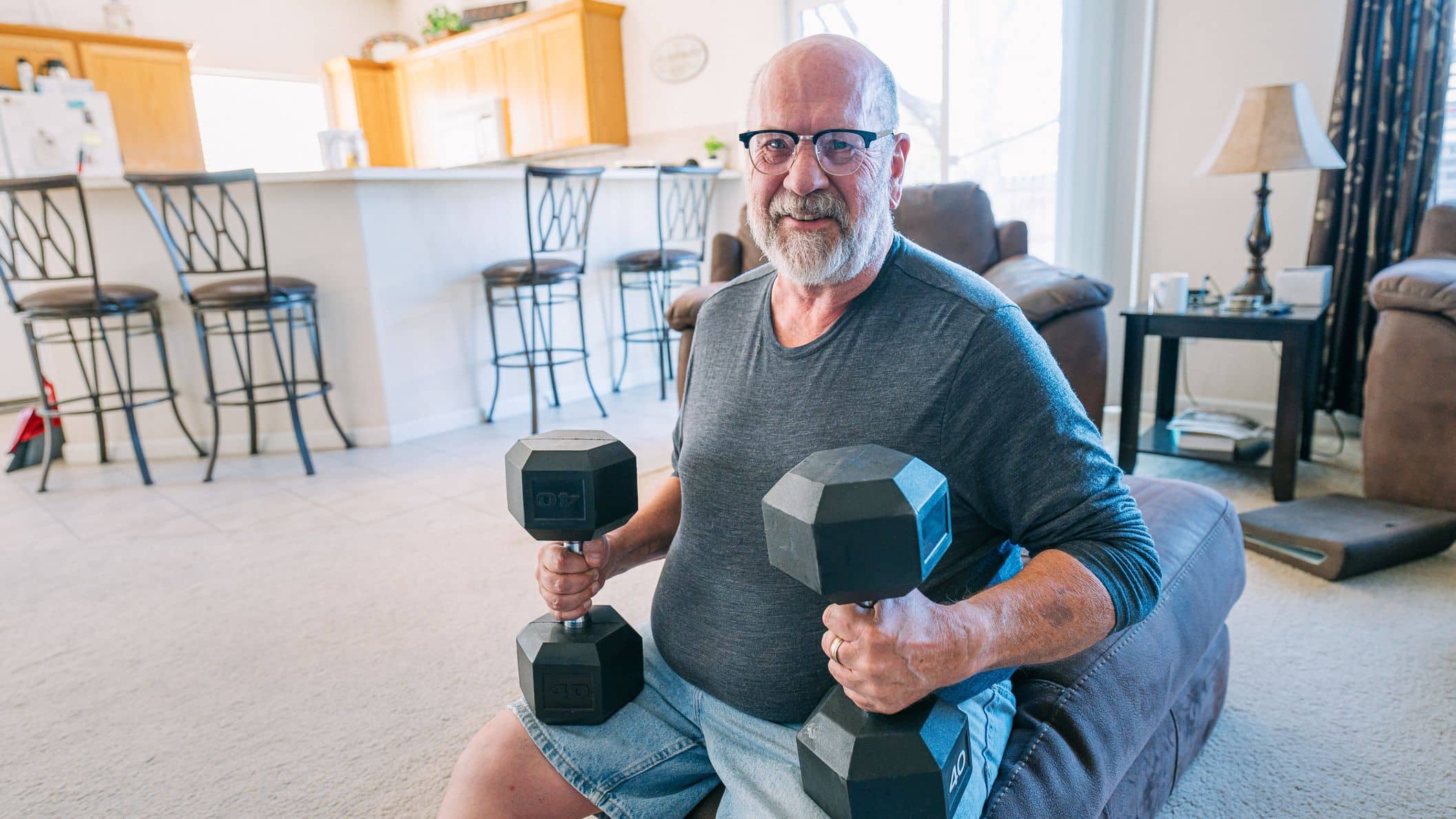
2. Lift Weights Regularly
Resistance training offers one of the most effective natural testosterone boosts available.
Resistance training can boost testosterone in both men and women.
Weight lifting creates muscle stress that signals your body to produce more testosterone. This dual benefit—building muscle while boosting the hormone needed to maintain that muscle—makes strength training invaluable for aging men.
The No-Risk Approach Worth Trying
What makes Kaeberlein’s lifestyle recommendations particularly appealing? They benefit health regardless of testosterone status.
Regardless of whether you’re testosterone-deficient, you should be eating a healthy diet and exercising regularly anyway. But if boosting your testosterone is a motivating factor to get you to do it, that’s great!
Improved diet and regular resistance training offer benefits for cardiovascular health, metabolic function, bone density, mental health, and longevity—with potential testosterone optimization as an additional bonus.
Getting Started With Strength Training
If weight training feels intimidating or unfamiliar, numerous beginner-friendly options exist.
Consider starting with:
- At-home strength training routines for beginners using minimal equipment
- Beginner gym machine workout plans that provide structure and guidance
- Bodyweight exercises requiring zero equipment investment
Starting small and building consistency matters far more than training intensity when beginning a strength program.
The Bottom Line on Testosterone and Aging
Declining testosterone represents a significant but often overlooked factor in how men age.
Rather than accepting fatigue, mood changes, muscle loss, and metabolic decline as inevitable, men in their 40s and beyond should consider hormonal health as part of their wellness strategy. Getting tested provides crucial information, while dietary improvements and resistance training offer powerful natural interventions with virtually no downside.
The message from longevity experts? Your hormones matter—and taking action now can significantly impact your health trajectory for decades to come.