Fasting has become one of the most talked-about strategies for losing weight, improving metabolic health, and managing food intake.
But with so many protocols — from intermittent fasting to OMAD to alternate-day — it’s easy to get overwhelmed by the rules.
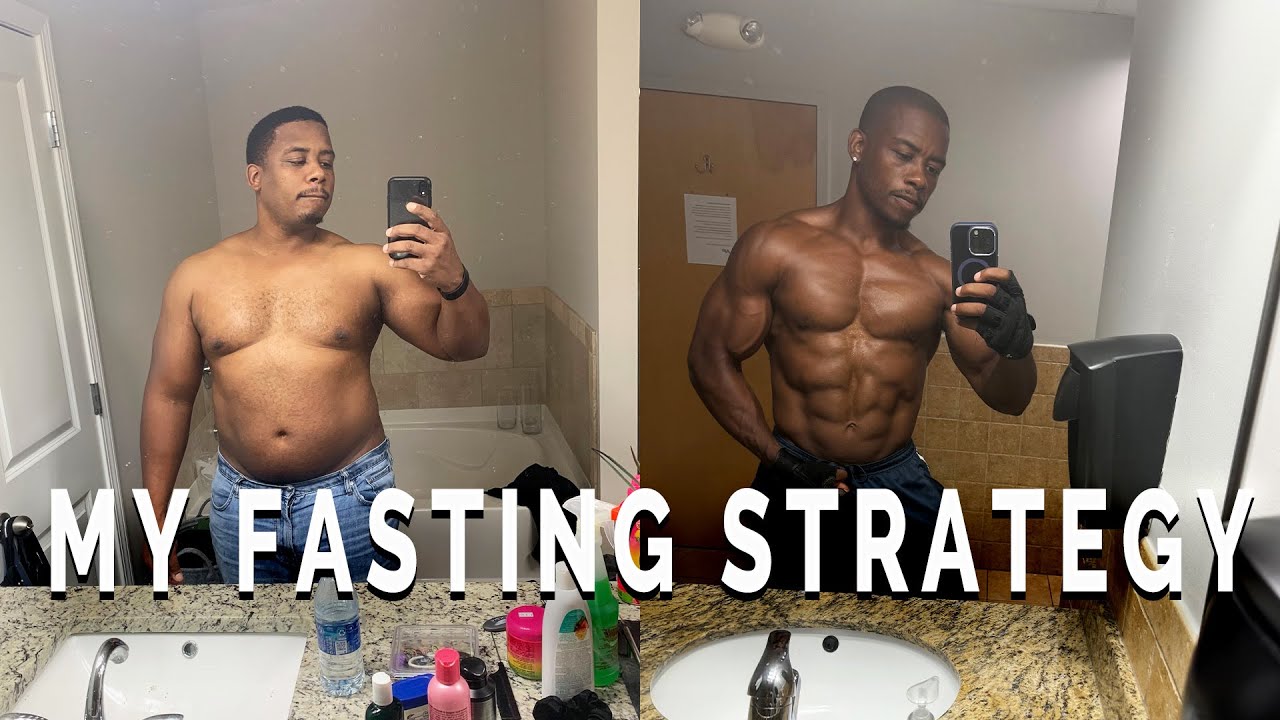
In a recent video, a YouTuber shared how he used a simpler, more flexible fasting strategy to drop nearly 80 pounds — without overhauling his entire lifestyle.
His story shows how fasting, when customized to fit your schedule and goals, can be a powerful tool. But it isn’t magic — and it isn’t a one-size-fits-all solution either.
Here’s how he made it work, the benefits he noticed, and how you can apply the same principles to your own weight loss journey.
Jump to:
Using Fasting as a Calorie Control Tool
The creator behind the video went from 265 pounds down to 187 pounds — and one of the biggest shifts he made was changing how he used fasting.
“For me, fasting wasn’t about some strict window or protocol,” he explained. “It was just a convenient way to lower my calorie intake, especially on days when I wanted to enjoy a bigger meal.”
Instead of following daily intermittent fasting schedules or skipping food for 16+ hours, he started with a simple adjustment: skipping lunch once a week.
Simple Start: One Fasting Day Per Week
Early in his weight loss journey, this YouTuber didn’t fast every day. His strategy was to fast on Fridays — the day he typically ate a cheat meal for dinner.
He kept breakfast and dinner, but skipped lunch.
Why lunch? “That was the easiest meal to give up,” he shared. “Breakfast was important because I trained in the morning and needed nutrients after my workouts. And dinner — that’s when I wanted to enjoy a bigger, cheat-style meal.”
This small adjustment helped him control calories without feeling like he was sacrificing enjoyment or post-workout refueling.
Results That Followed
With consistent calorie tracking, workouts, and his once-a-week fasting routine, he dropped from 265 to about 220 pounds over the span of 8 months.
“The game changer for me was managing calories,” he said. “Even though I was lifting and doing cardio, the scale was going up until I got that under control.”
Fasting made it easier to stick to his calorie goals — without forcing himself to constantly count every bite.
Ramping Up Fasting as Weight Loss Progressed
After hitting 220 pounds, he took a temporary break from meticulous calorie counting. But by early 2022, he was ready to push through a weight loss plateau.
This time, he adopted a daily fasting strategy — using the same concept from before but applying it every single day.
He still ate breakfast and dinner but skipped lunch consistently.
Flexible Fasting Over Rigid Rules
One of the most valuable points he made in the video was the importance of customizing your fasting schedule — not blindly following internet trends.
“Some people swear by intermittent fasting,” he said. “But I don’t think you have to stick with just one method. I created a flexible fasting approach that worked with my lifestyle.”
Flexibility allowed him to fast only when it made sense — and ramp it up when his weight stalled. This strategy helped him stay consistent and prevented the burnout that many people feel with rigid diet rules.
Pros of His Fasting Strategy
Compared to traditional fasting windows, this flexible approach offered several key benefits:
- Reduced calorie intake: Skipping a meal reduced total daily calories without compulsive tracking.
- Dietary freedom: Keeping breakfast and dinner allowed him to get nutrients when he needed them most.
- Better adherence: The simplicity made it easier to stay on track, especially during busy weeks.
- Great for cheat meals: Fasting before higher-calorie meals helped balance overall intake.
Common Mistakes to Avoid
Despite its benefits, he also laid out a potential downside: fasting too often early in your weight loss journey.
“If you start fasting daily from the jump, you might lose weight fast at first,” he noted. “But when you eventually hit a plateau, you won’t have any room left to reduce calories unless you resort to not eating at all — which isn’t realistic or healthy.”
Instead, he suggests starting slow. Use fasting occasionally at first, then increase frequency as you get closer to your goal weight and need that extra edge to push through plateaus.
Key Takeaways: How to Try This Fasting Method Yourself
If you’re looking to try fasting for weight loss but don’t want to follow strict rules, this flexible strategy might be a great fit.
Here’s a step-by-step breakdown you can try:
- Start small: Pick one day a week to skip a meal — lunch is a good choice for many people.
- Fit it to your schedule: Make sure you can still fuel your training, social life, and energy needs.
- Track progress: Monitor your weight, energy, and hunger to see if it’s working.
- Increase frequency gradually: Only consider daily fasting if you hit a plateau or get closer to your goal weight.
- Customize as needed: Fasting isn’t one-size-fits-all. Change it week to week if necessary.
Final Thoughts
Fasting can be a helpful tool — but only if it fits your unique goals and lifestyle.
Whether you’re skipping one meal a week or following an advanced protocol, the key is calorie control, consistency, and sustainability.
As the video creator summed up, “Ultimately what I’m doing is figuring out what works best for me, and then creating a fasting protocol based on that.”
You can do the same. Focus on what’s practical, flexible, and effective — and you just might find that fasting becomes one of the most valuable tools in your weight loss toolbox.