Walk into a supplement store unprepared, and you can walk out with a bag full of hype.
In a recent YouTube video, a popular fitness creator filmed a full shopping trip to show exactly what lands in his cart.
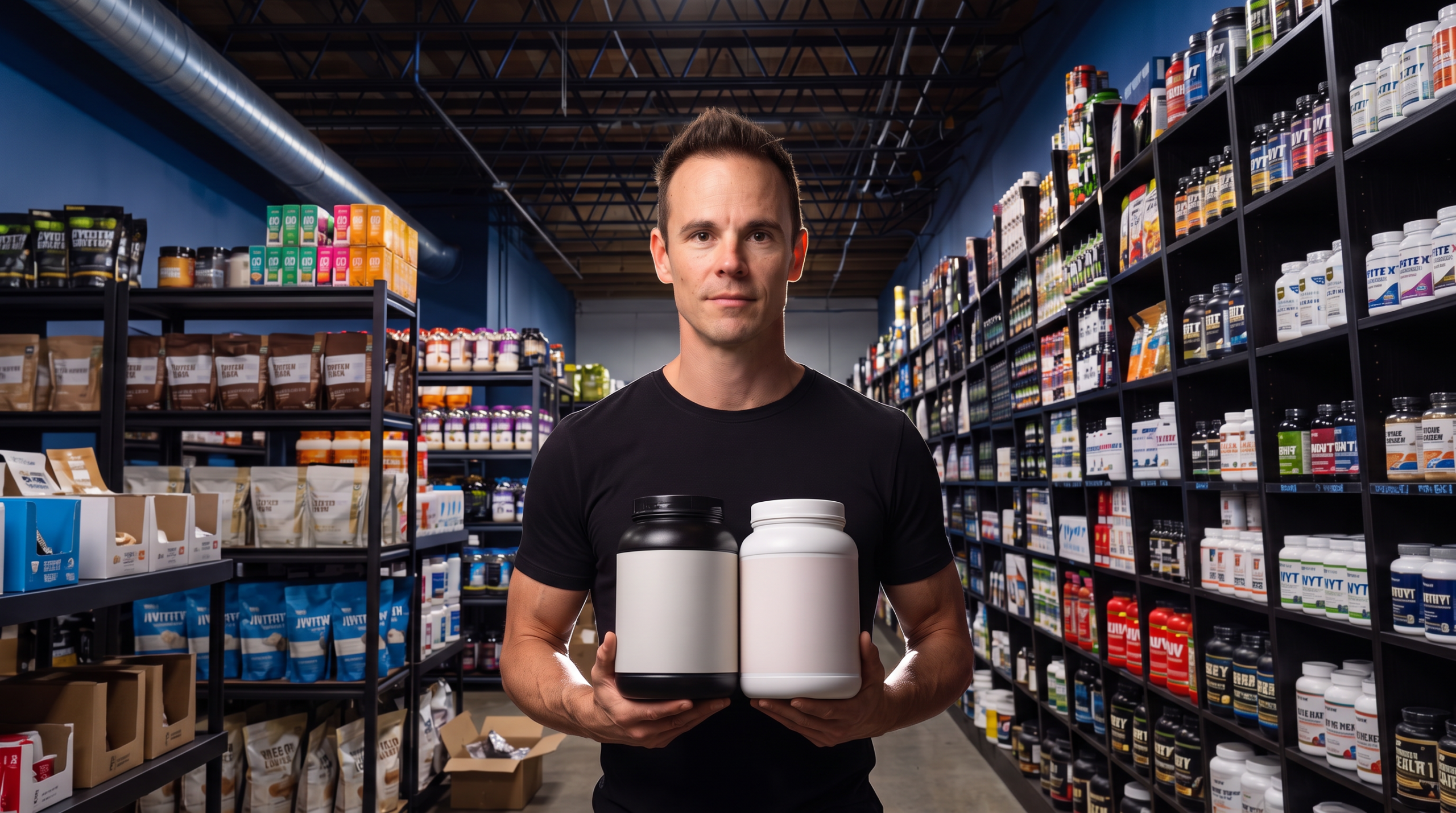
His number one rule? Show up with a list.
Which essentials made the cut, and which sneaky snacks does he say to run from?
Keep reading, because one protein trap catches even savvy shoppers.
Jump to:
Rule One: Shop With a List and a Budget
My number one tip for today is to show up to a supplement store with a list of essentials that you need to buy.
Online shopping follows identical logic. Wandering aisles without a plan is how impulse buys multiply.
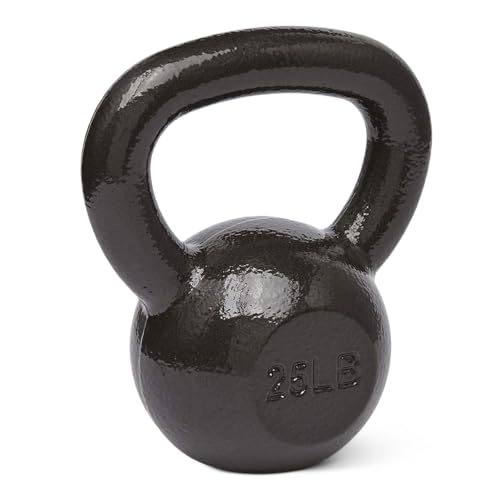
If you want something simple that actually works, this is one of the most effective tools I’ve used to build strength, conditioning, and endurance without needing a full gym setup.
- Full-body training with one weight using swings, squats, and presses
- Solid cast iron build that feels stable and lasts for years
- Comfortable grip that makes high-rep workouts easier to handle
One disclosure: the creator noted his channel is sponsored by nothing in the store except Element.
One thing you want to do is make sure that you have a spending limit before you get into a supplement store like this, because things can really quickly get out of hand.
Set a ceiling first. Rent still matters more than another tub of powder.
Protein: The King of the Cart
Item number one on his list is whey. His reasoning is simple: protein is “the king and core.”
Pick something that has lots of protein, a low amount of carbs, small amount of fats.
Concentrate vs. Isolate vs. Hydrolysate
Shoppers often agonize over this choice. His verdict: none is objectively better.
- Concentrate: cheaper, with a few more carbs and fats
- Isolate: right down the middle
- Hydrolysate: super pure, priced for the wealthy
Get whatever kind of protein fits your budget and fits your tummy digestion situation.
Most people do fine with concentrate. Sensitive stomachs may prefer hydrolysate, which he says is “worth it.”
Beyond Whey
Meal-replacement options abound, including casein, vegan blends, and a personal favorite: egg protein.
If you want something simple that actually works, this is one of the most effective tools I’ve used to build strength, conditioning, and endurance without needing a full gym setup.
- Full-body training with one weight using swings, squats, and presses
- Solid cast iron build that feels stable and lasts for years
- Comfortable grip that makes high-rep workouts easier to handle
His own pick that day was Transparent Labs whey, citing taste and an “obscene” protein-to-calorie ratio. Rotating new flavors and brands now and then keeps things fun.
Creatine: Boring, Basic, Effective
You want creatine monohydrate for sure, 5 to 10 g per serving.
Monohydrate is the most widely studied form, so fancy blends rarely justify a higher price. Gummies, liquids, and pills exist too.
Travelers may love pills, since airport security can be puzzled by unmarked powders. His own cart held plain, unflavored monohydrate.
General Health Picks: Multi, D+K, and Fish Oil
- Multivitamin: he chose a NutraBio product because the company publishes its multivitamin data online
- Vitamin D with vitamin K: one combined product covers both
- Fish oil (EPA and DHA omega-3): from Transparent Labs
They have tons of little tiny benefits that add up over long term.
His routine involves a few grams of fish oil in the morning and a few at night. Research on these general-health staples is more mixed than that enthusiasm suggests.
Benefits tend to be modest, especially for people already eating a varied diet. Anyone on blood thinners or other medications should check with a doctor before loading up on omega-3s.
Pre-Workout: Strictly Optional
Before reaching for a neon tub, he suggests trying tea, diet soda, or strong coffee. Those often handle an energy dip just fine.
If you want something simple that actually works, this is one of the most effective tools I’ve used to build strength, conditioning, and endurance without needing a full gym setup.
- Full-body training with one weight using swings, squats, and presses
- Solid cast iron build that feels stable and lasts for years
- Comfortable grip that makes high-rep workouts easier to handle
Early-morning lifters needing extra fuel might still want something stronger.
Start with a quarter scoop or half a scoop. Do not go to the full scoop.
Even when the label calls two scoops a serving, he still recommends starting with a quarter. High-stim formulas pack serious caffeine, so test tolerance slowly.
RTD Shakes and Electrolytes
Mixing powder isn’t always possible. Ready-to-drink shakes solve that, and he singled out RAW for offering “tons of really great options.”
His habit: grab a flavor never tried before.
Hydration closed out his essentials, after a cameraman’s ab cramp inspired a stop at Element. He wanted fluids and electrolytes without sugar, and landed on Element’s electrolyte drink mix. Remember, that’s his sponsor.
Protein Snacks: Two Rules to Dodge the Scams
Bars, jerky, cookies, pancakes, brownies, ramen, even protein candy now fill store shelves. Fun is allowed, but only after snacks clear a utility bar.
If you want something simple that actually works, this is one of the most effective tools I’ve used to build strength, conditioning, and endurance without needing a full gym setup.
- Full-body training with one weight using swings, squats, and presses
- Solid cast iron build that feels stable and lasts for years
- Comfortable grip that makes high-rep workouts easier to handle
Rule 1: Protein Must Outrank Everything
Some labels shout “protein” while delivering 6 g of it beside 13 g of carbs and 8 g of fat. His standard: more grams of protein than carbs or fat in most cases.
Anything north of 15 to 25 g is usually an awesome bet.
Rule 2: Protein Quality Counts
Here’s the trap. Snacks that look like they shouldn’t be made of protein often rely on gluten.
You think you’re eating 25 g of protein, but you’re eating like five of low-quality protein. Do not get scammed.
His “like a fifth” figure is a rough estimate, since actual usable protein varies by product and by person. Direction still holds: wheat gluten and collagen rank well below dairy, egg, and soy on protein quality, so label grams overstate what muscles can use.
Stick to high-quality proteins only, like wheys, caseins, eggs, milks, and soys.
His blunt advice for products built only on gluten or collagen? Run.
Your Quick Cart Checklist
- Whey or other quality protein that suits budget and digestion
- Creatine monohydrate, unflavored is fine
- Multivitamin from a transparent brand
- Vitamin D with K
- Fish oil (check with a doctor if on medication)
- Pre-workout (optional, quarter scoop first)
- RTD shakes for busy days
- Electrolyte mix without sugar
The video was filmed at MI Nutrition in Royal Oak, in the Metro Detroit area. His final tip: check out his protein value video for the best bang per buck.
If you want something simple that actually works, this is one of the most effective tools I’ve used to build strength, conditioning, and endurance without needing a full gym setup.
- Full-body training with one weight using swings, squats, and presses
- Solid cast iron build that feels stable and lasts for years
- Comfortable grip that makes high-rep workouts easier to handle