Getting shredded by Christmas isn’t about extreme diets or punishing cardio sessions.
It’s about addressing three critical variables that work together to transform your physique.
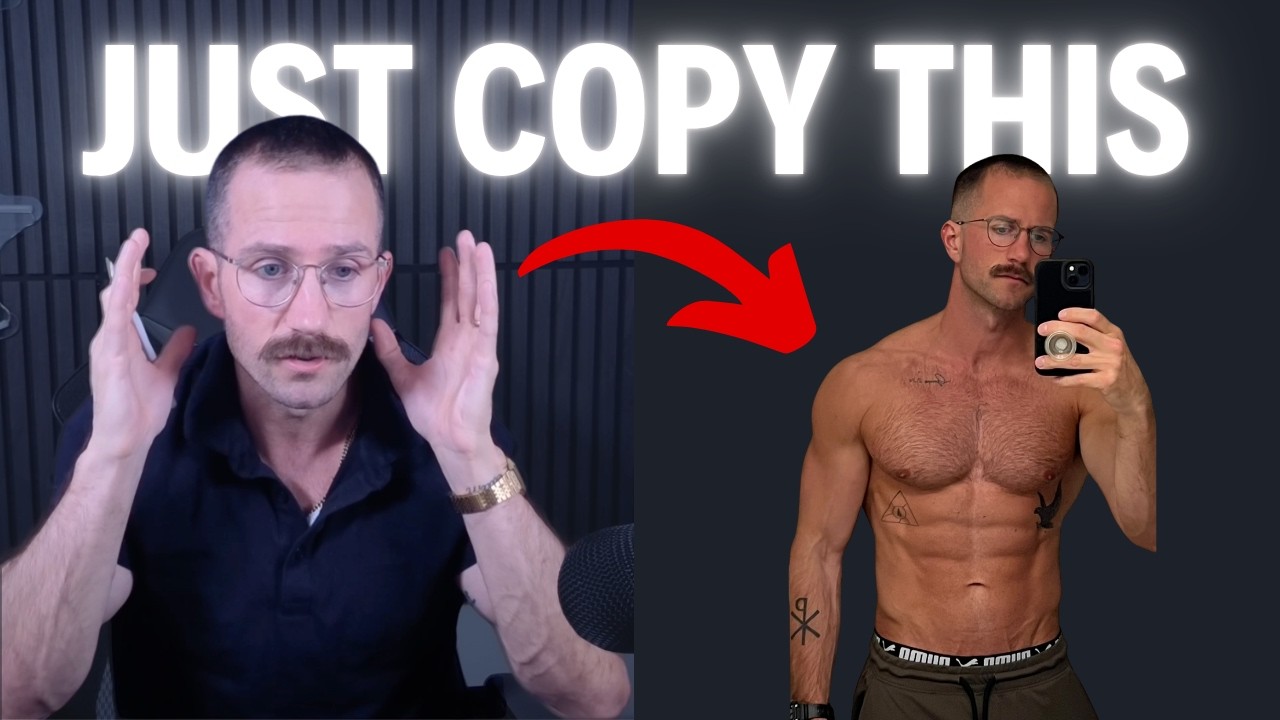
Fitness coach and content creator recently shared his complete 16-week protocol—the same system he used to achieve dramatic results in just 12 weeks.
With Christmas still 16 weeks away, there’s more than enough time to achieve significant body transformation using his strategic approach.
Jump to:
The Three-Variable Framework That Drives Fat Loss
Most people tackle fat loss by focusing on just one element—either slashing calories drastically, doing excessive cardio, or hitting weights hard while eating “healthy.”
None of these isolated approaches work optimally. The real magic happens when three variables work symbiotically: energy output, energy intake, and muscle preservation.

If you want something simple that actually works, this is one of the most effective tools I’ve used to build strength, conditioning, and endurance without needing a full gym setup.
- Full-body training with one weight using swings, squats, and presses
- Solid cast iron build that feels stable and lasts for years
- Comfortable grip that makes high-rep workouts easier to handle
The best way to get lean is to address all three symbiotically so that they work together.
This integrated approach allows sustainable progress without the burnout that comes from extreme protocols.
Energy Output: Why Steps Trump Cardio
Forget spending hours sweating on cardio machines. Daily step targets create sustainable calorie deficits without the stress and fatigue that traditional cardio imposes.
The Sweet Spot: 12,000 Steps Daily
Setting a daily step target of 10,000-12,000 steps provides consistent energy expenditure. The key? You don’t need perfection every single day—weekly totals matter most.
For 12,000 steps daily, aim for 84,000 steps per week. Some days you’ll hit 15,000, others maybe 9,000. Consistency over time drives results.
- Low stress on the body: Unlike intense cardio, walking doesn’t deplete recovery resources
- Habit stacking potential: Accumulate steps during phone calls, errands, or while responding to emails
- Preserves training capacity: More energy available for muscle-building workouts
What I love about steps as well is not only can you do them anywhere and they’re super convenient, you don’t have to go to the gym and sweat like crazy and get all amped up to get your cardio in, you can just rely on the steps.
When to Add Structured Cardio
Steps should form your foundation. Traditional cardio gets deployed strategically only when needed.
One client down 50 pounds relied primarily on steps until 12 weeks out from a bodybuilding competition. Only then did the coach add two 20-minute Stairmaster sessions weekly—just 40 minutes of structured cardio on top of consistent daily steps.
If you want something simple that actually works, this is one of the most effective tools I’ve used to build strength, conditioning, and endurance without needing a full gym setup.
- Full-body training with one weight using swings, squats, and presses
- Solid cast iron build that feels stable and lasts for years
- Comfortable grip that makes high-rep workouts easier to handle
For activities like cycling, rowing, or swimming that don’t register on step counters, use this conversion: 10 minutes of moderate activity equals roughly 1,000 steps.
Energy Intake: Building Your Nutrition Foundation
Steps support the deficit, but nutrition creates it. This distinction matters enormously for sustainable fat loss.
Step One: Calculate Calories and Macros
Start with bodyweight times 12 for total daily calories. Heavier individuals might use bodyweight times 11 instead.
Protein: 1 gram per pound of bodyweight
Fat: 25% of total calories (divide that number by 9 to get grams)
Carbs: Remaining calories divided by 4
If you want something simple that actually works, this is one of the most effective tools I’ve used to build strength, conditioning, and endurance without needing a full gym setup.
- Full-body training with one weight using swings, squats, and presses
- Solid cast iron build that feels stable and lasts for years
- Comfortable grip that makes high-rep workouts easier to handle
Example: At 180 pounds targeting 2,160 calories (180 x 12), you’d eat 180g protein, 60g fat (540 calories ÷ 9), and roughly 285g carbs.
Step Two: Create Go-To Meals (GTMs)
Meal planning shouldn’t feel restrictive. Identify 3-4 go-to meals that meet your macros, taste good, digest well, and prep easily.
Build your daily eating around these GTMs 80-90% of the time. The remaining 10-15% allows flexibility for ingredient swaps while staying within your calorie and macro budget.
This approach eliminates decision fatigue while maintaining variety.
Step Three: Plan Two Free Meals Weekly
Rigid meal plans fail because life happens. The Macro Solution Protocol combines structured macro tracking with intuitive eating principles.
Free meals aren’t cheat meals. They’re strategic, mindful eating opportunities deployed with intention.
If you want something simple that actually works, this is one of the most effective tools I’ve used to build strength, conditioning, and endurance without needing a full gym setup.
- Full-body training with one weight using swings, squats, and presses
- Solid cast iron build that feels stable and lasts for years
- Comfortable grip that makes high-rep workouts easier to handle
- Choose foods you genuinely enjoy
- Select options that digest well
- Stop at 80% fullness
- Plan these meals intentionally—date nights, social events, business dinners
Two per week is the sweet spot based on the data that I’ve used with clients over the last 10 years of developing and building out this system.
Need more than two free meals weekly? Reduce daily calories by 100 for each additional free meal planned. Four free meals means dropping 400 calories from your daily target on tracked days.
This system allows progress regardless of whether you’re following structured macros or eating more intuitively based on travel, obligations, or lifestyle demands.
Muscle Preservation: Training for Strength During Fat Loss
Building muscle in a calorie deficit proves challenging. Preserving existing muscle becomes the primary goal, with any new growth considered bonus results.
Find Your Training Volume
Already training consistently? Keep doing what works. Don’t fix what isn’t broken.
New to lifting? Start with 3-4 sessions weekly and build progressively over several weeks as recovery capacity improves.
Optimal Training Splits for Fat Loss
Four sessions weekly hits the sweet spot for most people balancing results with time constraints.
If you want something simple that actually works, this is one of the most effective tools I’ve used to build strength, conditioning, and endurance without needing a full gym setup.
- Full-body training with one weight using swings, squats, and presses
- Solid cast iron build that feels stable and lasts for years
- Comfortable grip that makes high-rep workouts easier to handle
Option 1: Push/Pull/Legs/Upper (PPLU)
- Push: Chest, shoulders, triceps
- Pull: Back, lats, traps, rear delts, biceps
- Legs: Quads, hamstrings, glutes, calves
- Upper: Combined push and pull movements, arms
Option 2: Upper/Lower/Upper/Lower
More balanced approach, particularly effective for those prioritizing leg development.
Option 3: Bodybuilding Split
Traditional “bro split” separating muscle groups—chest/back, arms, quad-focused legs, hamstring/glute-focused legs.
Add core work twice weekly on non-consecutive days.
If you want something simple that actually works, this is one of the most effective tools I’ve used to build strength, conditioning, and endurance without needing a full gym setup.
- Full-body training with one weight using swings, squats, and presses
- Solid cast iron build that feels stable and lasts for years
- Comfortable grip that makes high-rep workouts easier to handle
Rep Ranges That Build and Preserve
Vary rep ranges throughout each session:
- First 1-2 exercises: 5-8 reps (strength focus)
- Middle 1-2 exercises: 10-12 reps (hypertrophy sweet spot)
- Final exercises: 12-20 reps (metabolic stress, muscular endurance)
Don’t fear high rep work. Twenty-rep sets taken to failure provide legitimate training stimulus across all exercises.
Timeline and Expectations: What Results Look Like
Progress depends heavily on starting body composition.
Very high body fat: Expect 2-4 pounds weekly. This aggressive rate proves sustainable when properly structured.
Skinny-fat or moderate body fat: Target 1-1.5 pounds weekly for steady, consistent progress.
Daily scale fluctuations are normal and expected. Compare weekly averages instead of obsessing over daily numbers.
If you want something simple that actually works, this is one of the most effective tools I’ve used to build strength, conditioning, and endurance without needing a full gym setup.
- Full-body training with one weight using swings, squats, and presses
- Solid cast iron build that feels stable and lasts for years
- Comfortable grip that makes high-rep workouts easier to handle
Calculate your 7-day average and compare it to the previous week. No new low after 7-10 days suggests a potential plateau—but cross-reference with progress photos, how clothes fit, and body measurements before making changes.
Avoid the Tinkering Trap
Most people change variables too quickly. Expect to make only 1-2 adjustments maximum over 16 weeks.
If things are working, do not change anything.
Boredom drives unnecessary modifications. Resist the urge to tweak simply because the plan feels routine.
Give each phase minimum 7 days, ideally 10+, before determining whether genuine plateaus require intervention.
The Time to Start Is Now
Sixteen weeks pass whether you take action or not. Christmas arrives regardless.
Having information without implementation wastes the most valuable non-renewable resource—time.
If you want something simple that actually works, this is one of the most effective tools I’ve used to build strength, conditioning, and endurance without needing a full gym setup.
- Full-body training with one weight using swings, squats, and presses
- Solid cast iron build that feels stable and lasts for years
- Comfortable grip that makes high-rep workouts easier to handle
Start within 24 hours. Create your game plan. Calculate your numbers. Set your step target. Build your GTMs.
Perfect adherence isn’t required. Consistent execution of an imperfect plan beats perfect planning without action every single time.
Imagine entering 2027 feeling confident, energized, and ahead while everyone else struggles with New Year’s resolutions and post-holiday regret.
That outcome starts with today’s decision to begin.