Staying hydrated is essential for health, performance, and energy — but it turns out when you hydrate can matter just as much as how much you drink.
According to elite sports nutritionist Matt Jones, who advised the 2024 NBA champion Boston Celtics, cutting off water intake in the late afternoon is one of the game-changing habits used by top athletes to protect performance and improve sleep. In a recent interview, Jones shared the hydration strategies he uses with pros — and how anyone can adapt them for more energy, sharper focus, and better recovery.
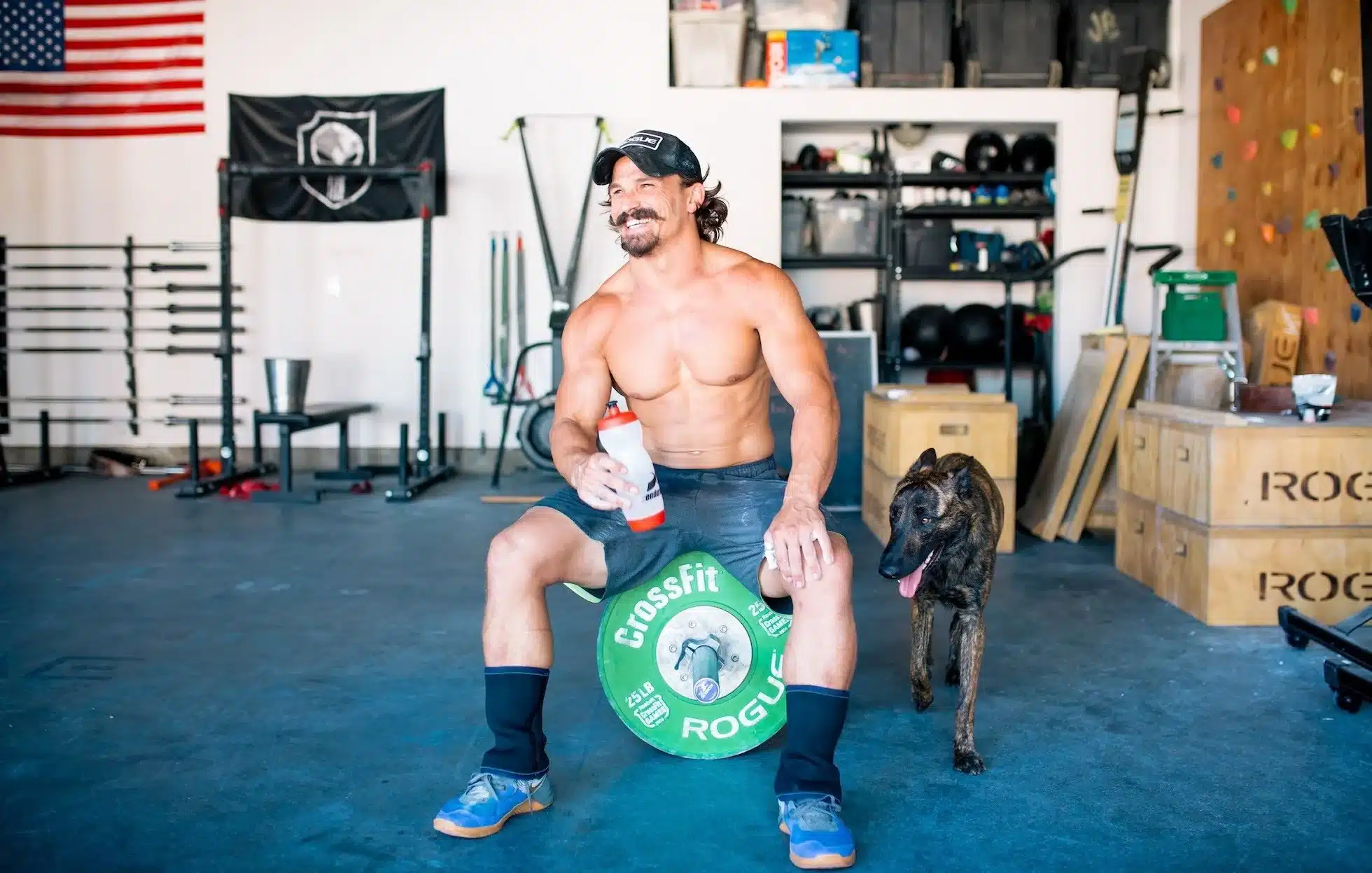
Here’s why the best athletes in the world stop drinking water after 4 p.m., and how timing, electrolytes, and a few simple signs can help you stay better hydrated throughout the day.
Jump to:
Drink Early, Sleep Better
One of the most surprising tips from Jones? Elite athletes aim to drink 80% of their daily fluids by 4:00 p.m.
“Hydration is vital, but if it interferes with sleep, it can quickly become counterproductive,” Jones said.
Even mild sleep disruptions — like getting up multiple times to use the bathroom — can negatively impact recovery, cognitive function, and physical performance the next day. For athletes (and anyone else), the solution is front-loading hydration.
That means:
- Drinking water steadily from the moment you wake up
- Consuming most fluids by mid-afternoon
- Limiting intake in the evening to avoid waking up during the night
How Much Water Do You Actually Need?
Forget the “eight cups a day” rule — that’s just a rough average. Jones recommends a more personalized approach:
“The gold standard is about 1 to 1.5 milliliters of water per calorie burned,” he explained.
So if you burn 2,000 calories per day, you’d need about 2 to 3 liters (or 8 to 12 cups) of water daily.
Your needs will increase if:
- You’re physically active
- You’re in a hot environment
- You have a larger body size
- You’re losing fluids through sweat or illness
Don’t Wait Until You’re Thirsty
One of the biggest mistakes recreational exercisers make is assuming thirst equals dehydration. But for athletes, thirst is a lagging indicator.
“During intense exercise, particularly in warm environments, thirst is not a good indicator of hydration status,” Jones said. “People are often chasing their tails a little bit.”
Instead, he recommends:
- Starting your day with water as soon as you wake up
- Sipping consistently throughout the morning and early afternoon
- Drinking during workouts, not just afterward
Jones also uses sweat rate calculations with pro athletes to estimate exactly how much water to replace during training.
For everyone else, a simple routine of drinking every hour or pairing water with meals and snacks can go a long way.
Use the Three-Step Dehydration Test
Not sure if you’re drinking enough? Jones uses a three-part test to spot dehydration early — and you can use it too:
- Morning thirst: Waking up parched is a red flag. Your body loses fluids overnight.
- Weight fluctuations: A 1% or more drop in body weight overnight could signal fluid loss.
- Urine color: Pale or transparent yellow is ideal. Darker yellow or amber indicates dehydration.
These signs are easy to track at home and can help you build awareness around your hydration habits.
Food and Drinks That Count Toward Hydration
You don’t need to chug plain water all day to stay hydrated. Other beverages and even foods contribute to your daily fluid intake.
“Caffeine itself can be a diuretic, but when consumed in the form of coffee or tea, the net effect is a net gain in fluid,” Jones explained.
That means:
- Coffee and tea count toward hydration, especially in moderation
- Electrolyte-rich fruits and veggies support fluid balance
- Coconut water, watermelon, and pomegranate provide natural potassium
While sodium (salt) is also important, most people get enough — or too much — from processed foods. Instead, focus on potassium-rich options to help balance fluid levels and support blood pressure.
Top potassium sources:
- Bananas
- Avocados
- Coconut water
- Watermelon
- Leafy greens
- Pomegranate
Consistency is the Real Secret
More than any one strategy, Jones emphasizes that consistency is what sets elite athletes apart.
“It’s those routines that allow them to perform to the best of their ability,” he said. “Ultimately the most important thing with any nutrition intervention is the consistency part.”
Building a hydration habit isn’t about quick fixes or fancy formulas. It’s about small daily actions — drinking in the morning, staying ahead of thirst, and adjusting timing to support sleep.
The Bottom Line
Hydration affects everything from your mood and decision-making to your physical stamina and recovery. And it’s not just about how much you drink — it’s about when.
Take a page from the pros:
- Rehydrate first thing in the morning
- Drink steadily throughout the day
- Stop around 4 p.m. to protect your sleep
Start using simple hydration cues — like morning thirst and urine color — and include hydrating foods to support electrolytes. Whether you’re chasing a championship or just trying to power through a workout, these hydration strategies can help you perform and feel your best.
Tip: If you regularly feel tired, sluggish, or foggy-headed, your hydration timing — not just your water intake — might be to blame.