Training to muscular failure has been a staple in bodybuilding culture for decades, often glamorized as the key to pushing past plateaus and achieving maximum hypertrophy.
But a growing number of strength and conditioning experts — supported by emerging science — argue that chasing failure may be doing more harm than good.
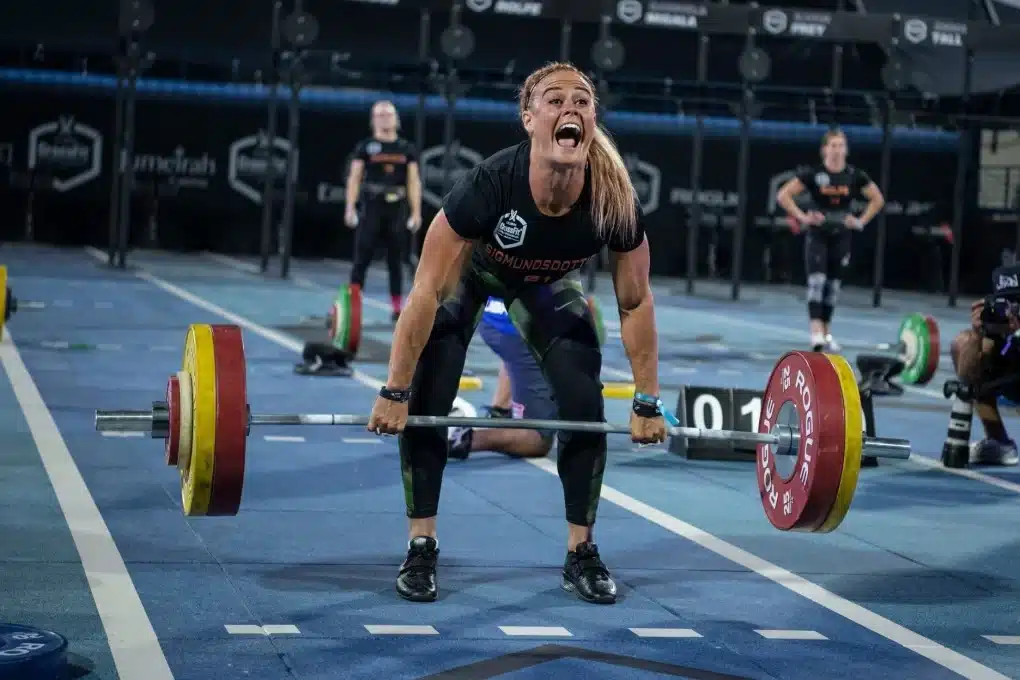
Not only can it increase your recovery demands, but it might also reduce performance, degrade technique, and shift your muscle fiber composition in a less favorable direction.
So what’s the smarter alternative? Training that emphasizes quality, frequency, and longevity — not just volume and brute effort.
Let’s unpack why you might want to stop short of failure, how this can actually lead to better strength, hypertrophy, and even flexibility gains, and how to train more effectively for long-term results.
Jump to:
Why Training to Failure Isn’t Always a Win
Recovery Trade-Offs That Aren’t Worth the Gains
Every rep closer to failure increases the physiological demand on your body — especially on your central nervous system and muscular recovery systems.
While that final grinding rep may stimulate more muscle fibers in a single workout, it also comes with a disproportionate recovery cost. This means longer rest periods between sessions and a reduced training frequency, ultimately limiting your overall progress.
“You might get more muscle gain from that particular last rep,” one strength coach said, “but your recovery is going to be increased so much that you can’t train again soon. That trade-off just isn’t worth it.”
Fiber Type Shifts: Fast Becomes Less Fast
In a Spanish study on neuromuscular adaptations, researchers found that training to failure caused a shift in muscle fiber types: high-threshold, fast-twitch type 2x fibers began converting to type 2a — a slower, more endurance-oriented variant.
That means if you’re training specifically for power or speed, consistent failure training could be counterproductive.
This reflects a broader concept in training science: if you train like an endurance athlete (high reps to fatigue), your body adapts accordingly — even if your goal is strength or explosiveness.
Compromised Form Limits Skill Development
As fatigue sets in near failure, technique often deteriorates. Poor form not only increases the risk of injury but also undermines movement pattern efficiency.
Top-level lifters don’t allow failure to break their form. Even in a maximal-effort attempt, they maintain technical integrity. This is because in high-stakes competition, you only succeed if your movement pattern is conditioned to perfection.
“Strength training is skill practice,” one coach explained. “You’re training neural pathways, creating conditional reflexes. If your last reps are done in ugly form, you’re just teaching your body to fail ugly.”
Train Smarter: Submaximal Volume Over Max Effort
Same Growth. Less Fatigue.
Famed coach and Olympic athlete A. Farabio once emphasized the difference between “6 sets of 3 versus 3 sets of 6.”
While both schemes lift the same total weight, performing more sets with fewer reps allows you to stay fresher, preserve form, and accumulate more high-quality practice volume.
In other words, you achieve similar or better gains — with less fatigue.
More Frequent Training Means Greater Long-Term Progress
Because submaximal sets require less recovery, lifters can train more frequently throughout the week.
Repeated high-quality exposure — not rare heroic efforts — creates consistent neuromuscular adaptation.
The result? You compound technical skill, strength, and muscle gains over many more sessions, rather than burning out during fewer, more brutal ones.
The Mental Parallel: Stop at the Edge, Don’t Crash Through
This principle of “training to success, not failure” applies beyond the gym.
One writer compared it to ending a writing session while you still know what the next sentence will be — seeding your subconscious for tomorrow and avoiding burnout.
Training is the same. Stop when you’re still mentally fresh and physically engaged, rather than grinding out reps with clenched teeth and sloppy mechanics.
What About Flexibility? Can Lifting Improve It?
Yes — and it’s one of strength training’s unsung benefits.
When performed with control and full range of motion, resistance training can lengthen sarcomeres (the contractile units of muscle fibers) over time. This means functional increases in muscle length and joint range — essentially building flexibility without static stretching.
However, the trick is using the right load and intent. Early on, lighter weights and slower tempos are needed to create safe adaptations. Over time, you can gradually increase the challenge while maintaining mobility.
Why Flexibility Is Also a Neural Skill
Being able to hit deep ranges isn’t just about muscle extensibility — it’s about overcoming your brain’s protective reflexes.
This is especially true in extreme ranges like the splits. Your body triggers “defensive inhibition” when it senses risk, tightening muscles to protect joints.
The quickest gains in flexibility often come from training at the very edge of discomfort — without crossing into pain — then holding there until your nervous system adapts and allows you to go further.
Train Range Like Strength
Just as you would with weights, flexibility should be trained through progressive overload — slowly increasing tension, holding time, or range.
Techniques like contract-relax, isometric stretching, and loaded mobility drills can build both strength and flexibility in new ranges.
Quality Over Maximal Effort: A Principle That Applies to Everything
Whether you’re training for strength, hypertrophy, or flexibility, the underlying theme is clear: consistent, high-quality practice always outpaces occasional maximum effort.
Failure may feel heroic in the moment, but it’s the quiet discipline of stopping short — with intent, purpose, and precision — that leads to the biggest gains over time.
If you’ve long felt attached to taking every set to failure, consider flipping the script: try building success instead of testing limits. Not only will your body thank you, but your performance may finally soar.