What if there was one physical skill that could supercharge every other movement in your workouts?
One that not only improves performance in the gym but also helps you move through daily life with ease—and even supports long-term health and longevity?
According to renowned strength coach Pavel Tsatsouline, that skill is strength.
He calls it “the mother quality” because it underpins every other fitness trait—endurance, flexibility, speed, and even resilience.
And when it comes to building that kind of foundational strength, Pavel doesn’t rely on dozens of trendy workouts. He focuses on a few proven exercises with benefits that extend well beyond the movements themselves.
Jump to:
- Why Strength Is the Foundation of Fitness
- Grip Strength: The Underrated Power Booster
- The Narrow Sumo Deadlift: Building Strength from the Ground Up
- Kettlebell Swings & Snatches: Explosive Power, Low Risk
- The Zercher Squat: Core-Bracing Strength Few Use
- Why These Exercises Work Together
- Strength for the Long Haul
Why Strength Is the Foundation of Fitness
Strength does more than help you lift heavy. It changes how your body functions at a deep neurological level.
“You don’t need big muscles to be strong,” Tsatsouline says. “Strength is a skill—and it’s one you can train.”
Developing strength improves nerve efficiency, muscle coordination, and physical control. That translates into better performance on the field, more stamina, better balance, and improved injury resilience in everyday life.
It’s no surprise that studies have linked greater muscular strength—especially grip strength—with lower all-cause mortality and better functional capacity in older adults.
Grip Strength: The Underrated Power Booster
Want to instantly get stronger?
Squeeze harder.
Sounds overly simple, but it’s backed by neuroscience. When you grip something hard—like a barbell, rope, or kettlebell—your nervous system recruits more tension across your entire body. This phenomenon, known as “irradiation,” boosts force output in other muscles, enhancing performance.
Tsatsouline emphasizes that grip strength is not just about forearm size. It’s connected to how the brain activates the body.
“Your hands and forearms have a massive representation in the motor cortex,” he explains. “So when you train grip, you’re tapping into one of your brain’s most powerful control centers.”
Practical benefits go beyond the gym. Research published in the Journal of Gerontology shows grip strength is a reliable predictor of future health and independence.
How to Train Grip Strength
- Direct Methods: Use Captains of Crush grippers, thick bars, or farmer’s carries.
- Indirect Methods: Try rope climbs, pull-ups on towels or ropes, or kettlebell snatches.
Tsatsouline recommends training grip 2–3 days per week. A simple plan might include pull-ups twice weekly and rope climbs once a week.
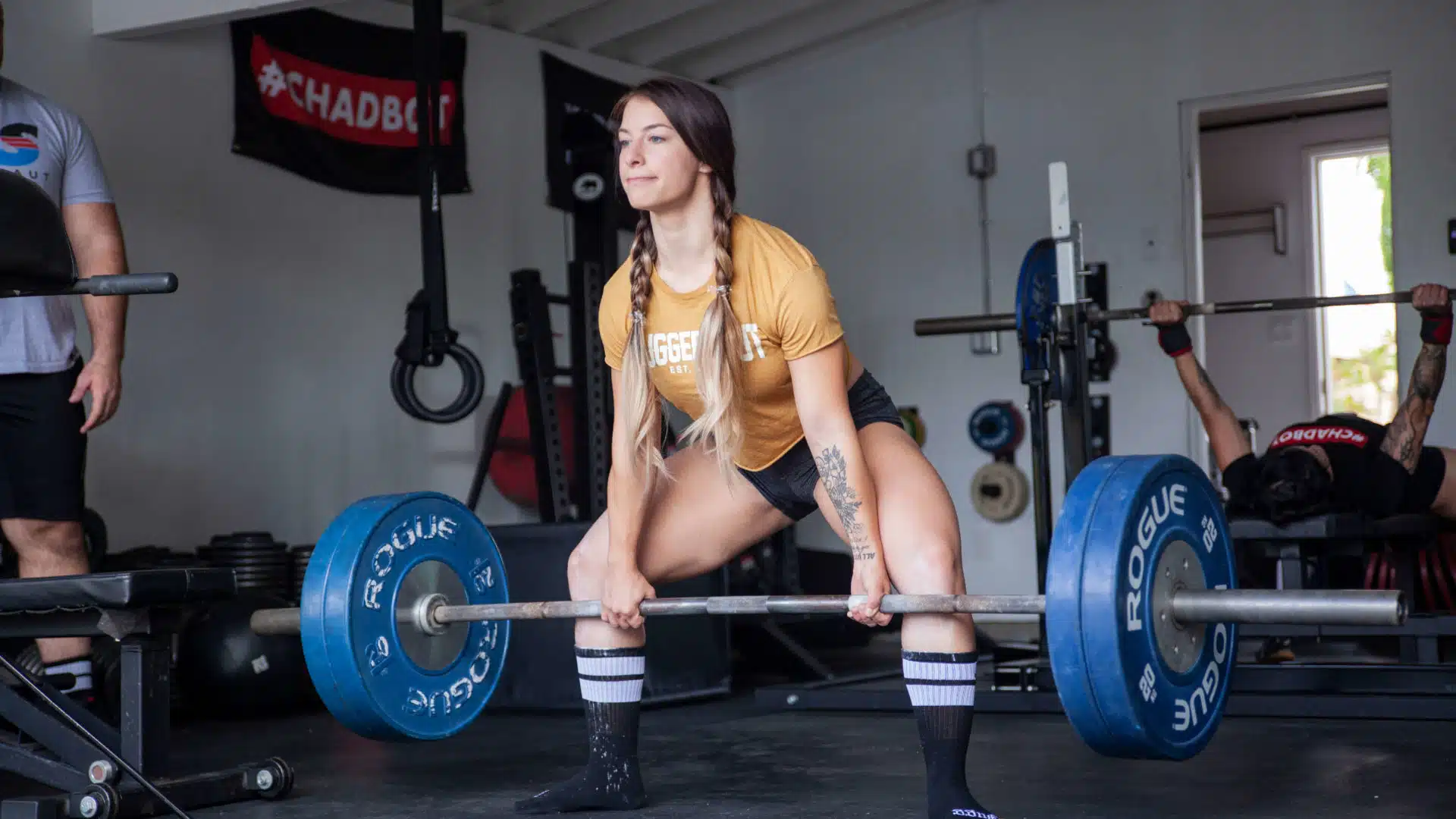
The Narrow Sumo Deadlift: Building Strength from the Ground Up
This variation isn’t about conventional or ultra-wide deadlift stances. It’s about a “just right” width—wide enough for your arms to hang straight down inside your knees, but not exaggerated.
“You need to find the stance that fits your hips,” Tsatsouline says, referencing insights from spine expert Dr. Stuart McGill.
Why it matters: This deadlift style emphasizes the glutes, hamstrings, and lower back—the muscles that stabilize your spine and allow you to lift heavy safely.
Form Tips
- Push hips back, keep the bar close to your shins
- Keep your back flat, chest up
- Engage your lats and brace your core
- Grip the bar hard—remember, strong hands = strong lift
Mastering this lift helps build true functional strength. Whether you’re lifting gym weights or carrying groceries, the mechanics are the same—and your body will thank you long-term.
Kettlebell Swings & Snatches: Explosive Power, Low Risk
If conventional power training (like Olympic lifting) feels intimidating or unsafe for your joints, kettlebells are a game changer.
Swings and snatches focus on powerful hip extension—a central movement pattern in athletics and daily life.
Why They’re So Effective
- They train explosiveness without complex form demands
- They condition your cardiovascular system as you generate force
- They use overspeed eccentrics—actively pulling the bell down—to toughen hamstrings and glutes
“These moves teach you to be fast and strong, but also controlled,” Tsatsouline explains. “They build what we call the ‘What the Hell Effect’—unexpected benefits like fat loss, better posture, and improved overall fitness.”
Quick Kettlebell Technique Tips
- Swings are a hip hinge, not a squat—push your hips back fast, then snap them forward
- Snatches come later—master swings first
- Breathe with power—sharp exhales sync strength with tension
The Zercher Squat: Core-Bracing Strength Few Use
It might look odd—holding the bar in the crooks of your elbows—but the Zercher squat is a secret weapon for core strength.
This front-loaded squat forces your abs, spinal erectors, and obliques to work overtime to keep you upright. That demand builds midsection stability unlike almost any other lift.
“It lights up your core like nothing else,” says Tsatsouline. “And it’s easier on your shoulders and wrists than a standard front squat.”
Form & Programming
- Use a squat rack to lift into position
- Brace your core—inhale into your belly and tighten your trunk
- Squat deep—but don’t allow the back to round
- Train progressively—Tsatsouline recommends aiming for double your bodyweight for elite strength
This is not just a leg or arm exercise—it’s full-body strength reinforced through your midline.
Why These Exercises Work Together
Each of these movements improves more than just the area you think you’re training:
- Grip training amplifies your whole-body tension, neurologically priming extra strength everywhere.
- The narrow sumo deadlift teaches hinge mechanics and bulletproofs your back and hips.
- Kettlebell swings and snatches build hip power, cardio endurance, and hamstring resilience.
- The Zercher squat creates unmatched core tension and squat stability.
Each movement emphasizes different qualities—but they share one goal: help you build useful, adaptable, long-lasting strength.
Strength for the Long Haul
Building strength isn’t just for athletes or bodybuilders. It’s for everyone.
As Pavel puts it, “Strength has a greater purpose.”
It helps you recover faster, protect your joints, and live with fewer limitations. When your muscles and nervous system are well-trained, every physical task gets easier—whether it’s climbing stairs, carrying your kids, or responding to the unexpected.
And the best part?
Focusing your time on just a handful of powerful, proven exercises can lead to the biggest returns.
So… which one will you try first?