Juggling the intense demands of a Michelin-starred kitchen with a disciplined fitness routine may sound impossible.
But for renowned chef Tom Aikens, it’s just another recipe he’s perfected over time. At 55, the youngest British chef ever to earn two Michelin stars is leaner, stronger, and more mentally grounded than ever — despite routinely working 100-hour weeks.
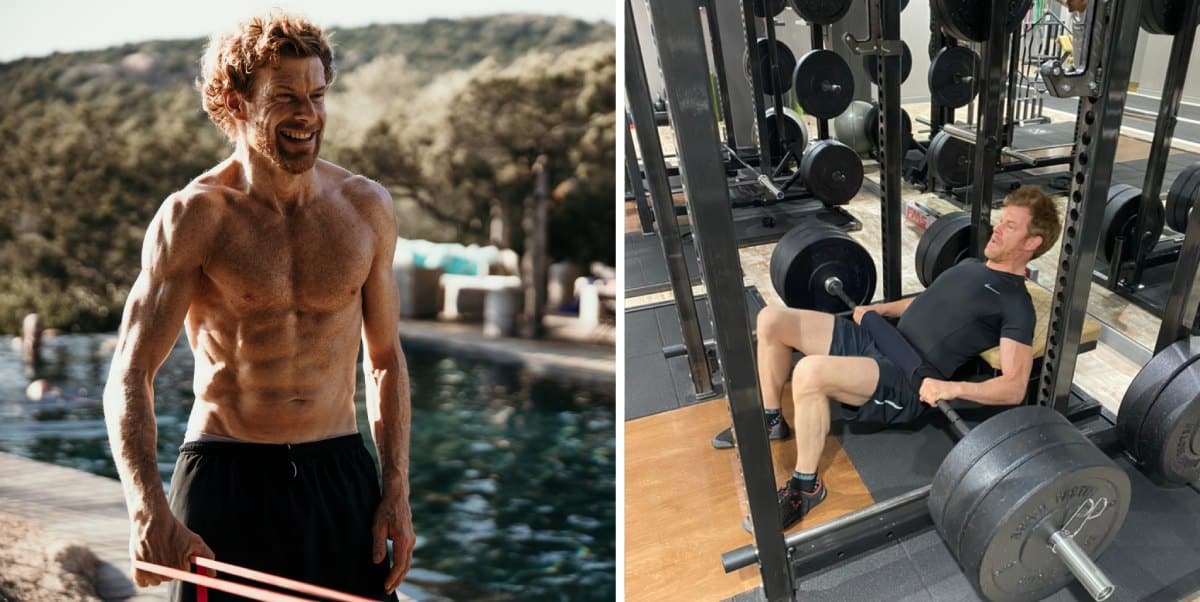
His secret? A relentless focus on balance, consistency, and self-discipline.
Here’s how one of the UK’s top chefs stays in top shape — and why his story might just inspire anyone who thinks they’re too busy to train.
Jump to:
Training Like His Life Depends on It
Aikens doesn’t leave his training to chance. His weekly fitness schedule is locked in like a dinner reservation at Muse, his Mayfair-based restaurant.
He hits the gym five days a week, splitting sessions across strength training, mobility, and cardio. Each morning starts at 6 a.m. with a full hour of stretching — a ritual he treats as non-negotiable.
His weekly routine includes:
- 2 days of strength training (legs, chest, arms, back)
- 2 days of mobility and posture work
- 1 day of cardio (30 minutes on a static bike at level 10, 90–95 RPM)
- Daily stretching (60 minutes every morning)
Why so much emphasis on mobility?
“I was constantly slouching over a work bench, chopping for 30 years,” Aikens says. That repetitive motion eroded the cartilage in his shoulder. Doctors recommended surgery, but with only a 50% success rate, he opted for corrective exercises instead — a decision that changed everything.
“I didn’t believe it would work, but it bloody did,” he recalls. Since then, stretching and posture exercises have become his daily therapy.
From Blue Cheese and Beer to Endurance Feats
His dedication wasn’t always this focused. In his earlier years, Aikens admits to indulging in post-service rituals that would horrify any dietitian: beer and blue cheese, multiple nights a week. It eventually caught up with him.
“I got a bit of a belly,” he admits. That’s when he decided to change course.
It didn’t stop at a few gym sessions. Aikens quickly escalated from basic workouts to extreme endurance races, including the grueling Marathon des Sables — a six-day, 250km ultramarathon across the Sahara Desert.
He trained by squeezing in half-marathons every Friday between lunch and dinner service — often the only time he could run long distances.
The experience? Brutal.
By day three, his toenails were septic. Each night, the race doctor had to drain them. On the final day, with his foot bandaged and swollen, he jammed it into his shoe, pushed through the agony, and kept going.
“You just have to put it on and keep going until it numbs,” he says. “It’s only painful once you stop.”
Intermittent Fasting: The Chef Who Skips Breakfast
Surprisingly, Aikens doesn’t eat the gourmet meals he prepares.
“We have staff meals — that’s what I eat,” he explains. And when it comes to fine dining? He’s immune to temptation.
He also follows intermittent fasting, skipping breakfast entirely.
“You don’t need breakfast. It’s just an excuse to have something sweet,” he says. Since adopting fasting, Aikens reports better sleep and more energy throughout the day.
Despite training consistently, he hasn’t gained a kilo in years.
“I’ve stayed at 70kg since I started working out,” he says. “Even if I wanted to bulk up, I couldn’t. I’d have to eat protein all day, and I just can’t be bothered with the extra work.”
Finding Balance in a Demanding World
Running a Michelin-starred restaurant is notoriously grueling. Aikens breaks his time into strict fractions: part for the restaurant, part for himself, part for family.
“It’s not the best balance,” he admits. “But it’s the best I can have.”
For him, fitness isn’t about aesthetics. It’s about surviving — and thriving — in one of the most physically demanding jobs out there.
“I’ve seen chefs who don’t train, and by the time they hit a certain age, they’re absolutely buggered,” he says. “Fitness has definitely helped me.”
Managing Anxiety, Anger, and the Mental Load
Beyond the physical gains, Aikens says fitness has had a transformative effect on his mental health.
In his 20s, he was consumed by work. Anxiety plagued him to the point of night sweats and 3 a.m. wakeups.
“I definitely had mental issues coping with the stress,” he reflects. “All that pent-up frustration and stress — it came out as anger.”
He wasn’t alone. Shows like The Bear and Boiling Point have shone a spotlight on the emotional pressure faced by chefs. But Aikens is quick to push back on the outdated caricature of the angry, drug-fueled head chef.
“I was really upset by Boiling Point. It’s not like that anymore,” he says. “Even when I was doing 100-hour weeks in Paris, I never needed drugs. You develop your own mental strength.”
Now, with age and experience on his side, Aikens is more emotionally grounded.
“I don’t think you’re fully mentally developed until your 40s,” he says. “The anger was symptomatic of the anxiety. Manage one, and you manage the other.”
The only place it occasionally resurfaces?
“When I’m driving,” he laughs. “I’m still working on that.”
A Role Model for Sustainable Fitness
Tom Aikens may not look like your typical fitness influencer — but he’s arguably more relatable.
He doesn’t chase six-pack aesthetics or obsess over macros. Instead, he trains for function, longevity, and mental resilience — proving that fitness can thrive even in high-pressure careers.
Key takeaways from Aikens’ approach:
- Schedule training like work — consistency beats motivation.
- Mobility and stretching matter — especially with repetitive physical labor.
- Intermittent fasting can support energy and recovery.
- Fitness is about quality of life, not aesthetics.
- Mental health gains are just as important as physical ones.
Whether you’re clocking 40 hours or 100, Aikens is proof that even the busiest lives can make space for movement — and that it’s never too late to level up your health.