Getting a flatter stomach isn’t just about doing endless crunches or cutting calories until you’re miserable.
According to celebrity physical therapist and strength coach Jeff Cavaliere, there’s a critical muscle most people completely ignore when training their abs.
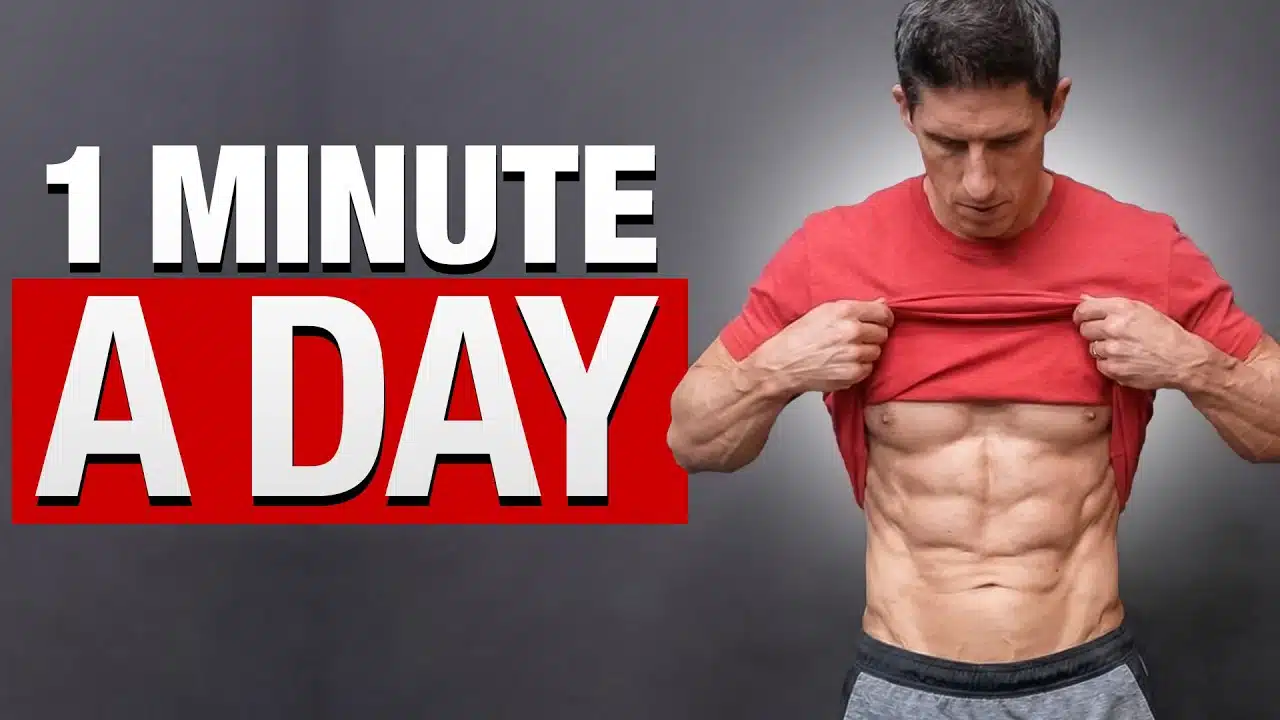
In a recent YouTube video, Cavaliere revealed a simple daily practice that targets this overlooked muscle—and it works regardless of current body fat levels.
The technique takes less than a minute and can be done anywhere, anytime.
Jump to:
The Muscle Everyone Forgets
Most ab training focuses exclusively on the rectus abdominis—the six-pack muscles running vertically down the front of the torso. These muscles flex the spine forward during crunches and sit-ups.
But there’s another abdominal muscle with an entirely different function: the transverse abdominis.
This muscle runs horizontally around the waist like a natural weight belt. When contracted, it doesn’t pull the torso forward—it pulls inward, cinching the waistline and supporting internal organs.
Its job when it contracts is not to pull down. Its job is to pull in.
Cavaliere estimates that 95% of people never consciously train this muscle, missing out on both functional core stability and aesthetic benefits.
The Vacuum: A Daily Practice for Core Control
The solution is deceptively simple: an exercise called the stomach vacuum.
While often associated with bodybuilders and physique competitors, Cavaliere insists this technique belongs in everyone’s daily routine—especially those seeking better waist definition and core function.
The Three-Step Technique
Performing a proper stomach vacuum involves conscious breath control and muscular engagement:
- Expand the rib cage – Lift the sternum and open the chest as wide as possible
- Exhale completely – Take a deep breath in, then exhale until absolutely no air remains in the lungs
- Pull inward – Draw the belly button back toward the spine as forcefully as possible
The key is timing. After fully exhaling, negative pressure creates a “magnet effect” that makes pulling the abdomen inward significantly easier than attempting it with full lungs.
Making It Easier: Positional Modifications
Beginners often struggle with vacuums performed while standing. Cavaliere recommends starting from a bent-over position—leaning against a bed or countertop first thing in the morning.
Gravity assists with this posture, making it easier to feel and engage the transverse abdominis. The breathing sequence remains identical regardless of position.
As control improves, practitioners can progress to standing, then eventually maintain the contraction during dynamic exercises.
Integrating Vacuum Training Into Ab Workouts
Learning to activate the transverse abdominis in isolation is just step one. The real transformation happens when this engagement carries over to regular ab training.
Cavaliere points out a common mistake: pushing the belly outward during crunches and other ab exercises. This completely defeats the purpose of training for a flatter stomach.
I need you to be able to take the activation skills that you learn there and do it when you crunch.
Proper Crunch Execution
Before beginning any crunch repetition, set up with the vacuum technique: breathe in, exhale completely, pull the navel to spine, then hold that contraction throughout the movement.
This transforms crunches from a simple rectus abdominis exercise into a comprehensive core movement engaging both muscle groups simultaneously.
Quality matters more than quantity here. Cavaliere emphasizes doing fewer repetitions with proper engagement beats countless reps with poor form and belly distension.
Elevating Plank Effectiveness
Cavaliere admits he’s not a fan of traditional static planks—especially when performed with a sagging midsection and zero transverse engagement.
However, adding the vacuum technique transforms planks into worthwhile exercises:
- Assume plank position
- Exhale fully and pull abdomen upward toward spine
- Drive elbows backward and toes forward (RKC-style tension)
- Hold maximum contraction for 5 seconds
- Relax briefly to reset
- Repeat for multiple “reps” rather than endless holds
This approach creates active muscular tension instead of passive endurance, building functional core strength that translates to better posture and spinal support.
Progressive Training and Real-World Application
Mastering the vacuum in controlled positions is relatively straightforward. Maintaining that engagement during dynamic, standing exercises presents a greater challenge.
Cavaliere suggests a logical progression: start with bent-over or supine positions, advance to planks and floor exercises, then graduate to standing rotational movements and loaded carries.
As control improves, the transverse abdominis becomes more toned and active throughout daily activities—not just during dedicated training sessions.
Beyond Aesthetics: Functional Benefits
While a more compact waistline provides obvious aesthetic advantages, the functional benefits deserve equal attention.
A properly engaged transverse abdominis acts as nature’s weight belt, stabilizing the spine during both exercise and everyday movements. This increased stability typically translates to reduced lower back discomfort and improved lifting mechanics.
Not to mention your low back should feel better, too, because it’s more stable and supported by this important muscle.
The Nutrition Reality Check
Before diving into technique, Cavaliere opens with a humorous reminder about “jaw clenchers”—keeping your mouth shut around tempting foods.
While obviously tongue-in-cheek, the underlying message is serious: no amount of vacuum training will reveal abdominal definition through excess body fat.
Proper nutrition remains foundational for visible results. The vacuum technique optimizes the underlying muscular structure, but caloric balance determines whether that structure becomes visible.
Cavaliere’s approach combines anatomical training precision with nutritional reality—acknowledging that sustainable body composition changes require addressing both elements systematically.
Implementing Daily Practice
The beauty of stomach vacuums lies in their accessibility. No equipment, minimal time investment, and zero special conditions required.
Ideal practice opportunities include:
- First thing each morning while leaning against the bed
- During commercial breaks or between work tasks
- As part of warm-up routines before ab training
- While commuting (once standing proficiency develops)
- Before meals as a mindfulness practice
Consistency matters more than duration. Brief daily practice builds neuromuscular patterns that eventually become automatic, allowing unconscious engagement of the transverse abdominis throughout normal activities.
For those seeking structured progression, Cavaliere offers a complete 22-day plan detailing exercise selection, sequencing, and advancement protocols alongside the nutritional framework necessary for visible results.
The stomach vacuum represents rare training efficiency—a simple technique addressing both aesthetic goals and functional performance through conscious engagement of an underutilized muscle. Combined with intelligent nutrition and progressive training, it offers a practical path toward genuine core development rather than superficial appearance changes.