Hours spent hunched over desks and slouched in chairs are silently destroying spines across the globe.
But according to fitness experts, that nagging back pain isn’t actually a back problem at all.
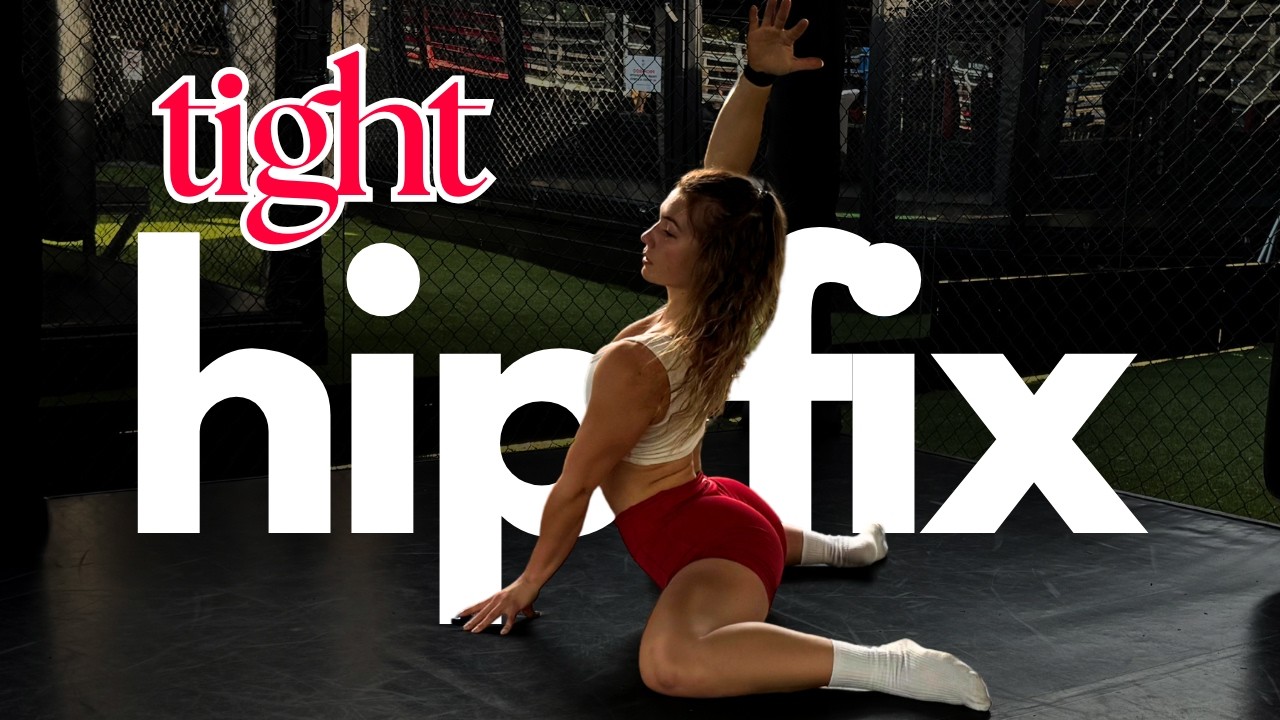
In a recent training video, one mobility specialist revealed that tight hips are the hidden culprit behind most chronic back pain—and demonstrated a 12-round routine designed to reverse the damage.
The solution might be simpler than anyone imagined.
Jump to:
The Real Reason Your Back Is Screaming
Sitting for extended periods forces hips into a chronically flexed position, causing muscles and connective tissue to tighten and shorten. When hip mobility becomes restricted, the lower back compensates for movements that hips should be handling.
This compensation pattern creates excessive stress on spinal structures, leading to inflammation, muscle strain, and persistent discomfort.

If you want something simple that actually works, this is one of the most effective tools I’ve used to build strength, conditioning, and endurance without needing a full gym setup.
- Full-body training with one weight using swings, squats, and presses
- Solid cast iron build that feels stable and lasts for years
- Comfortable grip that makes high-rep workouts easier to handle
Your hips are probably the most thing why you actually do have back pain. So if you’re sitting too long, your hips get stiff and that’s going to get you back pain.
The connection between hip mobility and spinal health has been well-documented in research. Studies consistently show that limited hip range of motion correlates with increased lumbar spine movement during basic activities, forcing vertebrae to move beyond their optimal ranges.
The 12-Round Hip Mobility Protocol
Each exercise follows a 40-second work interval with 10-second rest periods, creating a fast-paced routine that systematically addresses different angles of hip restriction.
Rounds 1-3: The 90/90 Foundation
Starting position involves sitting with both knees bent at 90-degree angles, one leg internally rotated and one externally rotated. The movement requires leaning forward over the front knee, attempting to touch chest to knee, then returning upright.
Spinal rounding during this movement is acceptable—even beneficial. The priority remains hip opening rather than maintaining a rigid back position.
After completing one side, practitioners immediately switch leg positions and repeat, targeting both hips equally. Round three eliminates hand support, forcing deeper core engagement and hip stabilization.
Rounds 4-5: Butterfly Progression
Transitioning into butterfly position, feet come together while knees fall outward. The exercise involves opening legs as wide as possible, then bringing knees back together—a dynamic movement rather than static stretch.
If you want something simple that actually works, this is one of the most effective tools I’ve used to build strength, conditioning, and endurance without needing a full gym setup.
- Full-body training with one weight using swings, squats, and presses
- Solid cast iron build that feels stable and lasts for years
- Comfortable grip that makes high-rep workouts easier to handle
Round five adds intensity by holding legs open at maximum width while actively pressing knees toward the floor in pulsing motions. This active stretching technique encourages neuromuscular adaptation, training muscles to accept new ranges of motion.
Rounds 6-7: Lunge With Hamstring Integration
Moving into lunge position requires stretching the back foot completely flat against the floor. The movement pattern alternates between deep hip flexor stretching in lunge position and hamstring lengthening by rocking back onto the heel.
This combination addresses both anterior and posterior hip structures simultaneously—a crucial element since tight hamstrings often contribute to compensatory lower back stress.
After completing one side for 40 seconds, practitioners switch legs and repeat the sequence.
Round 8: The Game-Changing Sumo Squat
This is one of the special exercises because you’re engaging both your glutes, your core, and your hips.
Wide-stance sumo position creates a unique opportunity for triple engagement. As practitioners descend into the squat, hands press outward against knees for three distinct pulses before returning to standing.
Critical form points include squeezing glutes at the top position and drawing belly button inward for core activation.
If you want something simple that actually works, this is one of the most effective tools I’ve used to build strength, conditioning, and endurance without needing a full gym setup.
- Full-body training with one weight using swings, squats, and presses
- Solid cast iron build that feels stable and lasts for years
- Comfortable grip that makes high-rep workouts easier to handle
This integrated approach addresses hip mobility while simultaneously strengthening supporting structures—creating both flexibility and stability.
Round 9: Seated Wide-Leg Press
Sitting with legs spread as wide as the previous sumo stance, practitioners round the spine forward while actively pressing knees outward. The instruction emphasizes pushing knees away without using hands or upper body assistance.
This isolated hip action teaches practitioners to access deeper hip external rotation—a movement pattern that directly opposes the internal rotation dominance created by prolonged sitting.
Rounds 10-11: Lateral Lunge Variation
Positioning requires one knee pointing outward with the opposite foot aligned in the same line. Movement involves pushing down as far as possible in line with the knee, then returning to starting position.
This side-to-side loading pattern challenges hip adductors and abductors through functional ranges that rarely get addressed in typical mobility work.
Always try to engage your hips the most while doing those exercises. If you can’t go as far as me yet, that’s totally fine. I’ve been doing this for quite some time.
After completing first side, practitioners immediately switch to opposite leg for round 11.
If you want something simple that actually works, this is one of the most effective tools I’ve used to build strength, conditioning, and endurance without needing a full gym setup.
- Full-body training with one weight using swings, squats, and presses
- Solid cast iron build that feels stable and lasts for years
- Comfortable grip that makes high-rep workouts easier to handle
Round 12: The Finishing Frog Roll
Final position places practitioners in frog pose—knees wide, feet together behind body. Rather than holding static position, the movement involves actively rolling pelvis forward and arching into extended back position.
This dynamic spinal articulation combined with maximum hip external rotation creates a powerful finishing stimulus that reinforces all previous mobility gains.
Why This Approach Actually Works
Traditional stretching protocols often fail because they address symptoms rather than root causes. Foam rolling tight back muscles or stretching hamstrings provides temporary relief but doesn’t resolve underlying hip restrictions driving compensatory patterns.
This 12-round sequence systematically targets hip mobility from multiple angles:
- Internal and external rotation through 90/90 positions
- Hip flexor lengthening via lunge variations
- Adductor mobility through wide-stance positions
- Active strengthening during stretched positions
- Dynamic movement patterns rather than passive holds
The 40-second work intervals provide sufficient duration for neuromuscular adaptation without causing excessive fatigue. Brief 10-second rest periods maintain workout intensity while allowing position transitions.
Immediate Results and Long-Term Transformation
Most practitioners notice immediate improvements in lower back tension following this routine. Hips feel noticeably more mobile, and standing or walking reveals reduced stiffness in lumbar region.
If you want something simple that actually works, this is one of the most effective tools I’ve used to build strength, conditioning, and endurance without needing a full gym setup.
- Full-body training with one weight using swings, squats, and presses
- Solid cast iron build that feels stable and lasts for years
- Comfortable grip that makes high-rep workouts easier to handle
However, sustainable change requires consistency. Years of sitting create deeply ingrained movement patterns and tissue adaptations that won’t reverse after a single session.
Literally, you should feel the difference right now. But just imagine what could happen if you kept it going.
Research on tissue remodeling suggests meaningful flexibility gains typically require 4-6 weeks of consistent practice. Neural adaptations—improved motor control and reduced protective muscle guarding—can occur more rapidly, often within 7-10 days.
Optimal implementation involves performing this routine 3-5 times weekly, either as standalone mobility work or integrated into existing training programs.
Beyond the Routine: Addressing Root Causes
While this mobility protocol provides powerful relief, lasting results require addressing lifestyle factors perpetuating hip tightness. Sitting less frequently, taking movement breaks every 30-45 minutes, and varying postures throughout the day all contribute to maintaining gains achieved through dedicated mobility work.
Standing desks, walking meetings, and floor-sitting positions offer practical alternatives that reduce cumulative sitting time. Even small changes—standing during phone calls or walking while thinking through problems—accumulate meaningful benefits over weeks and months.
Back pain affects approximately 80% of adults at some point during their lives, with sedentary behavior identified as a primary risk factor. But the solution doesn’t require expensive treatments, invasive procedures, or complicated protocols.
If you want something simple that actually works, this is one of the most effective tools I’ve used to build strength, conditioning, and endurance without needing a full gym setup.
- Full-body training with one weight using swings, squats, and presses
- Solid cast iron build that feels stable and lasts for years
- Comfortable grip that makes high-rep workouts easier to handle
Sometimes fixing persistent pain requires looking beyond the site of symptoms to address hidden restrictions driving dysfunction. For millions suffering with chronic back discomfort, tight hips may be the missing piece they never knew to address.