Training like science suggests isn’t always possible when juggling work, family, and life’s endless commitments.
But that doesn’t mean your workouts can’t still deliver results.
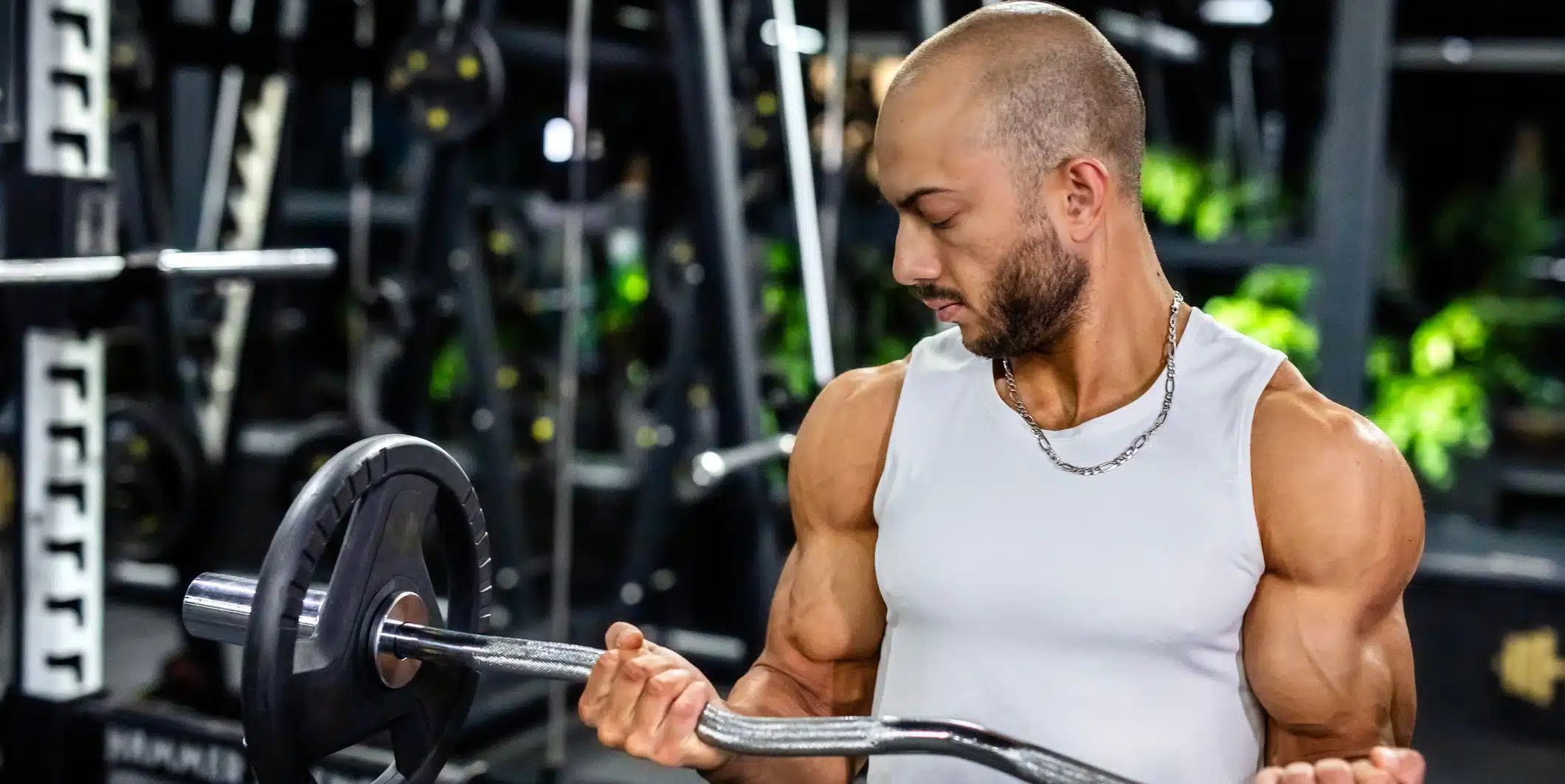
Enter the 2-5-15 method—a flexible, frequency-focused training plan designed specifically for busy men who want maximum muscle growth without spending hours in the gym.
Created by Markus from YouTube channel Built Simple, this approach strips away the fluff and focuses on what actually matters: consistency, intensity, and smart volume management.
Jump to:
What Is the 2-5-15 Method?
The beauty of this system lies in its simplicity. Each number serves a specific purpose: 2 refers to training frequency, while 5 and 15 relate to volume.
Here’s how it breaks down:

If you want something simple that actually works, this is one of the most effective tools I’ve used to build strength, conditioning, and endurance without needing a full gym setup.
- Full-body training with one weight using swings, squats, and presses
- Solid cast iron build that feels stable and lasts for years
- Comfortable grip that makes high-rep workouts easier to handle
- Train each muscle twice per week
- Perform just 5 hard sets per muscle per session
- Cap total workout volume at 15 sets
Markus explains the philosophy behind it clearly.
It’s the perfect range for busy men – you train hard, recover fast, and you stay consistent. The best part is, it’s flexible. No problem if you miss a day, just pick up where you left off.
This isn’t a program for those looking to coast through workouts. Because volume is intentionally low, every single set must count.
That means training close to or at failure, pushing your muscles to adapt with minimal but highly effective stimulus.
Compound Movements Are King
With only 15 working sets per session, there’s no room for endless isolation exercises. Compound movements should form the foundation of your training.
Pull-ups, for example, hit both your back and biceps. Bench presses work chest, shoulders, and triceps. Squats tax quads, glutes, and core.
These multi-joint exercises allow you to train multiple muscle groups efficiently—critical when you’re working with reduced volume.
If you want something simple that actually works, this is one of the most effective tools I’ve used to build strength, conditioning, and endurance without needing a full gym setup.
- Full-body training with one weight using swings, squats, and presses
- Solid cast iron build that feels stable and lasts for years
- Comfortable grip that makes high-rep workouts easier to handle
Why the 2-5-15 Method Works
Consistency Beats Perfection
One of the biggest barriers to progress isn’t lack of knowledge—it’s inconsistency driven by unrealistic expectations.
There’s one group of men that just doesn’t have the time to work out six days per week, but they feel like they have to and due to private commitments, they feel bad about it and stop training at all.
Markus hits on something crucial here. Many men abandon training altogether because they can’t meet the “ideal” frequency promoted by fitness influencers.
The 2-5-15 method reframes the conversation. If you can only train three times per week, plan for that. Build your program around what’s sustainable, not what sounds impressive.
And because sessions are capped at 15 sets, you won’t leave the gym completely fried. Recovery is faster, motivation stays high, and you’re ready to go again in a day or two.
Efficiency Over Everything
More isn’t always better—especially when it comes to training volume. Intensity matters just as much, if not more.
The 2-5-15 method ensures you’re motivated to push every set to your absolute limit. With fewer sets to complete, each one becomes more meaningful.
If you want something simple that actually works, this is one of the most effective tools I’ve used to build strength, conditioning, and endurance without needing a full gym setup.
- Full-body training with one weight using swings, squats, and presses
- Solid cast iron build that feels stable and lasts for years
- Comfortable grip that makes high-rep workouts easier to handle
Workouts stay under an hour, yet still provide enough stimulus for muscle growth. That’s the sweet spot: short enough to recover from, intense enough to adapt to.
Two training sessions a week doing full body can have the same impact than doing four training sessions or six training sessions per week. It it’s really just up to the overall volume, the right intensity, and being consistent.
Markus emphasizes that muscle growth isn’t just about how often you train. It’s about total weekly volume, how hard you push, and whether you can sustain it long-term.
Focus on Basics, Not Optimization
Stripping everything back to essentials is liberating. Too often, lifters obsess over finding the “perfect” exercise for shoulders or the “optimal” rep range for hypertrophy.
But here’s the truth: differences between similar exercises are often negligible. What matters most is doing something consistently.
The 2-5-15 method forces you to prioritize the fundamentals. Compound lifts. Progressive overload. Effort. Recovery.
Everything else is noise.
If you want something simple that actually works, this is one of the most effective tools I’ve used to build strength, conditioning, and endurance without needing a full gym setup.
- Full-body training with one weight using swings, squats, and presses
- Solid cast iron build that feels stable and lasts for years
- Comfortable grip that makes high-rep workouts easier to handle
Eliminates Junk Volume
One of the method’s smartest features is its built-in protection against overtraining.
Studies show that once you pass around 15 hard sets per muscle group per week, return of investment starts to drop sharply. Going beyond that doesn’t always increase growth. It’s increasing fatigue. You want your muscle to adapt, not your nervous system to collapse.
This is critical for busy men dealing with external life stressors—work deadlines, family responsibilities, poor sleep. Your body can only handle so much.
By capping volume at 10 hard sets per muscle per week (two sessions of five sets each), you stay within the zone where muscle growth happens without accumulating excessive fatigue.
You’re training smart, not just hard.
Who Should Try This Method?
The 2-5-15 approach isn’t for everyone. If you’re a competitive bodybuilder or have unlimited time and recovery resources, higher volume programs might suit you better.
But if you’re:
If you want something simple that actually works, this is one of the most effective tools I’ve used to build strength, conditioning, and endurance without needing a full gym setup.
- Full-body training with one weight using swings, squats, and presses
- Solid cast iron build that feels stable and lasts for years
- Comfortable grip that makes high-rep workouts easier to handle
- A busy dad or professional with limited gym time
- Struggling to stay consistent with traditional high-frequency programs
- Looking for a sustainable, long-term training approach
- Dealing with life stress that impacts recovery
Then this could be exactly what you need.
It’s not about doing less because you’re lazy. It’s about doing enough to keep progressing without burning out.
Sample Week Using 2-5-15
Here’s what a simple training week might look like:
Session 1 (Monday): Upper Body
- Bench Press – 3 sets
- Bent-Over Rows – 3 sets
- Overhead Press – 3 sets
- Pull-Ups – 3 sets
- Dumbbell Curls – 3 sets
Session 2 (Wednesday): Lower Body
- Squats – 4 sets
- Romanian Deadlifts – 4 sets
- Leg Press – 3 sets
- Leg Curls – 2 sets
- Calf Raises – 2 sets
Session 3 (Friday): Full Body
If you want something simple that actually works, this is one of the most effective tools I’ve used to build strength, conditioning, and endurance without needing a full gym setup.
- Full-body training with one weight using swings, squats, and presses
- Solid cast iron build that feels stable and lasts for years
- Comfortable grip that makes high-rep workouts easier to handle
- Deadlifts – 3 sets
- Incline Dumbbell Press – 3 sets
- Lat Pulldowns – 3 sets
- Lunges – 3 sets
- Face Pulls – 3 sets
Total weekly sets per muscle group stay around 10-12, split across two sessions. Sessions stay under 60 minutes. Recovery is manageable.
Simple. Effective. Sustainable.
Final Thoughts
The 2-5-15 method isn’t revolutionary—it’s just smart programming stripped down to what actually matters.
It respects your time, prioritizes recovery, and keeps you consistent. And in the long run, consistency beats intensity every time.
If you’ve been struggling to stick with traditional high-volume programs or feel guilty about missing workouts, this approach might be the reset you need.
Train twice per muscle per week. Do five hard sets per session. Cap workouts at 15 total sets.
If you want something simple that actually works, this is one of the most effective tools I’ve used to build strength, conditioning, and endurance without needing a full gym setup.
- Full-body training with one weight using swings, squats, and presses
- Solid cast iron build that feels stable and lasts for years
- Comfortable grip that makes high-rep workouts easier to handle
That’s it. No overthinking. No burnout. Just results.