Lifting weights twice a week might be one of the most powerful tools for reversing prediabetes, according to groundbreaking research that challenges conventional wisdom about diabetes prevention.
A clinical trial published in PLOS One found that 34% of prediabetic participants completely reversed their condition after just 12 weeks of resistance training.

With 88 million Americans currently living with prediabetes and up to 30% at risk of developing full-blown type 2 diabetes within five years, these findings offer hope through a surprisingly simple intervention.
The best part? Participants used basic gym machines like leg presses and chest presses—nothing fancy, complicated, or intimidating required.
Jump to:
- The Resist Diabetes Trial: Simple Exercise, Remarkable Results
- Why Resistance Training Works Better Than Cardio for Blood Sugar
- The Science Behind Muscle as Medicine
- What Makes Resistance Training Uniquely Effective
- A Critical Intervention Window
- Practical Application: Getting Started
- Beyond Blood Sugar: Additional Benefits
- The Economic Case for Strength Training
- Moving Forward: Resistance Training as First-Line Prevention
The Resist Diabetes Trial: Simple Exercise, Remarkable Results
The Resist Diabetes Trial, led by researcher Brenda M. Davy and published in 2017, studied sedentary adults aged 50-69 who had been diagnosed with prediabetes. These weren’t elite athletes or gym regulars—they were everyday people who hadn’t been exercising regularly.
Participants followed a straightforward program: twice-weekly resistance training sessions using standard gym equipment including leg press, chest press, rows, and shoulder presses.
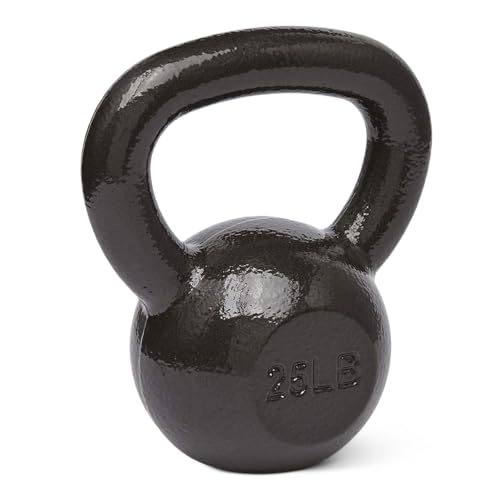
If you want something simple that actually works, this is one of the most effective tools I’ve used to build strength, conditioning, and endurance without needing a full gym setup.
- Full-body training with one weight using swings, squats, and presses
- Solid cast iron build that feels stable and lasts for years
- Comfortable grip that makes high-rep workouts easier to handle
After 12 weeks, more than one-third of participants had blood sugar levels that returned to normal ranges. They had effectively reversed their prediabetes diagnosis through strength training alone.
Why Resistance Training Works Better Than Cardio for Blood Sugar
Recent research from Virginia Tech’s Fralin Biomedical Research Institute has reinforced these findings with an unexpected twist: weightlifting appears more effective than running for glucose control and fat reduction.
The mechanism centers on how muscle tissue functions as a metabolic powerhouse. Exercise physiologists describe muscle mass as acting like a “glucose sink”—the more muscle someone carries, the better their body can clear glucose from blood circulation.
During resistance exercise, muscle contractions create immediate demand for glucose as fuel. This process improves insulin sensitivity both during workouts and for hours afterward.
One 60-minute full-body resistance session can lower insulin and triglyceride levels within 24 hours, demonstrating rapid metabolic benefits.
The Science Behind Muscle as Medicine
Multiple systematic reviews and meta-analyses have confirmed what the Resist Diabetes Trial first demonstrated: resistance training can reduce HbA1c levels, improve glucose tolerance, and lower insulin resistance in both prediabetic and diabetic populations.
If you want something simple that actually works, this is one of the most effective tools I’ve used to build strength, conditioning, and endurance without needing a full gym setup.
- Full-body training with one weight using swings, squats, and presses
- Solid cast iron build that feels stable and lasts for years
- Comfortable grip that makes high-rep workouts easier to handle
The numbers are striking. Studies show resistance training can cut fasting insulin by up to 30% within eight weeks.
Interestingly, research suggests that low-to-moderate load resistance training produces the greatest improvements in fasting blood glucose. This means people don’t need to lift extremely heavy weights to see benefits—consistency and proper form matter more than maximal strength.
What Makes Resistance Training Uniquely Effective
While cardiovascular exercise certainly offers health benefits, resistance training provides something cardiovascular work cannot: increased muscle mass that continues working for metabolic health even at rest.
Endocrinologists note that resistance training delivers unique advantages beyond cardiovascular exercise, particularly for insulin sensitivity and glucose tolerance.
Muscle tissue remains metabolically active throughout the day, constantly pulling glucose from circulation. Building more muscle essentially expands the body’s capacity to manage blood sugar effectively.
Cardiovascular exercise burns calories during activity but doesn’t build substantial muscle tissue. Resistance training does both: burns energy during workouts and constructs metabolic machinery that keeps working long after leaving the gym.
If you want something simple that actually works, this is one of the most effective tools I’ve used to build strength, conditioning, and endurance without needing a full gym setup.
- Full-body training with one weight using swings, squats, and presses
- Solid cast iron build that feels stable and lasts for years
- Comfortable grip that makes high-rep workouts easier to handle
A Critical Intervention Window
Prediabetes represents a crucial opportunity for intervention. Between 15-30% of people with prediabetes will develop type 2 diabetes within five years, according to CDC data.
However, prediabetes remains reversible—a diagnosis that can be changed through lifestyle modifications rather than requiring lifelong medication management.
Public health experts increasingly highlight resistance training as an accessible, cost-effective intervention that could significantly reduce diabetes prevalence across populations.
Practical Application: Getting Started
The Resist Diabetes Trial protocol offers a straightforward template for those looking to replicate results:
- Frequency: Two sessions per week (allowing adequate recovery between workouts)
- Exercises: Full-body compound movements targeting major muscle groups
- Equipment: Basic gym machines like leg press, chest press, rows, shoulder presses
- Duration: Consistent participation over 12 weeks minimum
- Intensity: Low-to-moderate loads with proper form
Participants in successful studies weren’t professional athletes. They were sedentary middle-aged and older adults who committed to showing up twice weekly.
Beyond Blood Sugar: Additional Benefits
While glucose control represents the primary focus for diabetes prevention, resistance training delivers numerous additional health benefits particularly valuable for aging populations.
If you want something simple that actually works, this is one of the most effective tools I’ve used to build strength, conditioning, and endurance without needing a full gym setup.
- Full-body training with one weight using swings, squats, and presses
- Solid cast iron build that feels stable and lasts for years
- Comfortable grip that makes high-rep workouts easier to handle
These include improved bone density, enhanced functional capacity for daily activities, reduced fall risk, better cardiovascular health markers, and improved body composition through increased muscle-to-fat ratio.
Virginia Tech research specifically noted improvements in fat reduction alongside glucose control, suggesting comprehensive metabolic improvements rather than isolated effects.
The Economic Case for Strength Training
Healthcare providers and policy experts recognize resistance training as remarkably cost-effective compared to pharmaceutical interventions or managing full diabetes progression.
Gym memberships, basic equipment, or even bodyweight exercises at home cost dramatically less than ongoing medication, medical appointments, and potential complications from untreated diabetes.
Given that one-third of participants can potentially reverse prediabetes through twice-weekly training, the public health implications are substantial.
Moving Forward: Resistance Training as First-Line Prevention
Evidence increasingly supports positioning resistance training as a primary intervention for prediabetes, not merely a supplementary recommendation alongside diet modification.
If you want something simple that actually works, this is one of the most effective tools I’ve used to build strength, conditioning, and endurance without needing a full gym setup.
- Full-body training with one weight using swings, squats, and presses
- Solid cast iron build that feels stable and lasts for years
- Comfortable grip that makes high-rep workouts easier to handle
The 34% reversal rate from the Resist Diabetes Trial represents outcomes achieved through exercise alone, suggesting even greater potential when combined with nutritional improvements.
For middle-aged and older adults facing prediabetes diagnoses, the message is clear: building muscle through consistent resistance training offers powerful protection against diabetes progression.
Two sessions weekly using basic gym machines created measurable, life-changing results within 12 weeks. No extreme diets, no marathon training, no complicated protocols—just consistent strength training targeting major muscle groups.
As diabetes continues affecting millions of Americans, resistance training represents an evidence-based, accessible tool that puts reversal within reach for many facing this increasingly common diagnosis.