There’s one muscle group that gets overlooked constantly, even by dedicated gym-goers who think they’re hitting everything.
But this forgotten area controls walking mechanics, posture quality, overall power output, and even long-term back and knee health.
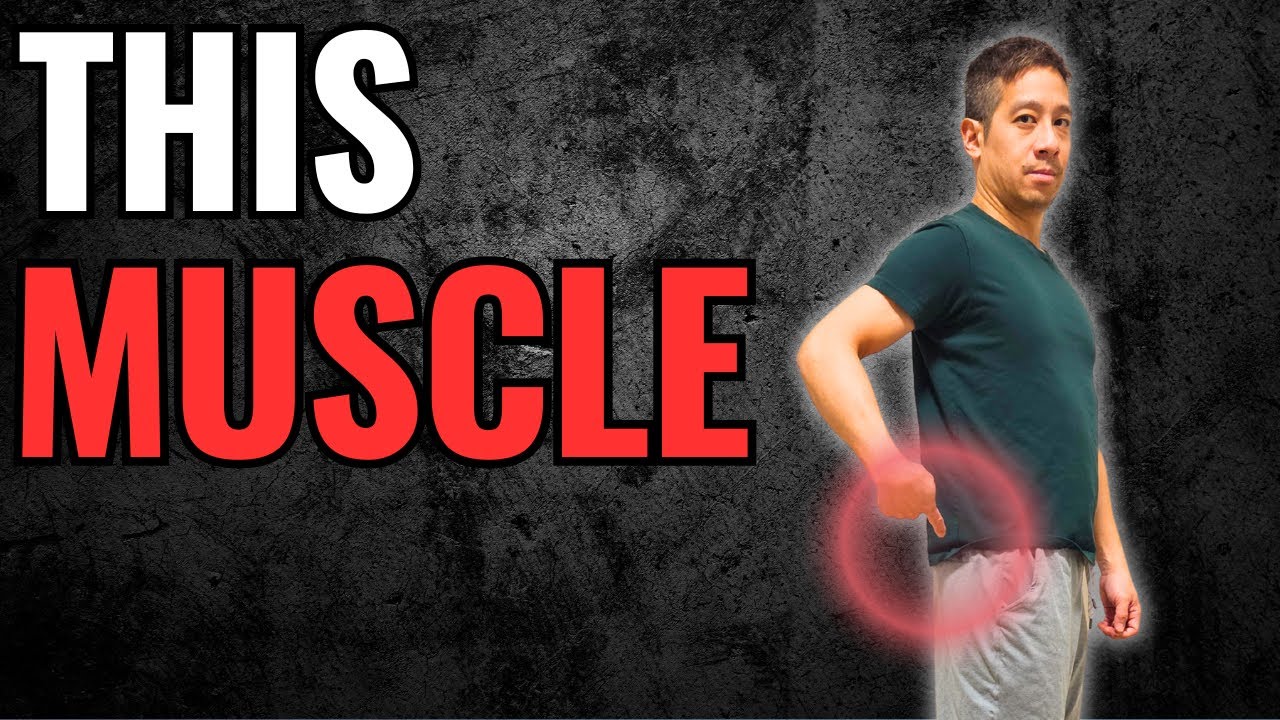
When it shuts down, every other muscle in the kinetic chain has to overcompensate—and that’s when chronic pain patterns begin.
The glutes are the foundation of human movement, and three specific exercises can wake them up fast.
Jump to:
Why Standard Glute Bridges Often Fail
Most people attempt traditional glute bridges and feel absolutely nothing in their glutes. Instead, their lower back cramps up or their hamstrings take over completely.
That’s because bridges done without additional challenges let dormant glutes stay dormant. The body compensates using stronger, more dominant muscle groups instead.
The Glute Bridge March: Unilateral Activation That Works
This variation forces glutes to stabilize the pelvis one side at a time, targeting deep muscle fibers that have been inactive for years.
Lie flat on your back with feet planted firmly on the ground. Lift hips into a strong bridge position, then slowly raise one knee toward your chest while keeping hips perfectly level.
Switch sides in a controlled marching pattern. Speed isn’t the objective here—control is everything.
The glutes should tighten significantly to prevent hips from dropping or rotating. Perform this movement for 20 to 30 seconds, rest, then repeat for one or two additional rounds.
If hips wobble dramatically during the movement, that’s actually a positive sign. It indicates the exercise is activating exactly the stabilizers that need strengthening.
Building Real-World Stability With Split Stance Work
Single-leg stability is fundamental to almost every daily movement pattern—walking, stair climbing, even putting on socks while standing.
When glutes fail to stabilize during these activities, everything feels unnecessarily difficult and energy-draining.
The Split Squat Hold: Simple But Brutally Effective
This isometric hold teaches glutes to stabilize the entire body in a split stance position.
Assume a split stance with one foot forward, one back. Drop into lunge position and hold that position without movement.
Depth isn’t the priority—creating muscular tension is what matters. Push forcefully through the front heel and feel the glute of that leg engage to support bodyweight.
The burn comes quickly because the glute must work continuously to keep the pelvis steady and aligned. Hold for 20 to 30 seconds per side.
Shaking during this hold is actually desirable. It signals that glute medius and deep stabilizing muscles are finally activating after being dormant.
For building lower body strength that translates directly to daily function, this movement ranks among the most valuable exercises available.
Hip Extension: Training Glutes for Maximum Power
Glutes were designed primarily for one critical movement pattern: hip extension. That’s the driving force behind walking, running, jumping, and standing up from seated positions.
Without proper hip extension strength, the body becomes mechanically inefficient and injury-prone.
The Romanian Deadlift: Complete Posterior Chain Integration
RDLs build explosive power through the glute max while teaching proper hinge mechanics and strengthening the entire posterior chain simultaneously.
Stand tall holding dumbbells or a kettlebell. Push hips backward as if closing a door with your backside, maintaining a flat back position and soft knees throughout.
Drive hips forward forcefully and squeeze glutes hard at the top of each repetition.
This isn’t about loading maximum weight—it’s about teaching the body to generate power and maintain control through proper movement patterns.
When executed correctly, walking becomes easier, standing feels lighter, and overall body stability improves dramatically.
Perform 8 to 12 slow, controlled repetitions. Two quality sets are sufficient to create awareness of what this muscle group should actually feel like when working properly.
Programming These Movements for Maximum Benefit
These three exercises provide everything most people lack in glute training:
- Activation through the glute bridge march
- Stability via split squat holds
- Power development from Romanian deadlifts
Length of workout sessions doesn’t matter nearly as much as focusing on the muscle group that genuinely drives human movement.
Performing these movements a few times weekly creates noticeable differences in how strong and stable the body feels during everyday activities.
If one particular exercise exposes a significant weak spot, prioritize that movement for the following week. Weakness areas respond fastest to targeted attention.
Why Glute Function Matters Beyond Aesthetics
Strong, functional glutes aren’t just about appearance—they’re about longevity and pain-free movement.
When glutes work properly, they reduce excessive stress on the lower back, protect knee joints from compensatory forces, and improve hip mobility naturally.
Conversely, when glutes remain weak or inactive, the body develops compensatory movement patterns that lead to chronic issues over time.
Lower back pain, knee discomfort, hip tightness, and poor posture all trace back to glute dysfunction more often than most people realize.
Addressing this foundational weakness doesn’t require complex programming or hours of training. It requires intentional focus on movements that activate, stabilize, and strengthen the glutes through functional ranges of motion.
These three exercises deliver exactly that—practical, effective glute training that translates immediately to better movement quality and reduced injury risk in daily life.