Shaolin training has captivated fitness enthusiasts worldwide for centuries, blending ancient wisdom with practical strength building.
But what makes this traditional practice so effective for modern bodies?
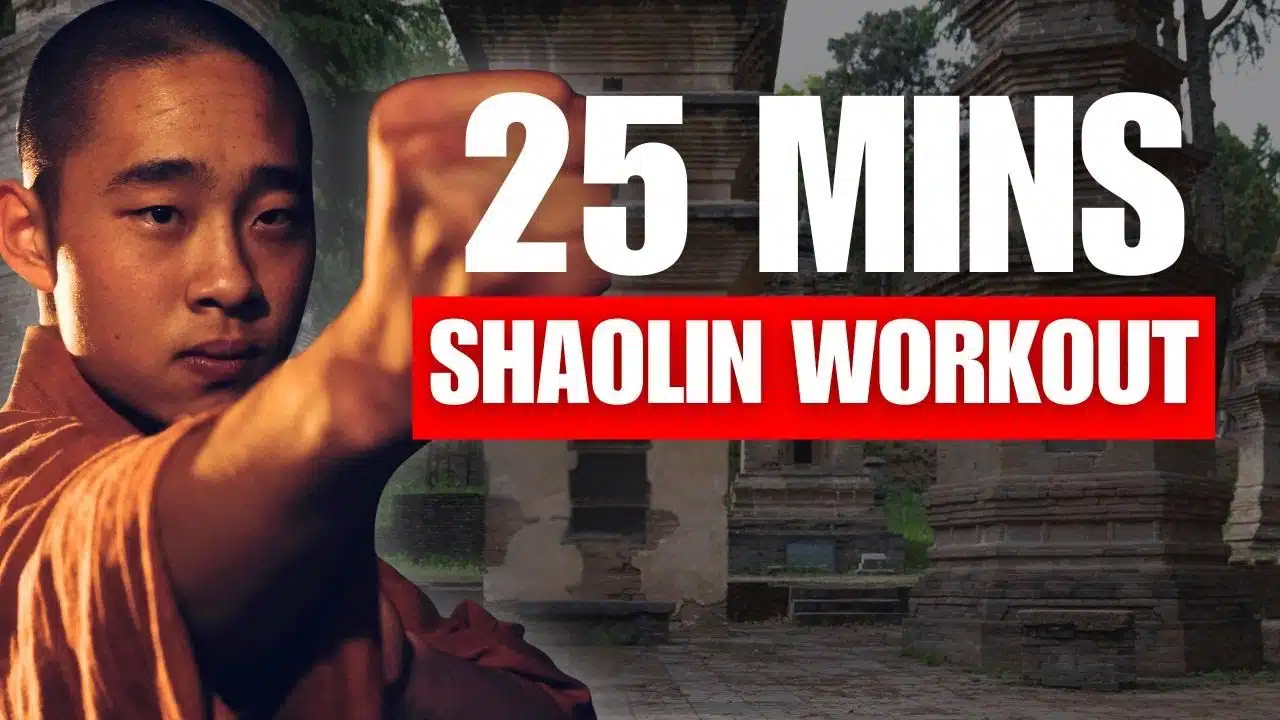
In a recent workout video, TC, a Shaolin disciple from Shaolin Worldwide, guides viewers through an intense 25-minute full-body routine designed to build strength, inner power, and flexibility simultaneously.
His approach proves that authentic martial arts training delivers results without requiring expensive equipment or gym memberships.
Jump to:
- Why Shaolin Training Works for Everyone
- The Foundation: Mabu Horse Stance
- Progressive Intensity Through Movement Variations
- Functional Flexibility Through Kicking Drills
- Full-Body Integration With Rotational Power
- The Mind-Body Connection Through Cooldown
- Practical Application for Modern Lives
- Key Takeaways for Implementation
Why Shaolin Training Works for Everyone
Traditional Shaolin workouts focus on bodyweight movements that engage multiple muscle groups at once. Unlike isolated exercises common in Western fitness, these movements demand coordination between physical strength and mental focus.
TC structures his session into three distinct phases: dynamic warm-up, intense conditioning, and restorative cooldown. This progression mirrors how ancient monks prepared their bodies for rigorous training while preventing injury.
The Foundation: Mabu Horse Stance
Every serious Shaolin routine centers around Mabu, commonly known as horse stance. TC emphasizes this fundamental position throughout his workout, explaining it builds stability, strength, and endurance simultaneously.
So feet stand a shoulder width. You can cross your arms and go down and hold. And remember in this process to keep your back straight and core stable.
Research supports what Shaolin practitioners have known for centuries: isometric holds like horse stance activate slow-twitch muscle fibers responsible for endurance. They also strengthen connective tissues around joints, reducing injury risk during explosive movements.
TC acknowledges that trembling legs during the hold are completely normal, reassuring practitioners that strength develops progressively.
Progressive Intensity Through Movement Variations
After establishing the static hold, TC transitions into dynamic variations that elevate heart rate while maintaining muscular tension.
The Mabu Progression Sequence
- Static hold: Building foundational strength and mental endurance
- Squat jumps: Adding plyometric power for explosive strength
- Stance switching: Developing dynamic stability and coordination
- Strikes from stance: Integrating upper body power with lower body stability
Each progression challenges different energy systems. Static holds tax muscular endurance, jumps recruit fast-twitch fibers, and strikes demand cardiovascular conditioning.
Remember when you’re landing, stay focused and stay stable.
This coaching cue highlights something often missing from modern workouts: intentional control. Rather than rushing through repetitions, Shaolin training emphasizes quality over quantity.
Functional Flexibility Through Kicking Drills
TC dedicates significant time to kicking variations that stretch and strengthen simultaneously. Unlike passive stretching, these movements build active flexibility—the ability to control your limbs through full ranges of motion.
The workout includes straight kicks, inside kicks, and outside kicks, each targeting different muscle groups:
- Straight kicks emphasize hamstring flexibility and hip flexor strength
- Inside kicks develop adductor control and groin mobility
- Outside kicks strengthen abductors while improving hip rotation
Don’t have to be so intense cuz remember steady and slow.
This approach contradicts the “no pain, no gain” mentality. TC recognizes that controlled, deliberate movements produce better results than aggressive forcing, which often leads to pulled muscles or worse.
Full-Body Integration With Rotational Power
Perhaps the most unique aspect of TC’s routine involves rotational exercises performed from Gumbo stance—a deeper, more challenging variation of horse stance.
Imagine you got cup of tea around you and you’re going to trans of your full body and back to it.
This visualization technique serves multiple purposes. It encourages smooth, controlled movement while engaging core muscles responsible for spinal rotation. The mental imagery also promotes mindful training, connecting physical action with mental intention.
Modern research on motor learning confirms that visualization improves movement quality. Athletes who mentally rehearse movements alongside physical practice show faster skill acquisition than those who only train physically.
The Mind-Body Connection Through Cooldown
TC concludes with deliberate stretching and meditation, components often rushed or skipped entirely in Western workouts. This phase isn’t merely recovery—it’s integral training.
The seated stretches target major muscle groups worked during the session: hamstrings, hip flexors, and spinal rotators. Holding each stretch allows connective tissues to adapt, improving long-term flexibility rather than just temporary range of motion.
The meditation component distinguishes Shaolin training from conventional fitness routines.
Shaolin practice is always about balance in between your body and mind.
This philosophy acknowledges what sports science increasingly confirms: mental state directly affects physical performance. Stress hormones impair recovery, while mindfulness practices enhance muscle adaptation and reduce perceived exertion during training.
Practical Application for Modern Lives
TC’s 25-minute routine addresses common barriers to consistent exercise. No equipment is required, making it accessible regardless of location or budget. The moderate duration fits into busy schedules without requiring massive time commitments.
The workout scalability accommodates different fitness levels. Beginners can reduce hold times or eliminate jumping variations, while advanced practitioners can deepen stances or increase speed.
Keep discipline, keep trying, keep working.
This closing encouragement captures the essence of Shaolin training philosophy. Progress comes from consistency rather than intensity alone. Regular practice with moderate effort produces better long-term results than sporadic heroic efforts followed by burnout.
Key Takeaways for Implementation
Anyone can incorporate Shaolin principles into existing routines:
- Prioritize form over speed: Control beats chaos every time
- Integrate mental focus: Visualizations enhance physical execution
- Balance intensity with recovery: Cooldowns aren’t optional—they’re essential
- Build progressively: Master foundations before advancing complexity
- Train consistently: Frequency matters more than duration
Traditional practices like TC’s Shaolin workout offer evidence-based solutions to modern fitness challenges. They develop strength, flexibility, and mental resilience simultaneously—outcomes that fragmented Western approaches often struggle to achieve together.
The wisdom lies not in choosing between ancient and modern methods, but in recognizing how centuries-old practices address timeless human needs that haven’t changed despite technological advancement.