A professional ultrarunner just dropped a confession that’s sending shockwaves through the endurance sports world.
Utah-based athlete and coach Mike McKnight has openly admitted to using BPC-157 — a peptide banned under the World Anti-Doping Agency’s prohibited list — while desperately trying to avoid back surgery after a freak household accident.
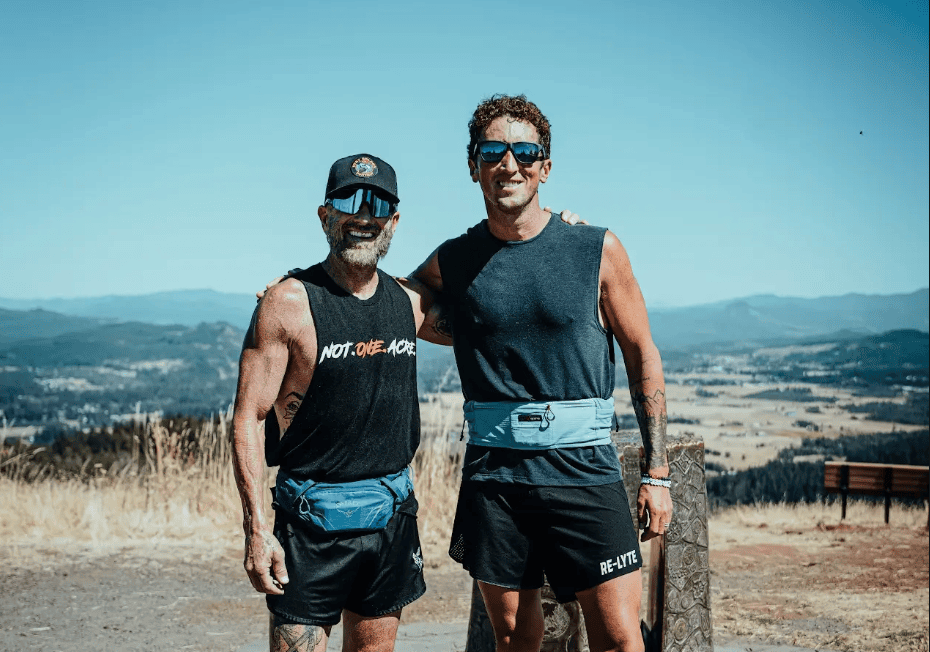
What makes this story so compelling isn’t just the admission itself — it’s the raw honesty behind it, and what it reveals about the impossible choices injured athletes face when the rulebook collides with real life.
And McKnight knew exactly what he was risking by going public.
Jump to:
From Course Record to Chronic Pain
McKnight is no ordinary runner. The 200-mile specialist recently set a new course record at the Arizona Monster 300, cementing his status as one of ultrarunning’s elite performers.
But just 24 hours after finishing the grueling Cocodona 250 in 2025, his world came crashing down — literally. He slipped on laundry detergent at home and herniated a disc.
Months of severe pain followed. Physical therapy. Chiropractors. Holistic health practitioners. Nothing worked well enough, and nerve damage was worsening by the day.
Surgery was scheduled. Then, everything changed.
The “Hail Mary” That Cancelled the Surgery
Facing an operating table and the potential for permanent nerve damage, McKnight says desperation took over.
Once this surgery was set, I became desperate. Some friends of mine told me about a peptide called BPC-157. I knew very little about it, aside from the fact that it helped them recover from injuries that were plaguing them for years.
A nurse visited his home, explained the experimental peptide, and suggested a daily dosing protocol. The results, McKnight says, were nothing short of remarkable.
By the end of the first week, he was already seeing major improvements. Surgery was cancelled altogether.
BPC-157 is widely marketed in wellness circles as a powerful injury recovery tool — but it carries serious regulatory weight. USADA classifies it under WADA’s S0 category for unapproved substances, meaning it’s banned at all times, not just during competition, and has not been approved for human use by any regulatory authority worldwide.
He Knew the Risks — And Spoke Up Anyway
McKnight first revealed his use of the peptide on a podcast, then followed up with a detailed Instagram post after public debate around BPC-157 intensified. His confession wasn’t impulsive — it was deliberate.
I knew it was going to be a risk. I knew people would think less of me, and I knew I might get banned from racing, but I wanted to be honest about taking it. I also feel that for change to happen, people like Cam and me need to be honest and speak up and be willing to suffer the consequences.
The “Cam” he’s referencing is fellow American ultrarunner Cam Hanes, 58, who also publicly admitted to receiving a BPC-157 injection. Hanes made headlines when he ran a stunning 2:39 at the Eugene Marathon — a 13-minute personal best — and was subsequently reported to USADA by elite ultrarunner Sage Canaday.
McKnight’s admission arrives directly in that charged atmosphere, adding fuel to an already burning fire.
Owning It — But Not Regretting It
McKnight isn’t hiding behind excuses. He openly acknowledges he should have checked WADA’s prohibited list before using the substance.
One could argue that I should have known what was on WADA’s list, and that I should have known it was banned before taking it. I’m not going to argue with anyone on that. I’ll hold myself responsible for not being more aware.
But accountability doesn’t mean regret. He stands firmly behind the decision, framing it as something any human being facing permanent nerve damage might consider.
A Broken System? McKnight Thinks So
Beyond his personal story, McKnight is raising a bigger question — one that cuts to the heart of how anti-doping policy interacts with genuine medical crises.
I don’t understand how there is anything on that list that you can’t get a TUE for. In my case, I should be able to show the following receipts: I did months of physical therapy, I went to a chiropractor and holistic health doctors. BPC-157 was my Hail Mary before getting surgery.
WADA does allow athletes to apply for a Therapeutic Use Exemption when a banned substance is medically necessary — but critics argue the process is far too complex and slow for athletes facing urgent, deteriorating conditions.
Anti-doping governance in ultrarunning is notably fragmented. The International Association of Ultrarunners follows World Athletics’ policy, while the UTMB World Series operates under its own WADA-aligned code. There is no single governing body keeping a consistent eye on the sport.
What He Now Tells His Coached Athletes
As a coach, McKnight faces an uncomfortable new reality when athletes come to him with injury questions. His answer is refreshingly human — and deliberately complicated.
The human side of me would want to tell them my experience and tell them to look into it. But, the safe side of me would want to not say anything at all. I’d probably inform them that it is banned, share my experience with it, then tell them that they are an adult and can make the decision that is best for them.
He also acknowledges just how widespread the quiet use of BPC-157 appears to be across endurance communities.
When I can’t walk or stand without being in chronic pain, thinking about WADA is the last thing on my mind. Dozens and dozens of people have been in my shoes. They had a painful injury, nothing was helping, and they took BPC-157 and saw amazing results.
The public response to McKnight’s confession has largely been supportive. He estimates roughly 95% of the messages he’s received have been positive — though he notes the critical five percent have been loudest.
Whether that translates into a racing ban remains to be seen. For now, McKnight seems prepared for whatever comes next — and more interested in sparking a conversation than avoiding consequences.