Fitness trackers promise insights, accountability, and optimization.
But what happens when you’re drowning in data you don’t actually use?
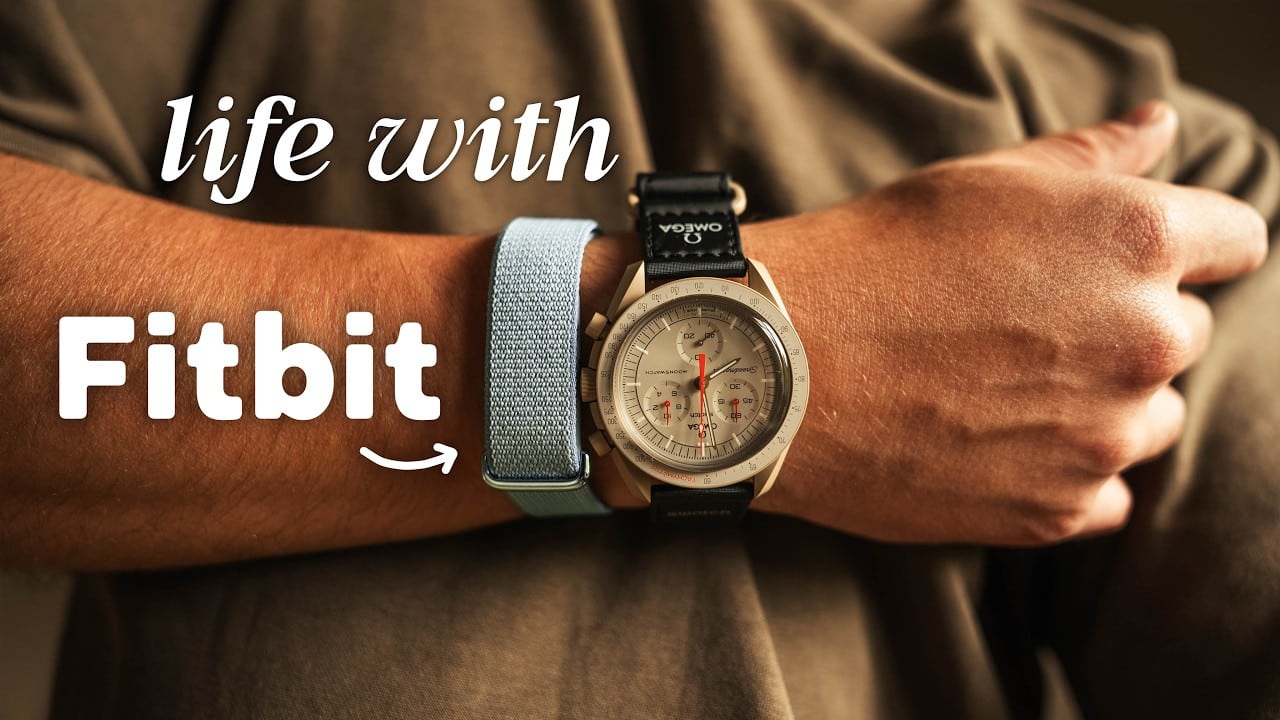
After spending a year and a half with Whoop and several months testing the Fitbit Charge 6, one content creator is questioning whether most people truly need everything premium trackers are selling.
His honest comparison reveals which device actually delivers value—and which one might be overkill for everyday athletes.
Jump to:
- The Whoop Honeymoon Phase
- When Upgrades Break Trust
- Drowning In Data Nobody Needs
- Charging Design Makes All The Difference
- Fitbit’s Simplicity Advantage
- Comfort And Design Philosophy
- Sleep Tracking Showdown
- Workout Tracking Performance
- Battery Reality Check
- App Experience And Connectivity
- The Verdict: Who Needs What
The Whoop Honeymoon Phase
Starting December 26, 2024, the journey with Whoop began with enthusiasm. Sleep and stress management were priorities, especially while recovering from a severe ankle injury sustained a year earlier.
For me, sleep is extremely important. Sleep and stress, whatever makes my body kind of go, you know.
From late December through early May 2025, Whoop became a constant companion. Sleep tracking, stress monitoring, and occasional workout logging painted a comprehensive picture of recovery and performance.

If you want something simple that actually works, this is one of the most effective tools I’ve used to build strength, conditioning, and endurance without needing a full gym setup.
- Full-body training with one weight using swings, squats, and presses
- Solid cast iron build that feels stable and lasts for years
- Comfortable grip that makes high-rep workouts easier to handle
Then Whoop 5.0 launched—and everything changed.
When Upgrades Break Trust
The Whoop 5.0 release sparked controversy that had little to do with improved sensors or battery life. Instead, longtime subscribers felt blindsided by upgrade policies that didn’t match their expectations.
Many members believed their subscription investment would automatically include future hardware. Discovering that upgrading to 5.0 wasn’t straightforward triggered backlash across Reddit and social media platforms.
The conversation was no longer about the new sensor, battery life, or health features. It was all about trust. It actually left a weird taste in my mouth, to be honest.
Whoop eventually revised policies, offering free upgrades to existing members. But perception damage persisted, raising questions about subscription value beyond hardware specifications.
Drowning In Data Nobody Needs
Despite lingering concerns, Whoop usage continued. The three-week battery life impressed, and continuous data collection eliminated charging gaps.
But an uncomfortable realization emerged: there’s too much data.
If you want something simple that actually works, this is one of the most effective tools I’ve used to build strength, conditioning, and endurance without needing a full gym setup.
- Full-body training with one weight using swings, squats, and presses
- Solid cast iron build that feels stable and lasts for years
- Comfortable grip that makes high-rep workouts easier to handle
I personally felt like I was given so much data and I was barely ever scratching the surface with it because the reality is that I’m not a professional athlete.
Whoop appears designed for serious athletes operating within structured training environments. Maximizing performance requires understanding HRV fluctuations, recovery metrics, strain scores, and how daily behaviors impact physiological readiness.
For recreational gym-goers? That depth becomes overwhelming rather than empowering.
Charging Design Makes All The Difference
One critical advantage Whoop maintains is its unique charging system. Rather than removing the device, users charge a battery pack via USB-C, then slide it onto the worn tracker.
This design ensures continuous data collection. No gaps from forgetting to put the device back on after charging sessions.
I’m the type of person that just forgets to put things on. I know it sounds stupid, but that’s the type of person I am.
Fitbit requires removal for charging, creating potential data gaps—especially frustrating when unexpected events arise during charging windows.
Fitbit’s Simplicity Advantage
Entering the Fitbit ecosystem brought immediate contrast. Battery life delivered approximately 10 days versus Whoop’s 15-plus days.
If you want something simple that actually works, this is one of the most effective tools I’ve used to build strength, conditioning, and endurance without needing a full gym setup.
- Full-body training with one weight using swings, squats, and presses
- Solid cast iron build that feels stable and lasts for years
- Comfortable grip that makes high-rep workouts easier to handle
The app interface felt underwhelming initially but proved refreshingly intuitive. Finding workouts, checking notifications, and rating sessions happened effortlessly.
Most importantly, workout reports made sense immediately—no learning curve required to interpret numbers and recommendations.
First Workout Accuracy
During an initial training session predicted to burn around 450 calories, Fitbit reported 451 calories burned. Impressive accuracy right out of the box, before the device fully adapted to individual patterns.
The seven-day calibration period refined accuracy further, though calorie measurements sometimes differed significantly from Whoop’s calculations—a metric Whoop has faced criticism about for years.
Comfort And Design Philosophy
Physical comfort matters when wearing devices 24/7. Fitbit Charge 6 delivers a minimal, breathable design that feels lighter than Whoop, especially during sleep.
The slim profile reduces bulk under wrists pressed against mattresses. However, the buckle creates a slightly squared fit compared to Whoop’s clasp system, which maintains preset tightness without daily adjustments.
If you want something simple that actually works, this is one of the most effective tools I’ve used to build strength, conditioning, and endurance without needing a full gym setup.
- Full-body training with one weight using swings, squats, and presses
- Solid cast iron build that feels stable and lasts for years
- Comfortable grip that makes high-rep workouts easier to handle
- Fitbit: Lighter, skinnier, more comfortable for sleep—but requires manual tightening each wear
- Whoop: Superior clasp design with preset wrist tightness—slightly bulkier profile
One missing feature: Whoop reminds users when devices leave their bodies. Fitbit lacks this notification, problematic given how easy it is to forget you’re not wearing something so lightweight.
Sleep Tracking Showdown
Both devices excel at sleep monitoring, though with notable differences. Whoop demonstrates slightly superior accuracy distinguishing actual sleep from lying in bed scrolling phones.
When staying in bed 30-45 minutes after waking, Fitbit sometimes counted that time as sleep. Whoop more consistently recognized wakefulness, producing more precise sleep duration measurements.
Understanding Sleep Metrics That Matter
Despite occasional discrepancies, Fitbit provides actionable sleep insights without overwhelming complexity:
- Time to sound sleep: How long your body took settling into restful states
- Sound sleep duration: Total steady, uninterrupted sleep achieved
- Restlessness: Moments technically asleep but with movement, stirring, or struggle maintaining rest
Together, these metrics paint complete pictures beyond simple “you slept 8 hours” summaries. The more data trained into systems, the better personalized assessments become.
Jet Lag Recognition
During travel to California for WWDC, Fitbit automatically detected jet lag without manual input. Recovery and sleep assessments adjusted accordingly, providing relevant guidance during disrupted schedules.
If you want something simple that actually works, this is one of the most effective tools I’ve used to build strength, conditioning, and endurance without needing a full gym setup.
- Full-body training with one weight using swings, squats, and presses
- Solid cast iron build that feels stable and lasts for years
- Comfortable grip that makes high-rep workouts easier to handle
It knew I was all jetlacked without me having to tell it, which is pretty cool.
Workout Tracking Performance
Three months of consistent gym training with personal trainer guidance revealed how both devices handle exercise logging differently.
Fitbit delivers workout overviews simply, avoiding Whoop’s graph-heavy presentations. Heart rate measurements remained comparable between devices, though calorie calculations diverged noticeably.
Auto-Detection Reliability
Whoop excels at automatically detecting activities. Fitbit’s auto-detection proves inconsistent, especially with complex movements.
During soccer sessions, Fitbit struggled identifying activity correctly—sometimes registering nothing, other times misidentifying sports like lacrosse. Simple activities like walking triggered accurate automatic logging.
Connectivity issues occasionally prevented syncing immediately after workouts, requiring 30-minute waits before data appeared.
Battery Reality Check
Fitbit claims five minutes of charging provides 24 hours of battery life. Testing confirmed five minutes delivered 24% charge—lasting nearly two full days with regular use including workouts, AI coach interactions, and phone switching.
If you want something simple that actually works, this is one of the most effective tools I’ve used to build strength, conditioning, and endurance without needing a full gym setup.
- Full-body training with one weight using swings, squats, and presses
- Solid cast iron build that feels stable and lasts for years
- Comfortable grip that makes high-rep workouts easier to handle
Whoop consistently delivers 15+ days between charges. Fitbit averages around 10 days. Both perform admirably, but Whoop’s on-body charging eliminates data gaps that plague Fitbit during charging sessions.
App Experience And Connectivity
Switching between Android and iPhone revealed stark connectivity differences. Fitbit reconnection happens seamlessly—the app recognizes devices and connects instantly.
Whoop requires putting trackers into pairing mode via taps that frustratingly fail to register consistently. What should take seconds often stretches into minutes of repeated attempts.
Interface Philosophy
Whoop’s app overwhelms with complexity. Interface elements hide additional tabs, pages, and data layers that confuse navigation. Numbers dominate presentations, requiring interpretation expertise.
Google Health (Fitbit’s app) prioritizes guidance over raw data. Many longtime Fitbit users dislike this shift from the data-focused legacy app they knew.
For someone coming from Whoop’s complexity, Google Health feels refreshingly approachable. Tabs compartmentalize information logically. Sleep, workouts, and health metrics remain accessible without drowning users in graphs.
If you want something simple that actually works, this is one of the most effective tools I’ve used to build strength, conditioning, and endurance without needing a full gym setup.
- Full-body training with one weight using swings, squats, and presses
- Solid cast iron build that feels stable and lasts for years
- Comfortable grip that makes high-rep workouts easier to handle
AI Coach Integration
Google Health’s Gemini-powered AI coach provides meal logging, hydration tracking, and personalized recommendations. The $99 annual premium subscription unlocks these features, though core tracking remains free.
From telling it about myself to logging meals and asking it about my day, I do find myself enjoying that side of Fitbit more and more.
One notable absence: stress tracking. Whoop users accustomed to HRV-based stress monitoring will miss this metric on Fitbit.
The Verdict: Who Needs What
After extensive testing with both devices simultaneously, clear use cases emerged for each tracker.
Choose Whoop If:
- You’re a professional or serious competitive athlete
- Training optimization requires granular physiological data
- Personal coaches or training facilities utilize advanced metrics
- Continuous data collection without charging gaps is essential
- Budget accommodates $30 monthly subscriptions
Choose Fitbit If:
- You’re among the 99% of people wanting practical health tracking
- Simple, actionable insights matter more than complex data
- One-time $100 purchase appeals over ongoing subscriptions
- AI coaching for meals and hydration interests you ($99 annual optional)
- Comfort during sleep is priority
Both devices deliver value—but for dramatically different users. Whoop serves athletes optimizing performance margins that separate podium finishes from fourth place.
Fitbit serves everyone else pursuing fitness, better sleep, and healthier habits without needing PhD-level data interpretation.
The real question isn’t which tracker is better. It’s whether you’ll actually use what you’re paying for.
If you want something simple that actually works, this is one of the most effective tools I’ve used to build strength, conditioning, and endurance without needing a full gym setup.
- Full-body training with one weight using swings, squats, and presses
- Solid cast iron build that feels stable and lasts for years
- Comfortable grip that makes high-rep workouts easier to handle