Training after 40 calls for a smarter blueprint, not less effort.
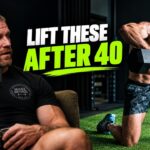
That’s the message from coach Judd Lienhard in a recent episode of his podcast.
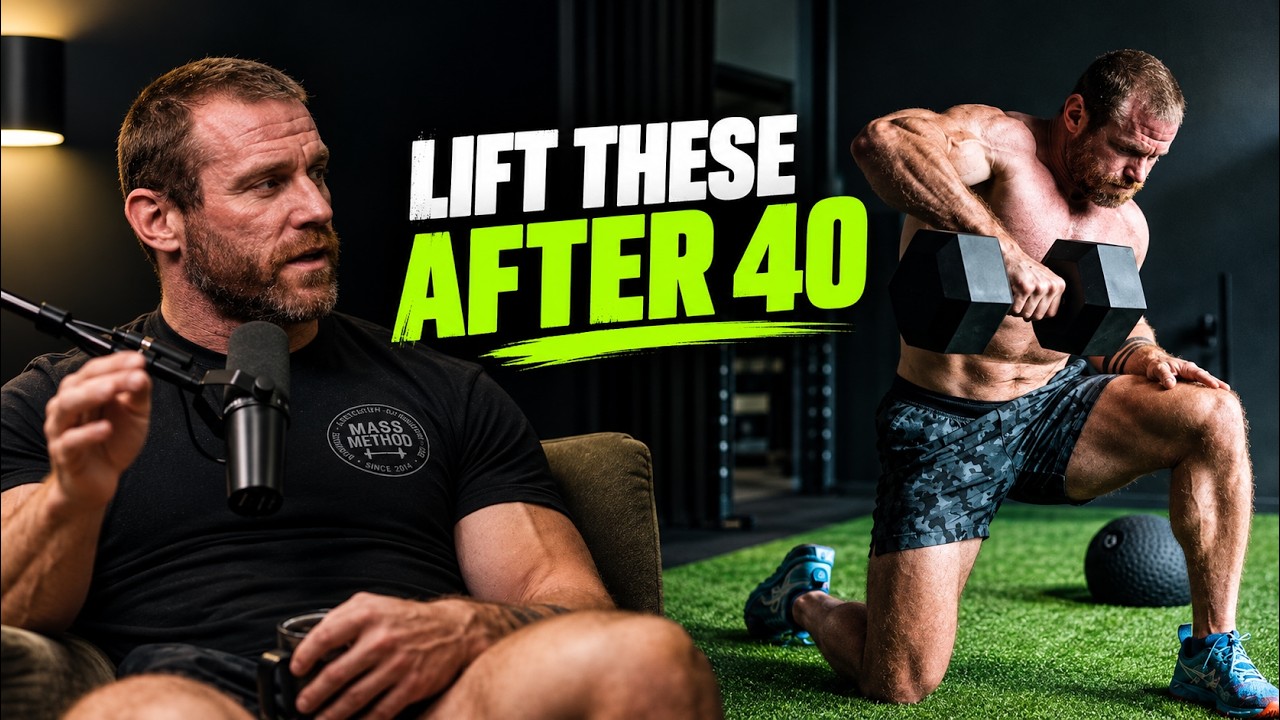
A former Army Ranger and college linebacker with 15-plus years of coaching, Lienhard narrowed his list to ten lifts plus one bonus.
One of them is a barbell squat variation he calls a “goated exercise” for older lifters.
Which one is it, and why does he rank it above the classic back squat?
Jump to:
Why Peak Strength Stops Being the Goal
Lienhard, now 46, says many lifters stay stuck in a 20-year-old mindset of loading the most weight possible.

If you want something simple that actually works, this is one of the most effective tools I’ve used to build strength, conditioning, and endurance without needing a full gym setup.
- Full-body training with one weight using swings, squats, and presses
- Solid cast iron build that feels stable and lasts for years
- Comfortable grip that makes high-rep workouts easier to handle
Peak strength becomes less and less important as we get older.
Priorities shift toward power, a solid strength base, and clean technique at speeds your joints tolerate.
His picks passed three filters:
- Capability: builds physical qualities older men tend to lack
- Tolerability: stays comfortable as joints lose mobility
- Safety: carries a lower injury risk at this age
These are one experienced coach’s opinions, not a ranking proven in head-to-head trials. Anyone with pain or an existing injury should adapt choices with a qualified professional.
Why Legs Dominate the List
As dudes, as we get older, leg weaknesses, imbalances, injuries, mobility issues tend to limit our quality of life more so than even upper body stuff.
Leg work also taxes core muscles from pelvis to neck, so one lift trains several areas.
The 10 Lifts, Explained
1. Zercher Squats
The bar sits in the crook of your elbows, so no shoulder mobility is required and nothing rests on the cervical spine.
Lienhard argues biceps risk is overblown because of a short moment arm and a shortened joint angle.
If you want something simple that actually works, this is one of the most effective tools I’ve used to build strength, conditioning, and endurance without needing a full gym setup.
- Full-body training with one weight using swings, squats, and presses
- Solid cast iron build that feels stable and lasts for years
- Comfortable grip that makes high-rep workouts easier to handle
It might be uncomfortable, but it’s not dangerous.
Stay upright to hit quads, or hinge more if ankles and hips are tight. The bar is easy to dump when needed.
2. Walking Lunges
Lunges demand less hip rotation than bilateral squats, while the staggered stance trains opposite-side movement through the pelvis.
Lienhard says this builds resilience around the sacroiliac joint and lower back. He also likes the gait-like, open-system nature of walking versions.
Knee tendinitis? He suggests front-foot-elevated reverse lunges or sled pushing instead.
3. Weighted Carries
Carries hit feet, legs, back, pelvis, grip, traps and delts together, with minimal mobility needed.
Just hold on to something heavy.
Go one-sided, hold by your sides, or try a Zercher hold.
If you want something simple that actually works, this is one of the most effective tools I’ve used to build strength, conditioning, and endurance without needing a full gym setup.
- Full-body training with one weight using swings, squats, and presses
- Solid cast iron build that feels stable and lasts for years
- Comfortable grip that makes high-rep workouts easier to handle
4. Single-Arm Incline Dumbbell Press
Dips and overhead presses irritate many older shoulders. Incline pressing is the sweet spot most can still do comfortably.
Dumbbells let wrists and elbows find a pain-free path, while going single-arm adds anti-rotation work for obliques.
The best push for you is the one you can do that doesn’t aggravate injuries or your shoulders or your elbows.
5. Single-Arm Dumbbell Rows
A supporting hand shields the lower back, a common limiter for barbell rows after 40. Lienhard calls these almost as effective for back growth, but safer and more comfortable.
His reality check: does rowing 300 pounds improve your life more than rowing 100 safely?
6. Grounded Rotations
Floor-based rotational flows train hip internal and external rotation, plus independent movement of pelvis and spine.
We want one or two exercises that check a lot of boxes.
7. Banded Kettlebell Front Swings
Swings build power without jumping impact. Bands add variable resistance and eccentric overload while easing tension at the most vulnerable point.
If you want something simple that actually works, this is one of the most effective tools I’ve used to build strength, conditioning, and endurance without needing a full gym setup.
- Full-body training with one weight using swings, squats, and presses
- Solid cast iron build that feels stable and lasts for years
- Comfortable grip that makes high-rep workouts easier to handle
Lienhard concedes they won’t match Olympic lifts for peak power. For most older lifters, he says, they’re far easier to learn.
8. Trap Bar Deadlifts
Neutral-grip handles allow heavy loads without a mixed grip, which he links to bicep rupture risk. The load also stays closer to your center of mass.
Flip the bar for lower handles and a longer range of motion. Or stand on a bumper plate to fine-tune depth.
A trap bar is an implement, not an exercise.
He disagrees with strength coach Mark Rippetoe’s criticism of the bar. Barbell purists will push back, so treat this as an ongoing debate.
9. 45-Degree Hip Extensions
Posterior chain tension arrives without heavy spinal compression. That allows more frequent training for glutes and hamstrings.
Lienhard deadlifts heavy roughly twice monthly but hits these twice weekly, giving discs and the nervous system a breather.
If you want something simple that actually works, this is one of the most effective tools I’ve used to build strength, conditioning, and endurance without needing a full gym setup.
- Full-body training with one weight using swings, squats, and presses
- Solid cast iron build that feels stable and lasts for years
- Comfortable grip that makes high-rep workouts easier to handle
10. Cossack Squats
This side-to-side squat opens hips and strengthens adductors, which support pelvic stability, gait and knee health.
It’s just a great way to keep your mobility and build your legs at the same time.
Bonus: Hip Thrusts
Hip thrusts train glutes near full extension without axial load. Lienhard says they may also relax tight hip flexors, which can tilt the pelvis forward and stress the lower back.
Muscle-relaxation mechanisms like this are plausible, but still a coach’s explanation. Glute strength itself is a solid reason to include them.
What’s Missing From the List (And Why)
No overhead pressing, back squats, conventional deadlifts or bodyweight vertical pulling made the cut. Lienhard insists he isn’t banning them.
They’re simply less accommodating for common shoulder, neck and back limitations. If you perform them pain-free, keep going.
He also left out activities such as weighted hiking, which he rates as arguably the best option of all.
If you want something simple that actually works, this is one of the most effective tools I’ve used to build strength, conditioning, and endurance without needing a full gym setup.
- Full-body training with one weight using swings, squats, and presses
- Solid cast iron build that feels stable and lasts for years
- Comfortable grip that makes high-rep workouts easier to handle
How to Put It Into Practice
- Pick versatile lifts: favor movements that train several qualities at once
- Press and pull heavy: choose variations that avoid pain
- Split spinal loading: pair one heavy deadlift day with hip extensions later
- Scale freely: lunges, carries and Zerchers adjust easily to ability
- Offset your loads: single-arm work trains rotation if time is tight
Strength after 40 is less about maximum numbers and more about staying capable for decades.